
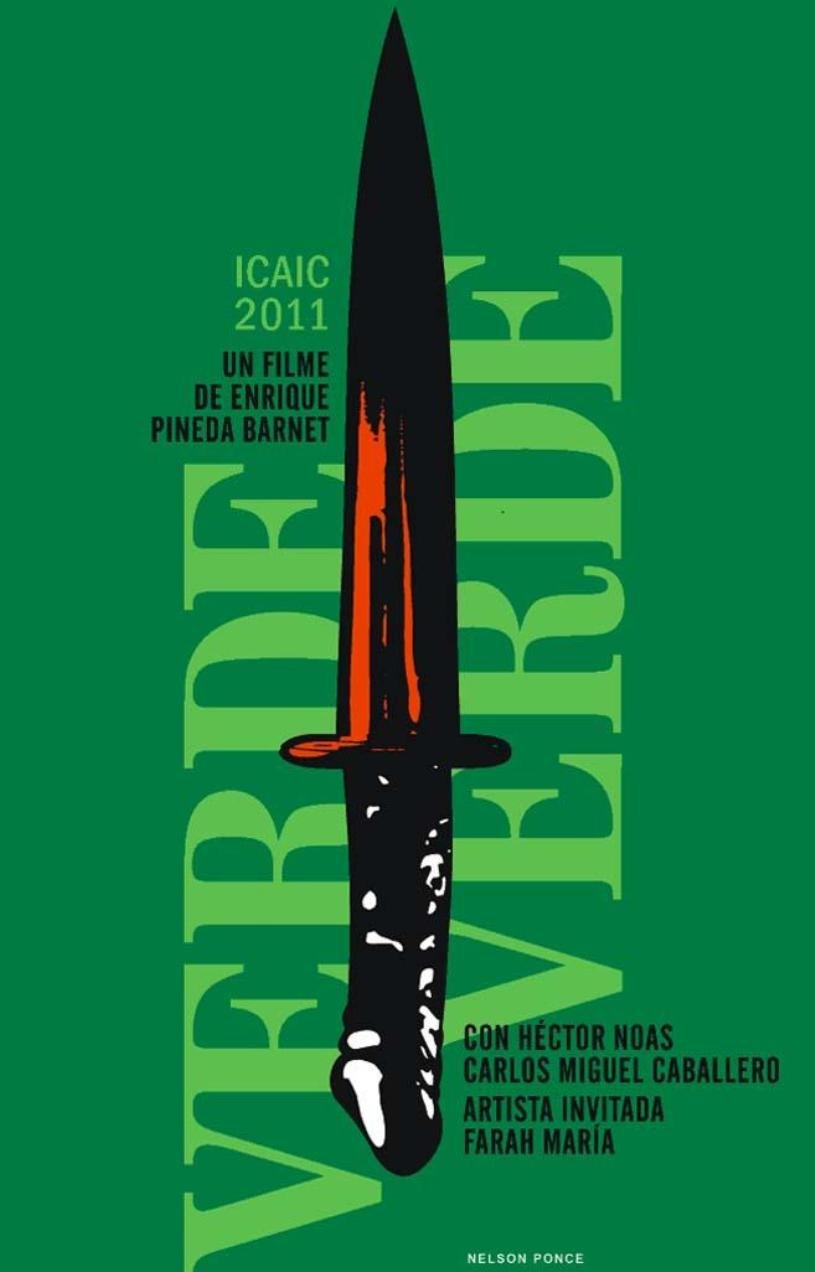
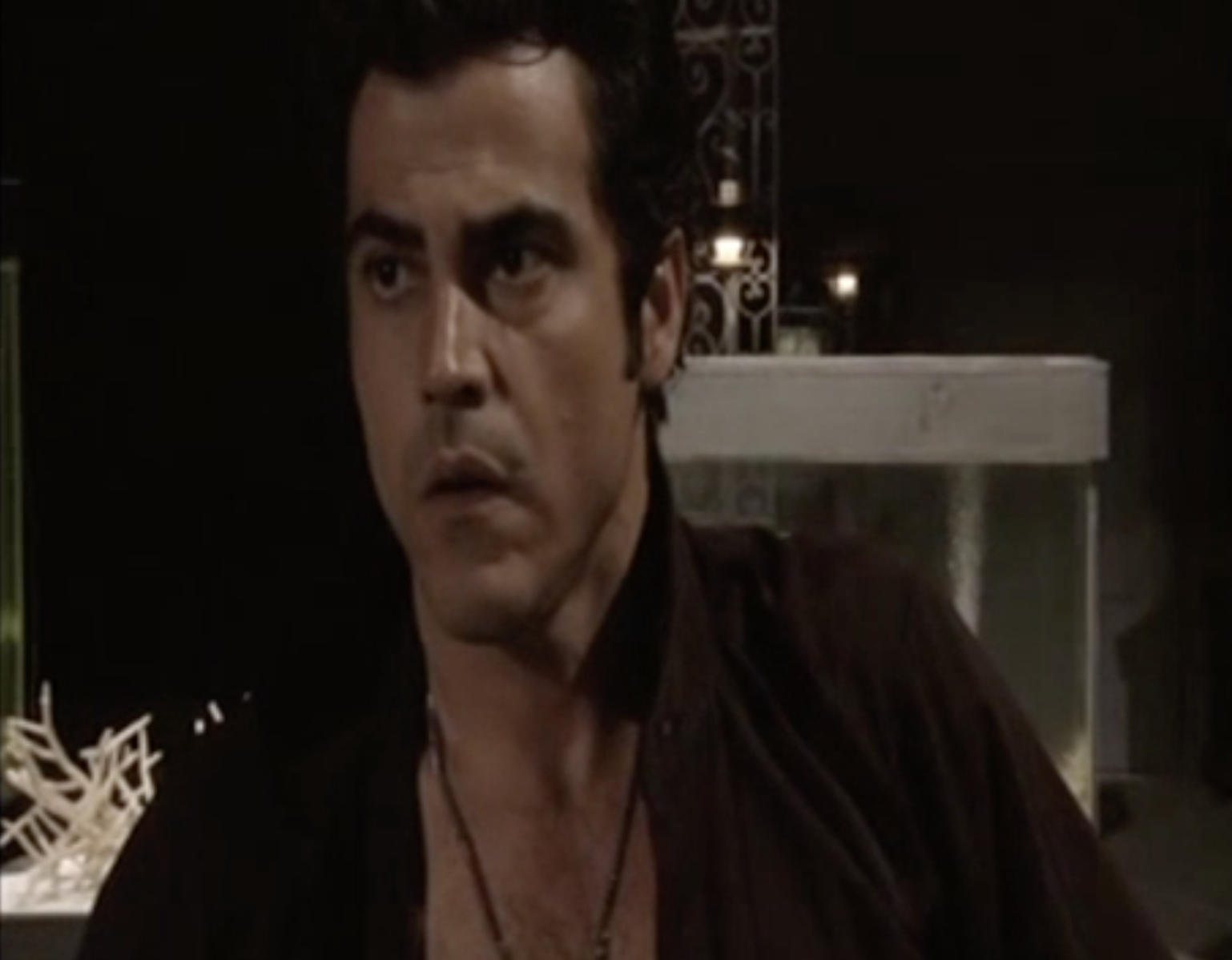
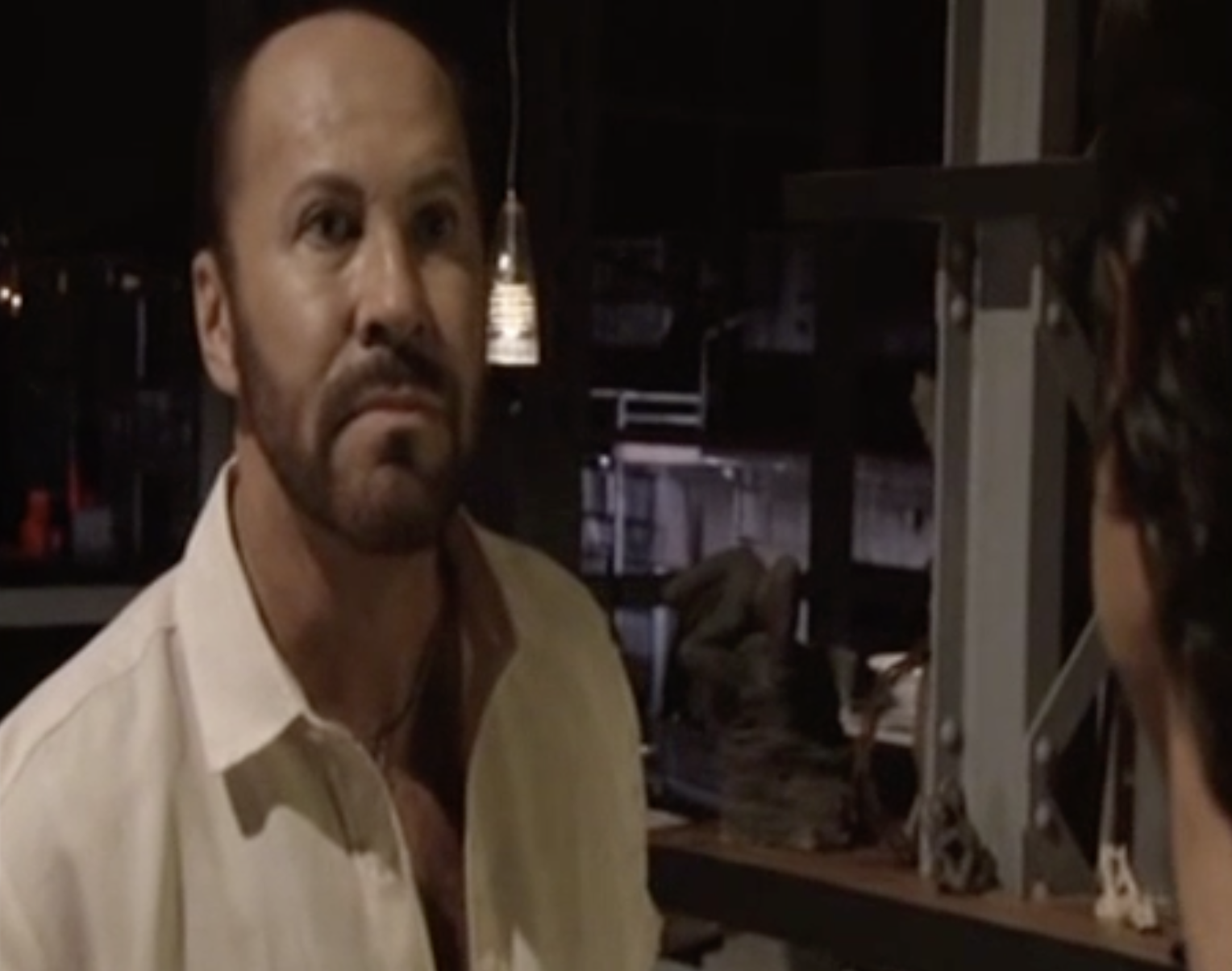
Verde verde es una película que se enfoca en un encuentro homoerótico entre Alfredo, un enfermero naval, y Carlos, un técnico informático. Los dos hombres se conocen en un bar oscuro y sórdido, en el que hay strippers, jugadores, drag queens y hombres gay. Carlos llama a un hombre “maricón” antes de que se tope con Alfredo, y Carlos percebe los ojos juzgadores de un grupo de hombres mientras conversa con Alfredo. Los dos hombres se van del bar por un ascensor viejo e industrial, y deciden seguir conversando en el apartamento de Alfredo.
En el apartamento industrial y desconcertante de Alfredo, los dos hombres hablan de sus carreras y la sexualidad mientras toman. Carlos mira desde la ventana un grupo de marineros nudos yendo de fiesta en un edificio iluminado por luz roja. La conversación que sigue revela que Alfredo se respeta y es abiertamente bisexual; al contrario, Carlos afirma que es hetero y que no entiende “la mariconería” que ve. Cada vez que Carlos empieza a relajarse, aparece una toma estéril de él huyendo del apartamento, y se cierra inmediatamente. Si bien Carlos no se siente cómodo con su sexualidad, los dos hombres coquetean de cierta manera, y los dos hombres luchan alegremente con una espada que Alfredo se esconde en el baúl.
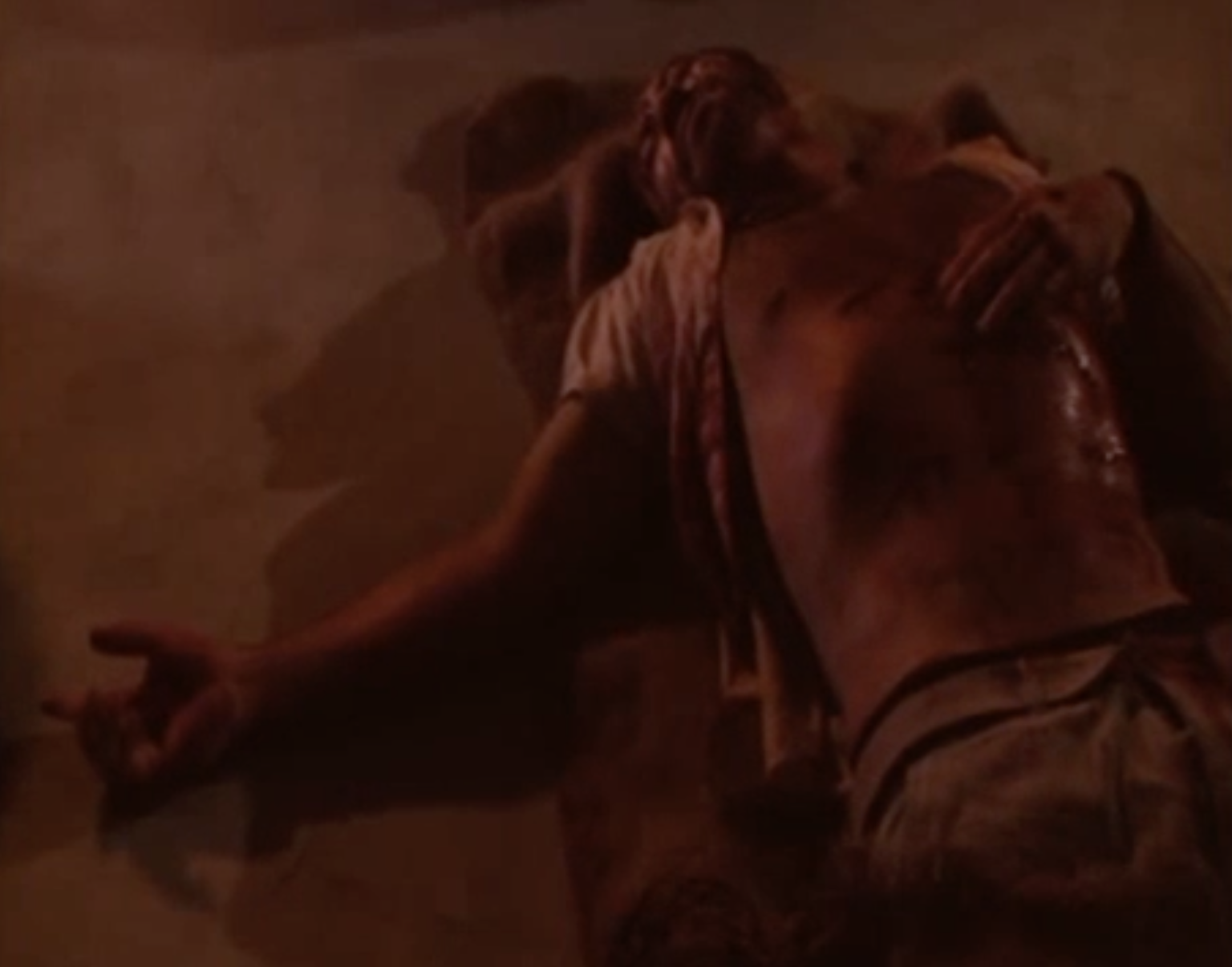
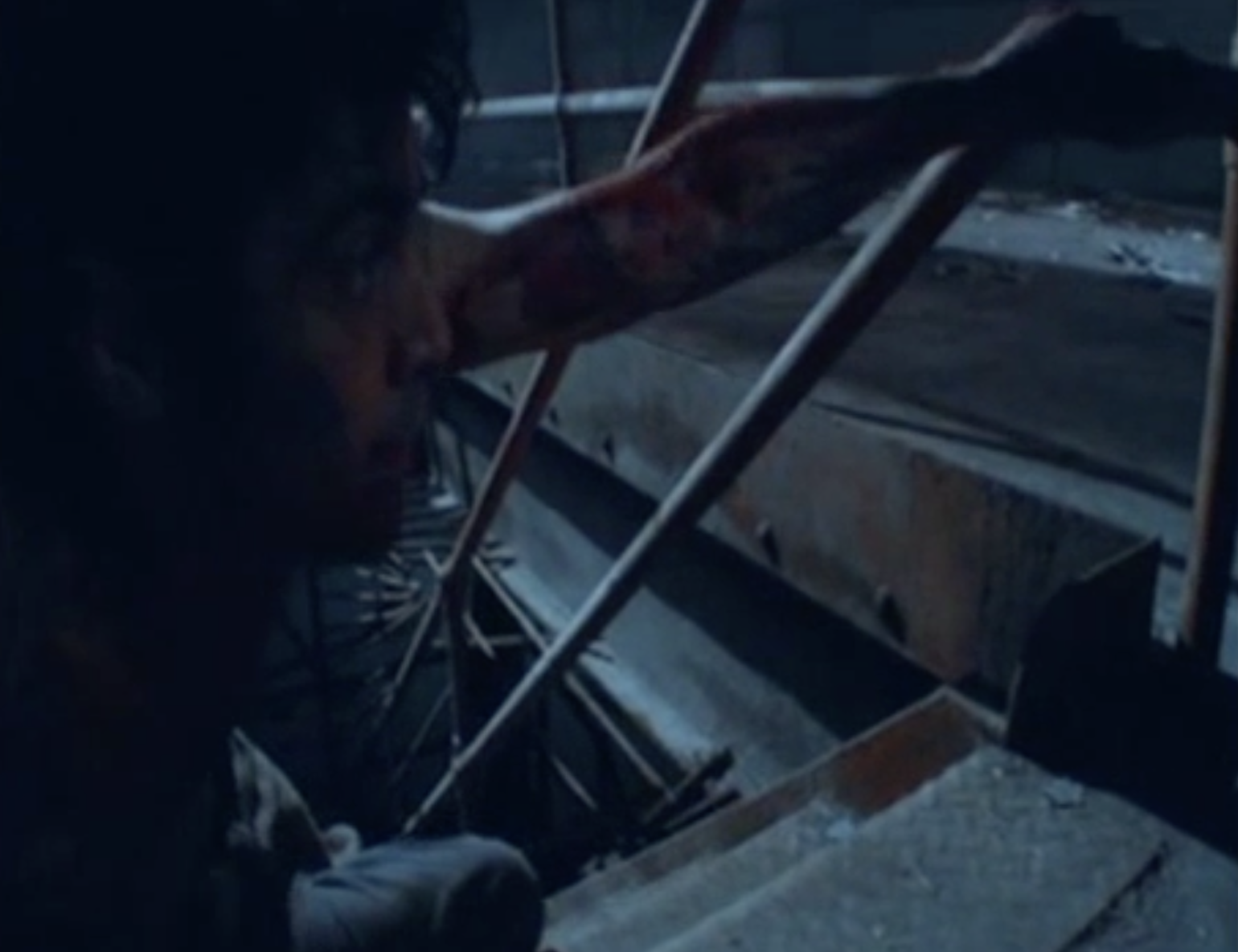
El tono del film cambia profundamente cuando Alfredo defiende su sexualidad e invita a Carlos a bailar “sin prejuicios”. Carlos se relaja y, después de unos minutos bailando con Alfredo, consente a tener relaciones. Mientras los dos hacen el amor, Carlos repite “yo soy un hombre” y sigue sintiendo homofobia internalizada. Después, Carlos imagina varias personas juzgándolo, y ataca a Alfredo por haber seducido a él. Eventualmente, encuentra la espada y apuñala a Alfredo. El film termina con Carlos repitiendo “ahora sí no lo vas a poder contar a nadie” encima del cuerpo de Alfredo y, al fin, cortando su miembro para sentir control de la situación. Carlos trata de huir, pero se encuentra atrapado en el apartamento hasta que huye por una ventana hacia el techo. Imagina un hombre solicitando sexo, y su cara se ilumina por luz roja.
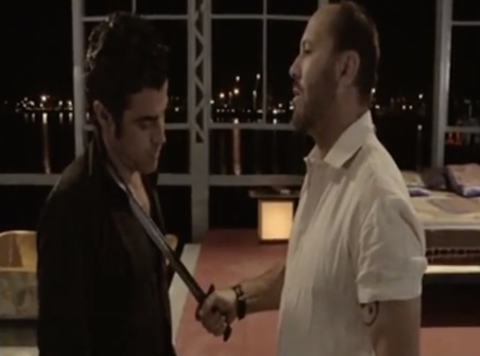
Describes the setting of a scene in a play or a film. It refers to everything placed on the stage or in front of the camera—including people. In other words, mise en scène is a catch-all for everything that contributes to the visual presentation and overall “look” of a production. When translated from French, it means “placing on stage.”
Además, es imprescindible notar el papel que juegan los espejos en el film. Carlos se mira en el espejo en el ascensor y, luego, en el apartamento de Alfredo. Es evidente que Carlos está obsesionado con su apariencia y masculinidad, así que los espejos sirven para hacer que él haga autorreflexión y considere la disonancia entre su sexualidad y sus acciones. Siempre compara su apariencia externa con las percepciones societarias (especialmente las de sus amigos del bar), y los espejos sirven como puntos de control donde Carlos puede verificar que todavía es macho. Al fin del film, después del asesinato de Alfredo, Carlos se mira a la sombra con terror. Esta sombra representa la pérdida de humanidad que experimenta Carlas al matar a Alfredo y la crisis identitaria que tiene; ya no se puede ver porque ya no sabe quién es. Cuando por fin se puede mirar en un charco en el techo, lo salpica y cierra los ojos para que no tenga que ver a sí mismo y procesar lo que hizo.
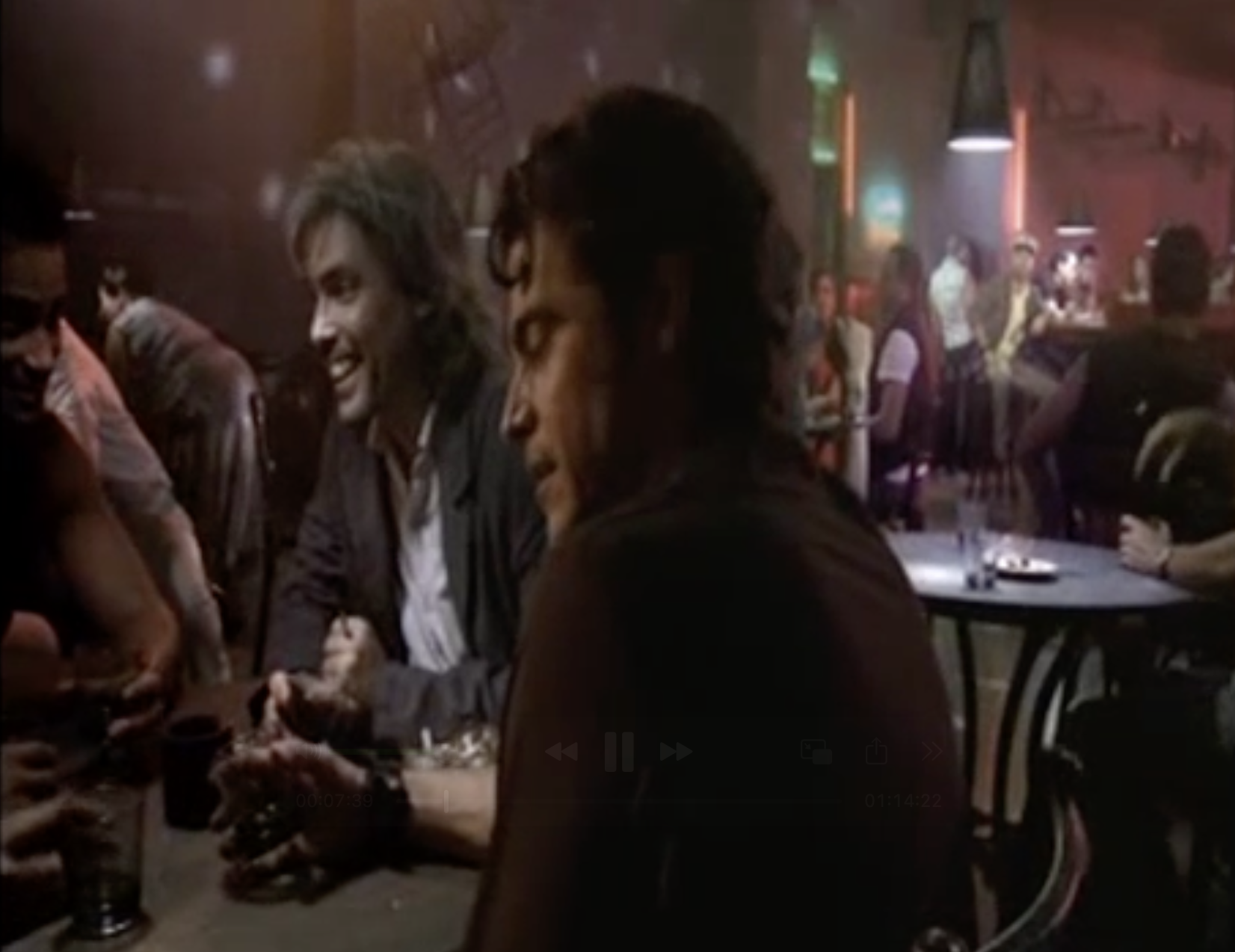
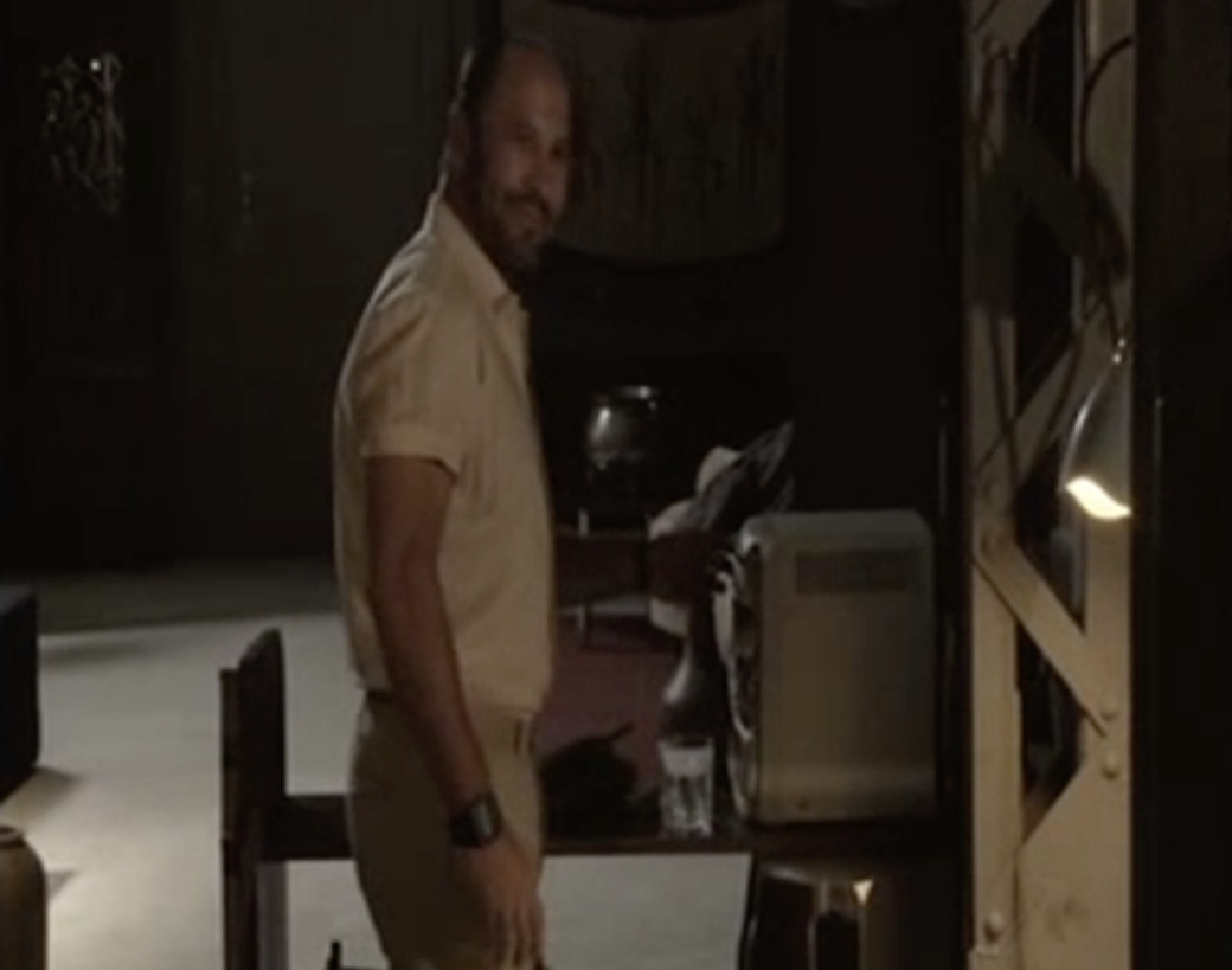
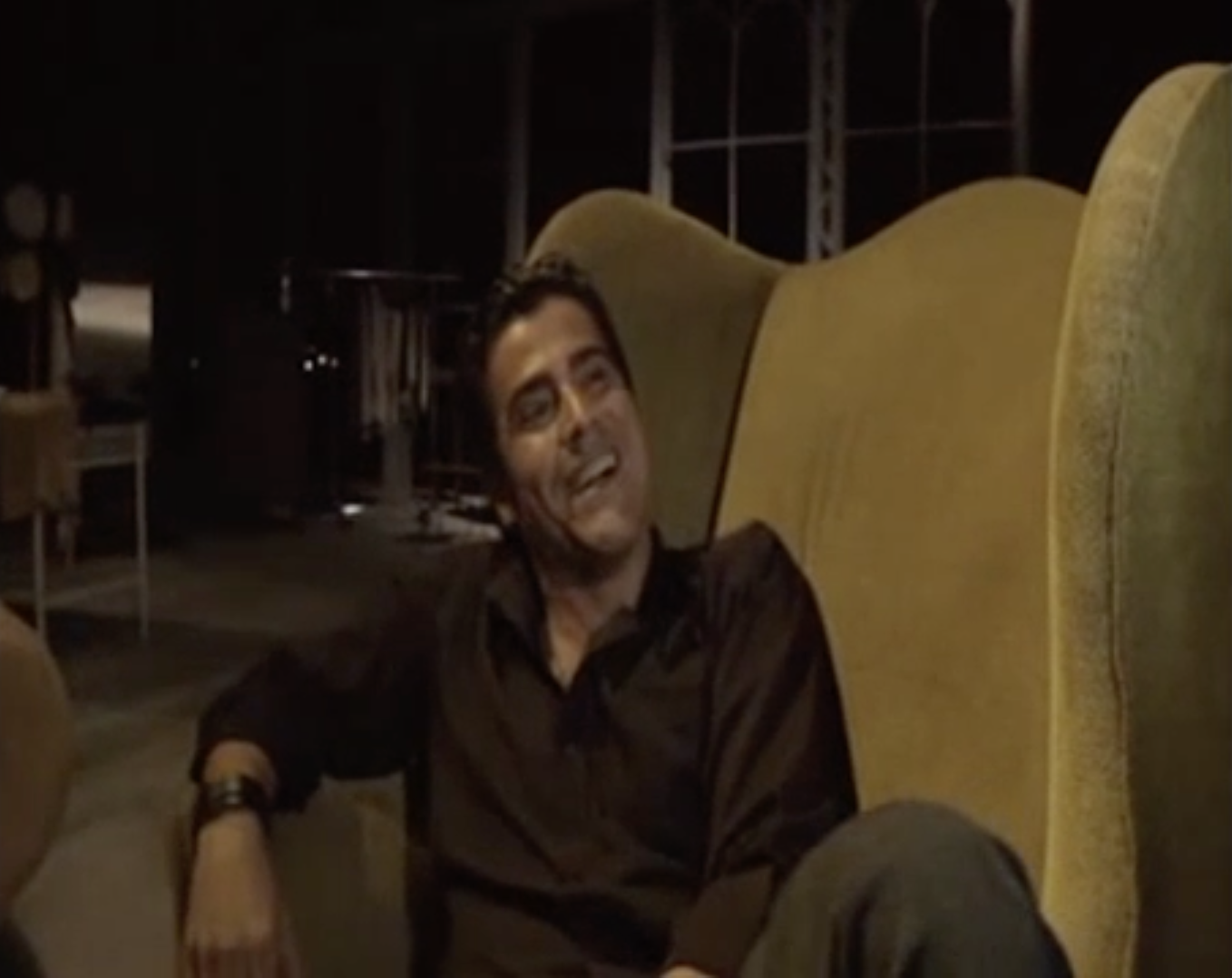
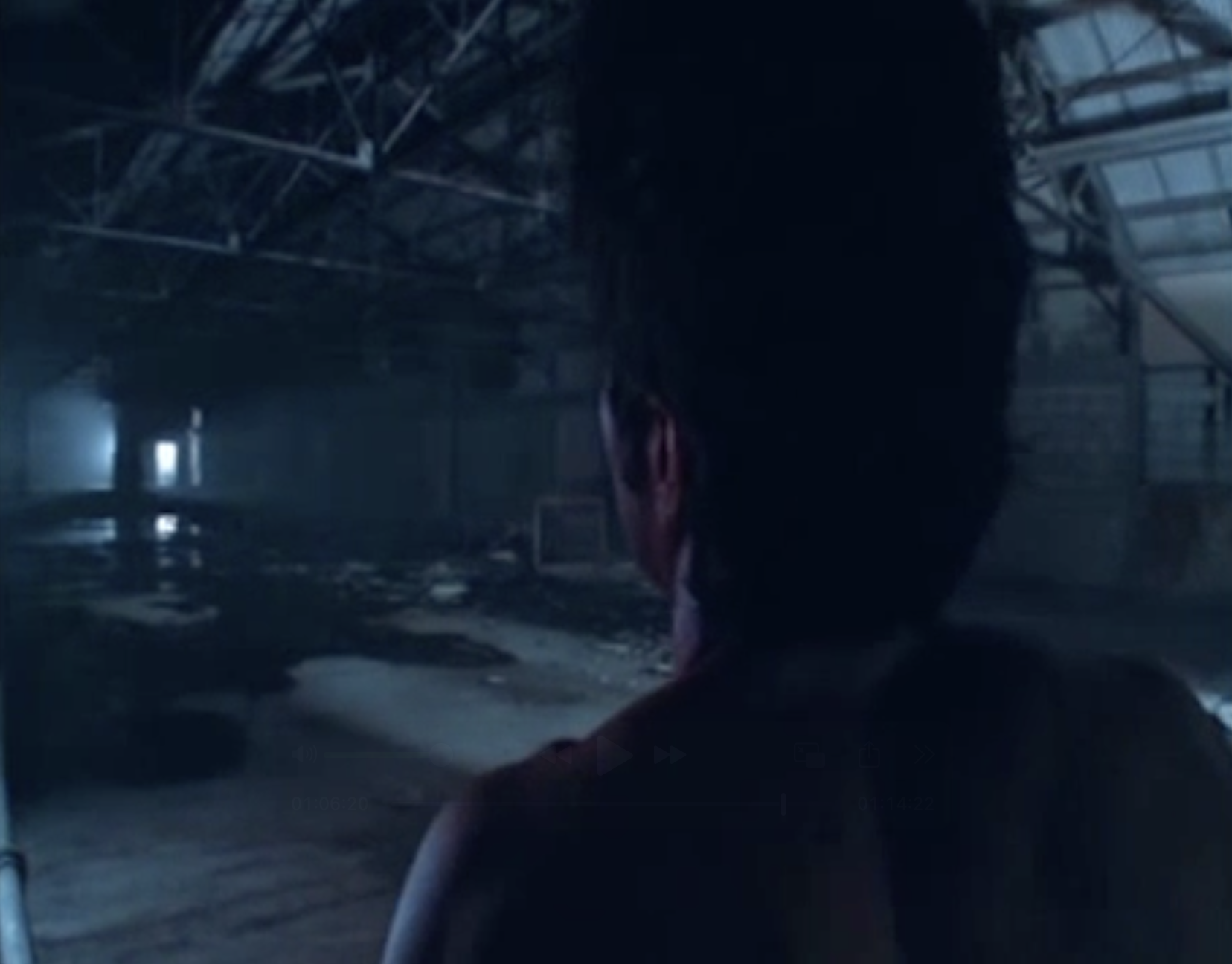
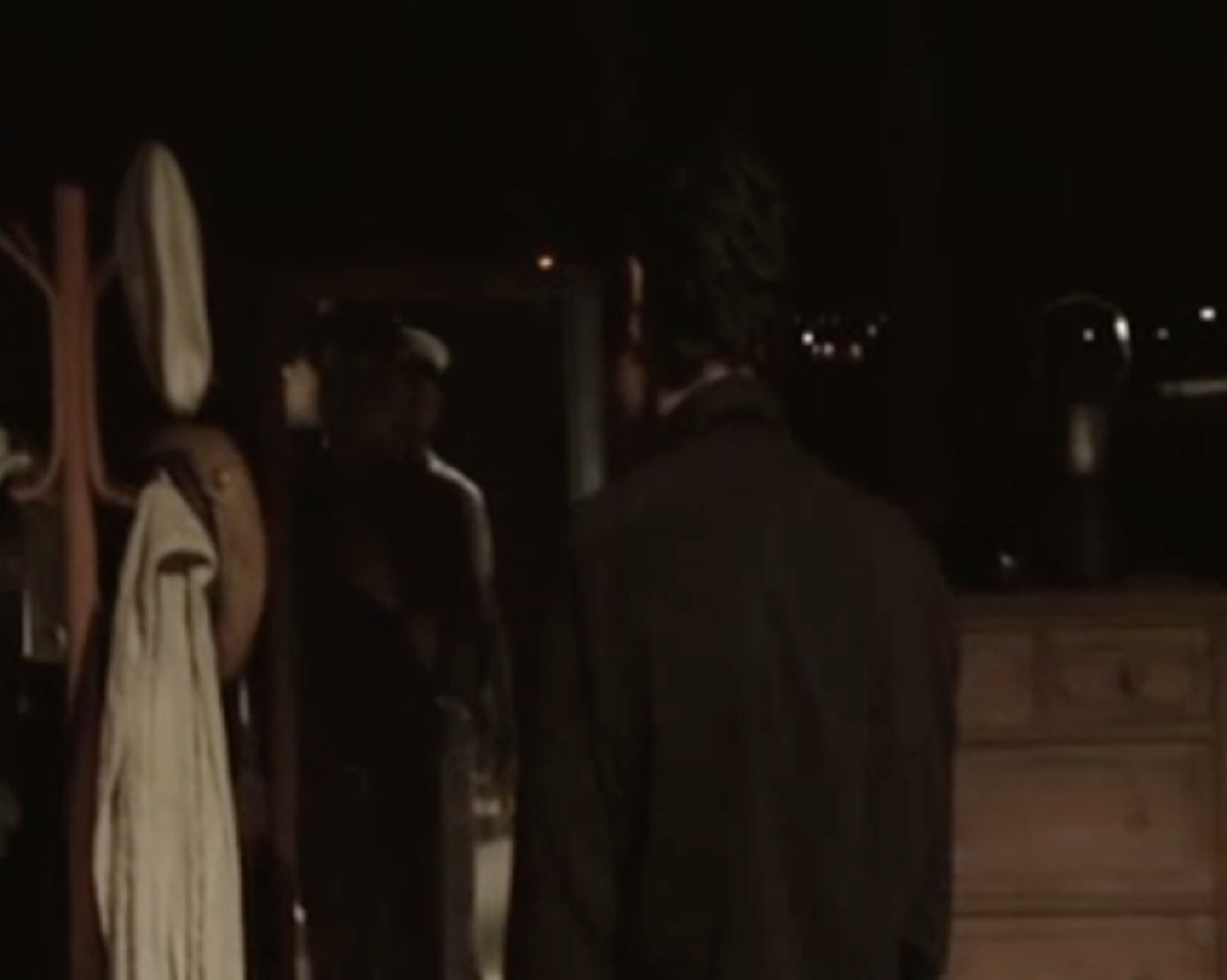
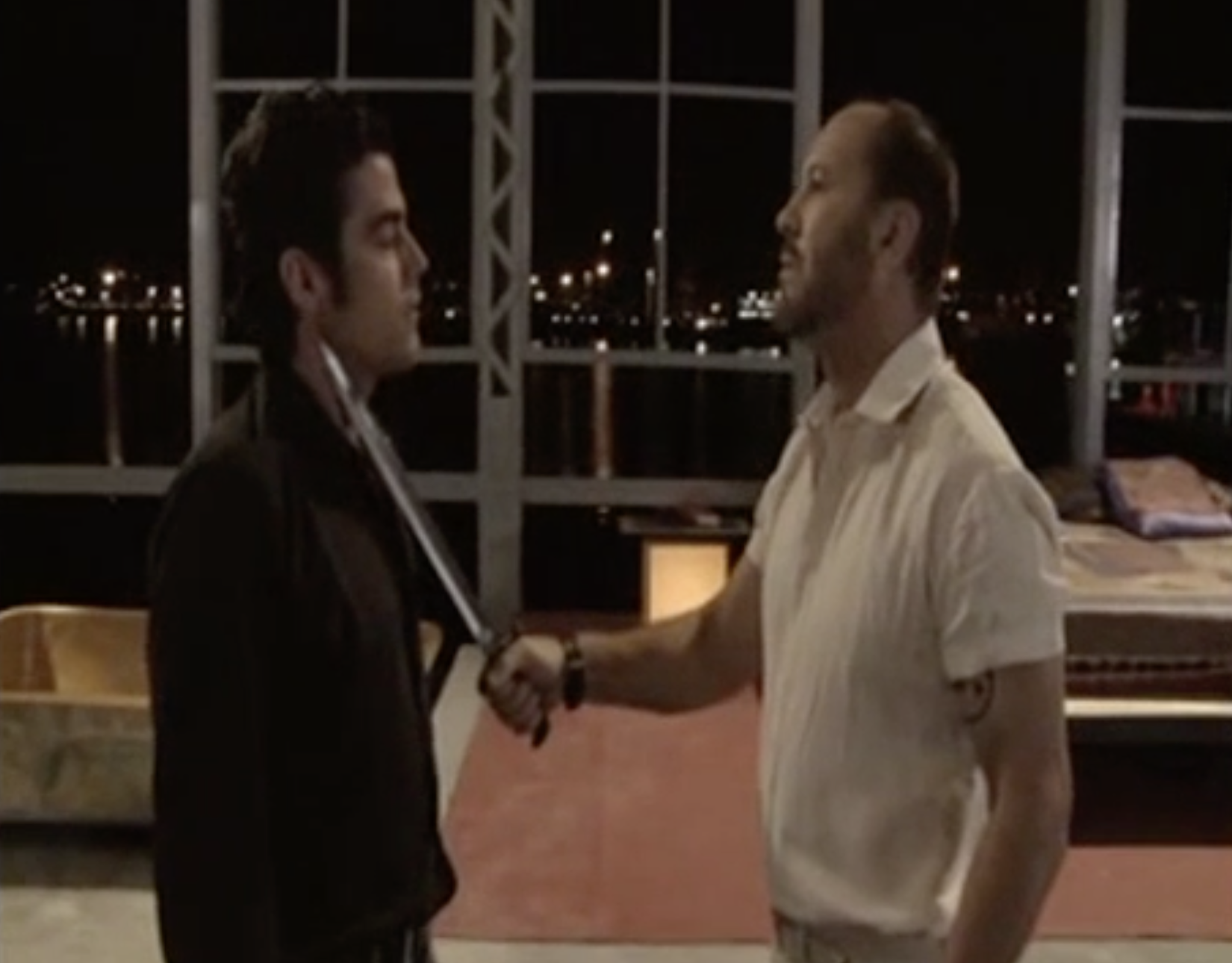
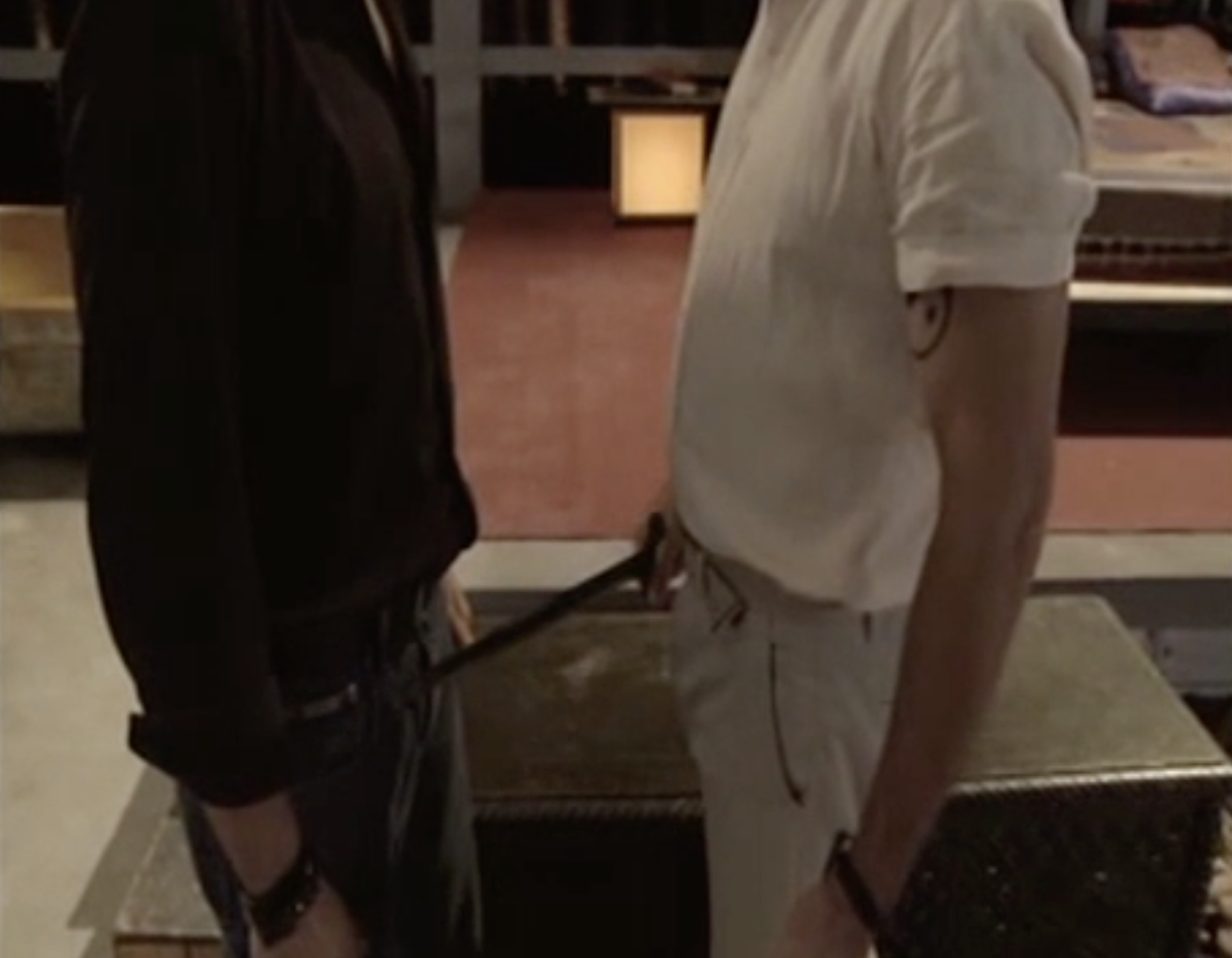
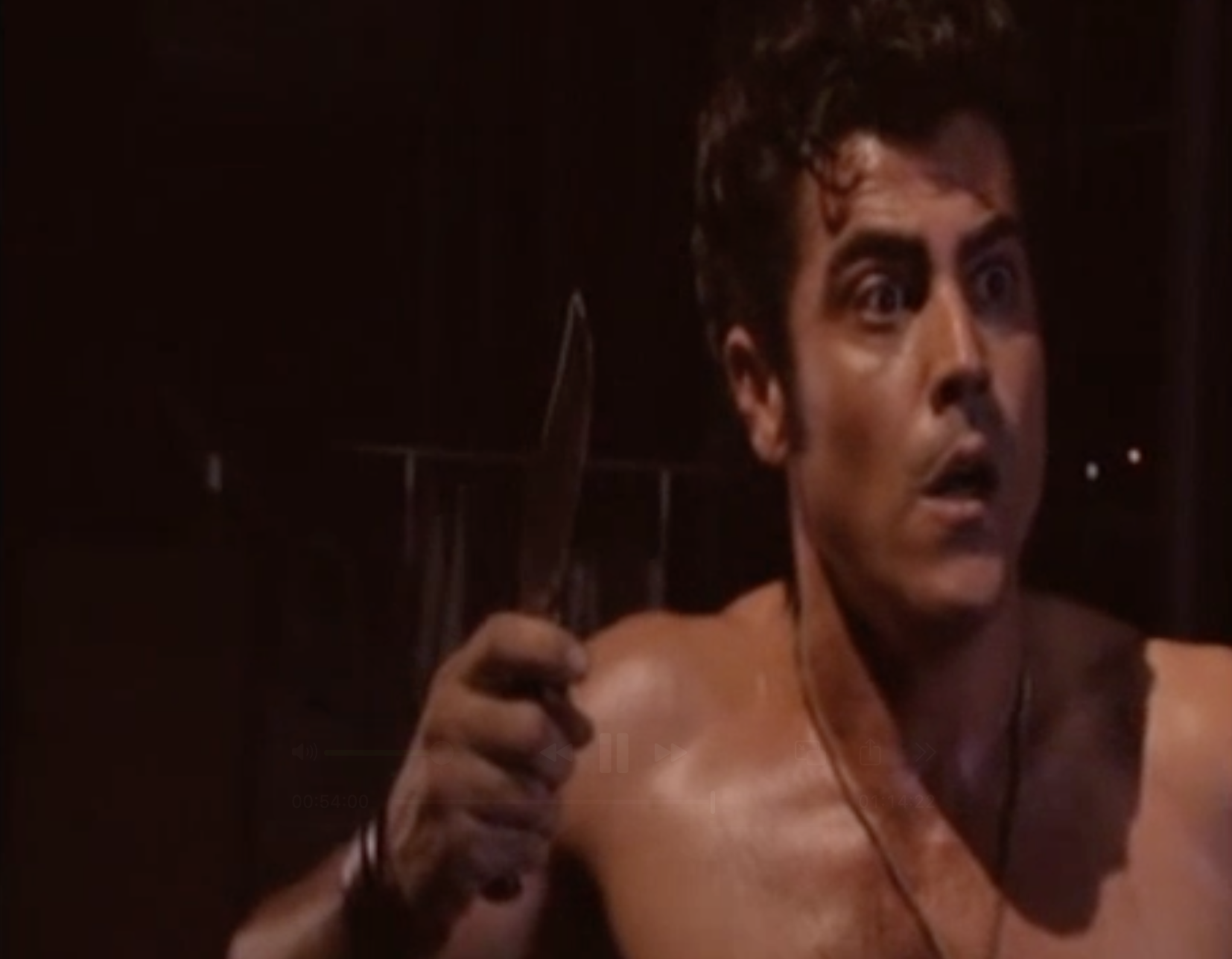
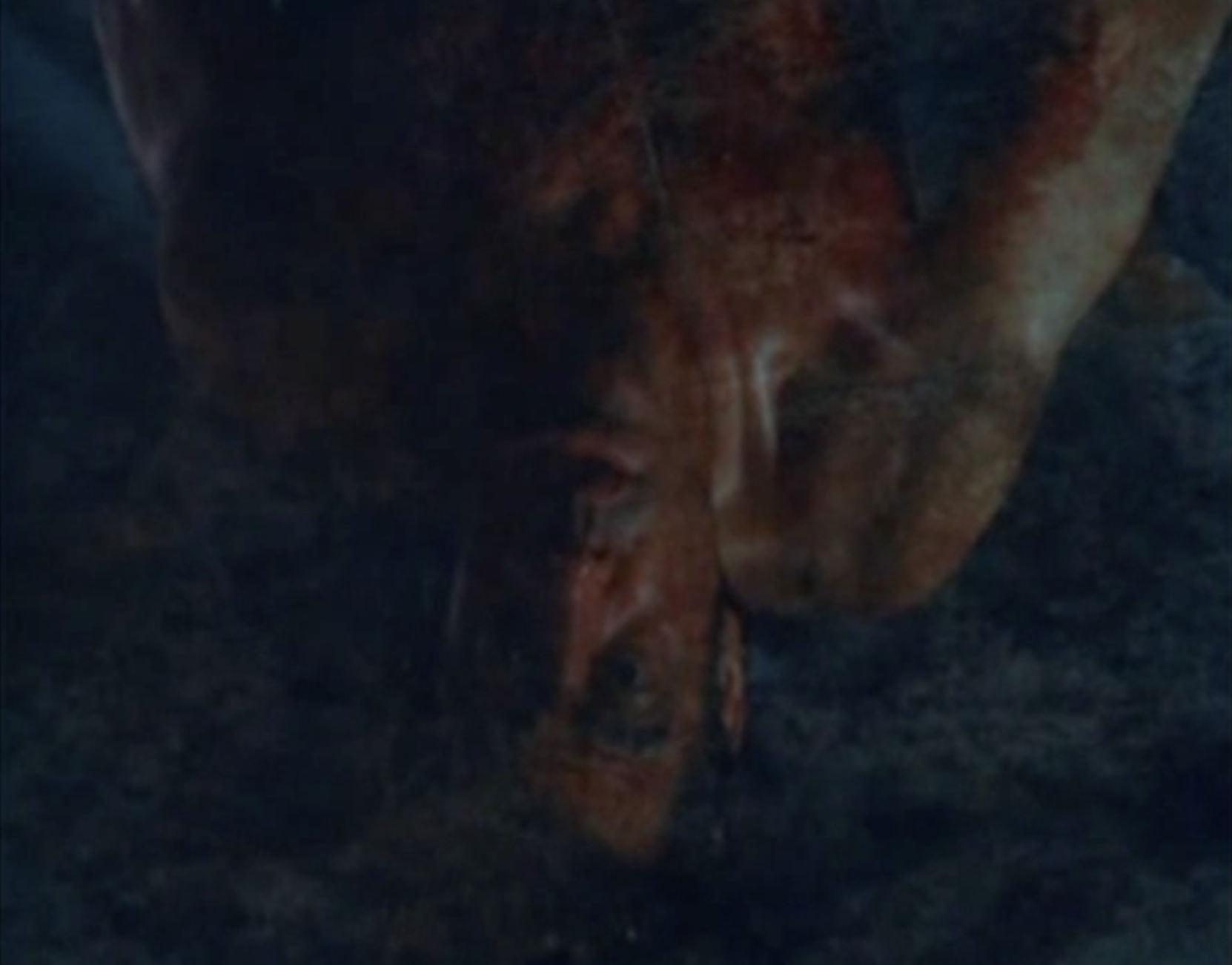
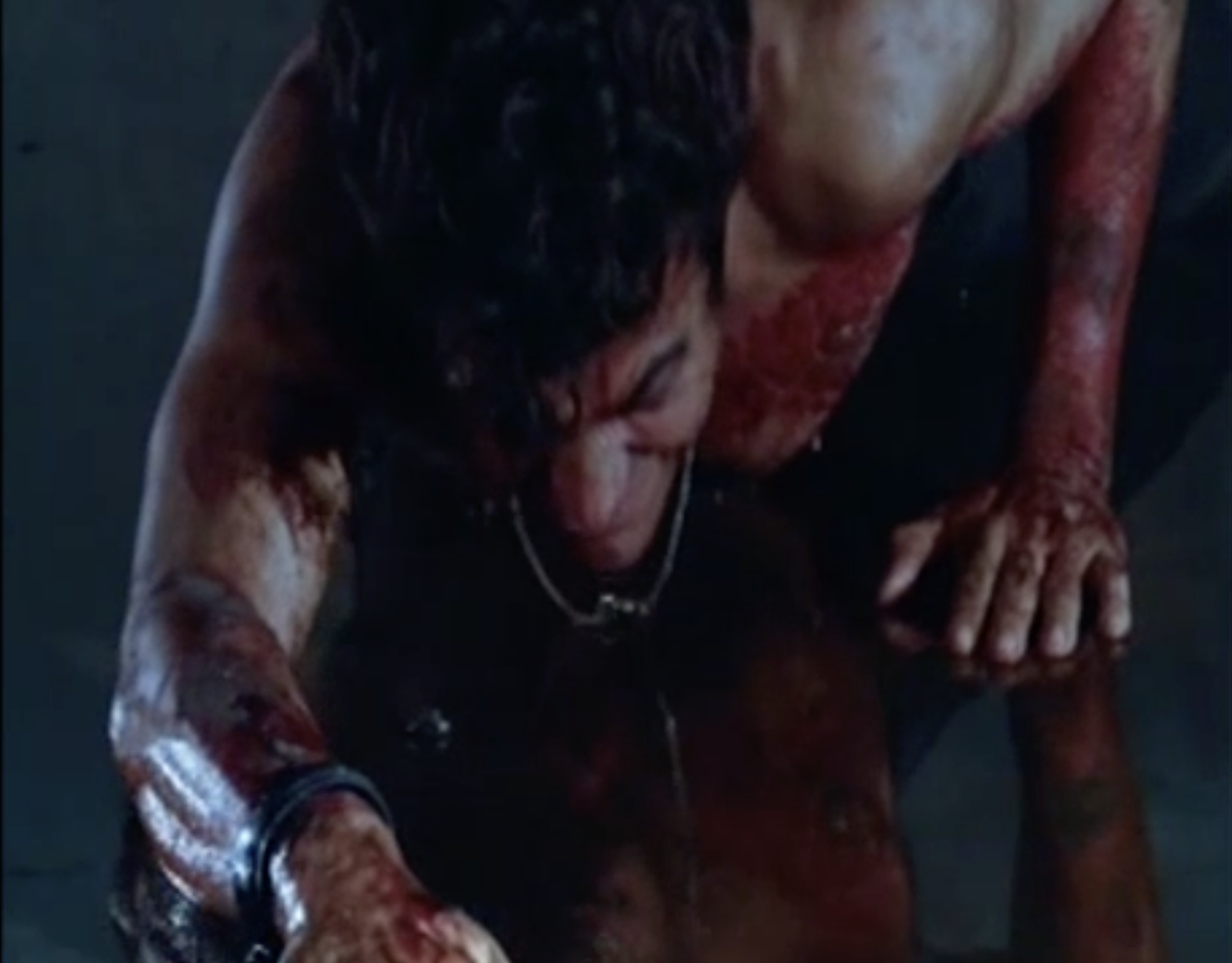
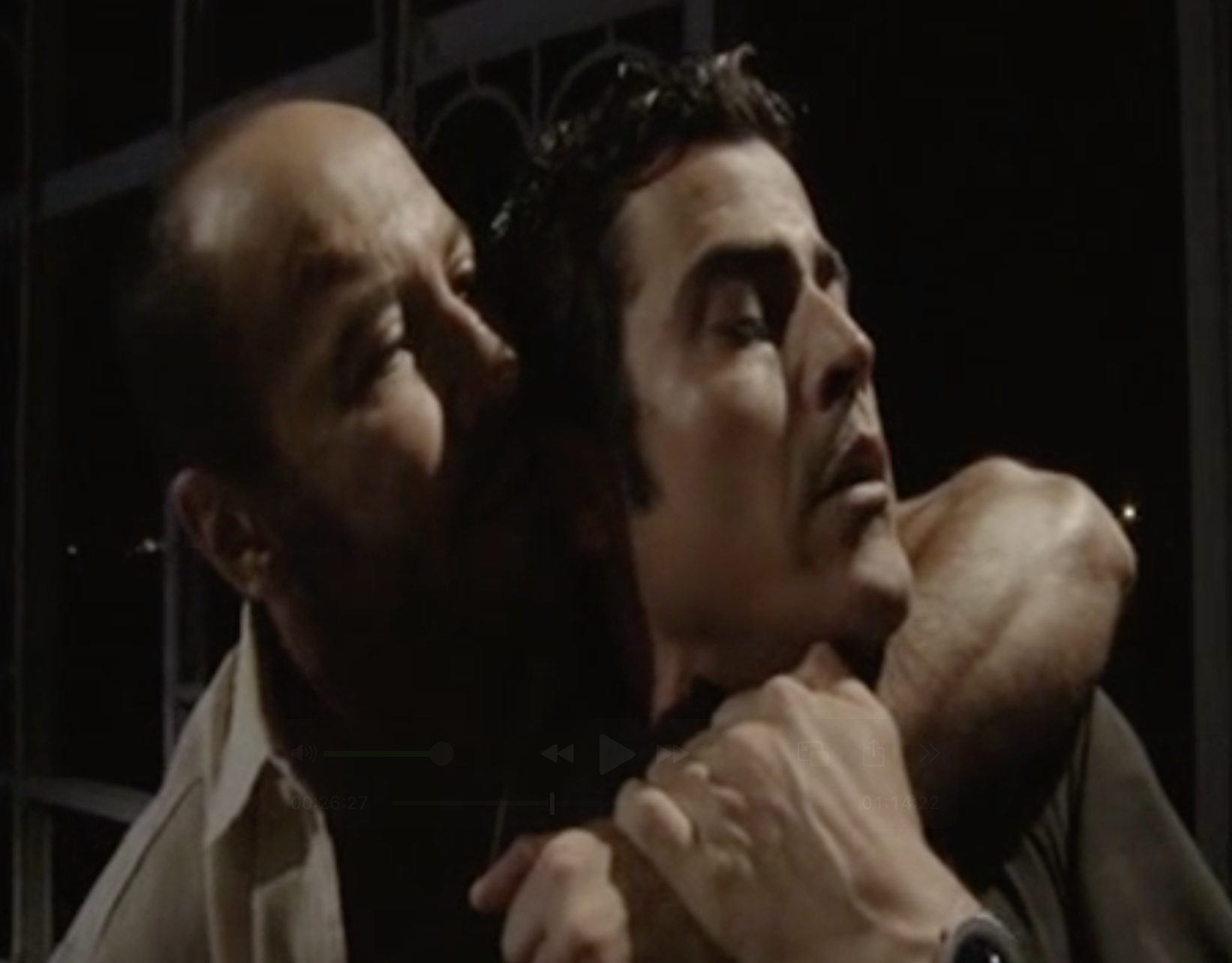

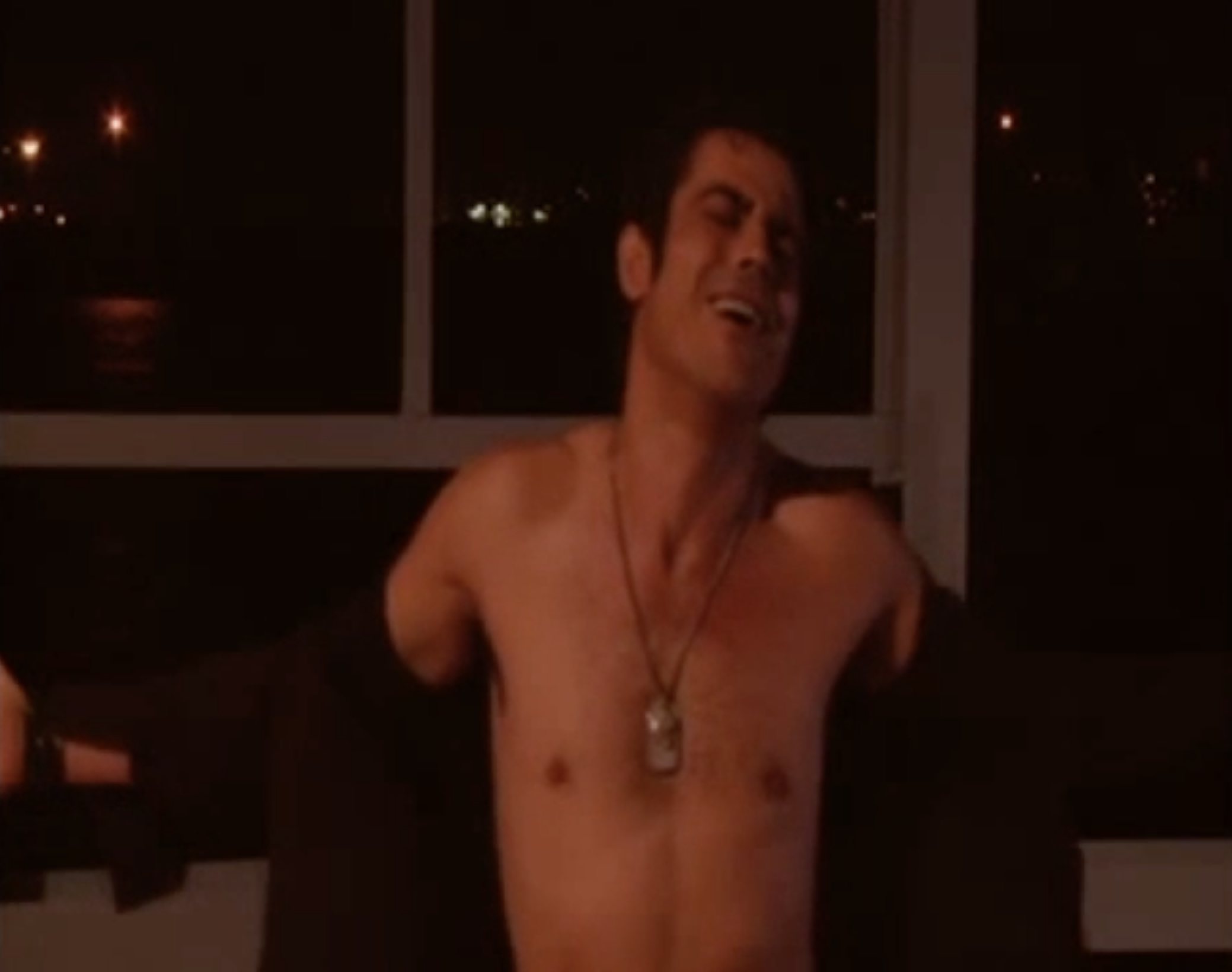

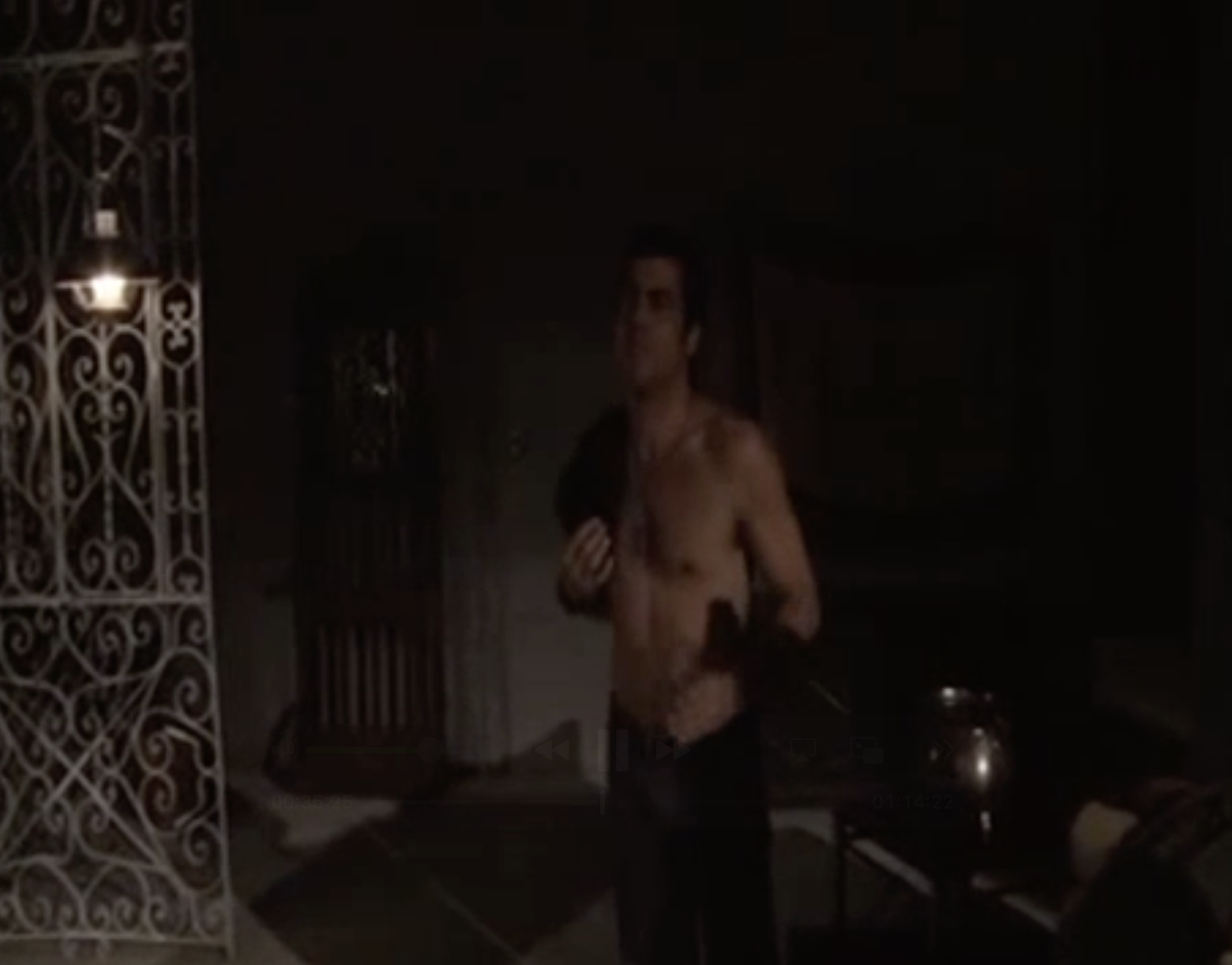
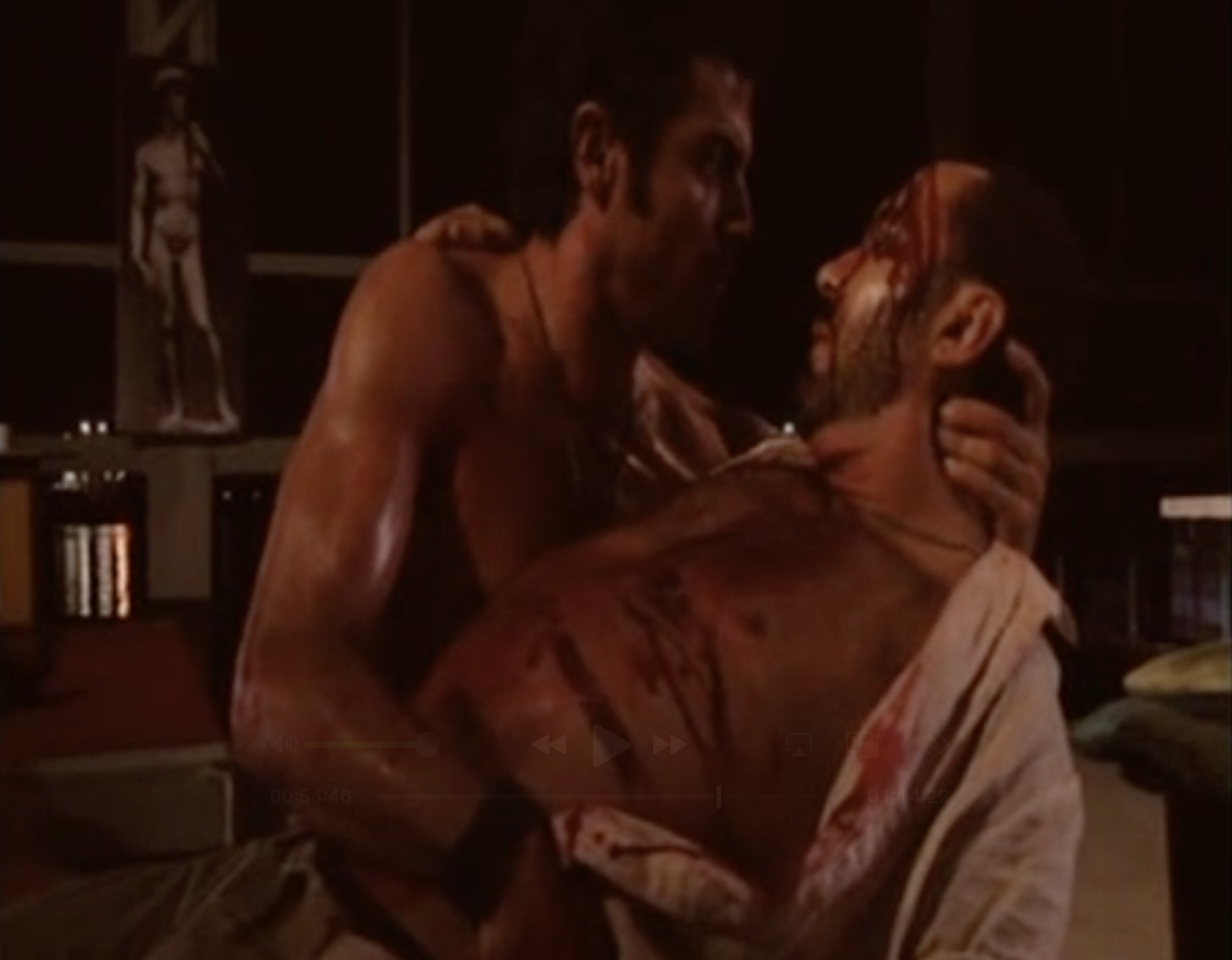
This is the art of photography and visual storytelling in a motion picture or television show. Cinematography comprises all on-screen visual elements, including lighting, framing, composition, camera motion, camera angles, film selection, lens choices, depth of field, zoom, focus, color, exposure, and filtration. Cinematography sets and supports the overall look and mood of a film’s visual narrative. Each visual element that appears on screen, a.k.a. the mise-en-scène of a film, can serve and enhance the story—so it is the cinematographer’s responsibility to ensure that every element is cohesive and support the story. Filmmakers often choose to spend the majority of their budget on high-quality cinematography to guarantee that the film will look incredible on the big screen.
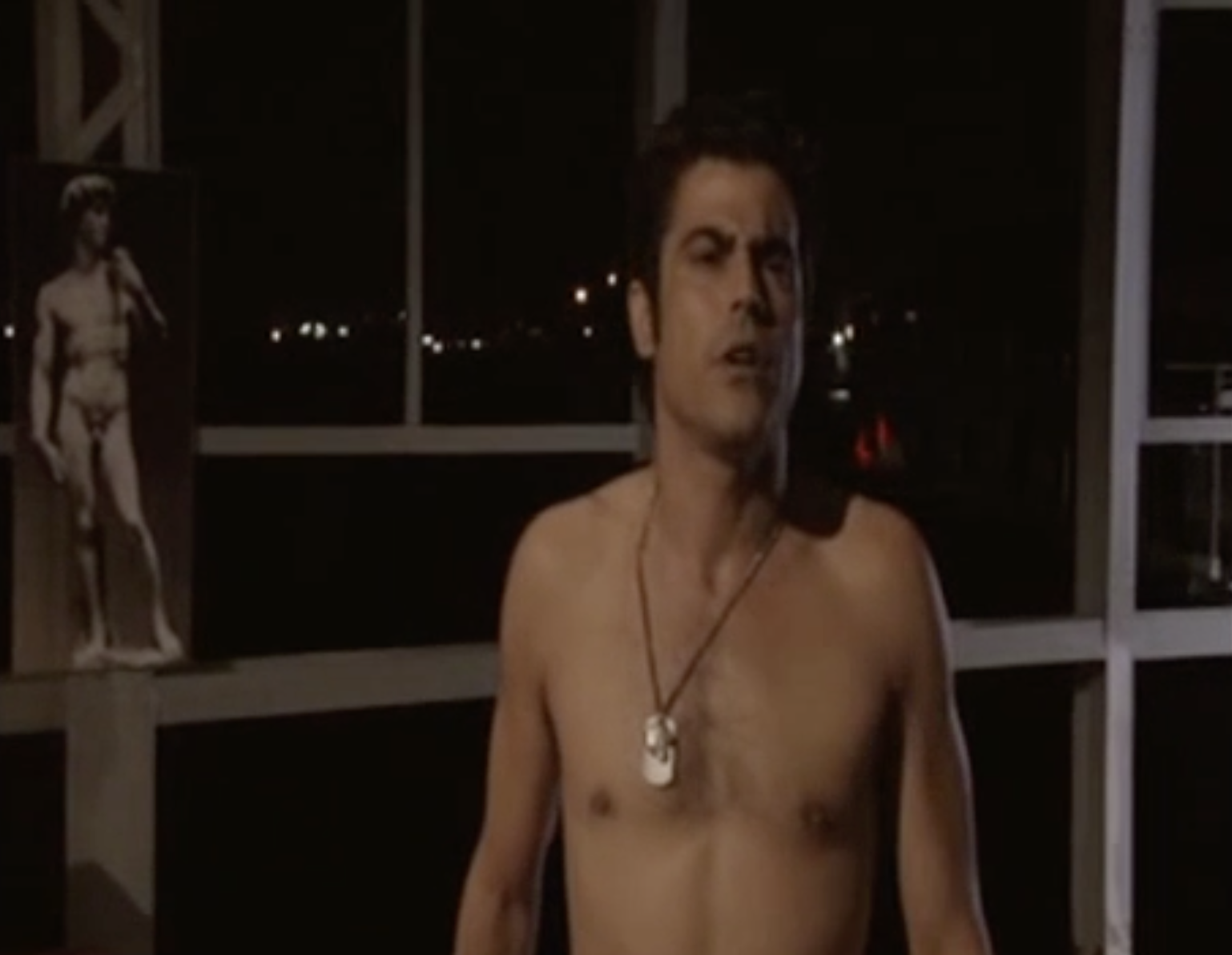
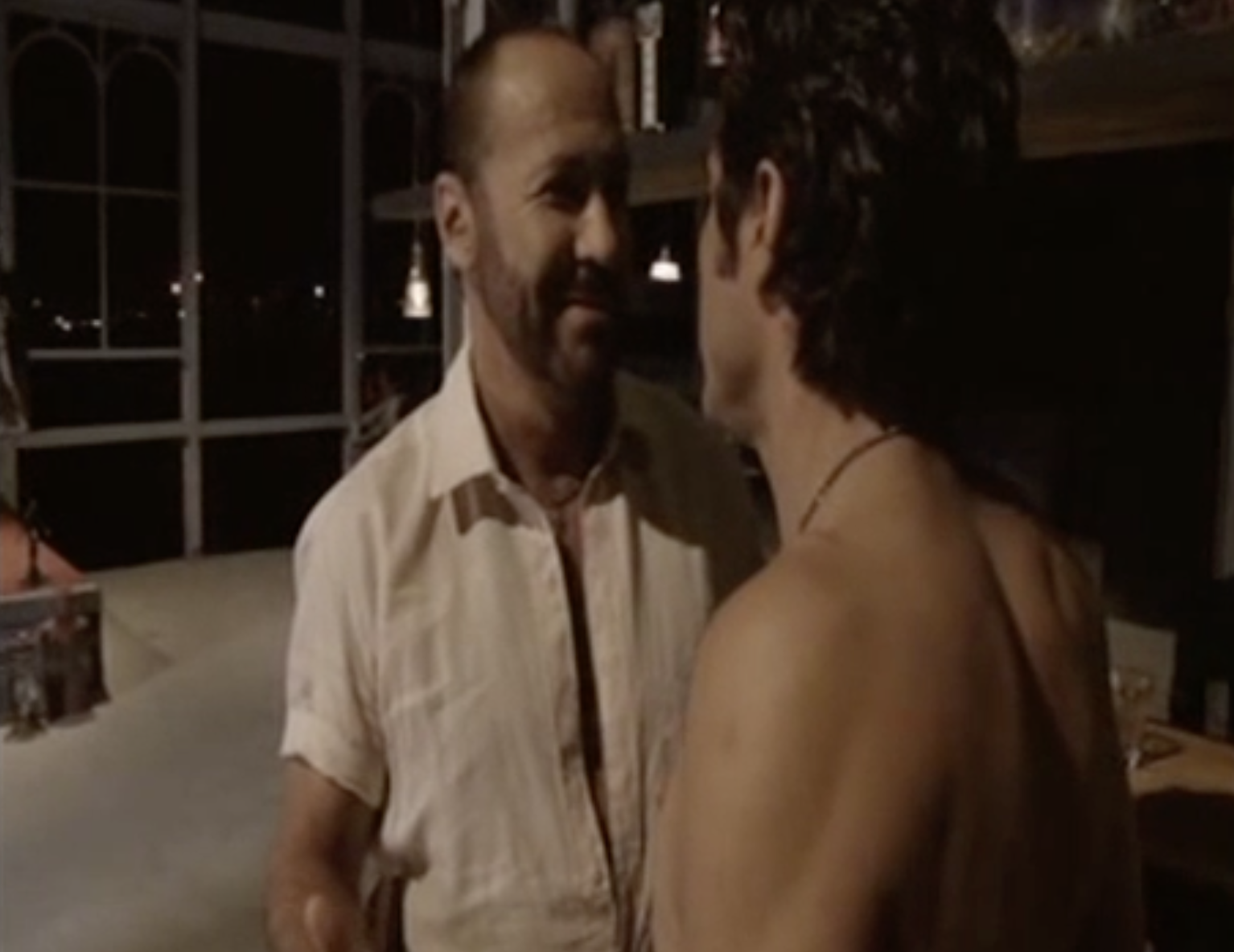
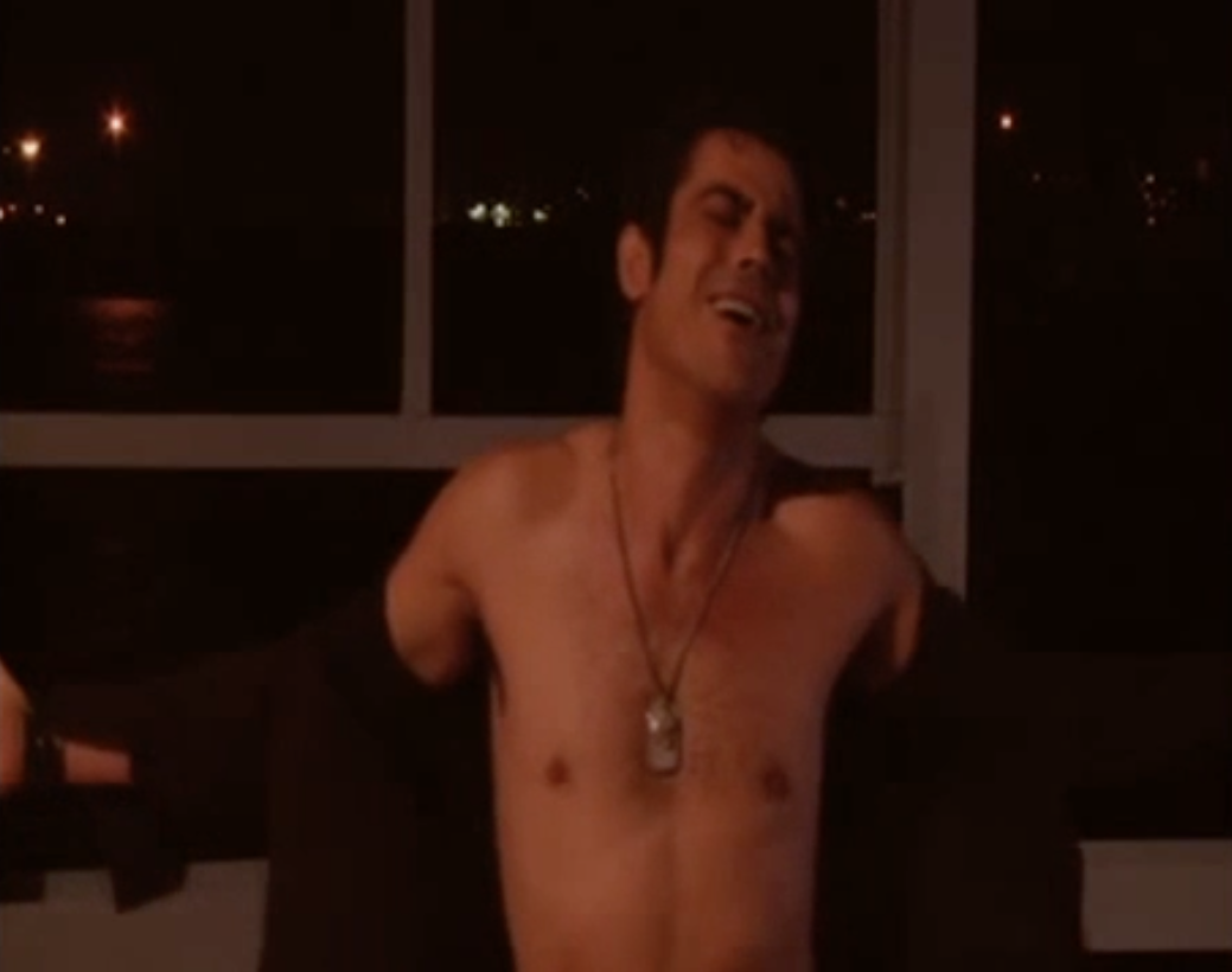
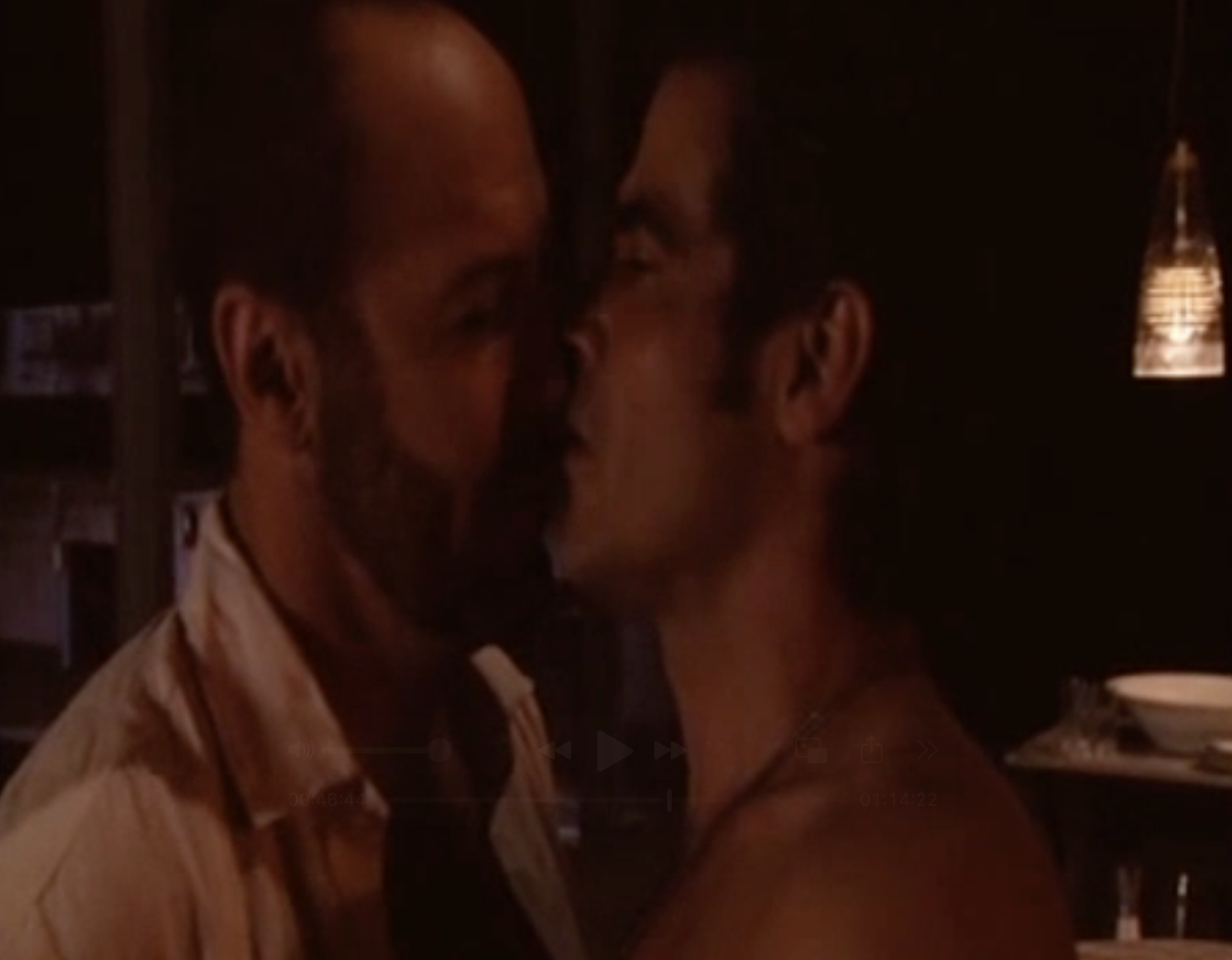
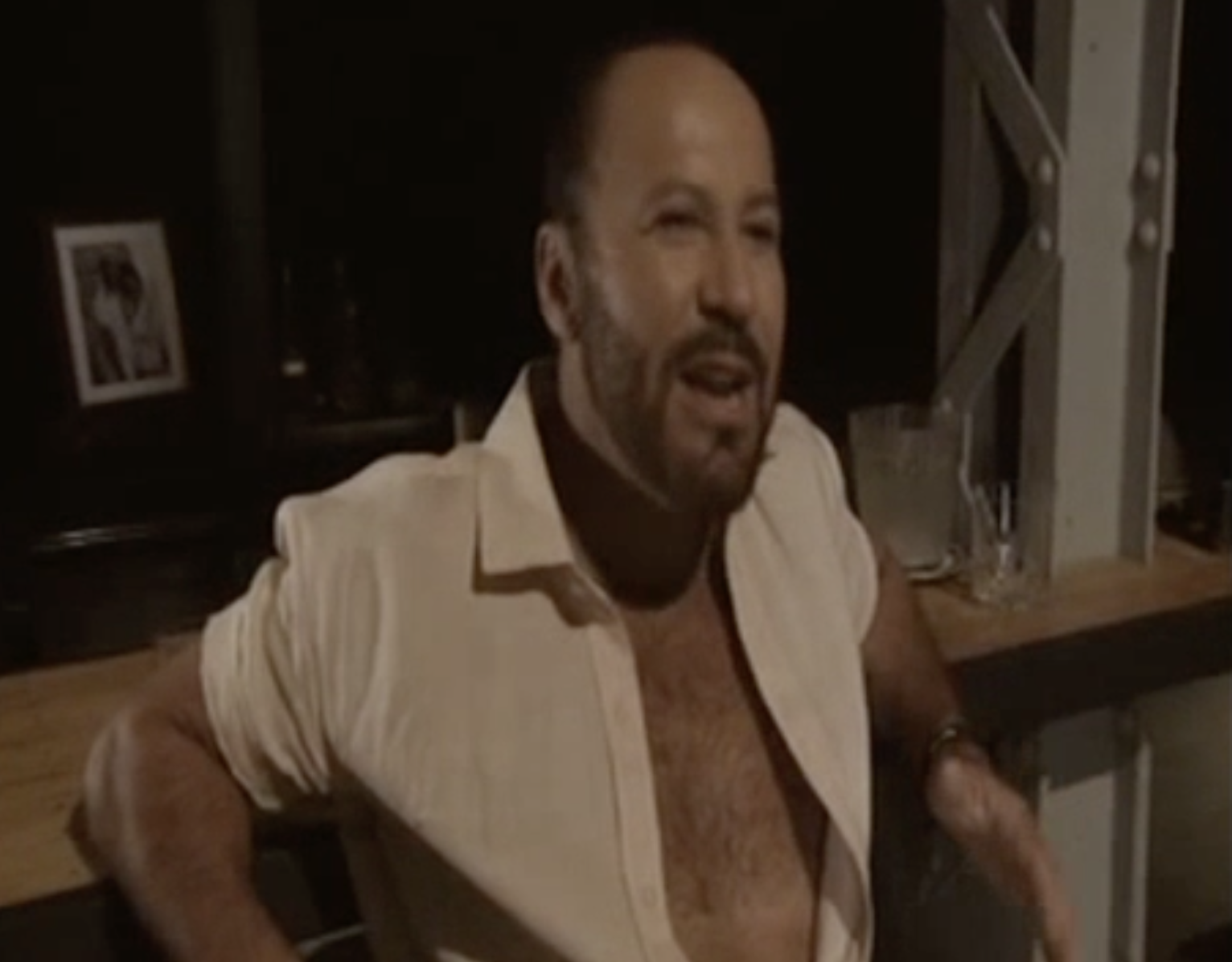

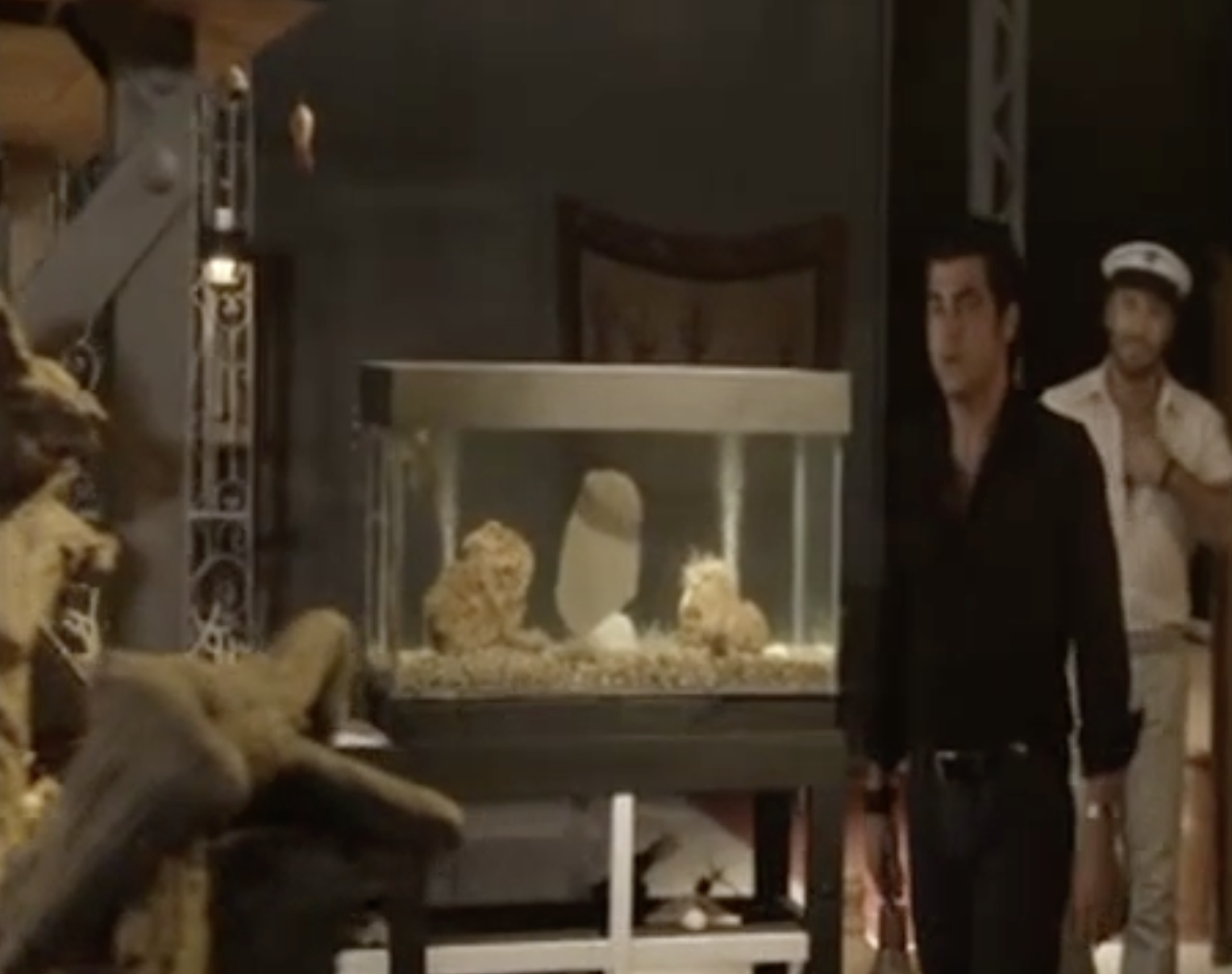
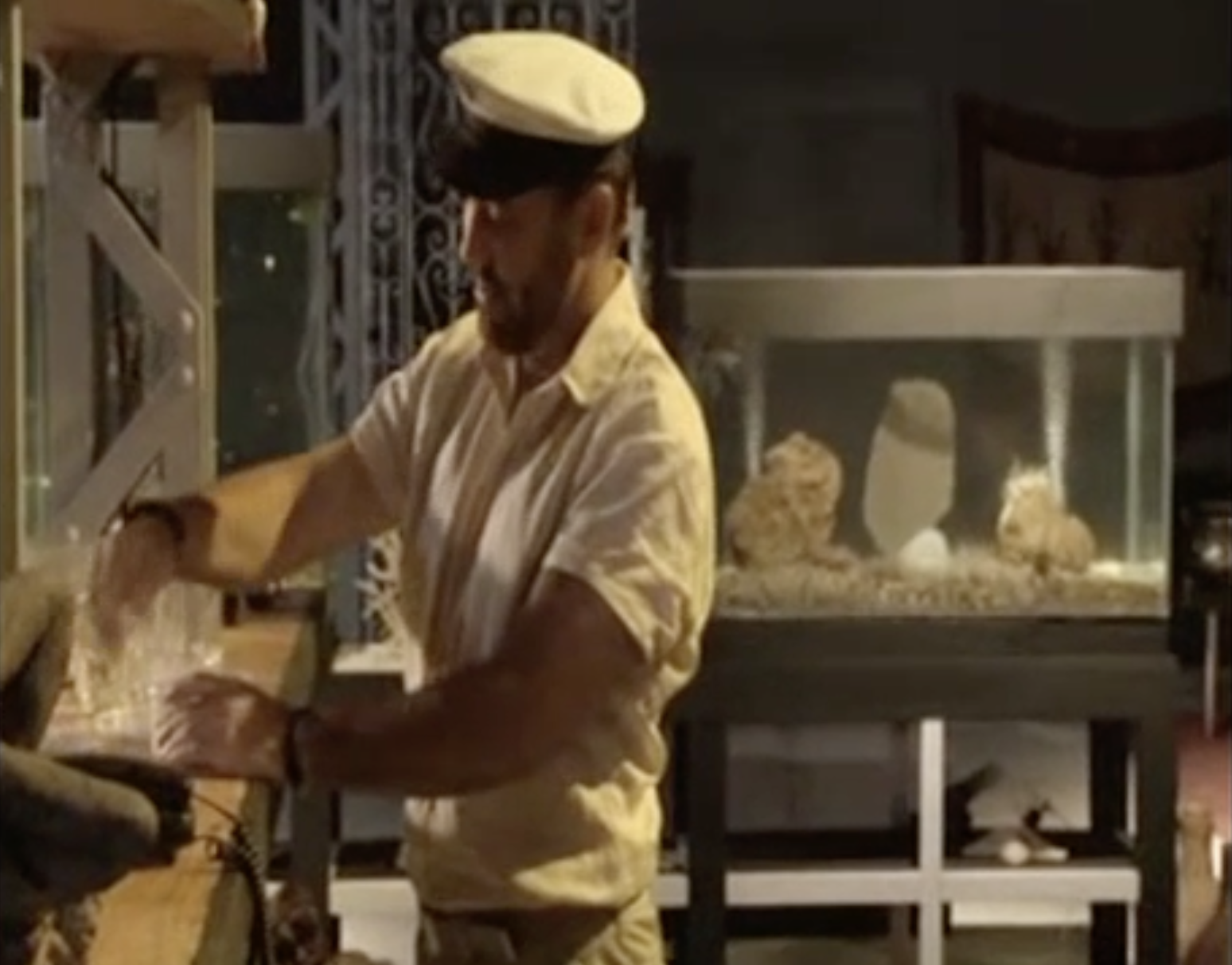
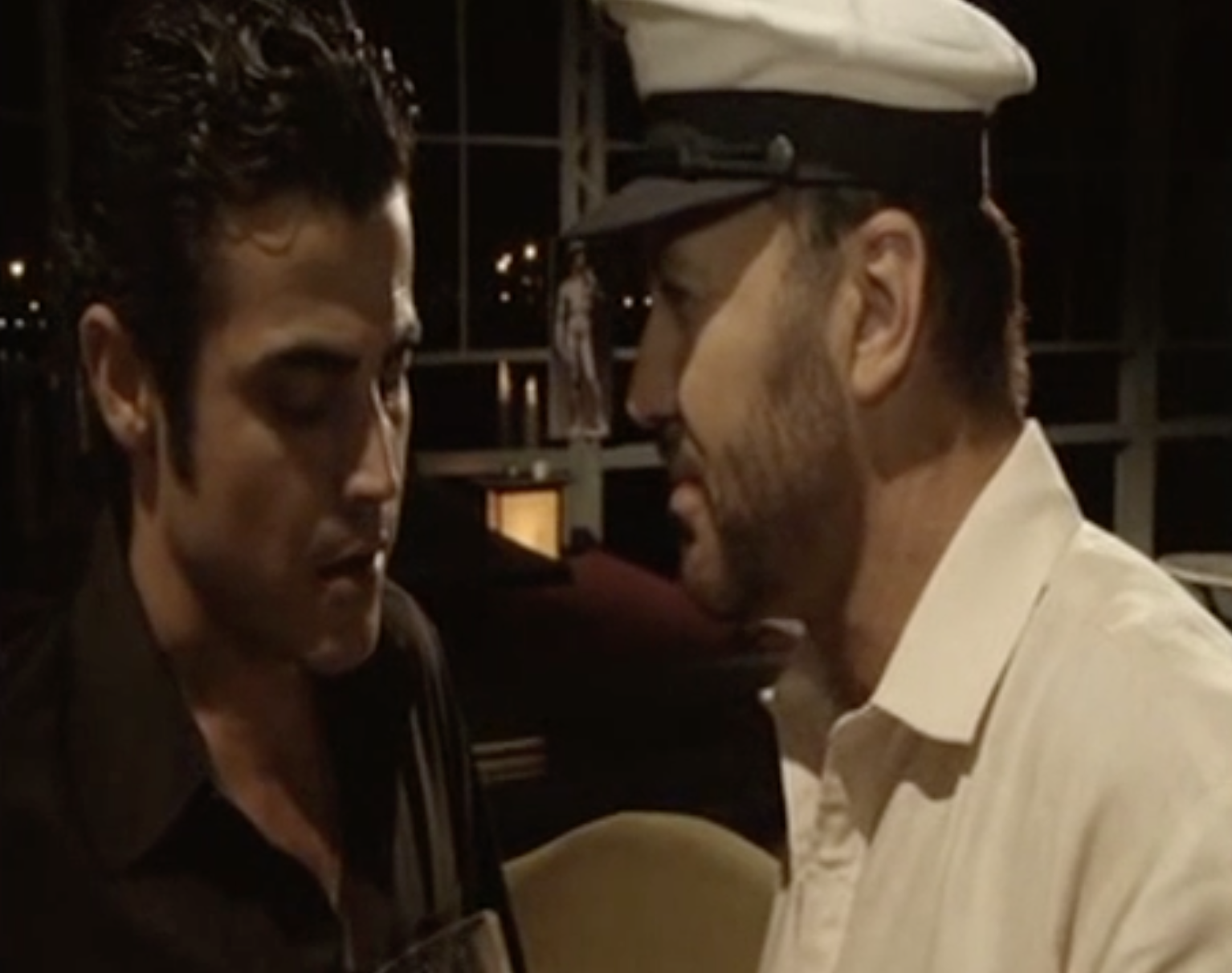
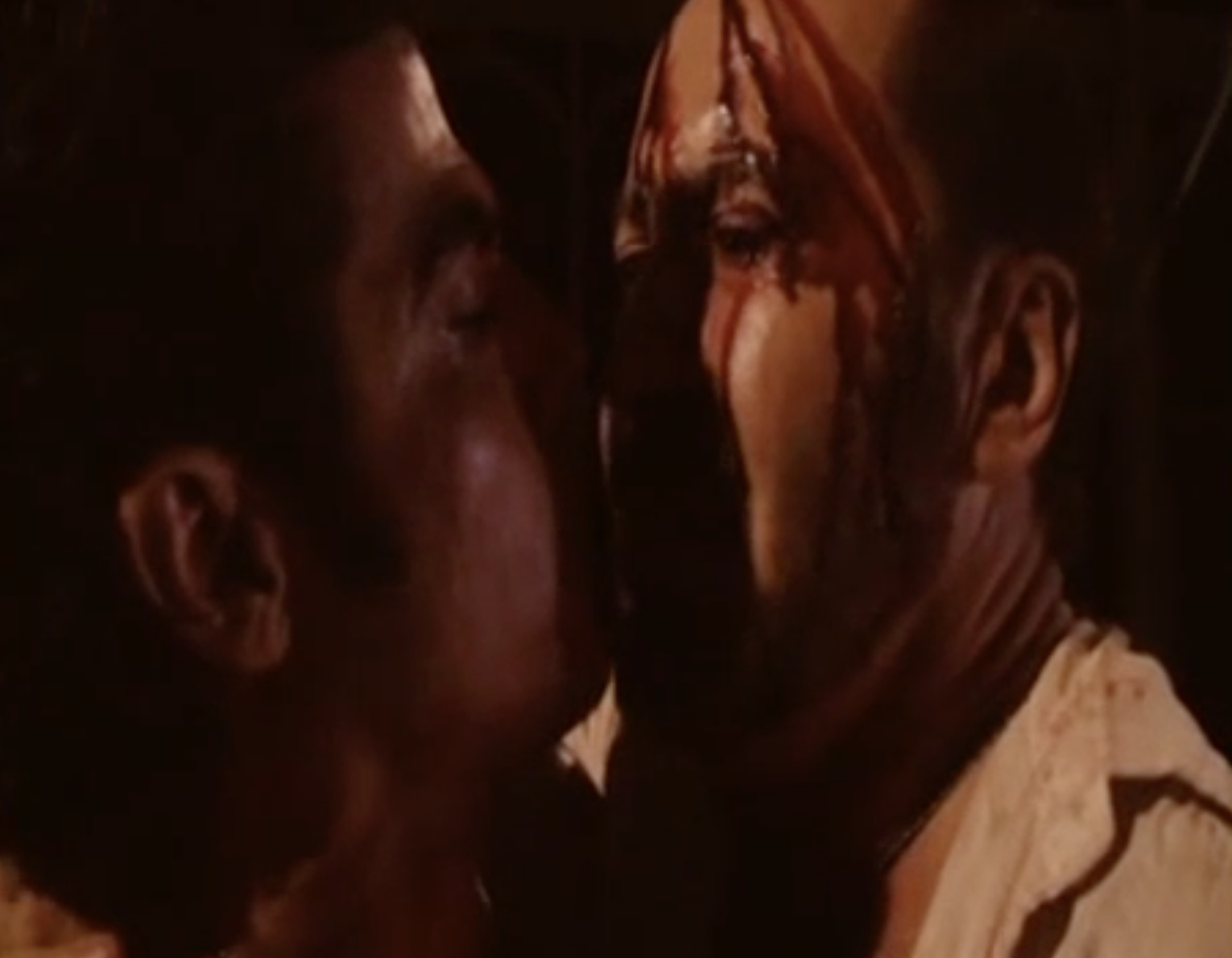
Editing is the process of putting a film together–the selection and arrangement of shots and scenes. Editing can condense space and time, emphasize separate elements and bring them together, and organize material in such a way that patterns of meaning become apparent. In addition, editing can determine how a film is perceived: for instance, quick, rapid cuts can create a feeling of tension, while a long take can create a more dramatic effect. The first photoplays generally had no cutting, owing to the fact that they were single-reel films; once filming began, you could not stop until the film ran out. (https://filmglossary.ccnmtl.columbia.edu/term/editing/)
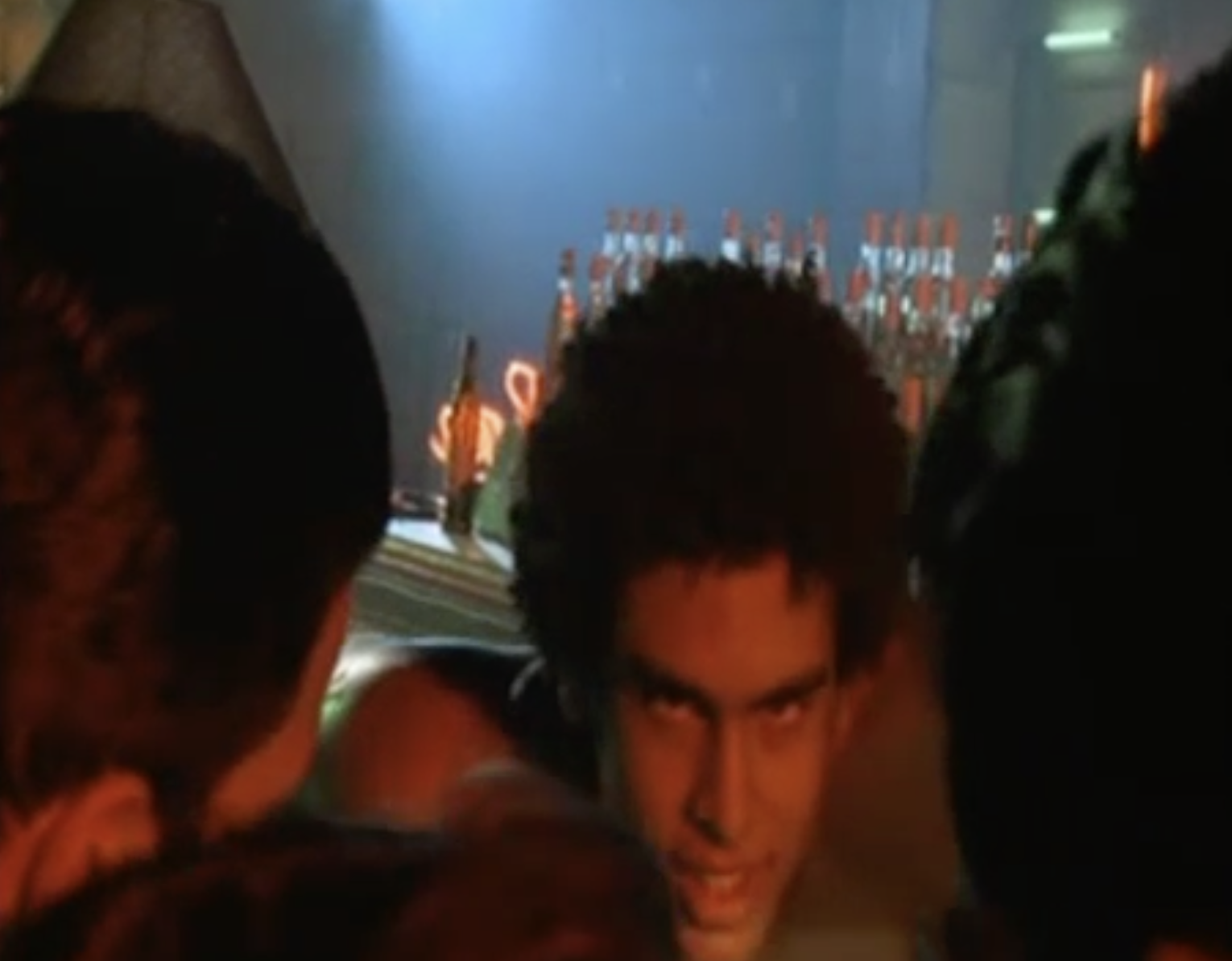


Sound is an integral part in a film. It refers to everything that the audience hears including sound effects, words and music. Sound is used in films for various purposes, including: providing the information to the viewer about the location of the scene, heightening the mood, telling the audience about the characters and advancing the plot. Every person who watches a film realizes that the choice of voices, soundtrack and music present in a film affect the way that the viewer perceives a particular film. As a result, the sound is an important and integral element of the film, one that determines the way that the viewer experiences and understands a film as a visual experience.
Narrative analysis is an examination of the story elements, including narrative structure, character, and plot. A narrative can be considered to be the chain of events in a cause-effect relationship occurring in time and space. In order to analyze the narrative of a film, we need to first make the distinction between the plot of the film and the story of the film. This is sometimes referred to as the discourse and story of a film. Narrative may also be called the story thought story mainly refers to the events that describe the narrative.
Film genres are various forms or identifiable types, categories, classifications or groups of films. (Genre comes from the French word meaning "kind," "category," or "type"). These provide a convenient way for scriptwriters and film-makers to produce, cast and structure their narratives within a manageable, well-defined framework. Genres also offer the studios an easily 'marketable' product, and give audiences satisfying, expected and predictable choices. Genres refers to recurring, repeating and similar, familiar or instantly-recognizable patterns, styles, themes, syntax, templates, paradigms, motifs, rules or generic conventions.
Álvarez, Adriana, and María Eulalia Douglas. Enrique Pineda Barnet: Director y Guionista de Cine y Video. 16 Jan. 2010, https://web.archive.org/web/20100116102227/http://www.cubacine.cu/realizad/epineda.html.
Guevara, Che. “El Socialismo y El Hombre En Cuba.” Marcha [Uruguay], 12 Mar. 1965.
Gutierrez, Carlos. “Cuban Director Enrique Pineda Barnet Dies at 87.” Cinema Tropical, 12 Jan. 2021, https://www.cinematropical.com/cinema-tropical/cuban-director-enrique-pineda-barnet-dies-at-87.
Verde verde. Drama/LGBT. Directed by Enrique Pineda Barnet, 2012.