
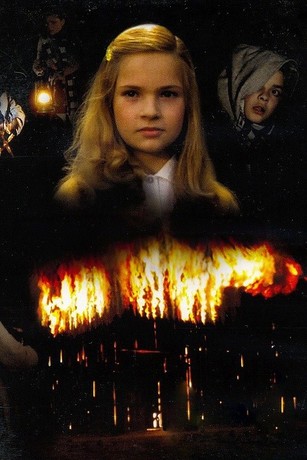
In 1960s Mexico, a girl named Flavia befriends Veronica, a classmate of hers who claims she is a witch. Flavia is both intrigued and horrified by her friend’s “powers,” having nightmares about witches. As they grow closer, Veronica becomes increasingly more manipulative towards Flavia while Flavia becomes more submissive, obeying her every command. While on vacation with Flavia’s family, Veronica decides to make a “fairy poison.” After they are caught by Flavia’s parents and she confesses to what they have been doing, Veronica demands Flavia give her her dog as punishment. As Veronica prepares to complete the poison, Flavia stands up to her, trapping her in a barn she sets on fire. Holding her dog, Flavia watches as the barn goes up in flames.
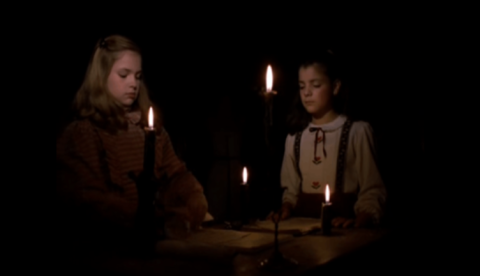
Describes the setting of a scene in a play or a film. It refers to everything placed on the stage or in front of the camera—including people. In other words, mise en scène is a catch-all for everything that contributes to the visual presentation and overall “look” of a production. When translated from French, it means “placing on stage.”
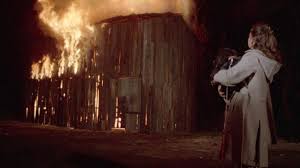
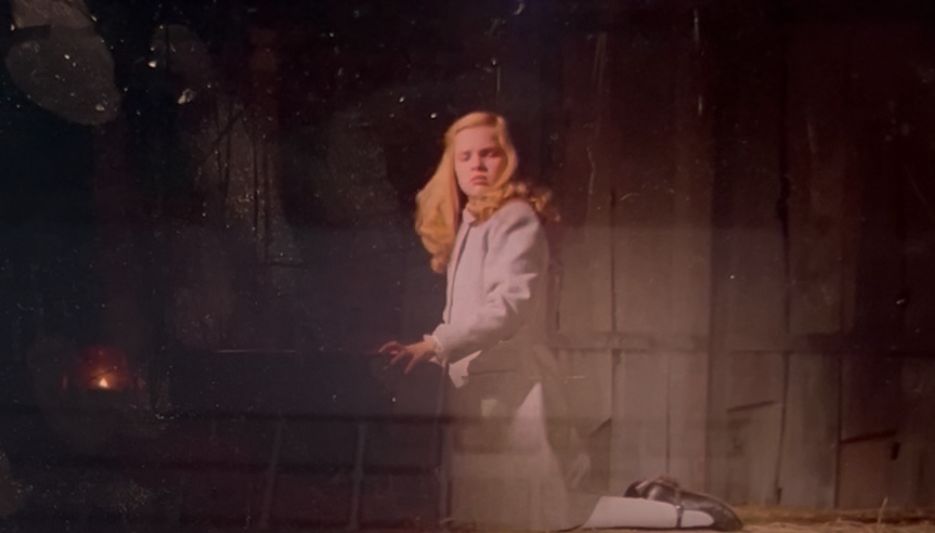
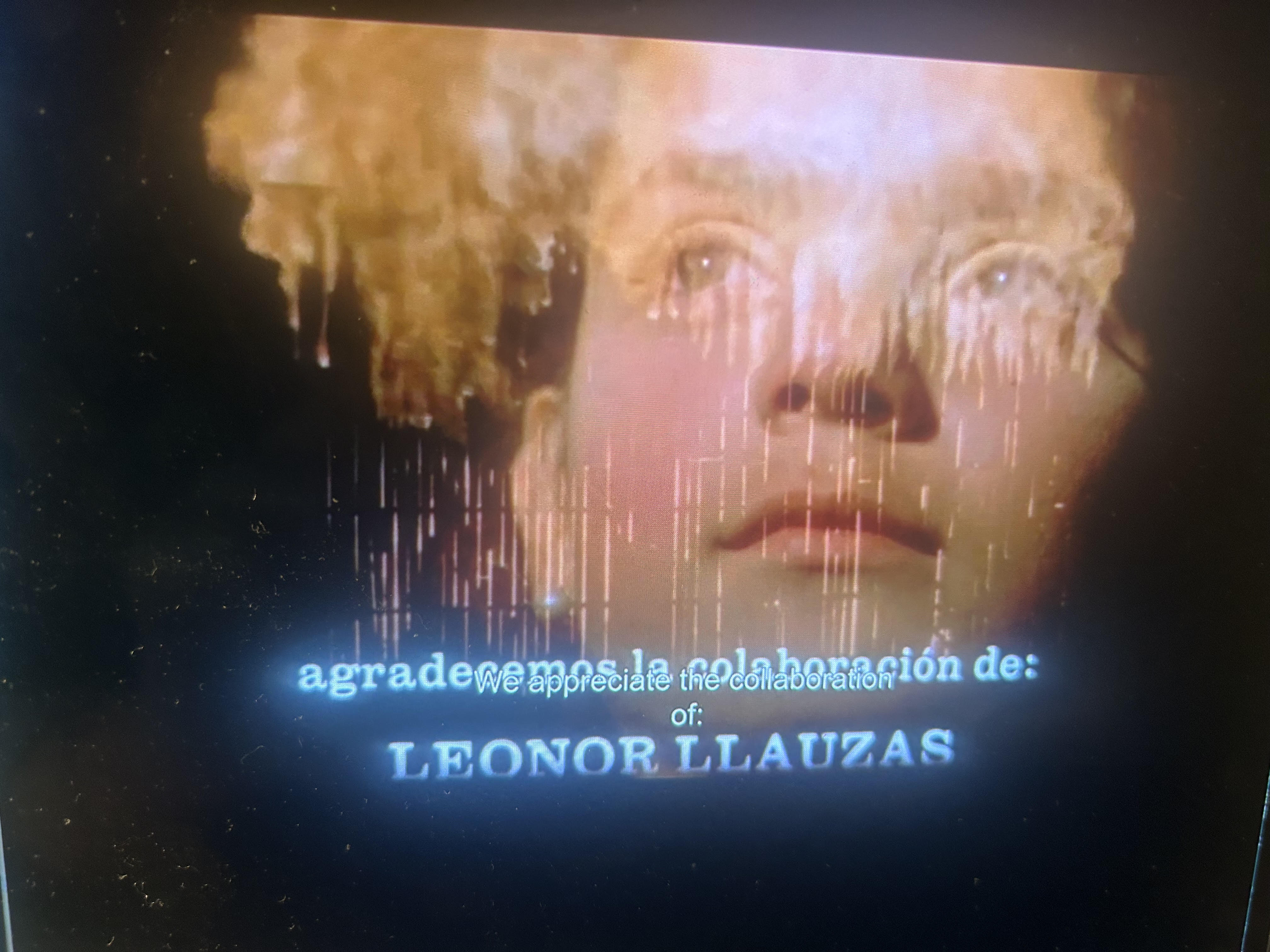
As the flames grow, smoke begins to fill the cabin, making Veronica seem blurred. This shifts away the viewer's attention from her and onto Flavia, showing how she loses her hold on Flavia as she begins to die.
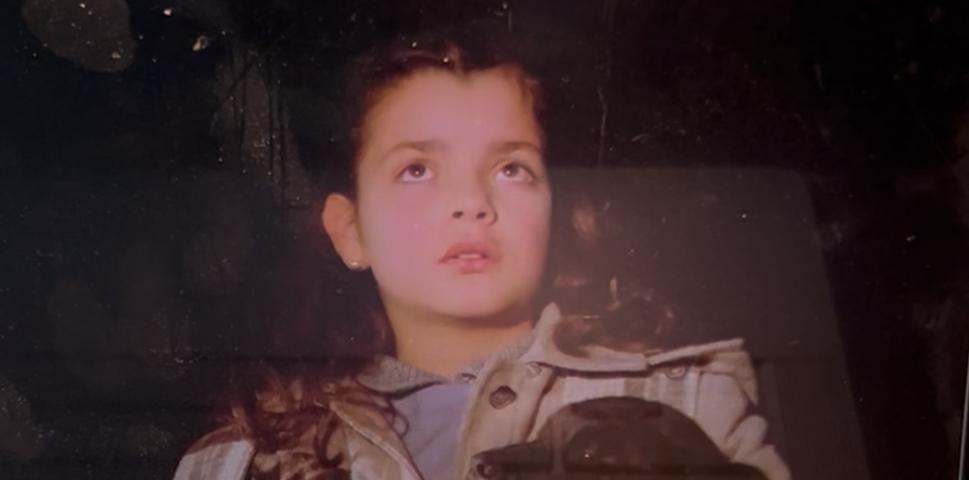
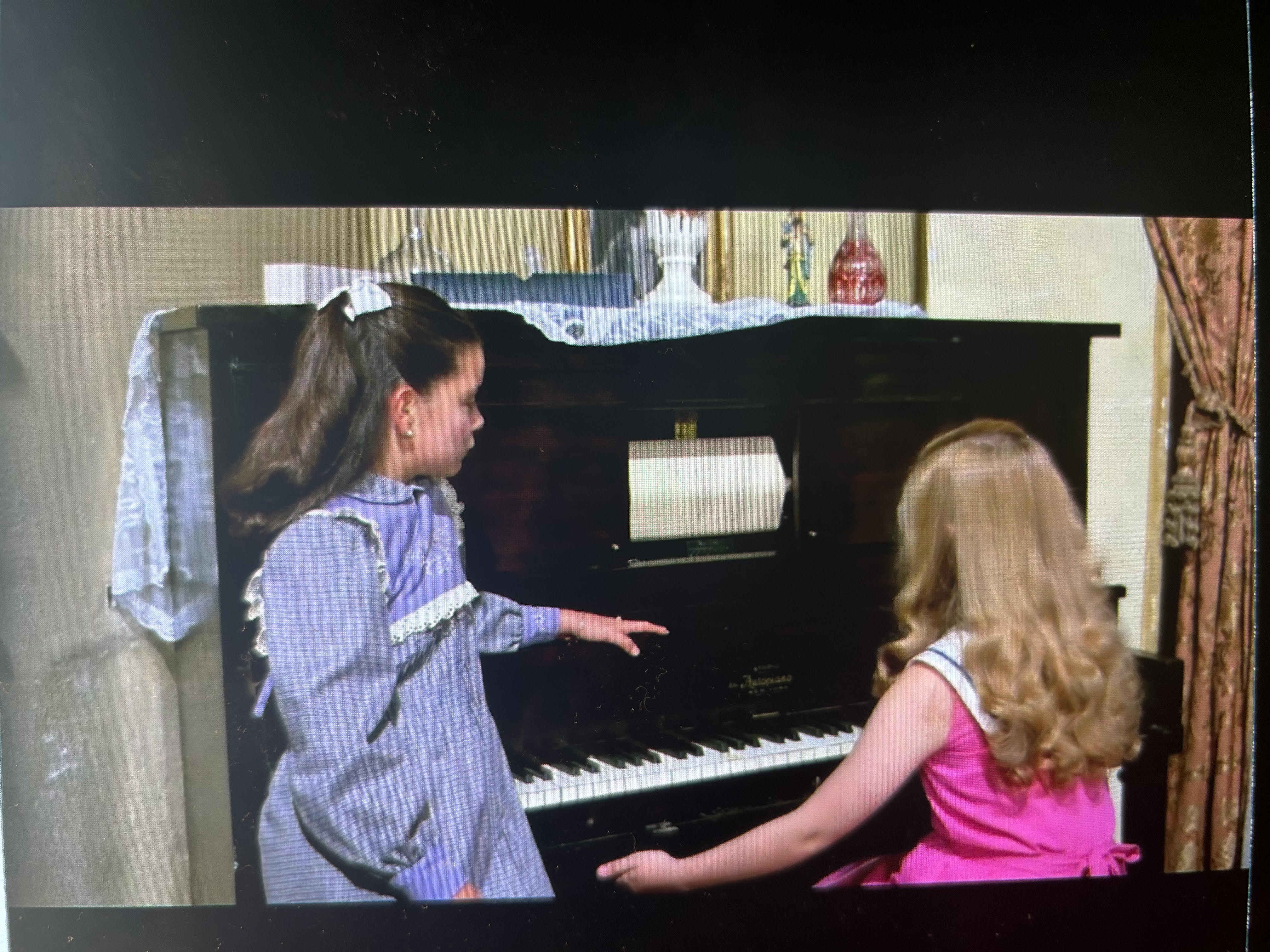
The clothing highlights the contrast between their supposed childlike innocence and the capacity for manipulation and violence that humans of all ages possess.
This is the art of photography and visual storytelling in a motion picture or television show. Cinematography comprises all on-screen visual elements, including lighting, framing, composition, camera motion, camera angles, film selection, lens choices, depth of field, zoom, focus, color, exposure, and filtration. Cinematography sets and supports the overall look and mood of a film’s visual narrative. Each visual element that appears on screen, a.k.a. the mise-en-scène of a film, can serve and enhance the story—so it is the cinematographer’s responsibility to ensure that every element is cohesive and support the story. Filmmakers often choose to spend the majority of their budget on high-quality cinematography to guarantee that the film will look incredible on the big screen.
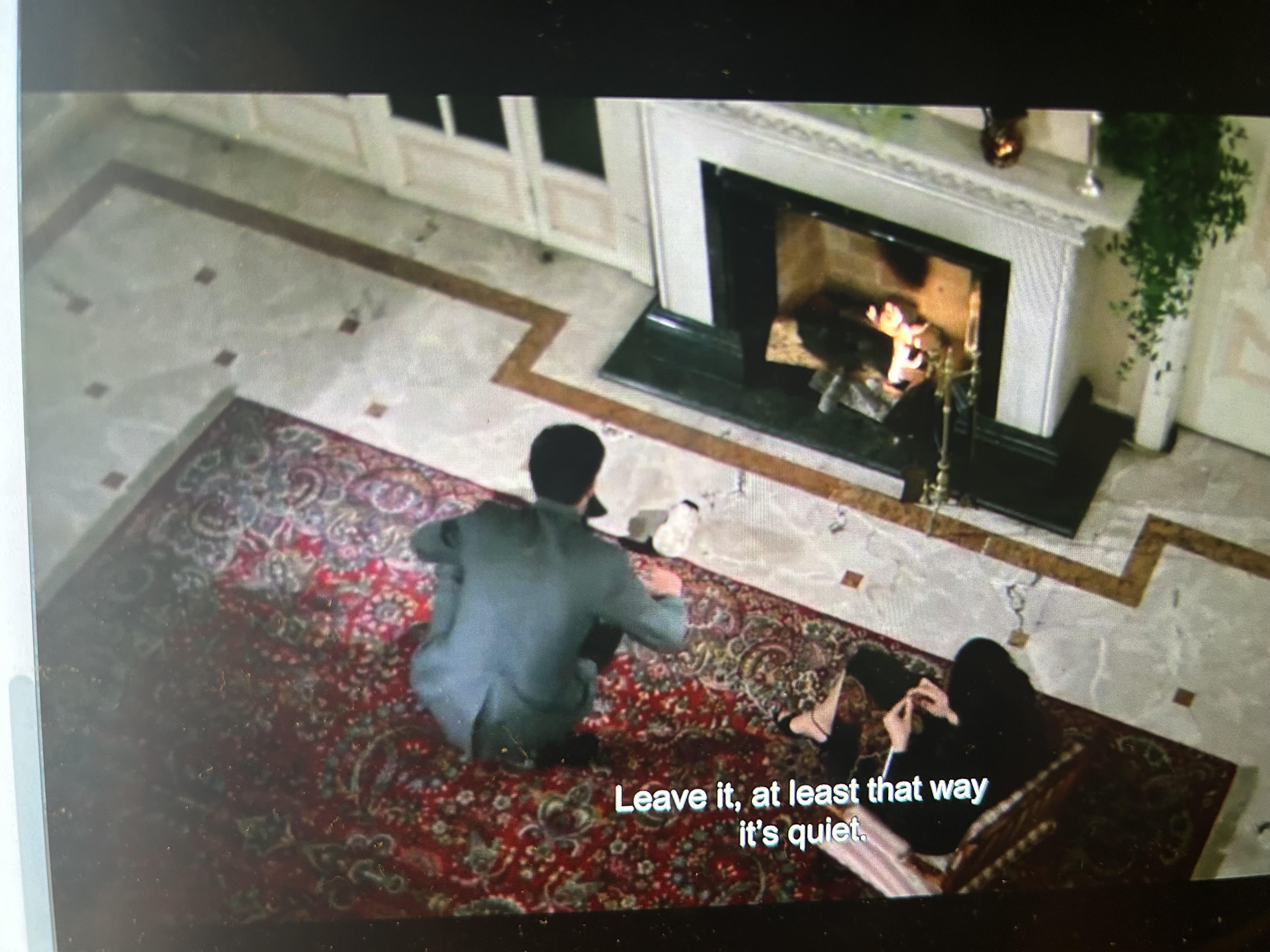
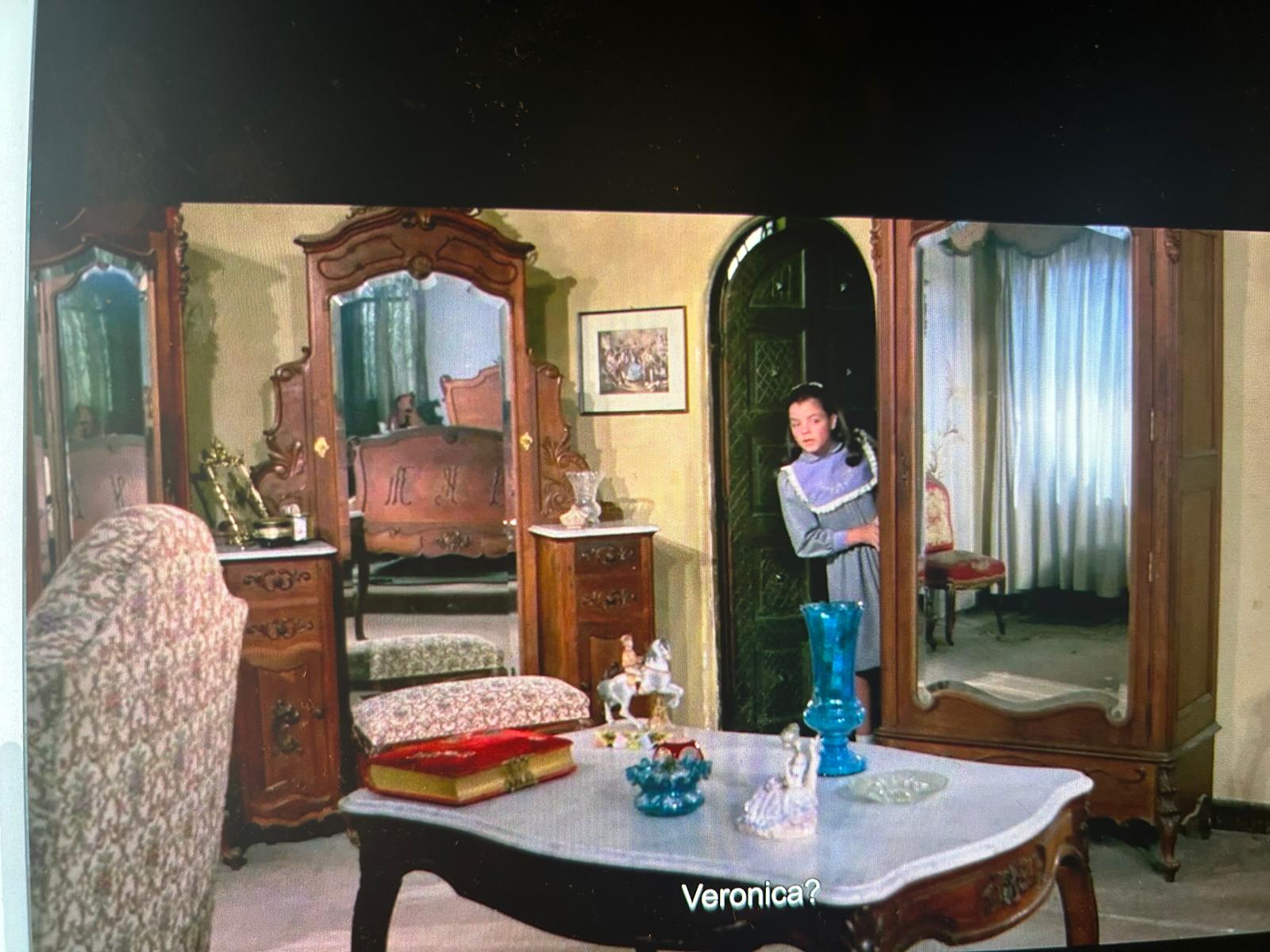
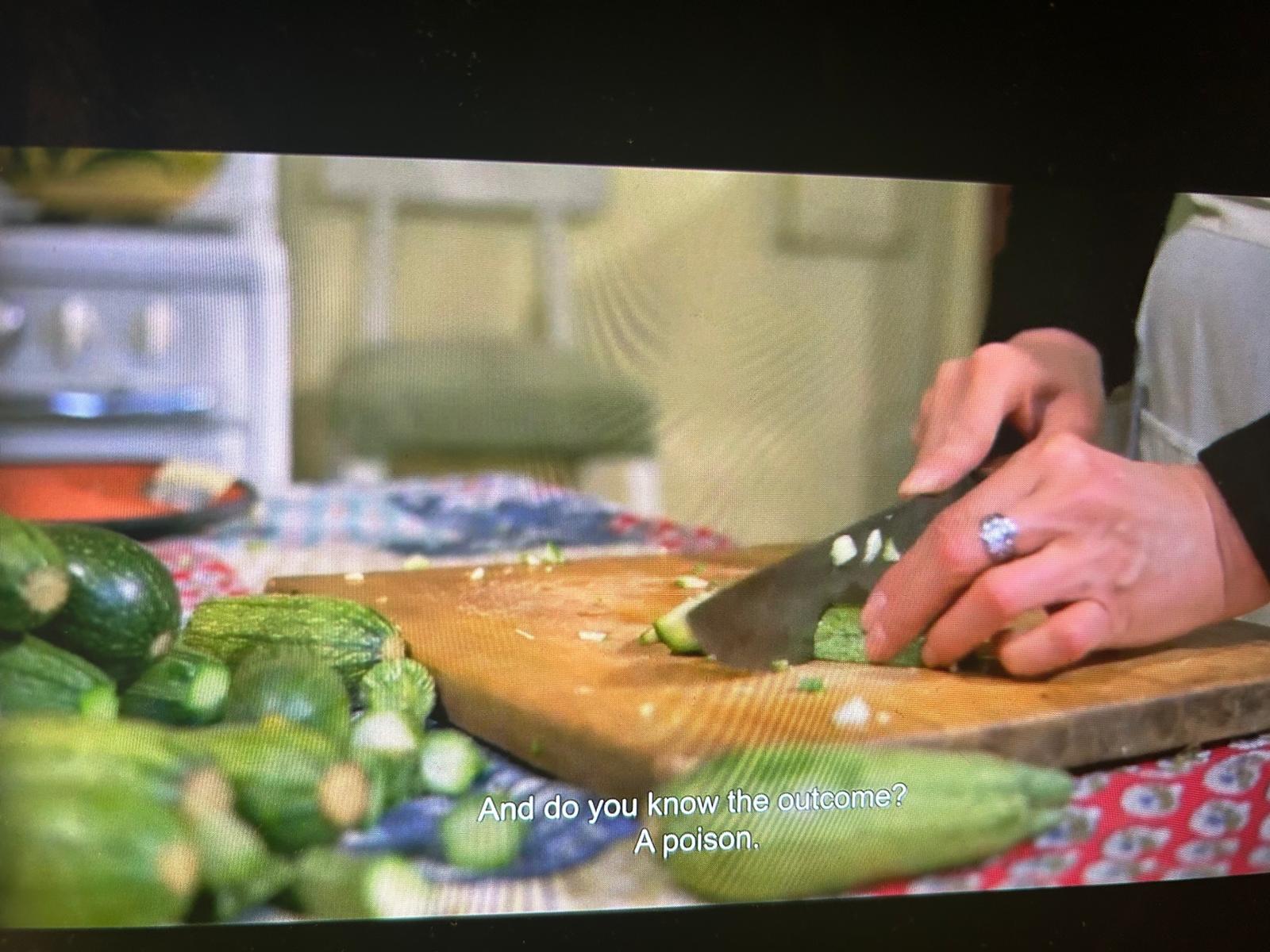
When adults appear, they are partially framed and we see them as though we would be the same height as Flavia and Veronica. This allows for a level of separation between us and the adults in the film, showing that they are inaccessible for help and support for Flavia and Veronica and that they must fend for themselves.
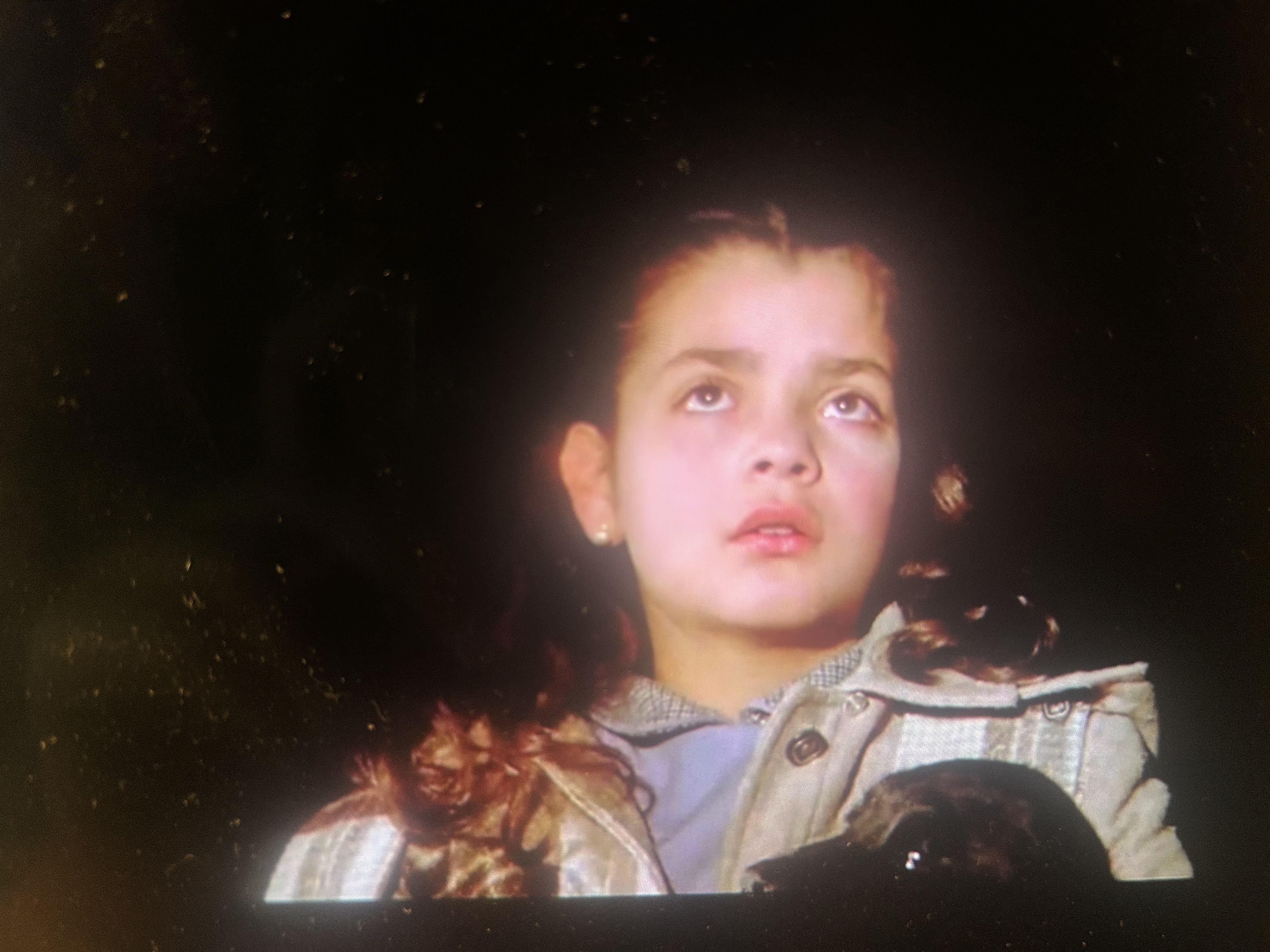
Close-ups are most noticeably used in the final scene of the film, where we see how even "good" characters are capable of true evil. In this scene, Flavia has finally understood the unhealthy and dangerous amount of power Veronica holds over her, so she starts a fire and traps Veronica inside. As we watch the flames consume Veronica, we also see a close-up of Flavia watching the scene unfold. This close-up (seen in the first still) adds to the disturbing nature of this final scene, where we see a child commit such a cruel act of violence.
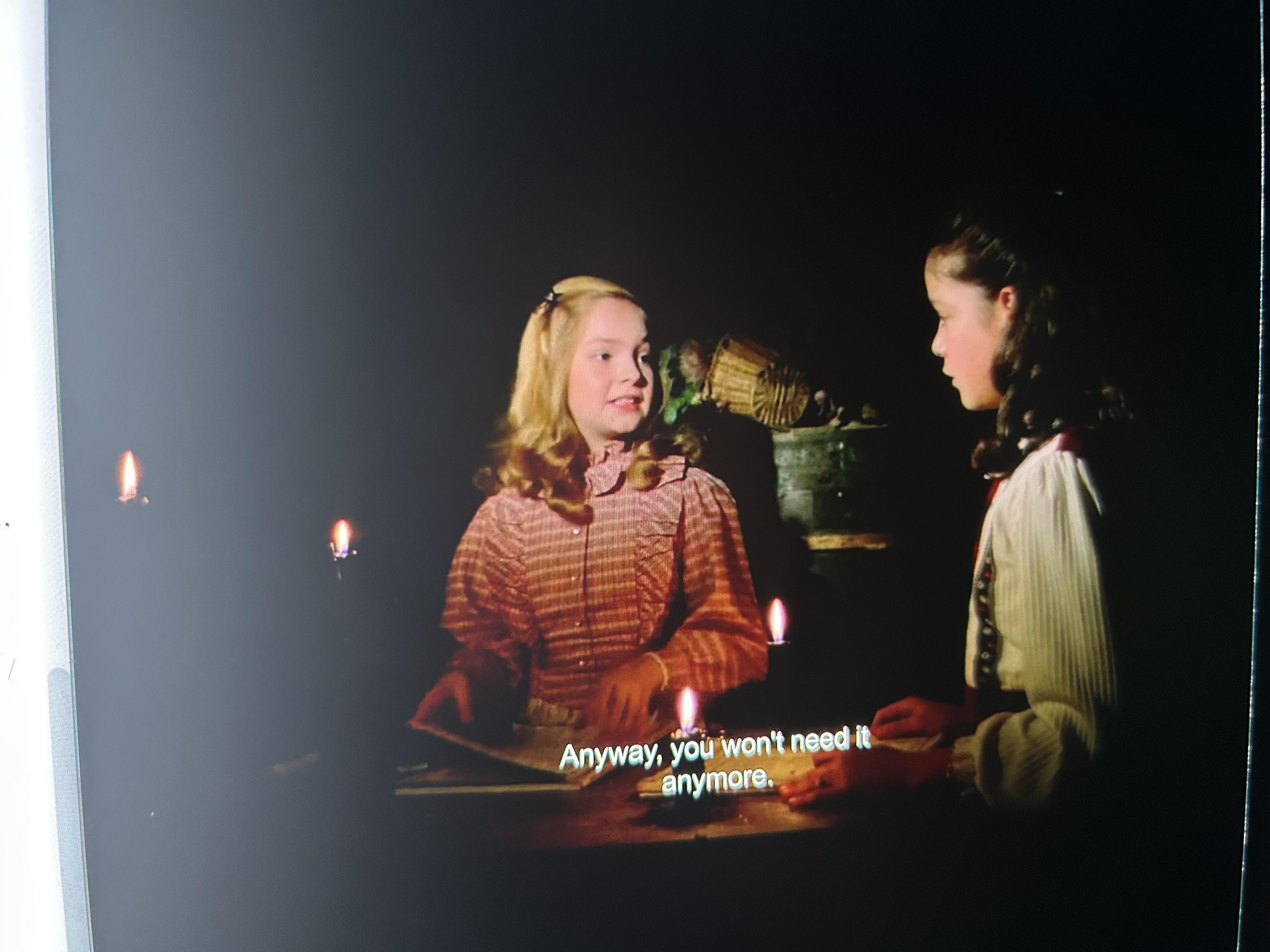
world. These shots frequently trails behind the girls as they walk, creating a sense that we are physically moving with them rather than observing from far away. This adds to the subjective point of view of the movie, as if we are seeing the world through a child-level perspective.
At the same time, the camera moves quite slowly and deliberately, creating the sensation that the girls are being watched by some unseen presence. This gives the film an eerie tone, adding to the unsettling nature of "Veneno Para Las Hadas." These movements allow us to gradually take in the girls' surrounding environment.
Editing is the process of putting a film together–the selection and arrangement of shots and scenes. Editing can condense space and time, emphasize separate elements and bring them together, and organize material in such a way that patterns of meaning become apparent. In addition, editing can determine how a film is perceived: for instance, quick, rapid cuts can create a feeling of tension, while a long take can create a more dramatic effect. The first photoplays generally had no cutting, owing to the fact that they were single-reel films; once filming began, you could not stop until the film ran out. (https://filmglossary.ccnmtl.columbia.edu/term/editing/)
Sound is an integral part in a film. It refers to everything that the audience hears including sound effects, words and music. Sound is used in films for various purposes, including: providing the information to the viewer about the location of the scene, heightening the mood, telling the audience about the characters and advancing the plot. Every person who watches a film realizes that the choice of voices, soundtrack and music present in a film affect the way that the viewer perceives a particular film. As a result, the sound is an important and integral element of the film, one that determines the way that the viewer experiences and understands a film as a visual experience.
Narrative analysis is an examination of the story elements, including narrative structure, character, and plot. A narrative can be considered to be the chain of events in a cause-effect relationship occurring in time and space. In order to analyze the narrative of a film, we need to first make the distinction between the plot of the film and the story of the film. This is sometimes referred to as the discourse and story of a film. Narrative may also be called the story thought story mainly refers to the events that describe the narrative.
Film genres are various forms or identifiable types, categories, classifications or groups of films. (Genre comes from the French word meaning "kind," "category," or "type"). These provide a convenient way for scriptwriters and film-makers to produce, cast and structure their narratives within a manageable, well-defined framework. Genres also offer the studios an easily 'marketable' product, and give audiences satisfying, expected and predictable choices. Genres refers to recurring, repeating and similar, familiar or instantly-recognizable patterns, styles, themes, syntax, templates, paradigms, motifs, rules or generic conventions.