
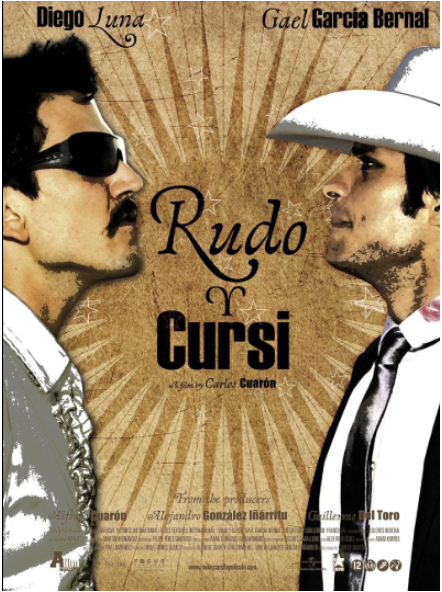
The film tells the story of two Mexican brothers from a humble background, Beto and Tato. Both are soccer players who dream of one day playing professionally in the big leagues. Beto is a goalkeeper and Tato a forward. During a local match, a visiting scout notices their talent and offers them the chance to leave their small town to join a professional team in Mexico City. At first, the move seems like the fulfillment of everything they have hoped for, but as they rise in their careers, the temptations of money and fame begin to erode their brotherhood and turn it into rivalry.
Their plan to give their mother a better life gradually slips away as Beto gets caught up in gambling while Tato loses focus in fame, relationships, and his own ambitions. In the end, things take a tragic turn. Beto is shot and loses a leg. He is obligated to stop playing professionally, later becoming the director of a Second Division team. At the same time, Tato’s professional career comes to an end after a tie game, and he quits soccer to return home.
Describes the setting of a scene in a play or a film. It refers to everything placed on the stage or in front of the camera—including people. In other words, mise en scène is a catch-all for everything that contributes to the visual presentation and overall “look” of a production. When translated from French, it means “placing on stage.”
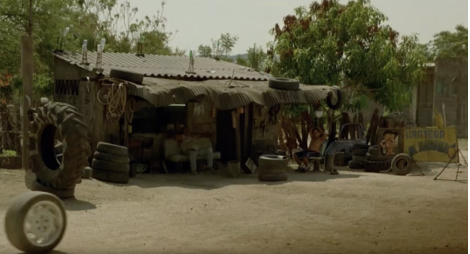
The setting is very realistic and nature-based, it clearly shows the theme and background of the story. This familiar rural environment is common in Mexican and Latin American films, symbolizing countries with limited resources and deep ties to the countryside.
The houses themselves take on symbolic meaning, they are not solidly built but more like cottages or shacks, made with wood and plastic roofs and painted in bright colors, reflecting the lack of money. Market stands and small shops are also simple wooden structures, often without doors. All these details in the setting help the audience understand the characters’ world before they move to the city.
As the story goes on, the setting changes to show the brothers' new social world. Signs of their growing wealth become obvious as they start going to horse races where big bets are placed, attend exclusive events full of wealthy people, and spend time in large, fancy venues. All of these scenes stand in sharp contrast to their humble beginnings and highlight how fame and money have transformed their surroundings and their way of life.
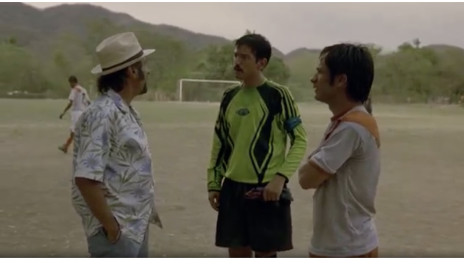
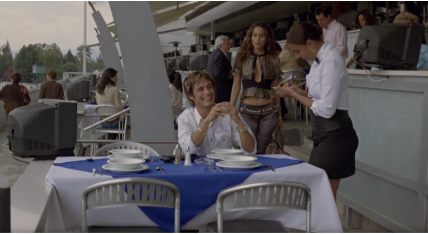
Gender is also coded through costume. Women in Mexico City are dressed stylishly and provocatively, especially those who appear alongside Batuta in clubs and parties, projecting glamour and wealth. By contrast, women in the town dressed as housewives, coded as laborers rather than consumers. These differences uphold dominant social and gender hierarchies, linking women’s clothing either to labor or to their symbolic role as markers of male success.
Costume changes reflect the characters’ trajectories and identities. For instance, at the beginning of the movie Cursi is not allowed inside a restaurant where Batuta was in, and we can assume it is because of his attire. However, after becoming famous, he changes his fashion completely, for example he wears a Dolce & Gabbana suit at a party, which now makes him look “stylish,” (his girlfriend mentions how much more style he has than his brother). This represents his transformation into a performer of urban sophistication. Yet this change inspires discomfort, as it distances him from his brother and roots, earning him his nickname “Cursi” (corny).
The film’s costuming often circles back to simplicity, reinforcing the futility of attempts at reinvention. The extravagant soccer uniforms, wedding outfits, and traditional feast clothing all contrast with the plain attire of the brothers at the beginning and end. The final scene shows them once again in simple, rural clothes, mirroring their return to the ground field. Thus, costume, similar to the role of space (explained before), functions not just as decoration but as narrative commentary—marking ambition, parodying excess, and ultimately reminding the spectator of the enduring force of class and origin.
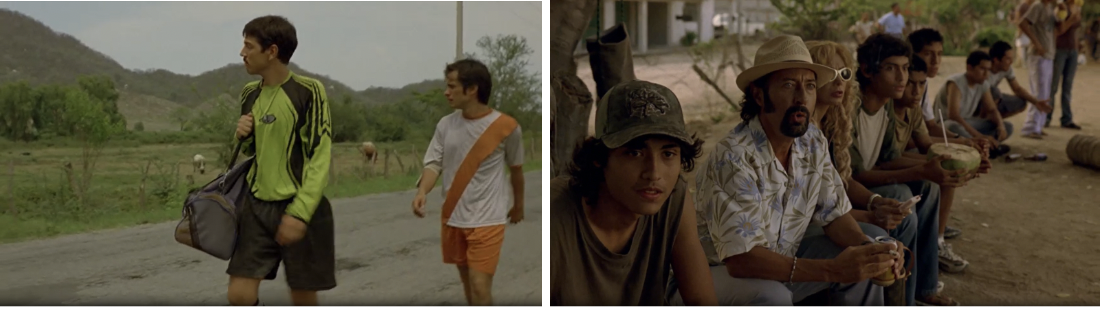
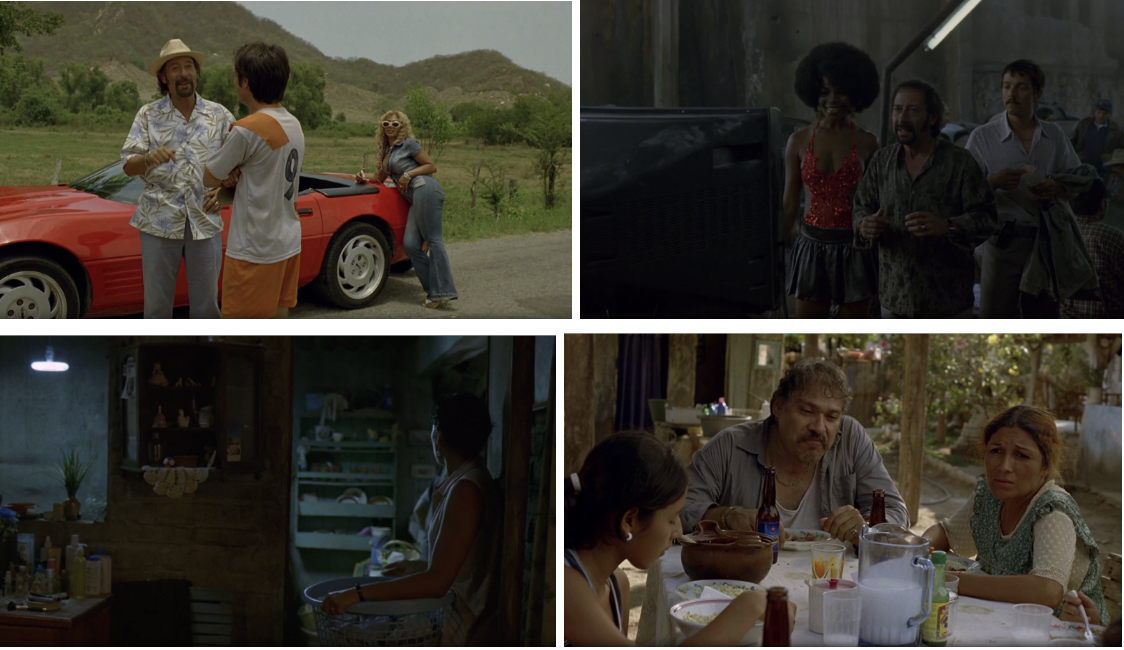
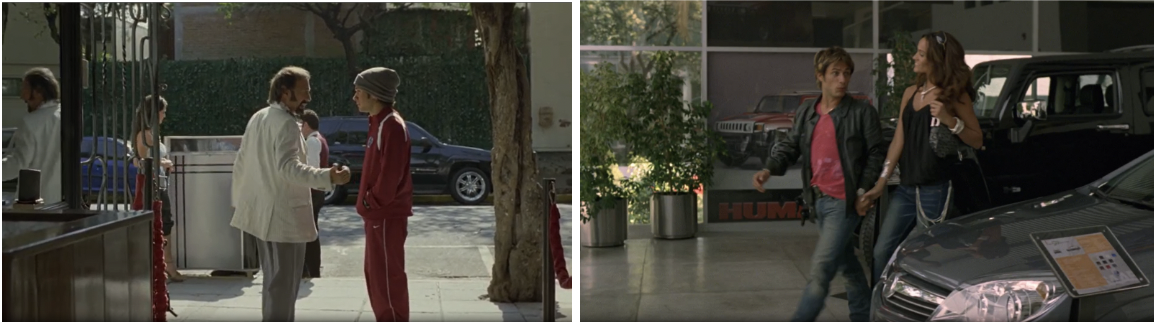

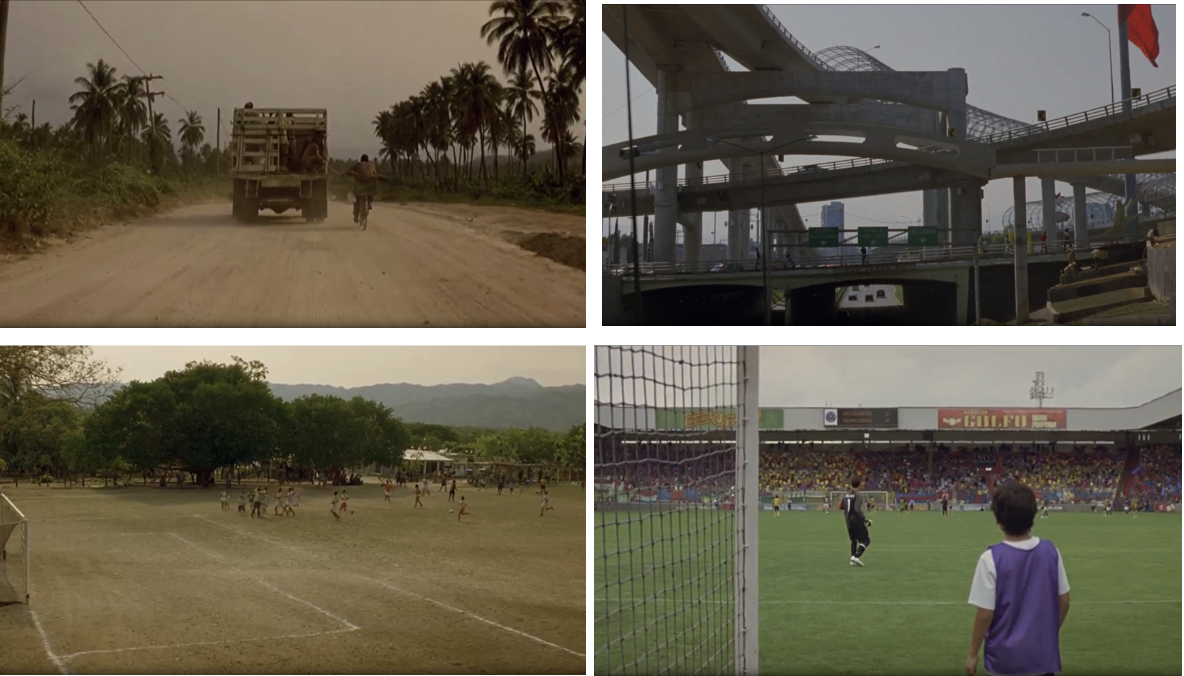
In Rudo y Cursi, space plays a crucial role in shaping the atmosphere and reflecting the characters’ inner states. The rural town is marked by emptiness and simplicity: wide fields, modest houses, and banana plantations communicate tranquility and community. In contrast, Mexico City is cluttered and overwhelming, with its casinos, exclusive restaurants, and busy soccer stadiums. This spatial contrast creates a strong association between peace and home versus stress and ambition in the city.
The film uses space as an indirect commentary on the characters’ psychology. For example, the humble family house in the countryside represents belonging and authenticity, while the luxurious new house that Cursi gets during his rise to fame—with its multiple rooms and fancy bathrooms—signals success but also distance from his origins. Similarly, the stark difference between the rustic soccer field where the brothers once played and the massive stadium where they eventually face each other highlights the tension between innocence and spectacle, intimacy and pressure.
Stylistically, most spaces are naturalistic and rooted in social reality—soccer fields, showers, plantations, cockfighting arenas. These settings ground the film in recognizable class structures. However, certain spaces become stylized, such as Cursi’s music video, which deliberately departs from realism to parody his constructed celebrity persona. The contrast emphasizes how artificial environments are linked to illusion, excess, and loss of identity.
Finally, the cyclical use of space reinforces the film’s themes. It begins and ends on a modest field, closing the narrative arc and reminding the spectator of the futility of the brothers’ attempts to escape their origins. The final beach scene, quiet and contemplative, also underscores this return to simplicity—space becomes a marker of fate, signaling that despite their journeys through casinos, hotels, and stadiums, the characters ultimately remain tied to the same ground where they started.
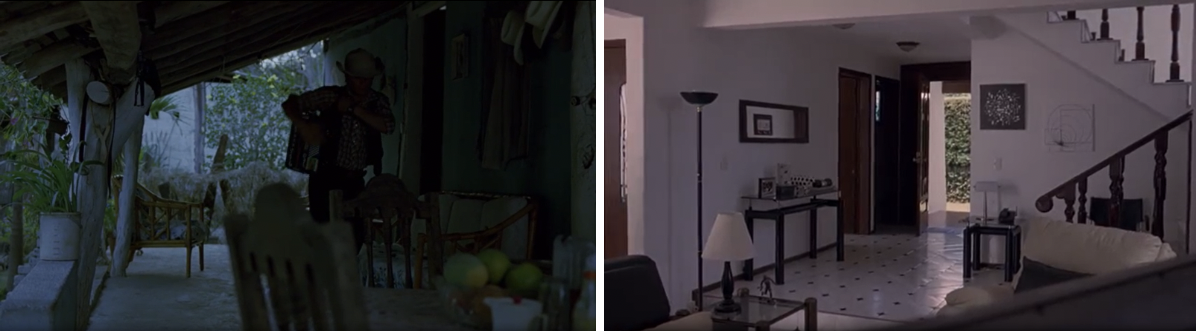
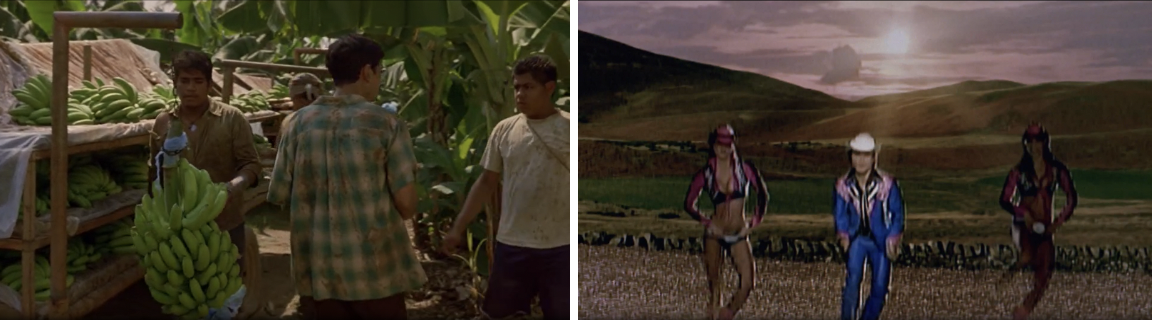

This is the art of photography and visual storytelling in a motion picture or television show. Cinematography comprises all on-screen visual elements, including lighting, framing, composition, camera motion, camera angles, film selection, lens choices, depth of field, zoom, focus, color, exposure, and filtration. Cinematography sets and supports the overall look and mood of a film’s visual narrative. Each visual element that appears on screen, a.k.a. the mise-en-scène of a film, can serve and enhance the story—so it is the cinematographer’s responsibility to ensure that every element is cohesive and support the story. Filmmakers often choose to spend the majority of their budget on high-quality cinematography to guarantee that the film will look incredible on the big screen.
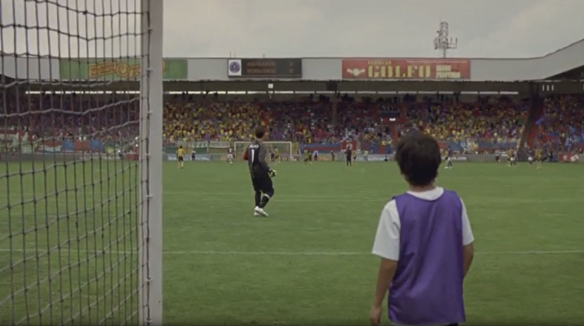
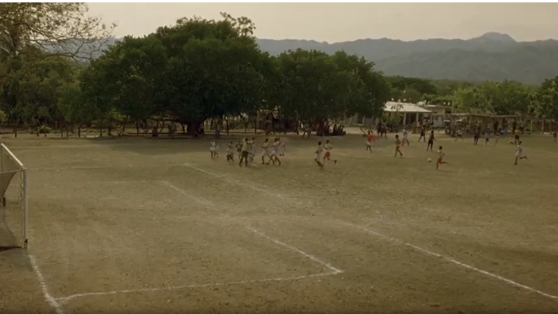
The cinematography of Rudo y Cursi relies mostly on natural light and avoids heavy visual effects. This simplicity strengthens the feeling of authenticity and allows viewers to connect emotionally with the story and characters.
How do these photographic manipulations of the shot function within the overall context of the film?
These photographic choices emphasize realism and the visual contrast between rural innocence and urban ambition. The wide-angle and deep focus shots serve to highlight space and environment as key storytelling elements. Together, these choices make the brothers feel small in a world that’s growing faster than they can keep up. The shots quietly show how little control they really have as fame and fate start to take over their lives.
How do they experience the viewer’s experience?
The audience experiences the film in a way that feels close and personal. The clear, evenly focused shots don’t just show the characters’ world, they pull us into it. Everything feels honest and familiar, almost like we’re standing right beside the brothers as their lives begin to shift. The realism in the cinematography makes us connect with them on a deeper level, letting us quietly witness how success starts to reshape their world, moment by moment.
Throughout the film, and especially in this moment, the camera stays at eye level. This neutral angle creates a sense of honesty and equality, letting us see the world exactly as the characters do. Instead of judging them from above or elevating them from below, the camera simply stands with them. It makes their victories and their mistakes feel real and relatable, strengthening the film’s sense of social realism.
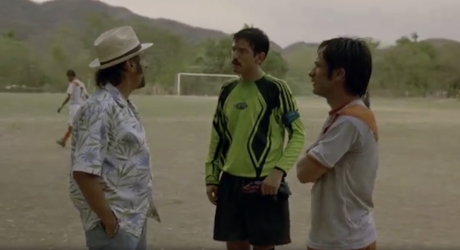
The wide-angle lens captures both the vastness of the countryside and the smallness of the characters within it. The use of this lens type allows a broader view of the banana fields and open roads, reinforcing the characters’ humble environment and the sense of distance between their dreams and reality. The image feels natural and expansive, communicating freedom but also isolation.
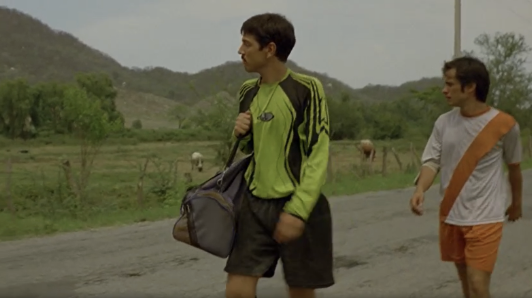
The film uses space to show the distance between where the brothers come from and where they end up. The wide rural shots express freedom, community, and innocence, while the city is filmed with tighter, crowded compositions that feel heavier and more stressful. These visual changes help the audience understand not just where the characters are, but how each space shapes their identity.
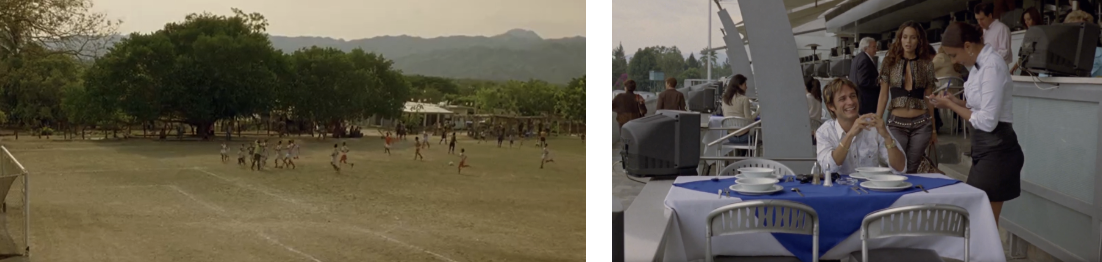
Yes. The film keeps shifting its angles and distances to match how the brothers’ lives change. In the beginning, the camera often frames them together, reinforcing their closeness and the dreams they share. But as the story goes on, the camera starts separating them, giving each brother his own space in the frame. These new visual perspectives quietly show how their paths begin to split and how their emotions shift beneath the surface.
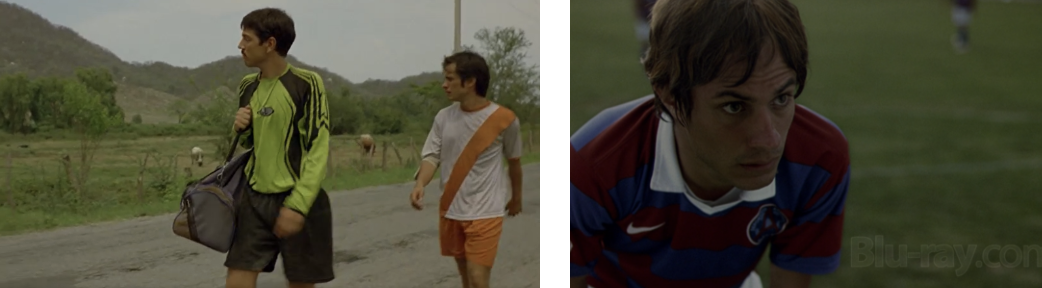
The film uses off-screen space to suggest a world larger than what we see. The camera sometimes focuses on only part of the action, leaving the rest just outside the frame. This choice creates realism and hints at pressures or conflicts happening beyond what the brothers can fully understand or control. It reminds us that their world keeps expanding, whether they’re ready or not.
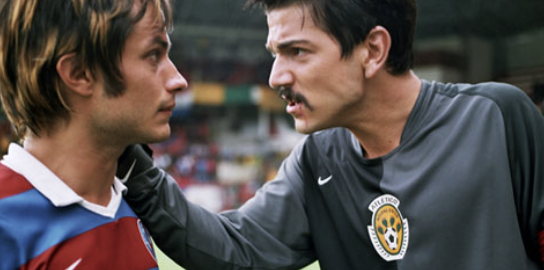
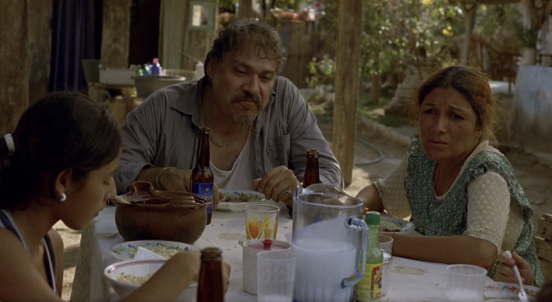
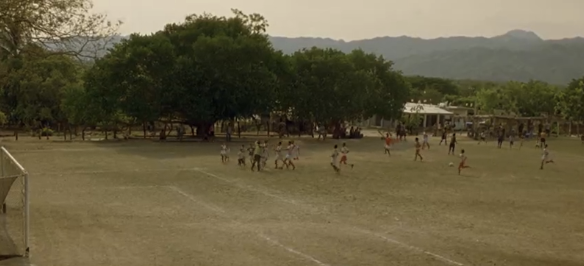
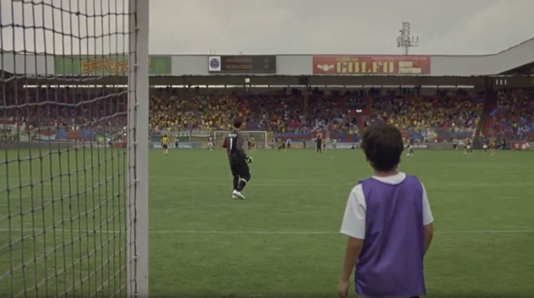
The tracking shots, especially those that follow the brothers while they play soccer, create a strong sense of moving forward. As the camera travels alongside them, its motion mirrors their energy, ambition, and momentum. The forward movement visually expresses their drive toward something bigger, turning each run across the field into a symbol of progress.
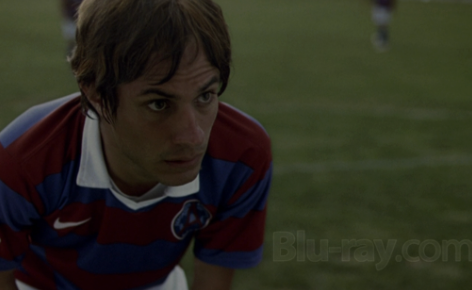
In Rudo y Cursi, the camera’s movement reflects the emotional world of the brothers. In the countryside, the camera glides calmly and stays connected to the wide open space, mirroring the stability and simplicity of their daily life. Once they enter the city, the movement becomes faster and less controlled, capturing how fame throws them into situations that feel overwhelming. The shifts in motion become a visual way of showing how their emotional balance starts to break.
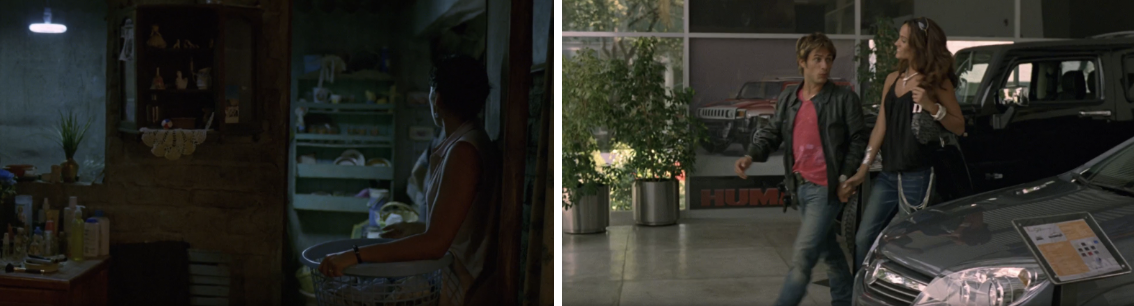
Not always. Sometimes the camera moves with the characters, especially in soccer scenes, to highlight speed and intensity. But there are also moments where the camera stays still after the action leaves the frame. Those pauses give the scene emotional weight and let the viewer process what just happened. This balance between movement and stillness adds a rhythm that matches the characters’ changing states of mind.
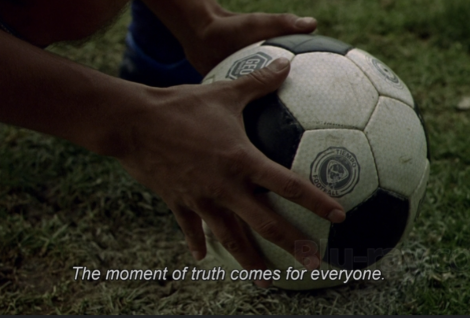
The camera doesn’t just show what happens, it adds emotion to it. Slow, steady movements make moments feel tender or heavy, letting us sit with the characters’ vulnerability or sadness. When the motion becomes faster or shakier, it brings out the chaos, excitement, or tension of the scene. By shifting speed and rhythm, the film helps us feel the brothers’ emotional highs and lows, turning each moment into both a story beat and an emotional experience.
At the start, camera movement often connects the brothers, placing them in the same shot or tracking them together to highlight their bond. As the film progresses and fame creates distance between them, the camera stops linking them visually and starts capturing them separately. This shift shows their emotional split before the story even says it out loud.
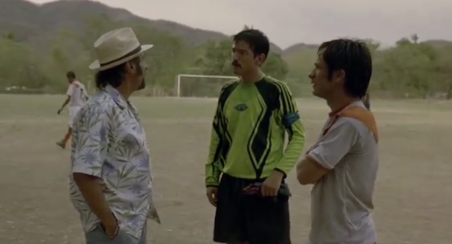
Editing is the process of putting a film together–the selection and arrangement of shots and scenes. Editing can condense space and time, emphasize separate elements and bring them together, and organize material in such a way that patterns of meaning become apparent. In addition, editing can determine how a film is perceived: for instance, quick, rapid cuts can create a feeling of tension, while a long take can create a more dramatic effect. The first photoplays generally had no cutting, owing to the fact that they were single-reel films; once filming began, you could not stop until the film ran out. (https://filmglossary.ccnmtl.columbia.edu/term/editing/)
The rhythm and pace of Rudo y Cursi shift noticeably depending on the emotional and narrative tone of each stage of the brothers’ journey. Early scenes in the countryside use a slower, more flowing rhythm, with longer takes and fewer cuts that mirror the calmness and stability of their rural life (as reflected in the wide, open spaces described in your first assignment). Once the story moves to Mexico City, the editing becomes more fast-paced and disjointed, especially during soccer games, parties, and gambling sequences. The quicker cutting creates a sense of pressure and instability, matching how fame and ambition overwhelm the brothers. One clear example is the match in which Cursi begins to lose focus under stress—the editing accelerates to reflect his anxiety, jumping rapidly between the crowd, his opponents, and his own increasingly tense expressions. These shifts in rhythm are not random; they visually communicate the emotional imbalance introduced by fame, money, and rivalry. By alternating between smooth, grounded pacing and frenetic, chaotic sequences, the film allows the viewer to feel the contrast between the brothers’ simple beginnings and the turbulence of the lives they build—and ultimately lose—once they leave home.
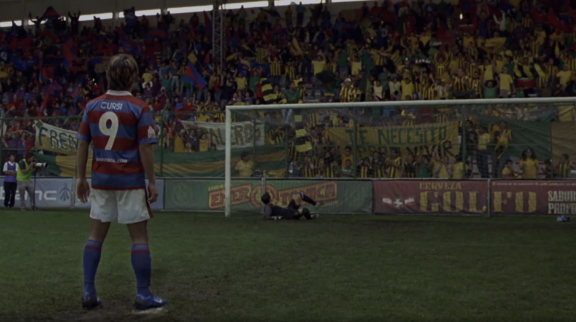
The editing in Rudo y Cursi relies primarily on continuity editing, keeping the narrative fluid and easy to follow as the brothers move between rural life and the fast-paced world of professional soccer. Most cuts are “invisible,” following the characters’ motions to maintain coherence, especially during soccer matches where cutting on action enhances the speed and intensity of play. At the same time, the film occasionally departs from strict continuity to use thematic montage, particularly when contrasting the brothers’ parallel rises and failures. For example, the sequence that alternates between Rudo’s escalating gambling problem and Cursi’s growing obsession with fame functions as a form of cross-cutting that connects their storylines even when they are physically apart. This technique highlights how both are spiraling at the same time but for different reasons, reinforcing the emotional and moral distance growing between them. These editorial choices not only keep the story engaging but also deepen the film’s commentary on ambition, identity, and the pressures of success, showing how the brothers’ personal narratives mirror—and ultimately diverge from—each other.
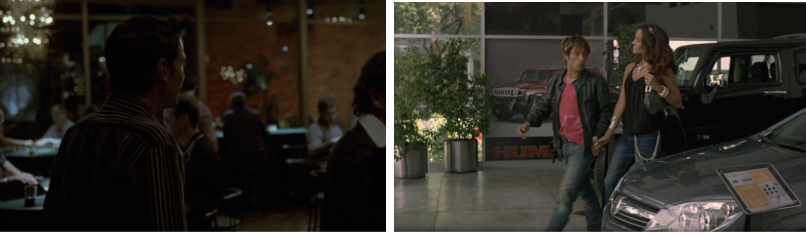
In Rudo y Cursi, editing relies mainly on direct cuts to keep the narrative grounded in realism, but the film strategically incorporates gradual transitions—like fades and occasional dissolves—to highlight emotional or spatial shifts. Cuts maintain the energetic rhythm of soccer scenes and the chaotic pace of the brothers’ rise to fame, while fades often appear when the story moves between the rural town and Mexico City, visually marking the distance between these two worlds. For example, when Cursi leaves the countryside to pursue his career, a fade-out of the banana fields followed by a fade-in of the city skyline underscores the rupture between his origins and his new environment. These transitions subtly comment on the characters’ relationships with the spaces they inhabit: rural scenes shift softly, expressing continuity, belonging, and community (as seen throughout the first assignment’s analysis of space), while the urban transitions are sharper and more abrupt, emphasizing disorientation and the loss of stability. The editing therefore reinforces not only the narrative structure but also the emotional landscape of the brothers’ separation, showing how different spaces reshape their identities and their bond.
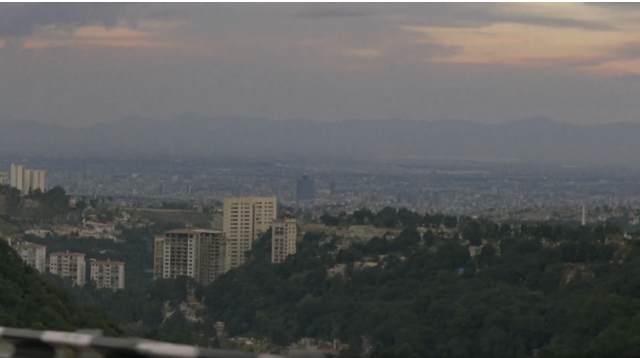
Sound is an integral part in a film. It refers to everything that the audience hears including sound effects, words and music. Sound is used in films for various purposes, including: providing the information to the viewer about the location of the scene, heightening the mood, telling the audience about the characters and advancing the plot. Every person who watches a film realizes that the choice of voices, soundtrack and music present in a film affect the way that the viewer perceives a particular film. As a result, the sound is an important and integral element of the film, one that determines the way that the viewer experiences and understands a film as a visual experience.
Narrative analysis is an examination of the story elements, including narrative structure, character, and plot. A narrative can be considered to be the chain of events in a cause-effect relationship occurring in time and space. In order to analyze the narrative of a film, we need to first make the distinction between the plot of the film and the story of the film. This is sometimes referred to as the discourse and story of a film. Narrative may also be called the story thought story mainly refers to the events that describe the narrative.
Film genres are various forms or identifiable types, categories, classifications or groups of films. (Genre comes from the French word meaning "kind," "category," or "type"). These provide a convenient way for scriptwriters and film-makers to produce, cast and structure their narratives within a manageable, well-defined framework. Genres also offer the studios an easily 'marketable' product, and give audiences satisfying, expected and predictable choices. Genres refers to recurring, repeating and similar, familiar or instantly-recognizable patterns, styles, themes, syntax, templates, paradigms, motifs, rules or generic conventions.
Cuarón, C. (Director). (2008). Rudo y Cursi [Film]. Cha Cha Cha Films; Canana Films; Focus Features.