

La película es una crónica de un año en la vida de una familia de clase media en la Ciudad de México a principios de la década de 1970, vista a través de la mirada de su ama de llaves y niñera indígena, Cleodegaria ("Cleo") Gutiérrez. Cleo es profundamente querida por los cuatro niños que cuida a diario, aunque ocasionalmente surgen sutiles diferencias de clase entre ella y sus empleadores.
El patriarca de la familia, Antonio, un médico académico, parte en un supuesto viaje de trabajo prolongado que gradualmente se revela como un abandono al irse con su amante. Al mismo tiempo, Cleo lidia con su propia crisis personal al descubrir que está embarazada tras una aventura con un joven, Fermín, quien la abandona rápidamente al enterarse de la noticia. La narrativa sigue a dos mujeres, Cleo y Sofía, la madre de los niños, mientras navegan por sus respectivas angustias y crisis personales, apoyándose mutuamente en un contexto de agitación social, incluyendo la violenta masacre estudiantil de Corpus Christi de 1971. La historia culmina en un poderoso momento de trauma compartido y unión familiar durante unas vacaciones en la playa, donde los niños están ahogándose en el mar, y Cleo (que no sabe nadar) entra y los salva.
Describes the setting of a scene in a play or a film. It refers to everything placed on the stage or in front of the camera—including people. In other words, mise en scène is a catch-all for everything that contributes to the visual presentation and overall “look” of a production. When translated from French, it means “placing on stage.”
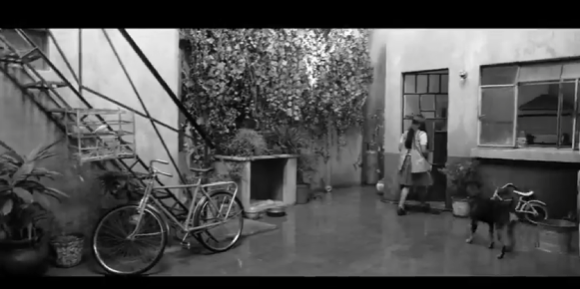
Estos lugares son utilizados para demostrar la jerarquía social. Como aunque viven juntos Cleo sirve la familia, y la familia intenta de hacerte invisible.
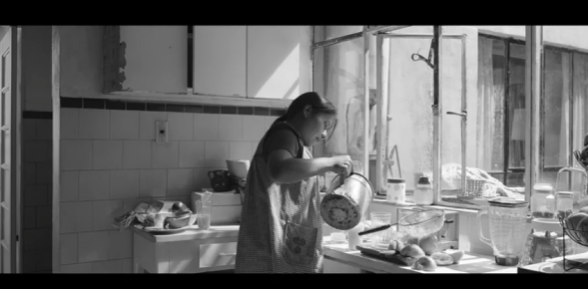
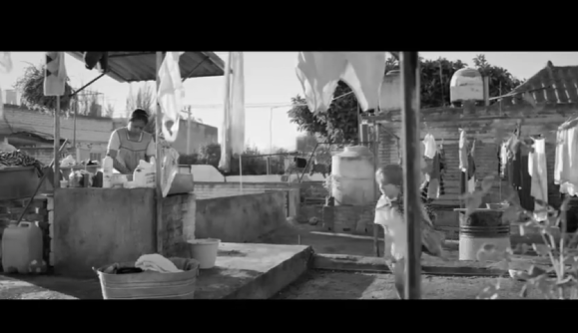
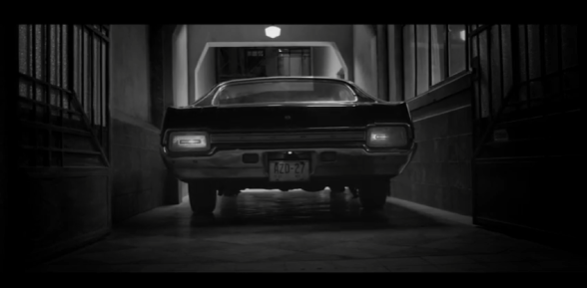
El uso de la luz también se emplea para representar la jerarquía de la familia. En los lugares de familia, como la sala y el comedor, vemos una luz suave y cómoda, representando la comodidad de la familia. En contraste, las áreas de servicio como la cocina de Cleo usan mínima luz. Otra vez, como el uso del espacio, demuestra la separación de la familia y de Cleo y enfatiza la invisibilidad de Cleo en la casa.
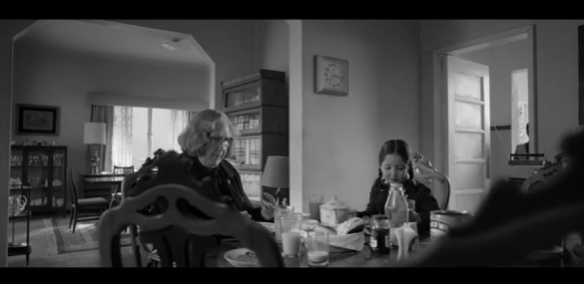
This is the art of photography and visual storytelling in a motion picture or television show. Cinematography comprises all on-screen visual elements, including lighting, framing, composition, camera motion, camera angles, film selection, lens choices, depth of field, zoom, focus, color, exposure, and filtration. Cinematography sets and supports the overall look and mood of a film’s visual narrative. Each visual element that appears on screen, a.k.a. the mise-en-scène of a film, can serve and enhance the story—so it is the cinematographer’s responsibility to ensure that every element is cohesive and support the story. Filmmakers often choose to spend the majority of their budget on high-quality cinematography to guarantee that the film will look incredible on the big screen.
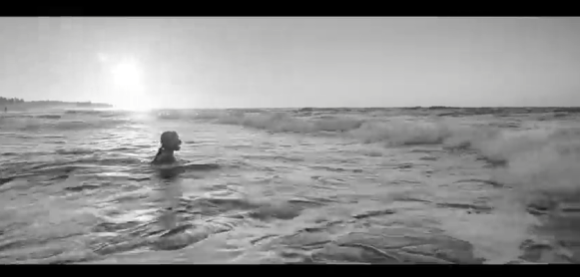
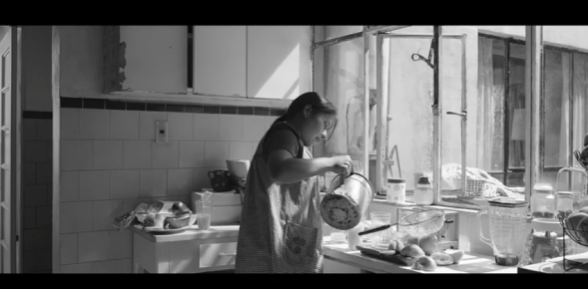
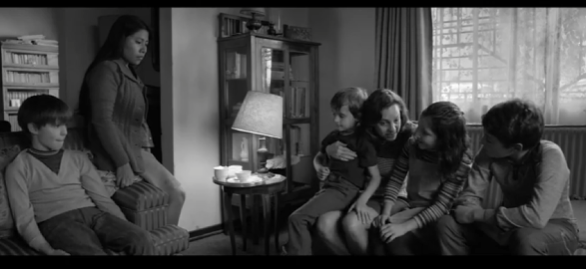
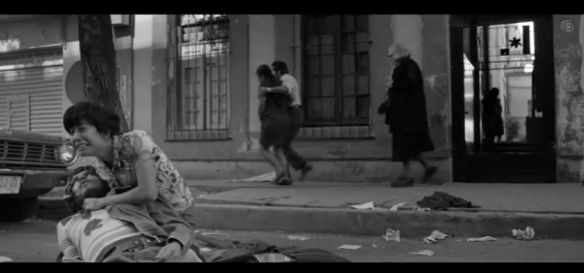
El director casi siempre utiliza un angulo amplio y abierto, hasta en escenas íntimas. Esta decisión de no utilizar imágenes de cerca quita cierta individualidad de las personas y las presenta como figuras en una historia y ambiente. Para el espectador, nos ayuda a mantener un sentido más objetivo de lo que está pasando.
Editing is the process of putting a film together–the selection and arrangement of shots and scenes. Editing can condense space and time, emphasize separate elements and bring them together, and organize material in such a way that patterns of meaning become apparent. In addition, editing can determine how a film is perceived: for instance, quick, rapid cuts can create a feeling of tension, while a long take can create a more dramatic effect. The first photoplays generally had no cutting, owing to the fact that they were single-reel films; once filming began, you could not stop until the film ran out. (https://filmglossary.ccnmtl.columbia.edu/term/editing/)
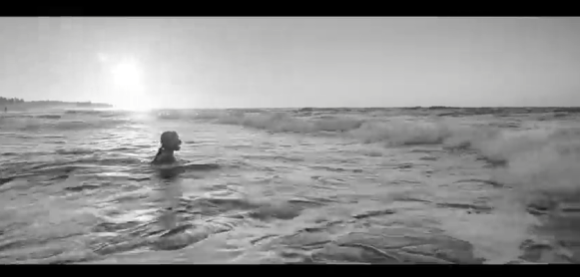
Podemos ver este estilo y continuidad en la escena de la playa donde la camara sigue a Cleo en un solo corte.
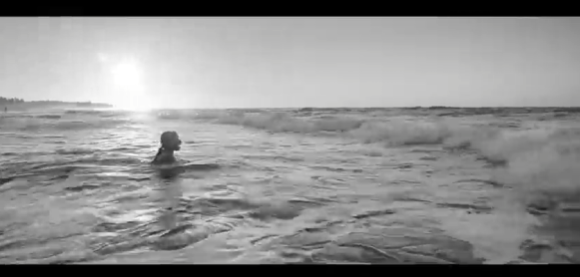
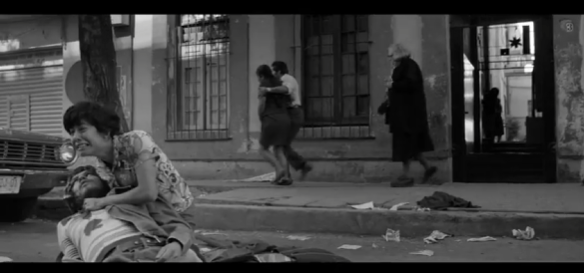
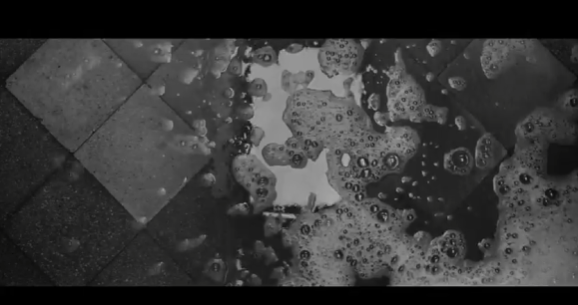
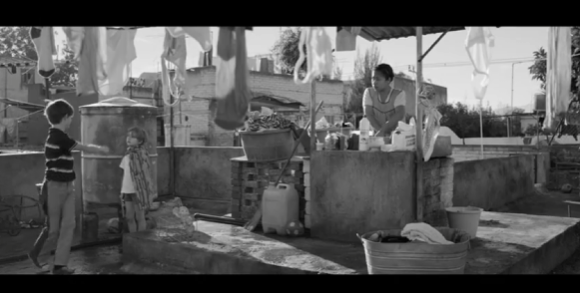
El estilo de edición prioriza escenas con pocos cortes. Este estilo crea en la audiencia una perspectiva en la que estamos separados de los personajes. Aunque la imagen objetiva y a distancia no siempre se observa como la escena en el océano. El director deja que las escenas pasen en tiempo real, sea caminar, trabajar, o diálogo, el cual ayuda a la audiencia entender las tensiones y emociones lentamente pero poderosamente.
Sound is an integral part in a film. It refers to everything that the audience hears including sound effects, words and music. Sound is used in films for various purposes, including: providing the information to the viewer about the location of the scene, heightening the mood, telling the audience about the characters and advancing the plot. Every person who watches a film realizes that the choice of voices, soundtrack and music present in a film affect the way that the viewer perceives a particular film. As a result, the sound is an important and integral element of the film, one that determines the way that the viewer experiences and understands a film as a visual experience.
Narrative analysis is an examination of the story elements, including narrative structure, character, and plot. A narrative can be considered to be the chain of events in a cause-effect relationship occurring in time and space. In order to analyze the narrative of a film, we need to first make the distinction between the plot of the film and the story of the film. This is sometimes referred to as the discourse and story of a film. Narrative may also be called the story thought story mainly refers to the events that describe the narrative.
Film genres are various forms or identifiable types, categories, classifications or groups of films. (Genre comes from the French word meaning "kind," "category," or "type"). These provide a convenient way for scriptwriters and film-makers to produce, cast and structure their narratives within a manageable, well-defined framework. Genres also offer the studios an easily 'marketable' product, and give audiences satisfying, expected and predictable choices. Genres refers to recurring, repeating and similar, familiar or instantly-recognizable patterns, styles, themes, syntax, templates, paradigms, motifs, rules or generic conventions.