
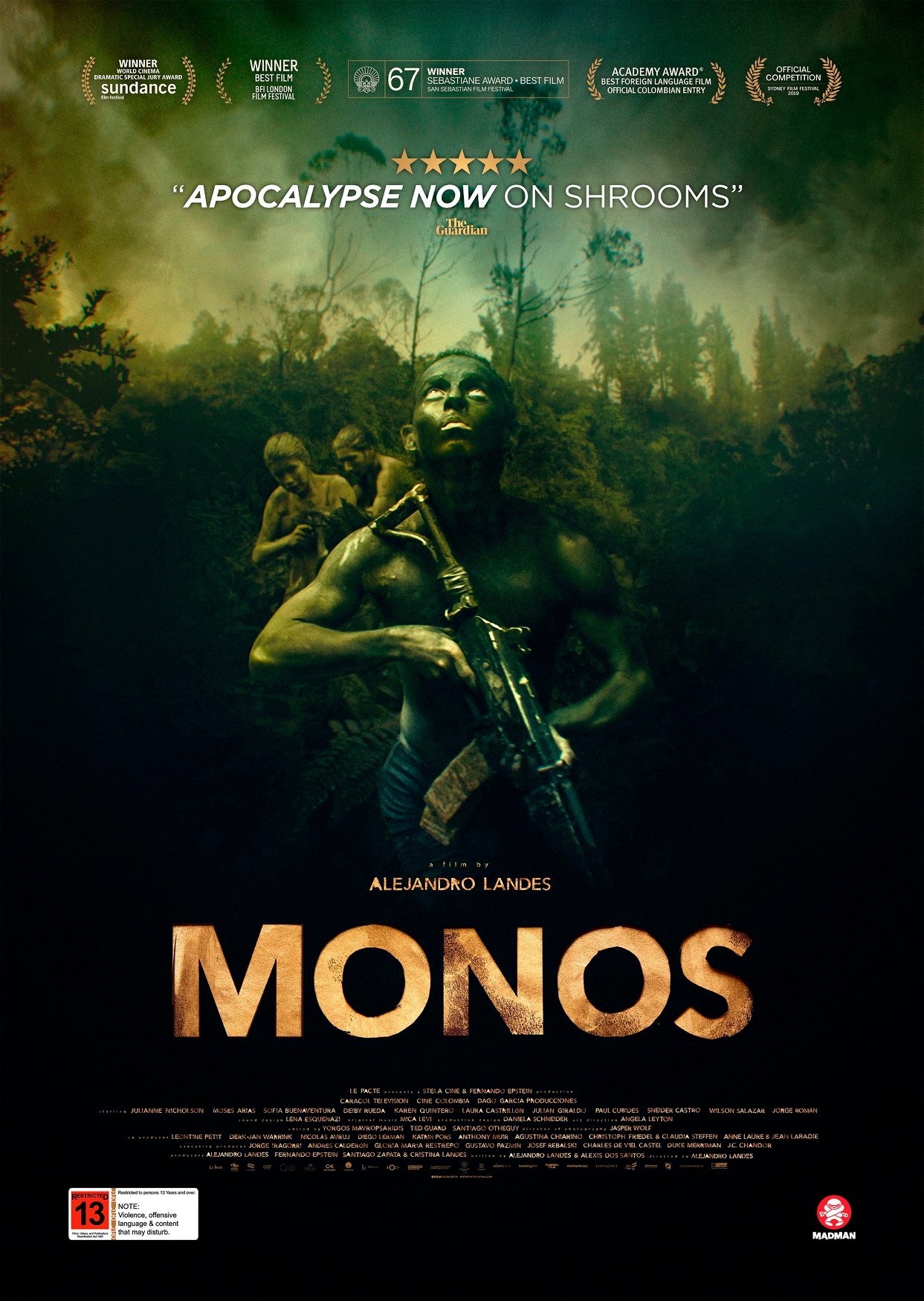
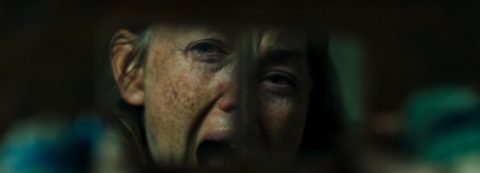
Monos is a spiritually-infused yet terrifyingly realistic depiction of guerilla-warfare in Latin America. The film introduces the audience to the titular Monos, known as Wolf, Boom Boom, Rambo, Swede, Dog, Bigfoot, Smurf, and Lady, nine young adults of varying ages as they seek to protect their hostage, La Doctora. Opening up above the clouds with a youthful and poetic rustic ambience, as the young militants descend below the clouds and beneath the tropical forest canopy so do their lives descend into turmoil and mistrust.
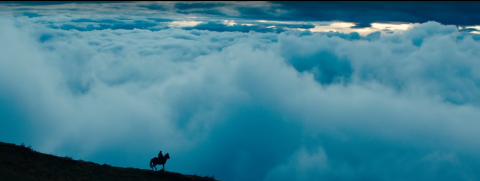
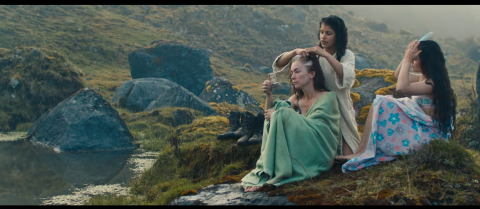
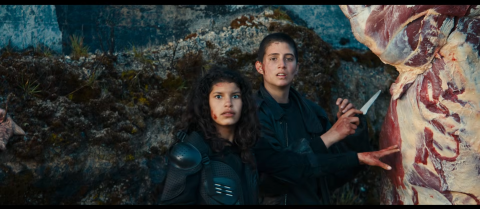
Describes the setting of a scene in a play or a film. It refers to everything placed on the stage or in front of the camera—including people. In other words, mise en scène is a catch-all for everything that contributes to the visual presentation and overall “look” of a production. When translated from French, it means “placing on stage.”
Space:
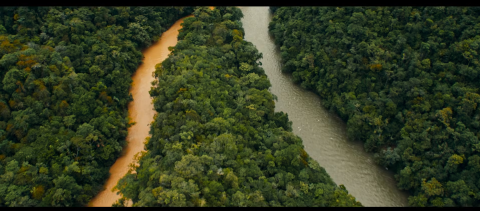
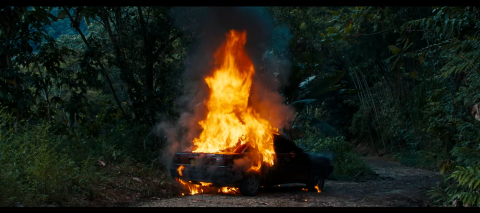
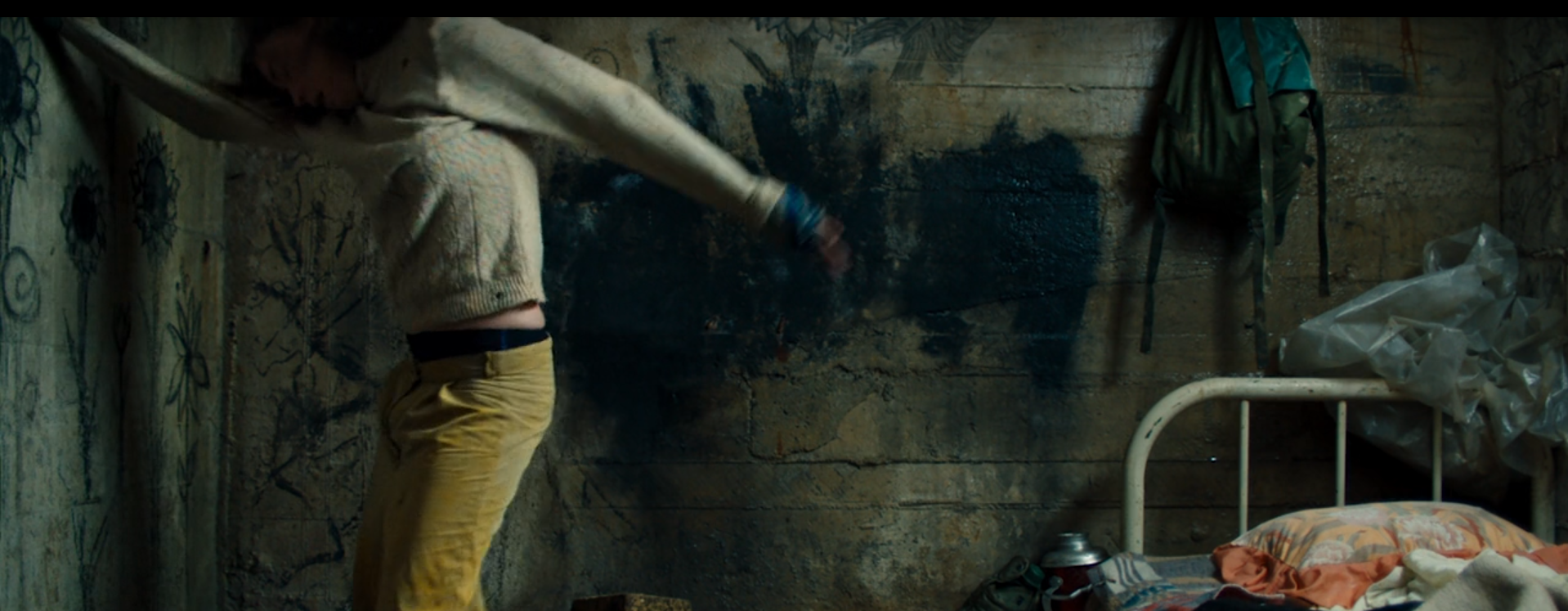
In Monos, space plays an important role to reflect the character’s journey. It starts at a mountaintop, a tundra biome. This tundra is characterized by low-lying plants and clear vistas of blanketing clouds as far as the eye can see. As a result, it is a pristine but uniquely “cluttered” environment. Here, the proximity to the sky acts like a magnifying glass, where nothing can hide. As the Monos are under assault, the scene becomes increasingly muddled and chaotic. As they make home in the jungle, the Monos are frequently covered in mud and ink, and the jungle seems to consume them.
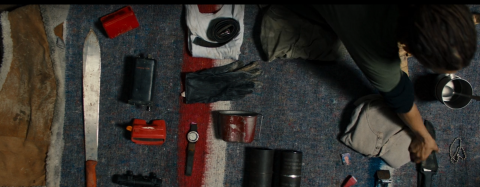
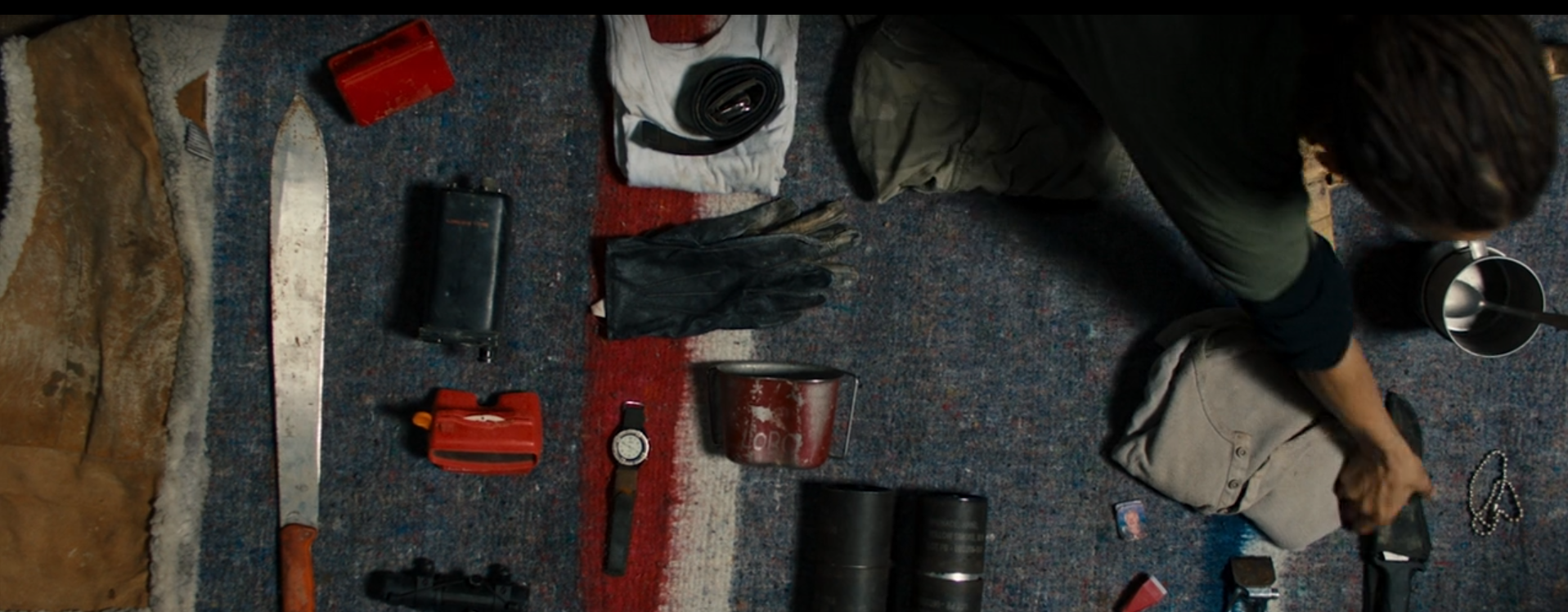
Despite this focus on nature, there is a stunning example of how physical belongings are interpreted by the militant group. When Lobo, the group leader, is killed, his belongings are neatly sorted on a well-made blanket and picked over. Knives, watches, gloves-items that are seek to control nature. Yet, as the film teaches us, they are futile.
This is the art of photography and visual storytelling in a motion picture or television show. Cinematography comprises all on-screen visual elements, including lighting, framing, composition, camera motion, camera angles, film selection, lens choices, depth of field, zoom, focus, color, exposure, and filtration. Cinematography sets and supports the overall look and mood of a film’s visual narrative. Each visual element that appears on screen, a.k.a. the mise-en-scène of a film, can serve and enhance the story—so it is the cinematographer’s responsibility to ensure that every element is cohesive and support the story. Filmmakers often choose to spend the majority of their budget on high-quality cinematography to guarantee that the film will look incredible on the big screen.
Editing is the process of putting a film together–the selection and arrangement of shots and scenes. Editing can condense space and time, emphasize separate elements and bring them together, and organize material in such a way that patterns of meaning become apparent. In addition, editing can determine how a film is perceived: for instance, quick, rapid cuts can create a feeling of tension, while a long take can create a more dramatic effect. The first photoplays generally had no cutting, owing to the fact that they were single-reel films; once filming began, you could not stop until the film ran out. (https://filmglossary.ccnmtl.columbia.edu/term/editing/)
Sound is an integral part in a film. It refers to everything that the audience hears including sound effects, words and music. Sound is used in films for various purposes, including: providing the information to the viewer about the location of the scene, heightening the mood, telling the audience about the characters and advancing the plot. Every person who watches a film realizes that the choice of voices, soundtrack and music present in a film affect the way that the viewer perceives a particular film. As a result, the sound is an important and integral element of the film, one that determines the way that the viewer experiences and understands a film as a visual experience.
Narrative analysis is an examination of the story elements, including narrative structure, character, and plot. A narrative can be considered to be the chain of events in a cause-effect relationship occurring in time and space. In order to analyze the narrative of a film, we need to first make the distinction between the plot of the film and the story of the film. This is sometimes referred to as the discourse and story of a film. Narrative may also be called the story thought story mainly refers to the events that describe the narrative.
Film genres are various forms or identifiable types, categories, classifications or groups of films. (Genre comes from the French word meaning "kind," "category," or "type"). These provide a convenient way for scriptwriters and film-makers to produce, cast and structure their narratives within a manageable, well-defined framework. Genres also offer the studios an easily 'marketable' product, and give audiences satisfying, expected and predictable choices. Genres refers to recurring, repeating and similar, familiar or instantly-recognizable patterns, styles, themes, syntax, templates, paradigms, motifs, rules or generic conventions.
https://www.screendaily.com/features/like-jumping-off-a-cliff-without-a-parachute-alejandro-landes-talks-colombian-oscar-contender-monos/5144791.article