
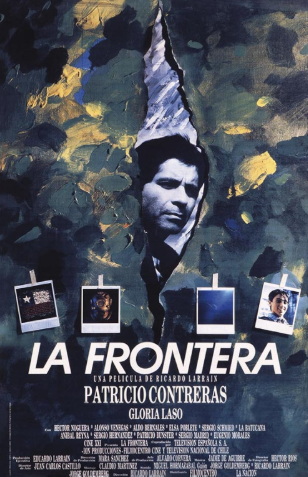
The film "La Frontera" by Ricardo Larrain is set during the final years of Chile's military dictatorship. The story follows Ramiro Orellana, a mathematics teacher who is sentenced to internal exile in the La Frontera region, a historic boundary between the Mapuche people and Spanish colonization. In this remote village, accessible only by water and once devastated by a tidal wave (maremoto), Ramiro gradually integrates into the community, encounters its cultural richness, and falls in love with an eccentric Spanish woman caring for her unstable father. Confronted with both the absurdity of authoritarian politics and his own inner boundaries, he discovers a new dimension of life marked by resilience, memory, and love. Larraín portrays exile not only as punishment but also as a space for self-discovery, while capturing the scars of repression on individuals and communities.
Describes the setting of a scene in a play or a film. It refers to everything placed on the stage or in front of the camera—including people. In other words, mise en scène is a catch-all for everything that contributes to the visual presentation and overall “look” of a production. When translated from French, it means “placing on stage.”
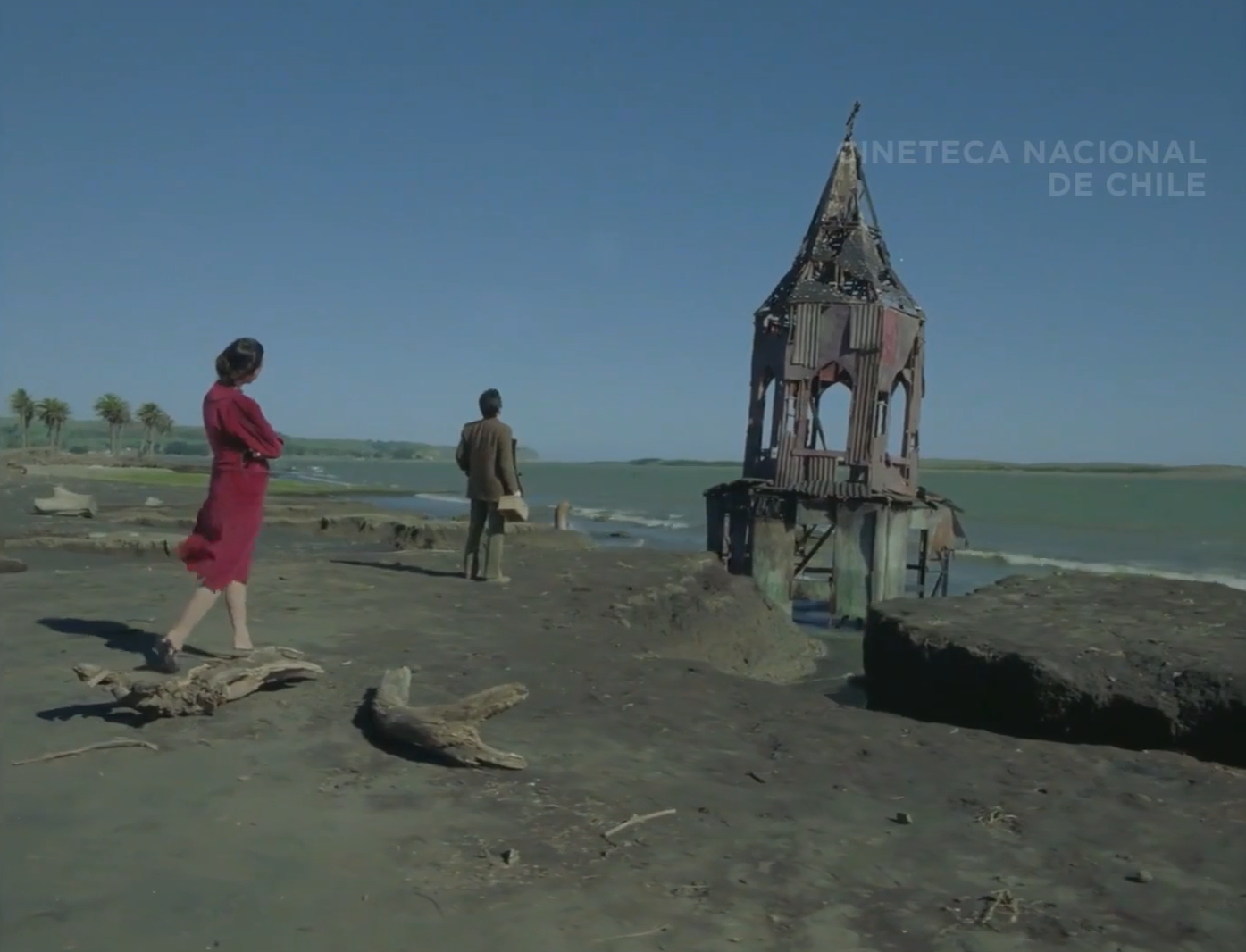
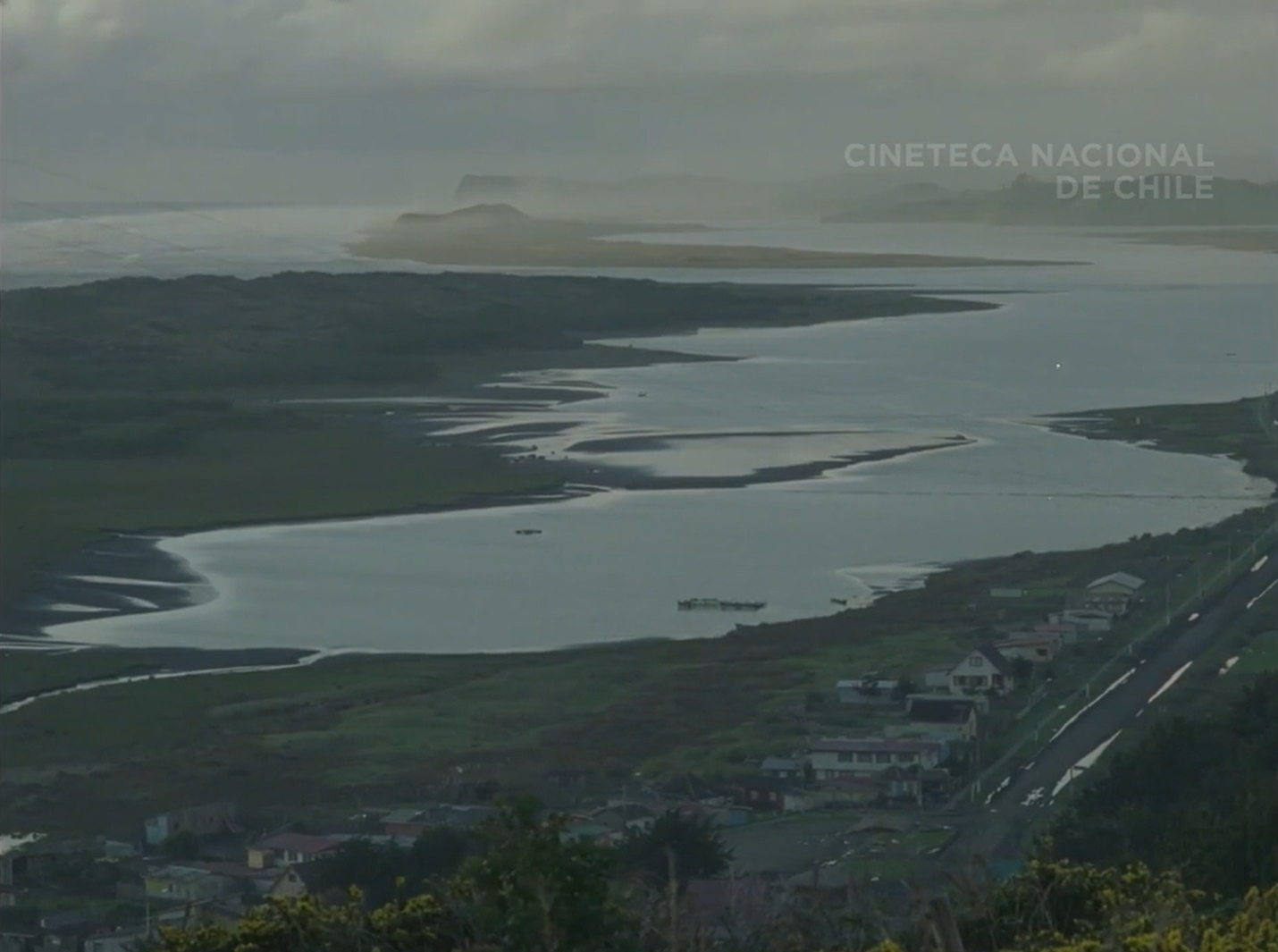
When Ramiro Orellana is transported to the village, he must first cross a river by boat. Once at the remote village, he encounters the legend of a devastating tidal wave (maremoto) that once flooded the village and claimed many lives. The nearby ocean dominates the setting with an atmosphere of both mystery and danger, serving as a reminder of the natural catastrophe that despite its brief duration, greatly affected the people of the village. The wave also carries metaphorical weight, evoking the sudden rise of fascism and the destructive and long-lasting scars left by authoritarianism.
The ocean also becomes a symbol through which Chile's layered history resurfaces. In the film, Ramiro discovers the submerged Mapuche statue “Abrazo de Maipú.” This touches on the memory of the indigenous Mapuche people, most notably the healer Hilda, who remain present in the village. The ocean also brings up the history of Maite, the Spanish woman Ramiro falls in love with, whose personal history of fleeing Franco’s dictatorship mirrors Chile’s own struggles under Pinochet.
Finally, at the heart of the village stands a Catholic church, an ever-present reminder of colonial legacies and the fusion of faith, tradition, and authority. Together, these elements make the setting of La Frontera more than a backdrop. The setting becomes a symbolic crossroads of memory, politics, and identity, where natural and historical forces shape the characters’ inner journeys.
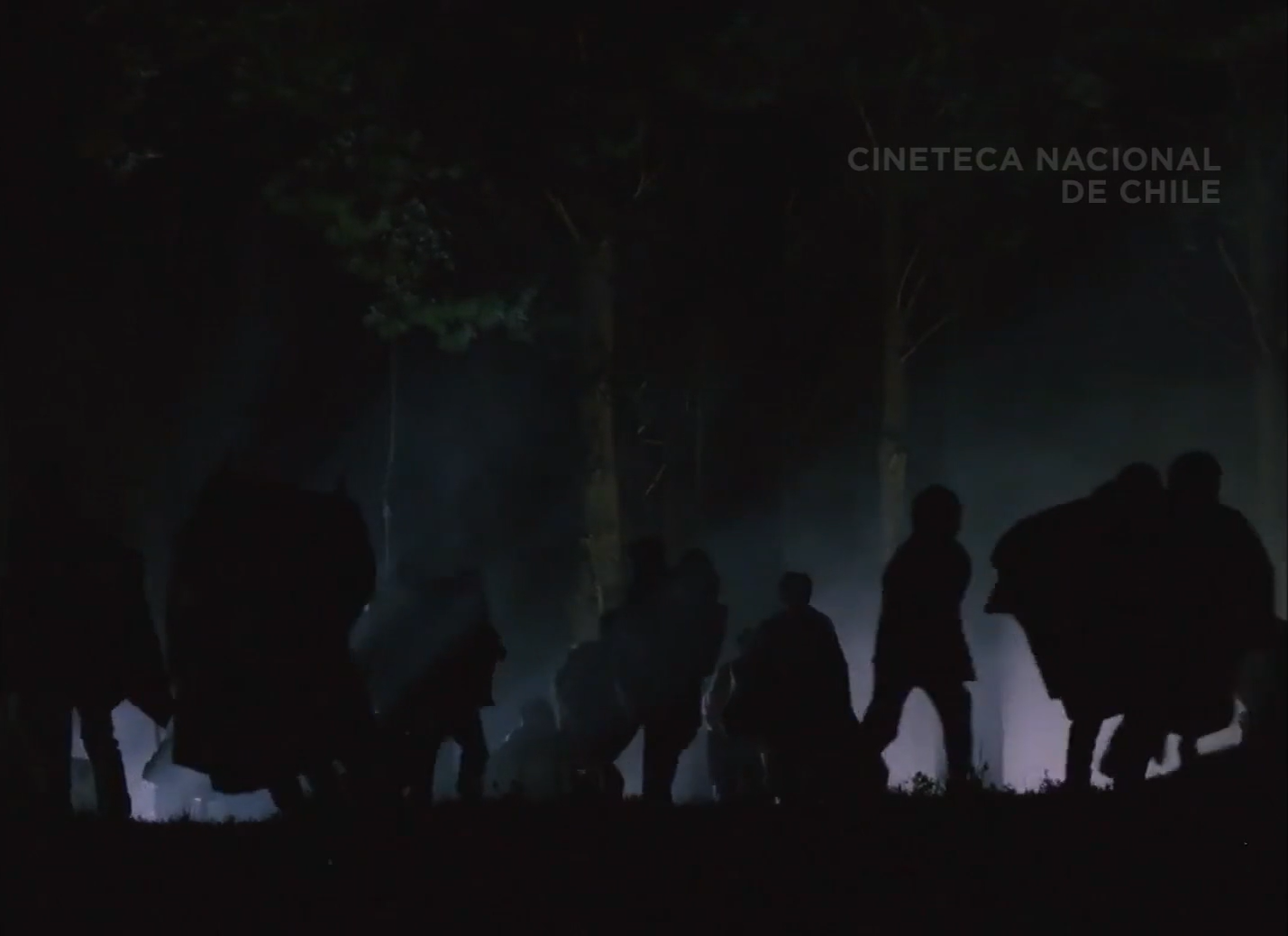
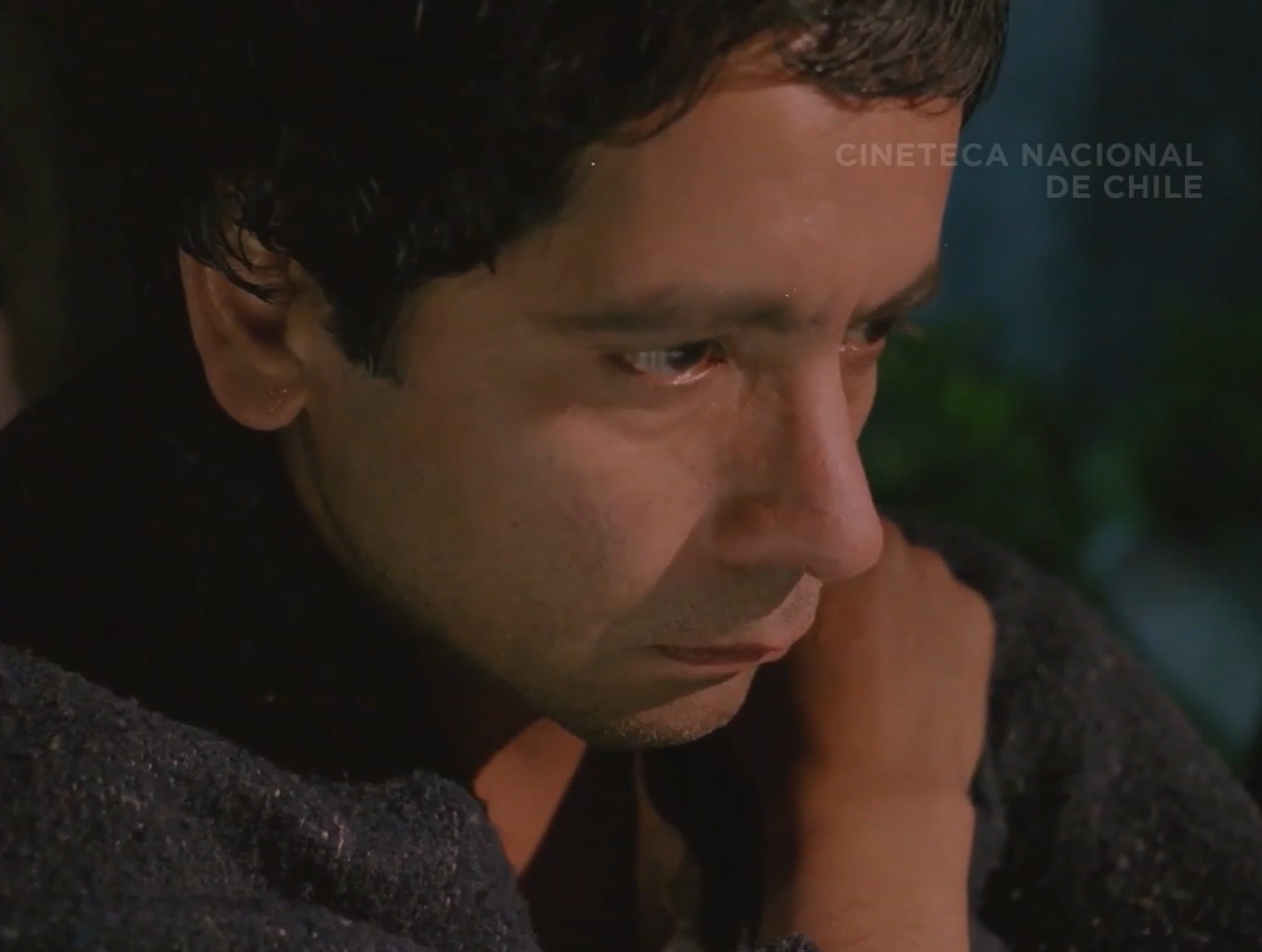
Immediately after this, the film's lighting shifts. Soft beams of light shine on the people, showing their worried and tired faces. The camera eventually pans to Ramiro's face, illuminated by a brighter light that highlights his somber expression. This moment of eye light draws the attention to Ramiro's grief and inner turmoil, emphasizing both the weight of his personal loss and the broader theme of survival. Together the uses of light in this scene convey both collective trauma caused by a great force, and intimate emotion of loss and grief.
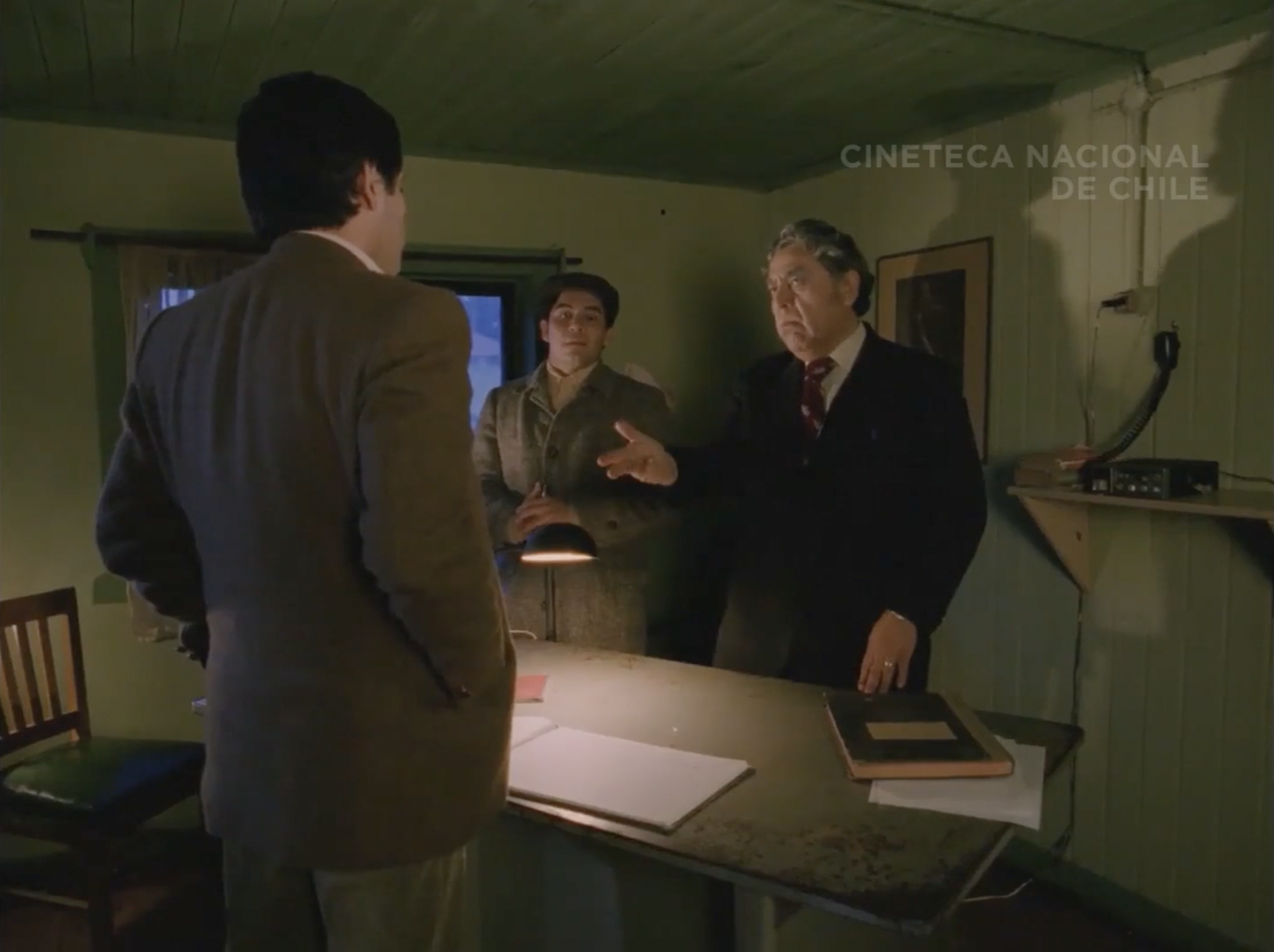
The composition leans towards closed form since everything in the frame feels contained and deliberate, with even shadows cast on the wall further exaggerating the confinement. Space here signifies the oppression shown throughout the movie; the room itself becomes a prison, and the act of "signing in" every few hours materializes the constant surveillance and lack of freedom imposed on him.
This is the art of photography and visual storytelling in a motion picture or television show. Cinematography comprises all on-screen visual elements, including lighting, framing, composition, camera motion, camera angles, film selection, lens choices, depth of field, zoom, focus, color, exposure, and filtration. Cinematography sets and supports the overall look and mood of a film’s visual narrative. Each visual element that appears on screen, a.k.a. the mise-en-scène of a film, can serve and enhance the story—so it is the cinematographer’s responsibility to ensure that every element is cohesive and support the story. Filmmakers often choose to spend the majority of their budget on high-quality cinematography to guarantee that the film will look incredible on the big screen.
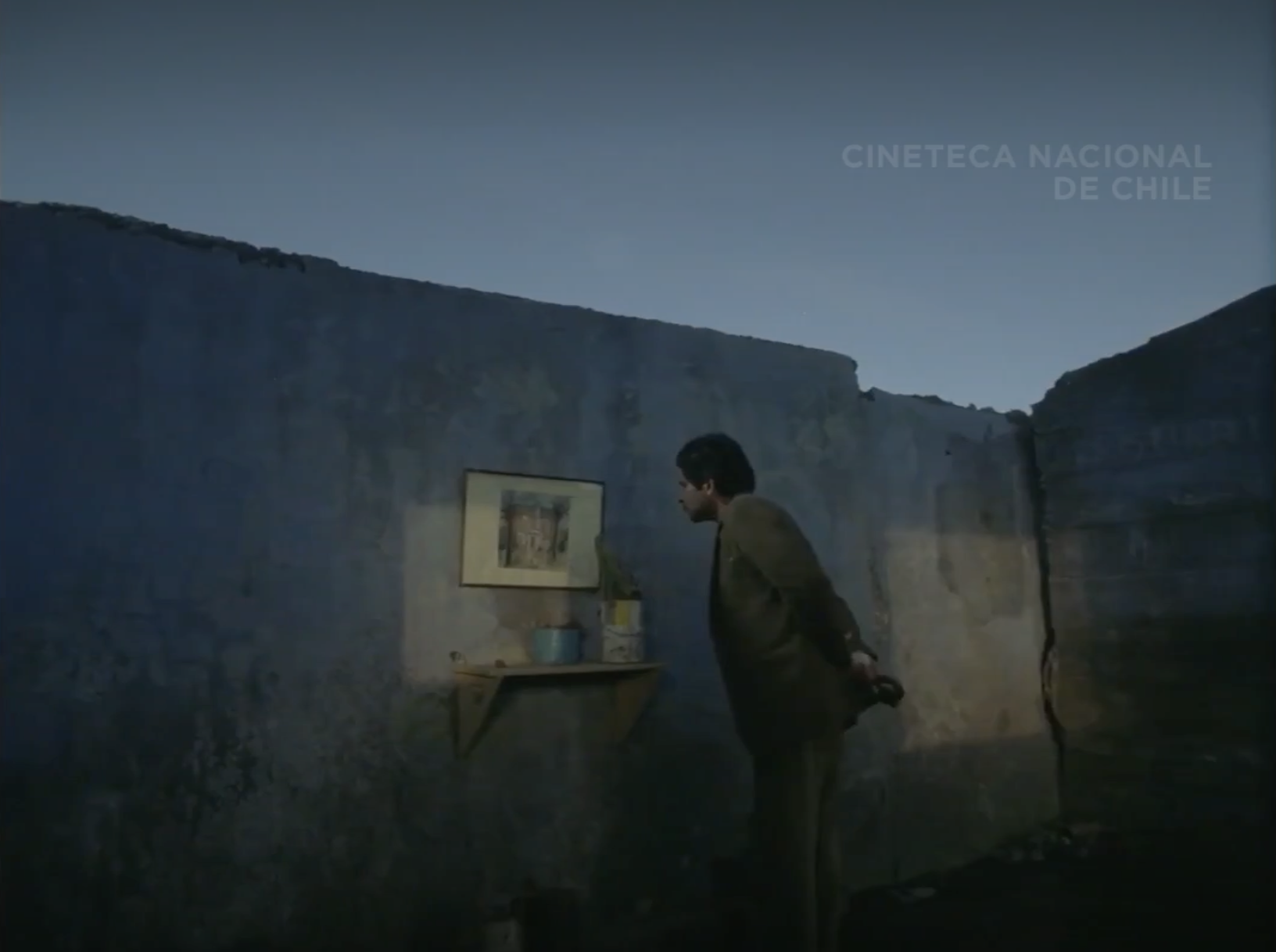
A deep focus is used across most of the shot. Ramiro, the wall, the shelf, and the framed photo are all visible. This ensures that the environment remains central to the meaning of the scene. Even when Ramiro leans in, the background stays legible, keeping context tied to emotion.
I think this shot also makes the ruined setting feel important. Since this kind of shot includes a significant amount of background, the environment becomes almost a character itself.
Editing is the process of putting a film together–the selection and arrangement of shots and scenes. Editing can condense space and time, emphasize separate elements and bring them together, and organize material in such a way that patterns of meaning become apparent. In addition, editing can determine how a film is perceived: for instance, quick, rapid cuts can create a feeling of tension, while a long take can create a more dramatic effect. The first photoplays generally had no cutting, owing to the fact that they were single-reel films; once filming began, you could not stop until the film ran out. (https://filmglossary.ccnmtl.columbia.edu/term/editing/)
Slow-paced sequences dominate most of the film, especially in Ramiro’s daily interactions and everyday routine. In contrast, when the maremoto happens, there is a notable difference in the pacing of the cuts. The faster sequences break the earlier calm. The sudden acceleration in rhythm highlights the shifts in narrative tension making the urgency of the situation much more jarring. This signals a turning point in the emotional trajectory of Ramiro’s situation.
Overall the cuts and narrative create a very cohesive, continuous, and deliberately slow rhythm. This style allows the audience to contemplate the continuous yet subtle changes in Ramiro. It creates a very realistic story of a man slowly regaining his identity through his interactions with others who, like him, have been living at the nation’s margins. Near the end of the film the sudden rhythmic shift that occurs with the maremoto enriches the theme of survival.
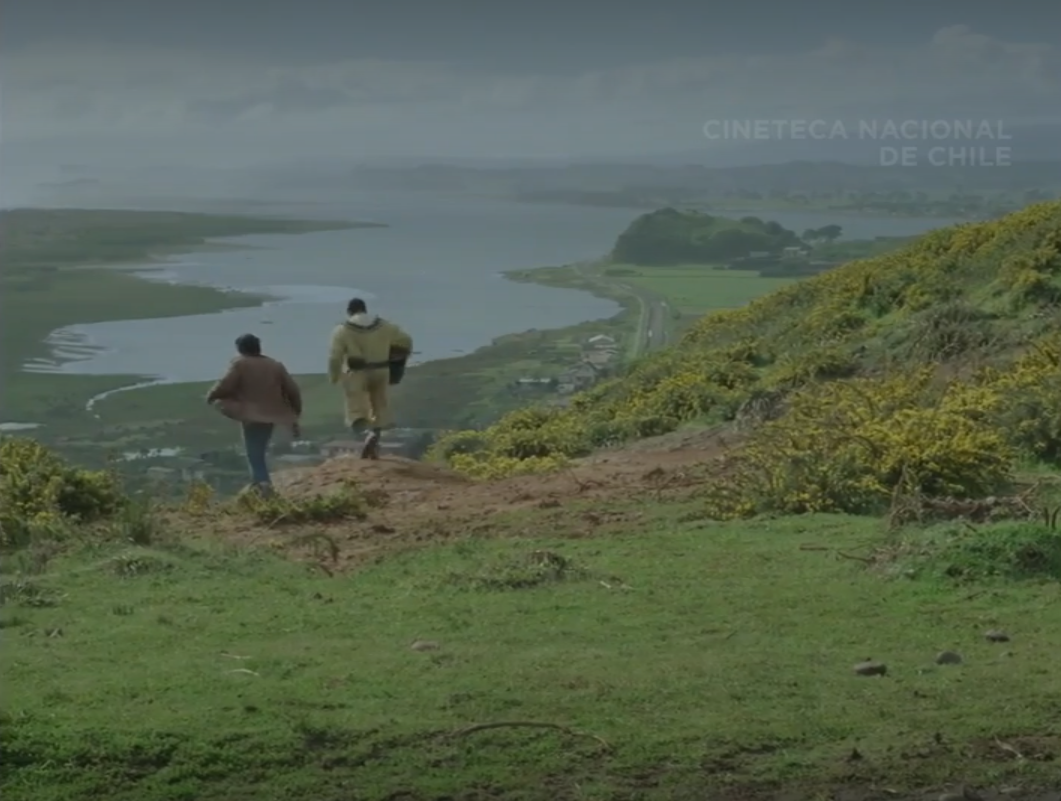
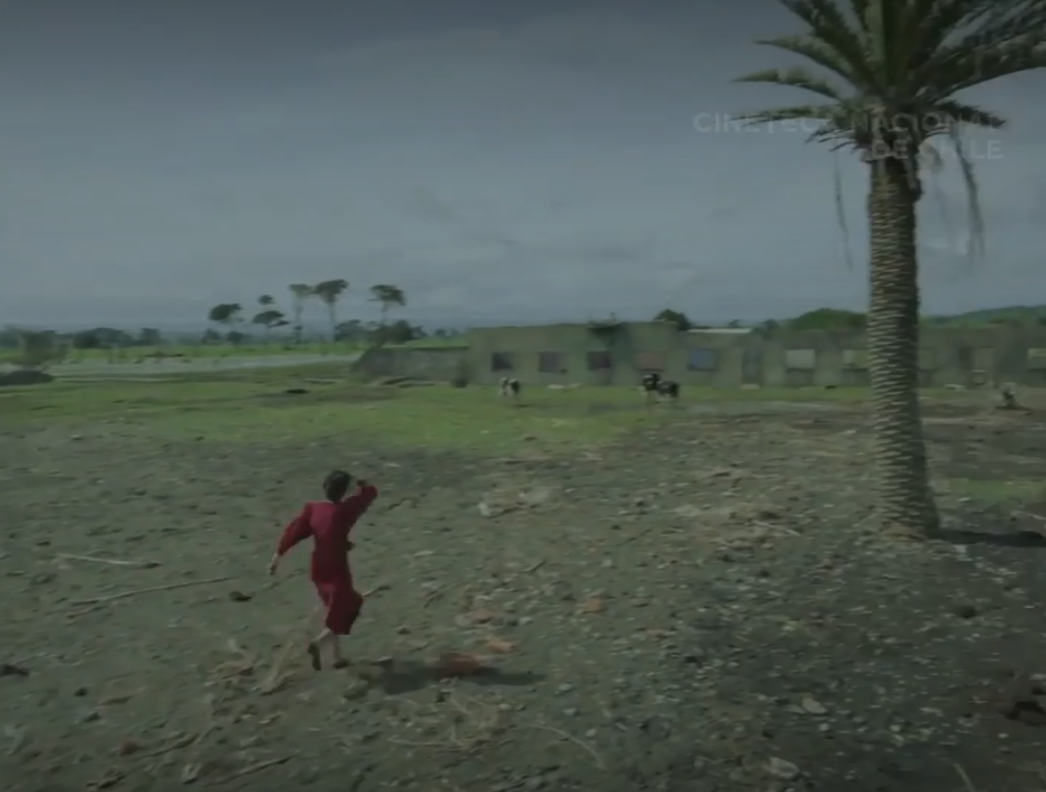
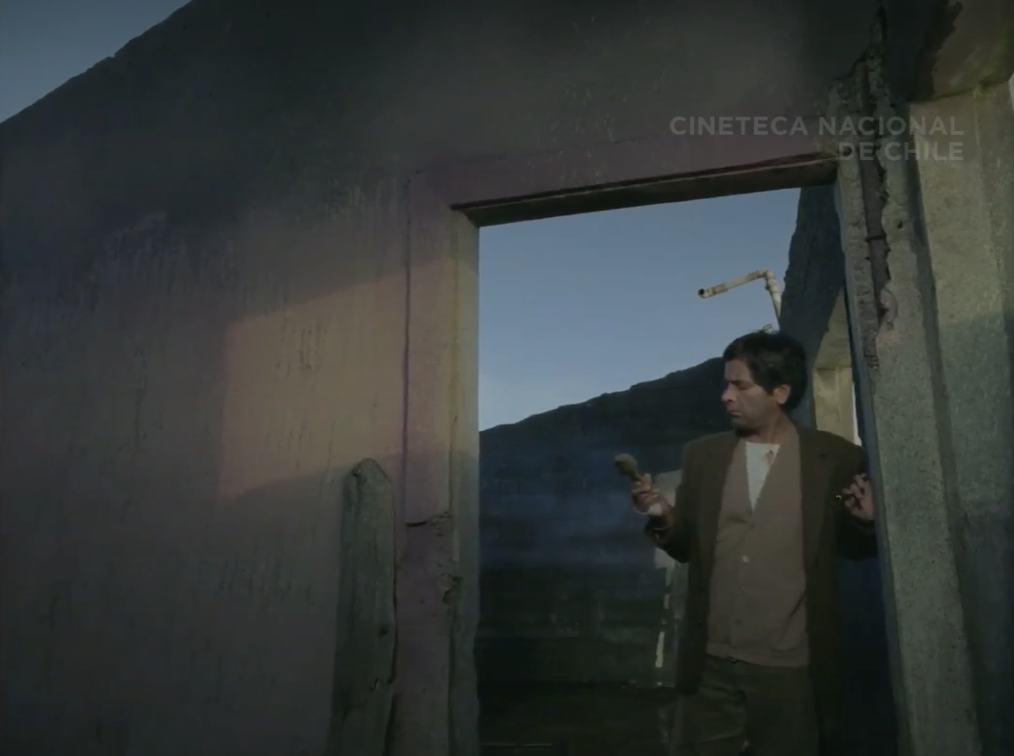
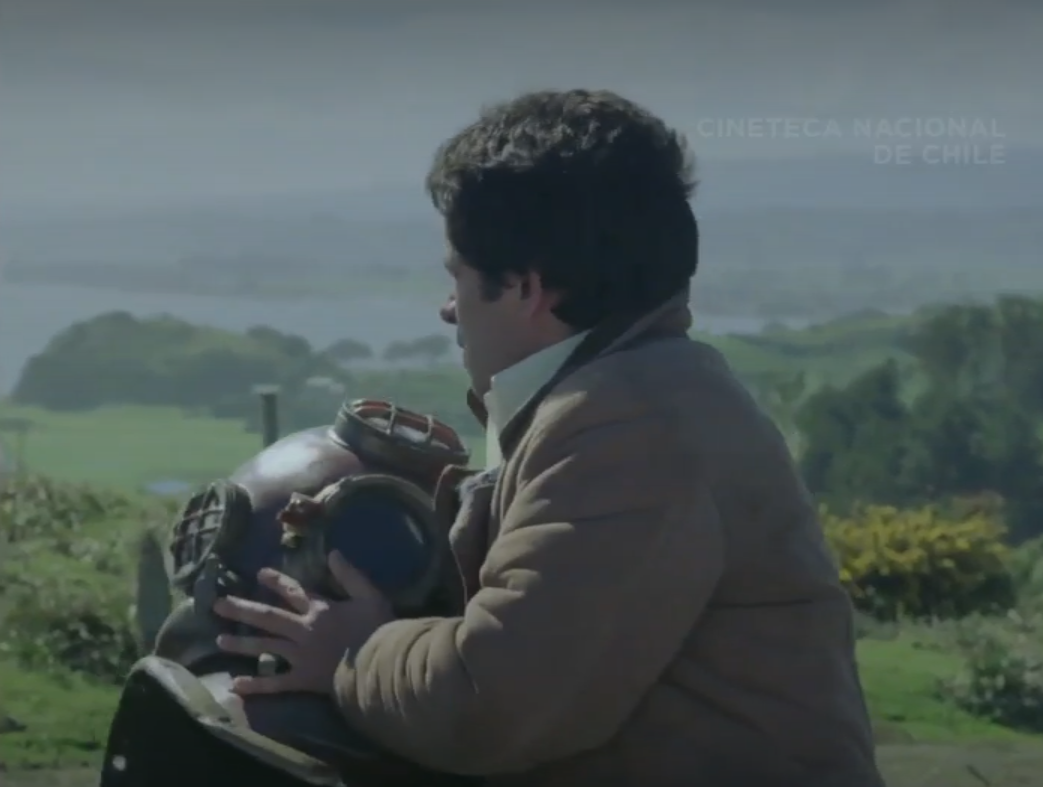
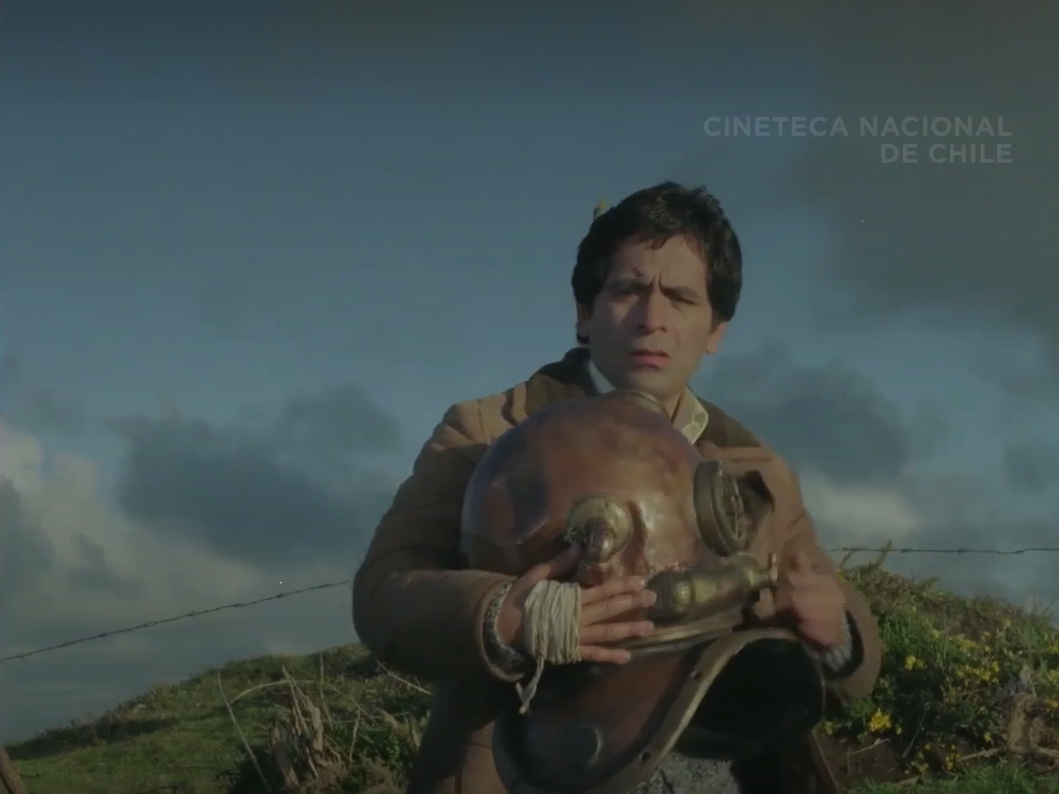
Continuity editing in this film relies on cutting-on-movement to sustain a naturalistic tone. For example, when Ramiro turns his head or walks across a room, the cut frequently occurs mid-motion allowing the action to flow smoothly into the next shot making the edit nearly invisible. In the example shown here we see that Ramiro turns away from the camera and the next shot is the camera facing Ramiro to see his expression towards what he is facing.
Other continuity techniques also reinforce this seamless editing. Shot/reverse shot transitions allow dialogue between characters to unfold fluidly, while cross cutting connects Ramiro’s private moments to the experiences of the other characters. Even when these different perspectives occur in different spaces the editing eventually brings them together, often returning to Ramiro. This use of continuity ensures the story remains cohesive and highlights the interconnectedness of the characters living in the margins.
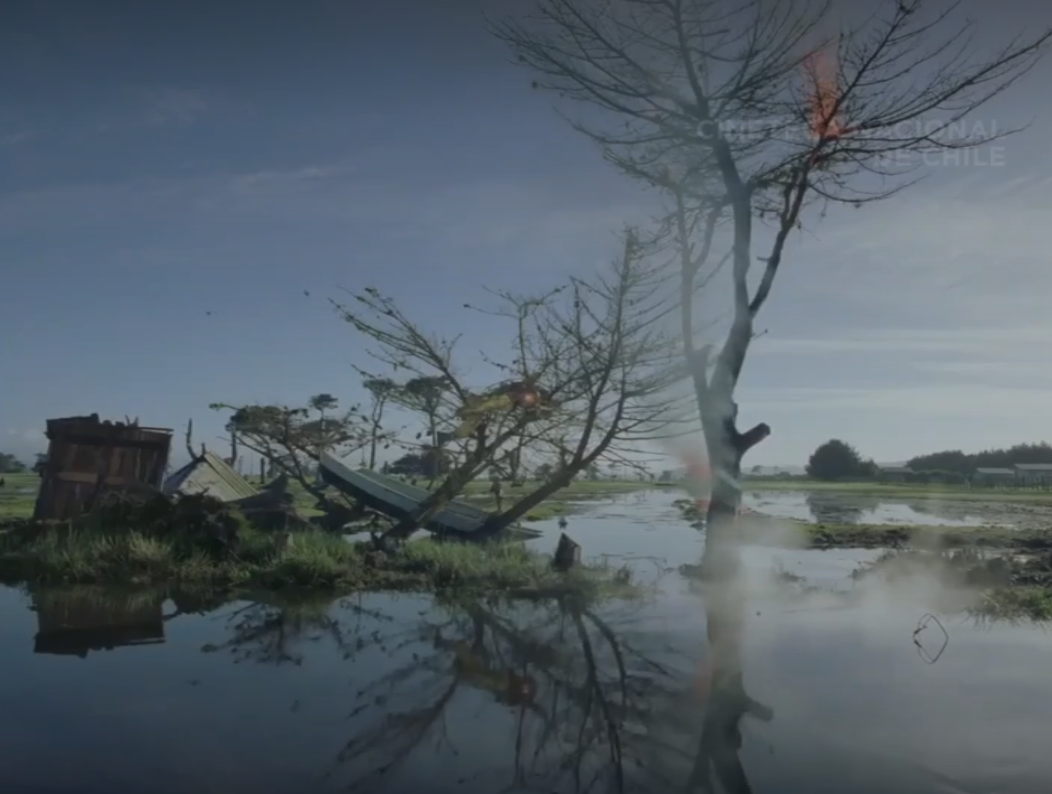
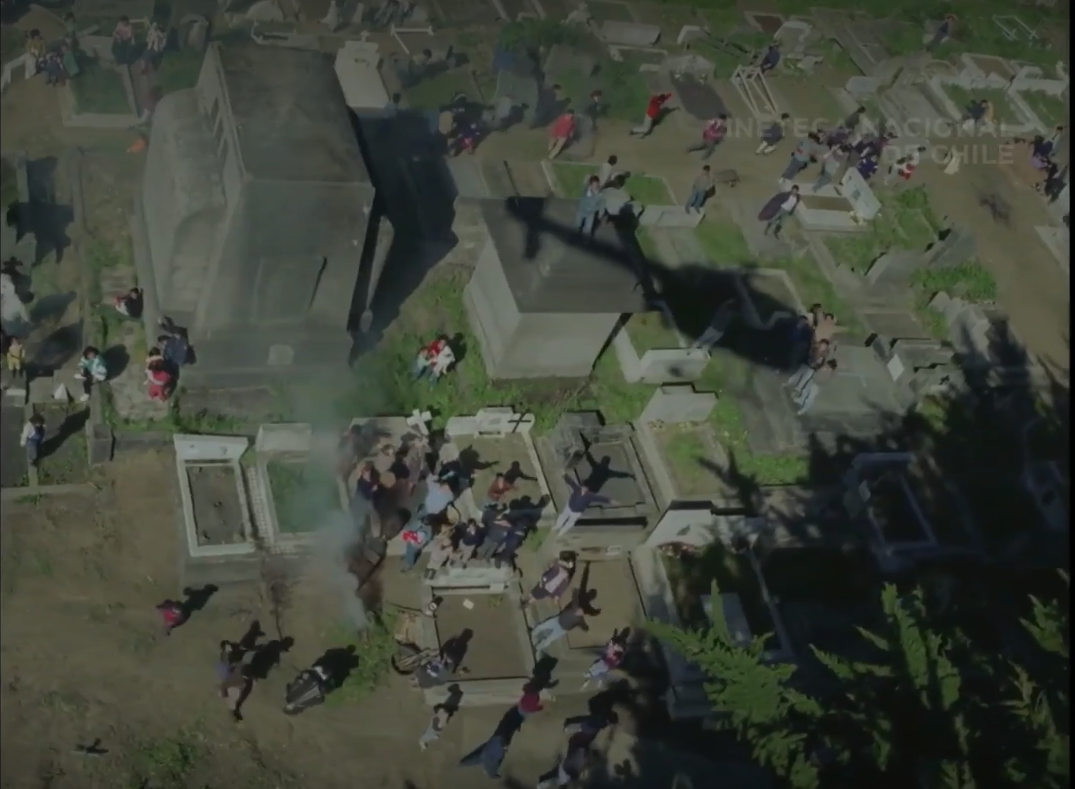
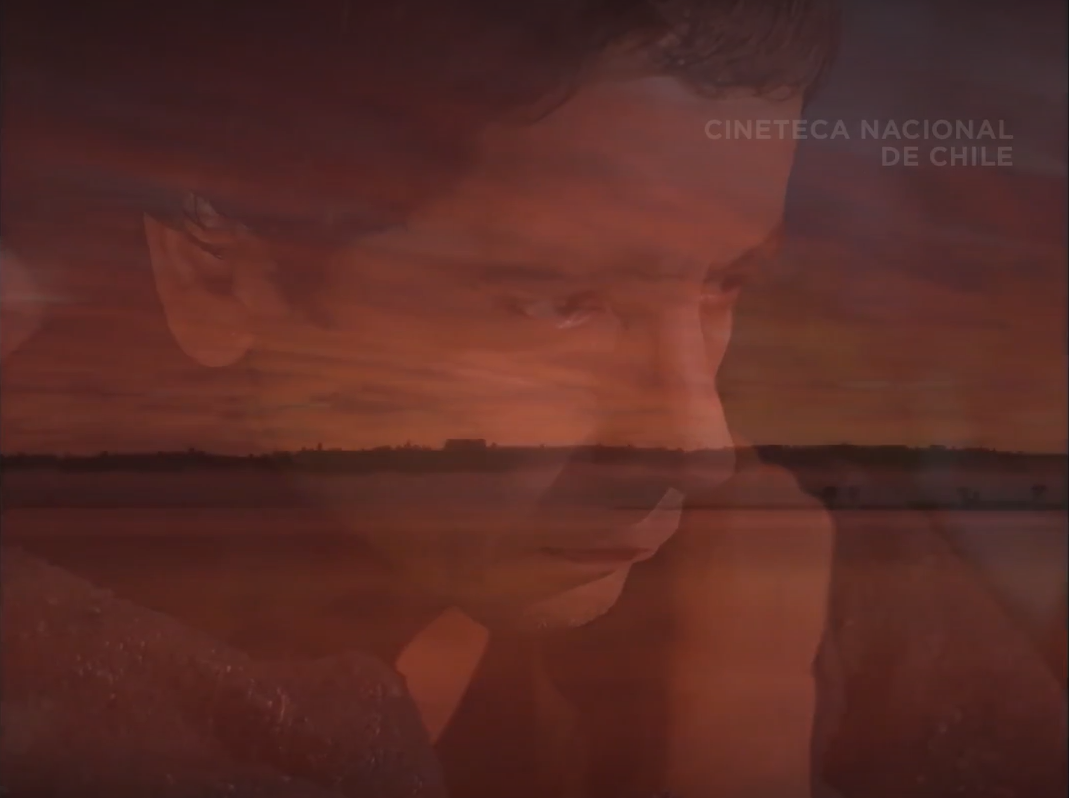
Larraín occasionally uses dissolving shots, typically to transition between states of emotion and the environment. A striking instance occurs after the maremoto, when the somber face of Ramiro dissolves into the image of the sunrise over the sea. The use of this transition creates a contrast between the existence of Ramiro to the overwhelming presence of the frontier he currently resides in.
Overall the film favors simple cuts with occasional expressive dissolves that create a coherent visual narrative that mirrors Ramiro’s introspective state. The editing choices maintain the realism of everyday interactions while highlighting moments where emotion and landscape intersect.
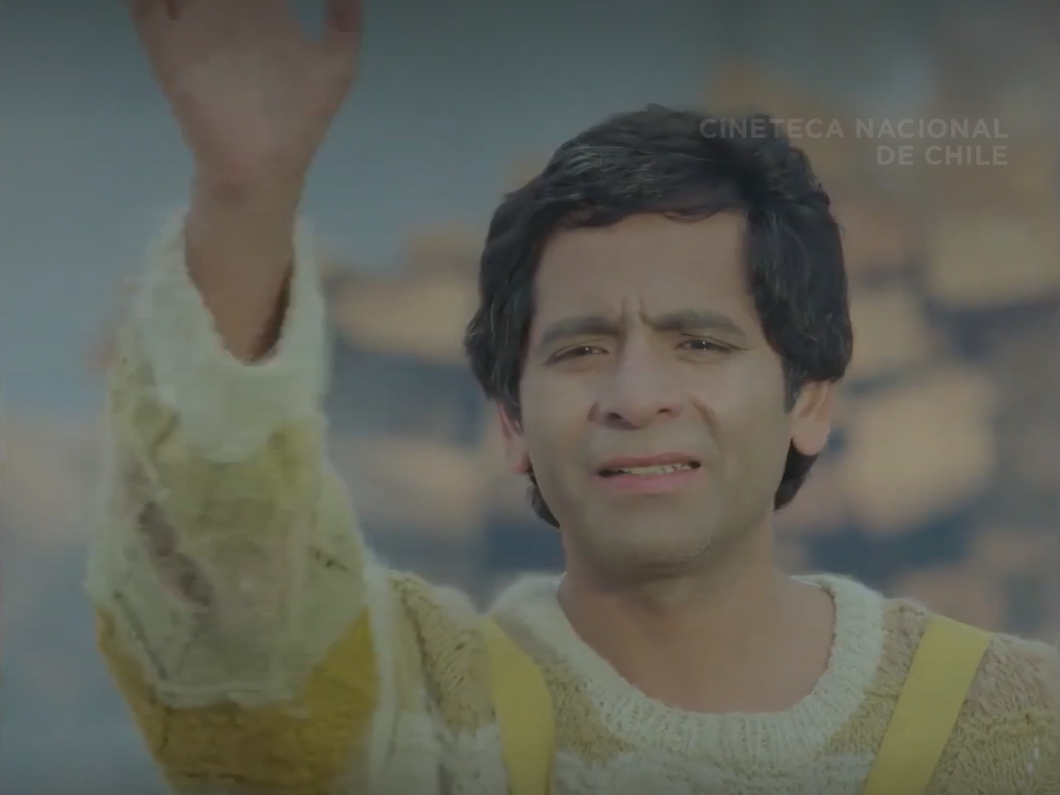
Sound is an integral part in a film. It refers to everything that the audience hears including sound effects, words and music. Sound is used in films for various purposes, including: providing the information to the viewer about the location of the scene, heightening the mood, telling the audience about the characters and advancing the plot. Every person who watches a film realizes that the choice of voices, soundtrack and music present in a film affect the way that the viewer perceives a particular film. As a result, the sound is an important and integral element of the film, one that determines the way that the viewer experiences and understands a film as a visual experience.
Narrative analysis is an examination of the story elements, including narrative structure, character, and plot. A narrative can be considered to be the chain of events in a cause-effect relationship occurring in time and space. In order to analyze the narrative of a film, we need to first make the distinction between the plot of the film and the story of the film. This is sometimes referred to as the discourse and story of a film. Narrative may also be called the story thought story mainly refers to the events that describe the narrative.
Film genres are various forms or identifiable types, categories, classifications or groups of films. (Genre comes from the French word meaning "kind," "category," or "type"). These provide a convenient way for scriptwriters and film-makers to produce, cast and structure their narratives within a manageable, well-defined framework. Genres also offer the studios an easily 'marketable' product, and give audiences satisfying, expected and predictable choices. Genres refers to recurring, repeating and similar, familiar or instantly-recognizable patterns, styles, themes, syntax, templates, paradigms, motifs, rules or generic conventions.
Larraín, Ricardo, director. La Frontera. Cine XXI / Iberoamericana Films, 1991.
Ruiz, Héctor. “Pensamiento fronterizo en La Frontera (Ricardo Larraín, Chile, 1991).” HispanismeS, hors-série no. 4, 2022, https://journals.openedition.org/hispanismes/15275.
Hart, Stephen M. “La Frontera (The Frontier, 1991), Directed by Ricardo Larraín.” A Companion to Latin American Film. Boydell & Brewer, 2004. 145–153. Print. Monografías A.
The purpose is to mirror Ramiro's cautious curiosity and reflect the film's theme of uncovering the past trauma, allowing viewers to feel his tension and uncertainty as he confronts a space charged with history.