
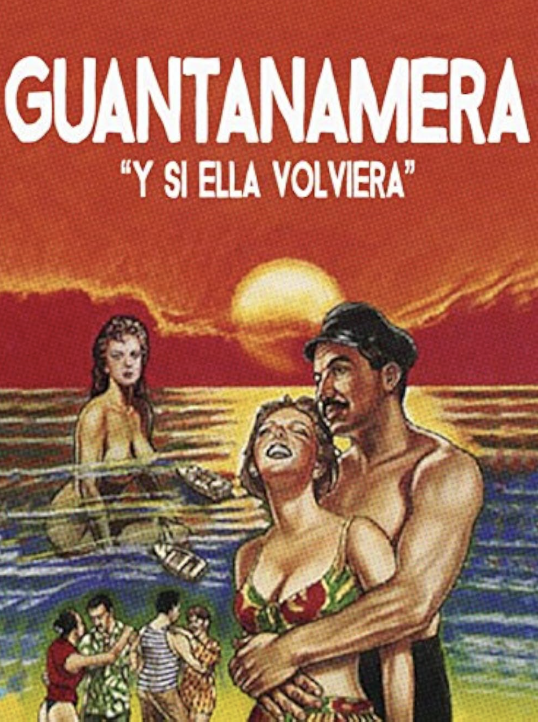
Juan Carlos Tabío nació en 1943 en Cuba. Se inició en el cine de forma accidental gracias a la invitación de un amigo de la familia. En 1961, comenzó a trabajar en el ICAIC como asistente de producción y más tarde se convirtió en asistente de dirección. Muchas de sus películas son comedias y destacan la cultura cubana, al tiempo que actúan como comentarios sociales sobre los defectos de Cuba.
Ambientada en Cuba en los años noventa, Guantanamera cuenta la historia de Gina, una mujer atrapada entre frustraciones personales y políticas. Tras la muerte de un familiar, ella y sus acompañantes emprenden un viaje por carretera para trasladar el cuerpo, lo que se convierte en una mezcla de comedia y crítica social. A lo largo del recorrido, el filme retrata con humor y ternura las ineficiencias burocráticas, las dificultades cotidianas y la resiliencia del pueblo cubano.
Describes the setting of a scene in a play or a film. It refers to everything placed on the stage or in front of the camera—including people. In other words, mise en scène is a catch-all for everything that contributes to the visual presentation and overall “look” of a production. When translated from French, it means “placing on stage.”
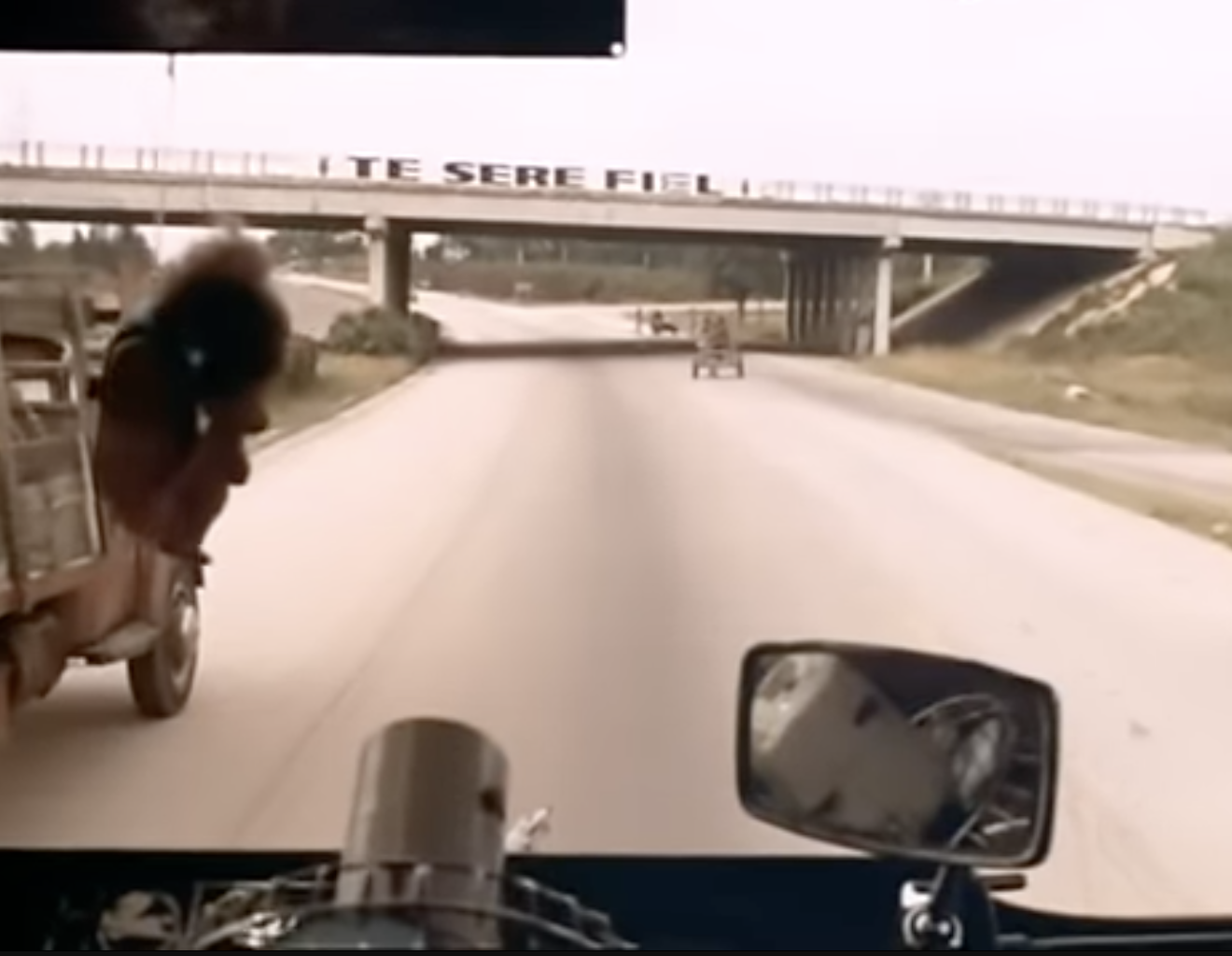
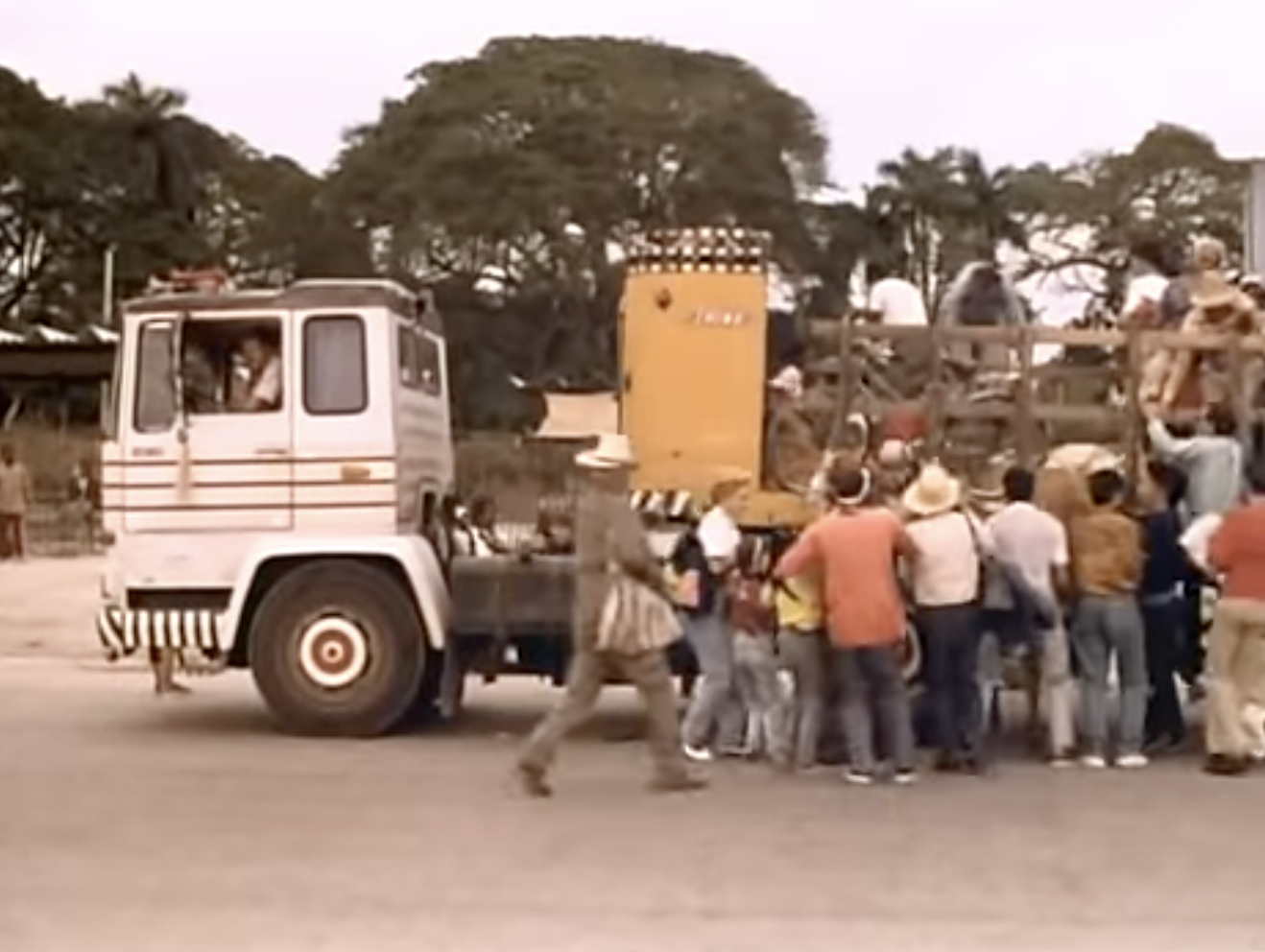
“Socialismo o muerte” serves as an ironic element of the scene and could be an artifact from the revolution. The original grand ideal of socialism has faded and rather than socialismo o muerte, the community may be left with socialism y muerte. Within the post-revolutionary system, the movie highlights political issues and stagnation. The death of Yoyita and the young girl as a manifestation of death remind us of this reality.
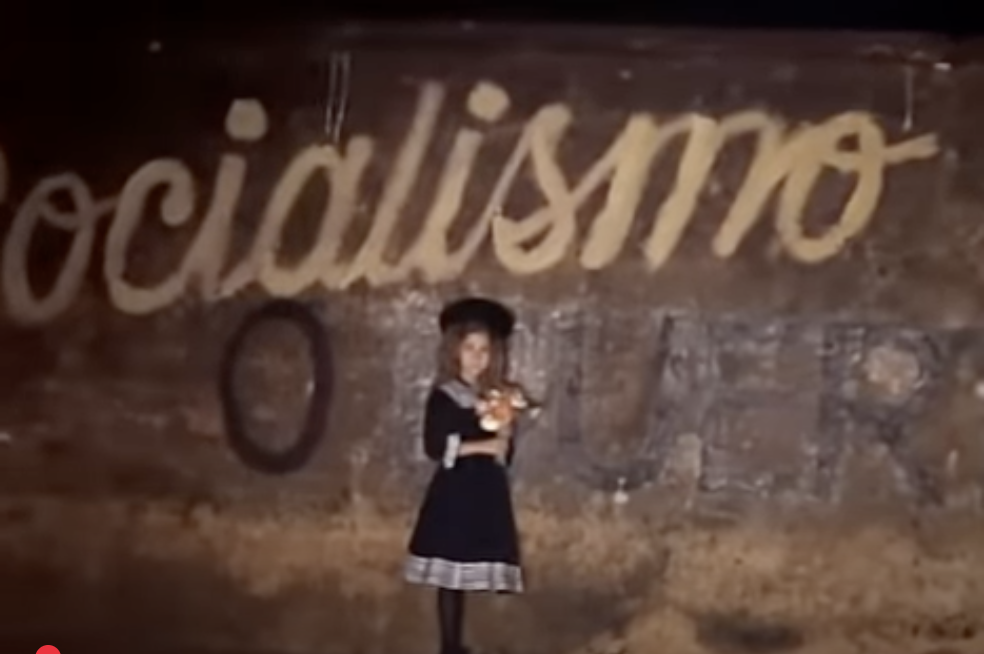
This is the art of photography and visual storytelling in a motion picture or television show. Cinematography comprises all on-screen visual elements, including lighting, framing, composition, camera motion, camera angles, film selection, lens choices, depth of field, zoom, focus, color, exposure, and filtration. Cinematography sets and supports the overall look and mood of a film’s visual narrative. Each visual element that appears on screen, a.k.a. the mise-en-scène of a film, can serve and enhance the story—so it is the cinematographer’s responsibility to ensure that every element is cohesive and support the story. Filmmakers often choose to spend the majority of their budget on high-quality cinematography to guarantee that the film will look incredible on the big screen.
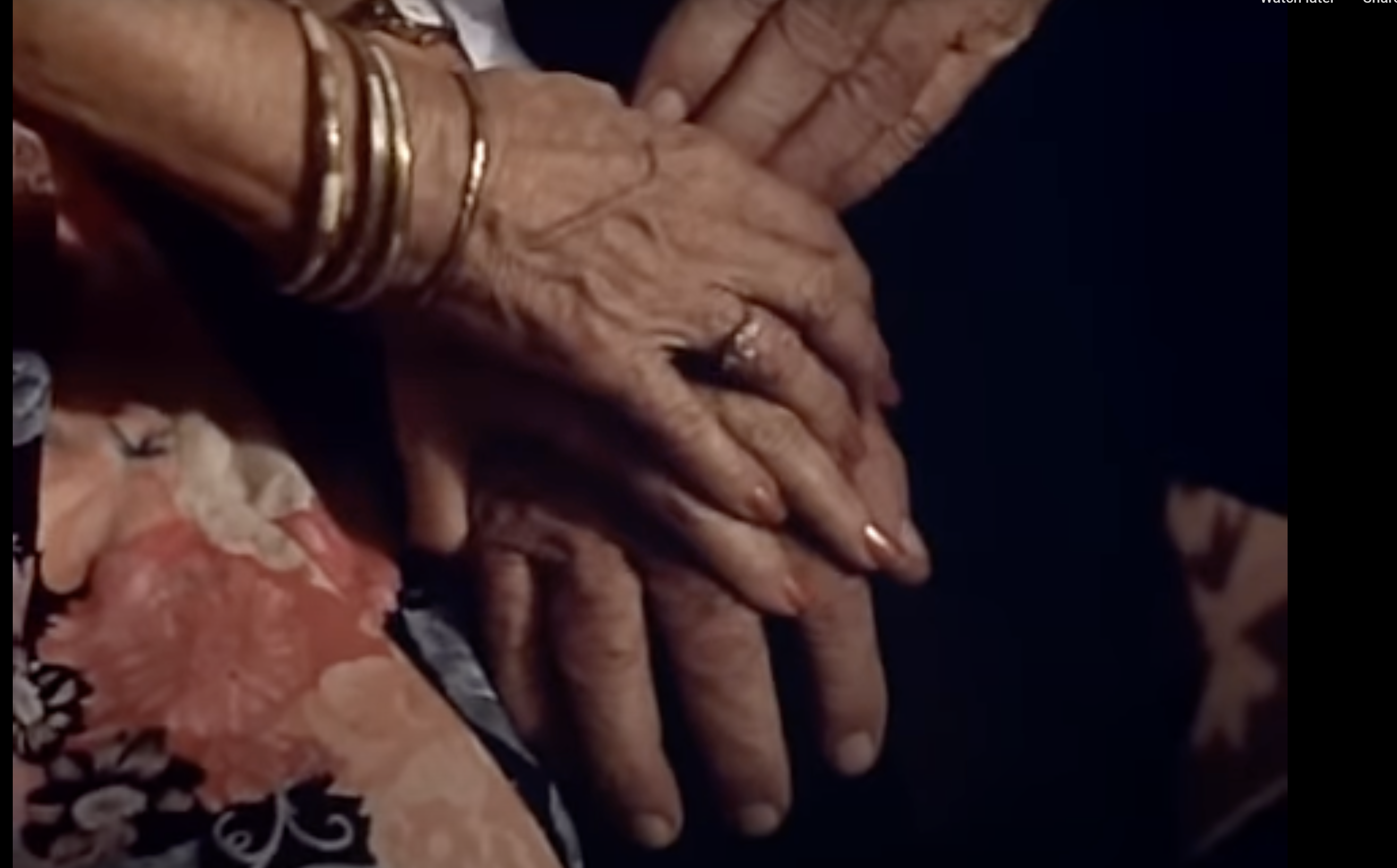
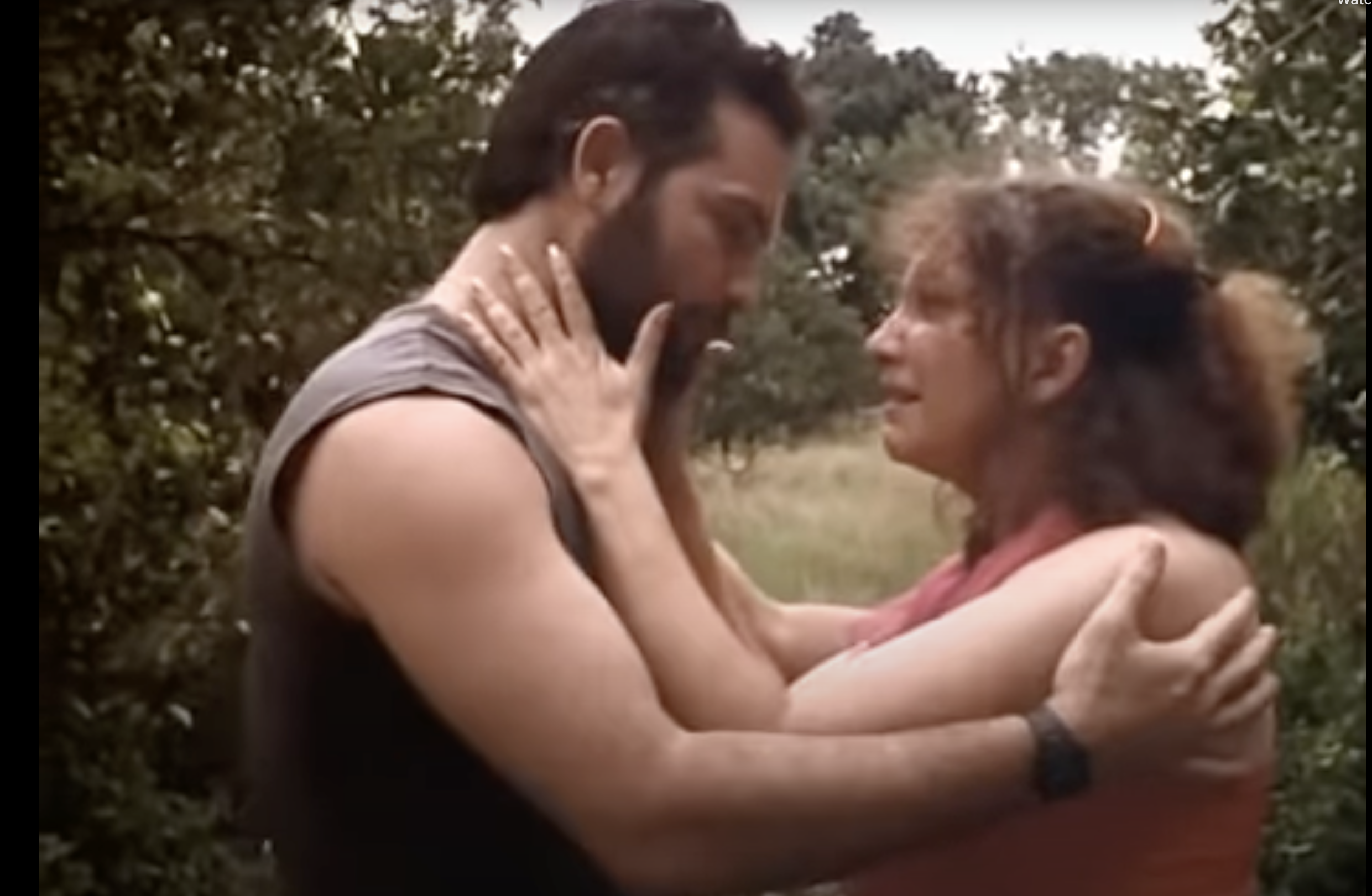
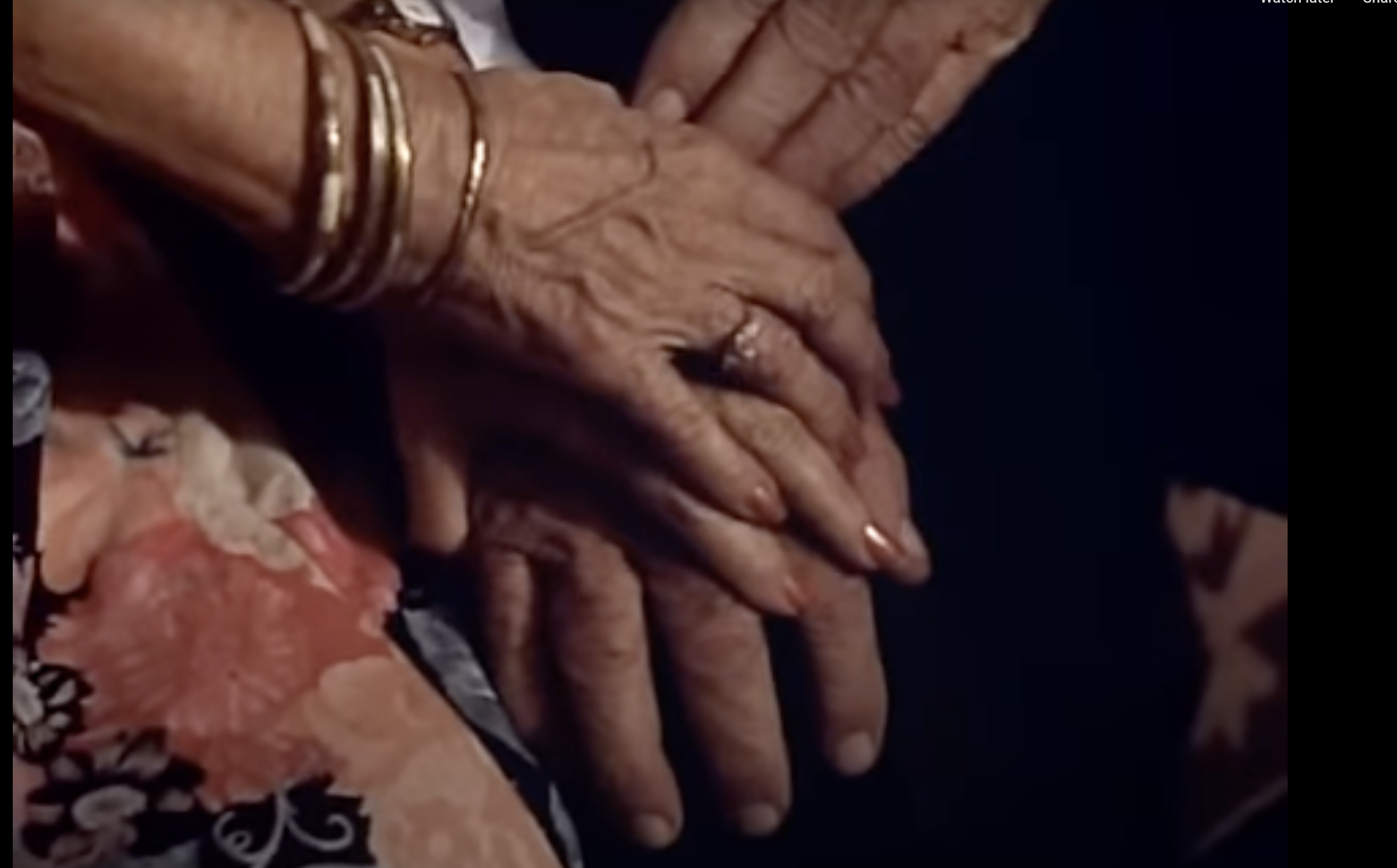
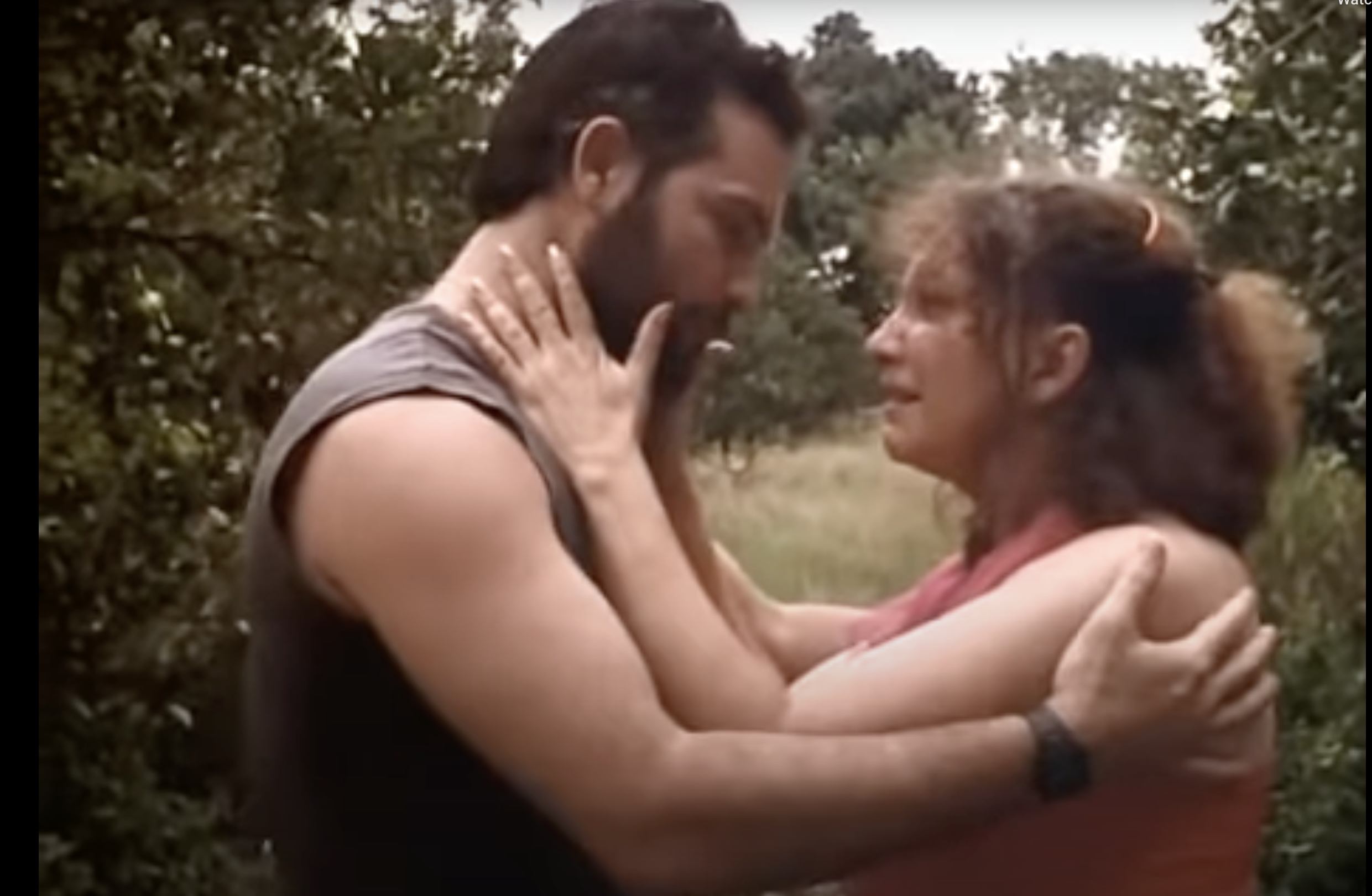
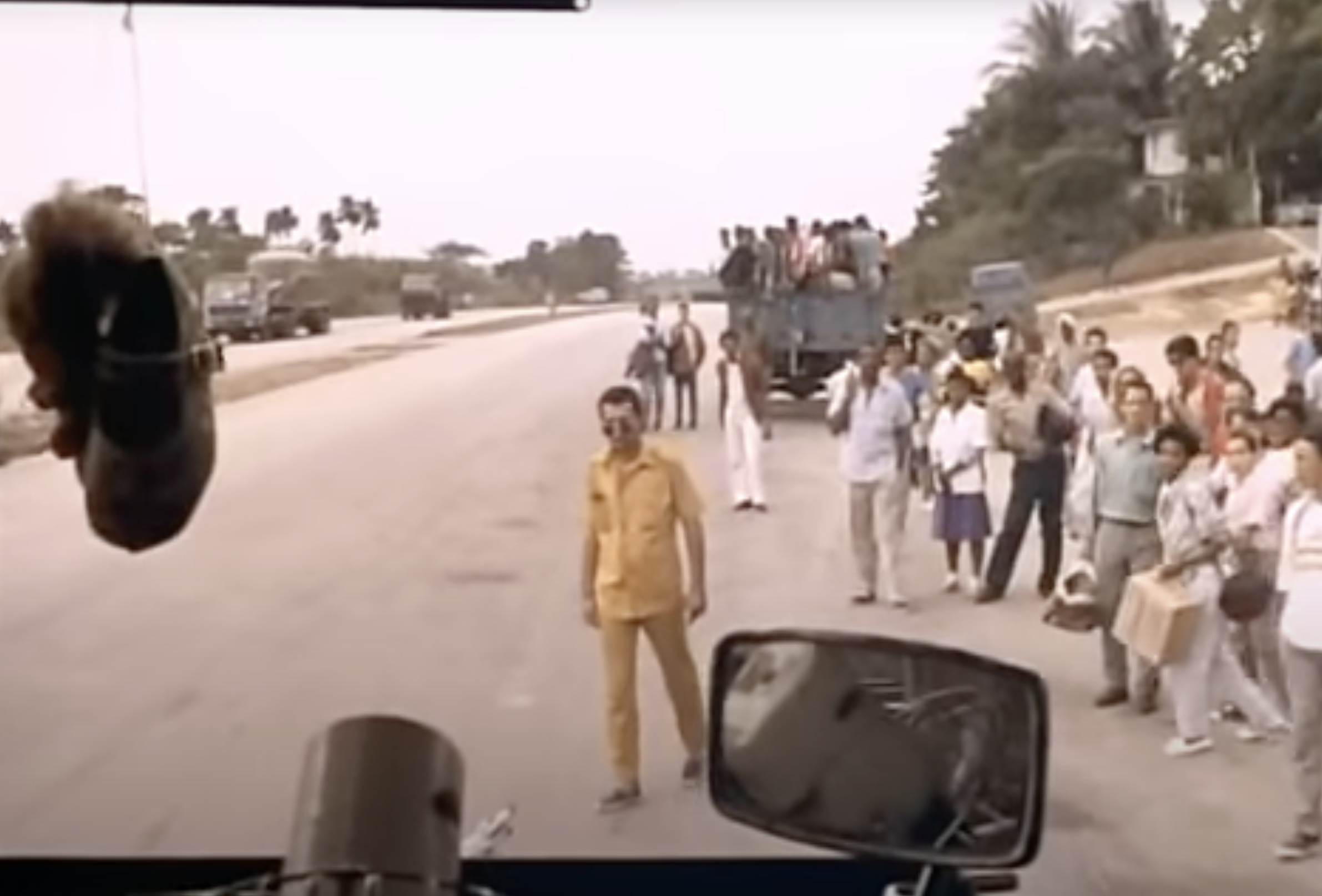
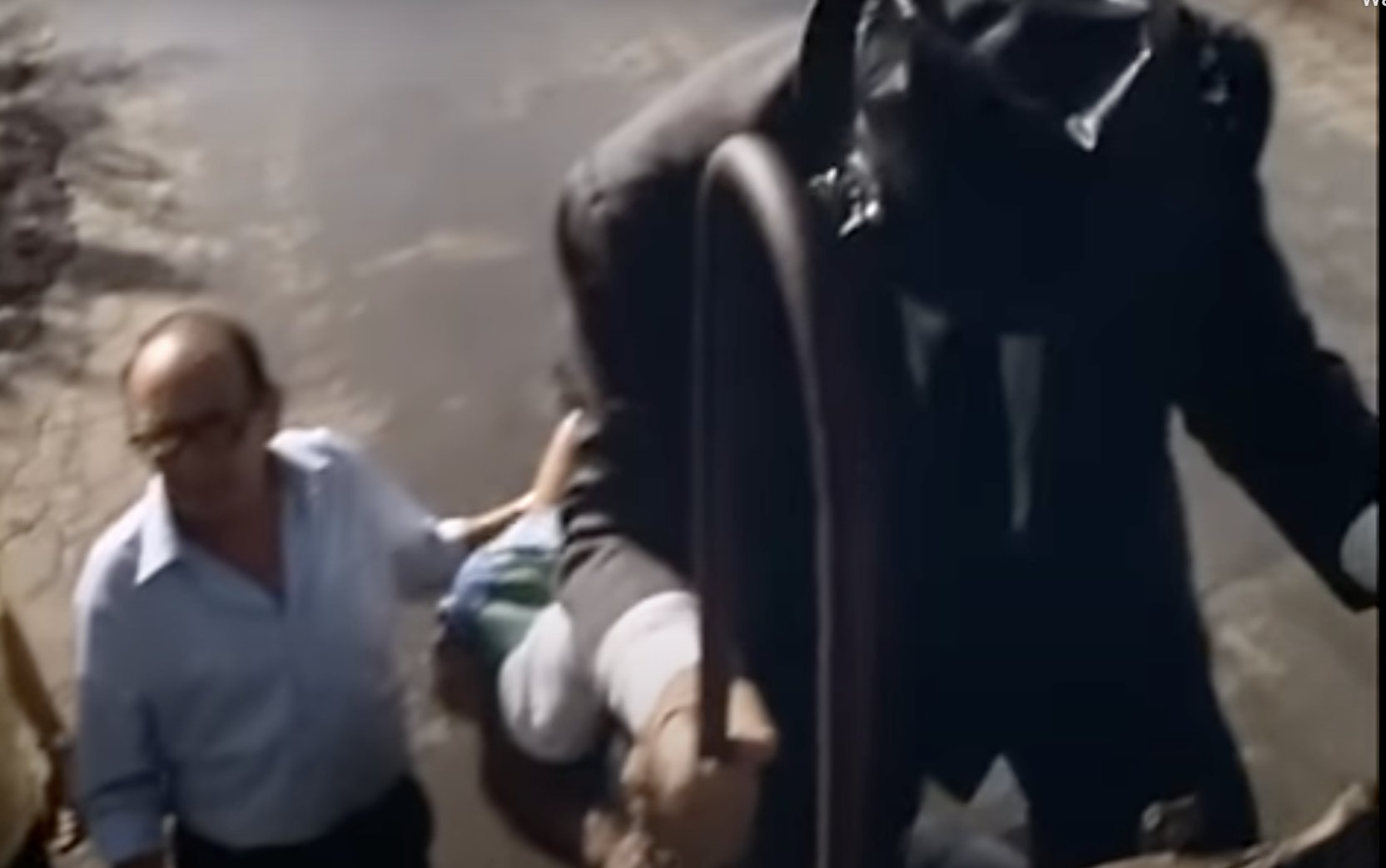
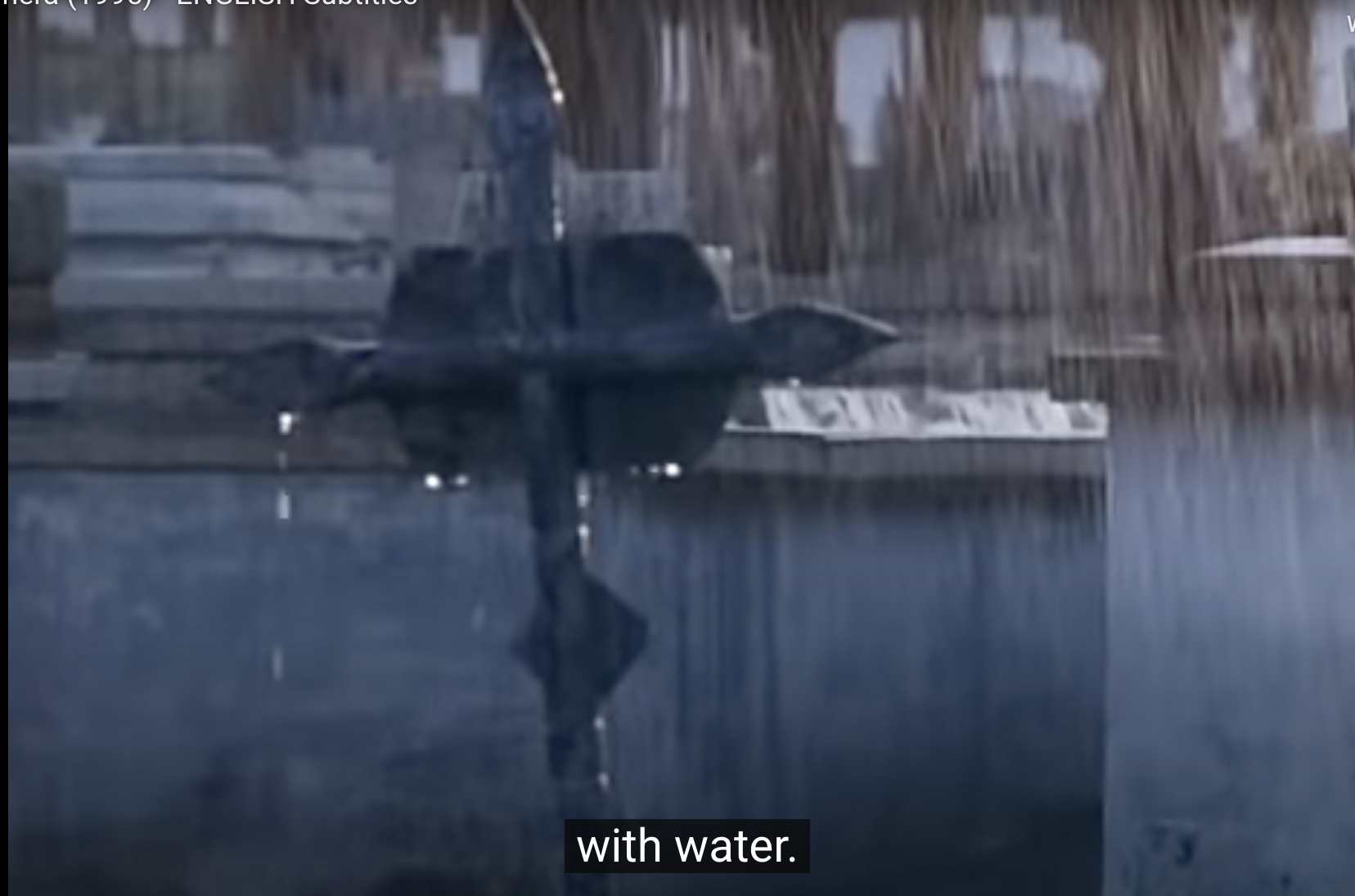
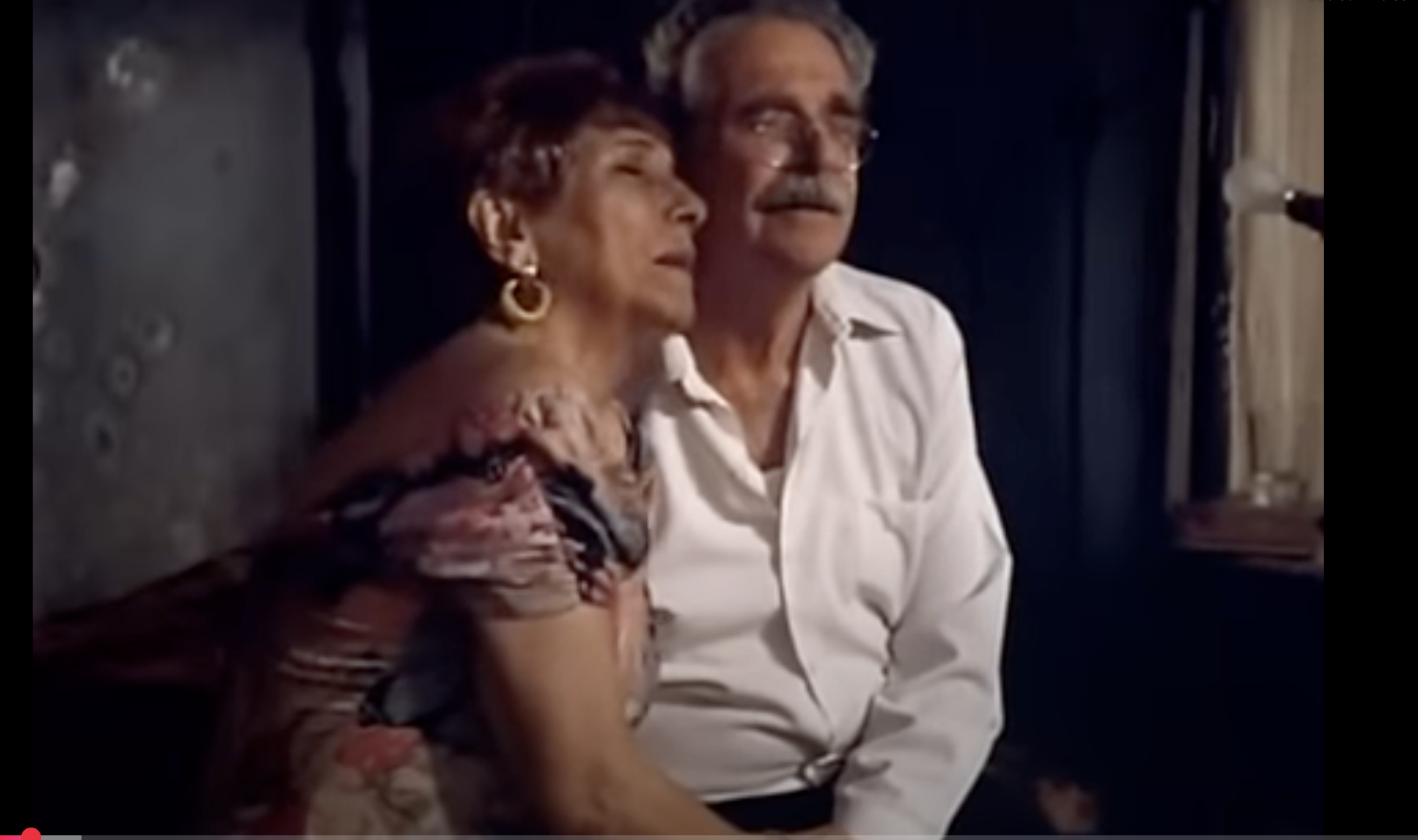
Editing is the process of putting a film together–the selection and arrangement of shots and scenes. Editing can condense space and time, emphasize separate elements and bring them together, and organize material in such a way that patterns of meaning become apparent. In addition, editing can determine how a film is perceived: for instance, quick, rapid cuts can create a feeling of tension, while a long take can create a more dramatic effect. The first photoplays generally had no cutting, owing to the fact that they were single-reel films; once filming began, you could not stop until the film ran out. (https://filmglossary.ccnmtl.columbia.edu/term/editing/)
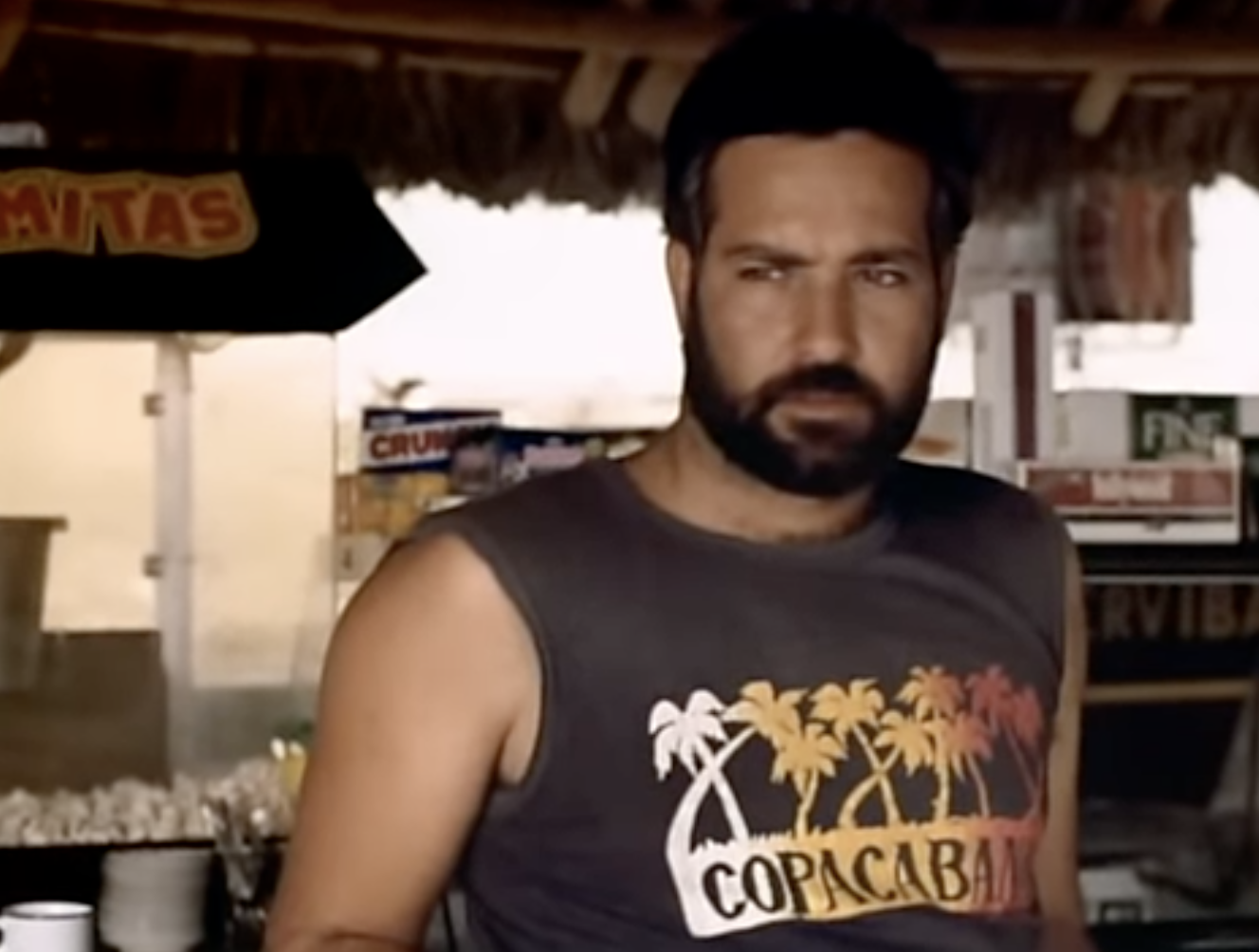
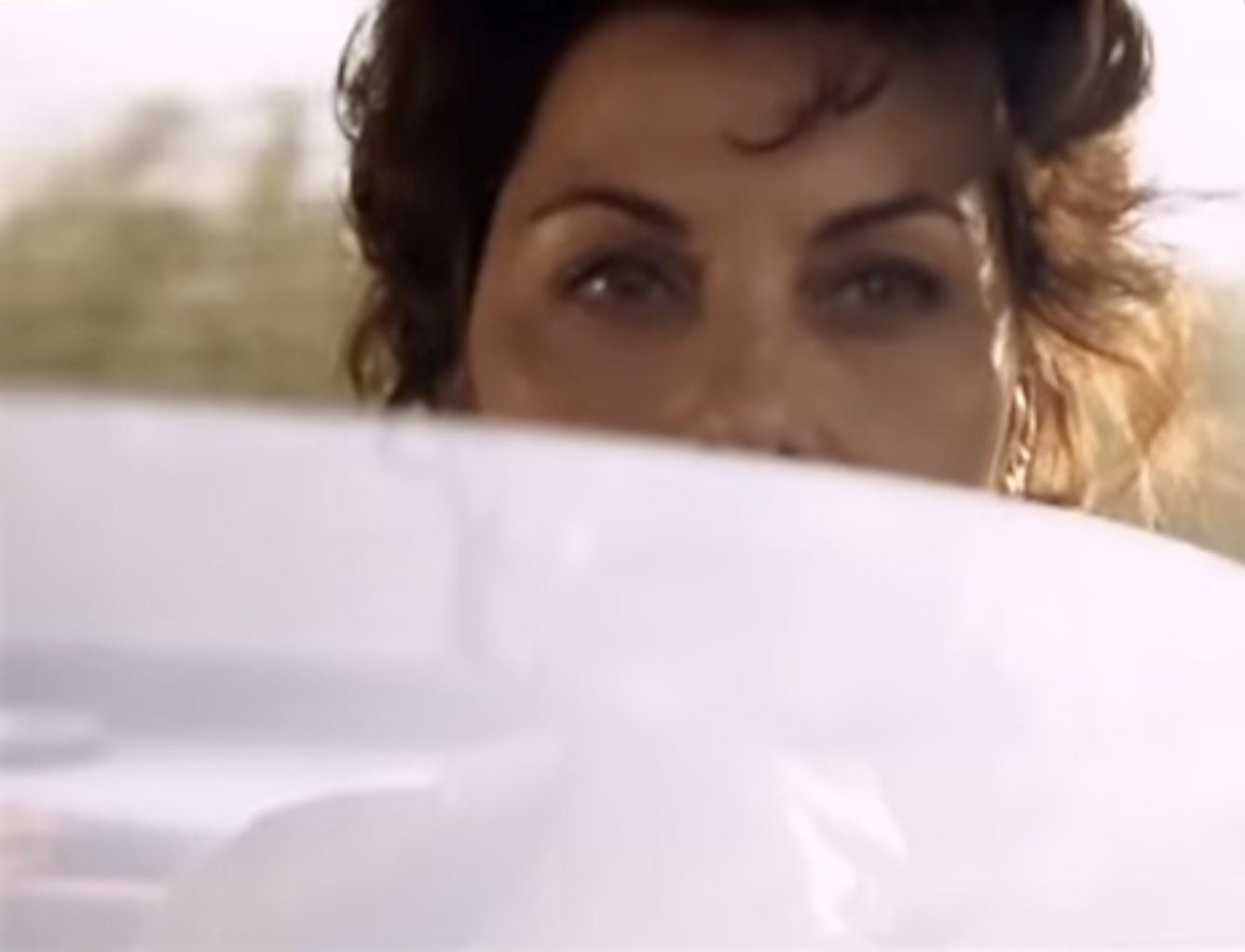
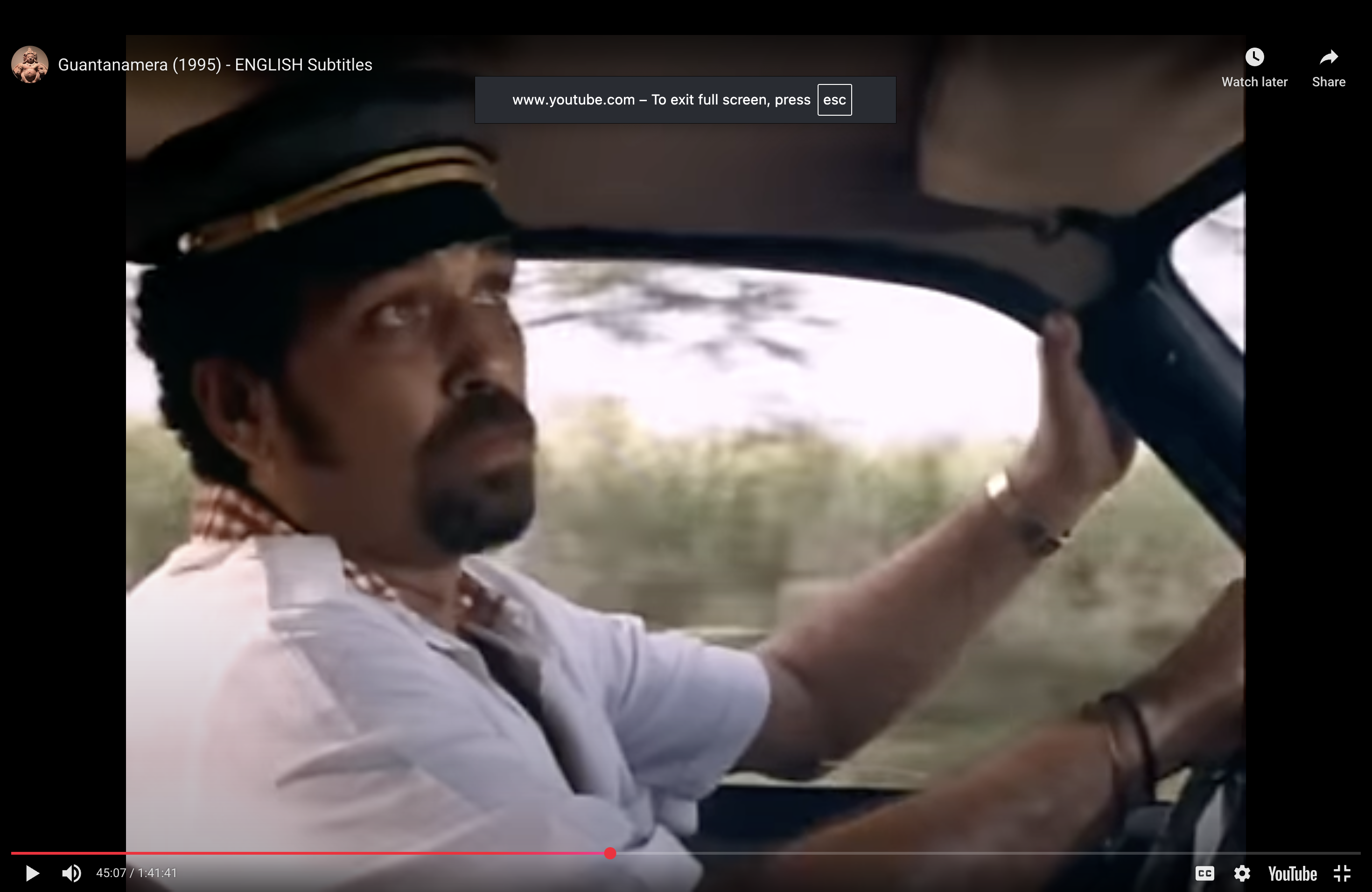
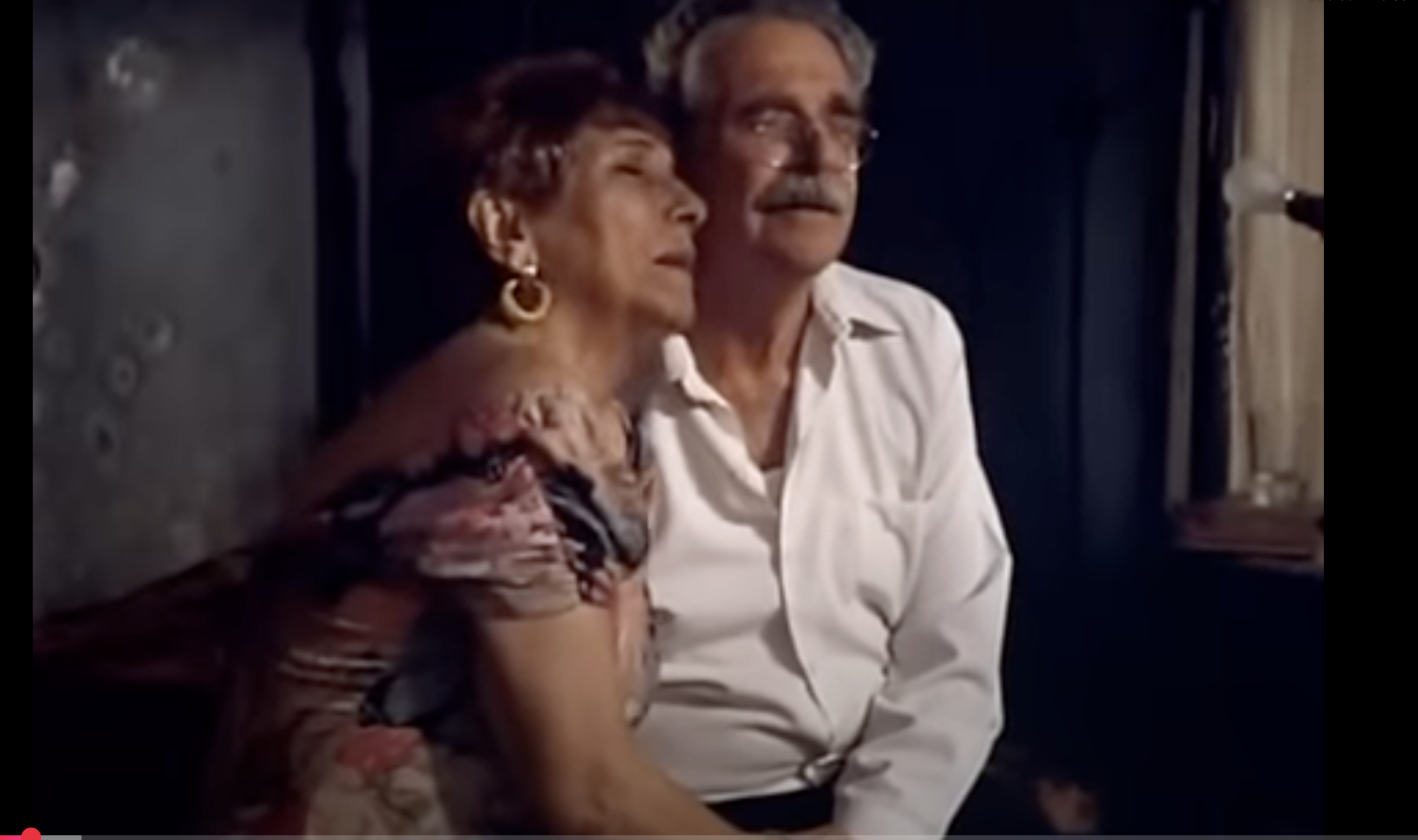
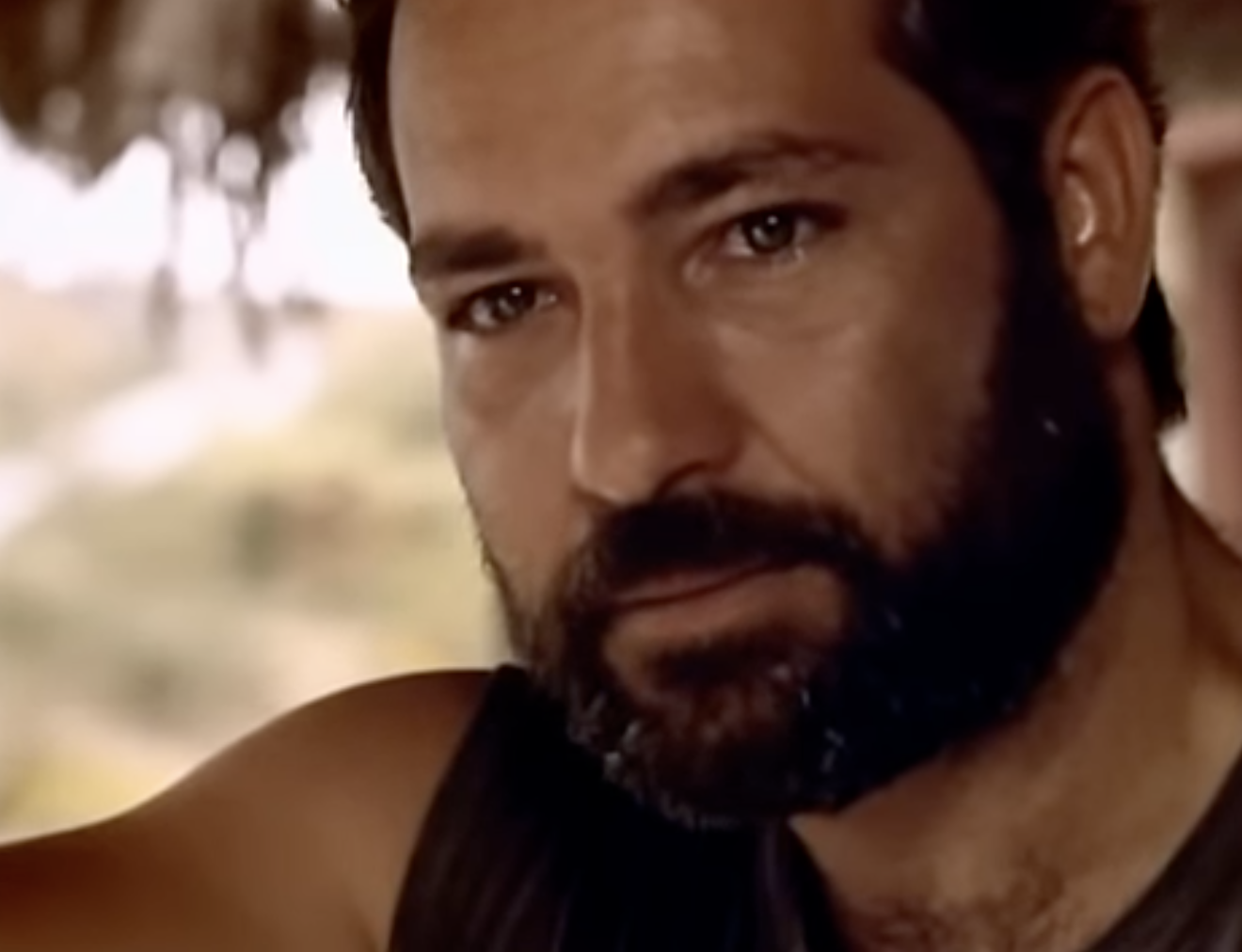
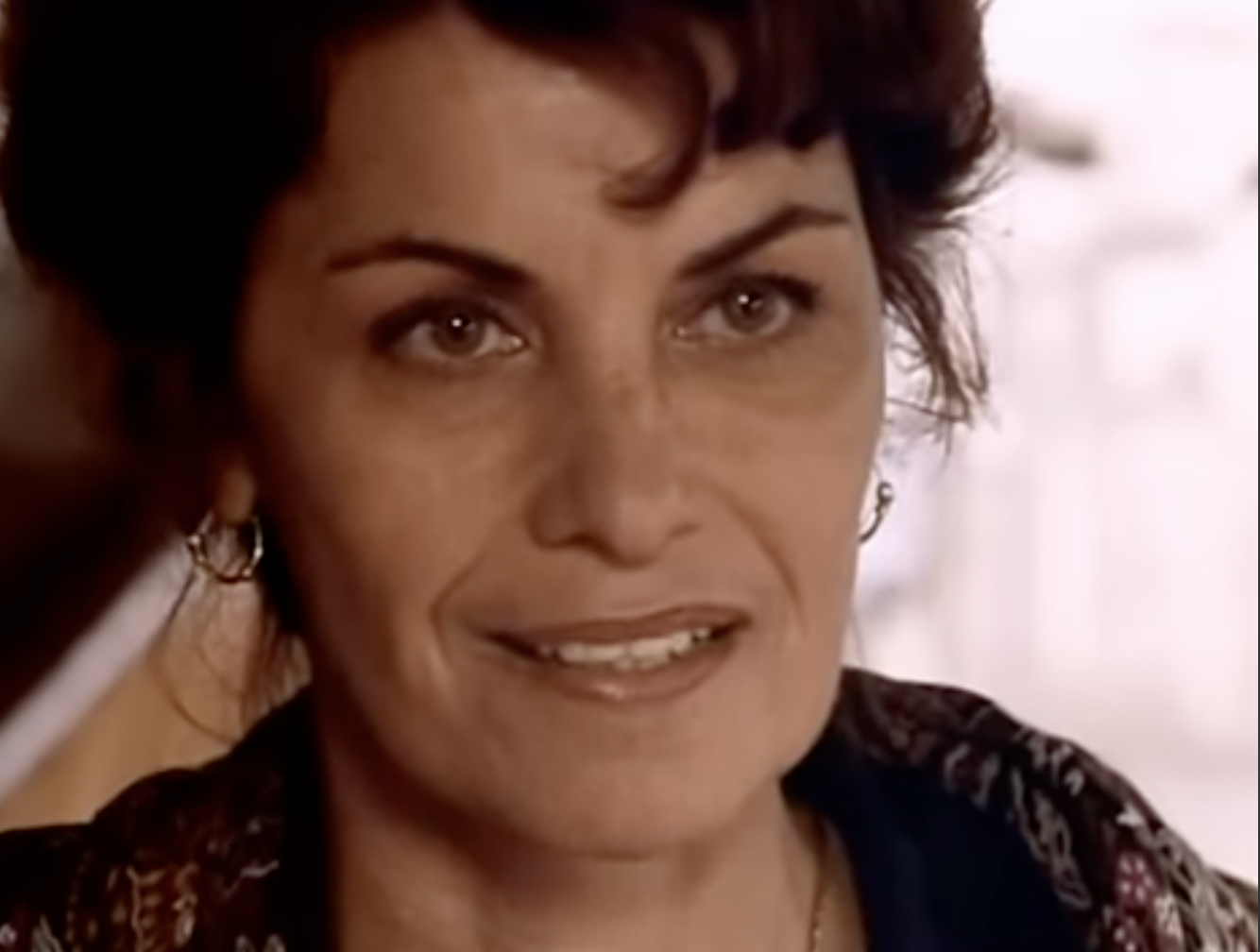
From 00:28:54 - 00:32:00, the film utilizes cross-cutting to link the two lovers, Marciano and Georgina. The camera cuts from Marciano looking out as Georgina leaves, then to Georgina in the car staring out the window, then to Marciano getting in his truck and discussing his past with Georgina. The cross-cutting method creates the illusion of these moments happening at the same time. The pensive expressions of Marciano and Georgina serve as parallels across cuts.
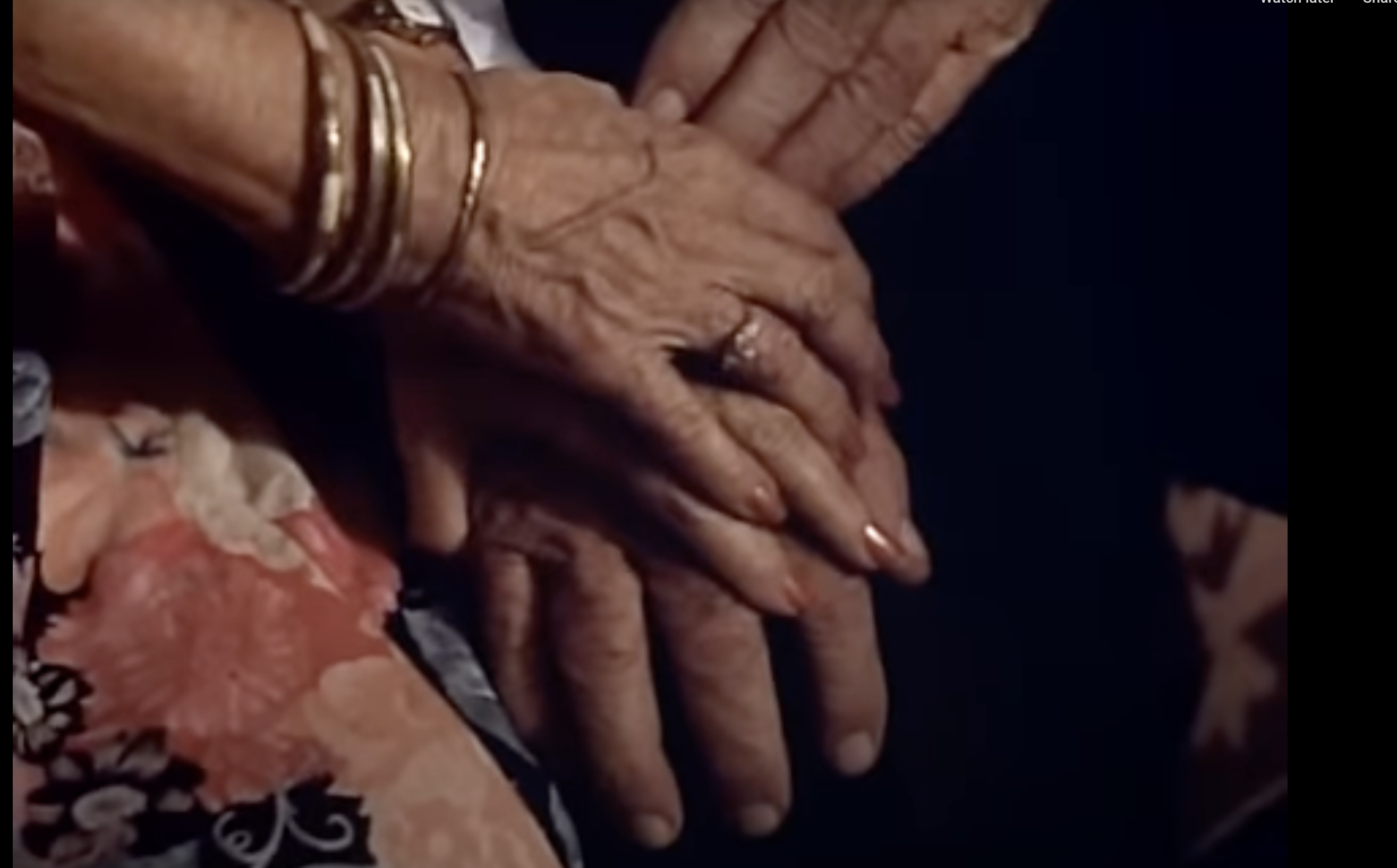
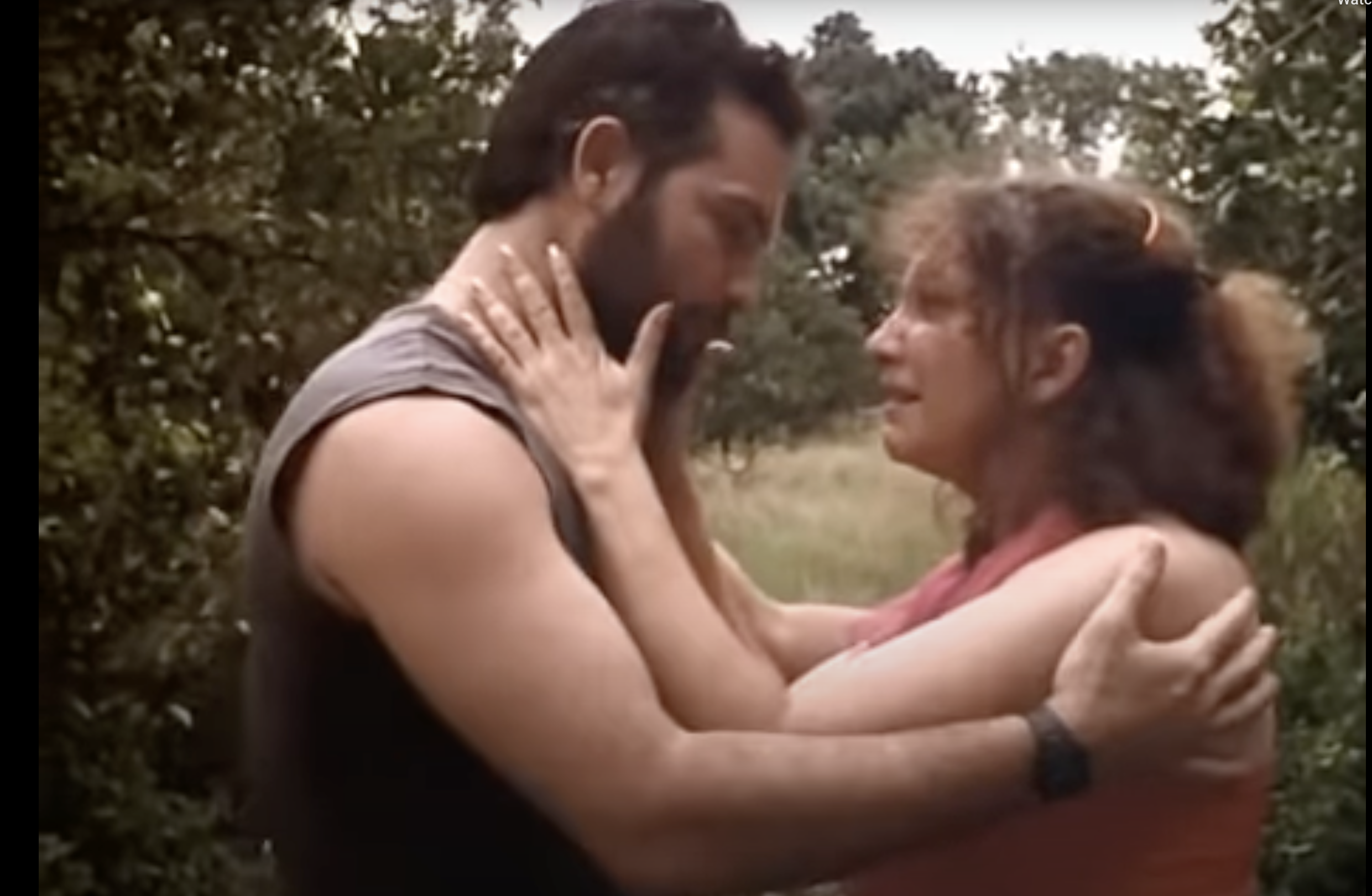
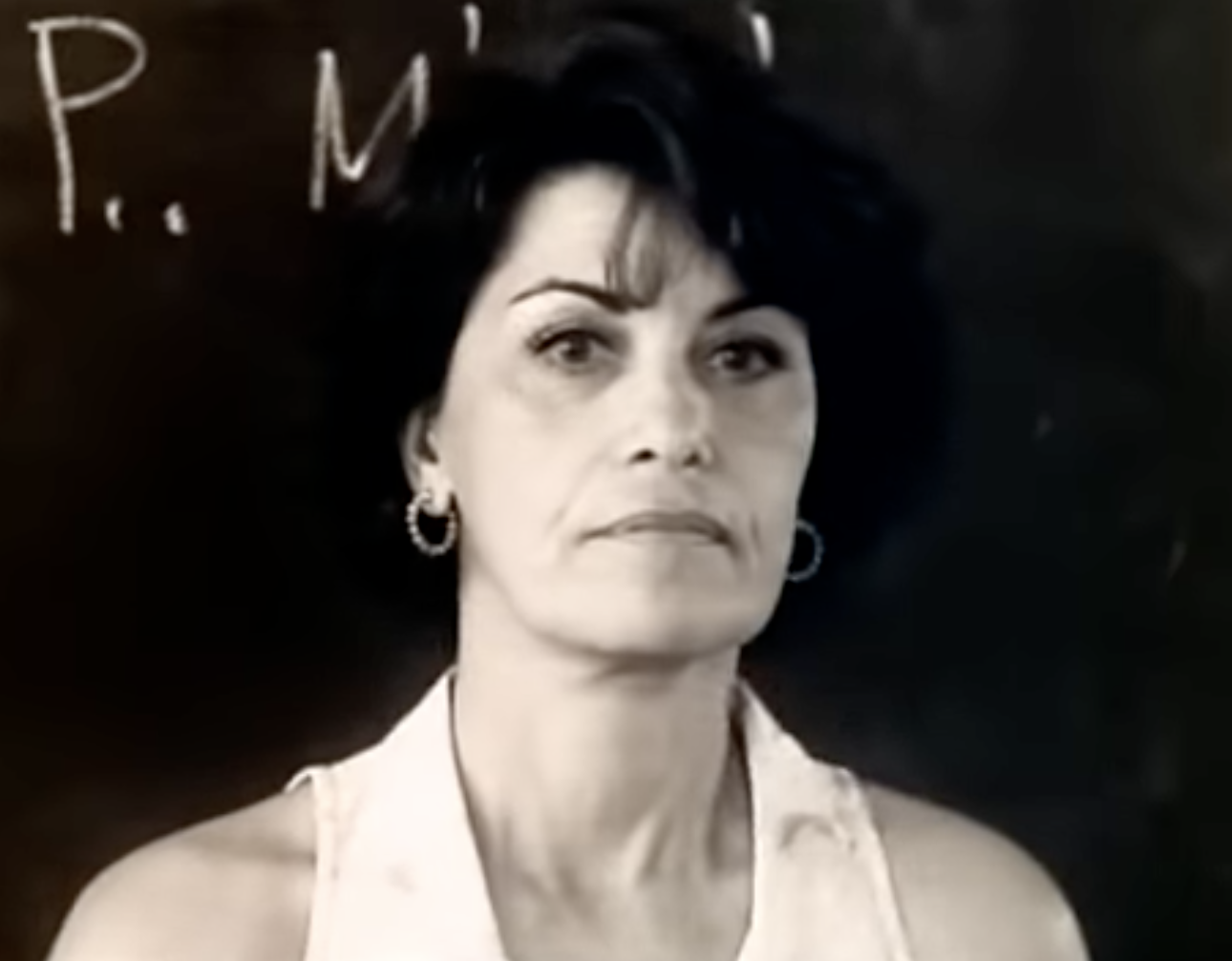
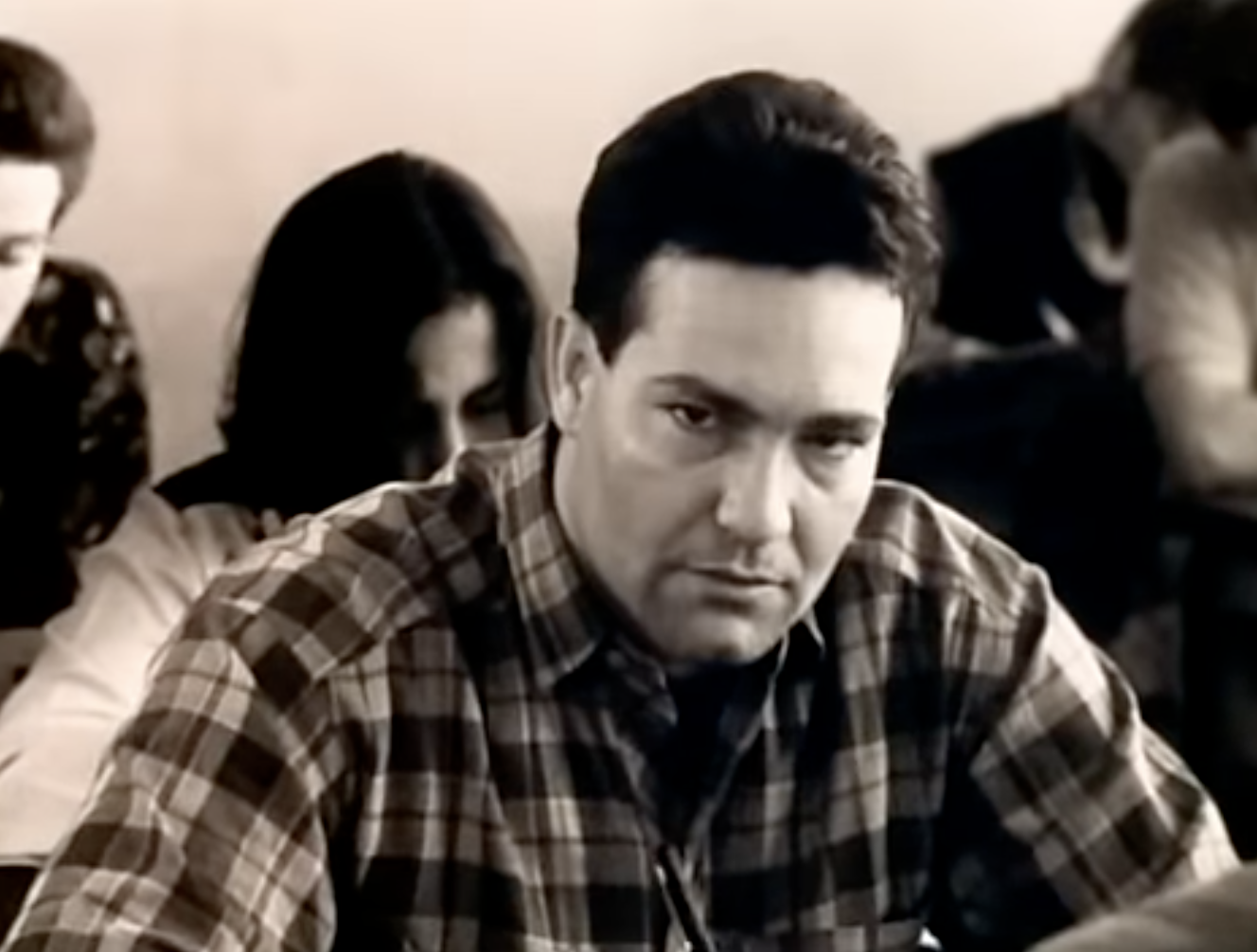
This scene uses abrupt cutaways as a technique to showcase the past. The film cuts back and forth multiple times between the characters and black-and-white scenes from the past. The abrupt cuts along with the shots of the characters’ longing faces make the past scenes appear like memories. It is clear that Marciano and Georgina’s unexpected encounter suddenly invoked the same memories for both of them. The intense memories flash in their minds just as they flash across the screen.
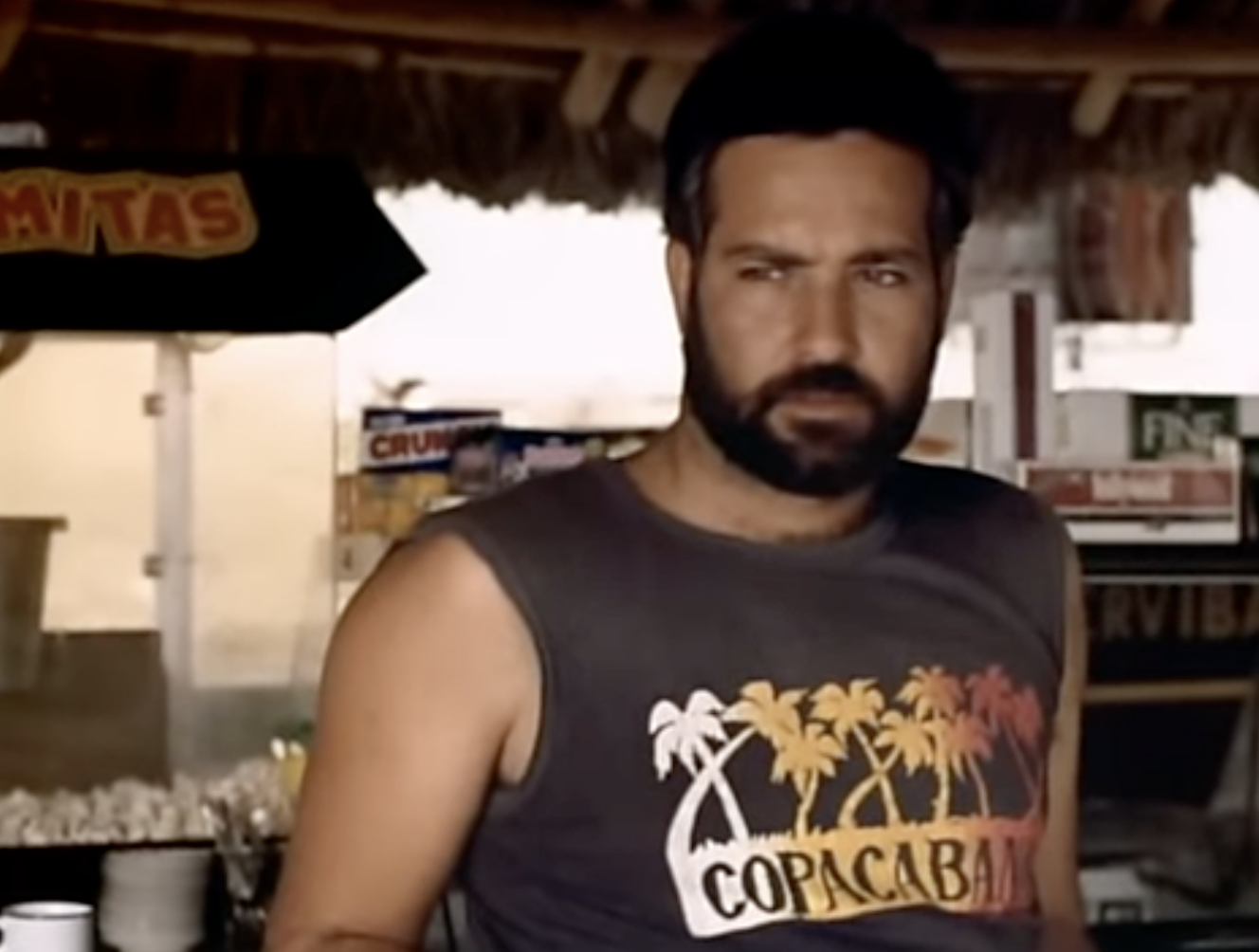
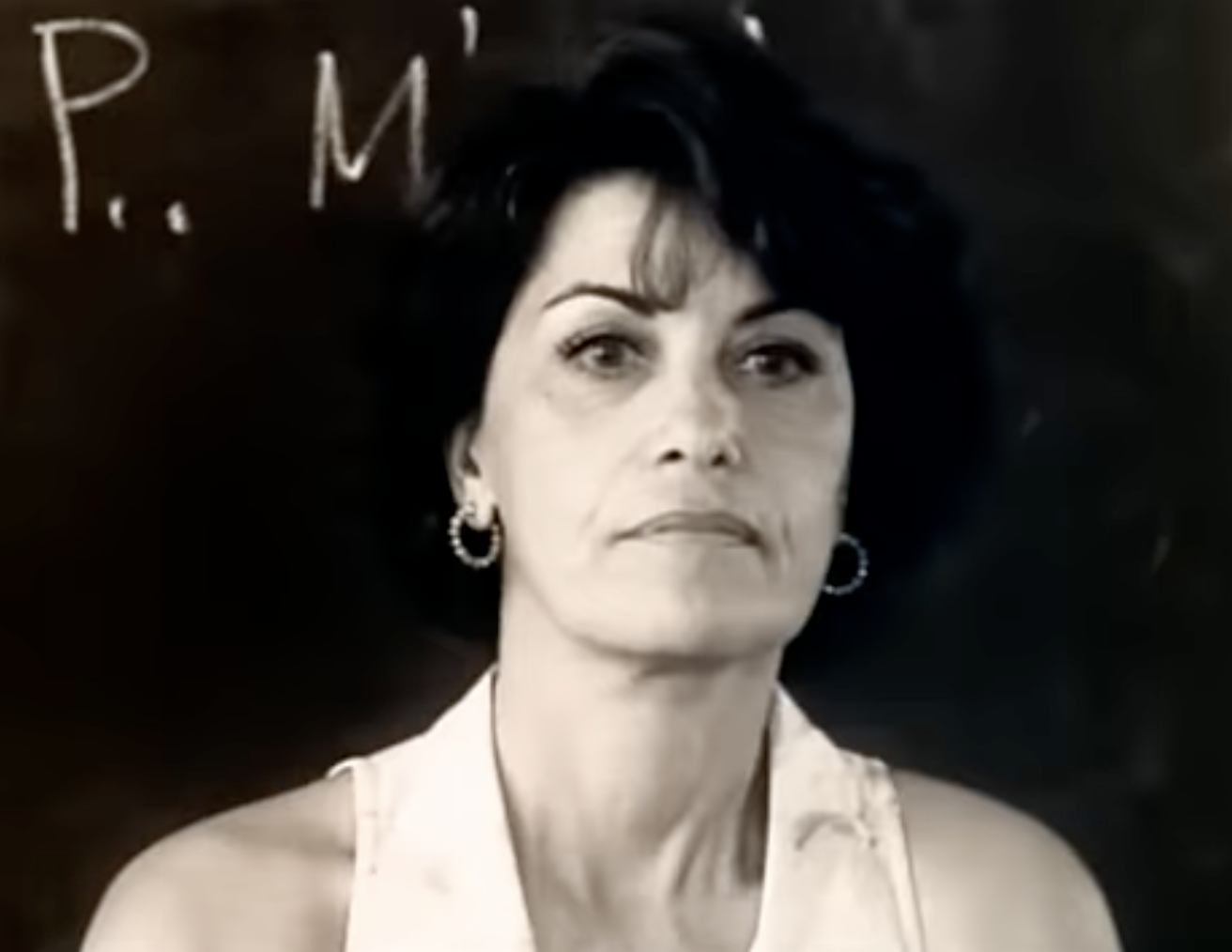
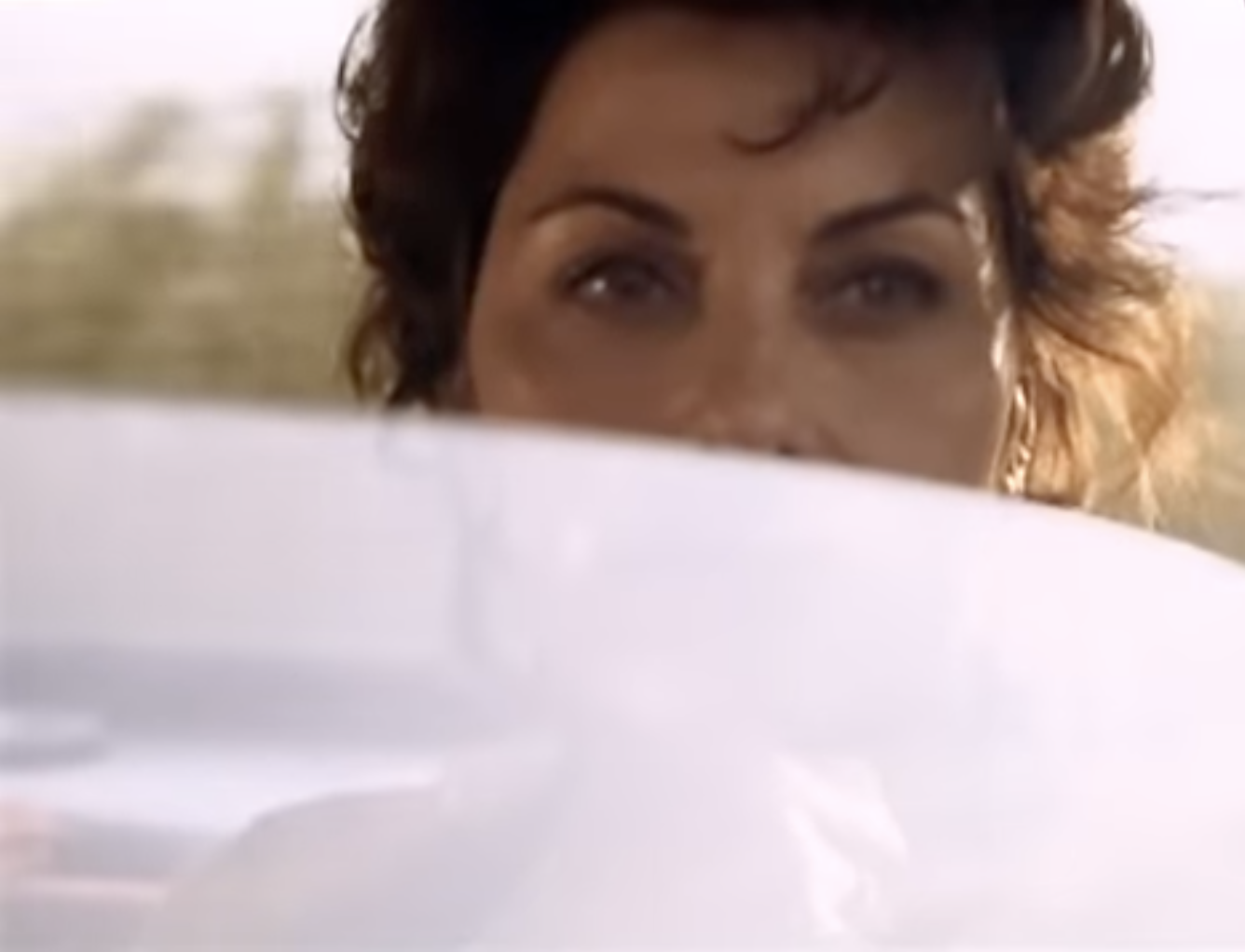
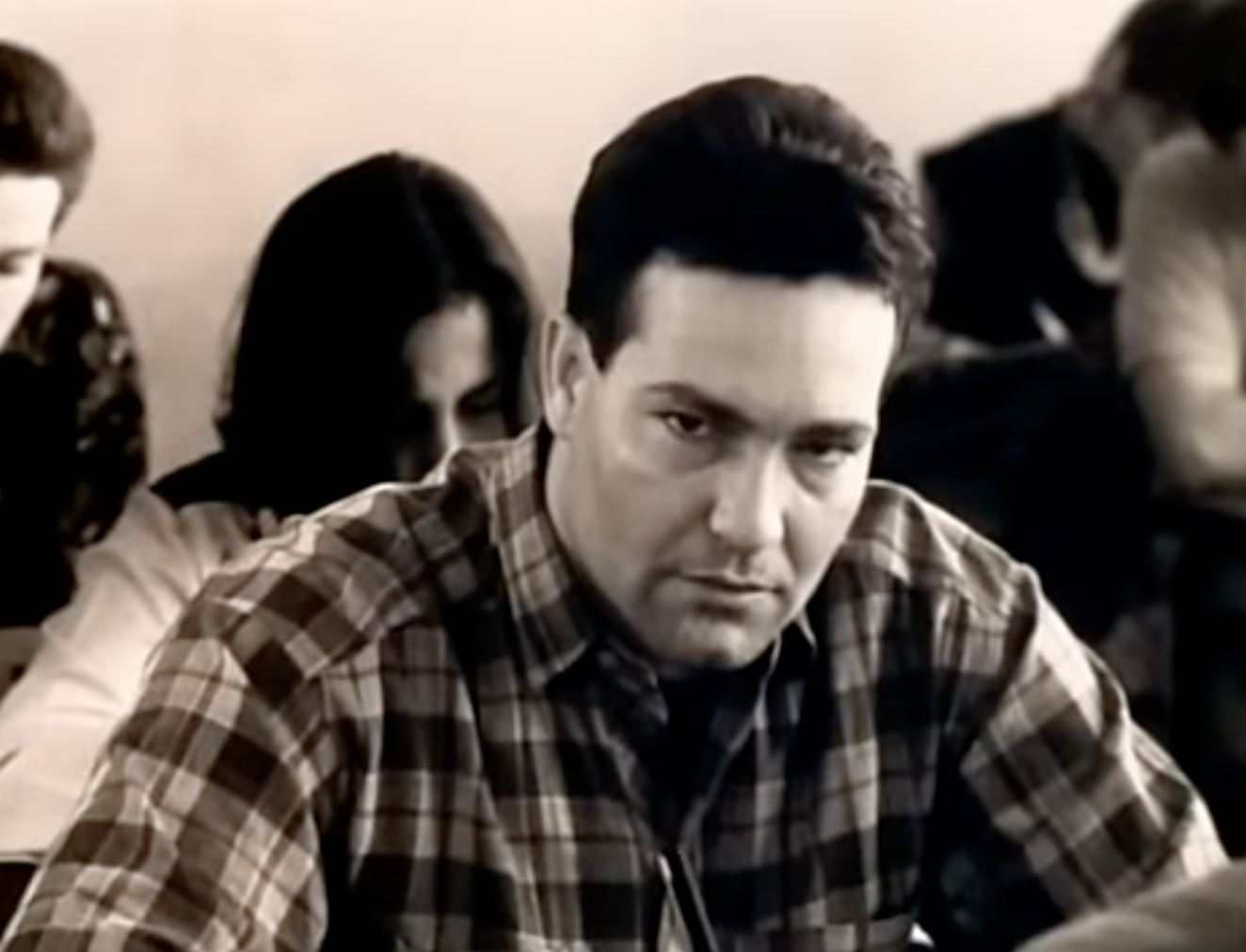
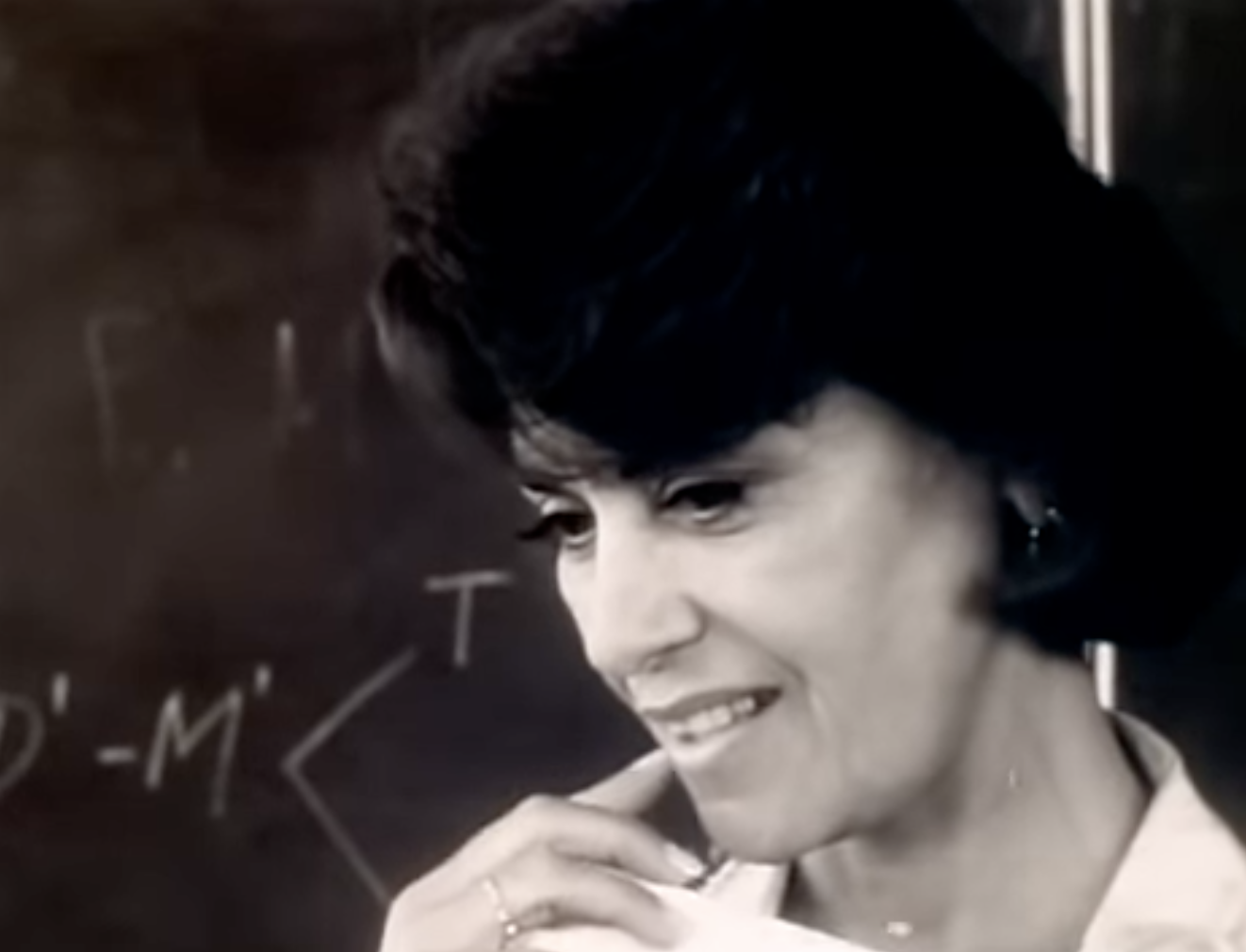
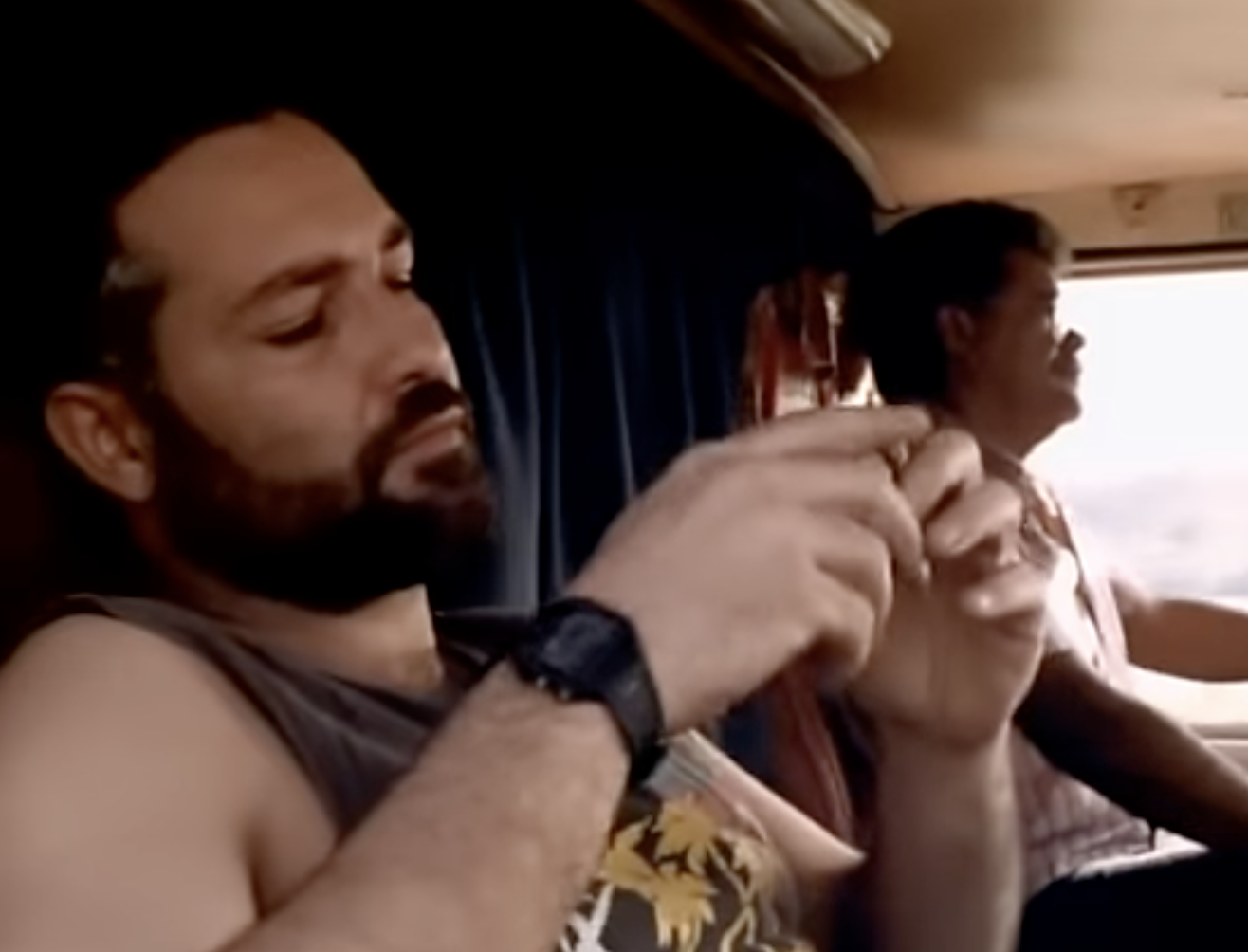
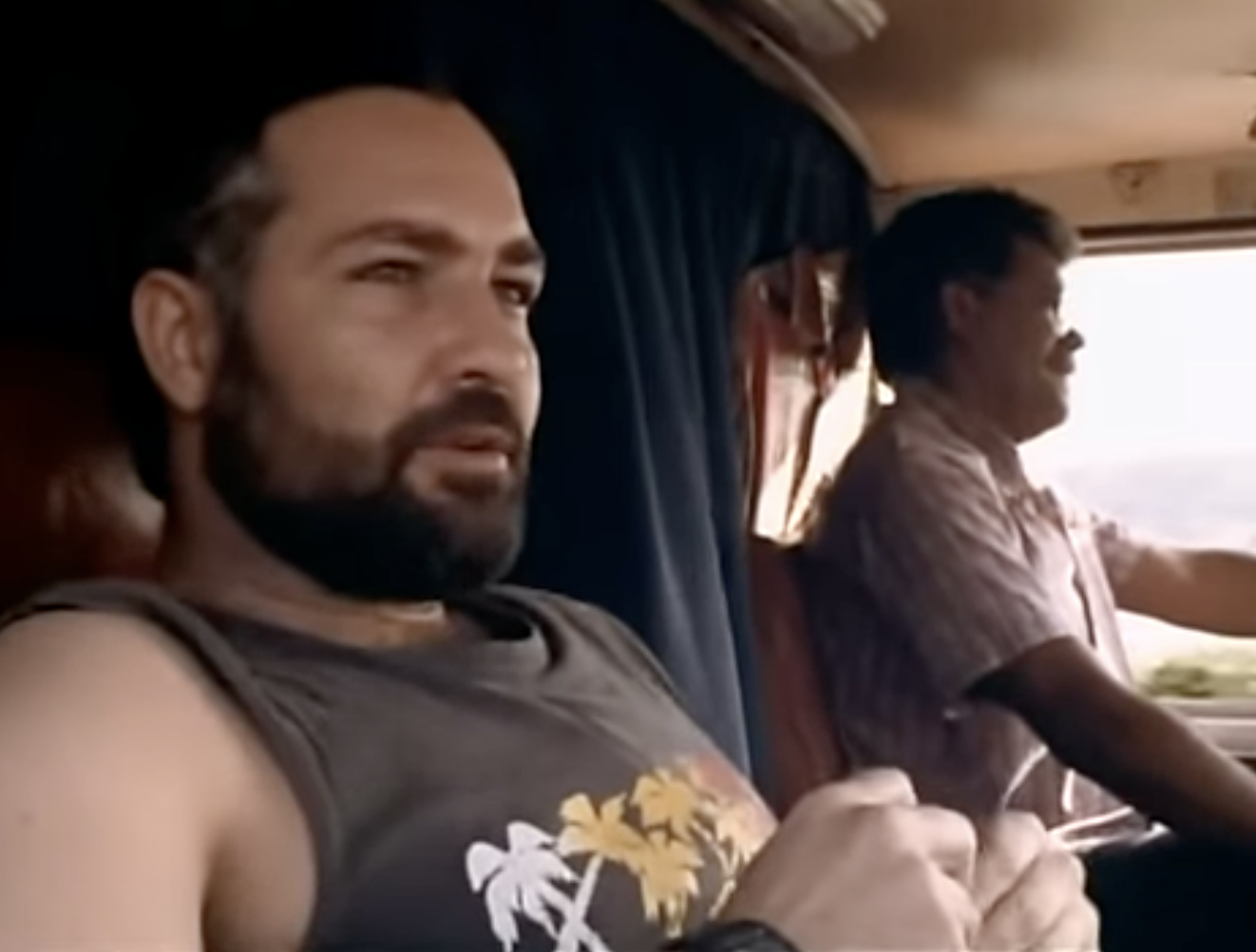
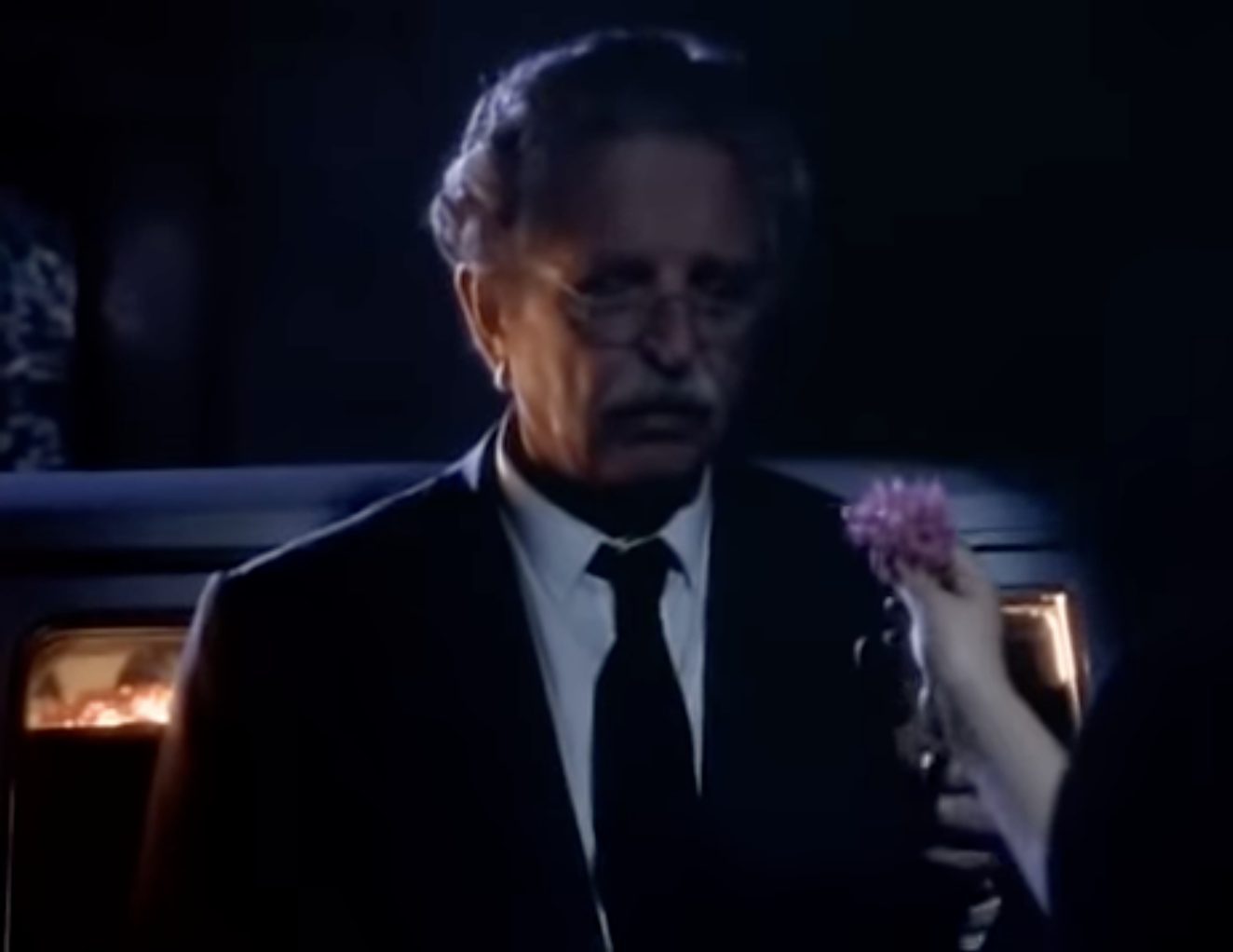
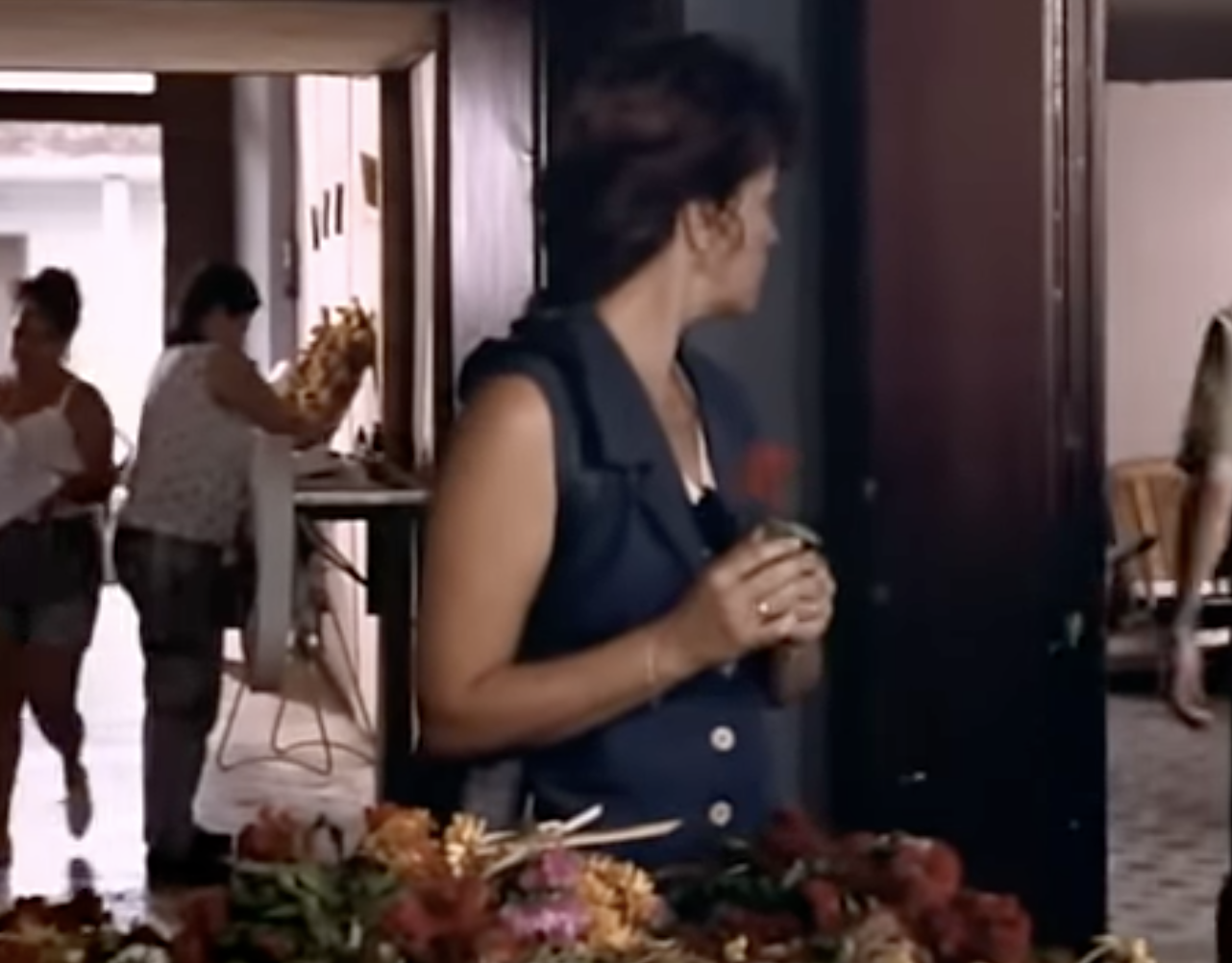
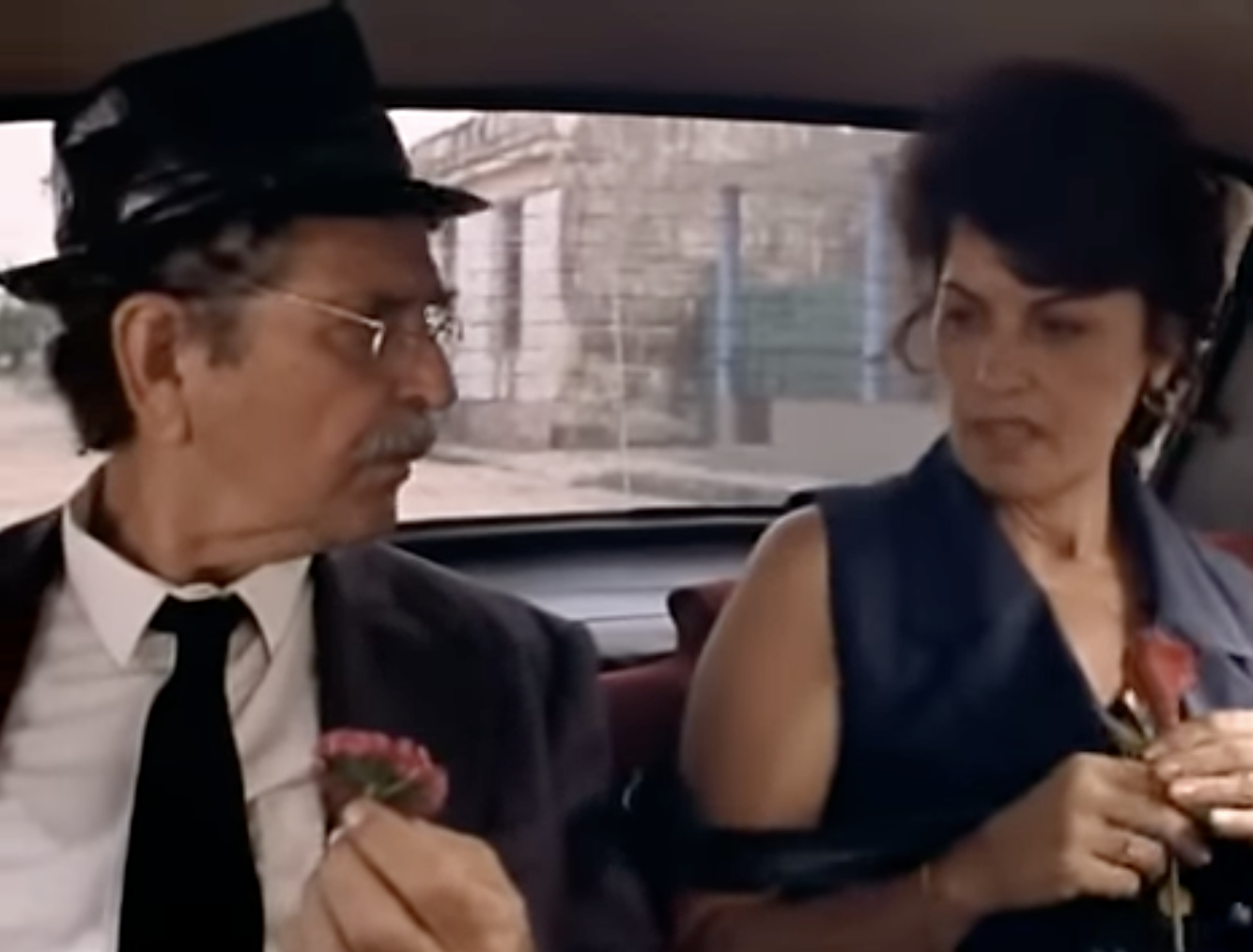
When Georgina holds the red flower, music plays in the background that says, “When one flower wilts and dies, another springs up in its place; and if a love is lost, life takes on another love.” The flower signifies hope for the two characters. Candido lost his love, Yoyita, but the flower is a signal of hope for him and for the country of Cuba. For Georgina, the flower is a hopeful reminder that she can break free from her unloving husband and find a new love in Marciano. Despite losing one important aspect of their lives, the two can gain something deeper.
Sound is an integral part in a film. It refers to everything that the audience hears including sound effects, words and music. Sound is used in films for various purposes, including: providing the information to the viewer about the location of the scene, heightening the mood, telling the audience about the characters and advancing the plot. Every person who watches a film realizes that the choice of voices, soundtrack and music present in a film affect the way that the viewer perceives a particular film. As a result, the sound is an important and integral element of the film, one that determines the way that the viewer experiences and understands a film as a visual experience.
Narrative analysis is an examination of the story elements, including narrative structure, character, and plot. A narrative can be considered to be the chain of events in a cause-effect relationship occurring in time and space. In order to analyze the narrative of a film, we need to first make the distinction between the plot of the film and the story of the film. This is sometimes referred to as the discourse and story of a film. Narrative may also be called the story thought story mainly refers to the events that describe the narrative.
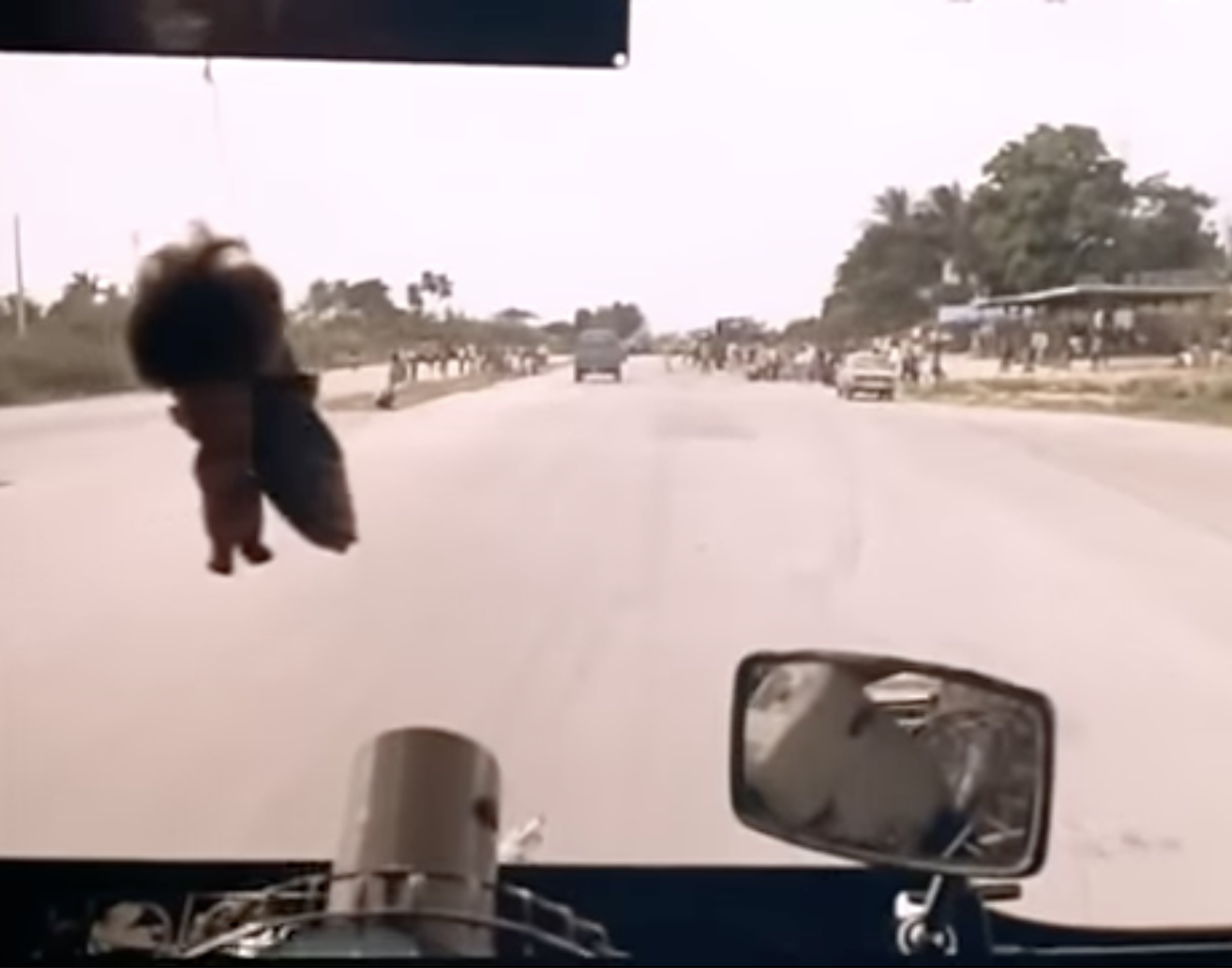
It was very cool to see how they used the road trip not just as a means of communicating the plot but as a way to explore Cuba’s culture, scenery, and everyday realities. You don’t just watch characters move across the island, you get to see small glimpses of Cuban life, history, and political limitations, with the addition of nice love stories layered on top of these social realities.
Film genres are various forms or identifiable types, categories, classifications or groups of films. (Genre comes from the French word meaning "kind," "category," or "type"). These provide a convenient way for scriptwriters and film-makers to produce, cast and structure their narratives within a manageable, well-defined framework. Genres also offer the studios an easily 'marketable' product, and give audiences satisfying, expected and predictable choices. Genres refers to recurring, repeating and similar, familiar or instantly-recognizable patterns, styles, themes, syntax, templates, paradigms, motifs, rules or generic conventions.