La Hora Texaco

    Release year
    1985
    Director
    Eduardo Barbena
    Biography of director(s)
    Eduardo was a Venezulan film maker who passed away in 2015 in Caracas and is known for several films he produced in the 2010s, such as La Culpa de Aleman.
    Country
    Venezuela
    Original synopsis of the film

    Reflecting on his past with his high school sweetheart, Angelica, Bobby Montoya recounts the troubled times his family endured during the 1960’s whilst living in a petroleum villa, just before the nationalization of the petroleum industry in Venezuela. His father, a laborer for an international oil company, is at odds with his foreign superiors, while he deals with an unfaithful wife and terrorists that continue to blow up oil pipelines. Bobby meanwhile must reconcile his love for Angelica with his passion for baseball, a popular sport in 1960’s Venezuela and a manifestation of American influence in the region. This all occurs with an eerily similar backdrop: Venezuela on the edge of instability and revolution.

    Describes the setting of a scene in a play or a film. It refers to everything placed on the stage or in front of the camera—including people. In other words, mise en scène is a catch-all for everything that contributes to the visual presentation and overall “look” of a production. When translated from French, it means “placing on stage.”
    Setting
    Setting
    Explanation
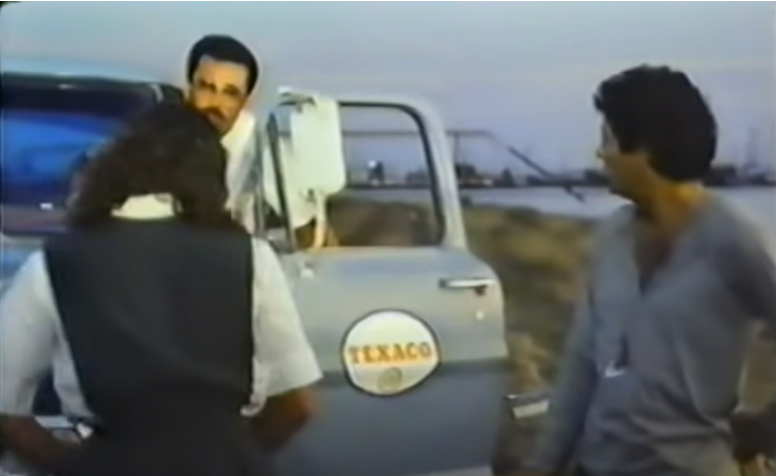
    The majority of this movie appears to not be set in a studio, but rather largely realistic to Venezuela in the 1980s. In this specific shot, viewers see near a Venezulan oil field, with a clear demonstration of American economic imperialism, as there is a Ford truck owned by the Texaco company. This truck takes on a symbolic significance, as it illustrates the deep roots of the American reach, especially on the cusp of the nationalization of the petroleum industry in Venezuela, a clearly anti-imperialism, and especially Anti-American decision. What could be the beauty of the body of water and countryside is ruined by the oil and american commercialization, a theme that is shown throughout the movie. Although the characters are speaking in Spanish, with Venezluan accents, the scene feels as though it could be placed outside of Houston, or in West Texas, pointing to the ramifications of globalization.
    Film Still
    A scene at 12:17
    Props
    Lighting
    Lighting
    Explanation
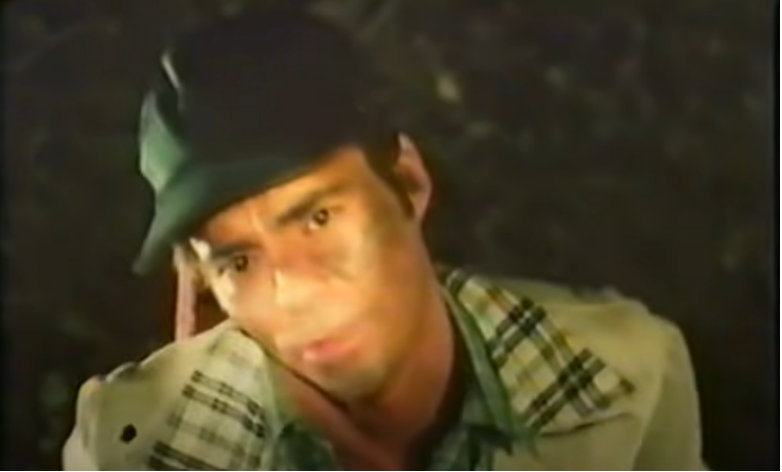
    Of the two men hunting, one’s face is completely illuminated by the headlamp of his coworker, as they work in the darkness. The lighting shows the dirt left on his face, a further demonstration of their difficult labor. The single focus on his face points to his frustration and exhaustion, while deemphasizing the background. As the light is created by the headlamp, it gives viewers a realistic shot with bold shadows, allowing us to feel as though we are also trekking through the forest, debating the future of Venezuela as it relates to our work and opinions. This future, along with the work that occupies the majority of their days becomes their main focus, mirroring the form of his face being the single focus of the lighting in the shot.
    Film Still
    Scene at 16:00
    Costume
    Explanation
    The costumes (and lack thereof) at this time stamp are incredibly interesting and complement the situation perfectly. Montoya, entering into bed with his wife, is naked, or “uncovered”, open, and vulnerable as is commonly portrayed through nudity. His wife, on the other hand, is dressed in some type of white pajama. Montoya attempts to engage his wife in sexual behavior, but she resists, and we know it is because she is seeing someone else. Unlike Montoya, she never takes her clothes off, never reveals herself, never opens up in their bed or their relationship. In fact, the white gown is an example of situational irony. Traditionally representative of a virgin’s color or a faithful wife’s color, Montoya’s wife wears white even though she is cheating on her husband. The entire scene creates pity for the husband, who seems pathetic in the face of an unknown situation. He gives in and goes to bed, still undressed and vulnerable, while his wife remains by his side, though faced away and covered in garment.
    Film Still
    Scene at 34:00
    Hair and Makeup
    Figure Behavior
    Explanation
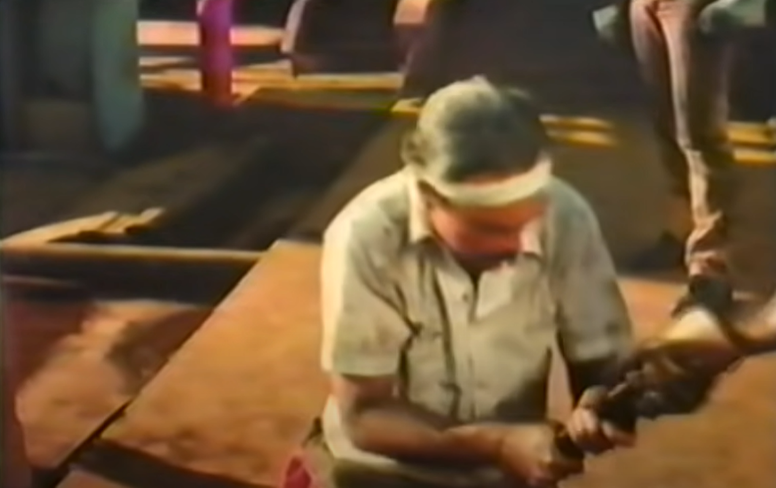
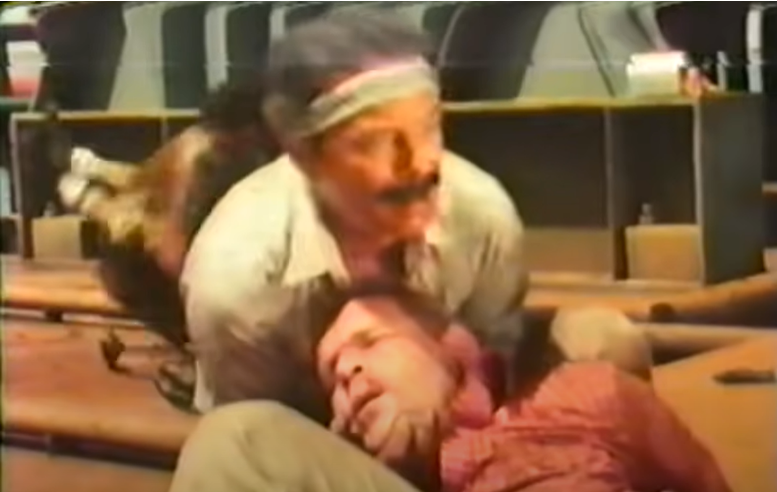
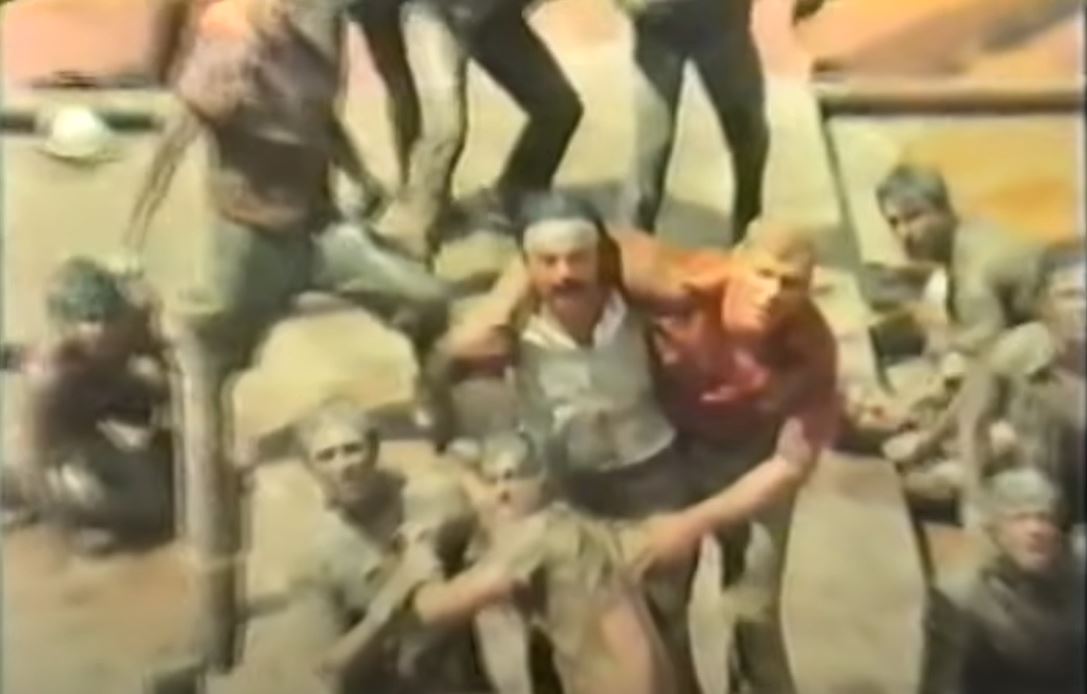
    Montoya, after being belittled by his American superior, is knocked to the ground. Workers gather, and obscure the lens of the camera, passing a wrench behind their backs, to Montoya. He grabs it, and gazes around, uncertain of what to do. His Venezuelan peers however, look on with encouragement, begging him to initiate a fight with their eyes. And so he does, he knocks his boss to the ground,and immediately regrets it, falling to his knees to attempt to help him, but the damage is done, and fights break out between the whites and Venezuelans. Montoya, with fights going on in the background, can only look around and see the irreversible damage he has caused. In battling for his personal dignity, Montoya seems to have sparked a revolutionary effort that he never intended. Every fight seems to be a stalemate, as the groups merely inflict harm upon each other. Two men even fall overboard whilst fighting. In this way, the social consequences of two exploited classes fighting is revealed - both are hurt, nobody wins. The camera, glancing around at the several fights, always returns back to Montoya holding his boss until finally a manager of sorts fires a gun to end the conflict with superiority; the only way that animosity can be tamed it seems is with the threat of escalated violence.
    Film Still
    Scene from 52:00
    Scene from 52:00
    Representative Clip

    This is the art of photography and visual storytelling in a motion picture or television show. Cinematography comprises all on-screen visual elements, including lighting, framing, composition, camera motion, camera angles, film selection, lens choices, depth of field, zoom, focus, color, exposure, and filtration. Cinematography sets and supports the overall look and mood of a film’s visual narrative. Each visual element that appears on screen, a.k.a. the mise-en-scène of a film, can serve and enhance the story—so it is the cinematographer’s responsibility to ensure that every element is cohesive and support the story. Filmmakers often choose to spend the majority of their budget on high-quality cinematography to guarantee that the film will look incredible on the big screen.
    Point of View
    Comments
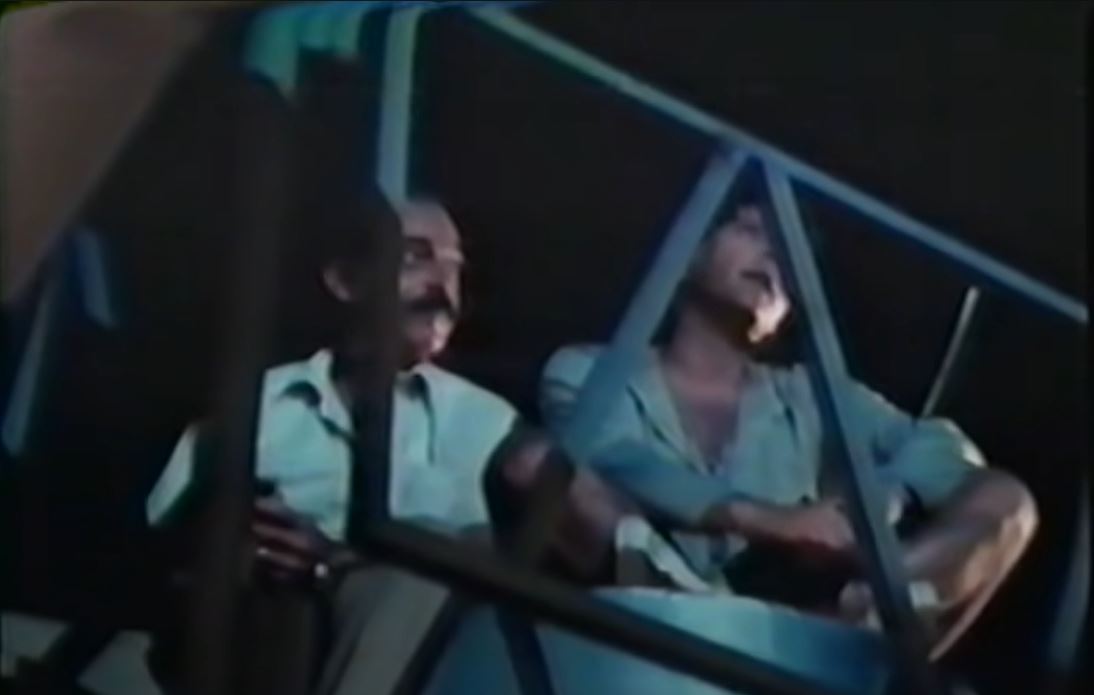
    Throughout the film, Barberena guides viewers to focus on specific details of the scenes he presents, which are frequently broken up with cuts. The scene below, focuses on the relationship between Bobby and his father, Julio Montoya. Both men experience issues in their love lives, and the scene focuses on the two men sharing an emotional, intimate moment, where they are able to finally express how they are feeling, Julio in particular.

    The scene follows Angelica, Bobby’s girlfriend, explaining to him that she has to move for school, a privilege Bobby and his father cannot afford. It traces Bobby climbing up part of an oil structure, to seek some peace while he listens to an English broadcast of a baseball game. This scene traces his father discovering Bobby up there, then joining him atop the structure that helps provide for the family, as Julio is employed by Texaco and they live on company owned property.

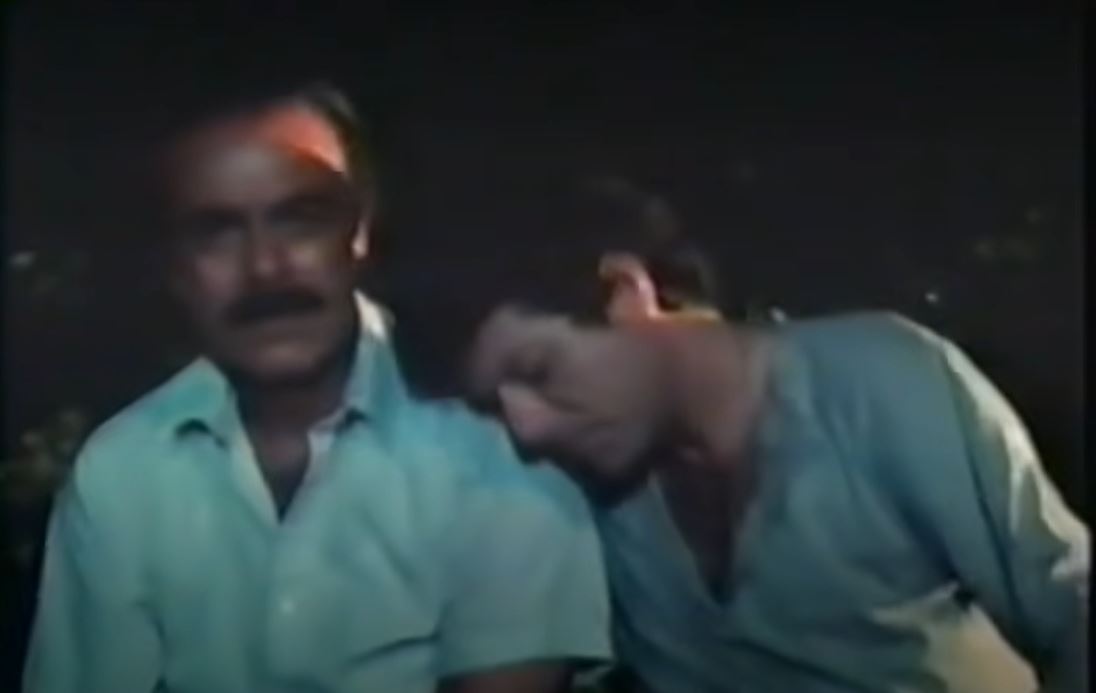
    The shot starts from below the two men, marked by dark colors, illustrating the heavy emotions of the father and the son. It cuts to a nearly level angle of the two men, and slowly zooms in to focus on their faces, which are illuminated by light nearby. As Barberena
    guides viewers closer to the two men and into the light, the two men discuss their struggles more respectively; the form of the film is matching the content perfectly.

    Barberena’s use of zoom, point of view, and lighting illustrate how the point of view in this scene, and much of the movie, is the director's interpretive. Despite the apparent low budget, Barberena is able to communicate tremendously through the form he creates.
    Timecode
    00:47:03-00:50:41
    Film Still
    Julio and Bobby obscured under a bridge
    A different, unobscured shot of Julio and his son on the bridge while zooming in
    Quality
    Quality
    Comments
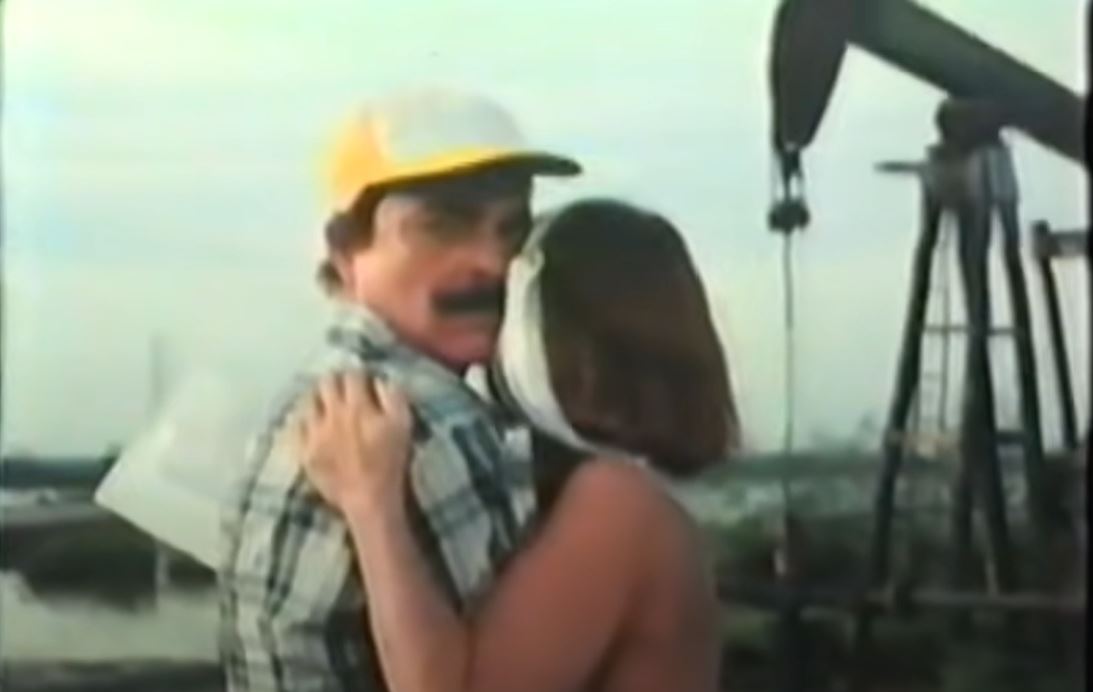
    In this scene Barberena utilizes a shallow focus, as only a small portion of the overall shot is in focus, that being Julio and his wife embracing each other. Their background, an oil rig and small body of water, are out of focus. It is a rare moment of closeness for the couple, brought on by good news relating to his work and being relocated, but such good news was fabricated by Julio himself, seemingly designed to help repair his relationship with his wife.

    The shot focusing on just the couple emphasizes them, but alerts viewers to the backdrop that frames their relationship: the oil fields of Texaco. Julio becomes more like an economic agent to his wife rather than a husband; he helps provide for the family and ultimately their relationship is negatively affected, in large part because of his work and his struggles at work. In the scene, his wife looks at the man she will cheat on her husband with, smiles, turns towards the husband, and then away, while the husband looks to be suffering. By allowing viewers to catch all of these emotions, amidst the hazy background of the Texaco fields, Barberena does a fantastic job with the shallow focus shot.
    Timecode
    01:04:04
    Film Still
    Julio and his wife in front of an oil rig
    Framing
    Framing
    Comments
    Barberena’s use of level angle in La Hora Texaco places the viewer inside the scene, consistent with the actors. As such, the audience experiences the emotion and participates in the action. Action scenes pump the adrenaline of viewers. Somber moments evoke a certain amount of sadness. Erotic moments, such as this still, immerse the audience in their tension and immorality, emphasizing the adulterers' guilt. The actors’ expressions are clear to the eye, and body language is scarcely obscured, all of which feeds the director’s objective to elicit sympathy.
    Timecode
    01:23:05
    Film Still
    A level angle shot of Julio's wife cheating
    Scale
    Scale
    Comments
    The overwhelming use of close-up shots in the movie once again highlight Barberena’s intention to reveal the emotion of characters and how that drives plot. Being able to dissect each change in facial expression and body language allows the viewer to sympathize with each character and the choices they make, which shapes the plot. For example, the close up of Bobby’s face when with his girlfriend forces the viewer to stare into Bobby’s eyes and realize the love Bobby holds for her. This is extremely important as later on in the film, when she leaves for the USA, the audience can understand why the plot unfolds how it does - stemming from such deep emotion.
    Timecode
    00:43:10-00:43:45
    Film Still
    A close up of Bobby's eyes while speaking with Angelica
    Movement
    Comments
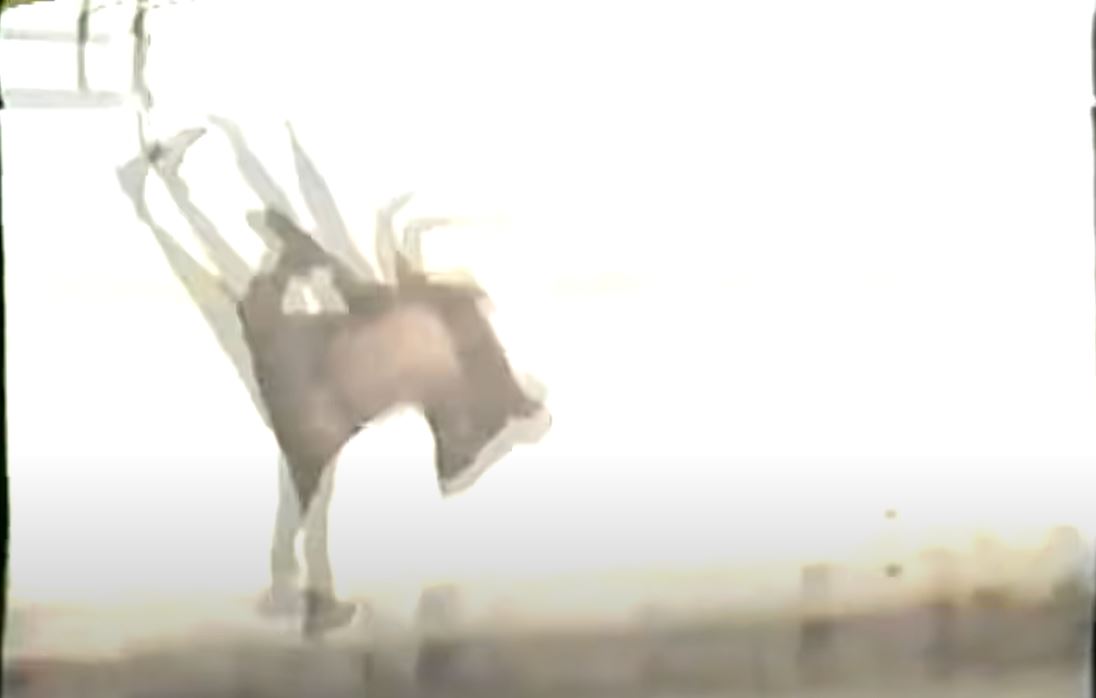
    During the fight scene between the Venezuelan and American workers, the handheld camera places the audience in the middle of the action. WIth some unsteadiness that implies uneasiness, the movement combines with the combat to involve the viewer in the adrenaline-fueled controversy. Unlike a steady shot that focuses on and emphasizes the combat itself, the instability emphasizes instead the danger and emotions of the characters. With tensions that have been building for years and all throughout the film, Barberena refuses to glorify combat through highly produced fights - this is certainly not one - but rather stresses how emotional pressure can lead to chaos and damage, both mental and physical.
    Timecode
    00:52:12-00:53:50
    Film Still
    Unsteady recording of a fall

    Editing is the process of putting a film together–the selection and arrangement of shots and scenes. Editing can condense space and time, emphasize separate elements and bring them together, and organize material in such a way that patterns of meaning become apparent. In addition, editing can determine how a film is perceived: for instance, quick, rapid cuts can create a feeling of tension, while a long take can create a more dramatic effect. The first photoplays generally had no cutting, owing to the fact that they were single-reel films; once filming began, you could not stop until the film ran out. (https://filmglossary.ccnmtl.columbia.edu/term/editing/)

    Coherence, Continuity, and Rhythym
    Comments
    The presentation of the film is not continuous, and unless viewers are paying close attention, at times it does not appear coherent, as Barberena guides viewers through different time periods in Bobby and Julio’s lives. The rhythm employed in the presentation is quick; there are frequent cuts and a majority of the scenes are fast-paced, from sex scenes, to the baseball game, to disaster on the oil-fields, to the fight scene on the oil rig where all of the men end up covered in grime..

    With a closer eye, it becomes clear that although the story is not continuous in its narrative structure, it is coherent, telling the story of Venezuela from the eve of the nationalization of the oil industry until the death of Rómulo Betancourt through the characters of Bobby and Julio and their lived experiences. Despite a generational and occupational gap, the lives of the two men are quite similar, providing a thematic continuity in spite of the lack of chronological continuity.
    Timecode
    00:54:01
    Film Still
    Julio and his crew staring at a supervisor after a fight
    Editing Style
    Editing Style
    Comments
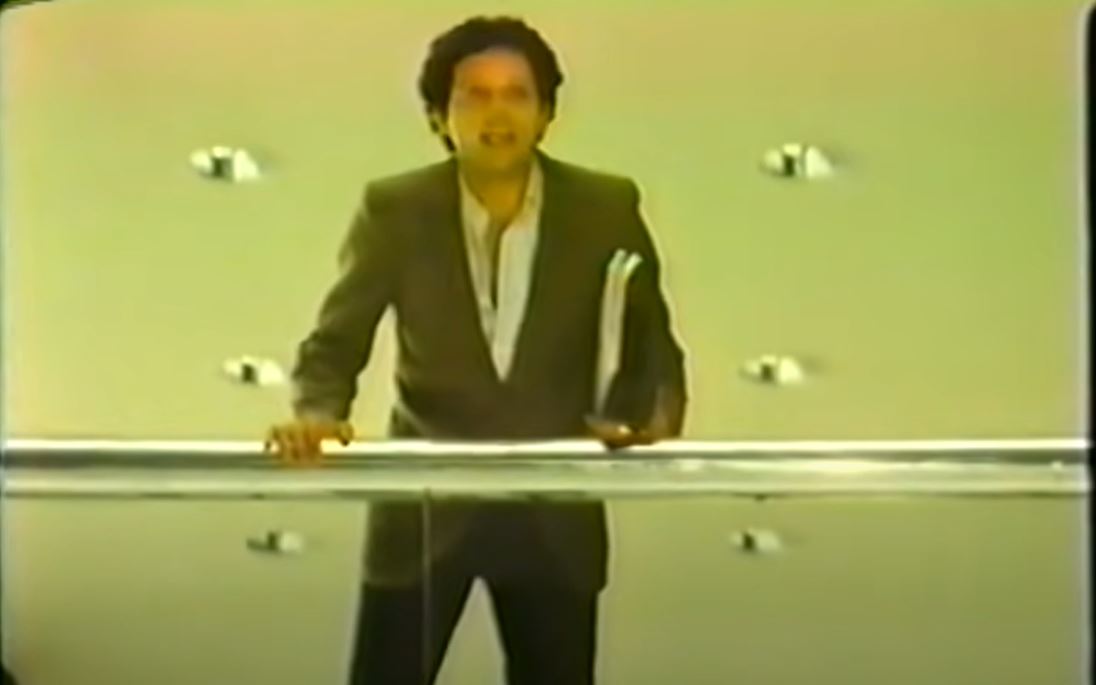
    The film is marked by quick jumps, both between location and time, as it tells the story of Bobby Montoya, the son of an oilman worker. It is a montage style, governed by the two worlds of Bobby as a teenager and Bobby as a grown-man working as a journalist.

    The cuts are noticeable throughout the film, often implicitly conveying meaning to viewers. After a drunk American takes home a Venezulan women from the Texaco celebration at the start of the film, Julio is hunting with his guerilla fighting friend, as the American owned Texaco plant is bombed. As the Americans have entered into the country and grabbed its natural resources, labor, and women of the country, certain groups are fighting back. This is implicitly shown in the cut from the drunk, celebrating American man taking the women home and the cut towards the men about to experience the bombing of the oil fields.
    Transitions
    Match
    Match
    Comments
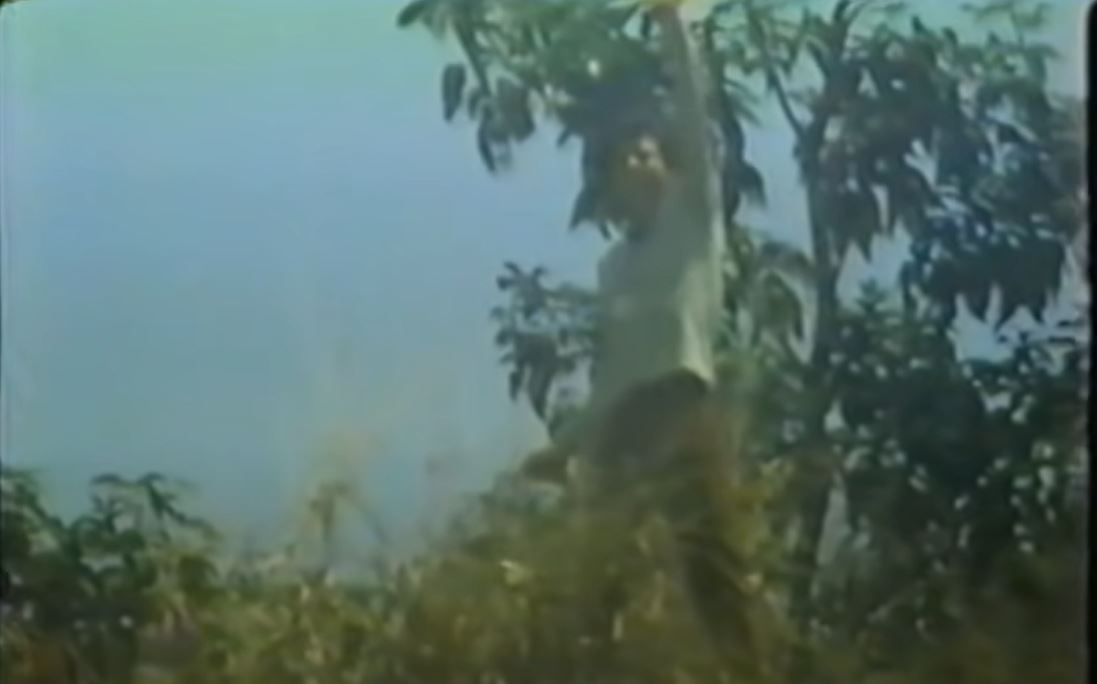
    At the very start of the movie, Bobby calls out to Angelica before the camera zooms in on her. Then the movie cuts to Bobby calling out to Angelica in a field during an unspecified moment in the past, before the camera zooms in on Angelica with the exact same orange-yellow lighting. While not an exact match, the events that unfold in the present exactly mimic those of the past, a certain foreshadow of how we may expect more events to unfold in the present. Thematically, Barberena could be pointing out that unless we grow and learn from the past rather than dwelling on it, we will be forced to continue reliving it.
    Timecode
    00:09:33-00:09:39
    Film Still
    Present Bobby calling Angelica
    Past Bobby calling Angelica a few seconds later
    Expansion and Compression of Time
    Editing General Comments

    Sound is an integral part in a film. It refers to everything that the audience hears including sound effects, words and music. Sound is used in films for various purposes, including: providing the information to the viewer about the location of the scene, heightening the mood, telling the audience about the characters and advancing the plot. Every person who watches a film realizes that the choice of voices, soundtrack and music present in a film affect the way that the viewer perceives a particular film. As a result, the sound is an important and integral element of the film, one that determines the way that the viewer experiences and understands a film as a visual experience.

    Sound Type
    Sound Type
    Comments
    The sound type employed in this movie is diegetic; the sound the viewers hear is the same sound the characters themselves hear. The sound is a critical component of the movie, from the loud, energetic music at the start of the film as Texaco workers celebrate the Fourth of July to the mechanical noises of the oil rigs that are present in important moments between Julio and his wife, Deborah. Other important sounds are the frequent use of American baseball games, Bobby’s favorite sport, or the sound of boots stomping, as soldiers report to issues at the oil fields. Many of these sounds are repeated, helping to further develop the messages of the almost omnipresence of American influence and culture (demonstrated by American music and the baseball games), the critical role of oil to Venezulan society (demonstrated by the noises of the oil rigs), and the clashes between dissenters, soldiers, and the oil companies (demonstrated by the sound of boots marching).

    Narrative analysis is an examination of the story elements, including narrative structure, character, and plot. A narrative can be considered to be the chain of events in a cause-effect relationship occurring in time and space. In order to analyze the narrative of a film, we need to first make the distinction between the plot of the film and the story of the film. This is sometimes referred to as the discourse and story of a film. Narrative may also be called the story thought story mainly refers to the events that describe the narrative.

    Plot Comments
    Comments
    The plot focuses on Bobby and Julio, a son and father navigating a rapidly changing Venezluan society amidst societal and personal conflicts. Barberena does an artful job of mirroring the experiences of the two men and uniting them midway through the film, as they sit atop a part of an oil structure. Despite all of the uncertainty induced by the politics of their country, these two men are ultimately regular: they struggle with work, their love life, and their goals. As Barberena explores their lives and Venezuela over several decades, he succeeds in creating a successful movie and plot.
    Story Comments
    Narrator Type
    Comments
    There is not a singular narrator in the film, rather narration is carried out by several second-person narrators conversing with each other. The two main characters, Bobby and Julio, serve as the closest examples of narrators in the film, as they are the two characters that speak the most, helping to progress the plot through their dialogue.
    Narrative Structure
    Narrative Structure
    Comments
    The film begins with Bobby at work in the present day, talking to his boss at a journalism company. While walking to his car, he sees his girlfriend from youth, Angelica. He calls out her name, and as she turns around, the audience is thrust backward in time in a flashback to a walk Bobby took with Angelica. This cycle continues, back and forth through time if you will. Barberena’s manipulation of time is meant to showcase the importance of the here and now, and how decisions made today can send enormous ripples throughout our lives and the lives of those around us. Coupled with Barberena’s focus on emotion as a driver of life’s events, Barberena attempts to display how our emotions in fact shape our lives for longer times than we may suspect.

    Film genres are various forms or identifiable types, categories, classifications or groups of films. (Genre comes from the French word meaning "kind," "category," or "type"). These provide a convenient way for scriptwriters and film-makers to produce, cast and structure their narratives within a manageable, well-defined framework. Genres also offer the studios an easily 'marketable' product, and give audiences satisfying, expected and predictable choices. Genres refers to recurring, repeating and similar, familiar or instantly-recognizable patterns, styles, themes, syntax, templates, paradigms, motifs, rules or generic conventions.

    Category
    Category
    Comments
    Petrofiction:

    This film falls in the category of petrofiction, exploring how oil and especially the Texaco company have influenced the lives of Bobby and Julio, along with Venezuela as a whole. The film explores how the oil industry had dramatic impacts on both the overall society and the lives of individuals, placing it firmly in the region of Petrofiction.
    Bibliography

    Barberena, Eduardo, director. La Hora Texaco. Studio Heller and Bohemia Films, 1985.