Plata Quemada

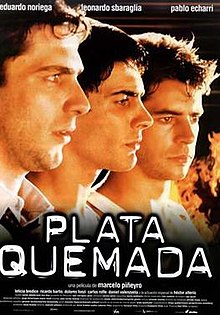
    Movie Poster
    Release year
    2000
    Director
    Marcelo Piñeyro
    Biography of director(s)
    Marcelo Piñeyro was born in 1953 in Buenos Aires, Argentina and he is a renowned director and screenwriter. He completed his academic studies of cinematography at the University of La Plata’s School of Fine Arts. Piñeyro began his career soon after at Cinemania, an advertisement production company, along with Luis Puenzo. Piñeyro’s work as an executive producer on The Official Story (1984) gained him international attention and his first directorial debut Tango Feroz (1992) was an international success. Since then he has produced a number of films that have also reached international acclaim such as Cenizas del paraíso (1997), Kamchatka (2002), and El método (2005) to name a few.
    Country
    Argentina
    Original synopsis of the film

    The year is 1965 and Fontana was just informed about a shipment of money being transferred by an armored truck in Buenos Aires, Argentina. After consulting his lawyer (Nando), Fontana gets a group of thieves to work together in order to steal the money (Nene, Cuervo, and Angel). What was meant to be a quick operation soon goes downhill because Angel was shot by one of the officers. In retaliation, Angel shoots back and kills one of the police officers. Ultimately they were able to leave with the money but by leaving behind two dead officers they have now become public enemies and targets of the police force. They flee to Montevideo to gain time and wait for false legal documentation but the mistakes the thieves make along the way ultimately catch up to them in the end. The film ends with Nene, Cuervo, and Angel being surrounded by police officers with no way out in the apartment they find themselves in. However, they all die having accepted their fate, fulfilled knowing that the money they stole would burn along with them. 

    This journey centers around the homosexual relationship between Nene and Angel who are both battling their own issues during their relationship. Angel hears voices in his head that make him doubt and question his own sexual identity, making him distant from Nene. Meanwhile Nene is seeking sexual gratification elsewhere since he is unable to figure out how to reconnect with Angel. Sadly it is not until the last few moments during the battle against the police when they are finally able to rekindle their relationship, ultimately dying together in the arms of one another. 


    Film Awards
    Best Cinematography and Best Sound from Havana Film Festival in 2001
    Best Spanish Language Foreign Film from Goya Awards in 2002
    Best Adapted Screenplay from Argentina Film Critics Association Awards in 2001
    Film still
    Plata Quemada Representative Scene

    Describes the setting of a scene in a play or a film. It refers to everything placed on the stage or in front of the camera—including people. In other words, mise en scène is a catch-all for everything that contributes to the visual presentation and overall “look” of a production. When translated from French, it means “placing on stage.”
    Setting
    Setting
    Explanation
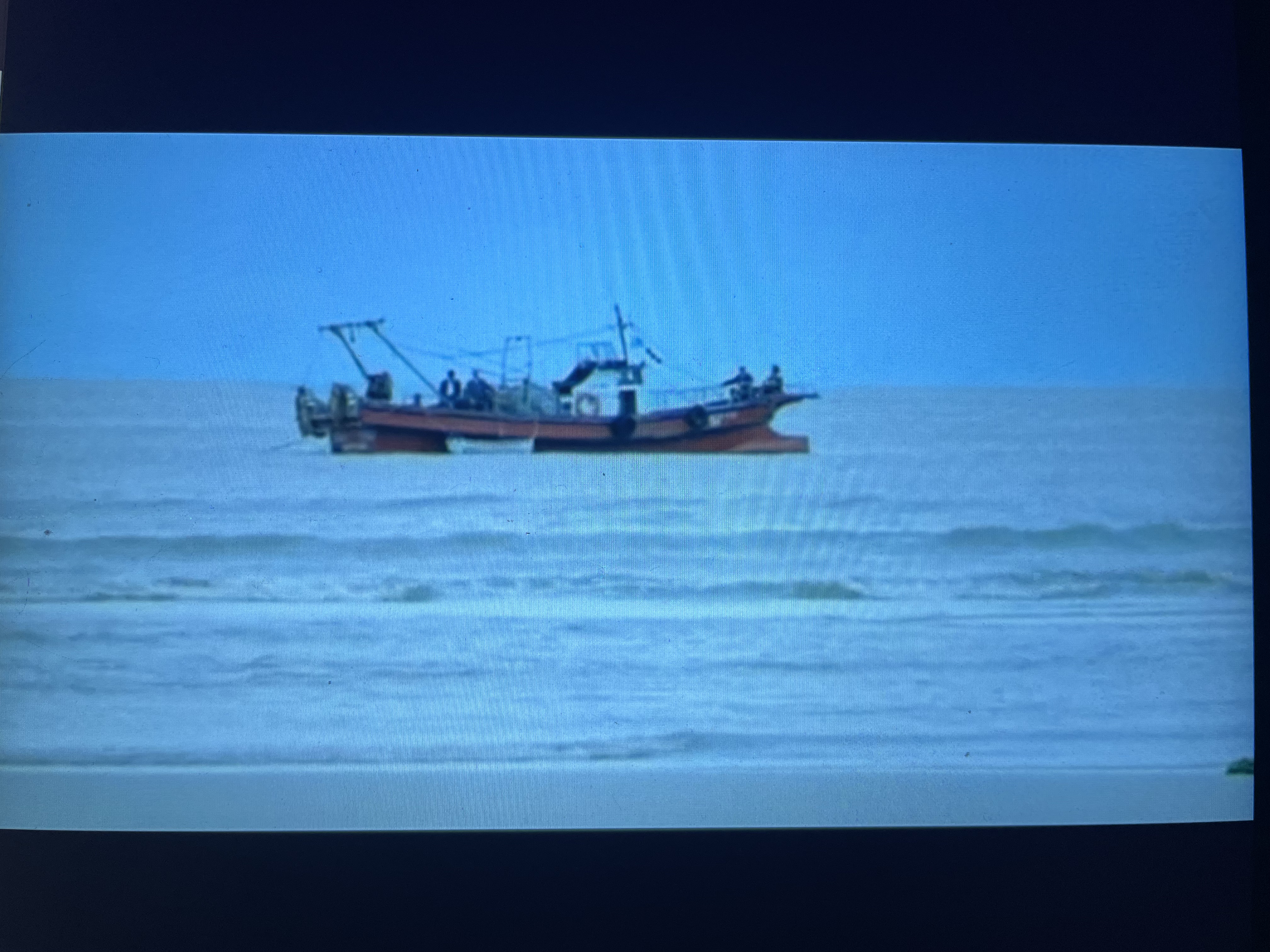
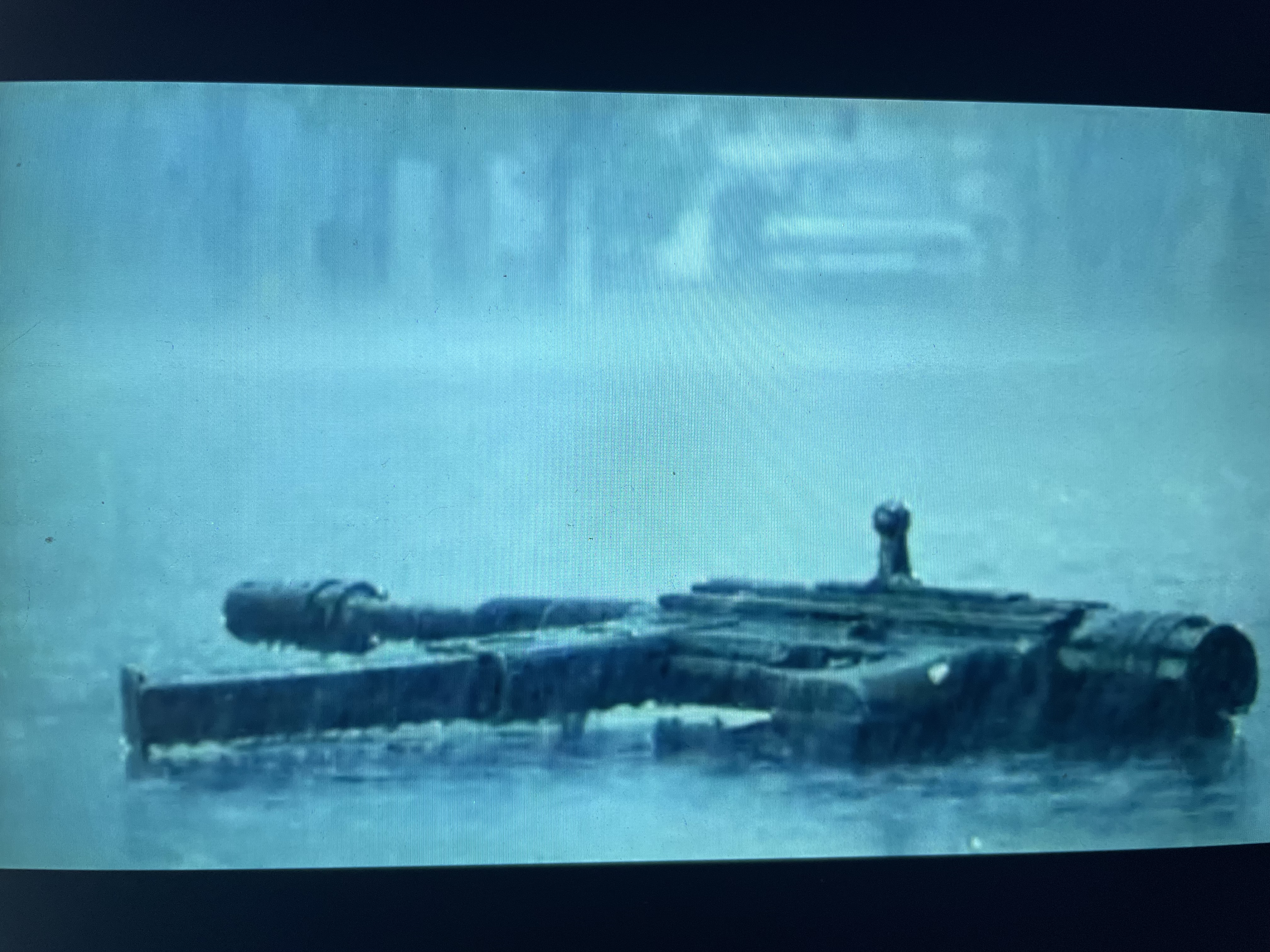
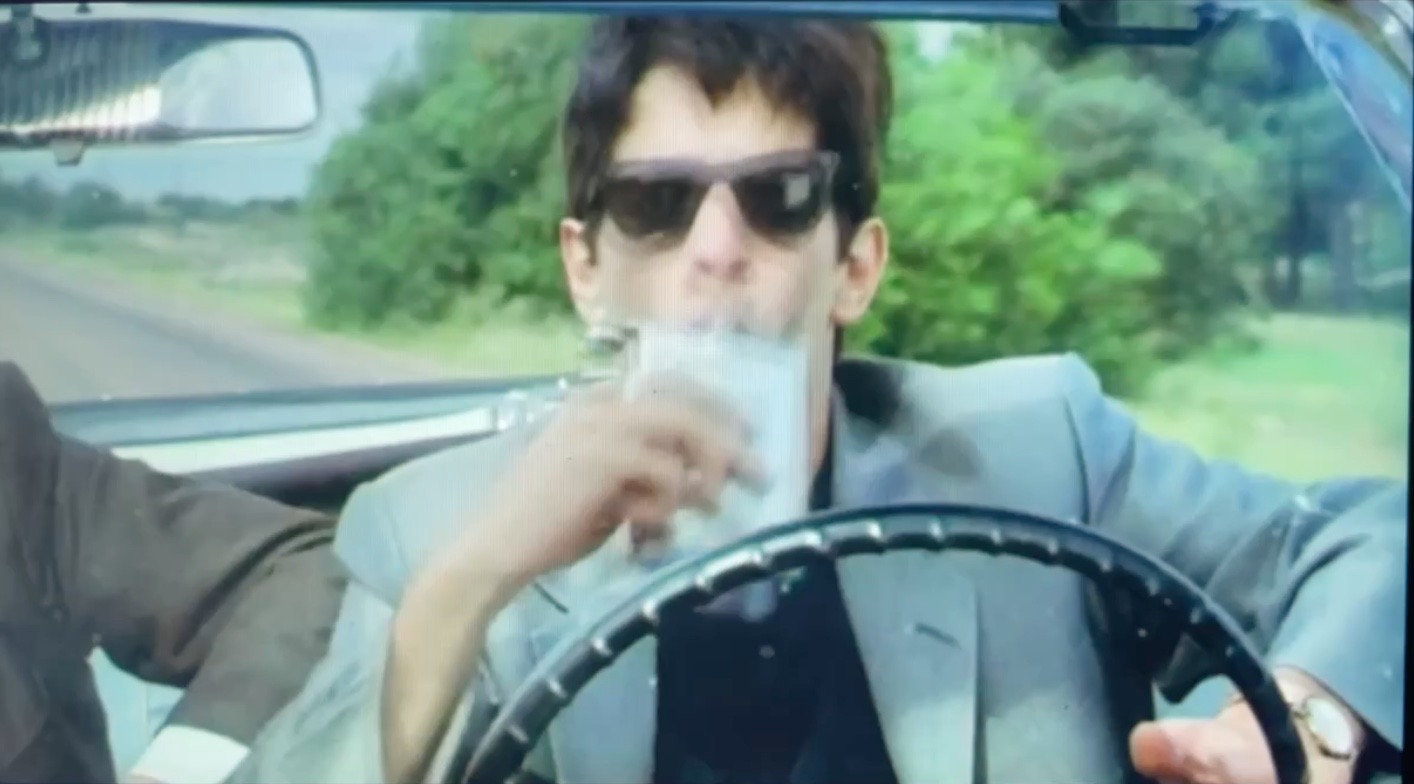
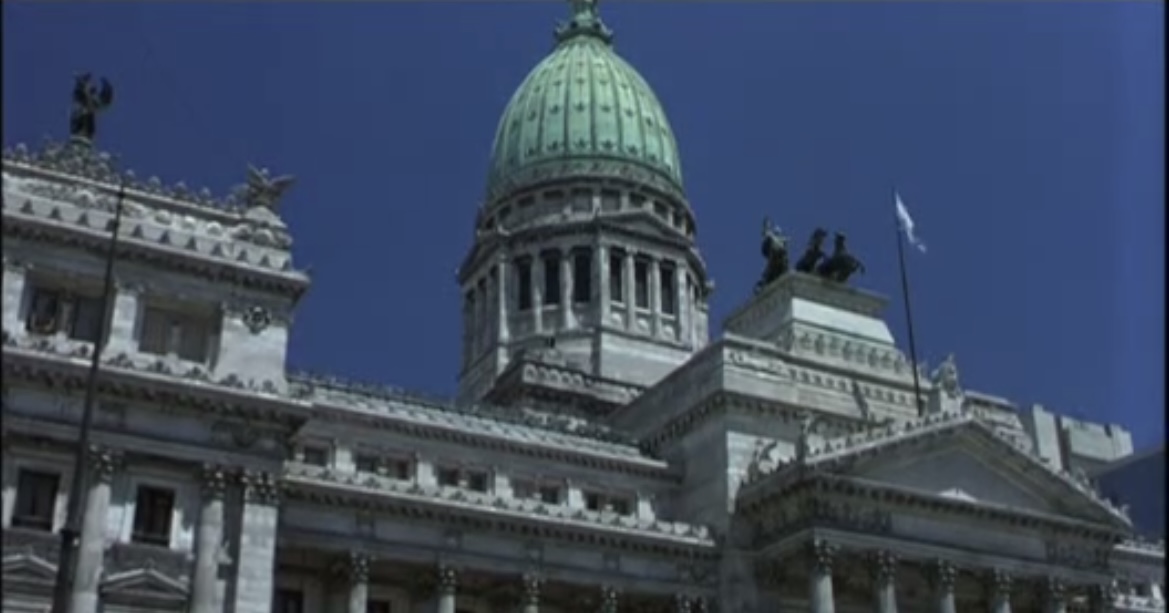
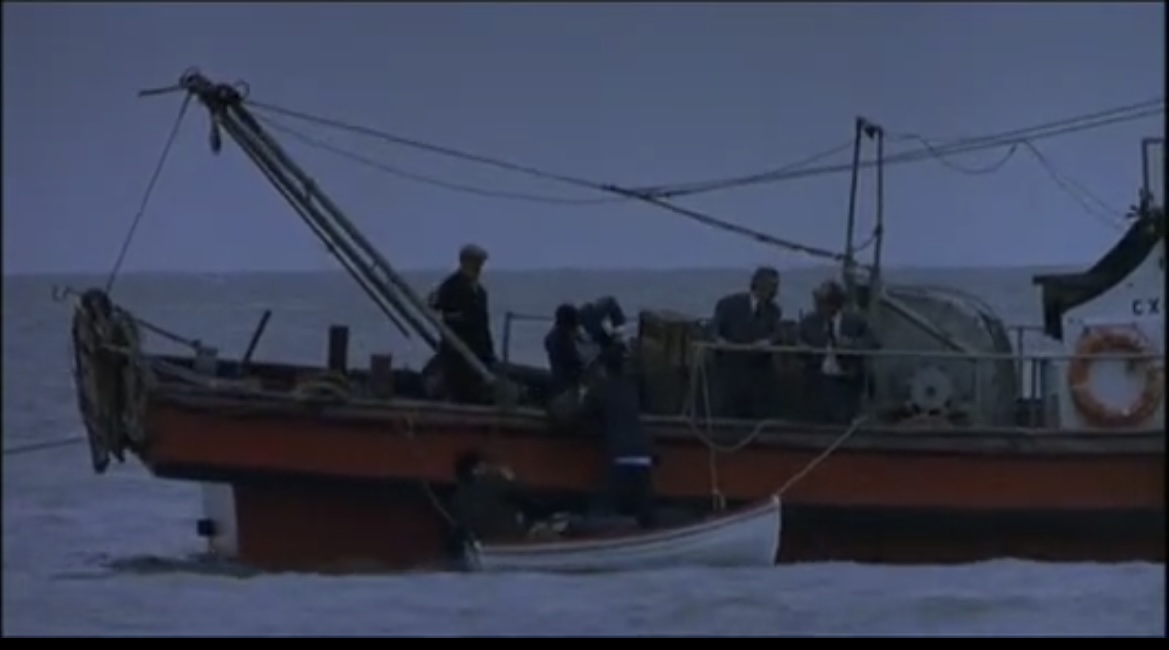
    The film was shot in both Buenos Aires, Argentina and Montevideo, Uruguay. Given that this film is based on the novel written by Ricardo Piglia and the true story of an Argentinian bank robbery in 1965, it adds realism to the film by placing its figures on on-site locations. In Argentina the audience is able to see their lives before the heist, having the freedom to do whatever they pleased. This is the complete opposite of what the thieves have in Uruguay since they are trapped within the confines of the house. This distinction between the two locations emphasizes the isolation and downward spiral that all the characters faced during their month-long hiding after the robbery. It explains why they were able to risk exposure by being out of the house despite having succeeded for so long. One example to clearly illustrate the division between the two locations is that in Argentina we get a capital building representing bureaucracy. As for Uruguay we do not get any landmark buildings, but rather an illegal entering into Uruguay soil by boat. Even though they may be out in the open, their presence is hidden the moment they arrive.
    Timecode
    0:07:46,0:29:27
    Film Still
    Argentina
    Uruguay
    Props
    Timecode
    0:05:27,0:28:50
    Prop
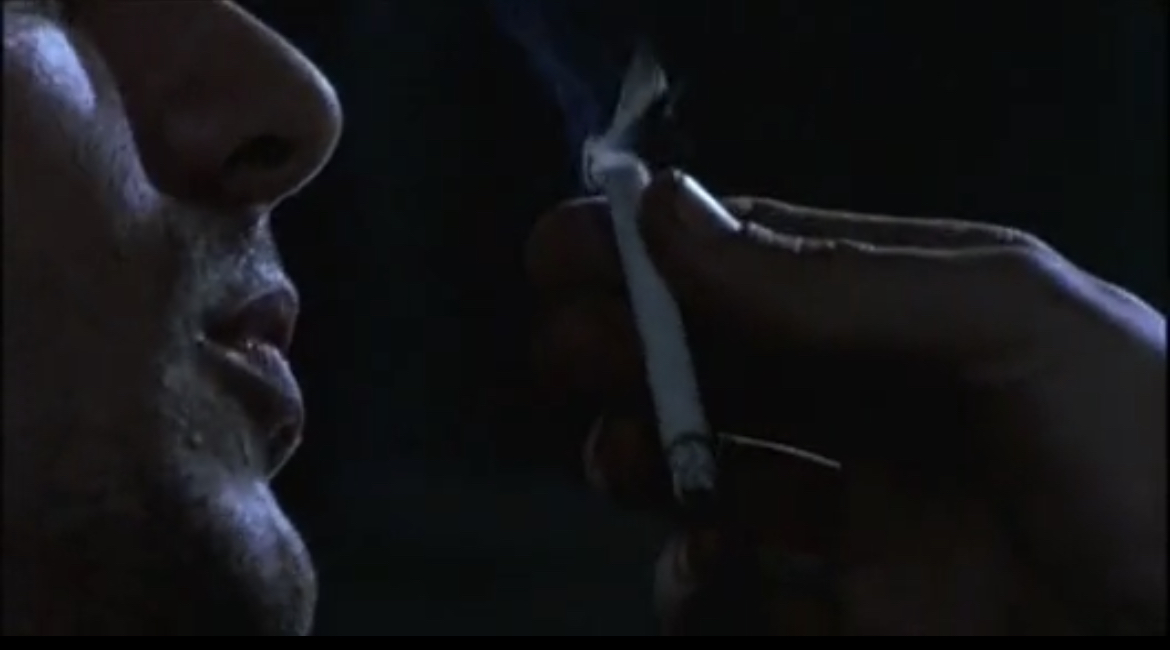
    Cigarette
    Explanation
    When Nene accepts to let Angel live with him, Nene takes out a cigarette and begins to smoke. After his first inhalation, Angel makes his way towards Nene and destroys the cigarette. It is a very intimate scene because Angel slowly removes the cigarette directly from Nene’s lips and teases Nene as if he were going to hold it for him before breaking it in half. As the film progresses we still see Nene smoke on various occasions but Angel does not have the same reaction until they are on the boat heading to Uruguay. Nene is narrating at this point and says that Angel's hands smell of old memories. By having the act of destroying the cigarette repeat itself, the audience is able to see the progression of their relationship and how they still hold affection for one another. However, Nene's narrating also holds foreshadowing of their future. Similar to how Angel is destroying the cigarette, their fate is also doomed for death which is how Nene describes the smell of his hands.
    Film Still
    Cigarette
    Second Cigarette Scene
    Lighting
    Lighting
    Explanation
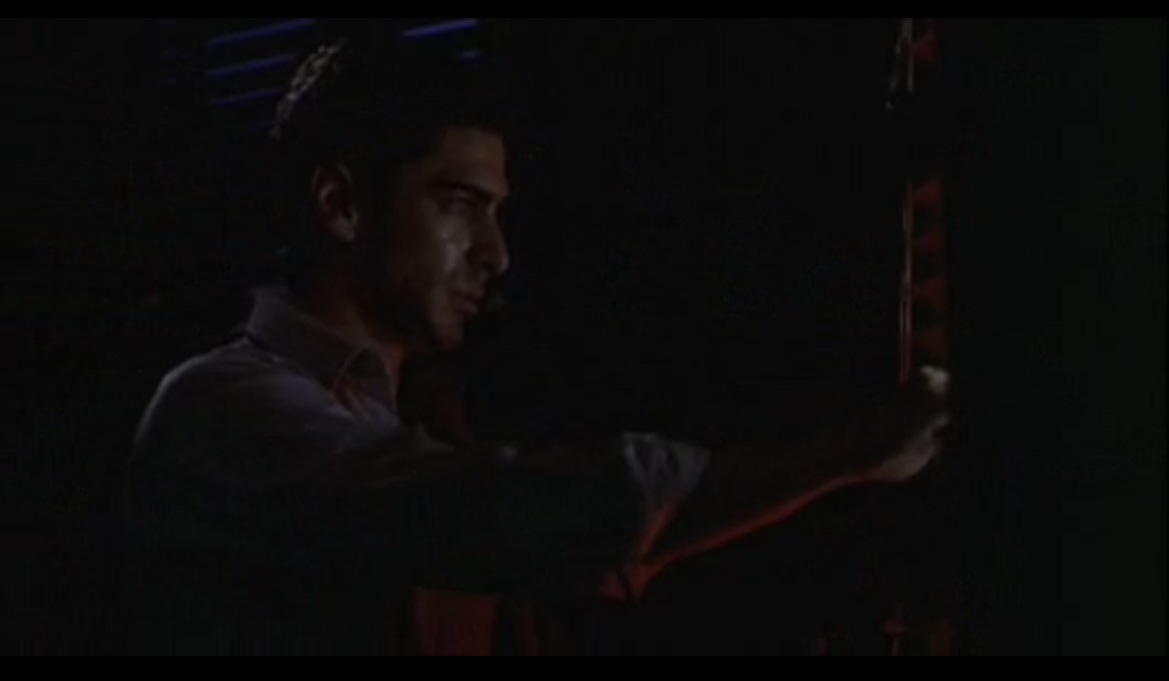
    The film uses low-key lighting throughout the film to create and intensify their settings. Given that the thieves are consistently in hidden locations and are meant to stay out of the public eye, the low key lighting adds realism to the film by using natural forms of light such as a window or light bulb. This would dramatize the shadows and contours of the characters face while also demonstrating the harsh conditions of their isolation. For instance, in the first still the window is allowing for red and blue light to reflect off of Nene's face as he gazes outside. Red and blue lights are often associated with the police so by having them hit Nene as he is trapped in isolation is a reminder as to why he is there in the first place.
    Timecode
    0:40:31
    Film Still
    Window Light
    Costume
    Costume
    Suits
    Explanation
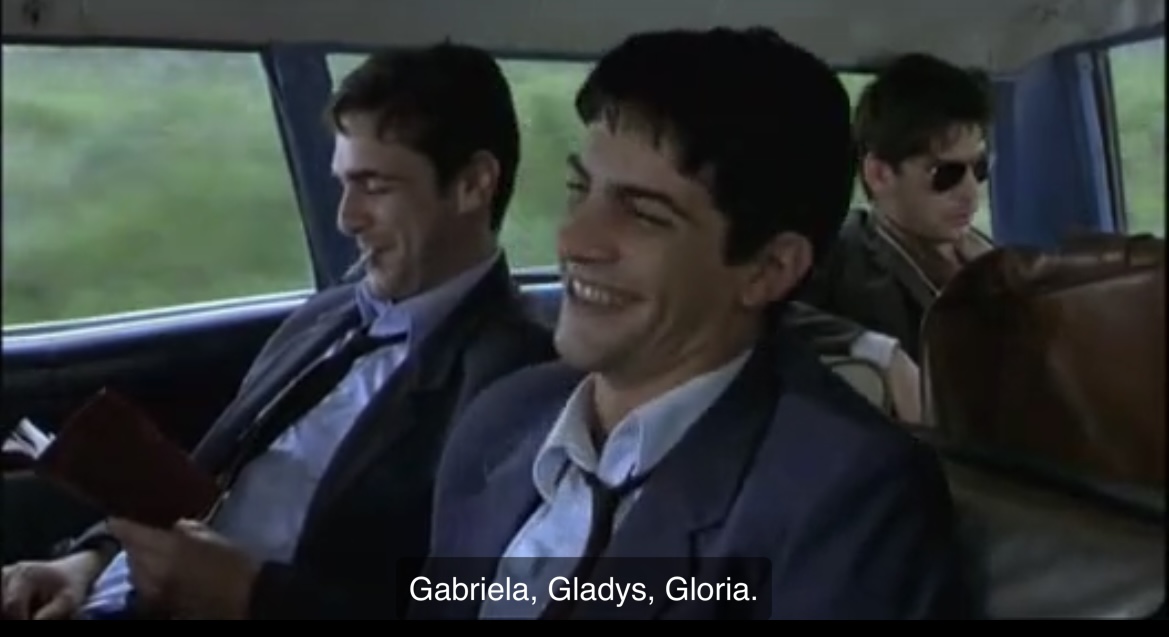
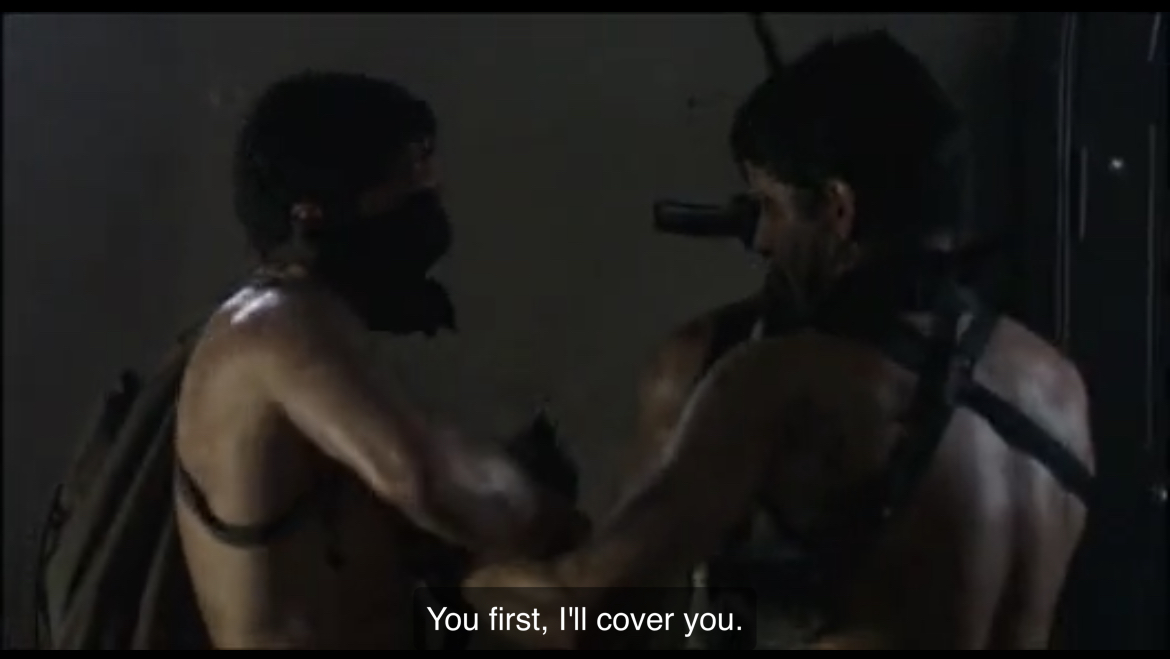
    When the robbery begins the thieves are wearing suits which is a completely different style of clothing that the audience sees Nene and Angel wear during the first scenes of the film. Given the context of the film, the suit represents their emotional state. When one wears a suit it conveys power, authority, and a sense of being put together. They knew the plan on how to rob the armored truck and felt confident in their abilities to successfully complete it. As the film progresses they slowly lose control over the situation. When they become frustrated or angry the characters often loosen their ties or remove their jacket. In the final battle against the police, the characters even undress themselves completely demonstrating their lack of control over the situation and accept to live in the chaos of the moment.
    Timecode
    0:08:36,1:47:42
    Film Still
    Fully Suited
    New Plan, Unsure, Unbuttoned
    Accepting Chaod
    Hair and Makeup
    Example
    Giselle
    Explanation
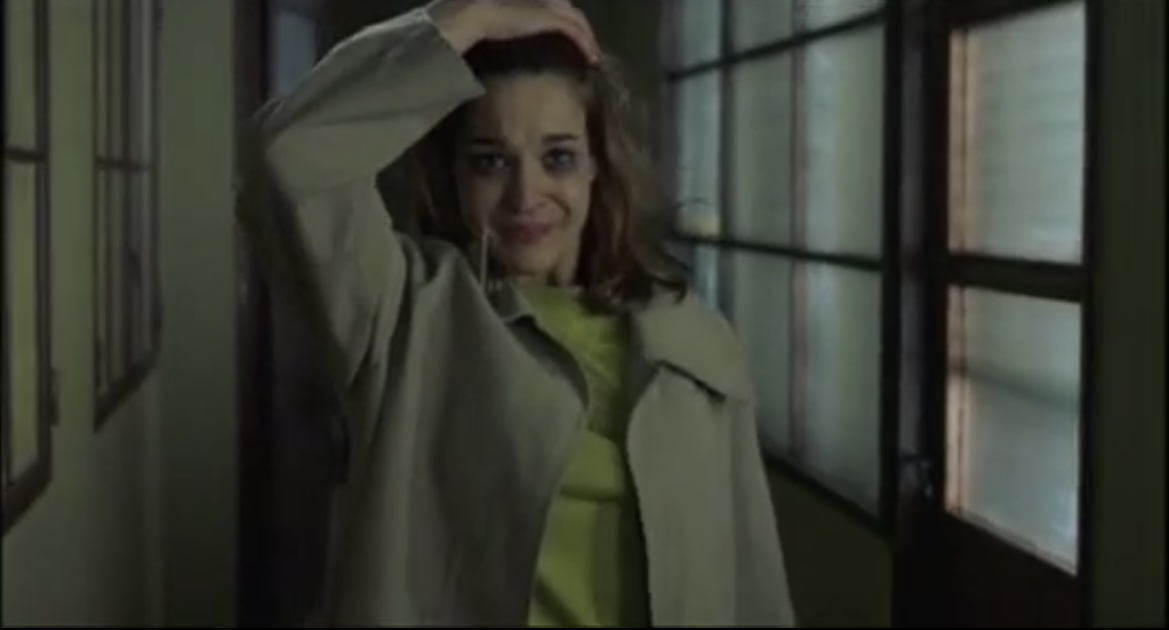
    When the film introduces Giselle at the carnival she is completely put together. Her wardrobe and make up are applied perfectly and she portrays confidence by initiating conversations and flirtations with Nene. The opposite is shown when Giselle is leaving the police station after turning in Nene, Angel, and Cuervo. Her hair is in disarray and is shown running her hands through her hair which only makes it worse. Her eye shadow is smeared and her nose is red indicating that she had been crying for quite a while. This drastic change in appearance compared to her usual makeup and hair shows the emotional distress she is in. Clearly Giselle feels betrayed and hurt by Nene to the point that she is willing to turn them in. However, this is not a choice she has taken lightly because her tears demonstrate the conflict she had internally to go to the police station.
    Timecode
    1:45:03
    Film Still
    Distressed
    Figure Behavior
    Example
    Nene
    Explanation
    Nene is portrayed as confident and intelligent which is why he is considered as the leader when it comes to Cuervo and Angel. This is because he is able to understand the risk one’s actions can cause rather than acting on impulse like Cuervo and Angel often do. However, Angel is his only weakness. For example, when Angel was shot during the robbery Nene broke the thief code by bringing Angel with them back to their hideout rather than killing him at the scene like he was supposed to. Another example is that he could have left with Giselle, a logical way out to avoid capture, but instead chooses to pick Angel over her. This demonstrates the amount of love and affection Nene has for Angel because he is willing to abandon all logic if it means that they can remain together.
    Timecode
    0:19:21
    Film Still
    Nene taking out bullet
    Nene leaving Giselle 1:37:36 - 1:38:06
    Representative Clip
    Explanation
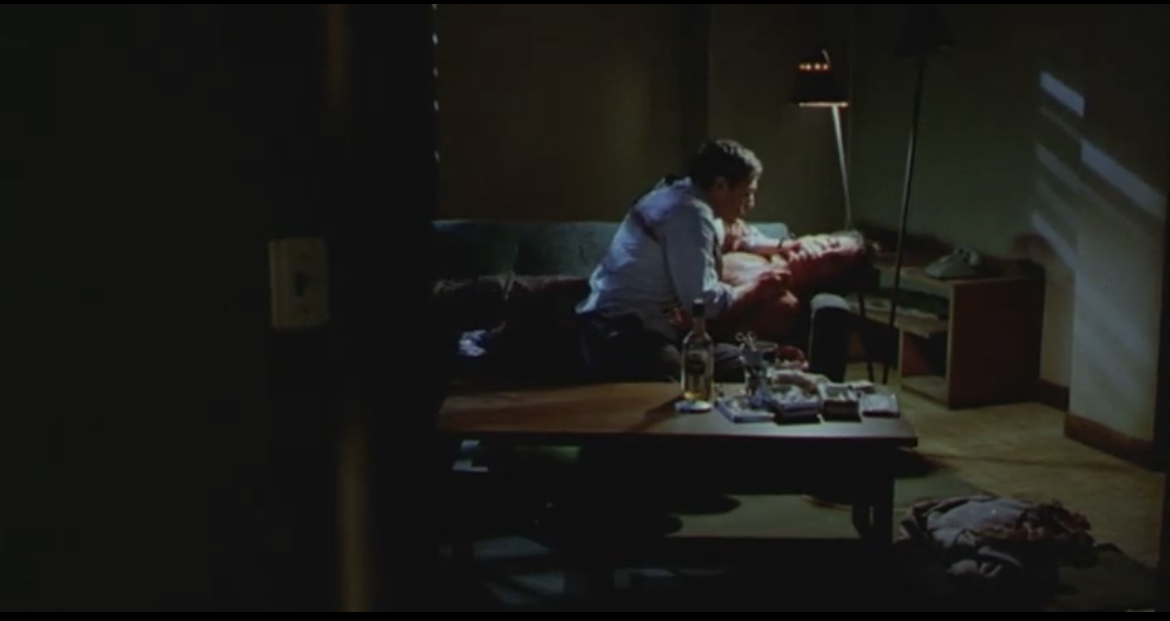
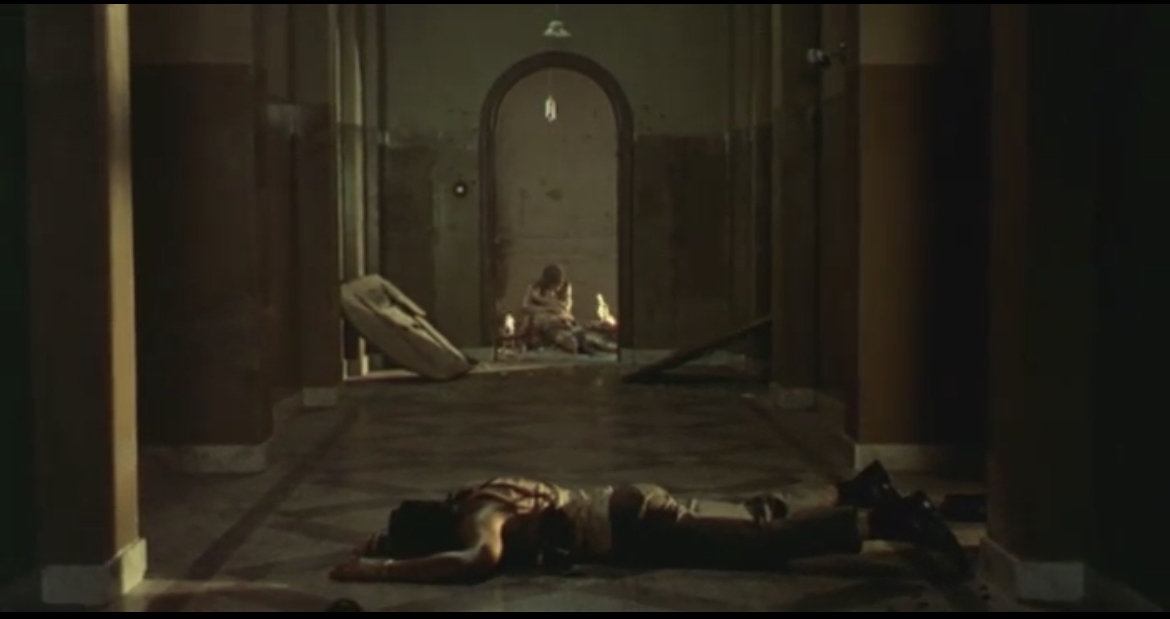
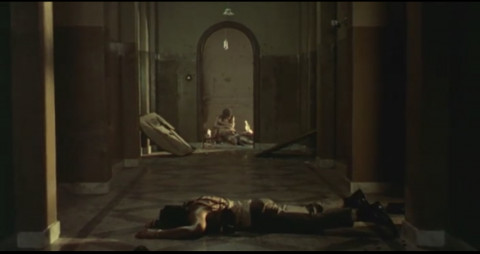
    Nene and Angel have a chaotic relationship dynamic. They met by chance when Angel was at his lowest and remained inseparable ever since. Through misunderstandings and lack of communication they make choices that ultimately led them to getting caught by the police. This still represents how their choices brought death to those around them (Cuervo's body) and their passion for one another (the fires on both sides of them of them/holding onto each other in their last moment).
    Timecode
    2:01:02
    Film Still
    Final Scene

    This is the art of photography and visual storytelling in a motion picture or television show. Cinematography comprises all on-screen visual elements, including lighting, framing, composition, camera motion, camera angles, film selection, lens choices, depth of field, zoom, focus, color, exposure, and filtration. Cinematography sets and supports the overall look and mood of a film’s visual narrative. Each visual element that appears on screen, a.k.a. the mise-en-scène of a film, can serve and enhance the story—so it is the cinematographer’s responsibility to ensure that every element is cohesive and support the story. Filmmakers often choose to spend the majority of their budget on high-quality cinematography to guarantee that the film will look incredible on the big screen.
    Point of View
    Point of View
    Comments
    The film uses a normal, standard lens to capture the events in each scene. A normal lens does not augment an object's size or weight which allows the audience to view the film from a normal perspective. This provides a natural viewing experience, allowing the audience to feel as if they were there witnessing the event and immersing oneself in the film.
    Timecode
    00:04:15
    Film Still
    normal lens
    Quality
    Quality
    Comments
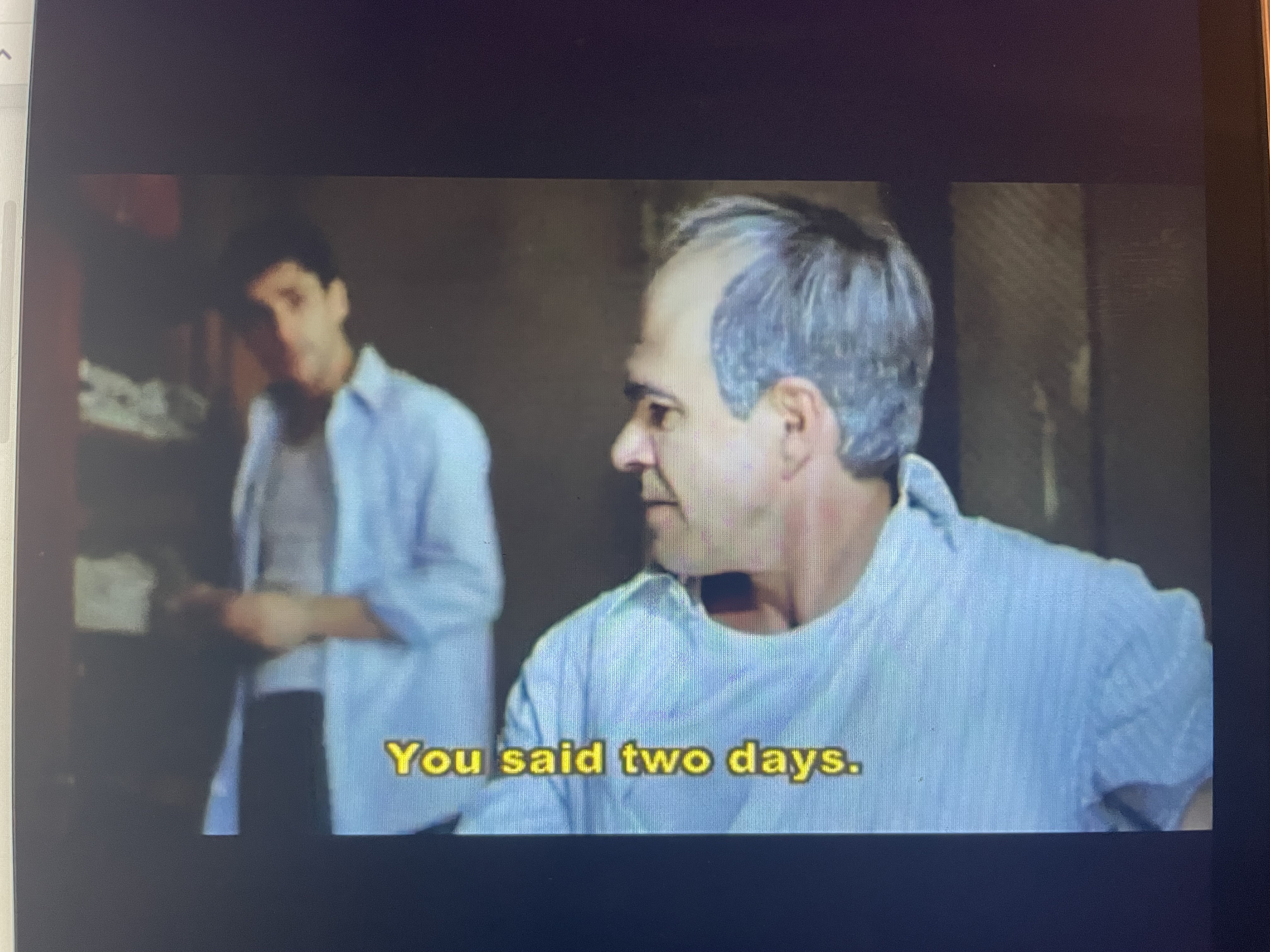
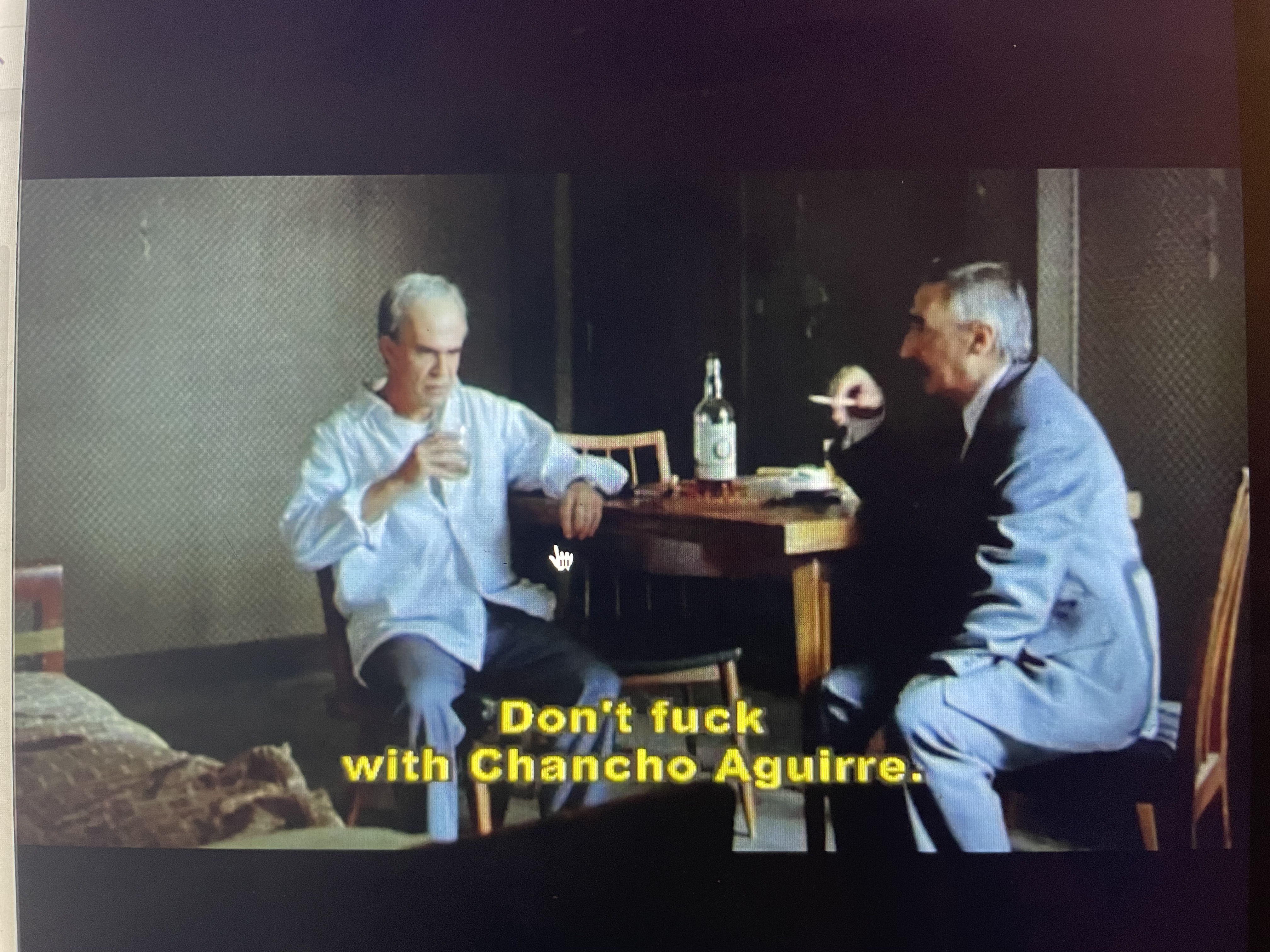
    Throughout the film there is consistent use of deep focus which allows for the actors and the background to be visible. Given that the majority of the film takes place inside buildings, the background would not distract from the dialogue and body language of the characters. However, it shifts to shallow focus when two characters are speaking to each other and they are at different distances from the camera. The first still represents two characters speaking from the same distance, deep focus is used in this example. The second still has Nene in the background and Fontana in the foreground. To demonstrate the physical distance and conflict between the two characters, shallow focus is used and the audience is not able to clearly see Nene’s features as he gets ready to go out. It is a stylistic choice meant to demonstrate conflict and disagreement in which neither character is able to see the other clearly.
    Timecode
    00:47:47;00:48:26
    Film Still
    deep focus
    shallow focus
    Framing
    Framing
    Comments
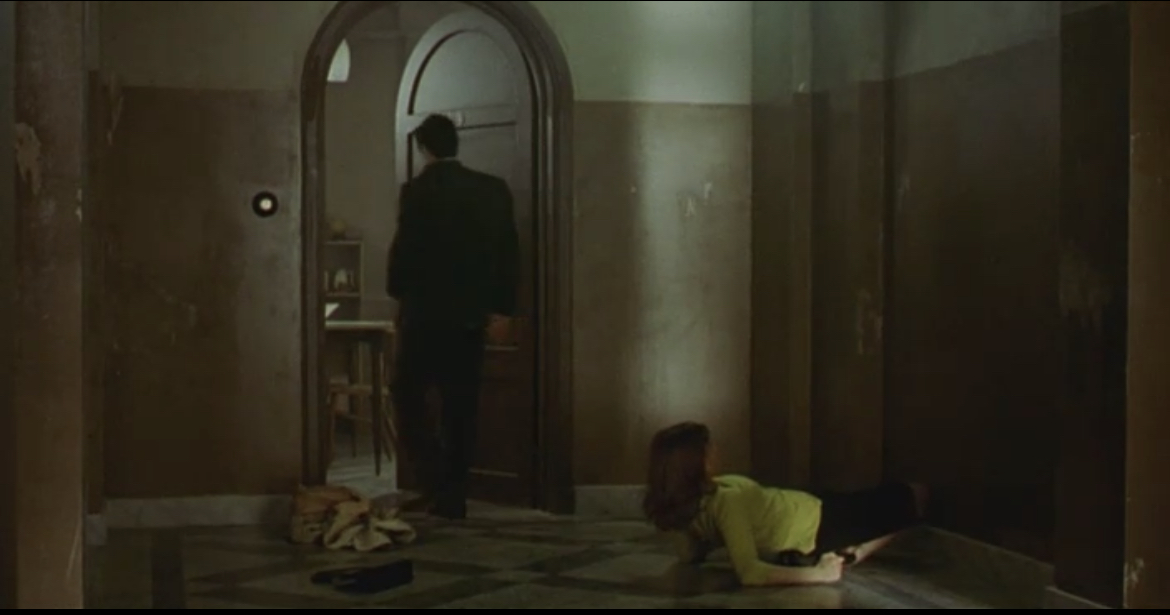
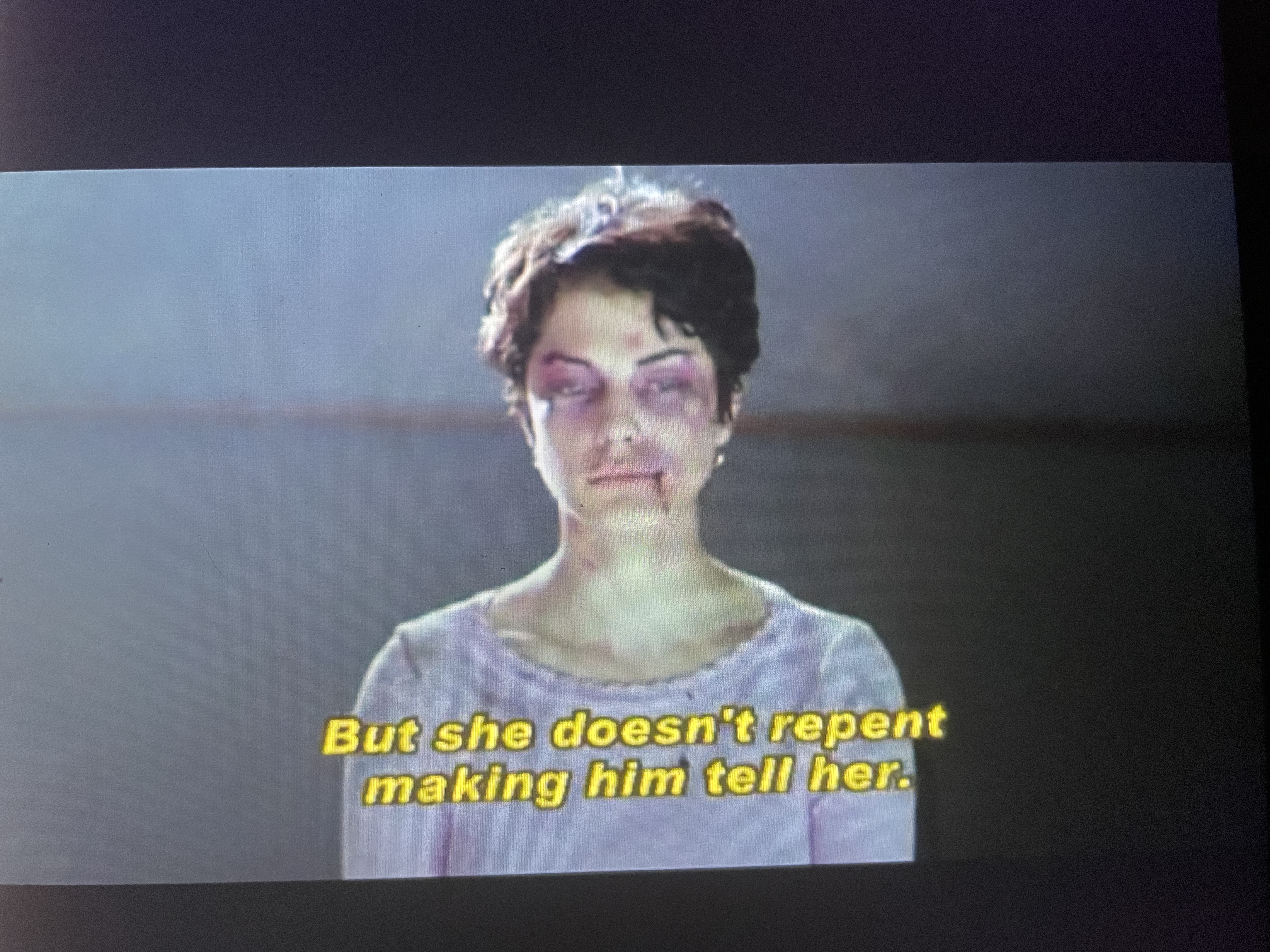
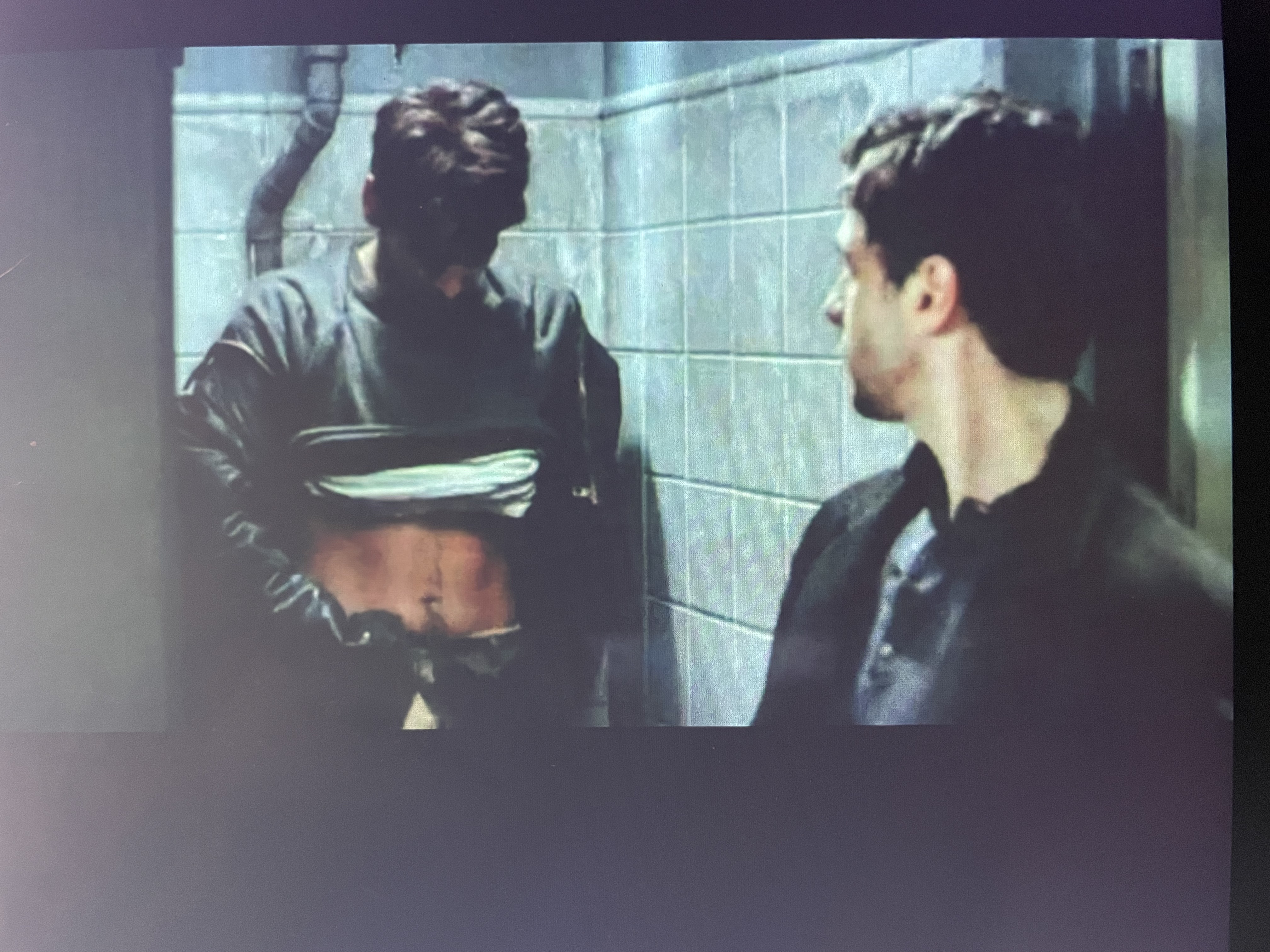
    The angle used in the film is eye-level. Since the lens is standard, using an eye-level angle strengthens the normal perspective of the audience. The audience is given a space that is on an equal level with the rest of the characters. As for the subjects themselves, they are not put into this position of power or inferiority by being placed within a low- or high-angle view. This idea is highlighted during the interrogation scene of Vivi. Despite being bruised and beaten, the eye-level angle does not place her as the victim but rather a valuable asset since she has information of the next hideout.
    Timecode
    00:27:40
    Film Still
    Vivi interrogation
    Scale
    Scale
    Comments
    The film uses many distance shots throughout the film. When establishing the location, long shots are used so that the audience can see both the setting and how the character interacts with their environment. This is seen in the first still when the characters arrive on the coast of Uruguay. When focusing on the characters themselves, medium shots are used which enhance the eye-level angle (example would be in the angle still). Close-up shots are used to highlight an important element within the film. Examples include the cigarette that Angel removes from Nene’s lips and the gun left behind at the robbery.
    Timecode
    00:30:25;00:16:04
    Film Still
    long shot
    gun left behind
    Movement
    Movement
    Comments
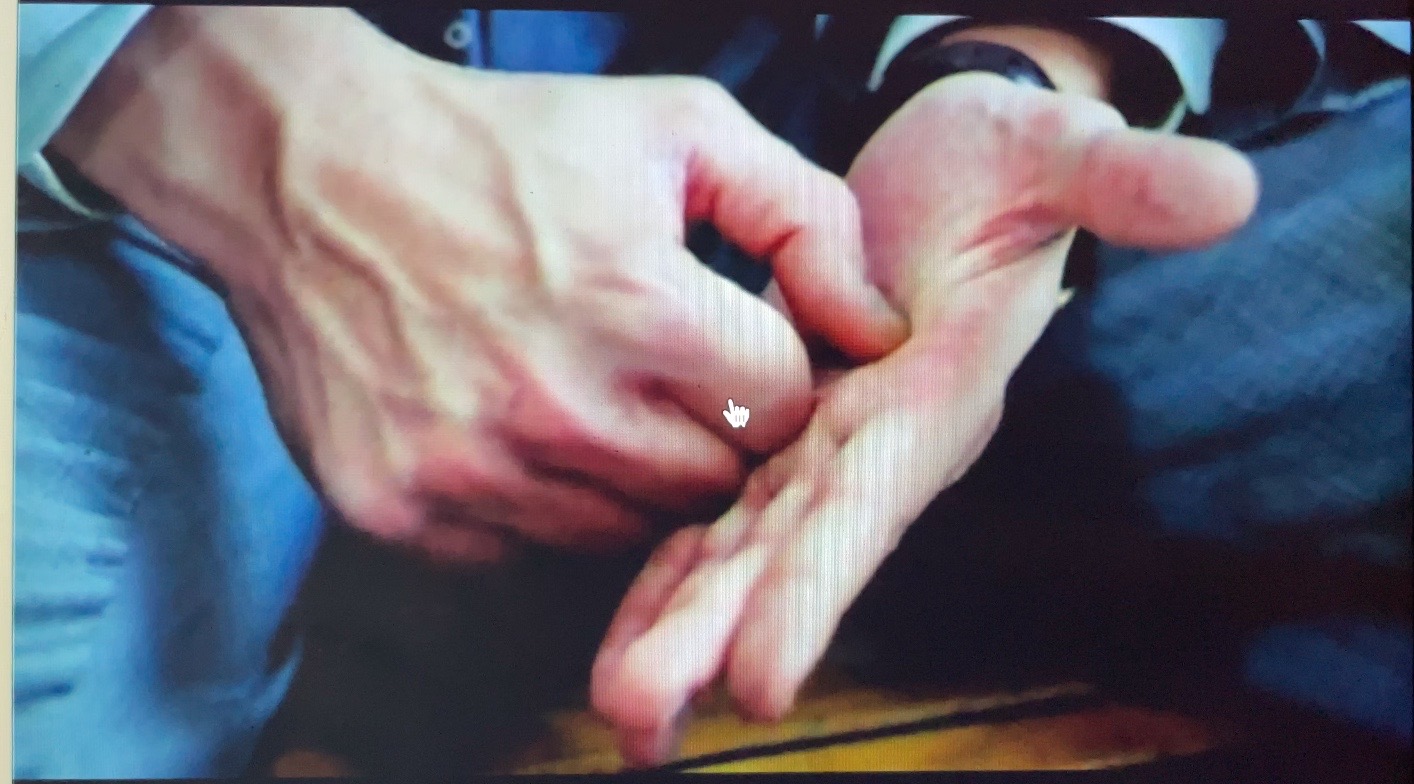
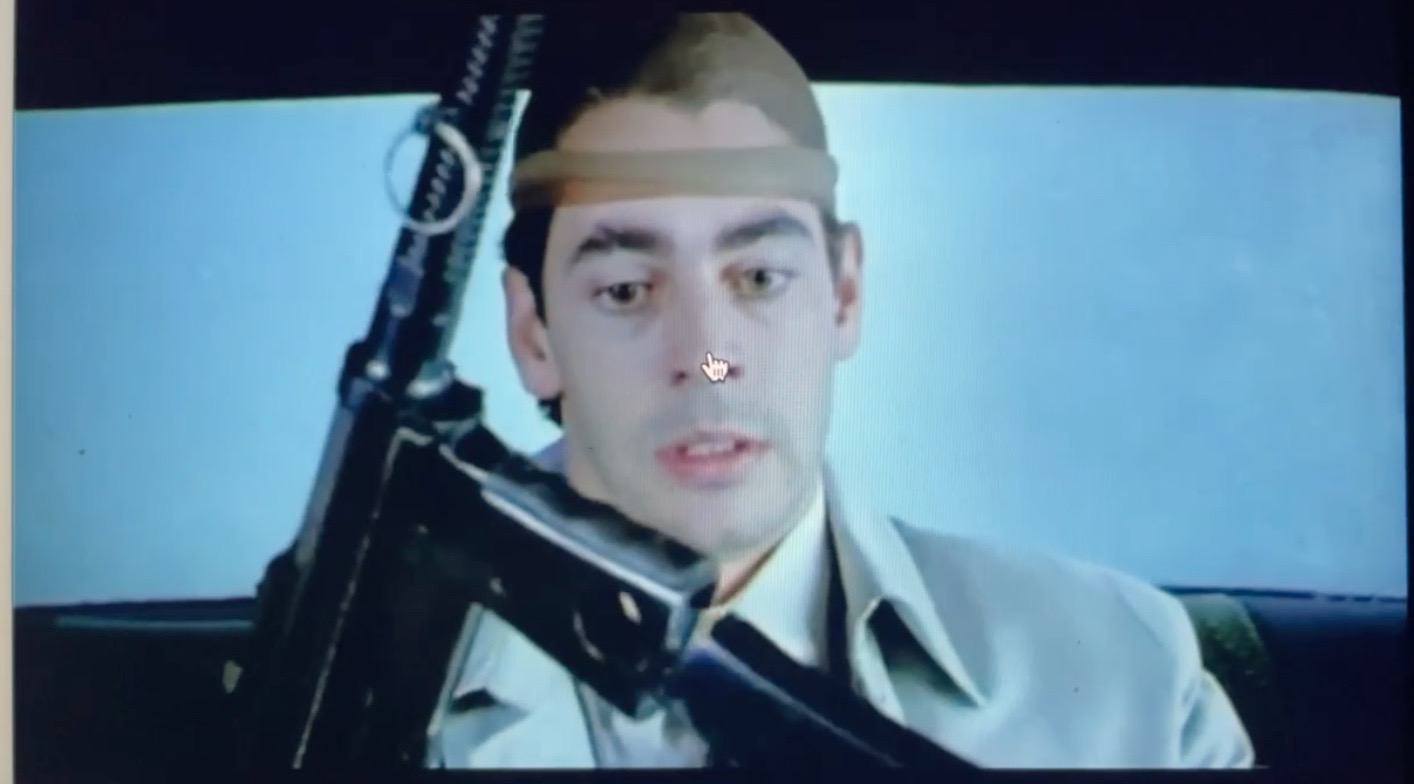
    There are certain scenes that use a vertical tilt up. It is first used to move from Angel’s hands to his face. The second instance of the vertical tilt up is from Angel again when he holds the gun moments before they rob the truck. Both scenes center around Angel on his way to the robbery. The use of this movement technique calls attention to Angel’s worried state of mind leading up to the robbery. The first still has Angel playing with his hands, a common nervous habit. By repeating the vertical tilt up, the audience can see that Angel has now focused on the mission since he is no longer playing with his hands.
    Timecode
    00:08:47;00:14:12
    Film Still
    hand touching
    holding gun

    Editing is the process of putting a film together–the selection and arrangement of shots and scenes. Editing can condense space and time, emphasize separate elements and bring them together, and organize material in such a way that patterns of meaning become apparent. In addition, editing can determine how a film is perceived: for instance, quick, rapid cuts can create a feeling of tension, while a long take can create a more dramatic effect. The first photoplays generally had no cutting, owing to the fact that they were single-reel films; once filming began, you could not stop until the film ran out. (https://filmglossary.ccnmtl.columbia.edu/term/editing/)
    Coherence, Continuity, and Rhythym
    Comments
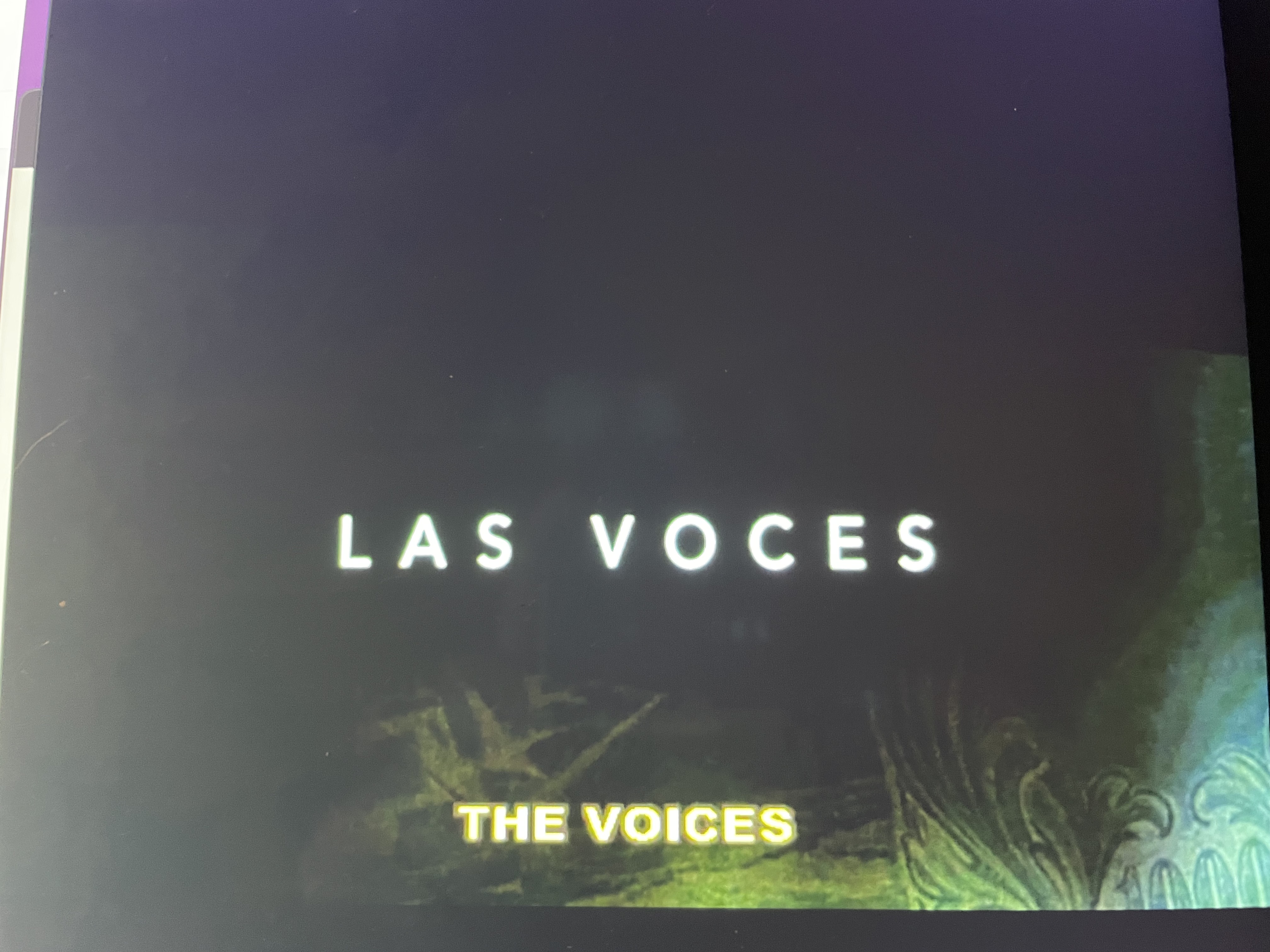
    The rhythm and pace of the film is disjointed. The quick cutting of the scenes and the jump cuts as transitions does not allow for a smooth flow in pace. There are also periods of time that are unaccounted for such as the robbers getting on the boat. Instead there are section placeholders to show a shift in time and narration which is shown in the first still (the voices).
    Timecode
    00:28:12
    Film Still
    section title
    Editing Style
    Editing Style
    Comments
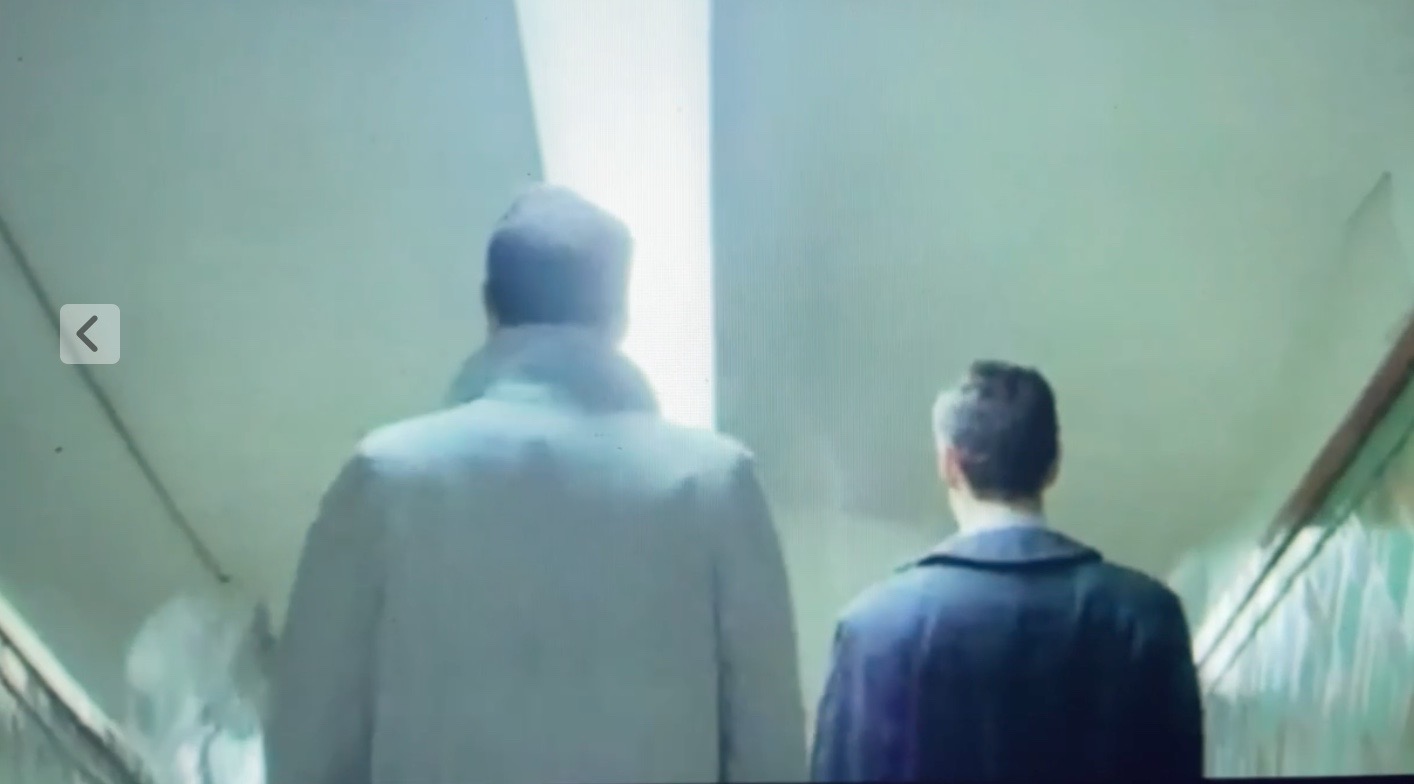
    In order to provide structure for the jump cuts in each scene, continuity editing was done. It allows for each cut to add information to the scene. For instance, when Nene and Angel are walking down the stairs during their introduction there are 3 cuts. The first is of Nene’s face, the second is of Angel’s face, and the third is of their backs as they walk down the stairs. By providing continuity in each cut, it brings up the idea that despite sharing a physical space, there exists a separation between them which reflects in the cuts. The same is done with all the other characters. Even though they are doing the job together they are still individuals who are in it for themselves.
    Timecode
    00:03:29
    Film Still
    walking down stairs
    Transitions
    Comments
    Since the film uses quick cutting, the transition technique used are sudden jump cuts. However, there is use of a fade in transition during Angel’s monologue on the boat trip to Uruguay. While Angel is narrating, the boat fades in to show Angel’s body laying down by the door. Since this scene is the only instance of the fade-in technique, it highlights the shift in narration. It also creates a dream-like state in which the audience is gaining insight into Angel’s thoughts and mental health.
    Timecode
    00:28:20
    Film Still
    fade-in
    Expansion and Compression of Time
    Expansion and Compression of Time
    Comments
    The film consistently uses quick cutting. In one scene there are multiple cuts to various locations throughout the room. It allows the audience to shift between various perspectives, allowing them to see all sides of the location and the characters. It also makes sure that the audience is never bored since there are constant changes, even during dialogue.
    Timecode
    01:12:40
    Film Still
    cuts displaying various angles
    Editing General Comments

    Sound is an integral part in a film. It refers to everything that the audience hears including sound effects, words and music. Sound is used in films for various purposes, including: providing the information to the viewer about the location of the scene, heightening the mood, telling the audience about the characters and advancing the plot. Every person who watches a film realizes that the choice of voices, soundtrack and music present in a film affect the way that the viewer perceives a particular film. As a result, the sound is an important and integral element of the film, one that determines the way that the viewer experiences and understands a film as a visual experience.

    Sound Type

    Narrative analysis is an examination of the story elements, including narrative structure, character, and plot. A narrative can be considered to be the chain of events in a cause-effect relationship occurring in time and space. In order to analyze the narrative of a film, we need to first make the distinction between the plot of the film and the story of the film. This is sometimes referred to as the discourse and story of a film. Narrative may also be called the story thought story mainly refers to the events that describe the narrative.

    Plot Comments
    Story Comments
    Narrator Type
    Narrative Structure

    Film genres are various forms or identifiable types, categories, classifications or groups of films. (Genre comes from the French word meaning "kind," "category," or "type"). These provide a convenient way for scriptwriters and film-makers to produce, cast and structure their narratives within a manageable, well-defined framework. Genres also offer the studios an easily 'marketable' product, and give audiences satisfying, expected and predictable choices. Genres refers to recurring, repeating and similar, familiar or instantly-recognizable patterns, styles, themes, syntax, templates, paradigms, motifs, rules or generic conventions.

    Category
    Bibliography

    Piñeyro, Marcelo, director. Plata Quemada. Oscar Kramer Films and Cuatro Cabezas Films, 2000.