
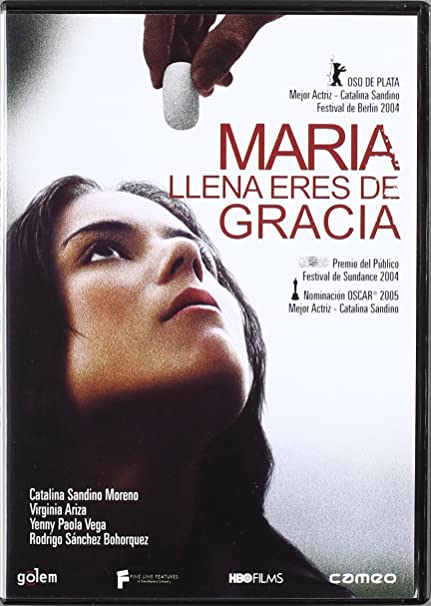
María Alvarez es una chica de diecisiete años de Colombia, y trabaja en una plantación de flores. Ella apoya a su familia, pero deja su trabajo. Después de aprender que está embarazada y se niega un matrimonio con el padre del bebé, ella sale para buscar trabajo en Bogotá. Un conocido nuevo, Franklin, le presenta a un jefe del tráfico de drogas, quien le ofrece un trabajo. Ella acepta el papel después de conocer a Lucy, una mula de drogas. María y su amiga Blanca tragan las pastillas de drogas y viajan a Nueva York. Después de llegar, María tiene un altercado con los funcionarios de aduanas, pero ellos le dejan porque no pueden hacer un X-ray. Después, dos hombres de la operación de drogas traen las mulas a un hotel, para devolver las drogas. Lucy está muy enferma, y una noche, María descubre que Lucy ha desaparecido y que la bañera está llena de sangre. María sale con Blanca para encontrar a la hermana de Lucy, Carla. Ella miente a Carla sobre Lucy, y ella las ayuda mucho. Pero, Don Carlo, un amigo de Carla le dice la verdad, y Carla las echa. Después, María y Blanca devuelven las drogas a los traficantes de drogas, y reciben el dinero. María da una porción grande del dinero a Carla para ayudar con el funeral de Lucy. Después de visitar una clínica local y una conversación importante con Carla, María decide quedarse en los Estados Unidos. En la escena final de la película, Blanca sube al vuelo para regresar a Colombia y María se queda.
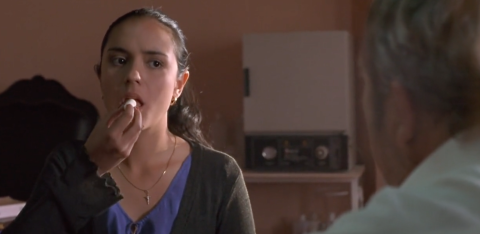
Describes the setting of a scene in a play or a film. It refers to everything placed on the stage or in front of the camera—including people. In other words, mise en scène is a catch-all for everything that contributes to the visual presentation and overall “look” of a production. When translated from French, it means “placing on stage.”
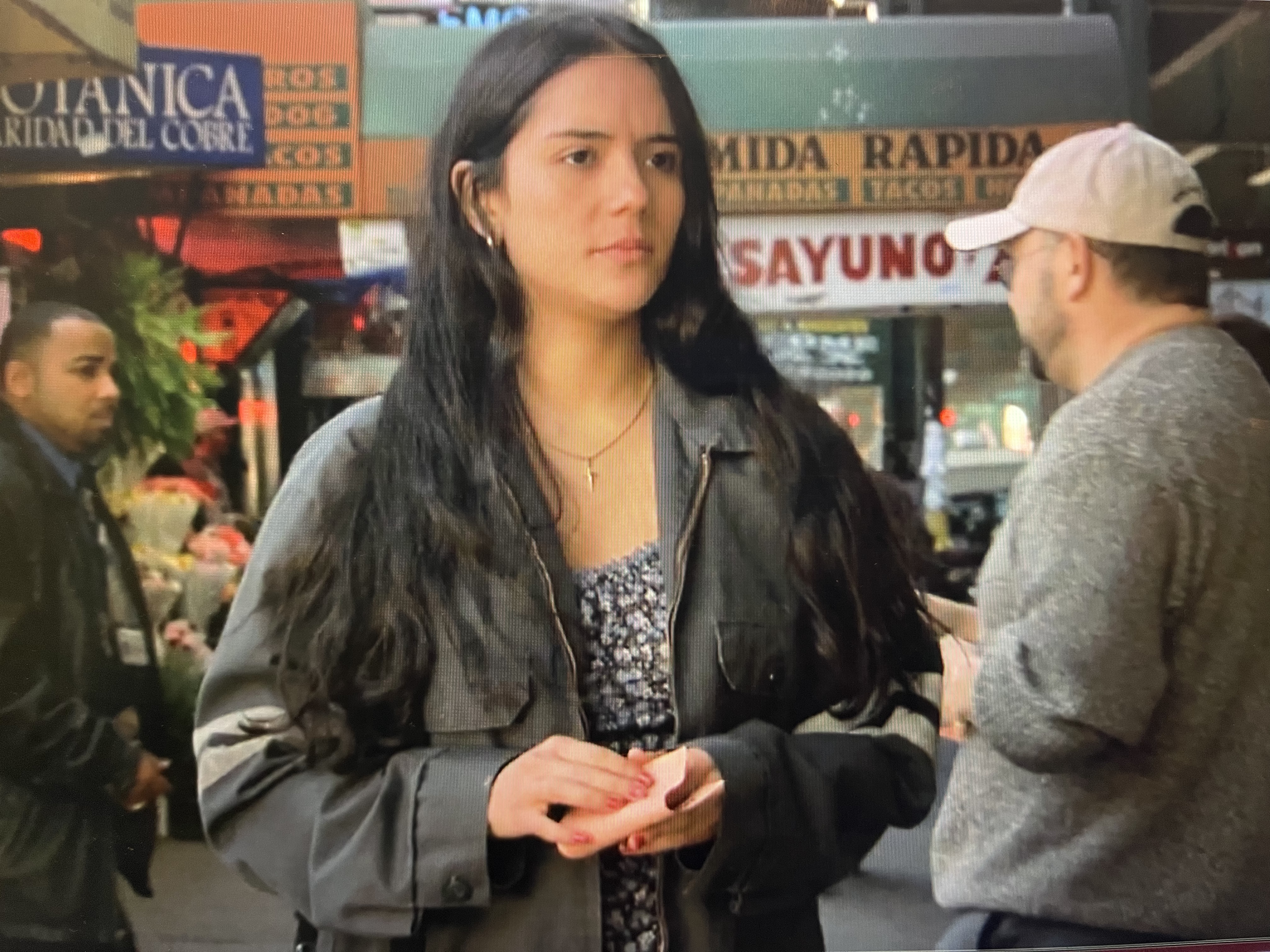

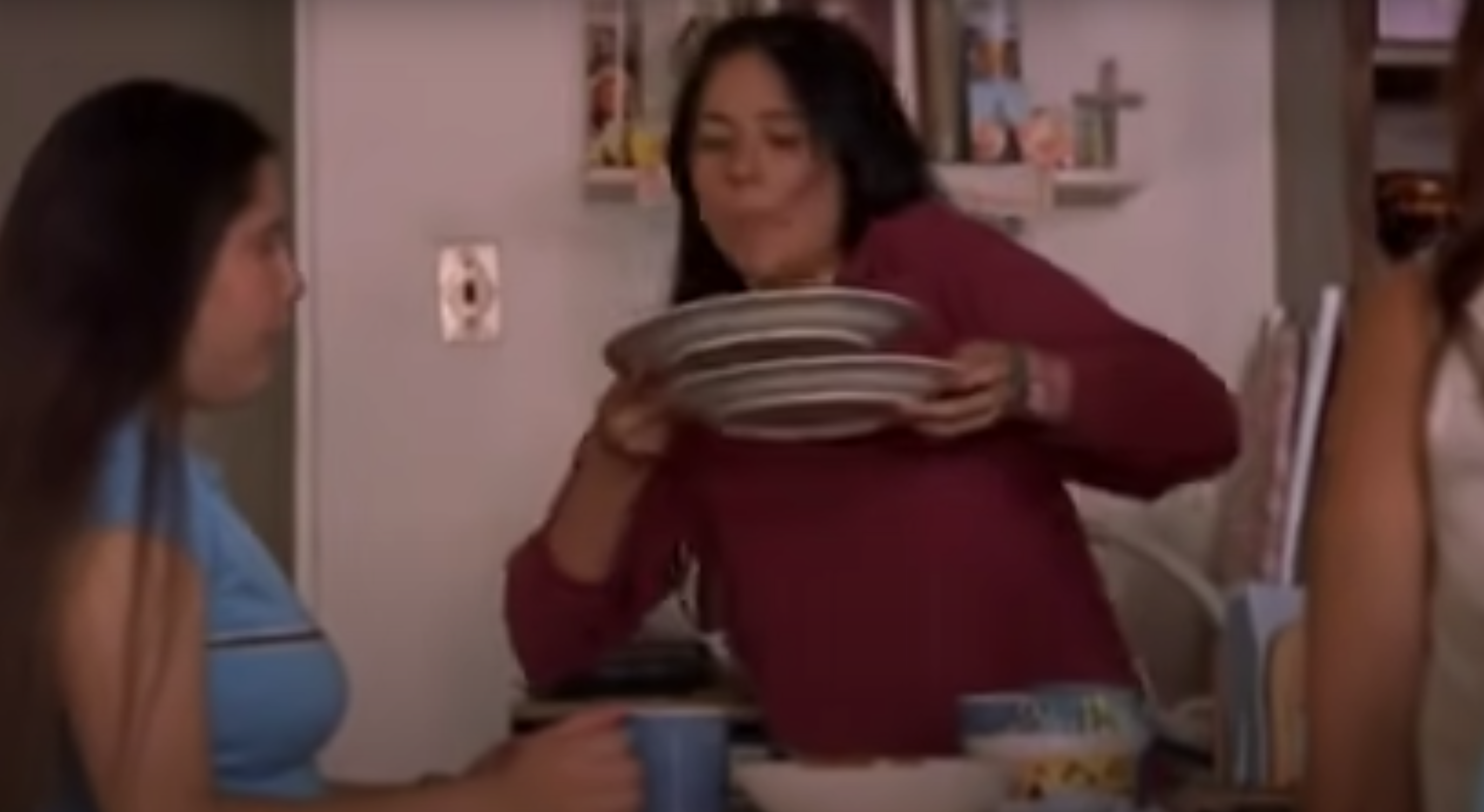
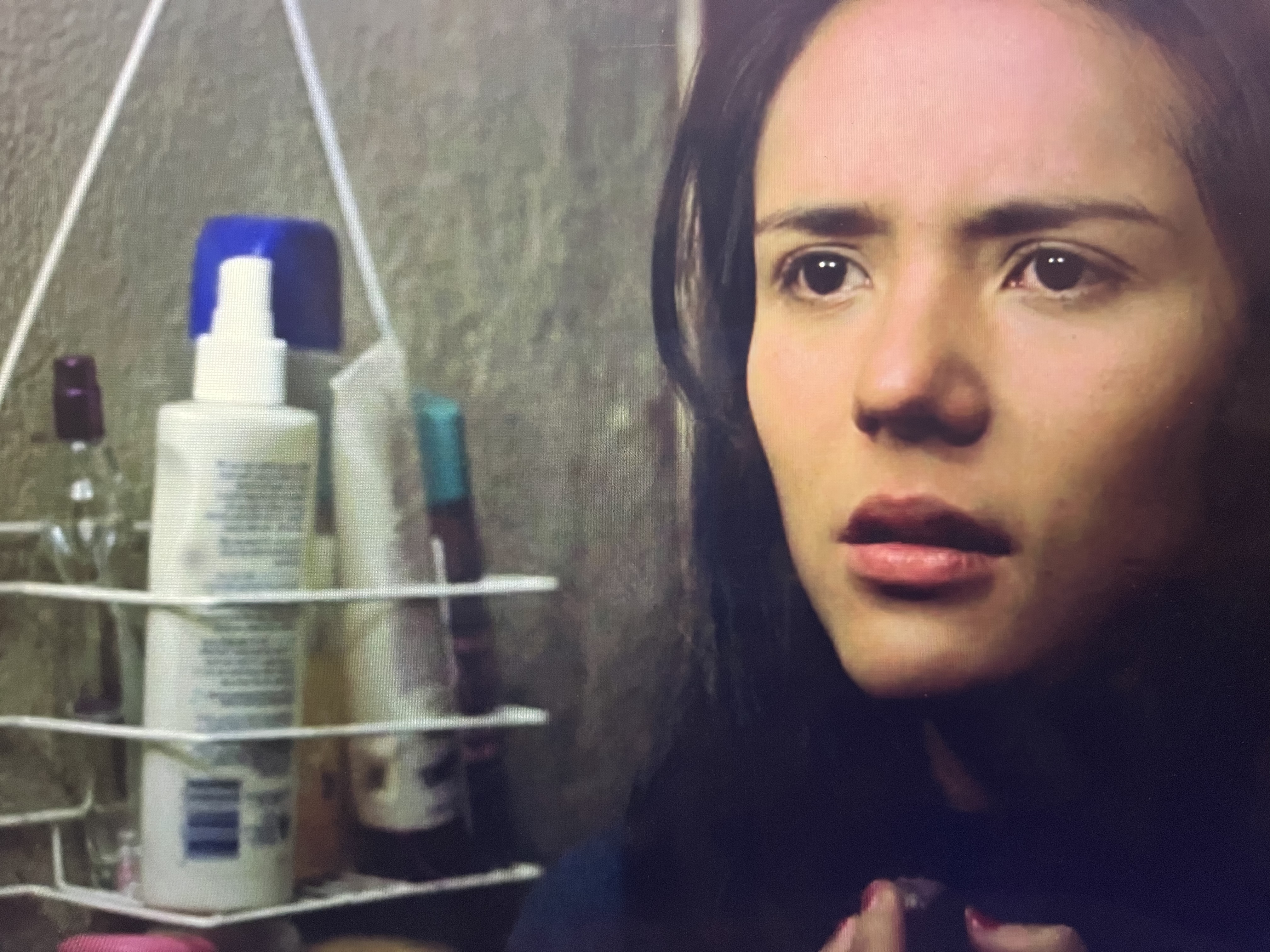
Por ejemplo, en la primera escena, María está en el baño de su casa en Colombia, donde está practicando tragar las drogas con uvas largas. Es obvio que tiene miedo y ella se obliga a hacer la misión.
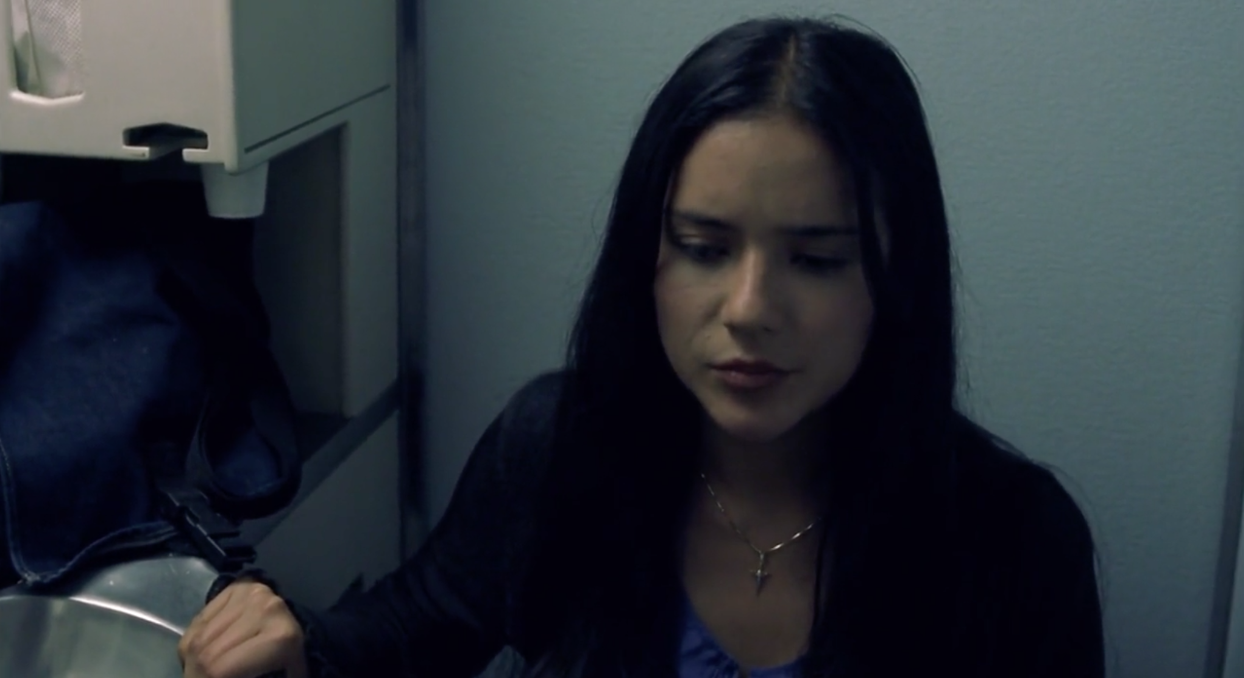
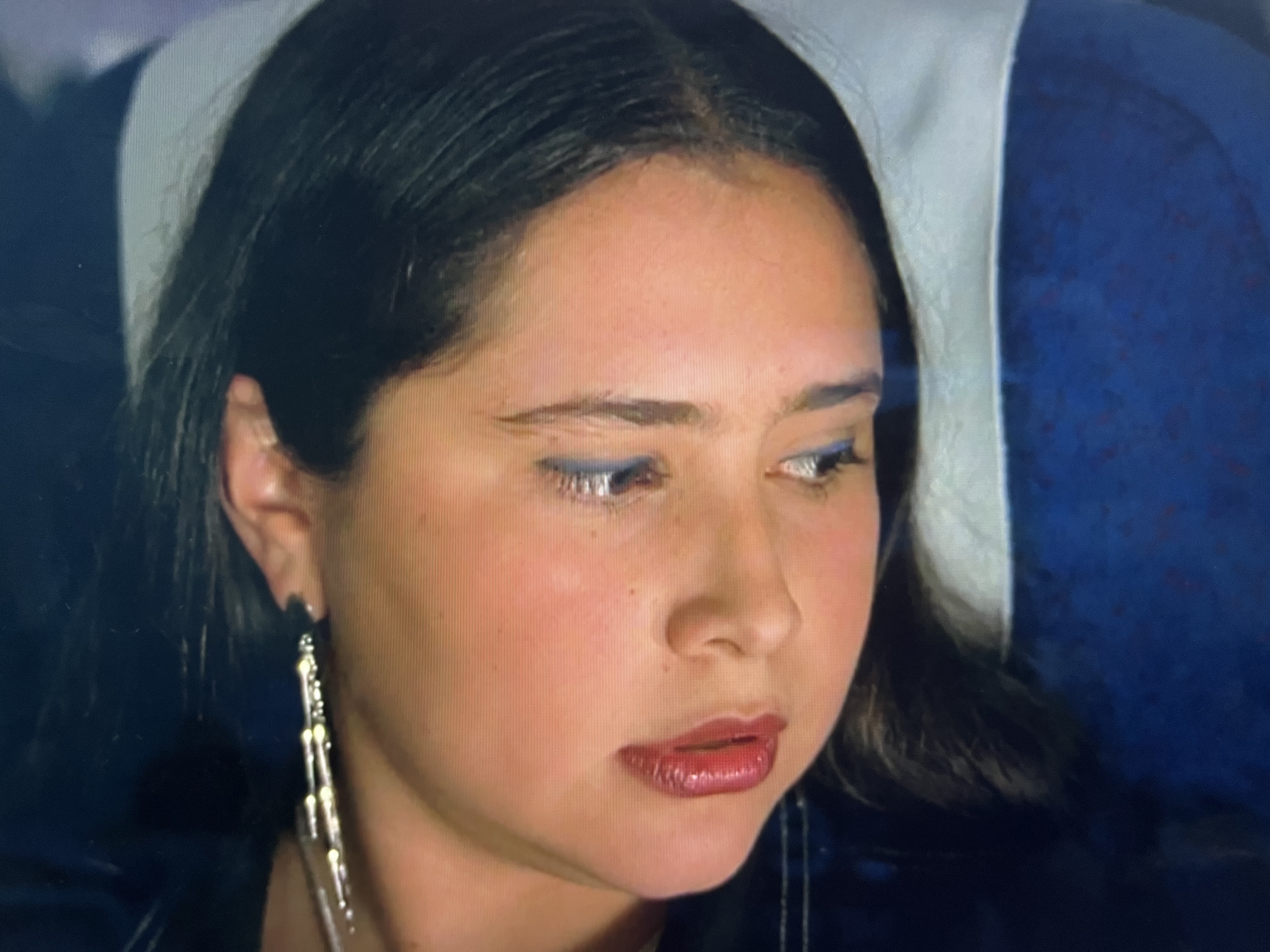
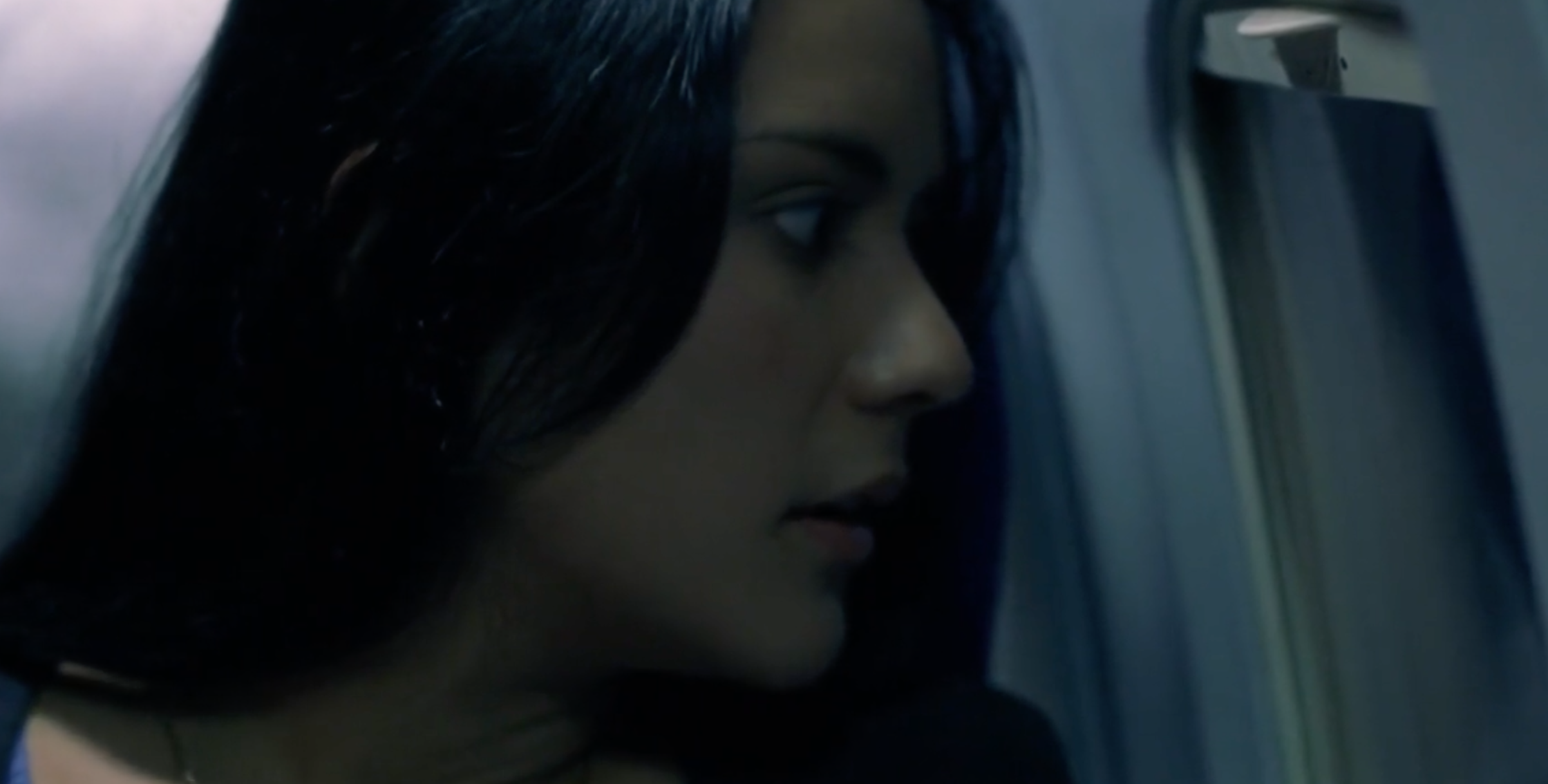
Además, en la segunda escena, ella está en el baño del avión, cuando está viajando a Nueva York. Ella se siente muy mal, pero no hay otras opciones, y tiene que seguir con el plan. Puede ver que no hay muchas fuentes de iluminación en el plano, y para el espectador, el contraste entre María y el fondo es mínimo. Ella se convierte en un objeto de la historia.
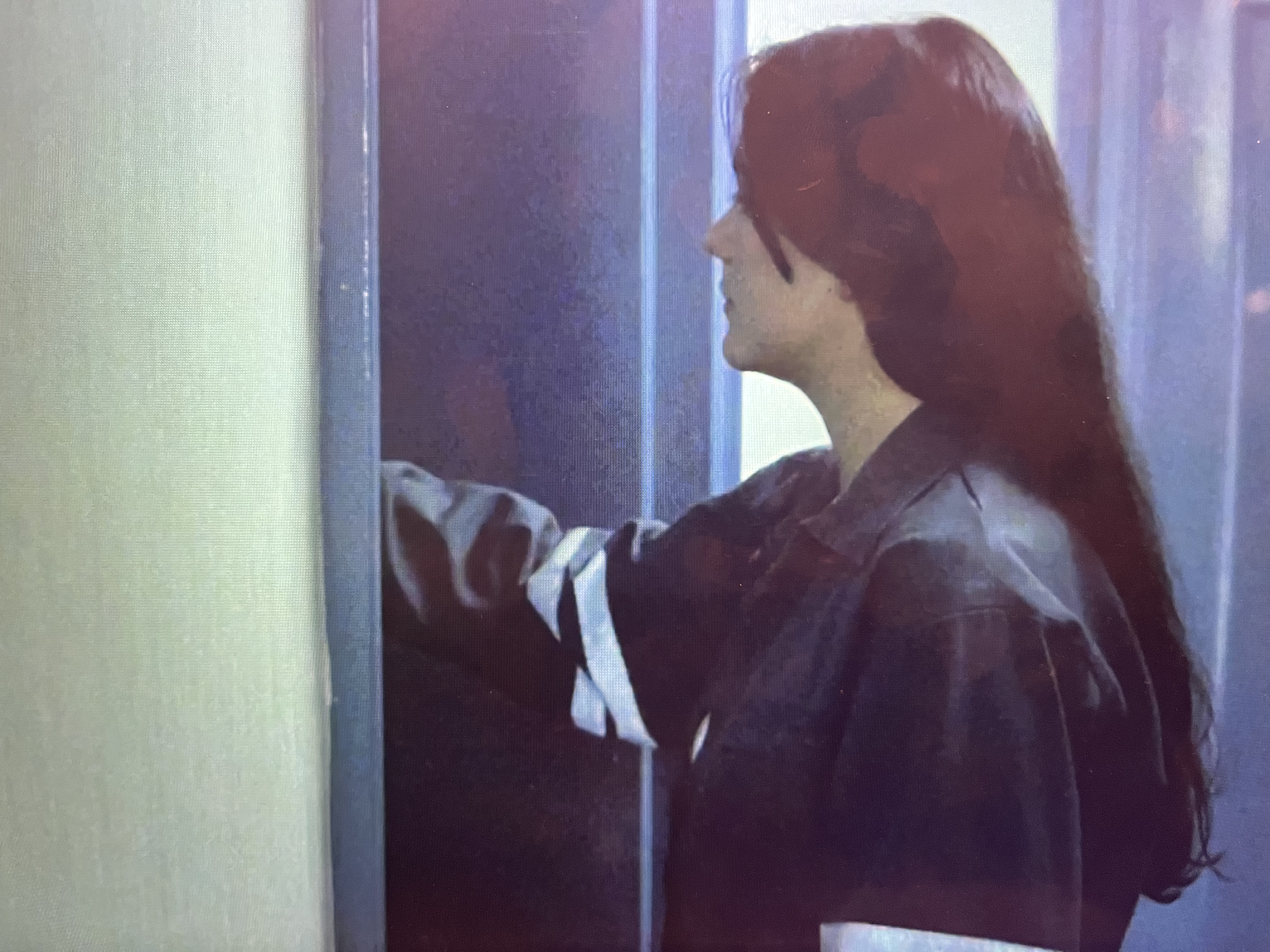
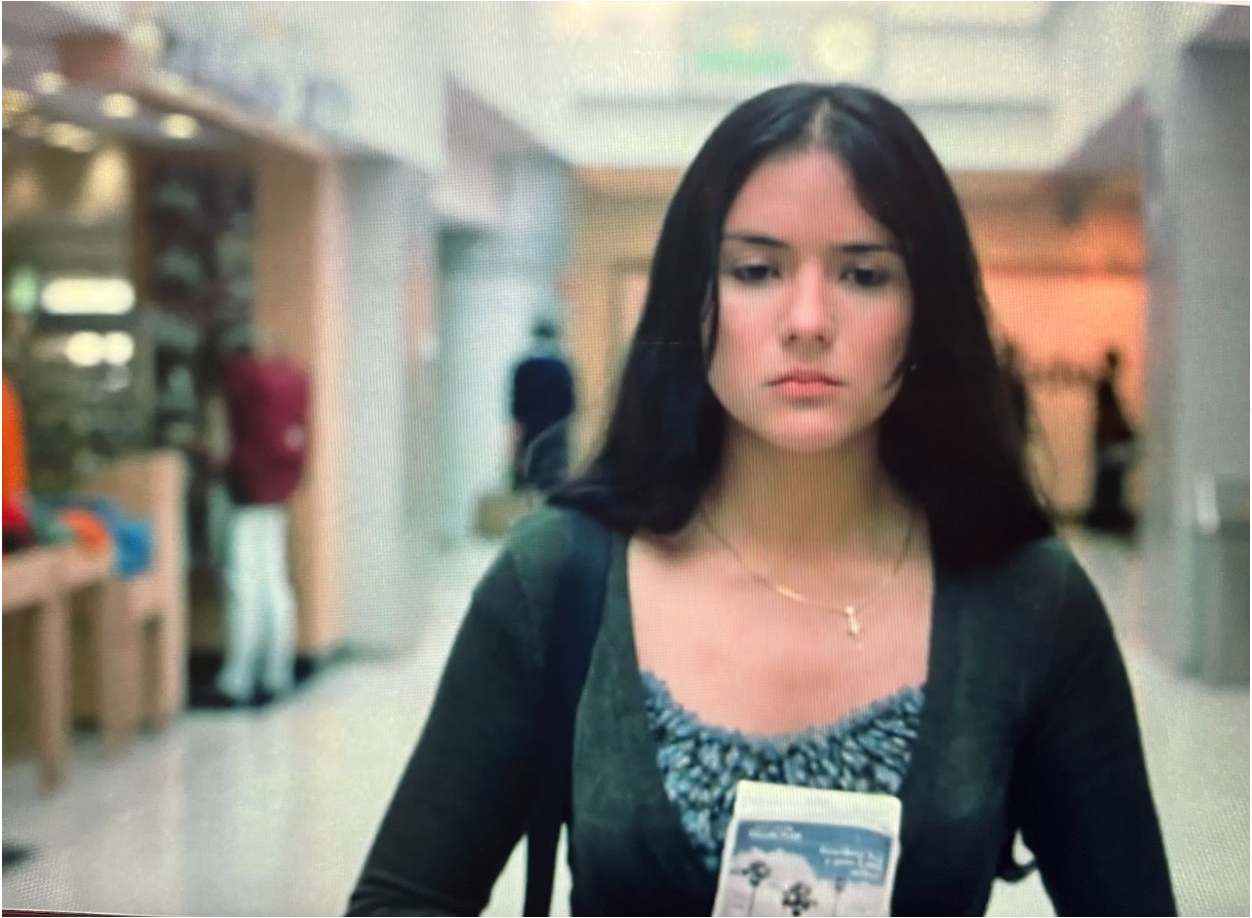
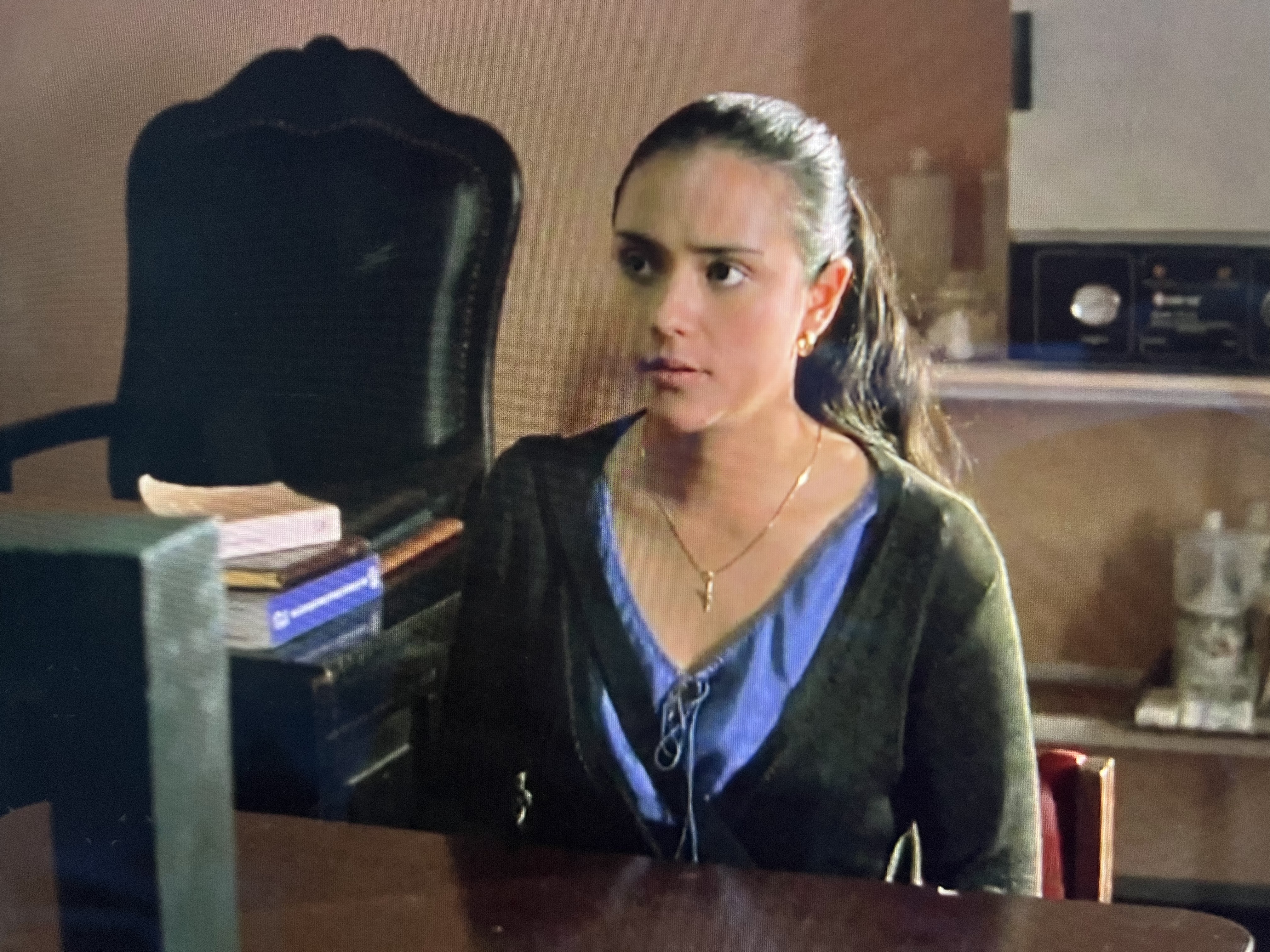
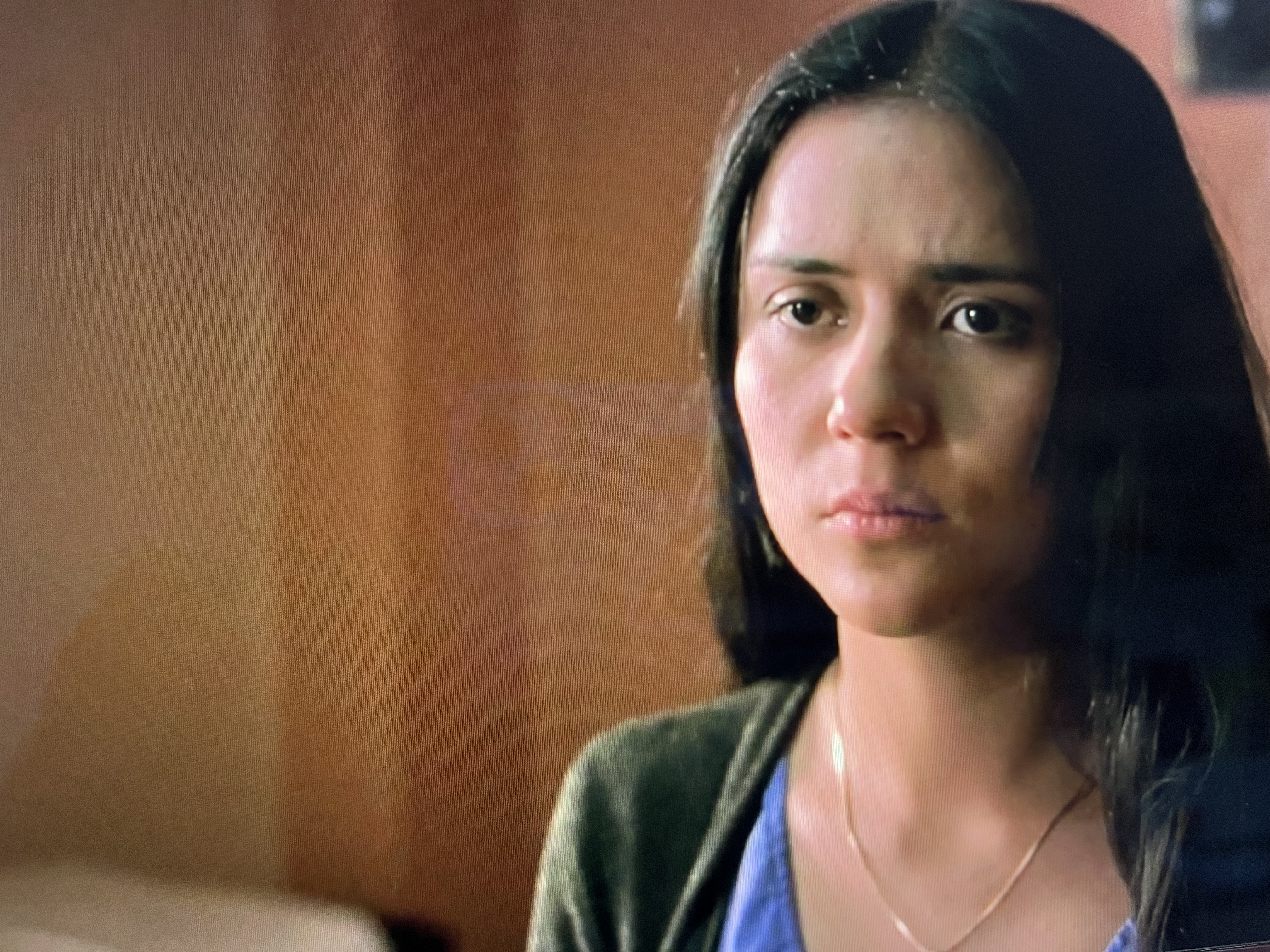
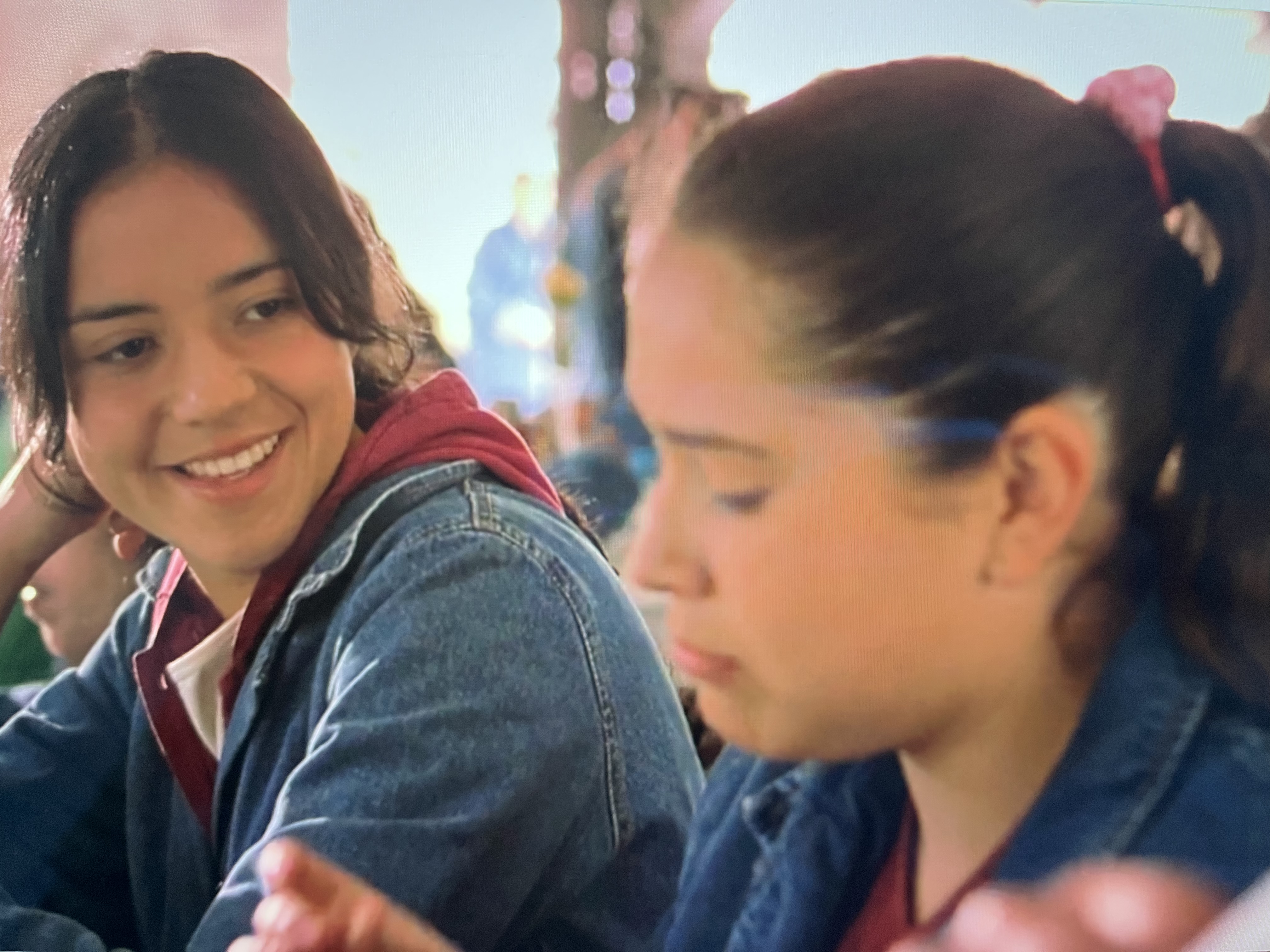
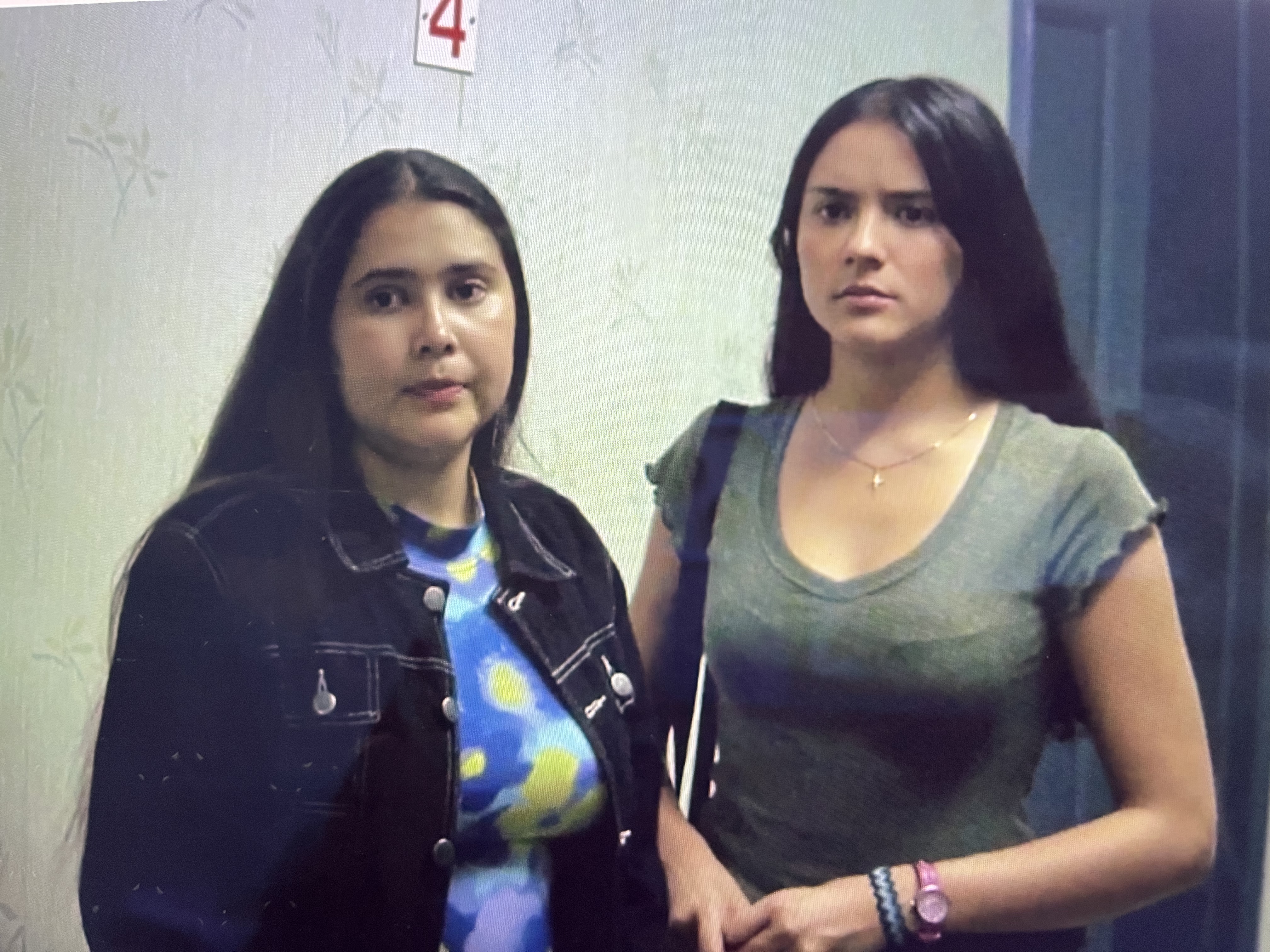
En esta escena, Blanca y María están afuera de la casa de Carla. En su lenguaje corporal y expresiones faciales, puede ver el sentimiento de descontento. Ambas de sus cuerpos son muy rígidos, y sus miradas muy vacías. No tienen ninguna sonrisa, y el espectador puede sentir la falta de esperanza.
Especialmente, esta escena es después de que Blanca también ha llegado a la casa de Carla. A pesar de su argumento con María ayer, ella regresa porque no tiene otras opciones. La reunión es muy severa porque ambas saben que están en una ciudad extranjera, sin familia, sin amigos, sin ayuda. Y entonces, ambas saben que tienen que hacer lo que pueden para protegerse y sobrevivir. Es probable que debido a su moralidad y la fe, estás decisiones sean muy difíciles.
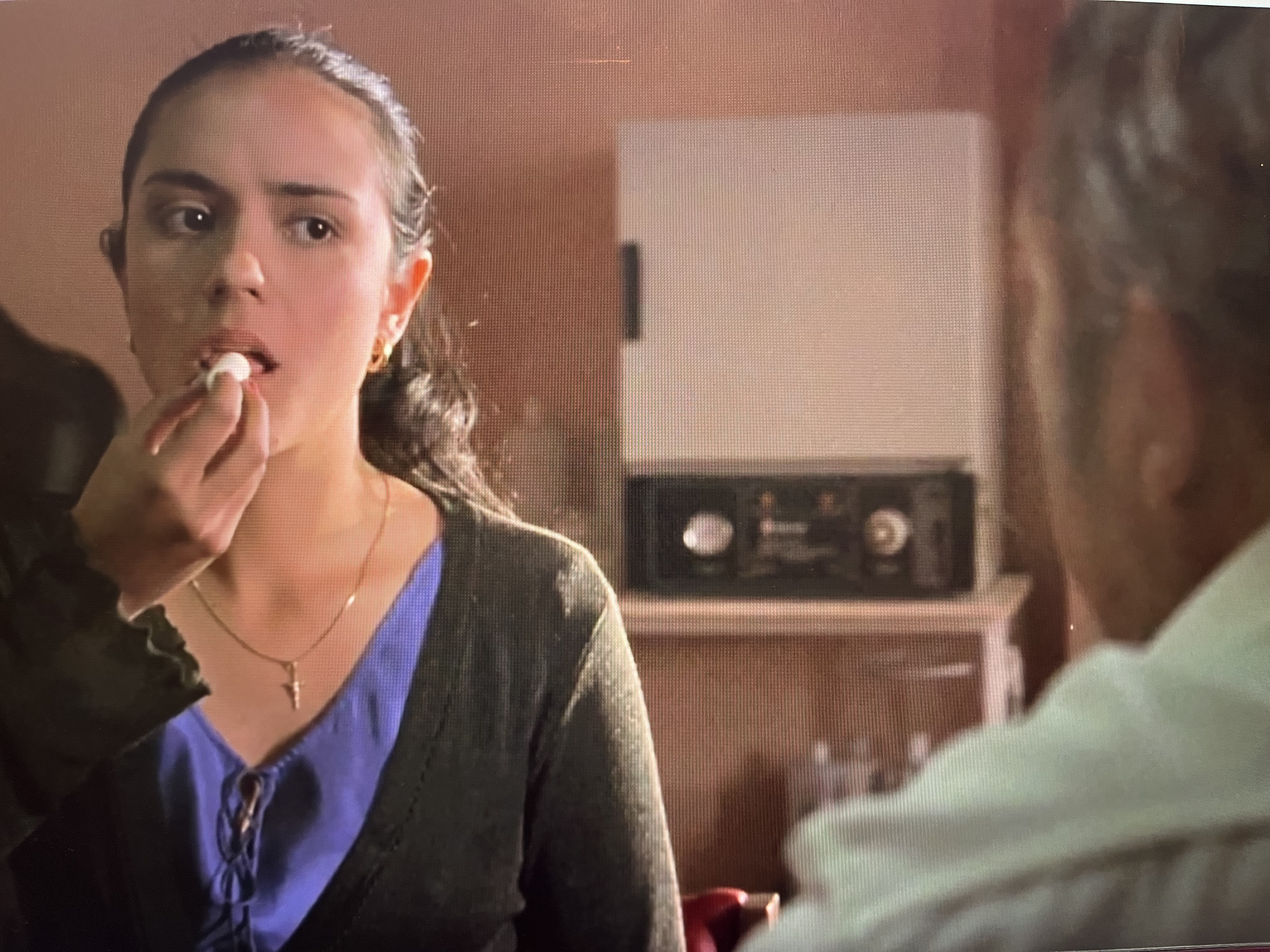
This is the art of photography and visual storytelling in a motion picture or television show. Cinematography comprises all on-screen visual elements, including lighting, framing, composition, camera motion, camera angles, film selection, lens choices, depth of field, zoom, focus, color, exposure, and filtration. Cinematography sets and supports the overall look and mood of a film’s visual narrative. Each visual element that appears on screen, a.k.a. the mise-en-scène of a film, can serve and enhance the story—so it is the cinematographer’s responsibility to ensure that every element is cohesive and support the story. Filmmakers often choose to spend the majority of their budget on high-quality cinematography to guarantee that the film will look incredible on the big screen.
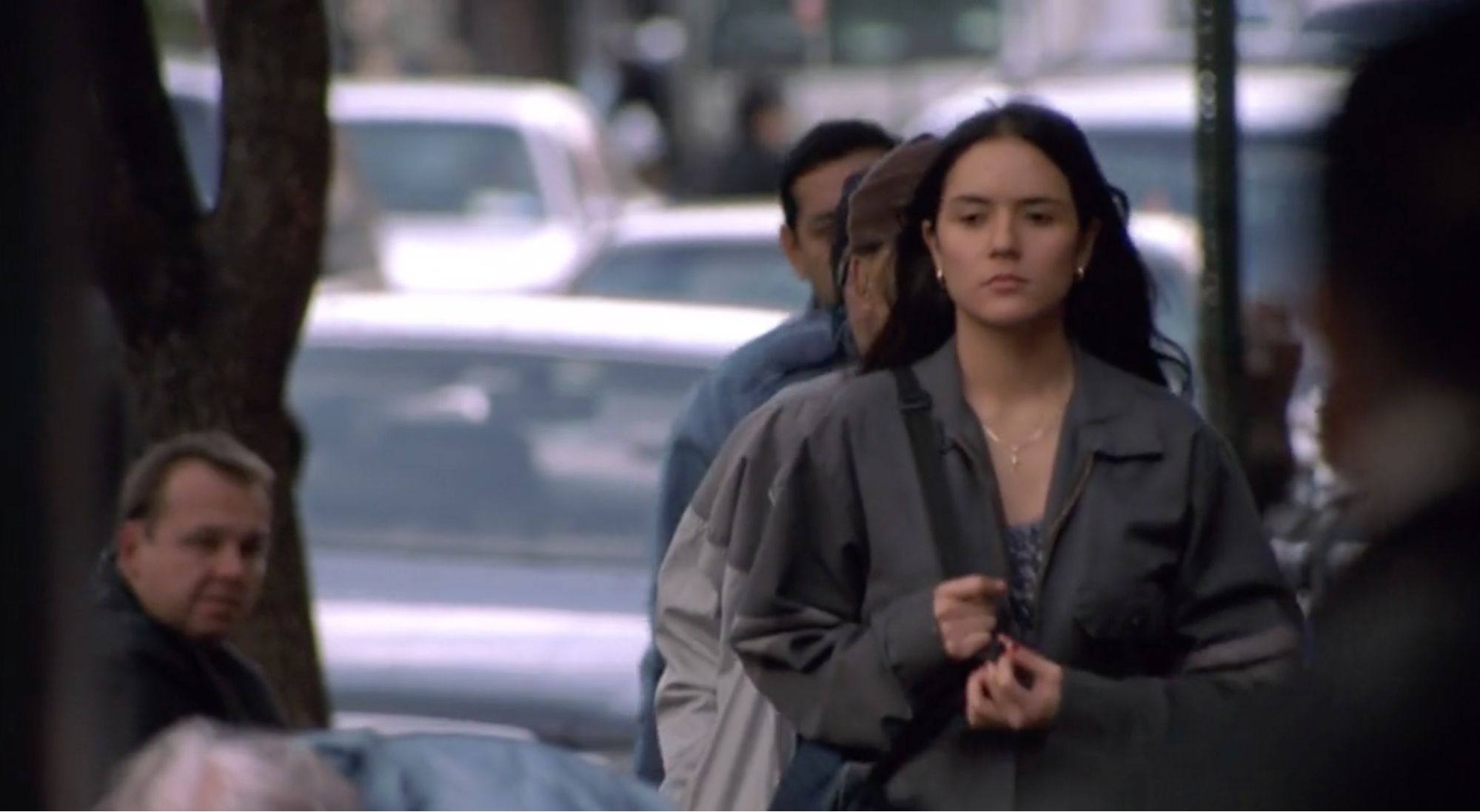
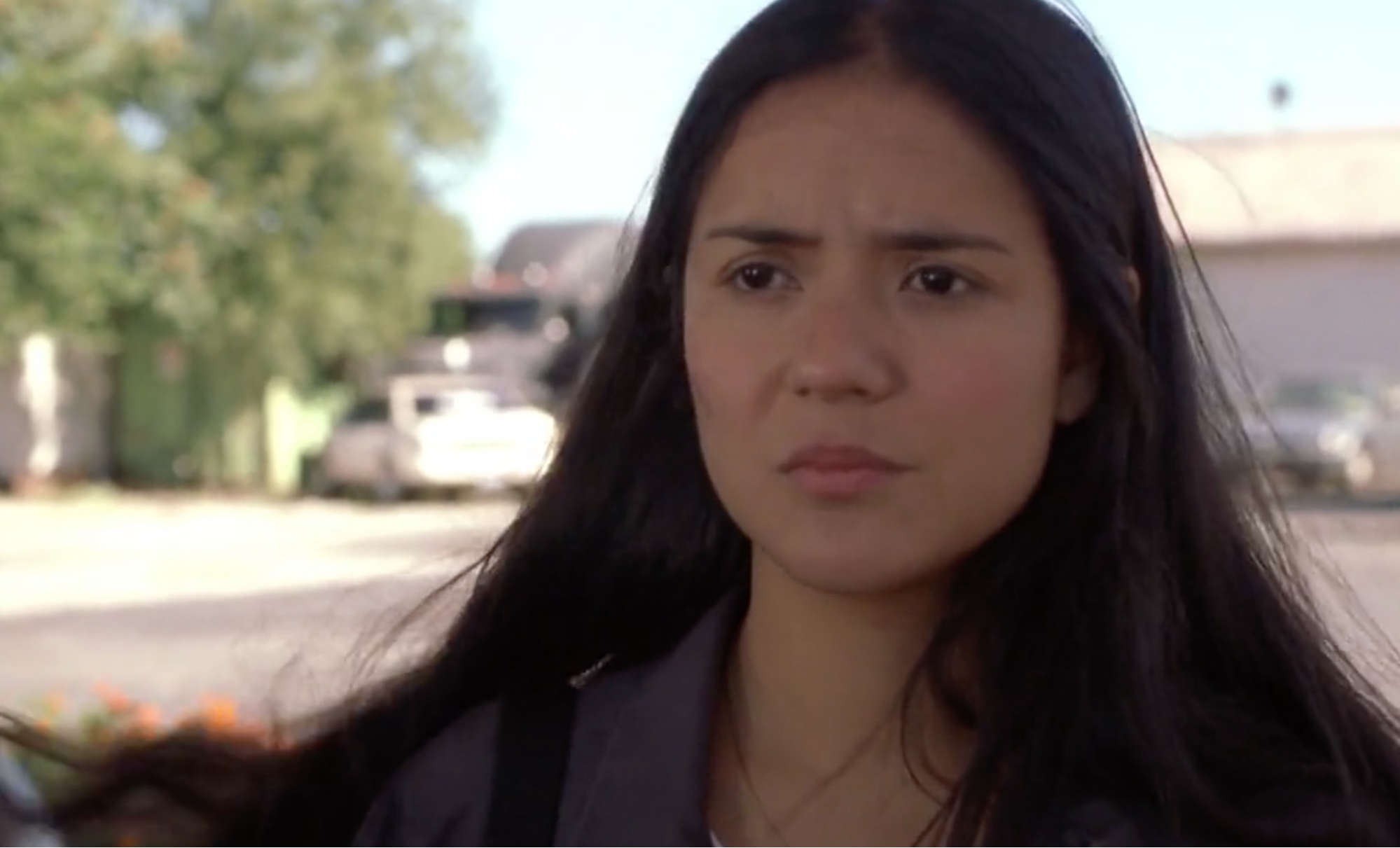


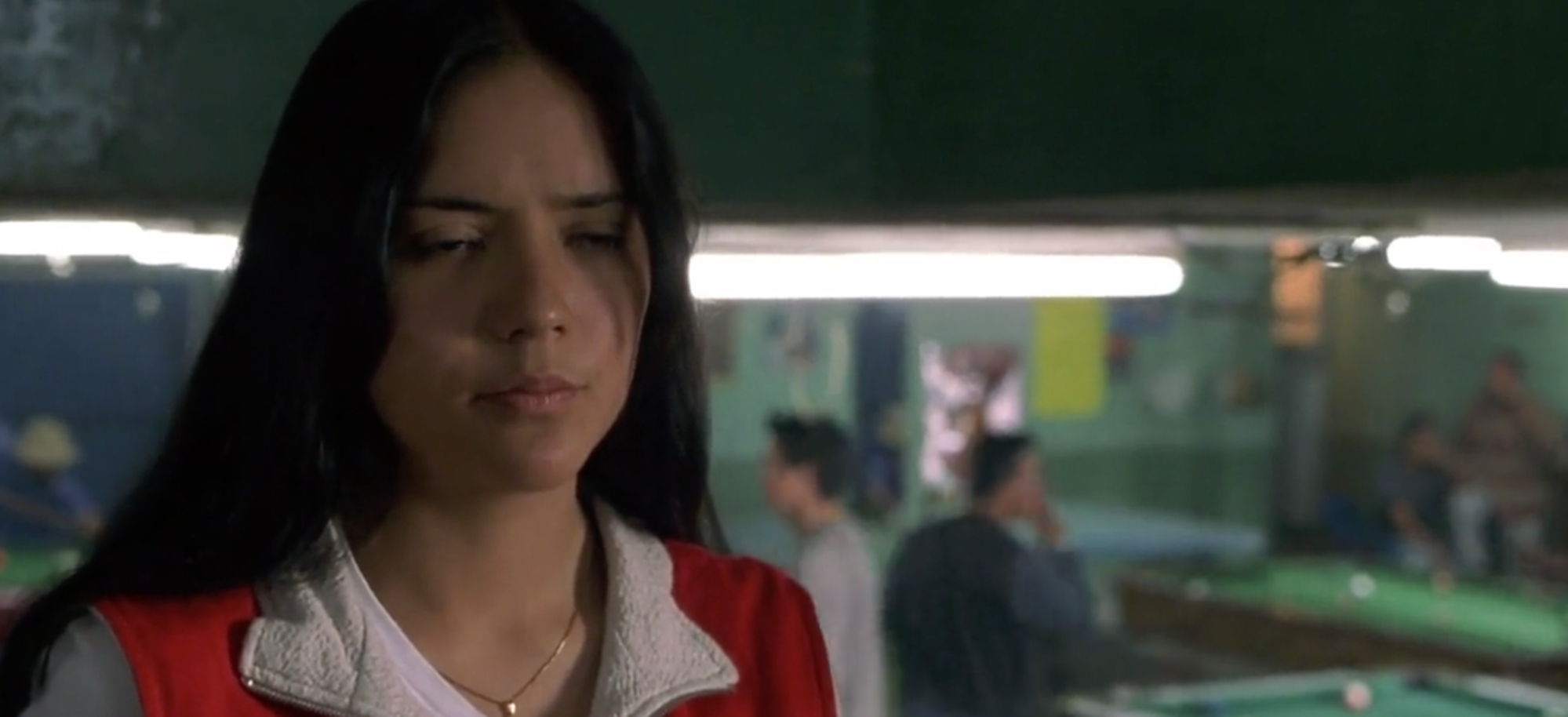

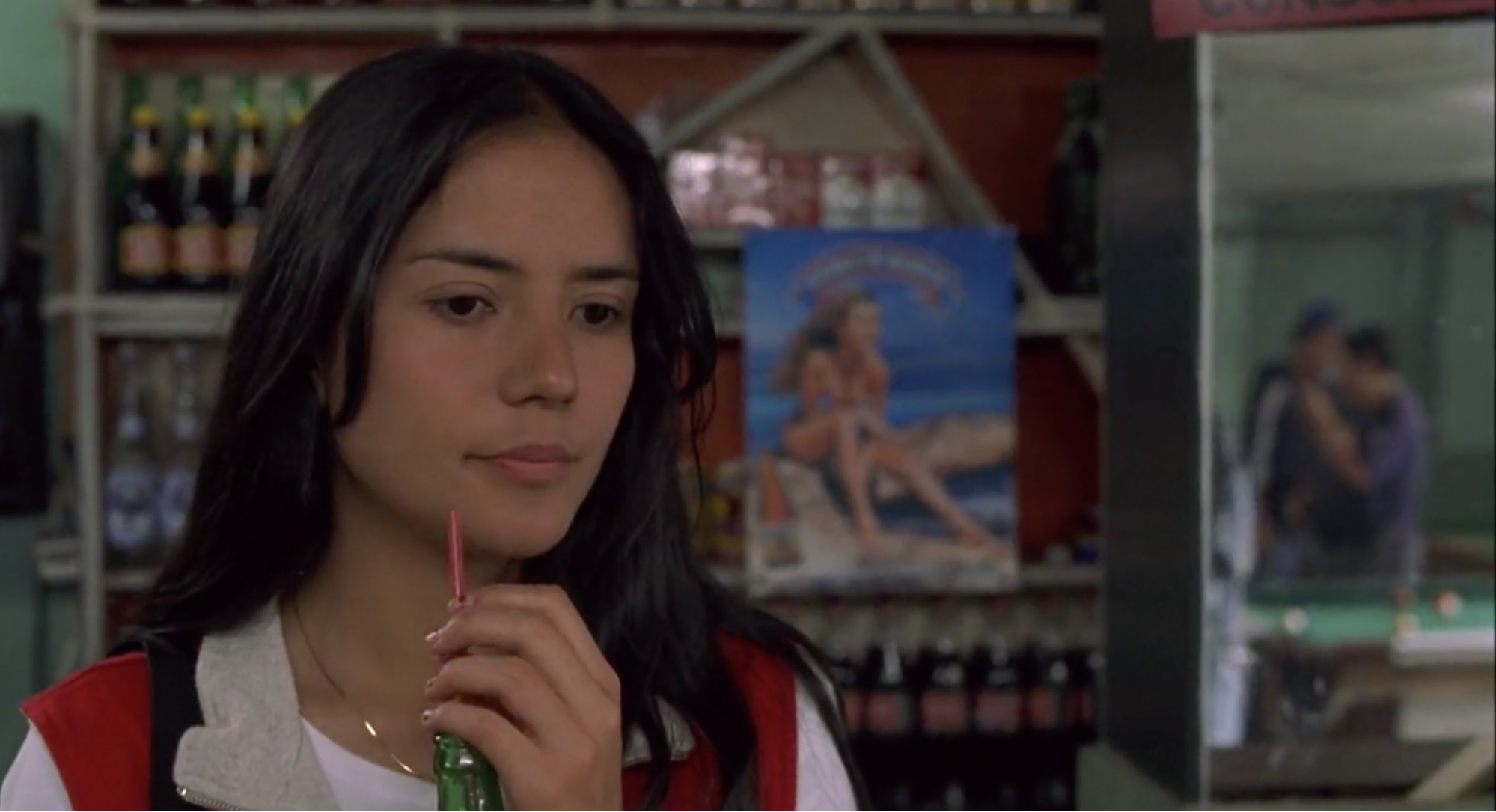
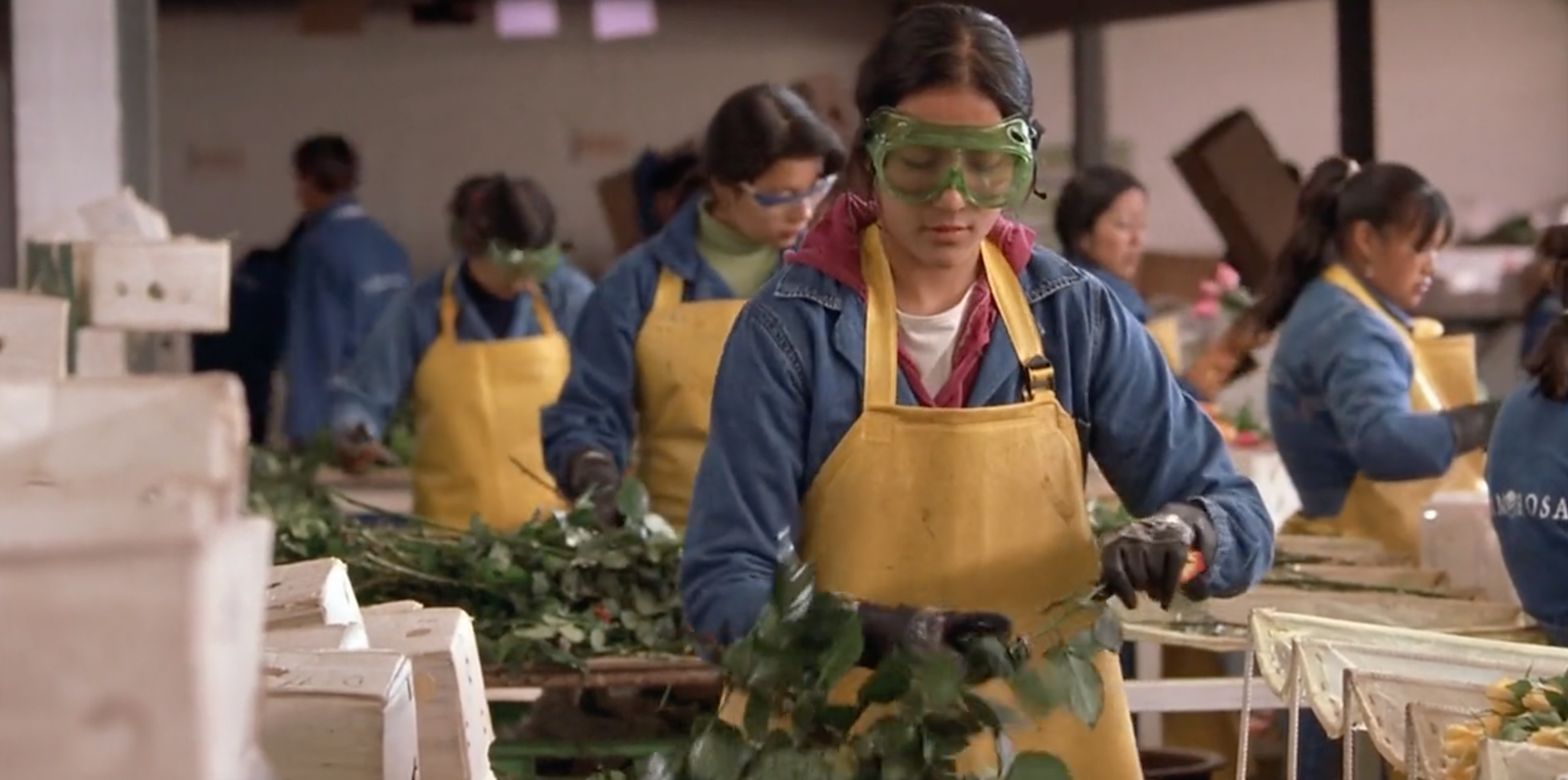
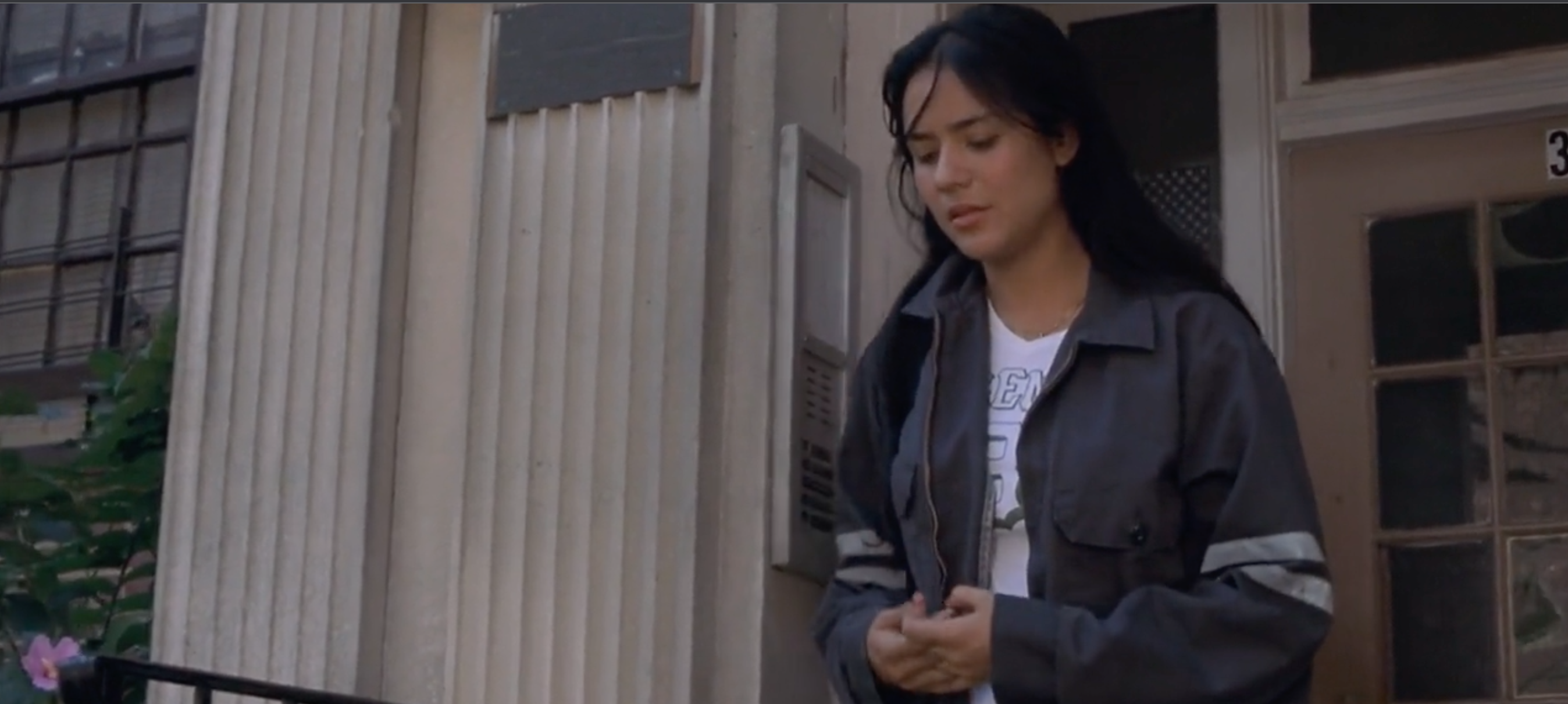
Este número indica que esta película se muestra con un ancho muy grande, casi el doble que la altura. Esta perspectiva ampliada permite que la audiencia observe los detalles en los lados de la acción también, creando así una mayor oportunidad tanto para el enfoque como para los detalles periféricos.
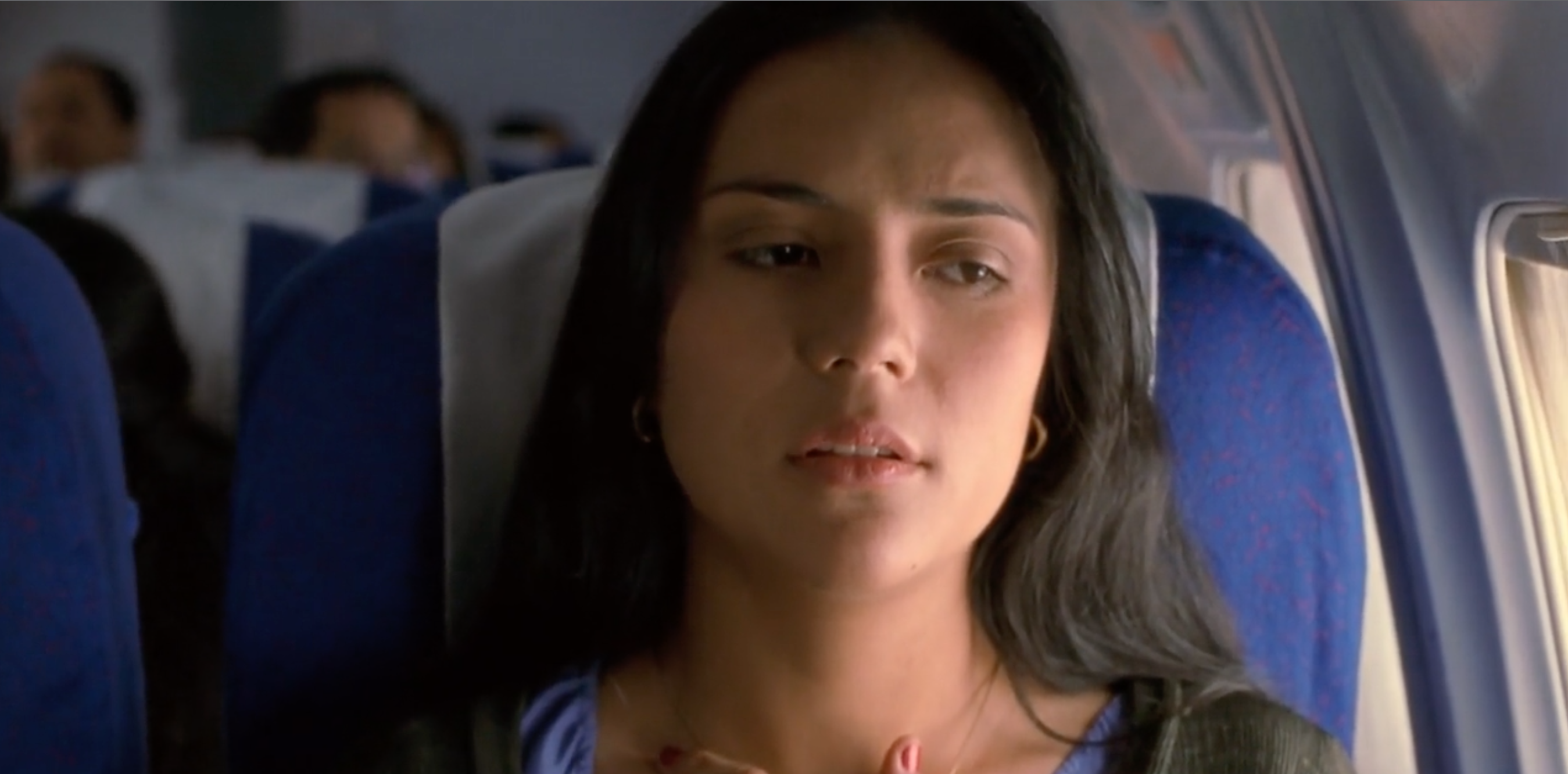
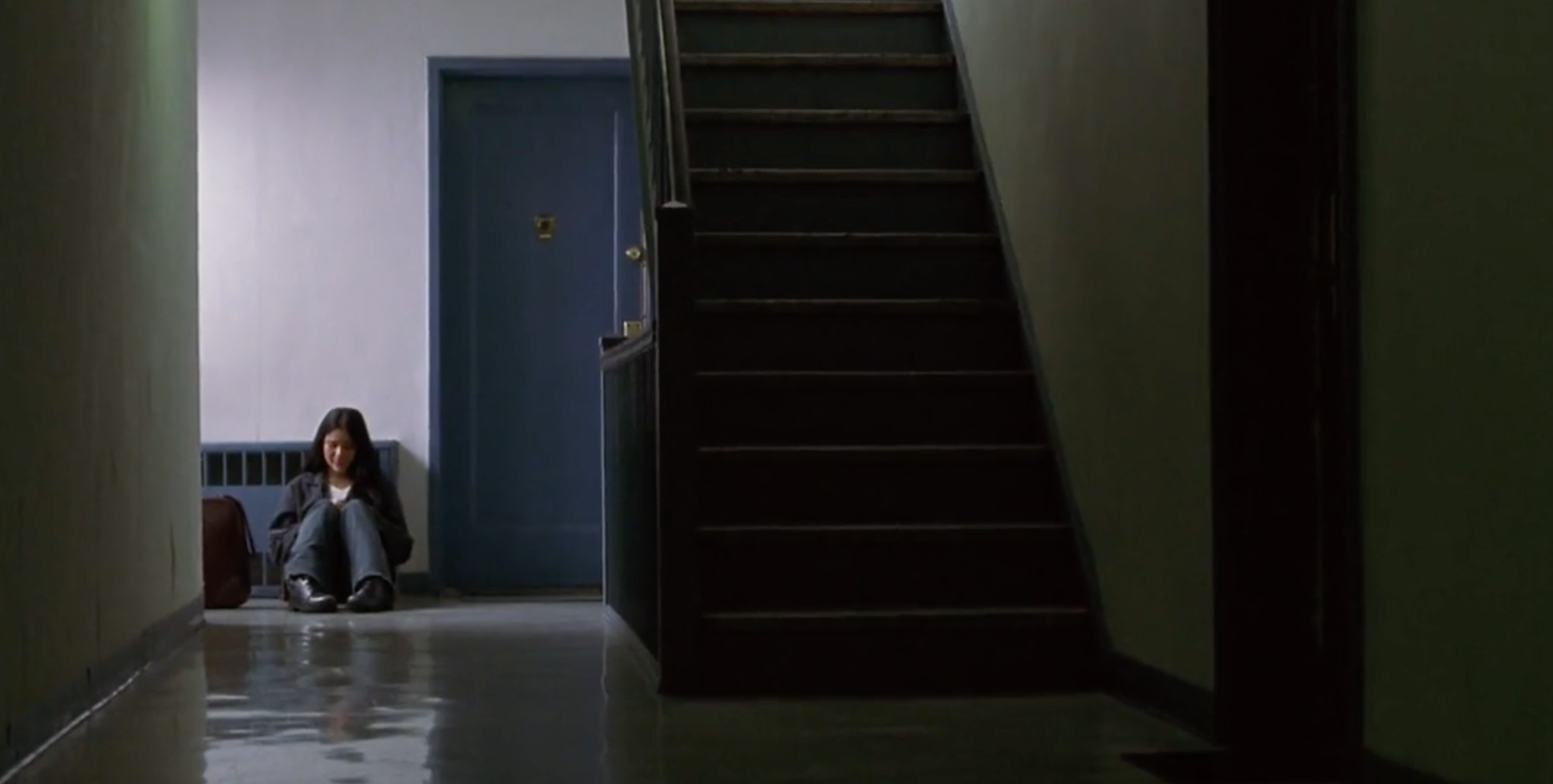
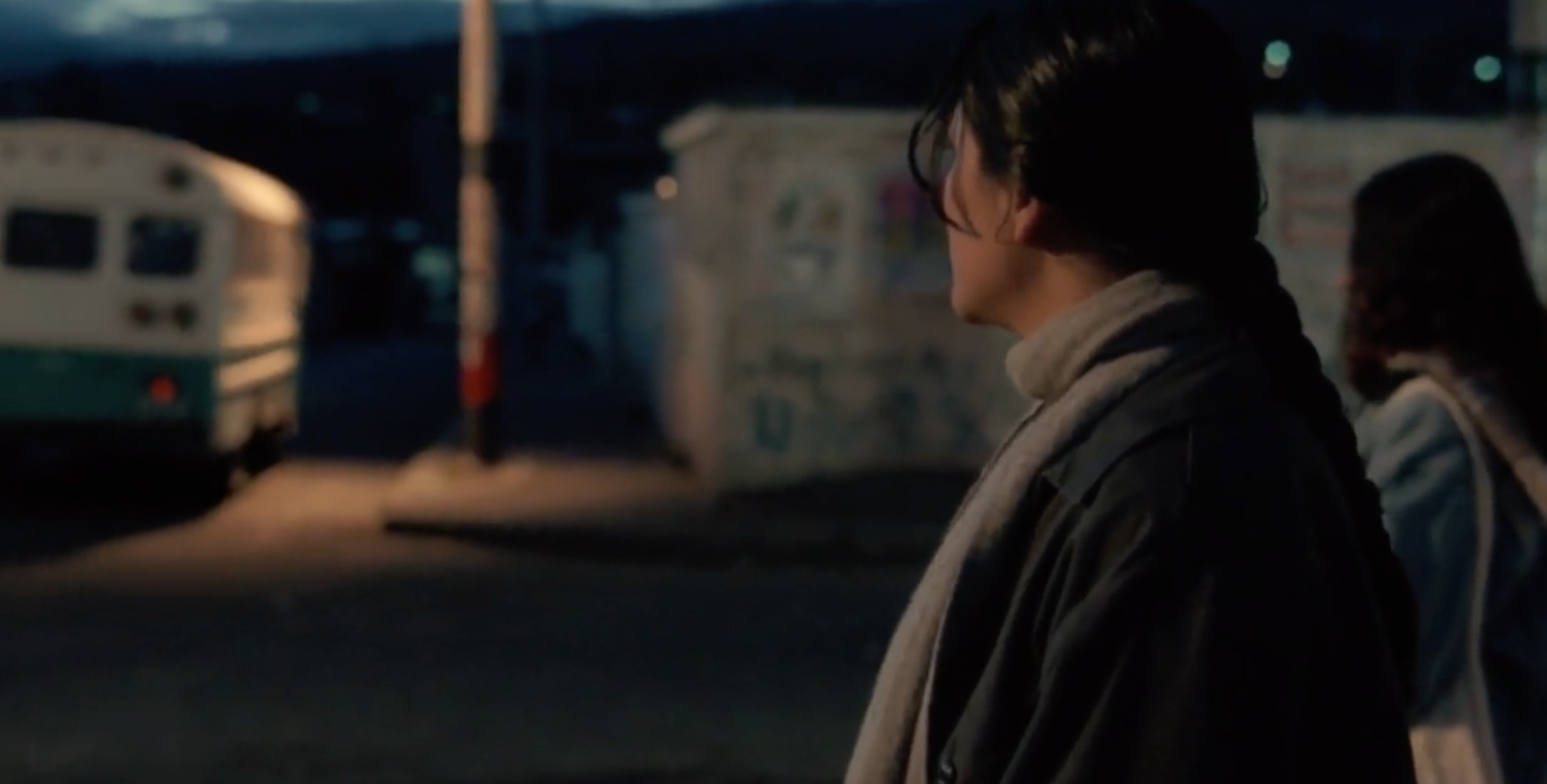

Editing is the process of putting a film together–the selection and arrangement of shots and scenes. Editing can condense space and time, emphasize separate elements and bring them together, and organize material in such a way that patterns of meaning become apparent. In addition, editing can determine how a film is perceived: for instance, quick, rapid cuts can create a feeling of tension, while a long take can create a more dramatic effect. The first photoplays generally had no cutting, owing to the fact that they were single-reel films; once filming began, you could not stop until the film ran out. (https://filmglossary.ccnmtl.columbia.edu/term/editing/)
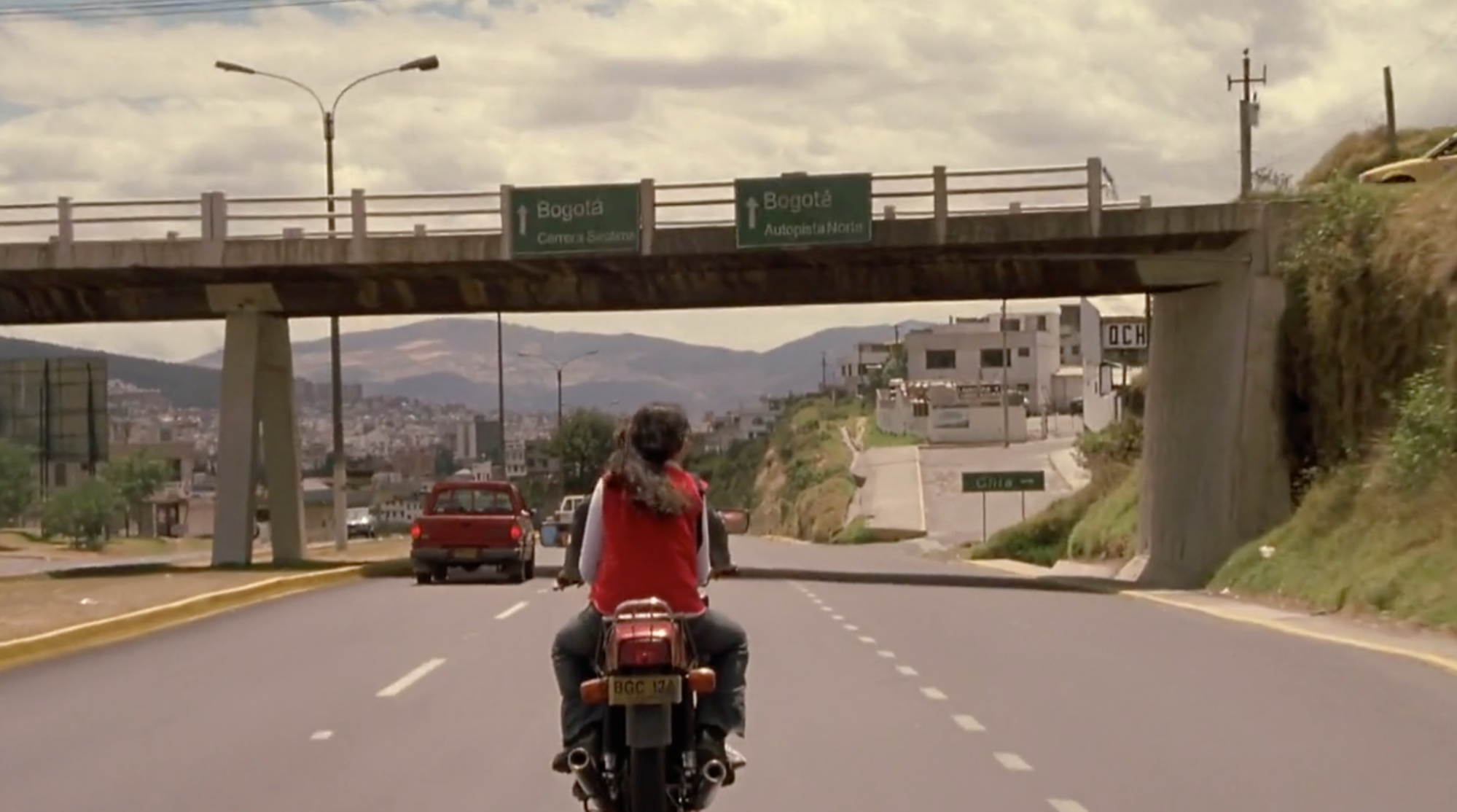
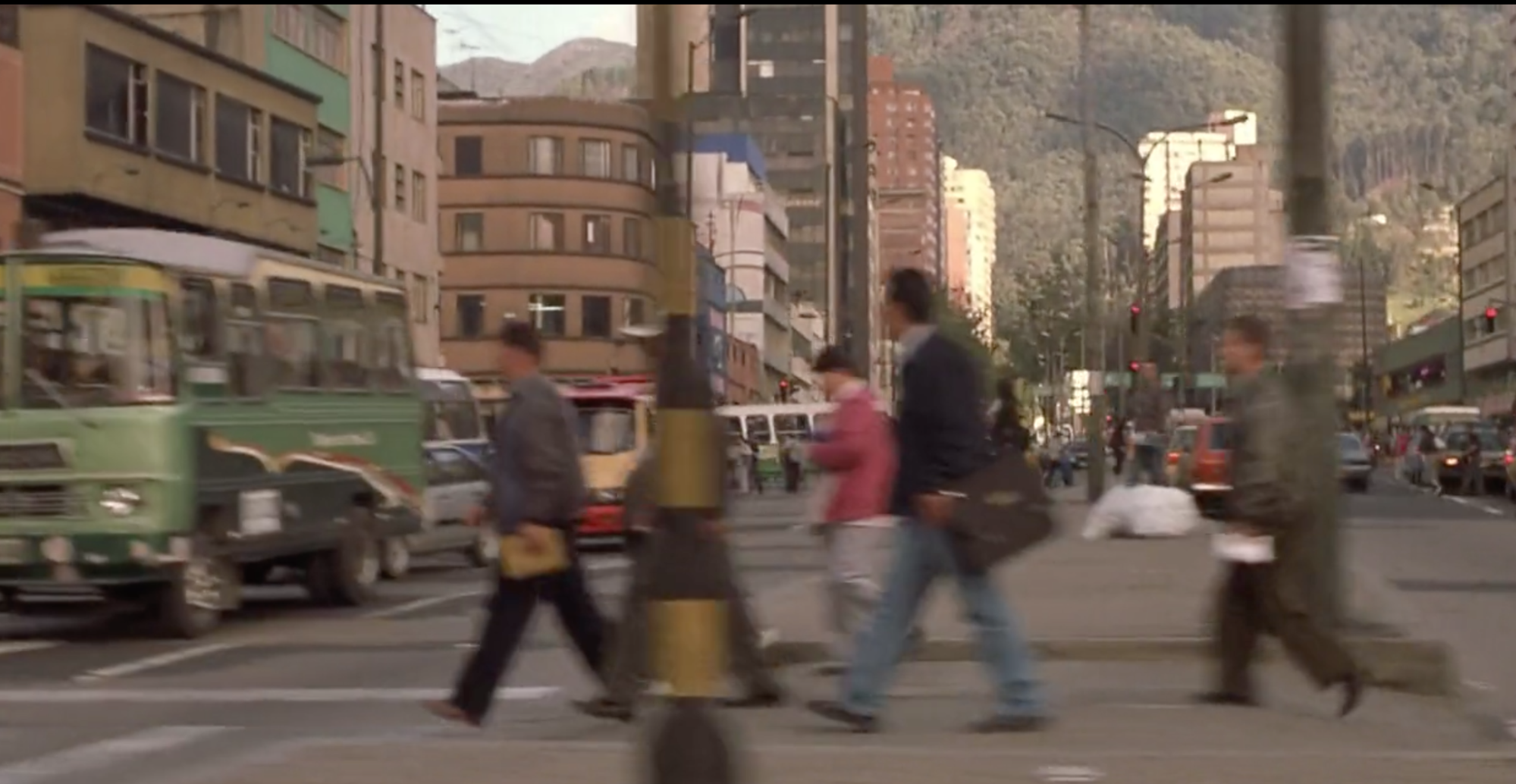
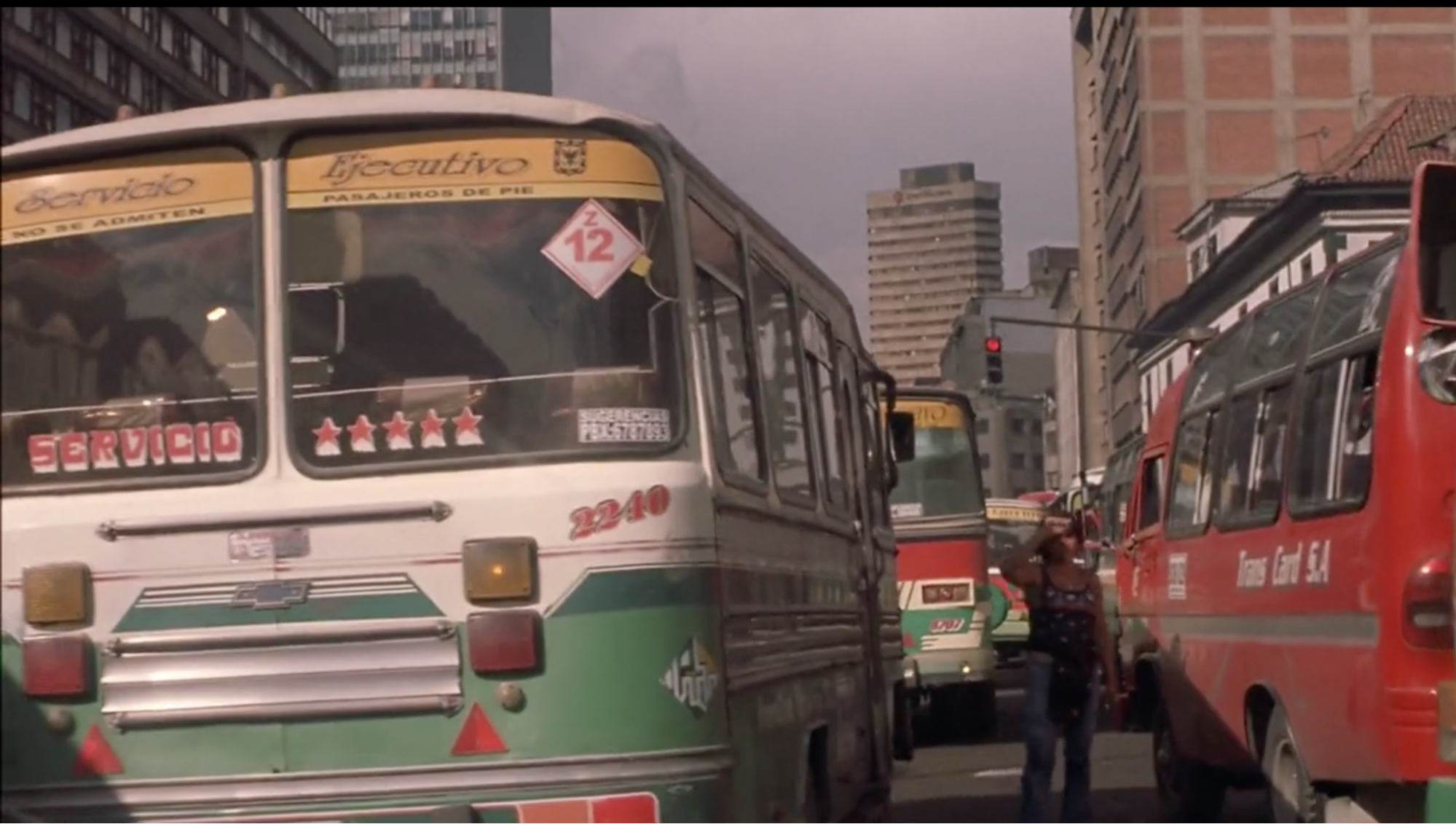
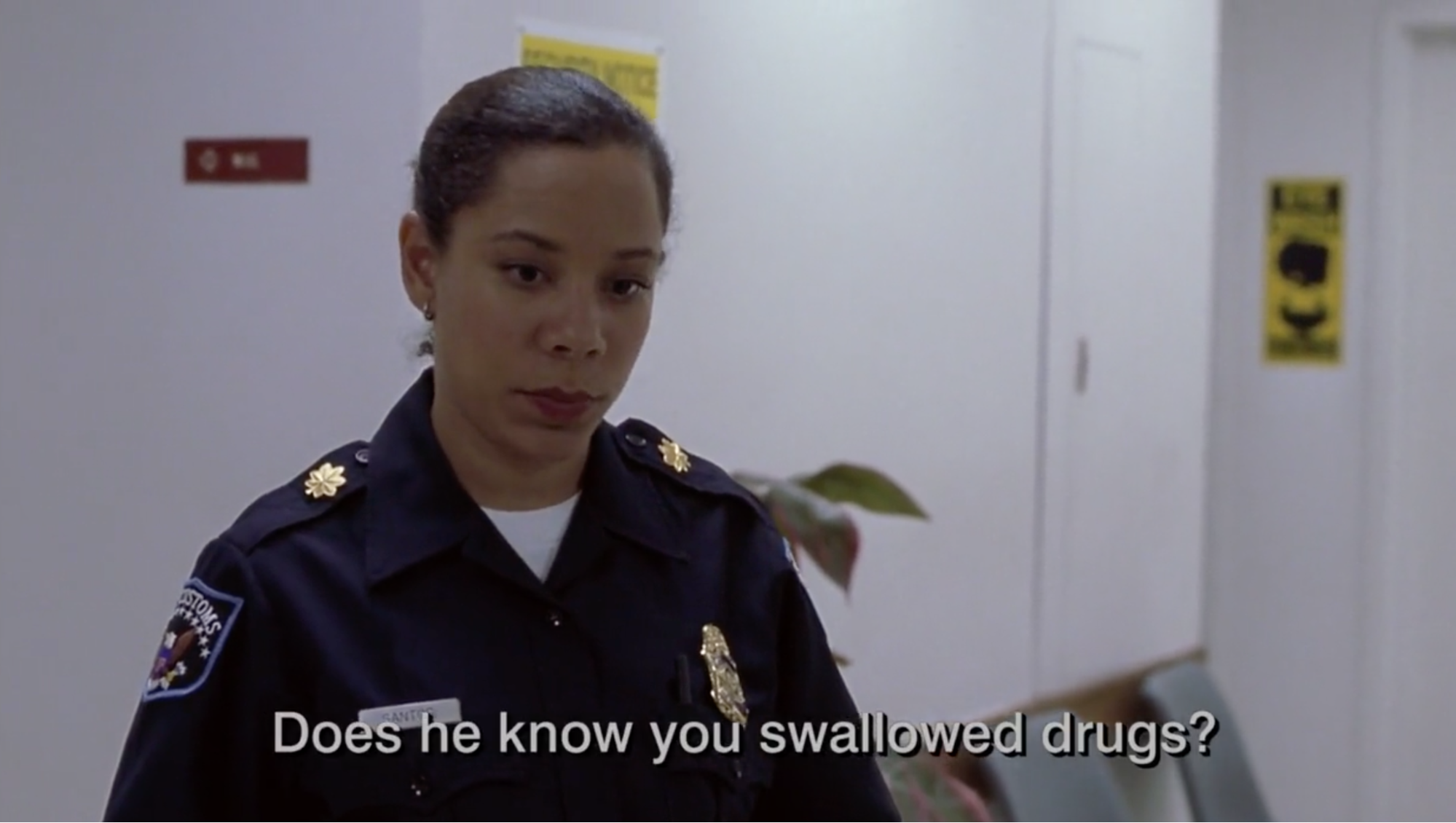

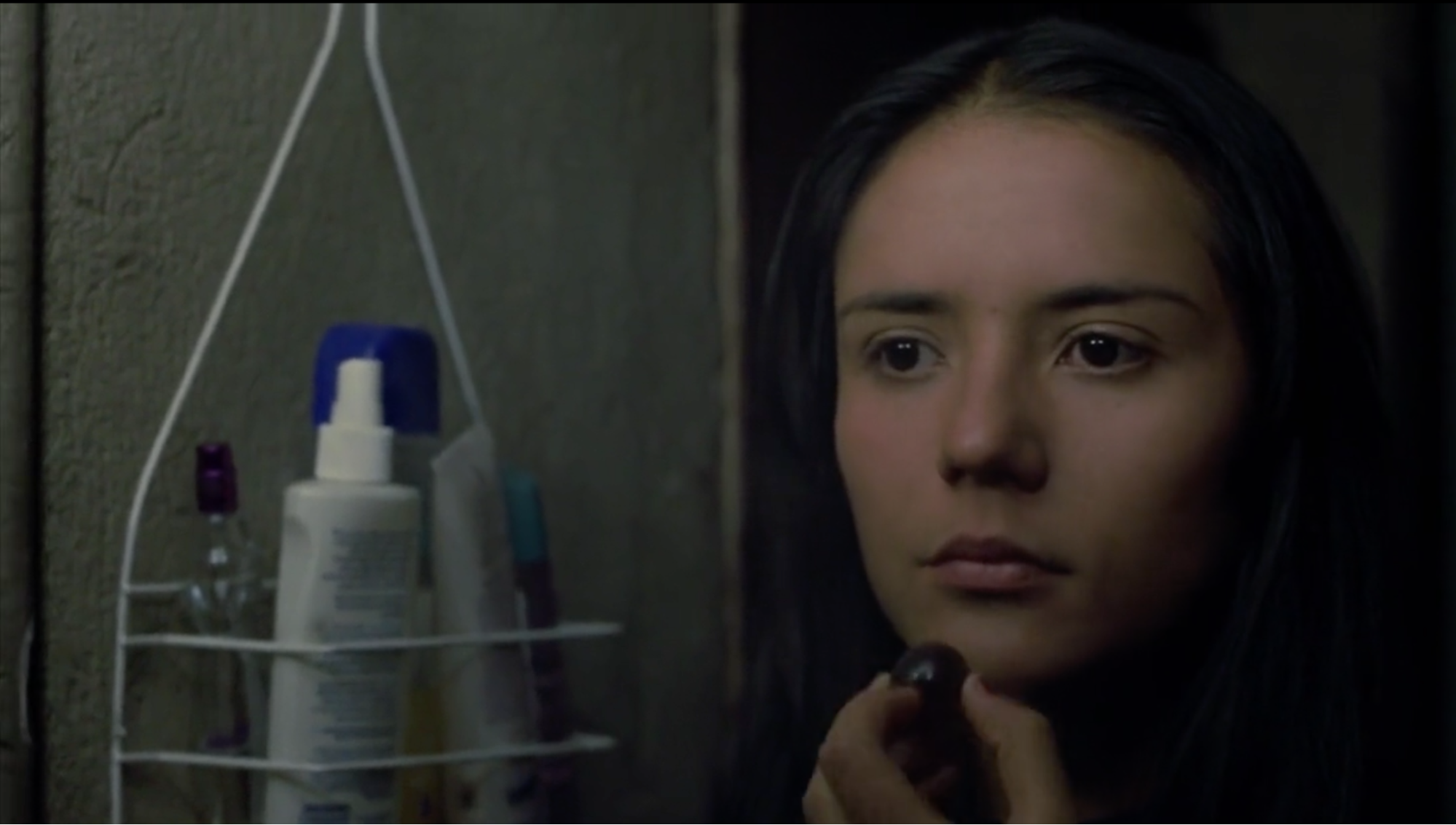
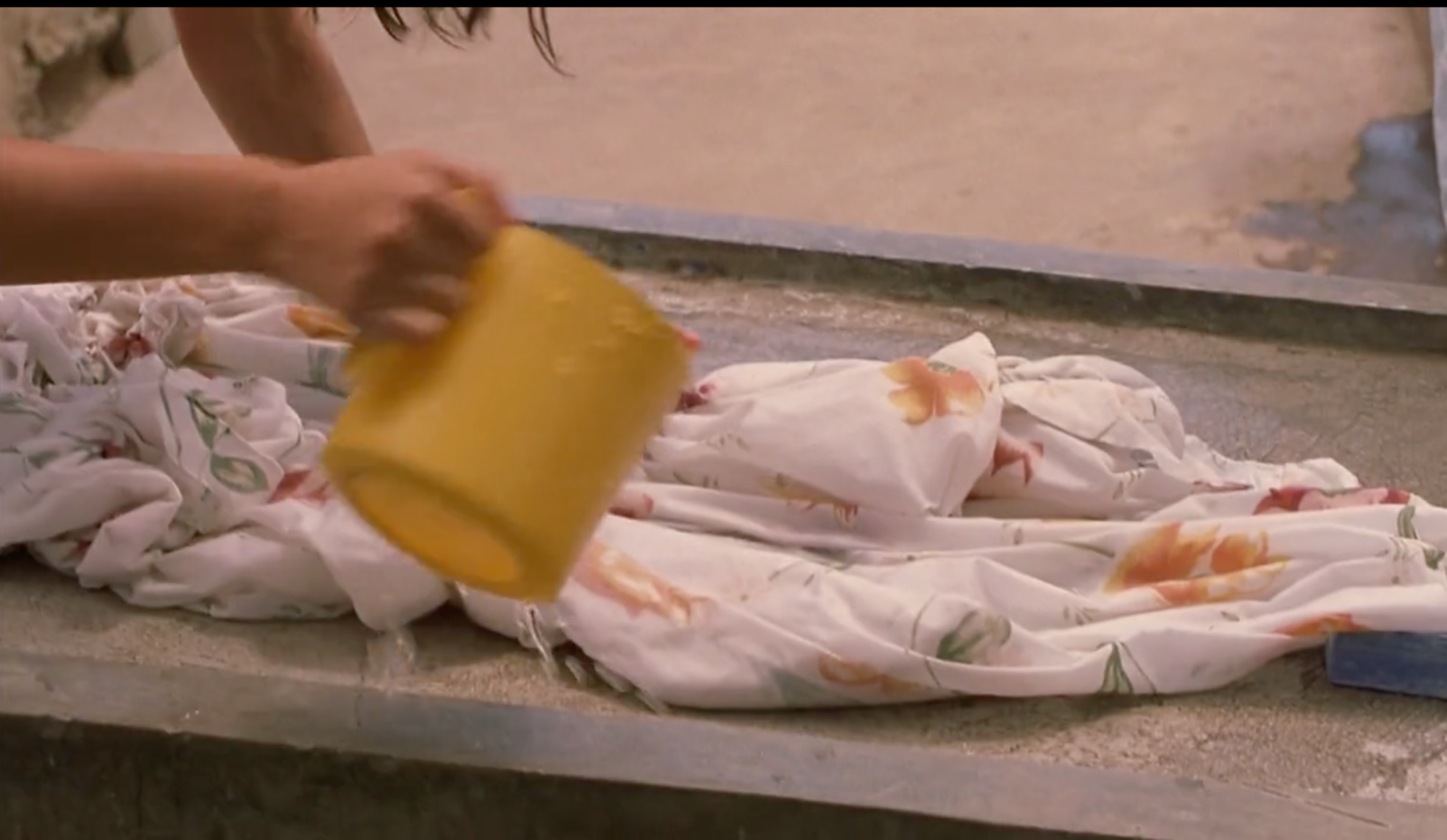


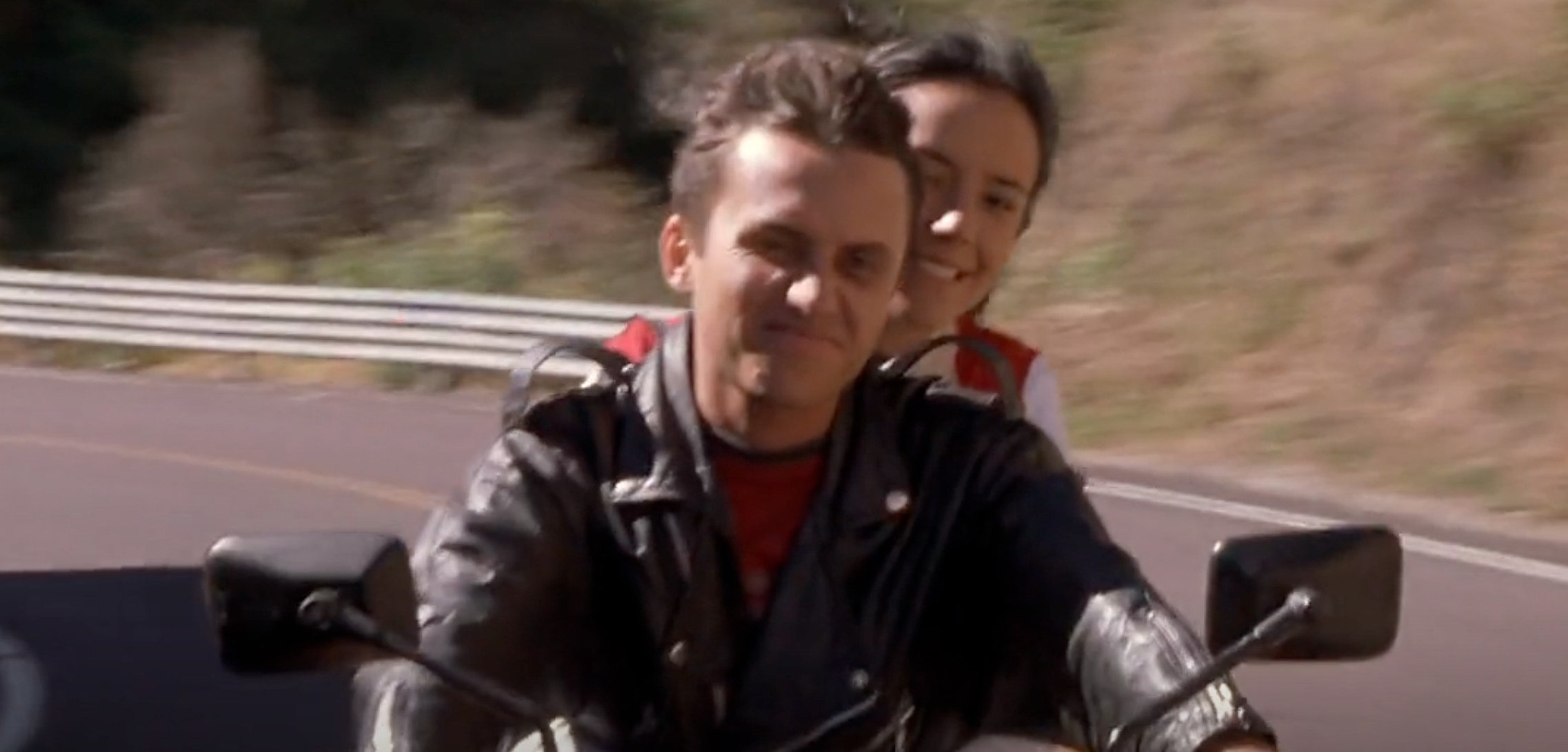
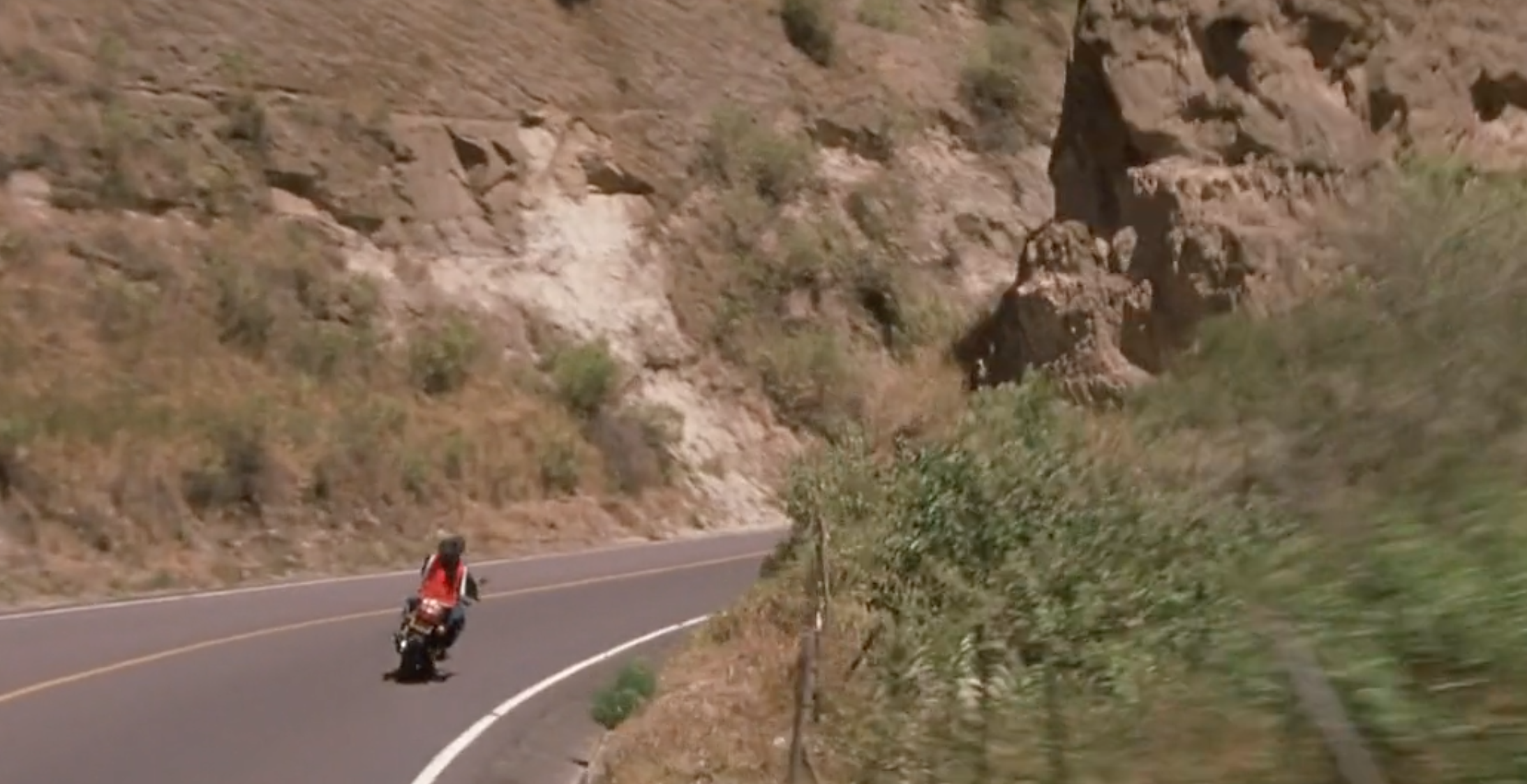
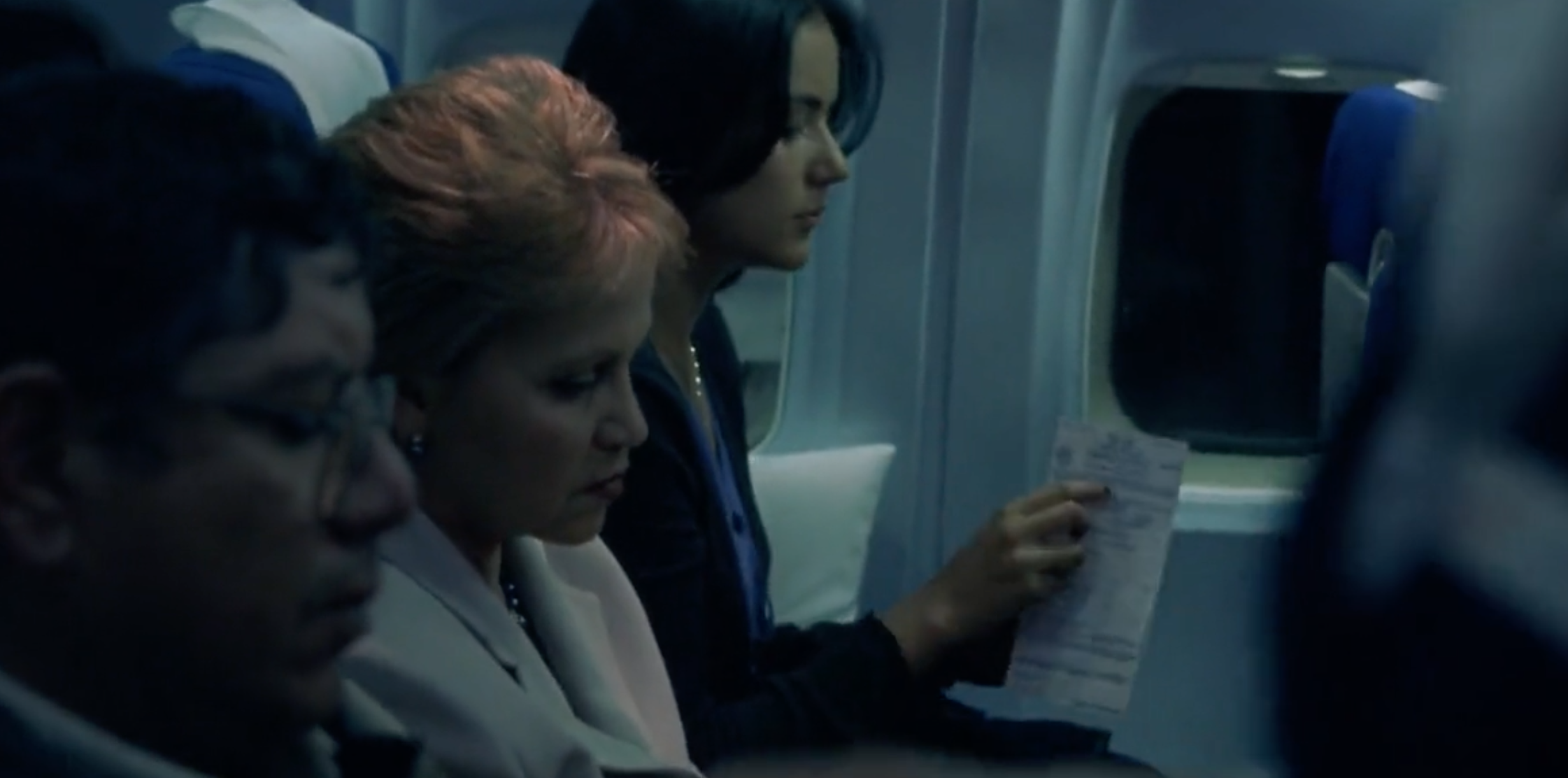
Sound is an integral part in a film. It refers to everything that the audience hears including sound effects, words and music. Sound is used in films for various purposes, including: providing the information to the viewer about the location of the scene, heightening the mood, telling the audience about the characters and advancing the plot. Every person who watches a film realizes that the choice of voices, soundtrack and music present in a film affect the way that the viewer perceives a particular film. As a result, the sound is an important and integral element of the film, one that determines the way that the viewer experiences and understands a film as a visual experience.

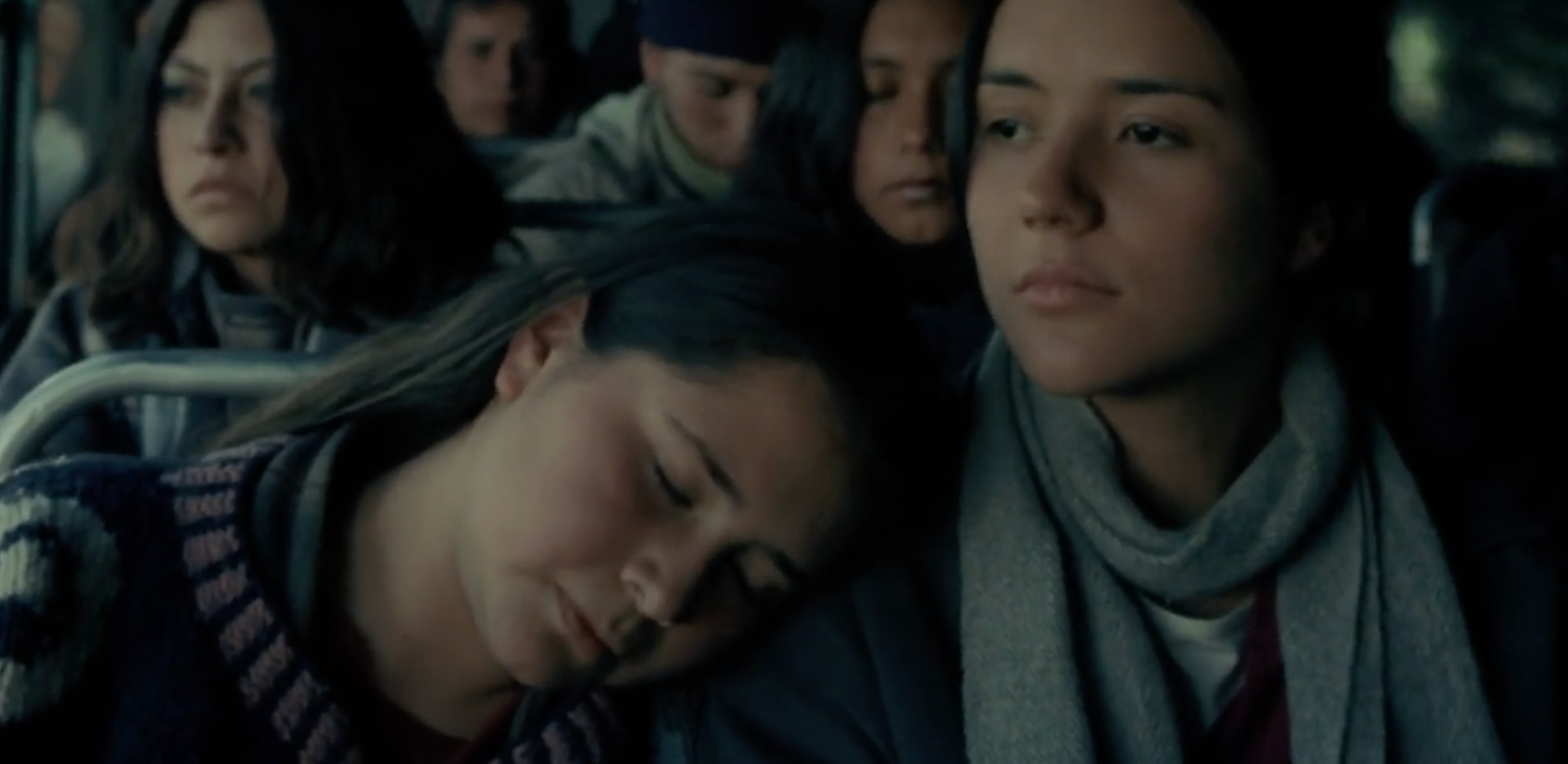
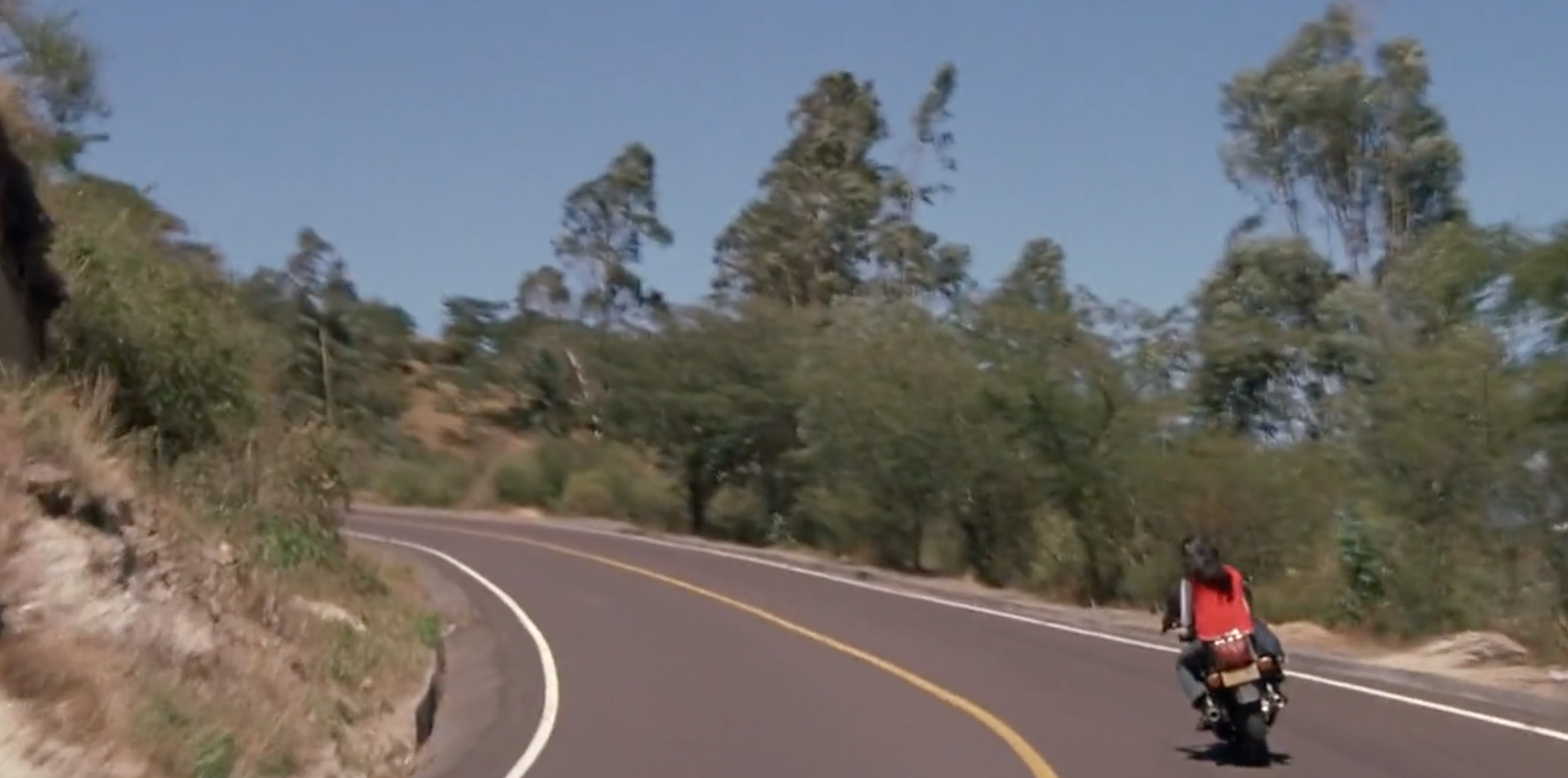
Narrative analysis is an examination of the story elements, including narrative structure, character, and plot. A narrative can be considered to be the chain of events in a cause-effect relationship occurring in time and space. In order to analyze the narrative of a film, we need to first make the distinction between the plot of the film and the story of the film. This is sometimes referred to as the discourse and story of a film. Narrative may also be called the story thought story mainly refers to the events that describe the narrative.
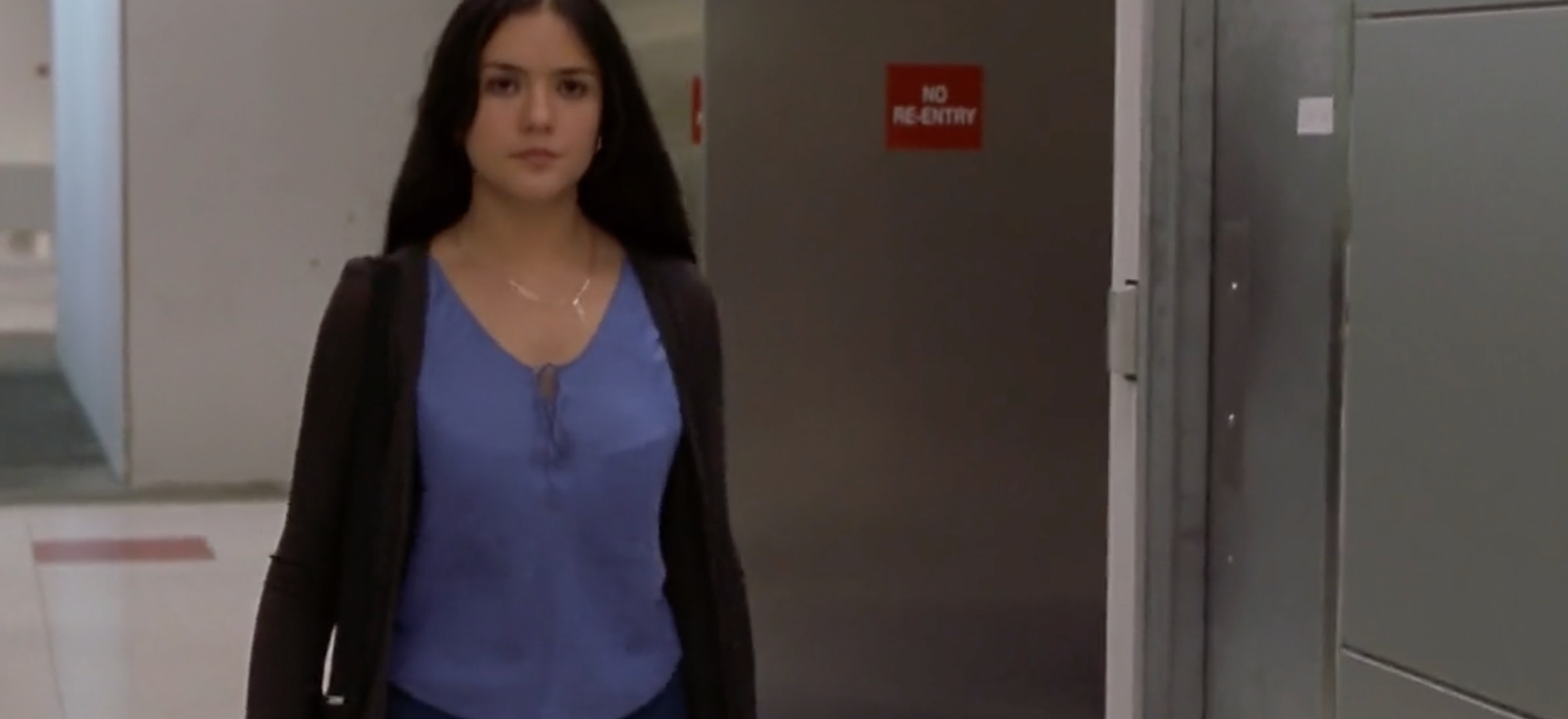
Film genres are various forms or identifiable types, categories, classifications or groups of films. (Genre comes from the French word meaning "kind," "category," or "type"). These provide a convenient way for scriptwriters and film-makers to produce, cast and structure their narratives within a manageable, well-defined framework. Genres also offer the studios an easily 'marketable' product, and give audiences satisfying, expected and predictable choices. Genres refers to recurring, repeating and similar, familiar or instantly-recognizable patterns, styles, themes, syntax, templates, paradigms, motifs, rules or generic conventions.
“Maria Llena Eres De Gracia .” Distrimax, S.A. De C.V., 2005.