
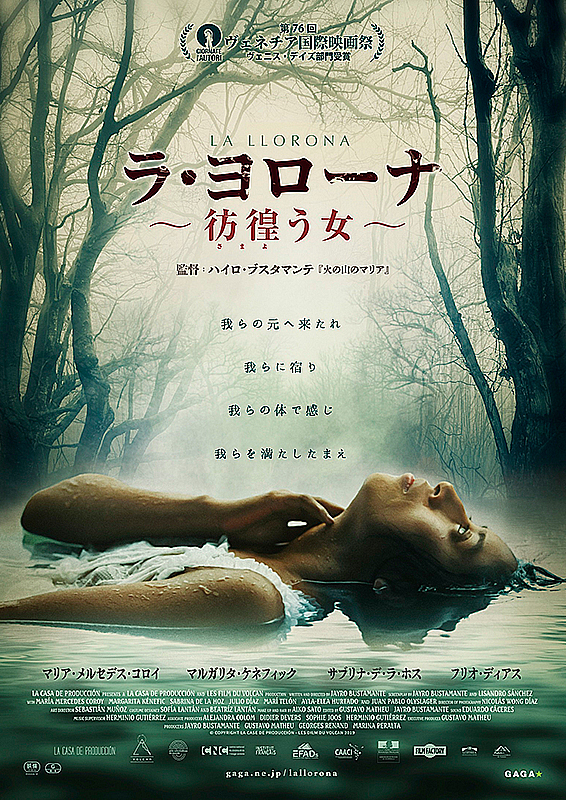
En los años 1982 a 1983, General Enrique Monteverde se enfrenta a cargos de dirigir la genocida de los indígenas del grupo Maya Ixil de Guatemala. Con su estado mental y físico deteriorando rápidamente, empieza a vagar la casa de la familia en un estado de paranoia por la noche, oyendo los llantos de una mujer. Su miedo casi le causa a disparar su esposa, Carmen, con una pistola, poniéndose miedo los sirvientes kaqchikeles de la casa por una suspicion del espíritu de La Llorona presente en la casa o otro fuerza oscura. Todos los sirvientes dejan la casa sin Valeriana. Poco tiempo después, la jurada del juicio declara al General Monteverde culpable por la genocida de los indígenas.
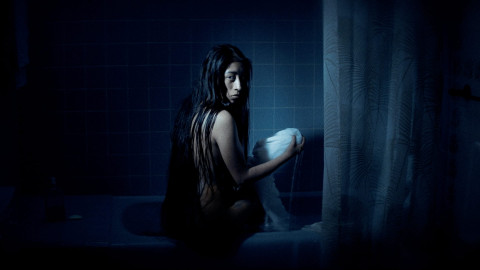
El estado de la familia Monteverde no mejora con la llegada del nuevo sirviente de la casa, una mujer indigena que se llama Alma. Después de que ella empieza a trabajar, las actividades inquietantes en la casa Monteverde solo aumentan, particularmente por la noche. El General ve a Alma nadando en la piscina por la noche, y la sigue casi en un trance para verla limpiando su vestido en el agua, desnuda. La mentalidad embrujada se extiende a su esposa Carmen cuando ella empieza a experimentar múltiples pesadillas desde la perspectiva de una mujer indigena.
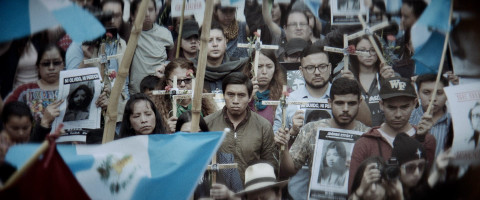
Mientras todo esto, multitudes de alborotadores han seguido gritando y demostrando su descontento justo afuera de la casa Monteverde por sus acciones en la genocida. Un día, Alma, la hija de Monteverde Natalia, y su hija Sara de repente toman noticia de que algunas de las caras en los carteles advirtiendo indígenas desaparecidos es la cara de un hombre en la multitud afuera de la casa, solamente mirando fijamente de pie, sin moción. También Valeriana empieza a ponerse sospecha, porque visitó el pueblo de donde ella y Alma eran y nadie conocía a Alma. Sospecha la magia oscura.
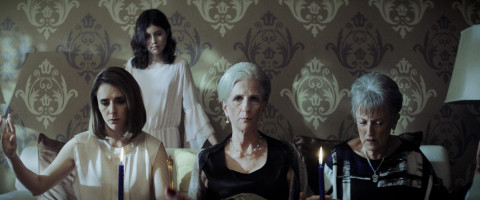
Todos los eventos llegan a un clímax cuando el General, vagando por la noche otra vez, dispara a Sara dos veces tratando de disparar a Alma. Franticamente, Valeriana trae a Sara, Natalia, y Carmen para exorcizar los espíritus de la casa, que han aparecido afuera mirando por las ventanas de la casa. Los llantos de la mujer misteriosa vienen otra vez, y los dos espíritus de los hijos de Alma llevan el guardaespaldas Letona fuera del escenario, permanentemente. Carmen experimenta una visión desde la perspectiva de una mujer indigena otra vez, donde el General Monteverde ordena la muerte de sus dos hijos. Consumida por la furia, ella estrangula al General, en su visión y también en la realidad. El General muere por fin.
En el funeral del General, las mujeres remanentes de la familia Monteverde aparecen juntas, y parece que el espíritu inolvidable de la Llorona y los perdidos de la genocida han terminado su venganza. Pero al fin, en el baño de los hombres, se oyen los llantos de la Llorona otra vez mientras que el piso se inunda. La venganza de las víctimas de la genocida continuará, hasta que todos los culpables del gobierno y el militar guatemalteca hayan pecado por sus crímenes.
Describes the setting of a scene in a play or a film. It refers to everything placed on the stage or in front of the camera—including people. In other words, mise en scène is a catch-all for everything that contributes to the visual presentation and overall “look” of a production. When translated from French, it means “placing on stage.”
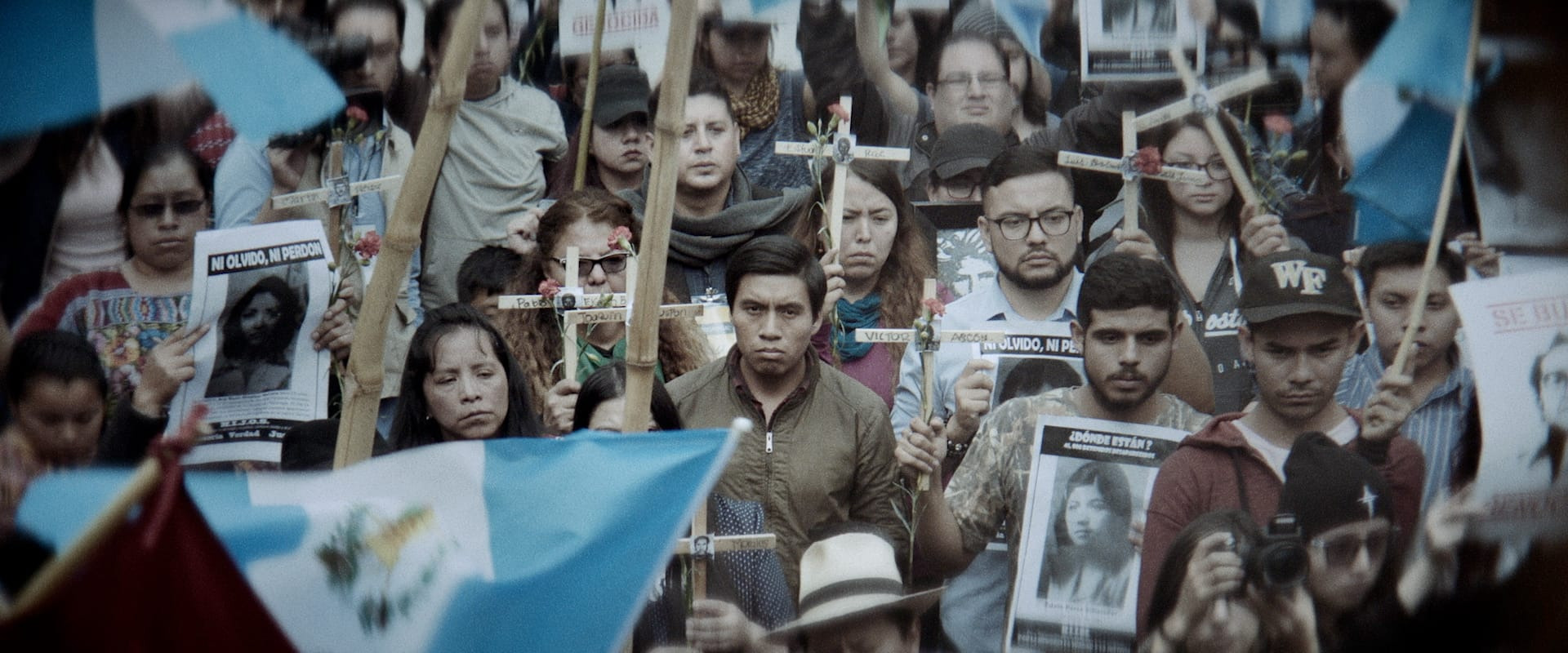
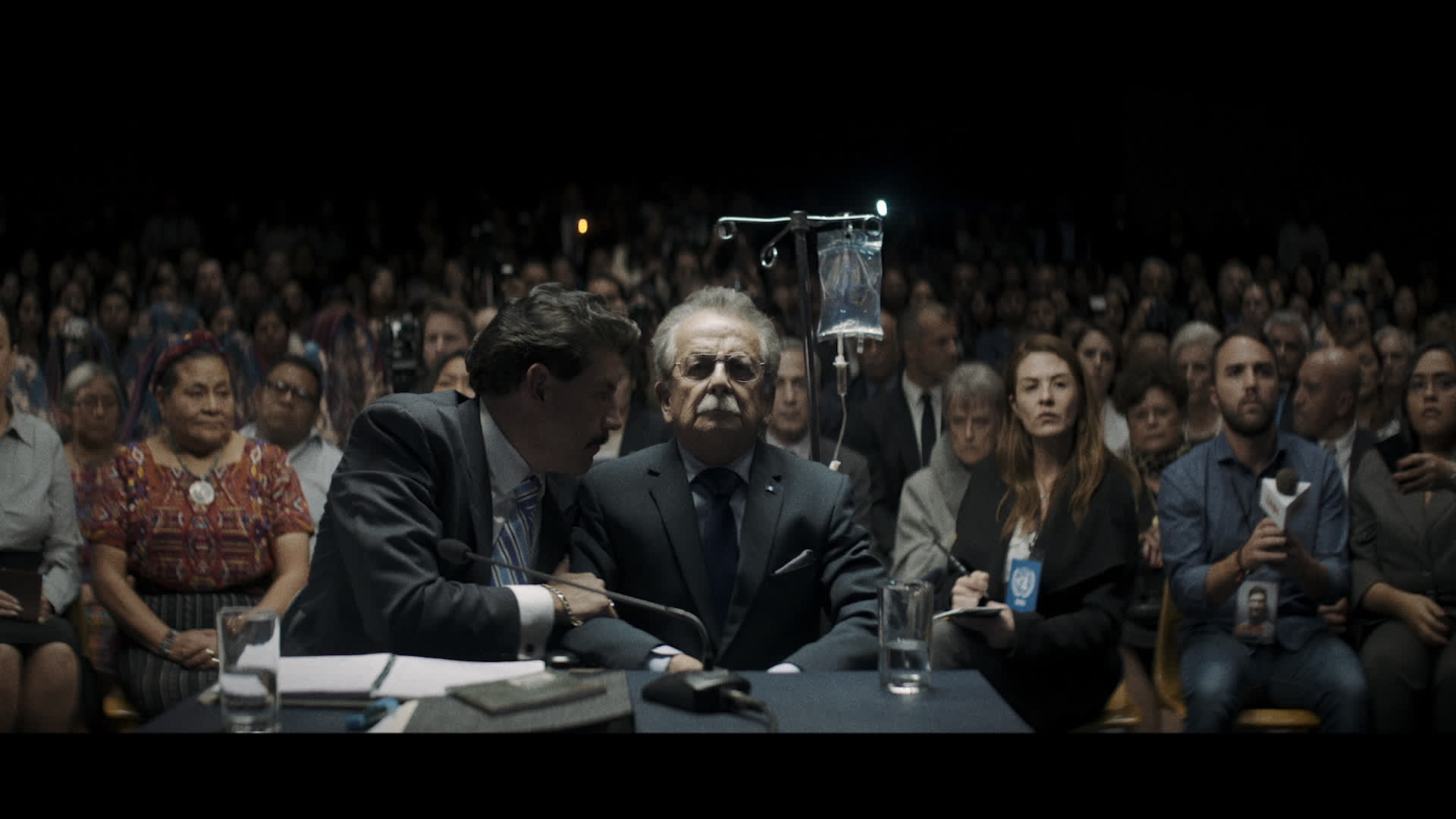
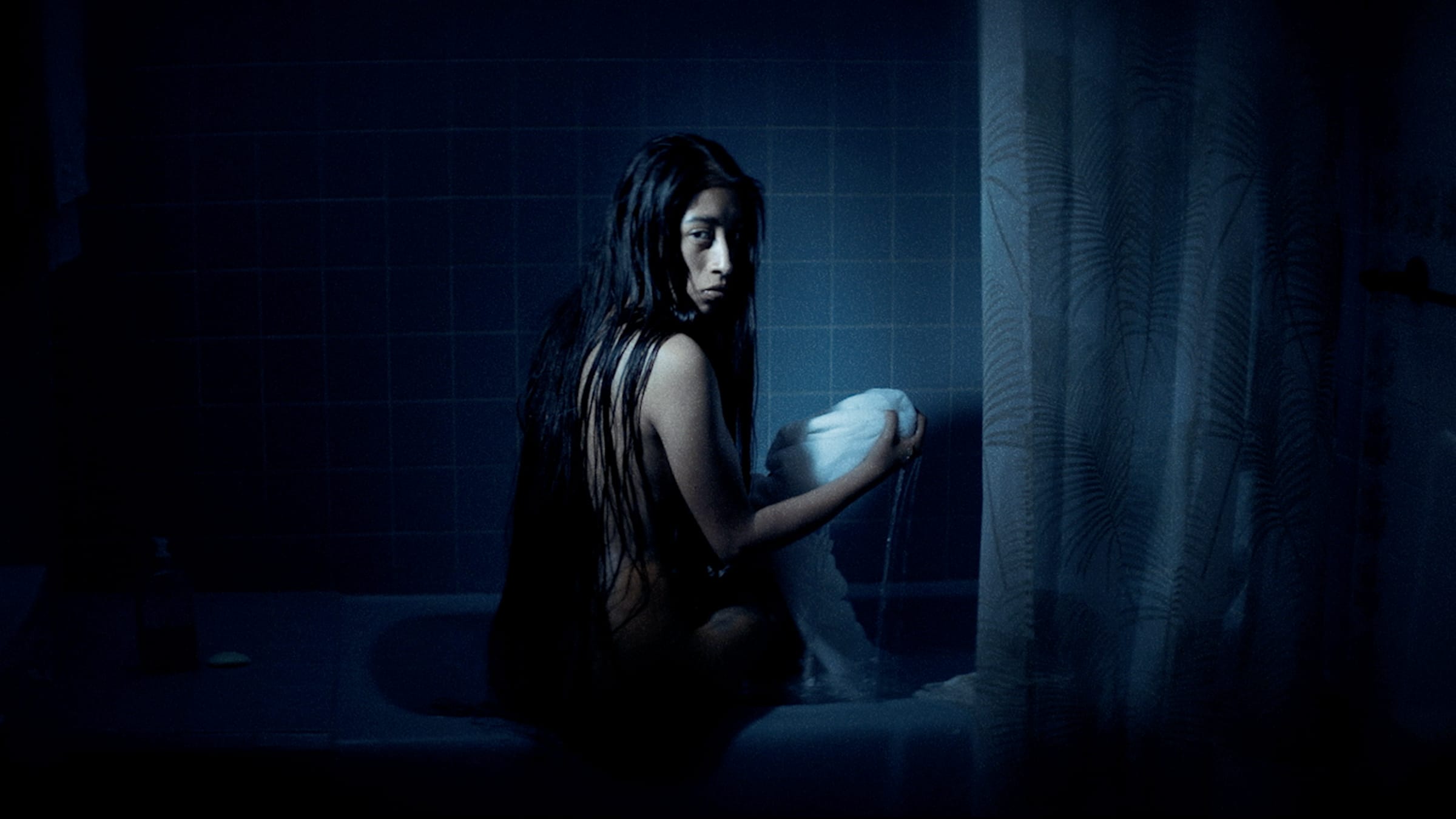
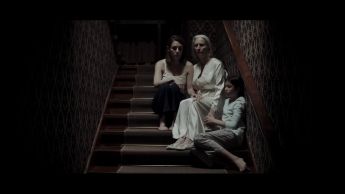
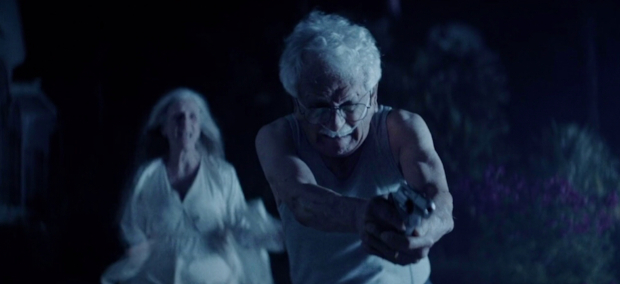
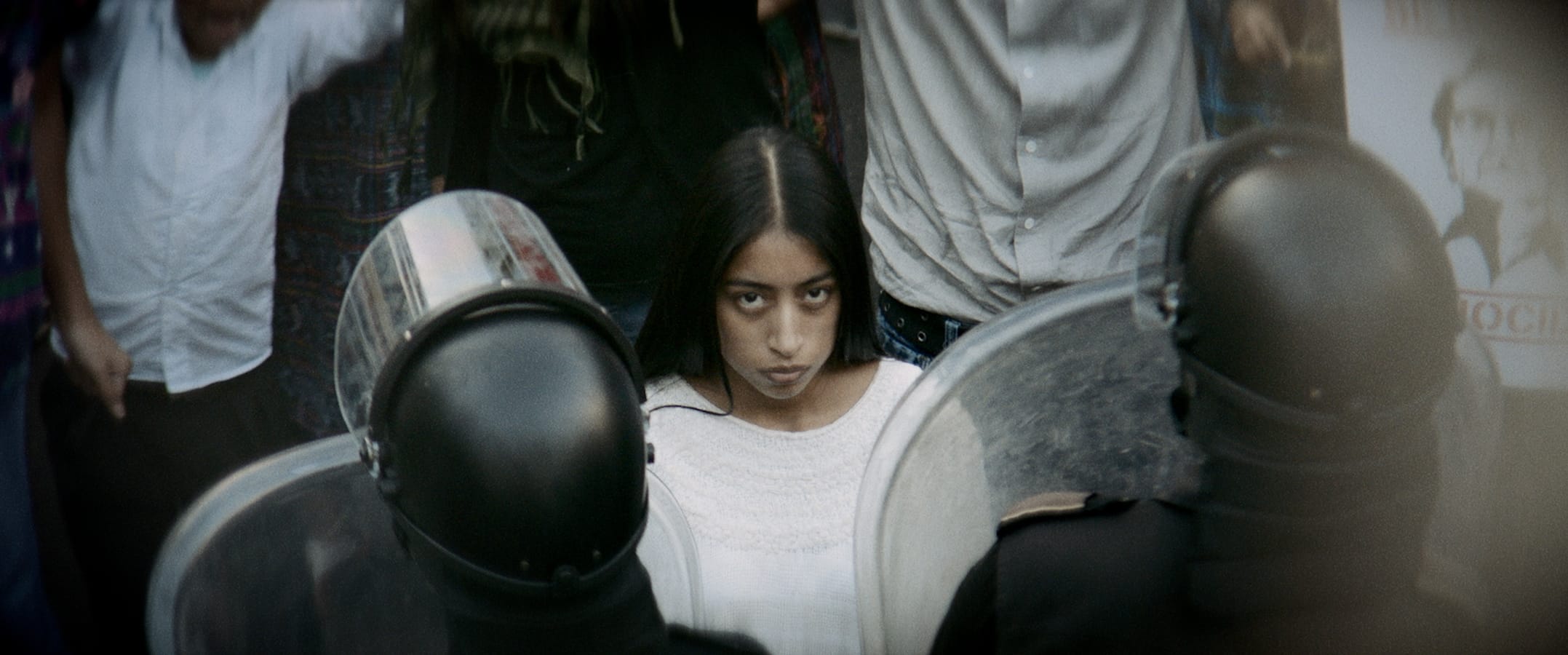
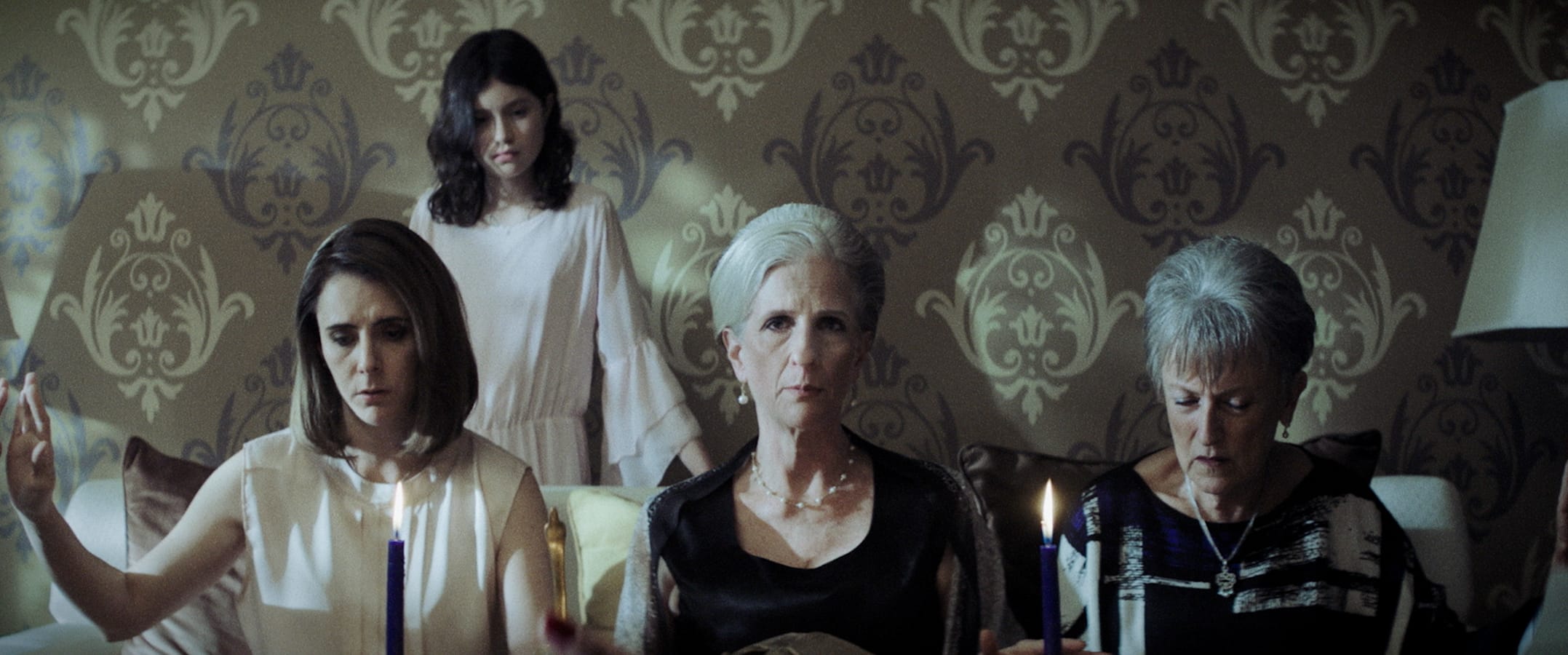
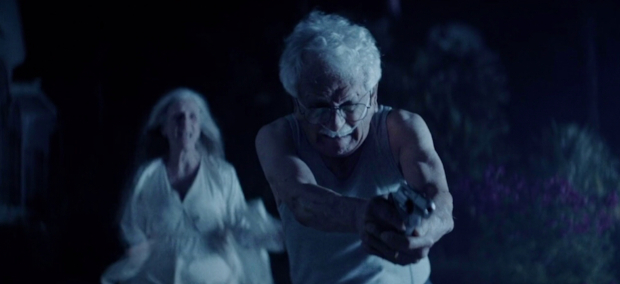
This is the art of photography and visual storytelling in a motion picture or television show. Cinematography comprises all on-screen visual elements, including lighting, framing, composition, camera motion, camera angles, film selection, lens choices, depth of field, zoom, focus, color, exposure, and filtration. Cinematography sets and supports the overall look and mood of a film’s visual narrative. Each visual element that appears on screen, a.k.a. the mise-en-scène of a film, can serve and enhance the story—so it is the cinematographer’s responsibility to ensure that every element is cohesive and support the story. Filmmakers often choose to spend the majority of their budget on high-quality cinematography to guarantee that the film will look incredible on the big screen.
Editing is the process of putting a film together–the selection and arrangement of shots and scenes. Editing can condense space and time, emphasize separate elements and bring them together, and organize material in such a way that patterns of meaning become apparent. In addition, editing can determine how a film is perceived: for instance, quick, rapid cuts can create a feeling of tension, while a long take can create a more dramatic effect. The first photoplays generally had no cutting, owing to the fact that they were single-reel films; once filming began, you could not stop until the film ran out. (https://filmglossary.ccnmtl.columbia.edu/term/editing/)
Sound is an integral part in a film. It refers to everything that the audience hears including sound effects, words and music. Sound is used in films for various purposes, including: providing the information to the viewer about the location of the scene, heightening the mood, telling the audience about the characters and advancing the plot. Every person who watches a film realizes that the choice of voices, soundtrack and music present in a film affect the way that the viewer perceives a particular film. As a result, the sound is an important and integral element of the film, one that determines the way that the viewer experiences and understands a film as a visual experience.
Narrative analysis is an examination of the story elements, including narrative structure, character, and plot. A narrative can be considered to be the chain of events in a cause-effect relationship occurring in time and space. In order to analyze the narrative of a film, we need to first make the distinction between the plot of the film and the story of the film. This is sometimes referred to as the discourse and story of a film. Narrative may also be called the story thought story mainly refers to the events that describe the narrative.
Film genres are various forms or identifiable types, categories, classifications or groups of films. (Genre comes from the French word meaning "kind," "category," or "type"). These provide a convenient way for scriptwriters and film-makers to produce, cast and structure their narratives within a manageable, well-defined framework. Genres also offer the studios an easily 'marketable' product, and give audiences satisfying, expected and predictable choices. Genres refers to recurring, repeating and similar, familiar or instantly-recognizable patterns, styles, themes, syntax, templates, paradigms, motifs, rules or generic conventions.