
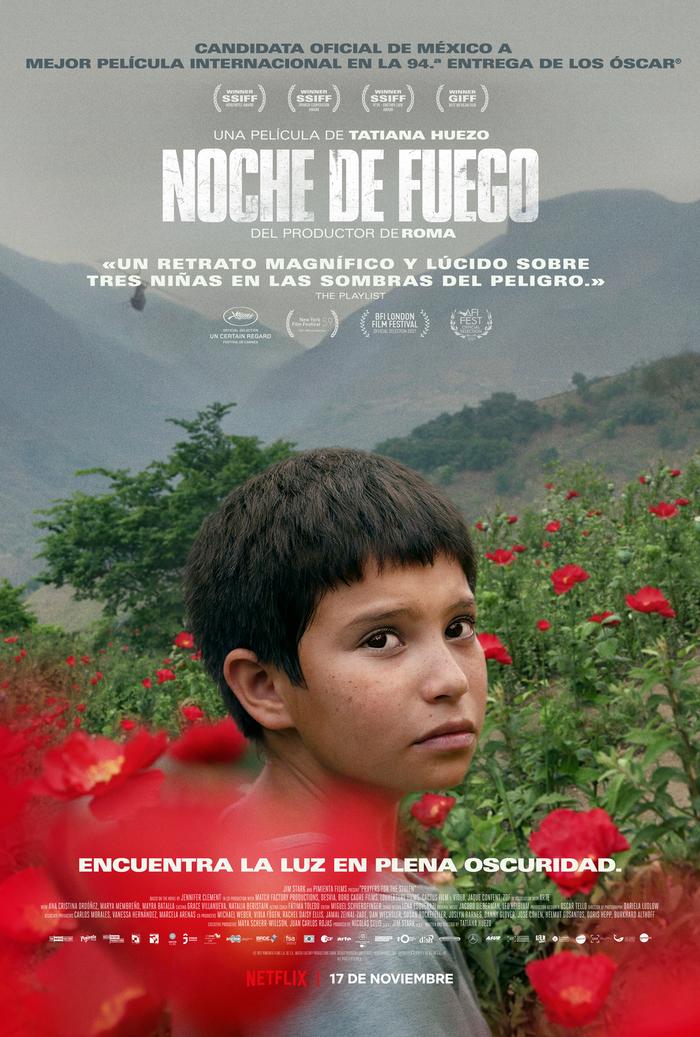
Set in a rural mountain community in Mexico, Prayers for the Stolen (adapted from Jennifer Clement's 2014 novel by the same name) follows Ana and her friends Paula and María as they grow from children into teenagers under the constant threat of cartel violence. Their mothers attempt to protect them from kidnapping by cutting their hair short, teaching them to hide, and preparing them to disappear whenever unfamiliar vehicles approach the village. Despite this fear, the girls continue to play, attend school, explore their surroundings, and form intense friendships as they gradually become more aware of the dangers shaping the adults around them. As Ana enters adolescence, the boundaries between the girls’ protected childhood world and the violence surrounding their community become increasingly impossible to maintain.
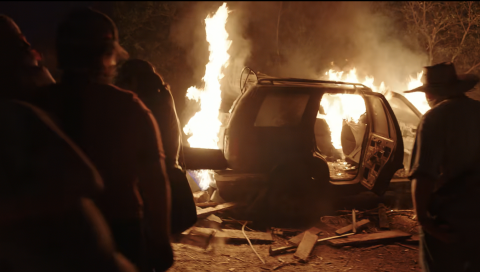
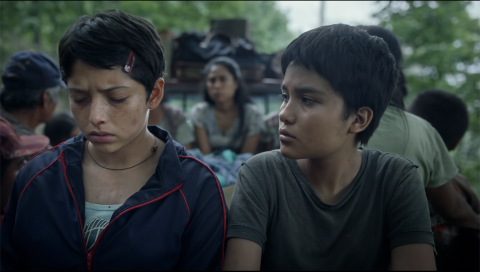
Describes the setting of a scene in a play or a film. It refers to everything placed on the stage or in front of the camera—including people. In other words, mise en scène is a catch-all for everything that contributes to the visual presentation and overall “look” of a production. When translated from French, it means “placing on stage.”
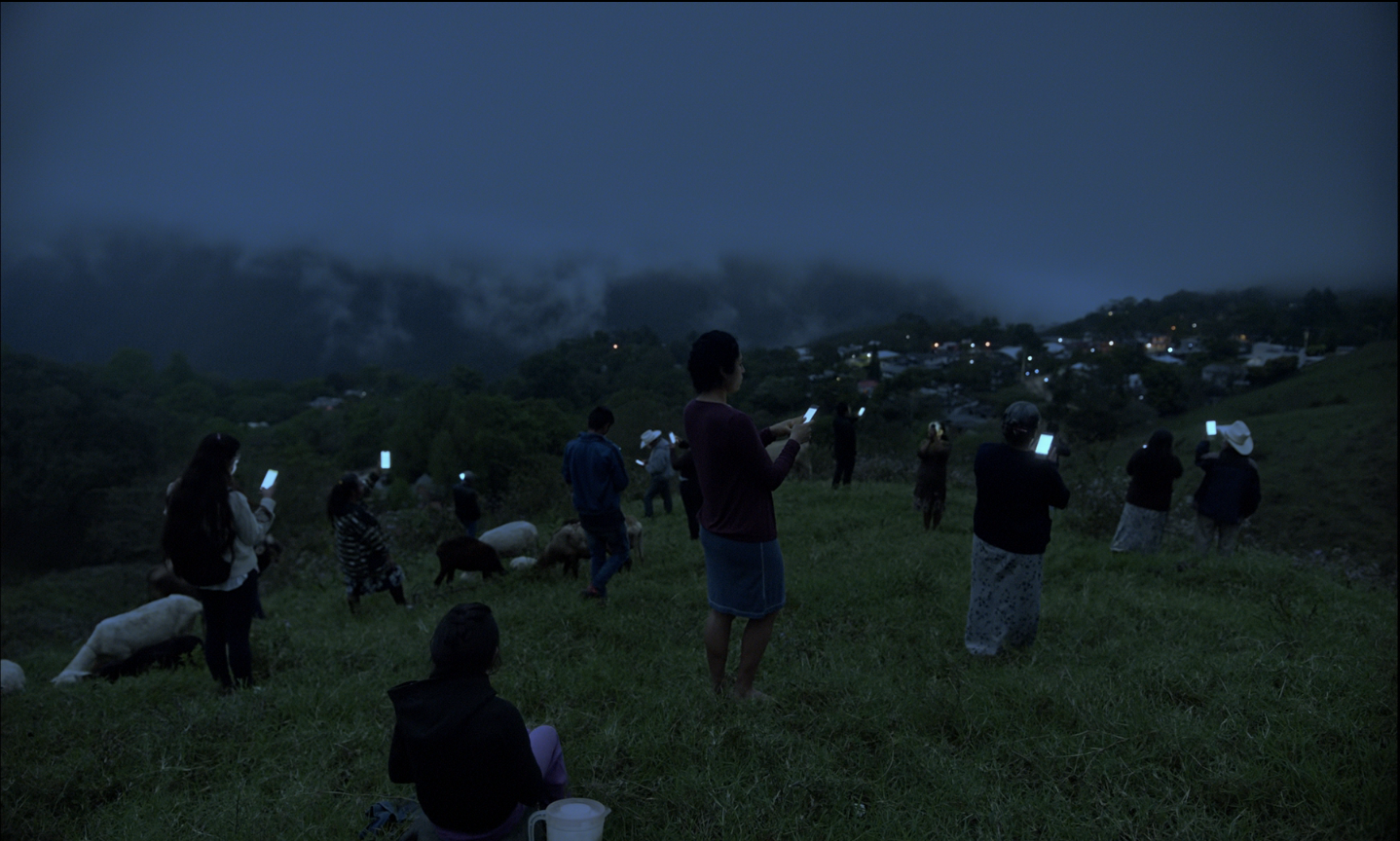
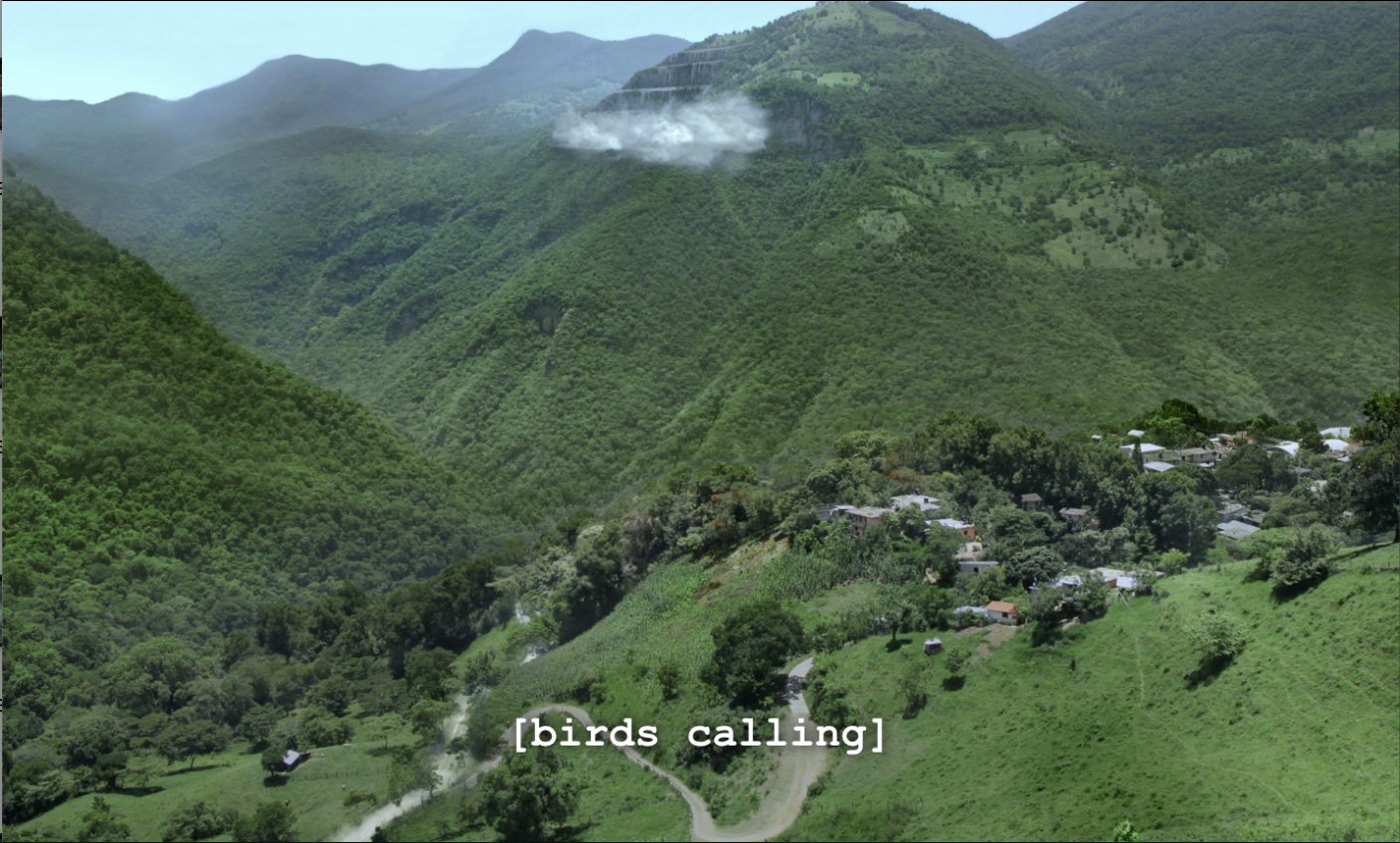
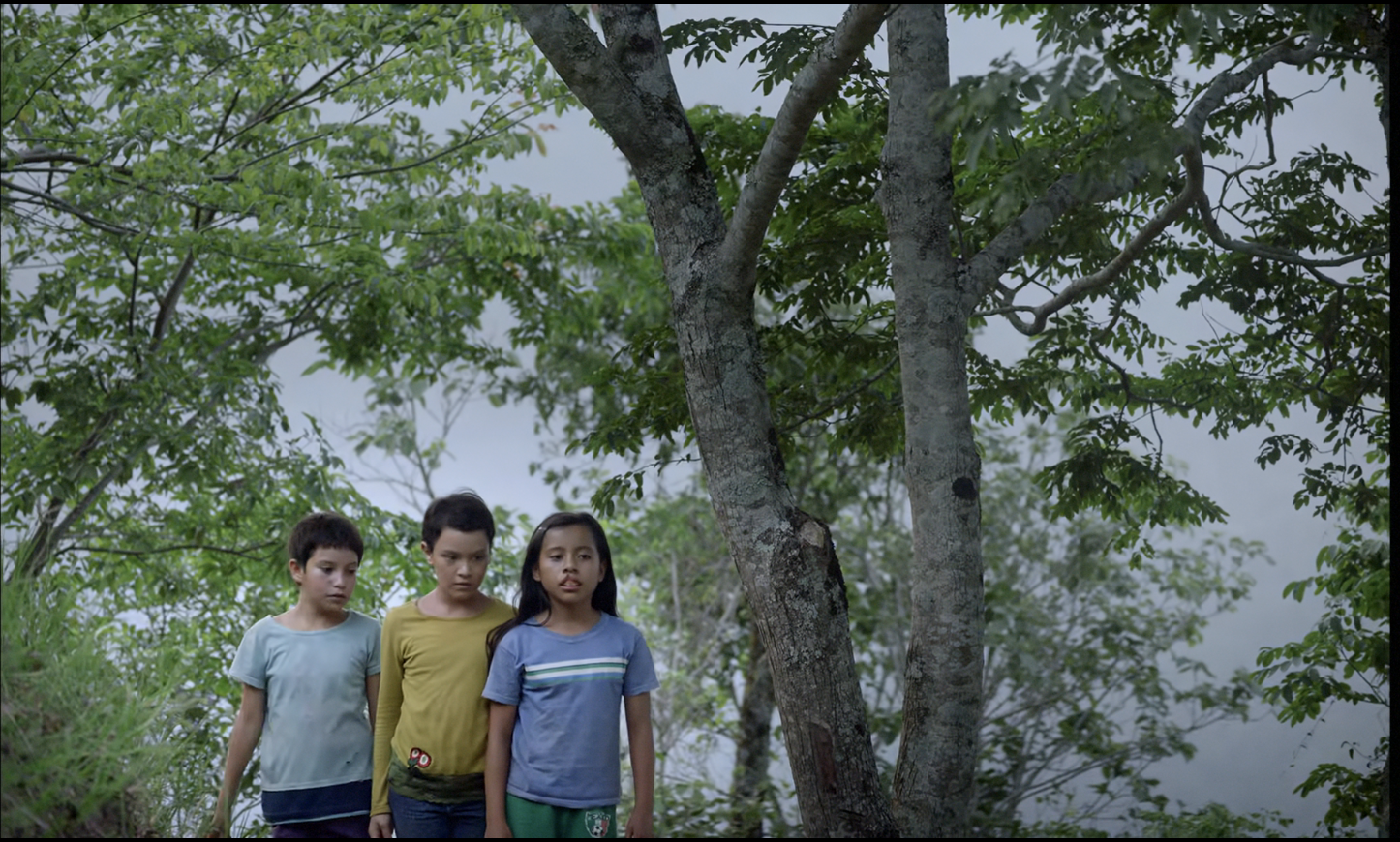
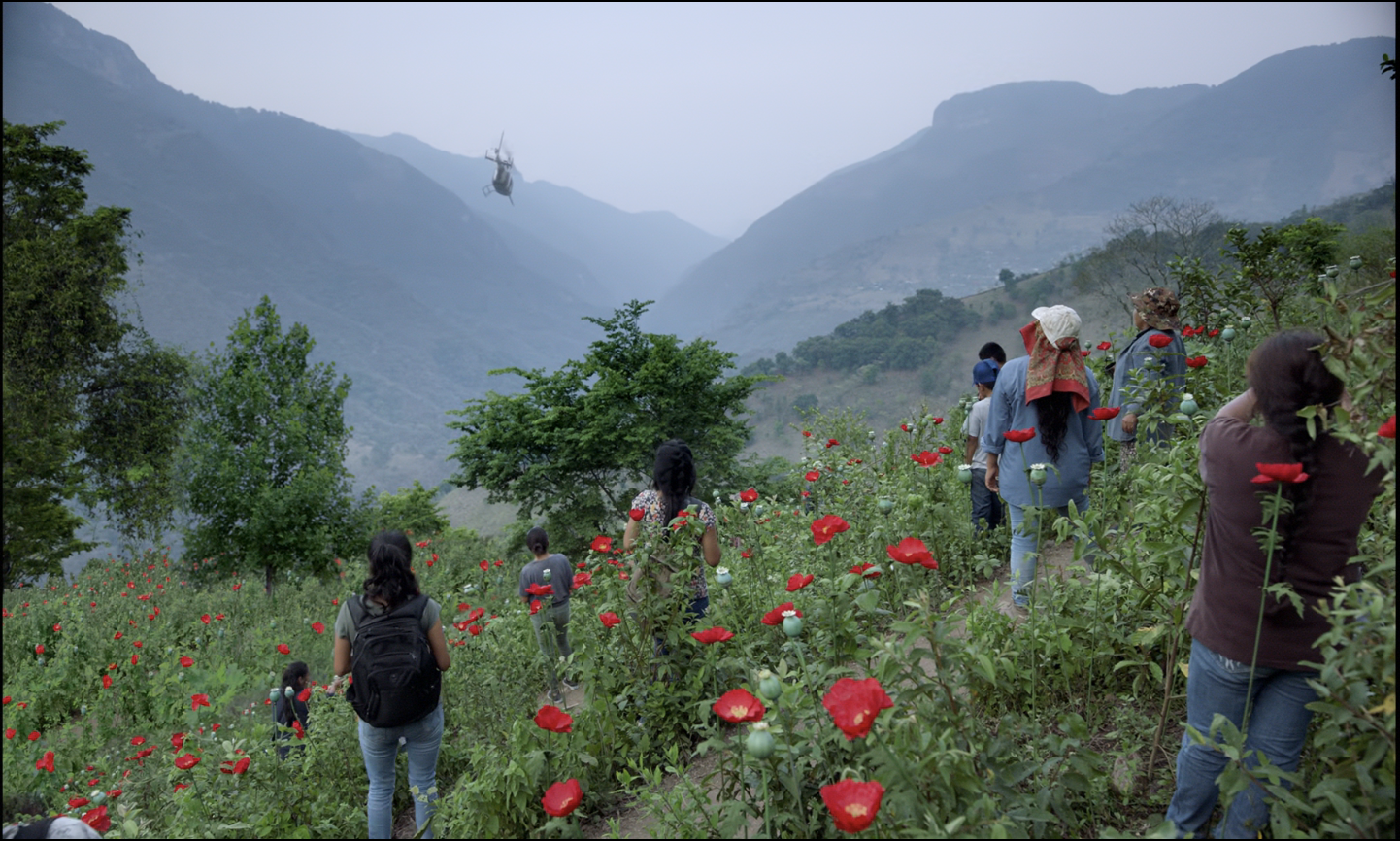
The surrounding mountains shown by the wide views are lush and visually beautiful, giving the girls spaces to play and experience moments of childhood freedom. At the same time, the village is geographically isolated and controlled by the threat of cartel violence. Even basic communication requires residents to climb into the hills and hold their phones toward the sky in search of reception, visually showing how physically cut off the community is from the outside world.
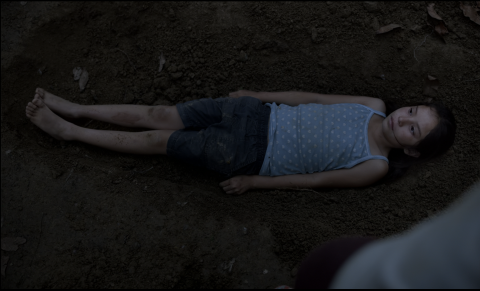
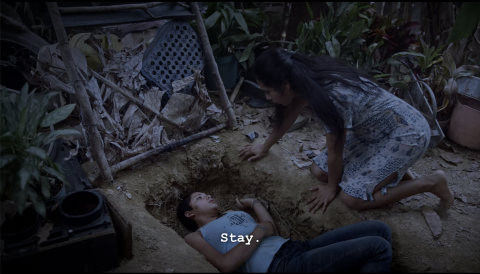
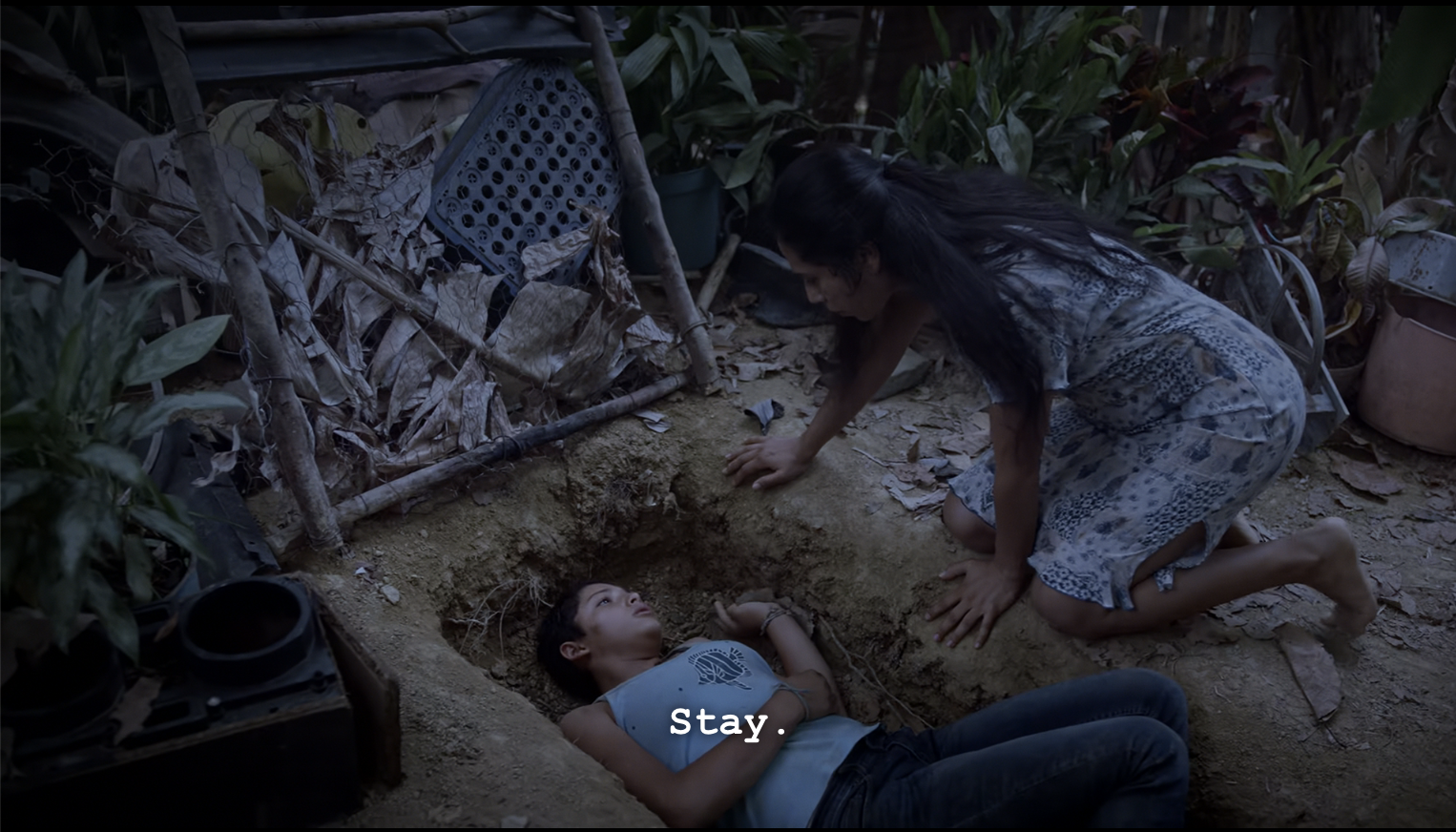
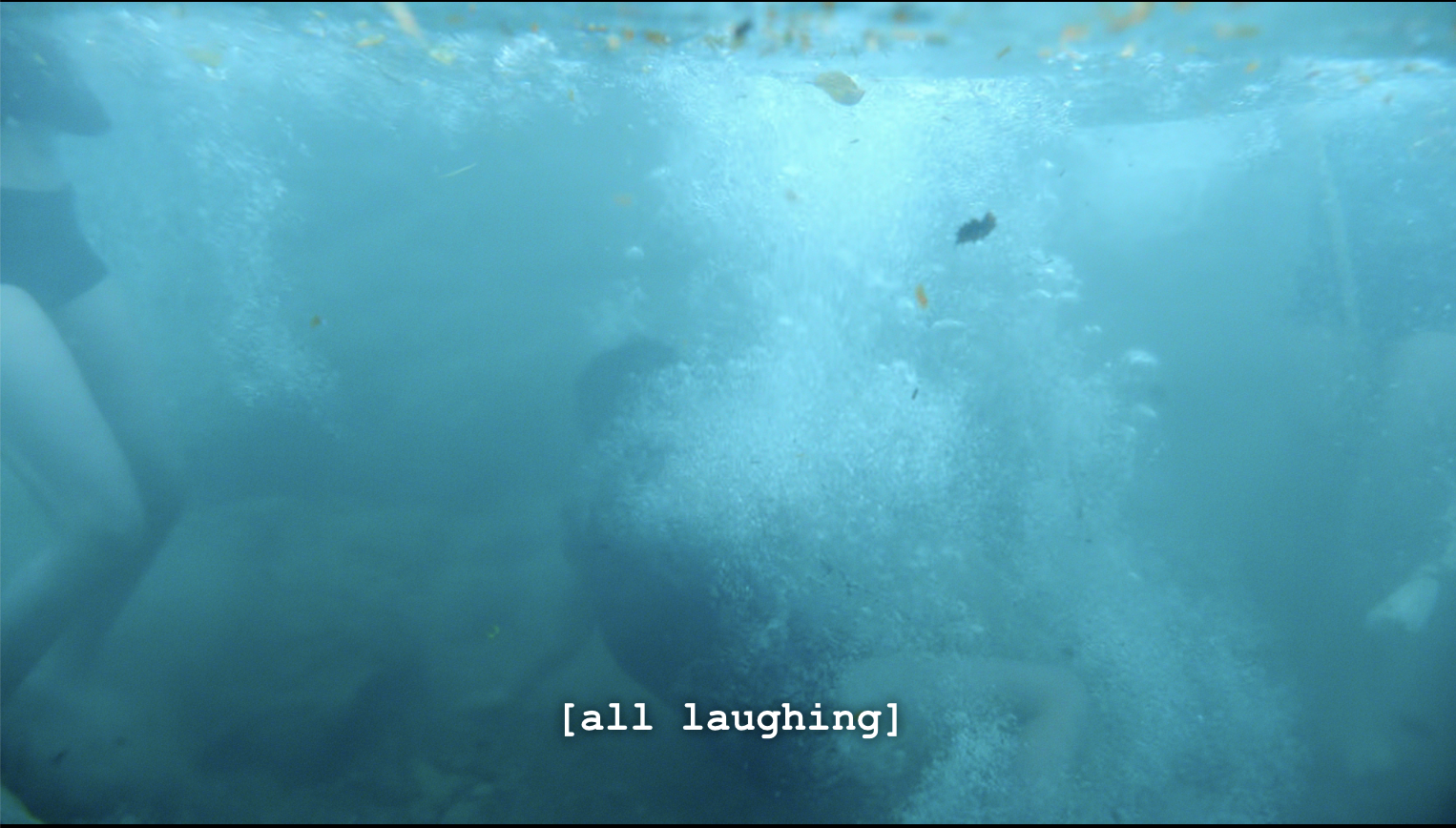
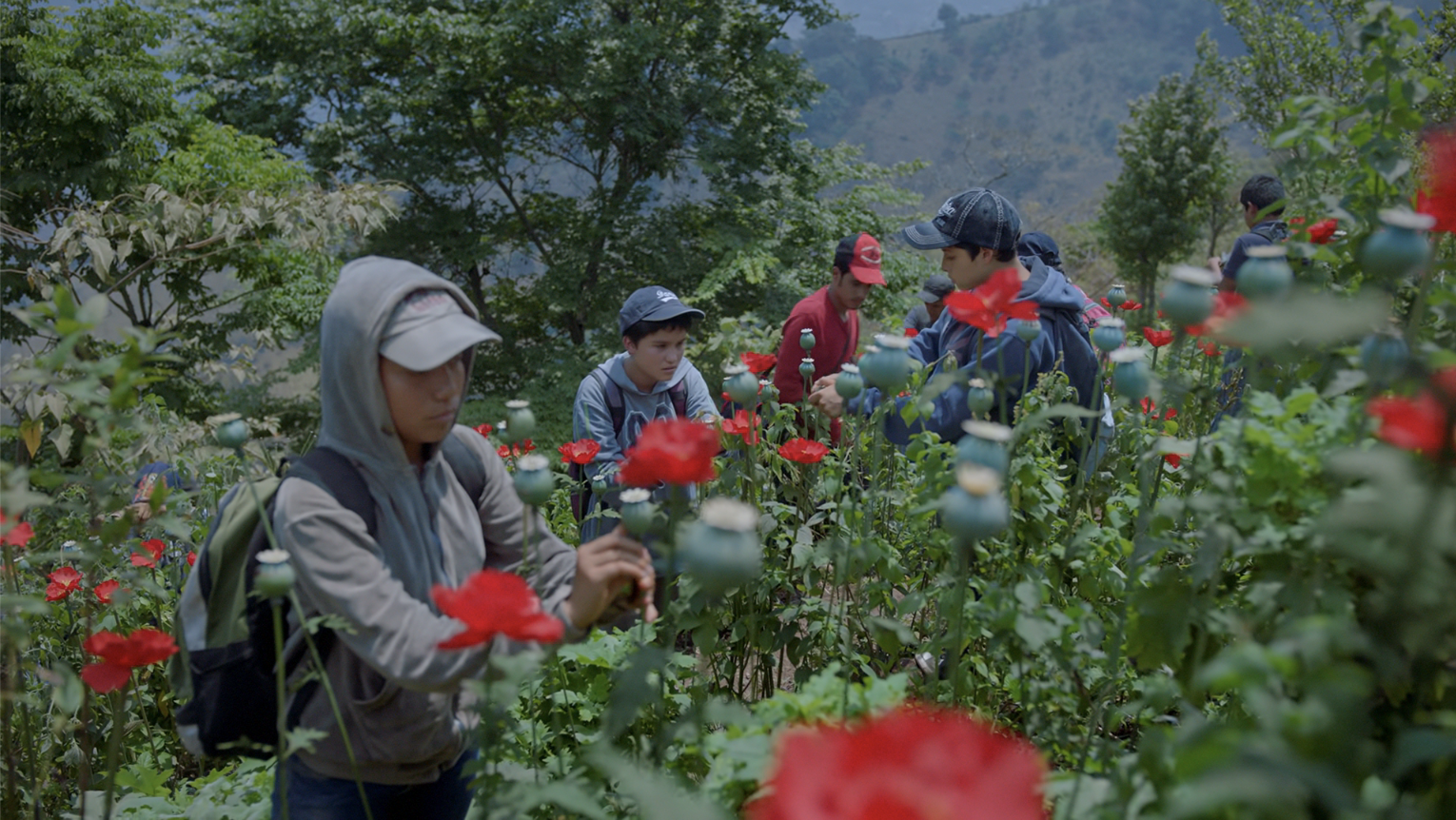
The film repeatedly transforms this beautiful landscape into a space of danger. Most significantly, Ana’s mother teaches her to hide in a hole dug into the ground when she is still a child. The space resembles a grave: although it is meant to protect Ana, she must essentially disappear beneath the earth in order to remain safe. Huezo returns to this same setting later, when Ana hides again during a moment of immediate danger in the buildup of the climax. The repetition changes the pit from an unsettling childhood precaution into proof that the threat her mother feared has become real. Violence also intrudes upon the greater landscape through the explosions in the mountains, helicopters spraying poison on the village and the villagers, and the poppy cultivation surrounding the village. In contrast, places such as the school and the river temporarily allow the girls to imagine lives beyond this danger. At school, they speak about their futures, while at the river they swim, play, and move freely through nature. These moments make the surrounding violence more notable, as the same landscape is able to contain both the freedom of childhood and the forces that steadily restrict it and that violence and exploitation are embedded in the environment.
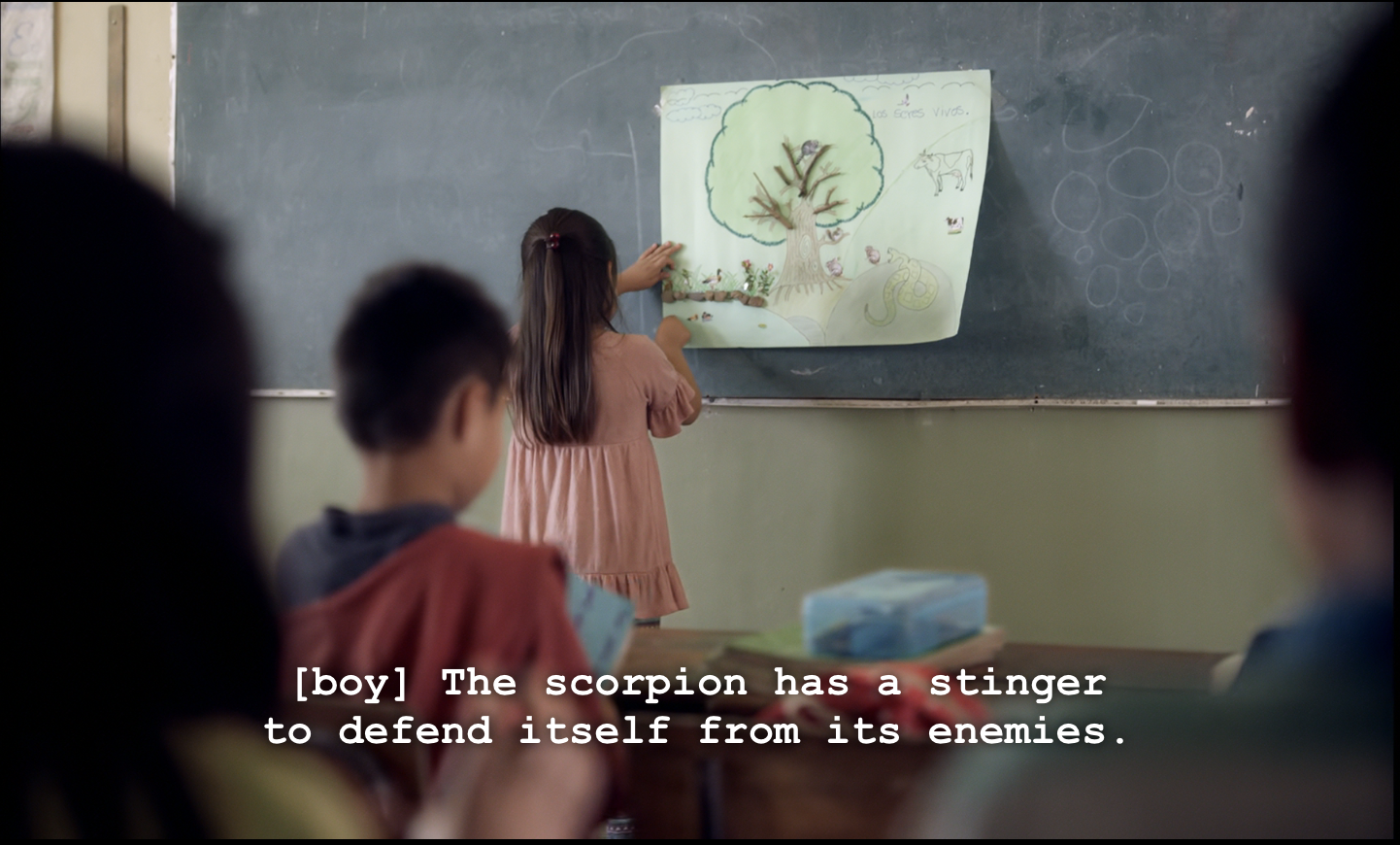
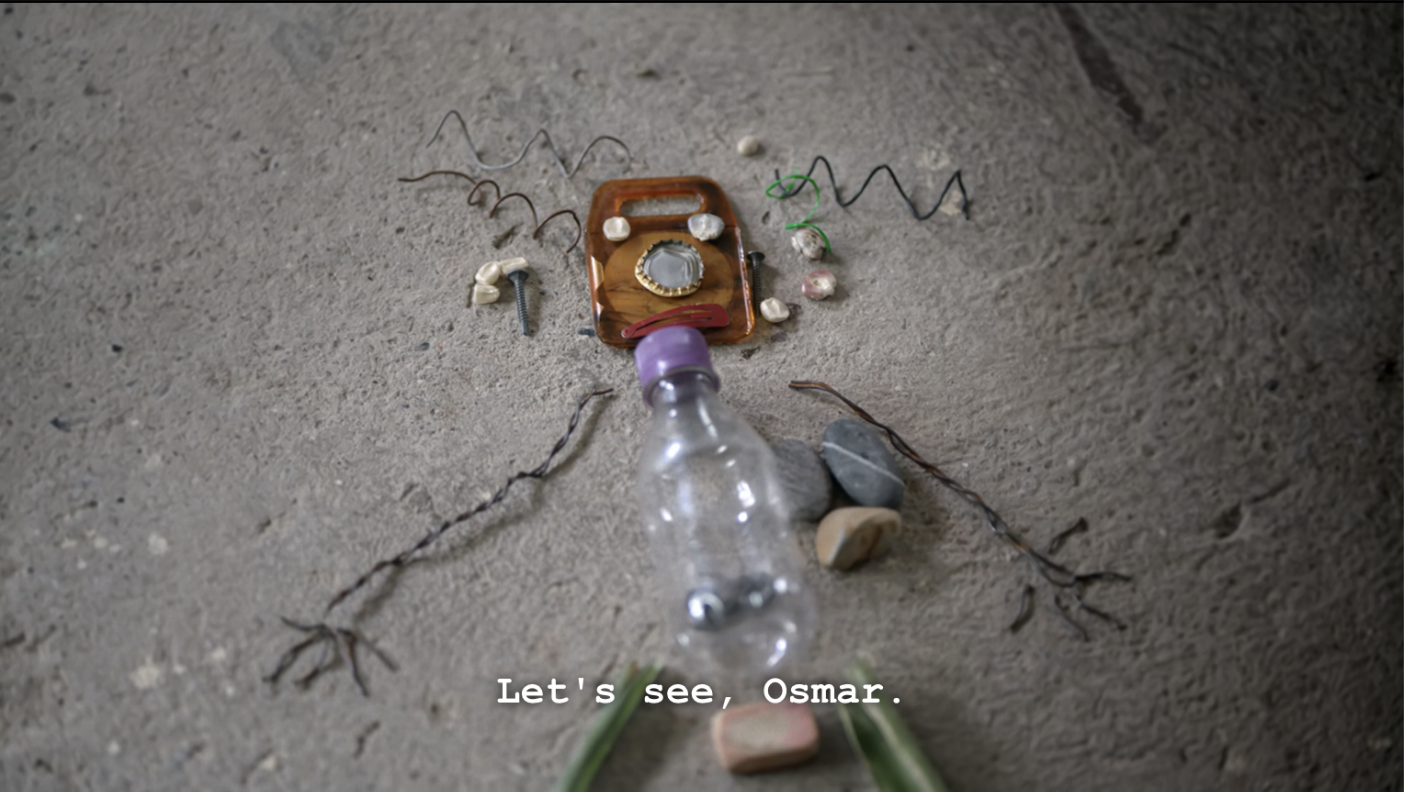
Animals and natural objects also appear repeatedly throughout the film. In one classroom scene, the children discuss the difference between living and nonliving things. One girl explains that animals can breathe, move, and communicate within their own communities, while another argues that rocks are not alive because they have no eyes, ears, or blood. This discussion becomes more meaningful later when Ana uses a scorpion trapped inside a bottle as the backbone of a model body in class that she is describing herself as and three rocks from the mountain as its heart. Earlier, the scorpion had been described as having a stinger to defend itself, so placing it along the spine connects the animal with protection and survival. The three rocks can also be read as representing Ana, Paula, and María and the friendship at the center of Ana’s life.
The repeated presence of animals adds to this idea of community. Cows appear together and animal sounds regularly continue in the background of village life. When a farmer disappears, his cows eventually enter and overrun his abandoned home, making his absence physically visible. Insects are used really beautifully in the opening scene before introducing the poisonous snake and the three girls. Against these animal groups, the human community is repeatedly separated by disappearance and violence.
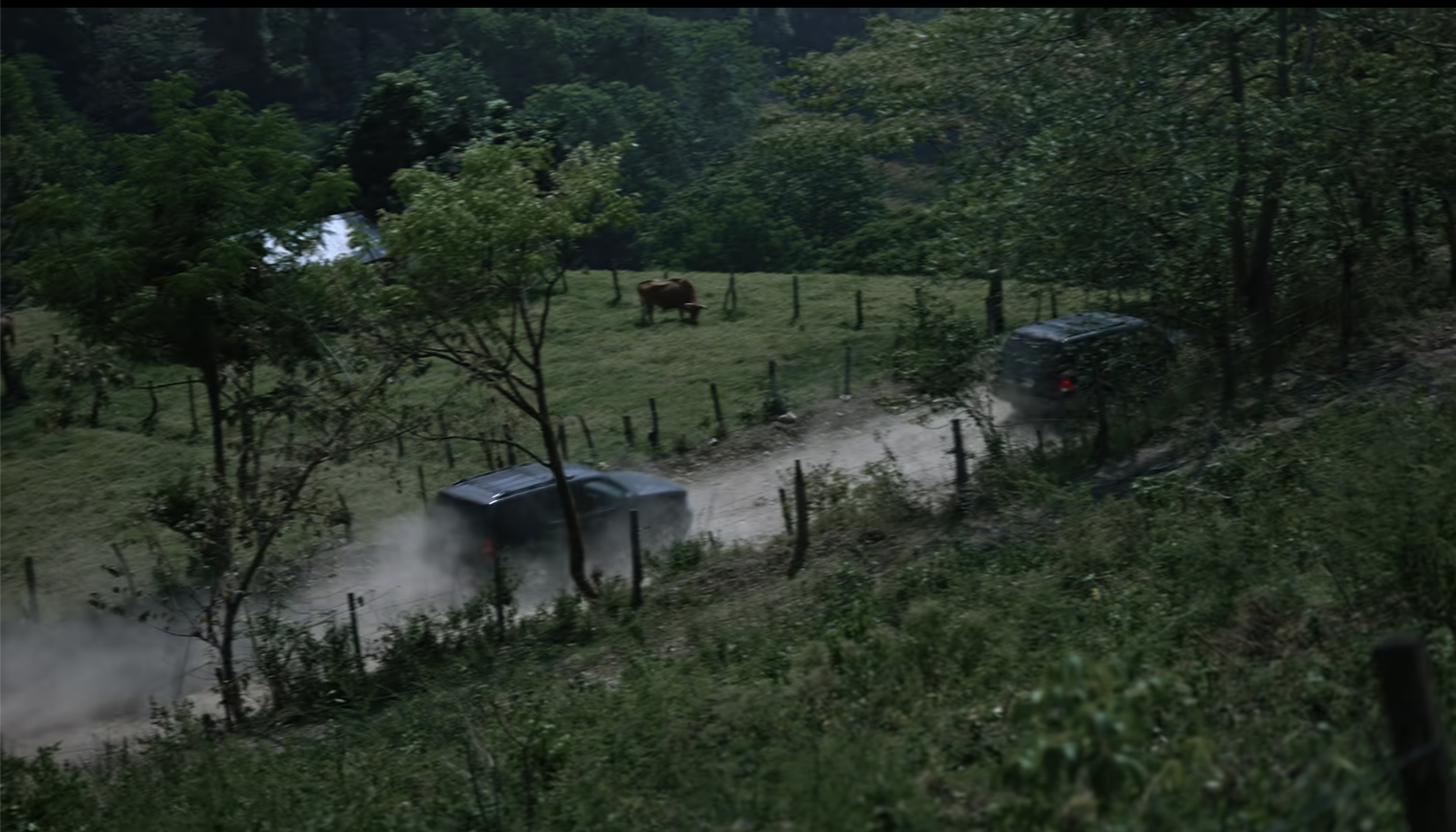
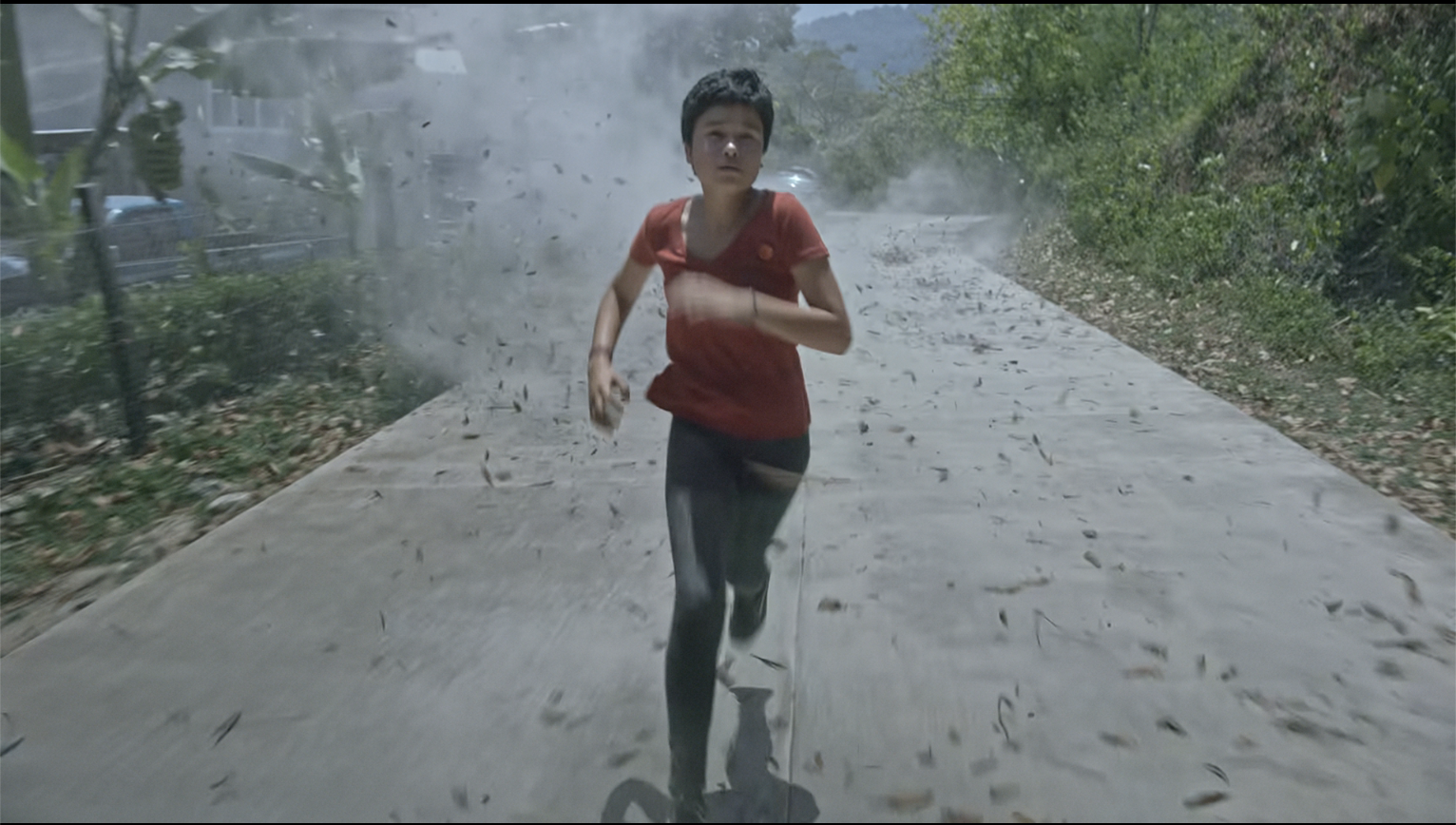
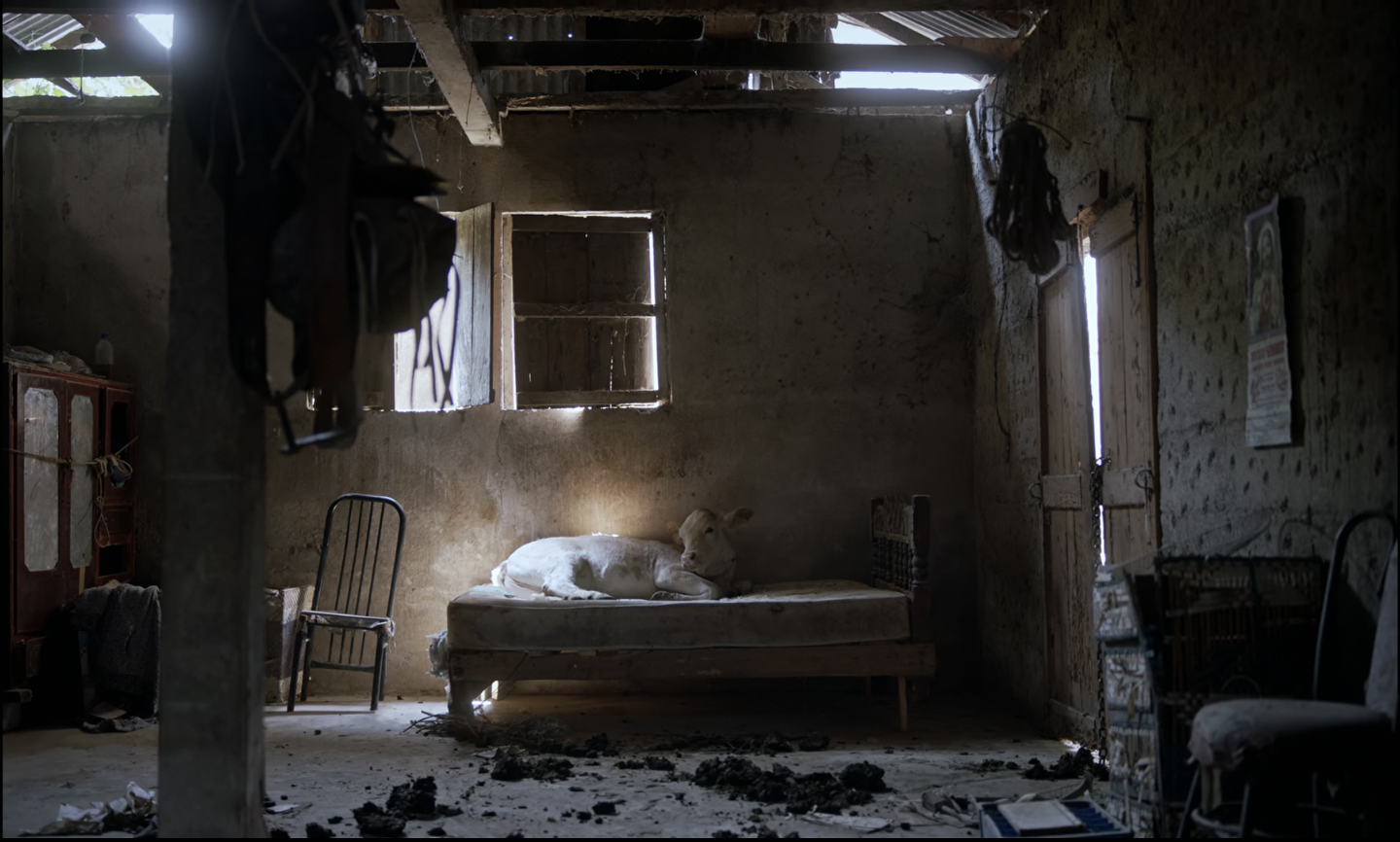
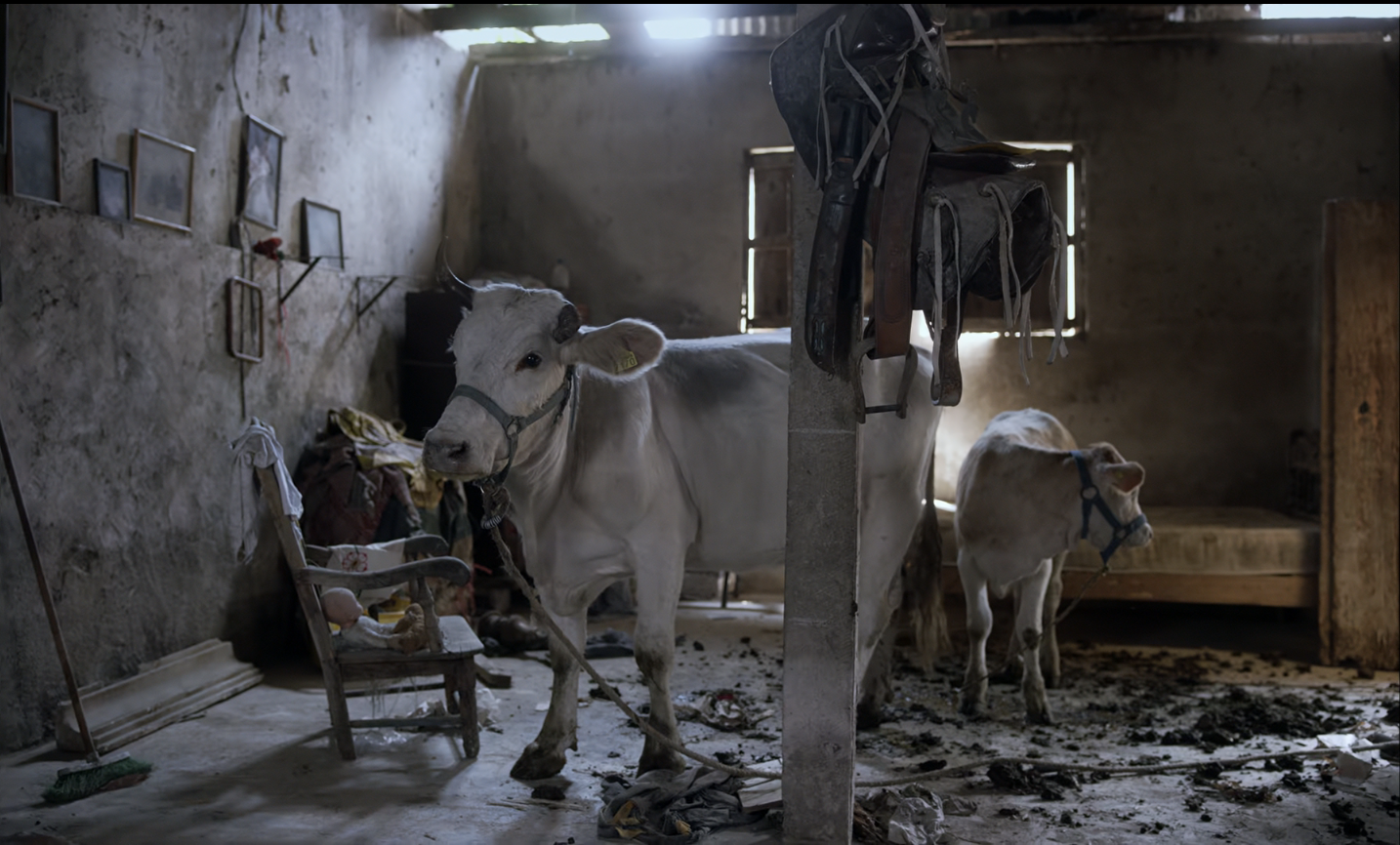
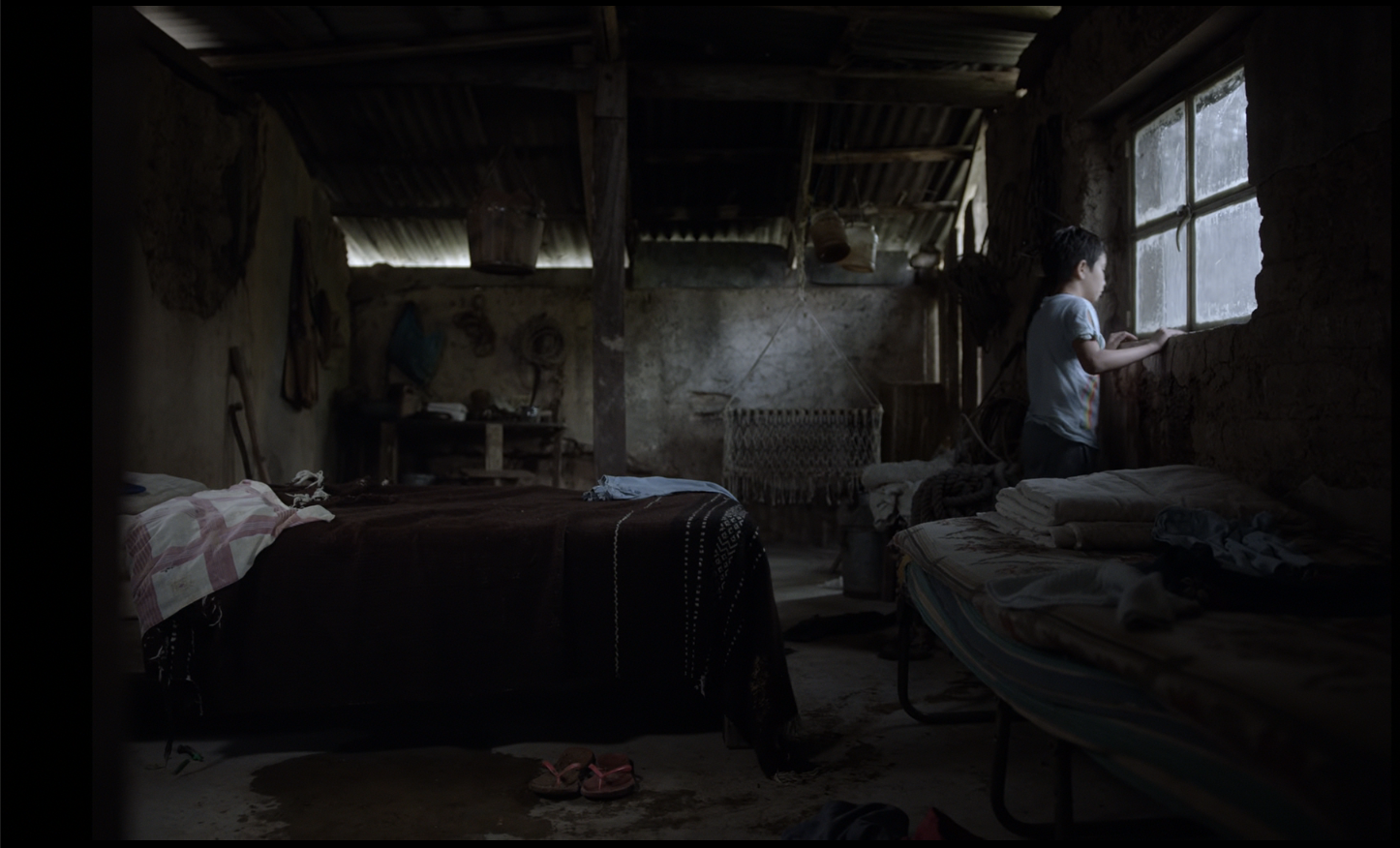
The overall color palette also leans pretty cool, with dark blues, greens, grays, and muted earth tones throughout the village and mountain scenes. This gives the film a subdued, natural look instead of a warm or highly saturated one. Brighter moments, such as the girls swimming at the river, stand out because they briefly break from the darker visual tone used elsewhere with more brightened daylight.
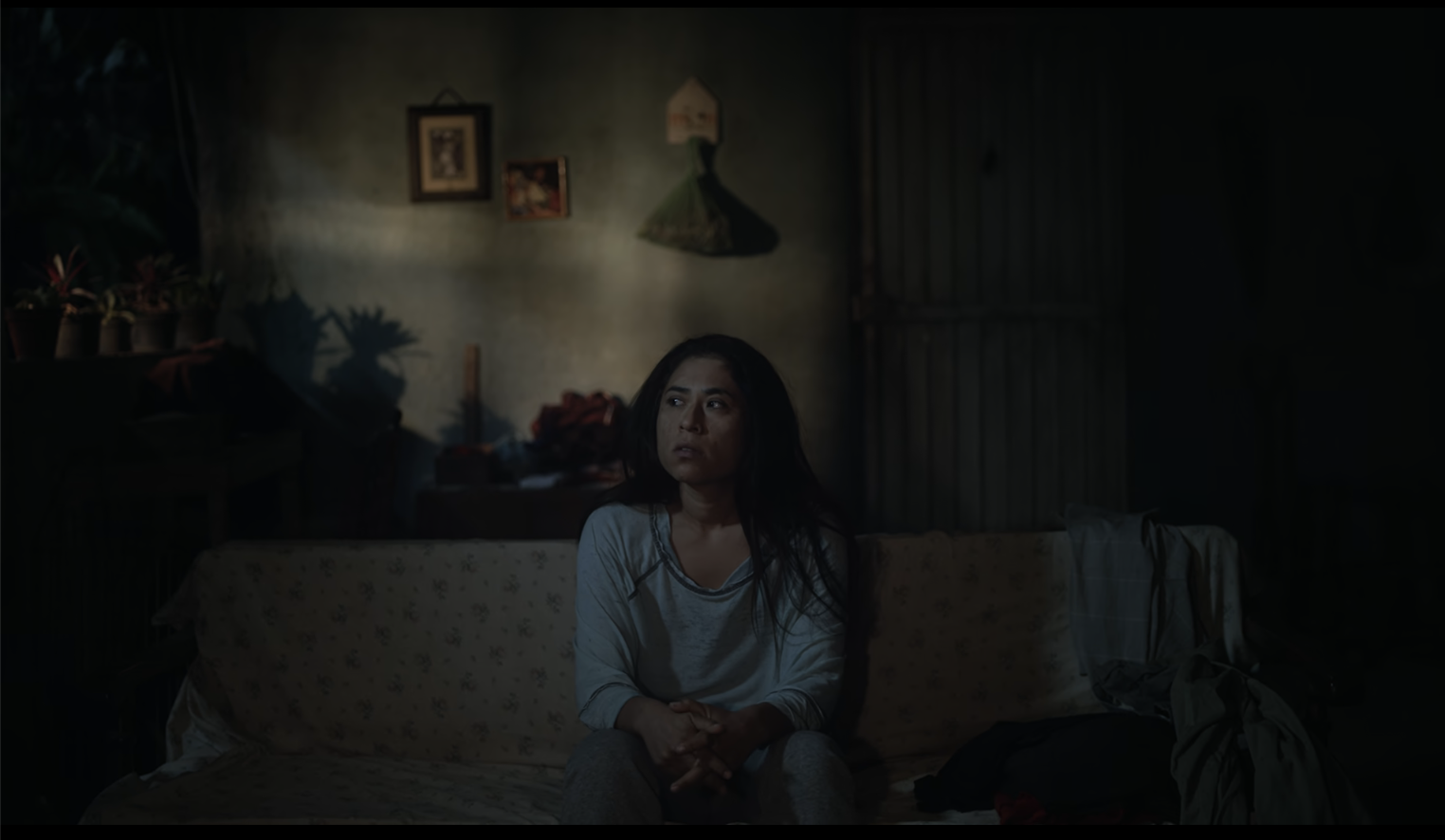
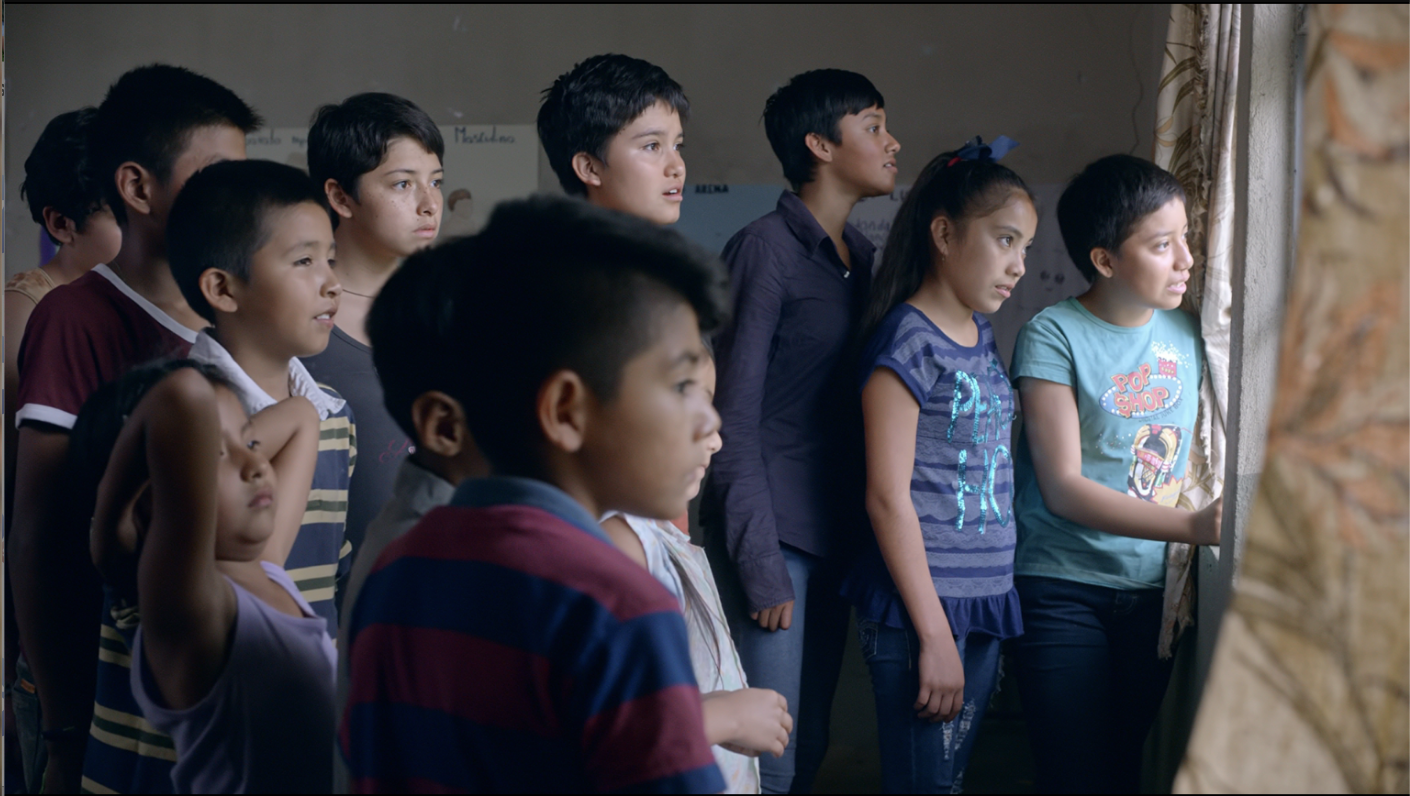
Makeup is handled similarly. The film largely avoids it, and when Ana and her friends play with lipstick early on, Ana is harshly scolded by her mother and told not to wear it again. Throughout the film, the girls are usually shown with natural skin, sweat, dirt, and wet hair. This keeps their appearance realistic while also reinforcing how femininity is deliberately minimized because it can attract unwanted attention.
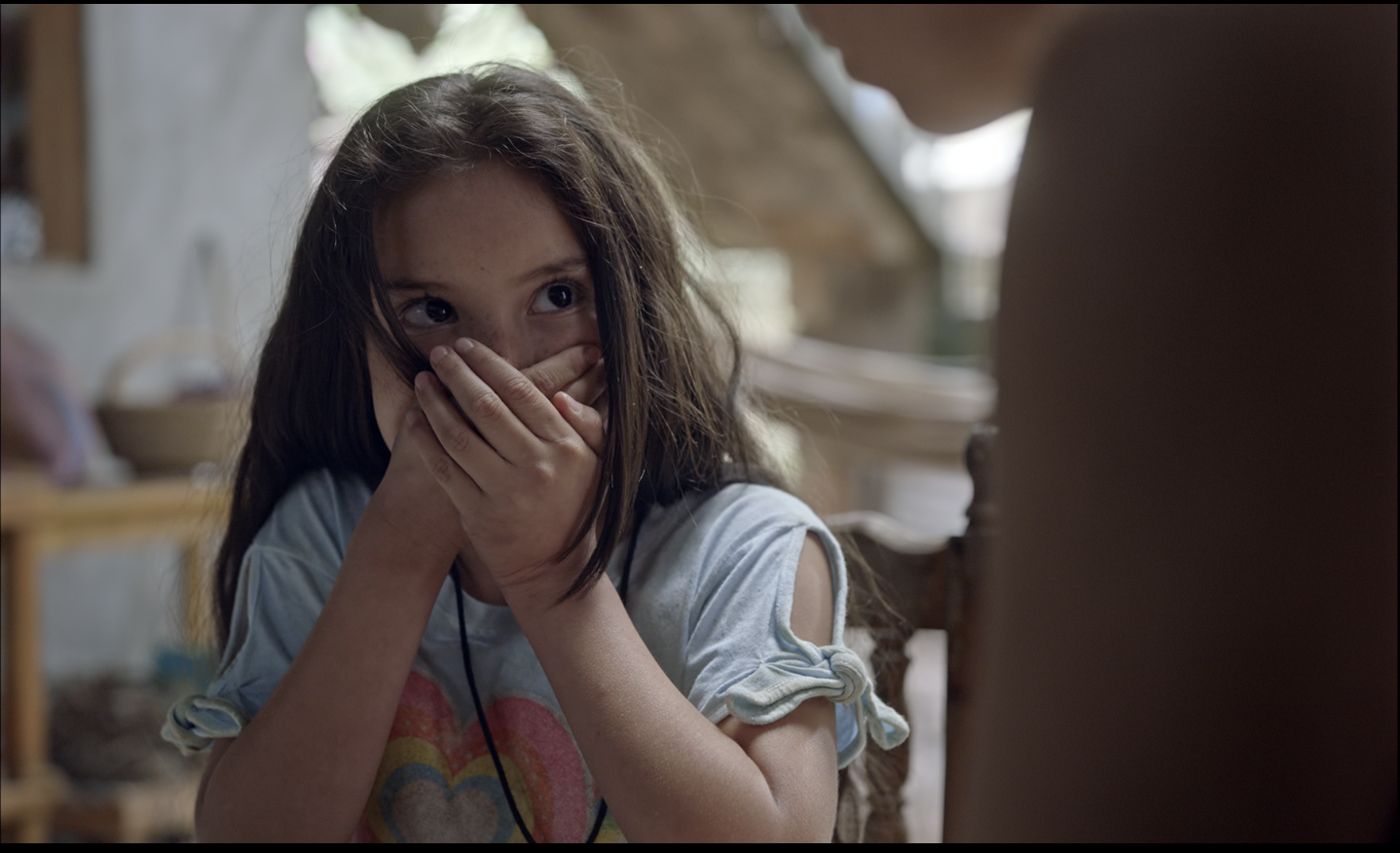
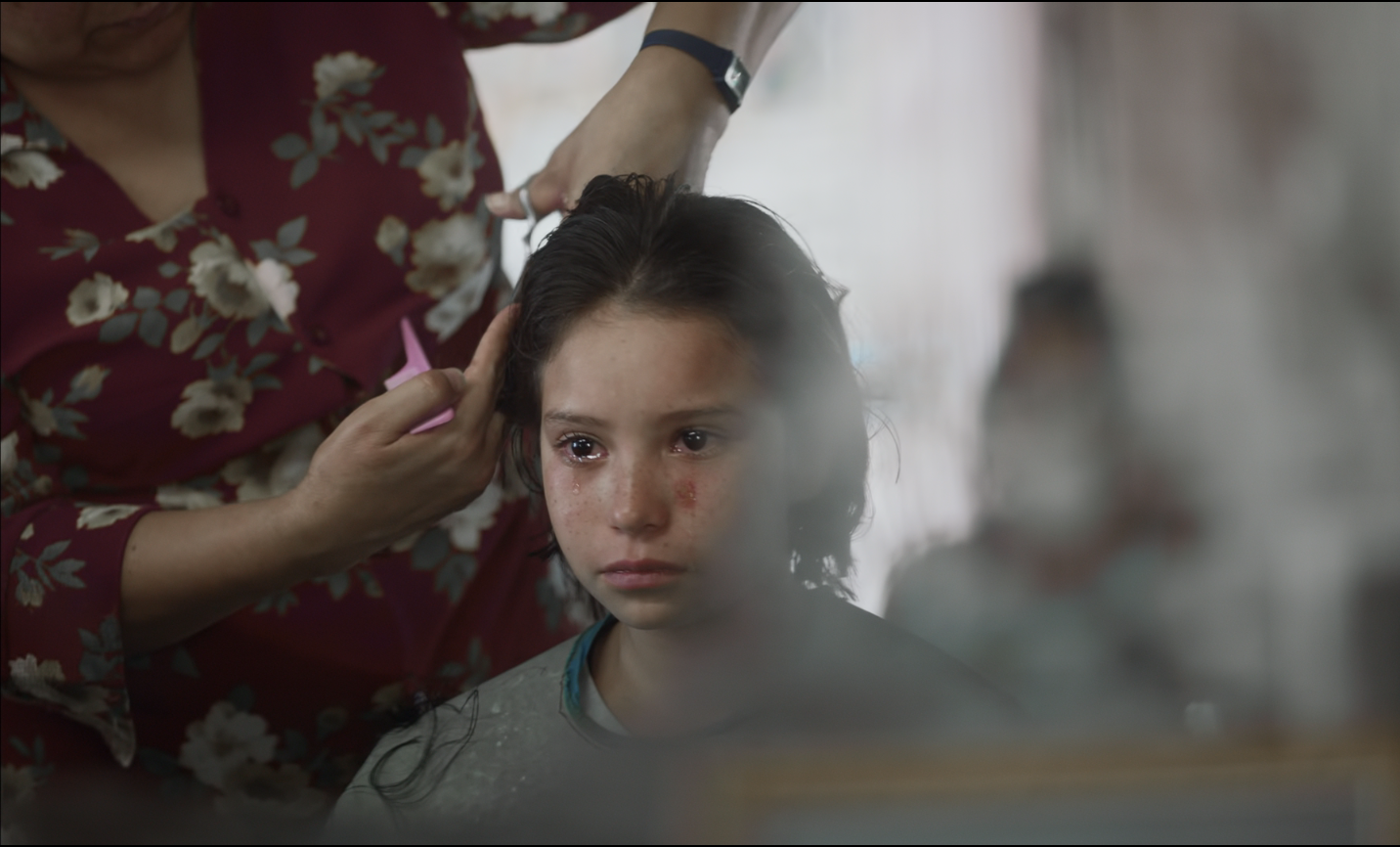
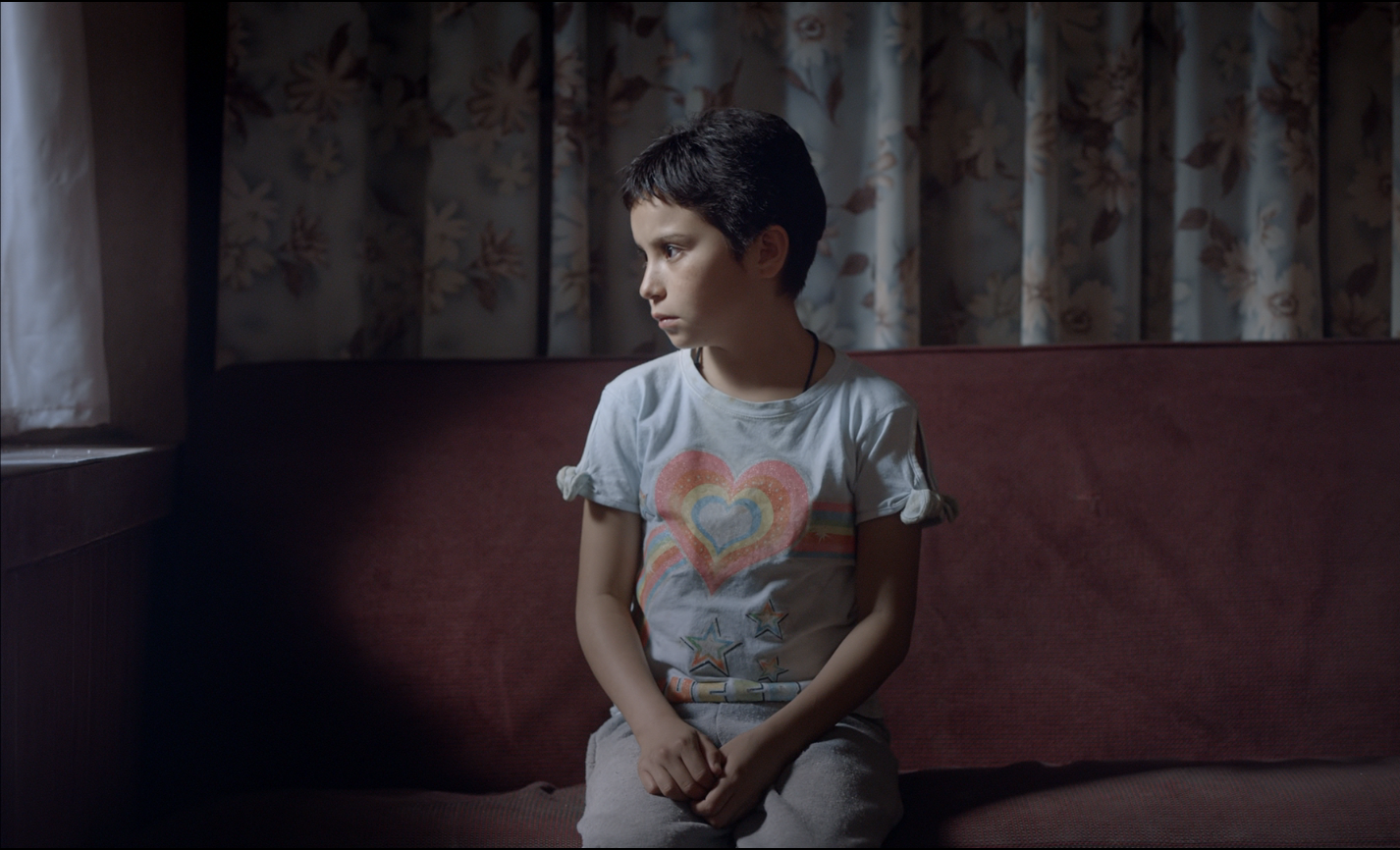
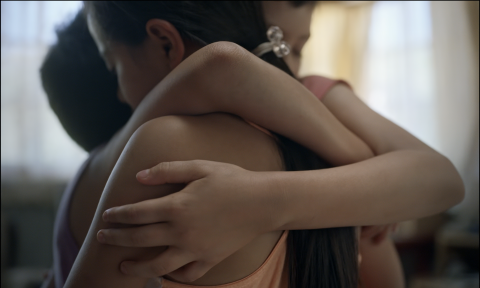
Ana is playful at times, but there is a quiet sadness in her behavior throughout the film that reflects the mood of her mother and the village at a greater level. As she grows older, she becomes more independent and curious, yet gradually more aware of the danger surrounding her. Since the adults rarely explain that danger directly, Ana and her friends seem to understand it through observation of the approaching vehicles, helicopters, disappearances, and their mothers’ reactions. As a teenager, she becomes more independent and assertive, especially in her interest in María’s brother and her teacher, but she still does not fully understand the risks around her. By the final part of the film, Ana is much more subdued. After María is taken, both Ana and Paula appear almost stone-faced and hold expressions of sadness.
Men are also notably absent from much of the film as many fathers have left to work in the United States, while the cartel itself is usually kept faceless or offscreen. This keeps the focus on the girls and their mothers and makes the threat feel present without showing too much graphic violence (a choice Huezo made while making the film).
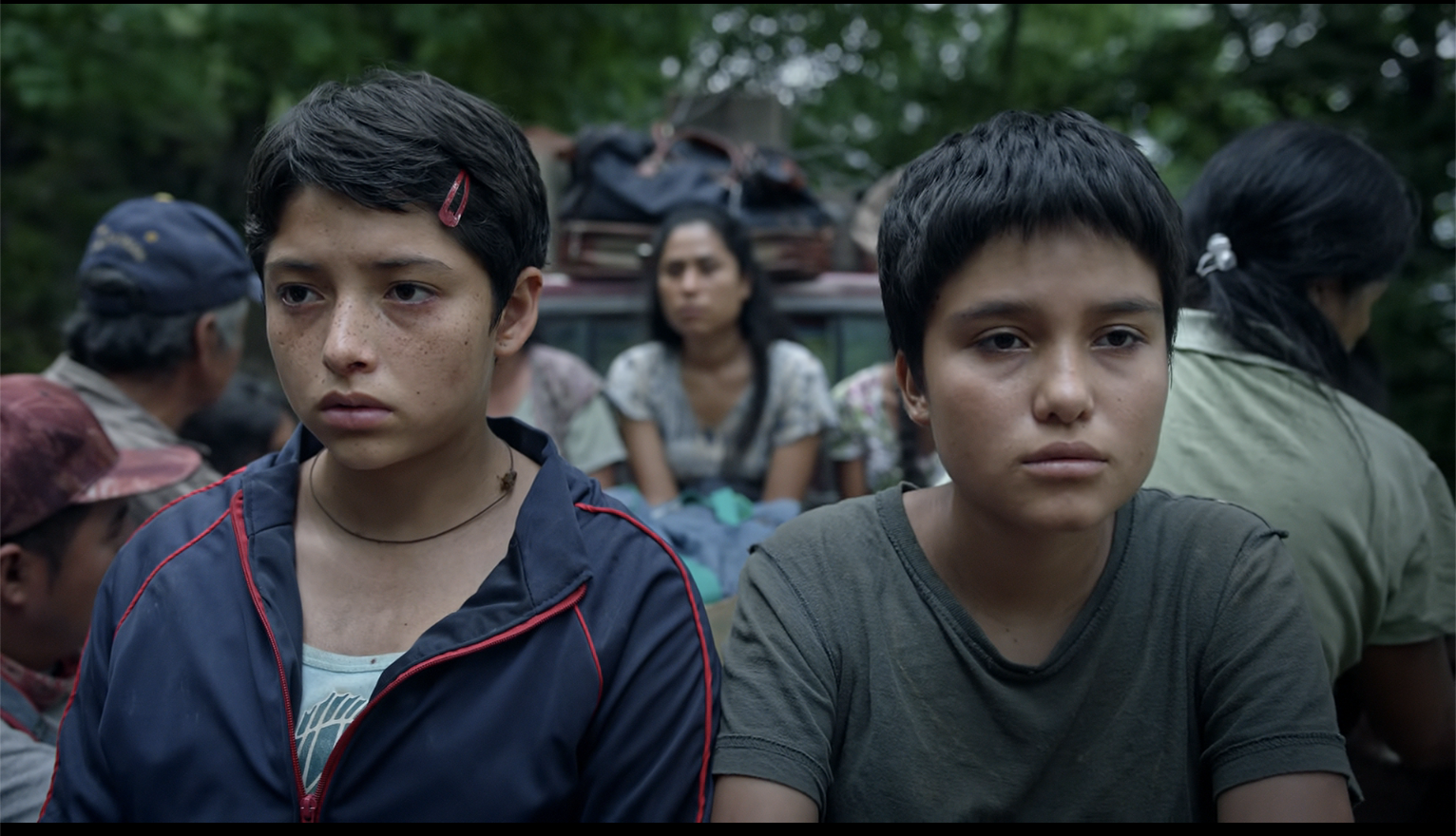
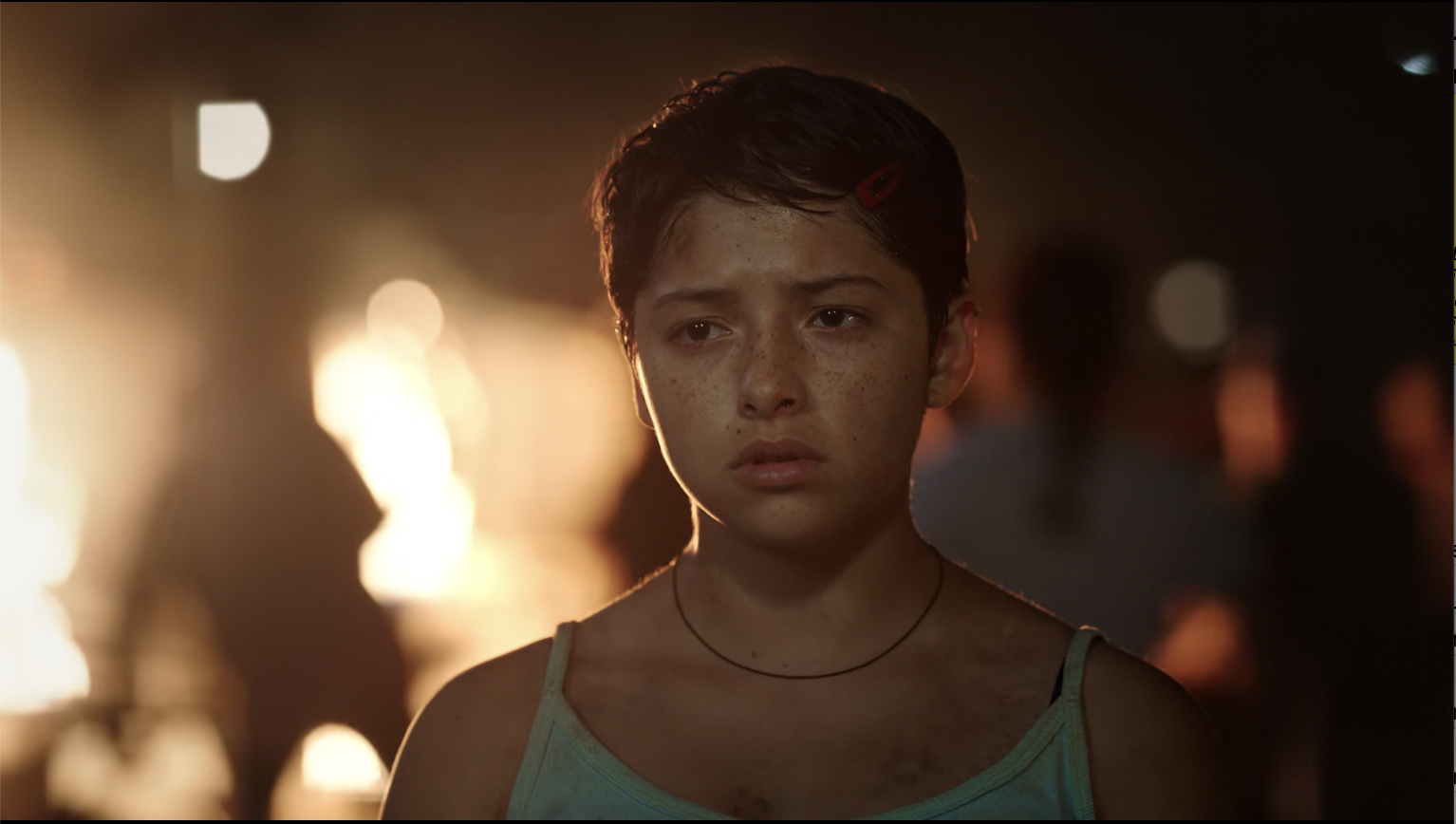
This is the art of photography and visual storytelling in a motion picture or television show. Cinematography comprises all on-screen visual elements, including lighting, framing, composition, camera motion, camera angles, film selection, lens choices, depth of field, zoom, focus, color, exposure, and filtration. Cinematography sets and supports the overall look and mood of a film’s visual narrative. Each visual element that appears on screen, a.k.a. the mise-en-scène of a film, can serve and enhance the story—so it is the cinematographer’s responsibility to ensure that every element is cohesive and support the story. Filmmakers often choose to spend the majority of their budget on high-quality cinematography to guarantee that the film will look incredible on the big screen.
Editing is the process of putting a film together–the selection and arrangement of shots and scenes. Editing can condense space and time, emphasize separate elements and bring them together, and organize material in such a way that patterns of meaning become apparent. In addition, editing can determine how a film is perceived: for instance, quick, rapid cuts can create a feeling of tension, while a long take can create a more dramatic effect. The first photoplays generally had no cutting, owing to the fact that they were single-reel films; once filming began, you could not stop until the film ran out. (https://filmglossary.ccnmtl.columbia.edu/term/editing/)
Sound is an integral part in a film. It refers to everything that the audience hears including sound effects, words and music. Sound is used in films for various purposes, including: providing the information to the viewer about the location of the scene, heightening the mood, telling the audience about the characters and advancing the plot. Every person who watches a film realizes that the choice of voices, soundtrack and music present in a film affect the way that the viewer perceives a particular film. As a result, the sound is an important and integral element of the film, one that determines the way that the viewer experiences and understands a film as a visual experience.
Narrative analysis is an examination of the story elements, including narrative structure, character, and plot. A narrative can be considered to be the chain of events in a cause-effect relationship occurring in time and space. In order to analyze the narrative of a film, we need to first make the distinction between the plot of the film and the story of the film. This is sometimes referred to as the discourse and story of a film. Narrative may also be called the story thought story mainly refers to the events that describe the narrative.
Film genres are various forms or identifiable types, categories, classifications or groups of films. (Genre comes from the French word meaning "kind," "category," or "type"). These provide a convenient way for scriptwriters and film-makers to produce, cast and structure their narratives within a manageable, well-defined framework. Genres also offer the studios an easily 'marketable' product, and give audiences satisfying, expected and predictable choices. Genres refers to recurring, repeating and similar, familiar or instantly-recognizable patterns, styles, themes, syntax, templates, paradigms, motifs, rules or generic conventions.
https://artsfuse.org/238289/film-review-prayers-for-the-stolen-a-microcosm-of-mexico-makes-us-premiere-at-the-ny-film-festival/
https://www.youtube.com/watch?v=Hgd8rcNj25o