
Reflecting on his past with his high school sweetheart, Angelica, Bobby Montoya recounts the troubled times his family endured during the 1960’s whilst living in a petroleum villa, just before the nationalization of the petroleum industry in Venezuela. His father, a laborer for an international oil company, is at odds with his foreign superiors, while he deals with an unfaithful wife and terrorists that continue to blow up oil pipelines. Bobby meanwhile must reconcile his love for Angelica with his passion for baseball, a popular sport in 1960’s Venezuela and a manifestation of American influence in the region. This all occurs with an eerily similar backdrop: Venezuela on the edge of instability and revolution.
Describes the setting of a scene in a play or a film. It refers to everything placed on the stage or in front of the camera—including people. In other words, mise en scène is a catch-all for everything that contributes to the visual presentation and overall “look” of a production. When translated from French, it means “placing on stage.”
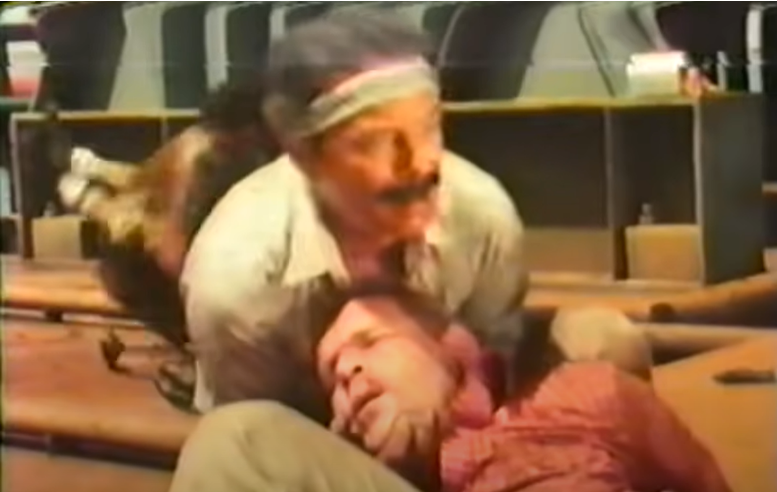
This is the art of photography and visual storytelling in a motion picture or television show. Cinematography comprises all on-screen visual elements, including lighting, framing, composition, camera motion, camera angles, film selection, lens choices, depth of field, zoom, focus, color, exposure, and filtration. Cinematography sets and supports the overall look and mood of a film’s visual narrative. Each visual element that appears on screen, a.k.a. the mise-en-scène of a film, can serve and enhance the story—so it is the cinematographer’s responsibility to ensure that every element is cohesive and support the story. Filmmakers often choose to spend the majority of their budget on high-quality cinematography to guarantee that the film will look incredible on the big screen.
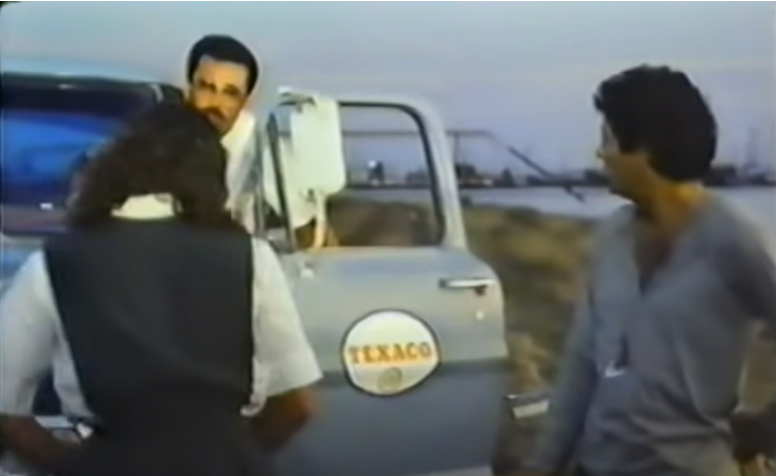
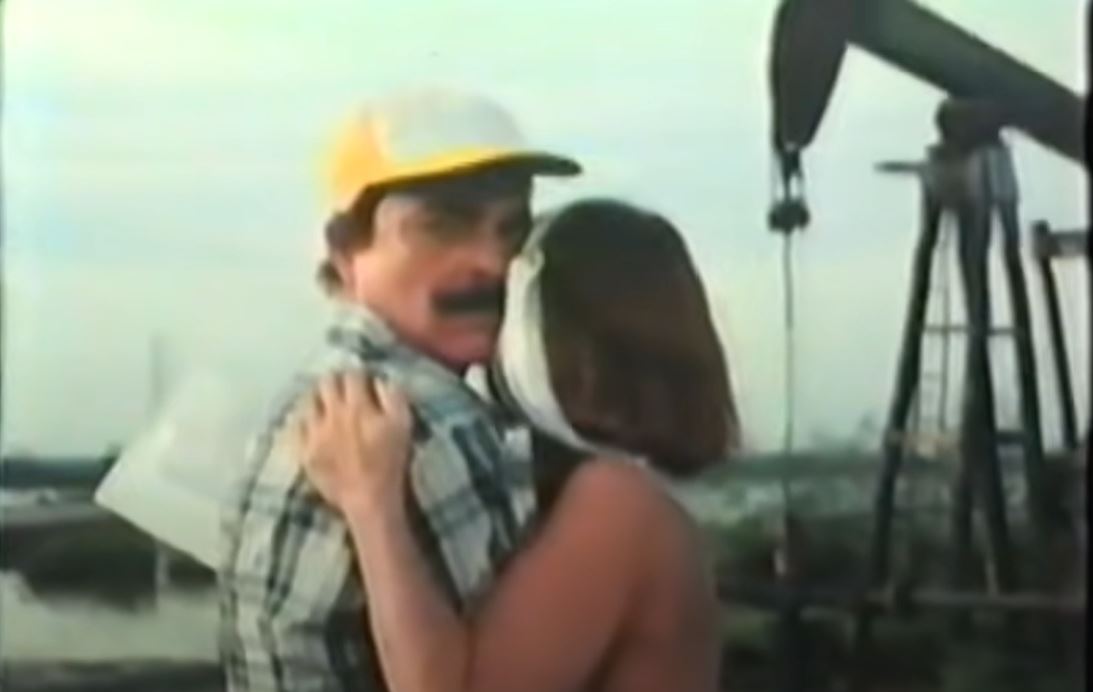
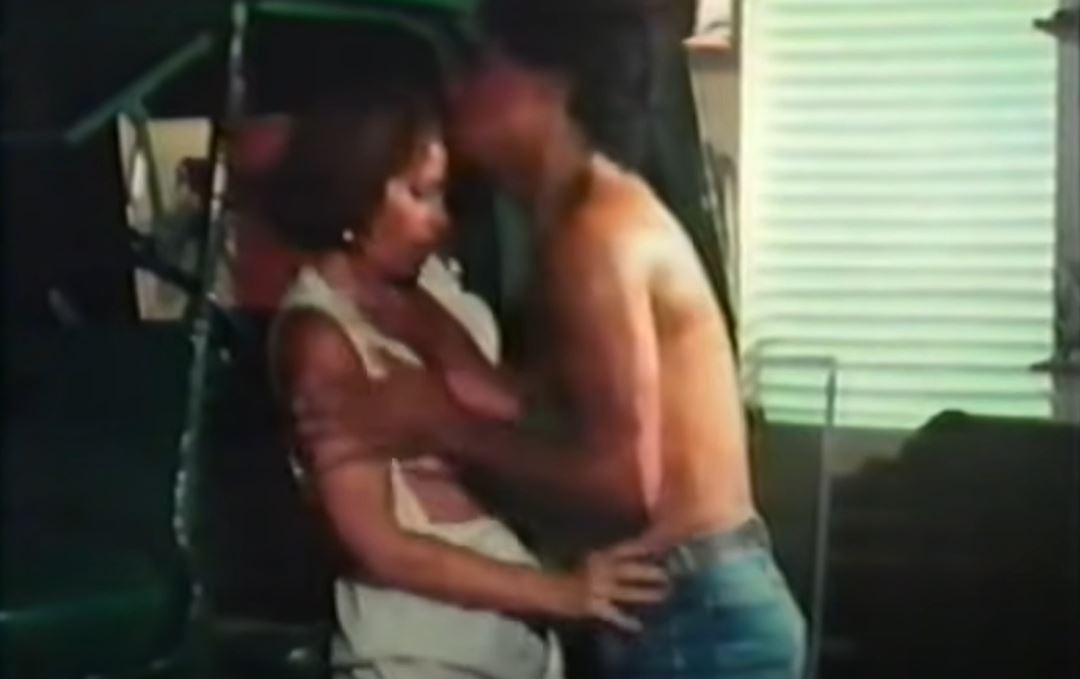
The shot focusing on just the couple emphasizes them, but alerts viewers to the backdrop that frames their relationship: the oil fields of Texaco. Julio becomes more like an economic agent to his wife rather than a husband; he helps provide for the family and ultimately their relationship is negatively affected, in large part because of his work and his struggles at work. In the scene, his wife looks at the man she will cheat on her husband with, smiles, turns towards the husband, and then away, while the husband looks to be suffering. By allowing viewers to catch all of these emotions, amidst the hazy background of the Texaco fields, Barberena does a fantastic job with the shallow focus shot.

Editing is the process of putting a film together–the selection and arrangement of shots and scenes. Editing can condense space and time, emphasize separate elements and bring them together, and organize material in such a way that patterns of meaning become apparent. In addition, editing can determine how a film is perceived: for instance, quick, rapid cuts can create a feeling of tension, while a long take can create a more dramatic effect. The first photoplays generally had no cutting, owing to the fact that they were single-reel films; once filming began, you could not stop until the film ran out. (https://filmglossary.ccnmtl.columbia.edu/term/editing/)
With a closer eye, it becomes clear that although the story is not continuous in its narrative structure, it is coherent, telling the story of Venezuela from the eve of the nationalization of the oil industry until the death of Rómulo Betancourt through the characters of Bobby and Julio and their lived experiences. Despite a generational and occupational gap, the lives of the two men are quite similar, providing a thematic continuity in spite of the lack of chronological continuity.
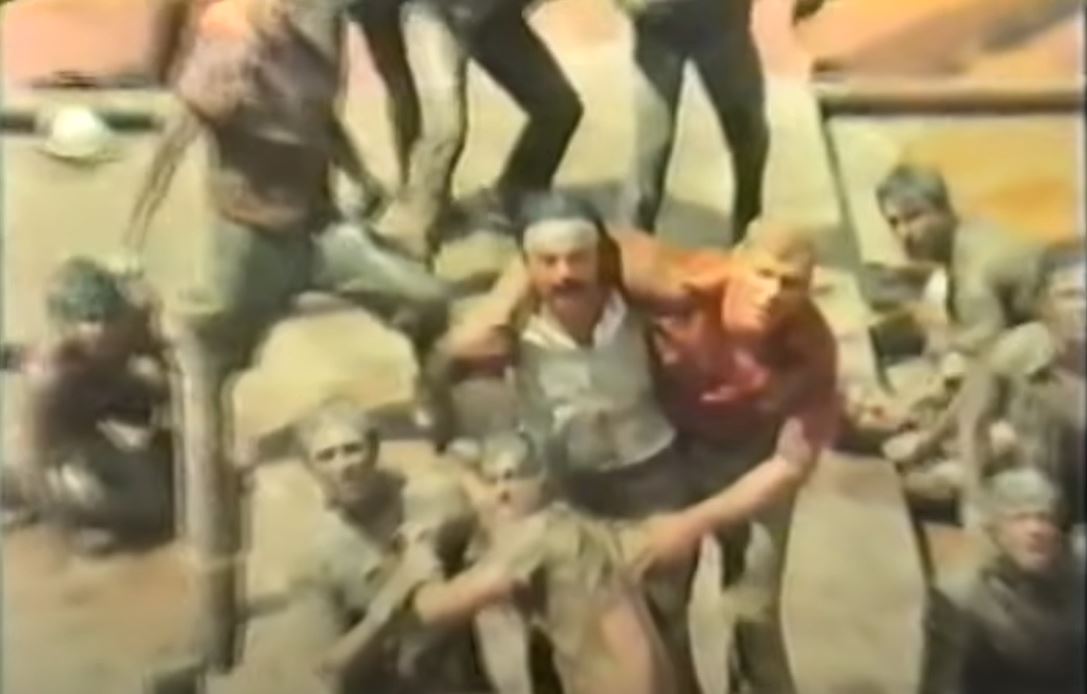
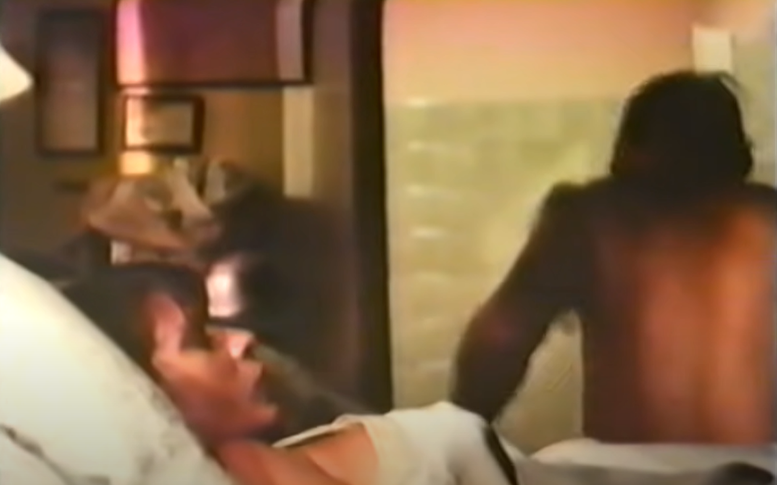
The cuts are noticeable throughout the film, often implicitly conveying meaning to viewers. After a drunk American takes home a Venezulan women from the Texaco celebration at the start of the film, Julio is hunting with his guerilla fighting friend, as the American owned Texaco plant is bombed. As the Americans have entered into the country and grabbed its natural resources, labor, and women of the country, certain groups are fighting back. This is implicitly shown in the cut from the drunk, celebrating American man taking the women home and the cut towards the men about to experience the bombing of the oil fields.
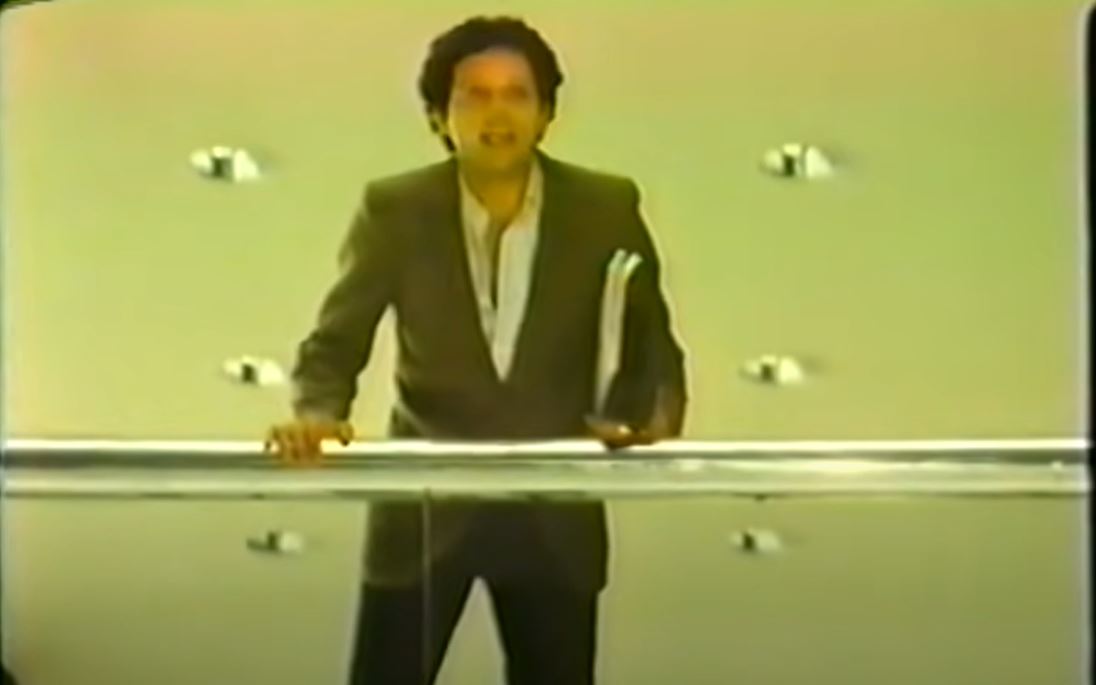
Sound is an integral part in a film. It refers to everything that the audience hears including sound effects, words and music. Sound is used in films for various purposes, including: providing the information to the viewer about the location of the scene, heightening the mood, telling the audience about the characters and advancing the plot. Every person who watches a film realizes that the choice of voices, soundtrack and music present in a film affect the way that the viewer perceives a particular film. As a result, the sound is an important and integral element of the film, one that determines the way that the viewer experiences and understands a film as a visual experience.
Narrative analysis is an examination of the story elements, including narrative structure, character, and plot. A narrative can be considered to be the chain of events in a cause-effect relationship occurring in time and space. In order to analyze the narrative of a film, we need to first make the distinction between the plot of the film and the story of the film. This is sometimes referred to as the discourse and story of a film. Narrative may also be called the story thought story mainly refers to the events that describe the narrative.
Film genres are various forms or identifiable types, categories, classifications or groups of films. (Genre comes from the French word meaning "kind," "category," or "type"). These provide a convenient way for scriptwriters and film-makers to produce, cast and structure their narratives within a manageable, well-defined framework. Genres also offer the studios an easily 'marketable' product, and give audiences satisfying, expected and predictable choices. Genres refers to recurring, repeating and similar, familiar or instantly-recognizable patterns, styles, themes, syntax, templates, paradigms, motifs, rules or generic conventions.
This film falls in the category of petrofiction, exploring how oil and especially the Texaco company have influenced the lives of Bobby and Julio, along with Venezuela as a whole. The film explores how the oil industry had dramatic impacts on both the overall society and the lives of individuals, placing it firmly in the region of Petrofiction.
Barberena, Eduardo, director. La Hora Texaco. Studio Heller and Bohemia Films, 1985.
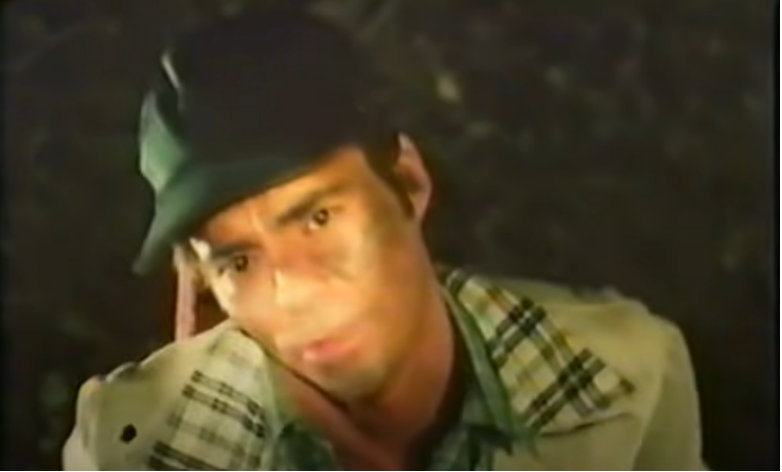
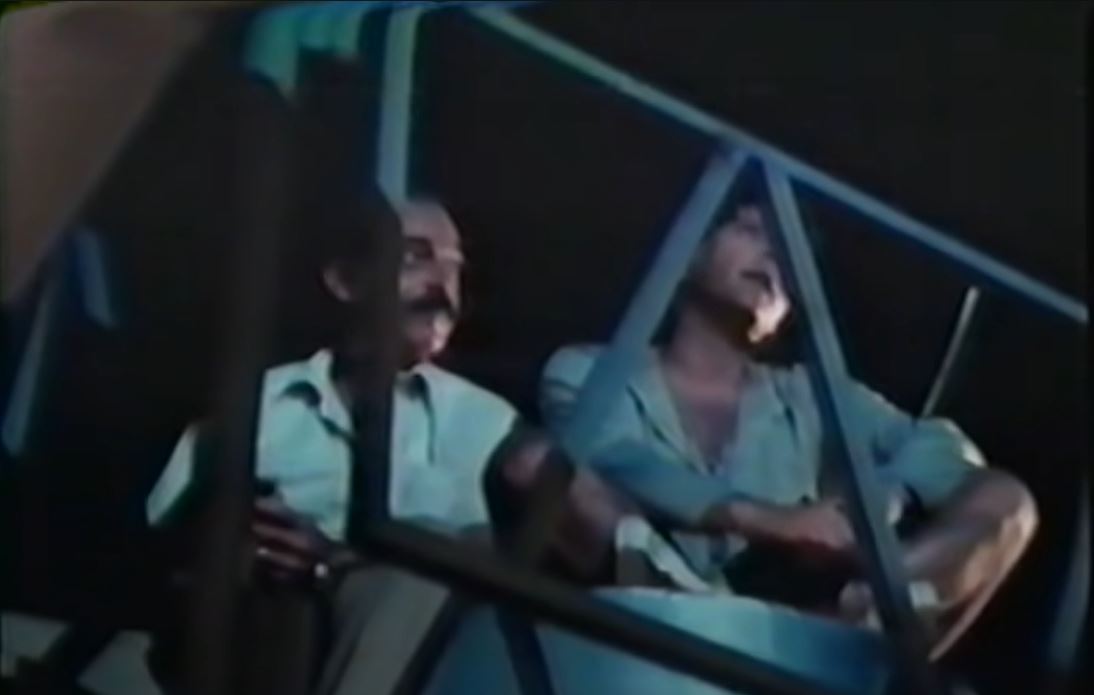
The scene follows Angelica, Bobby’s girlfriend, explaining to him that she has to move for school, a privilege Bobby and his father cannot afford. It traces Bobby climbing up part of an oil structure, to seek some peace while he listens to an English broadcast of a baseball game. This scene traces his father discovering Bobby up there, then joining him atop the structure that helps provide for the family, as Julio is employed by Texaco and they live on company owned property.
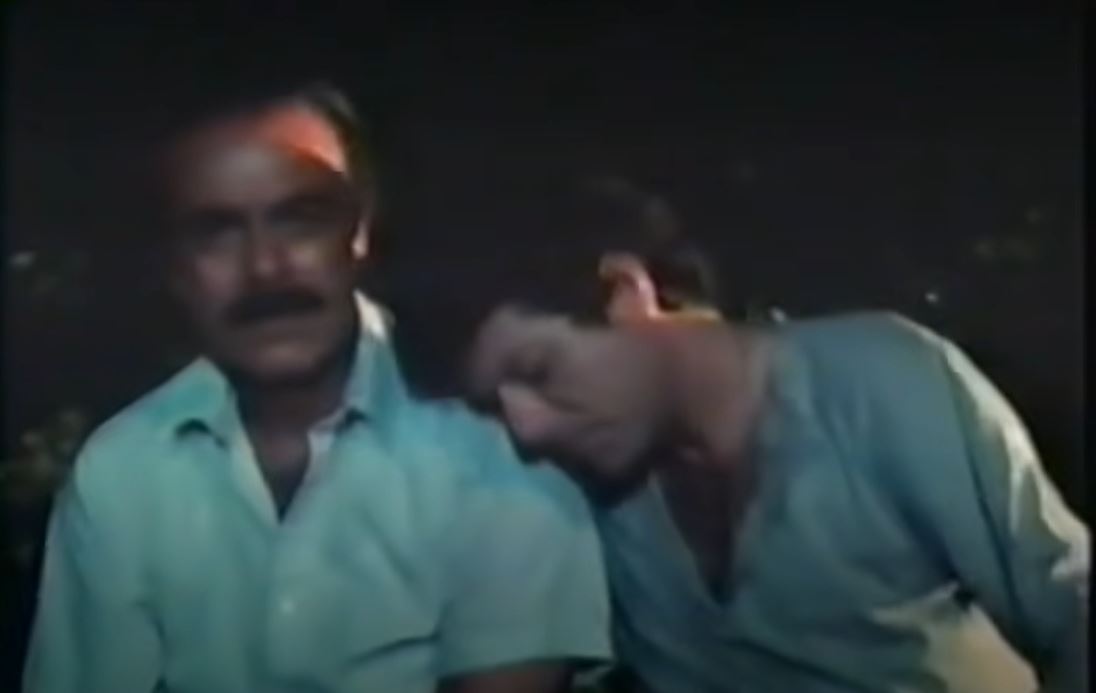
The shot starts from below the two men, marked by dark colors, illustrating the heavy emotions of the father and the son. It cuts to a nearly level angle of the two men, and slowly zooms in to focus on their faces, which are illuminated by light nearby. As Barberena
guides viewers closer to the two men and into the light, the two men discuss their struggles more respectively; the form of the film is matching the content perfectly.
Barberena’s use of zoom, point of view, and lighting illustrate how the point of view in this scene, and much of the movie, is the director's interpretive. Despite the apparent low budget, Barberena is able to communicate tremendously through the form he creates.