
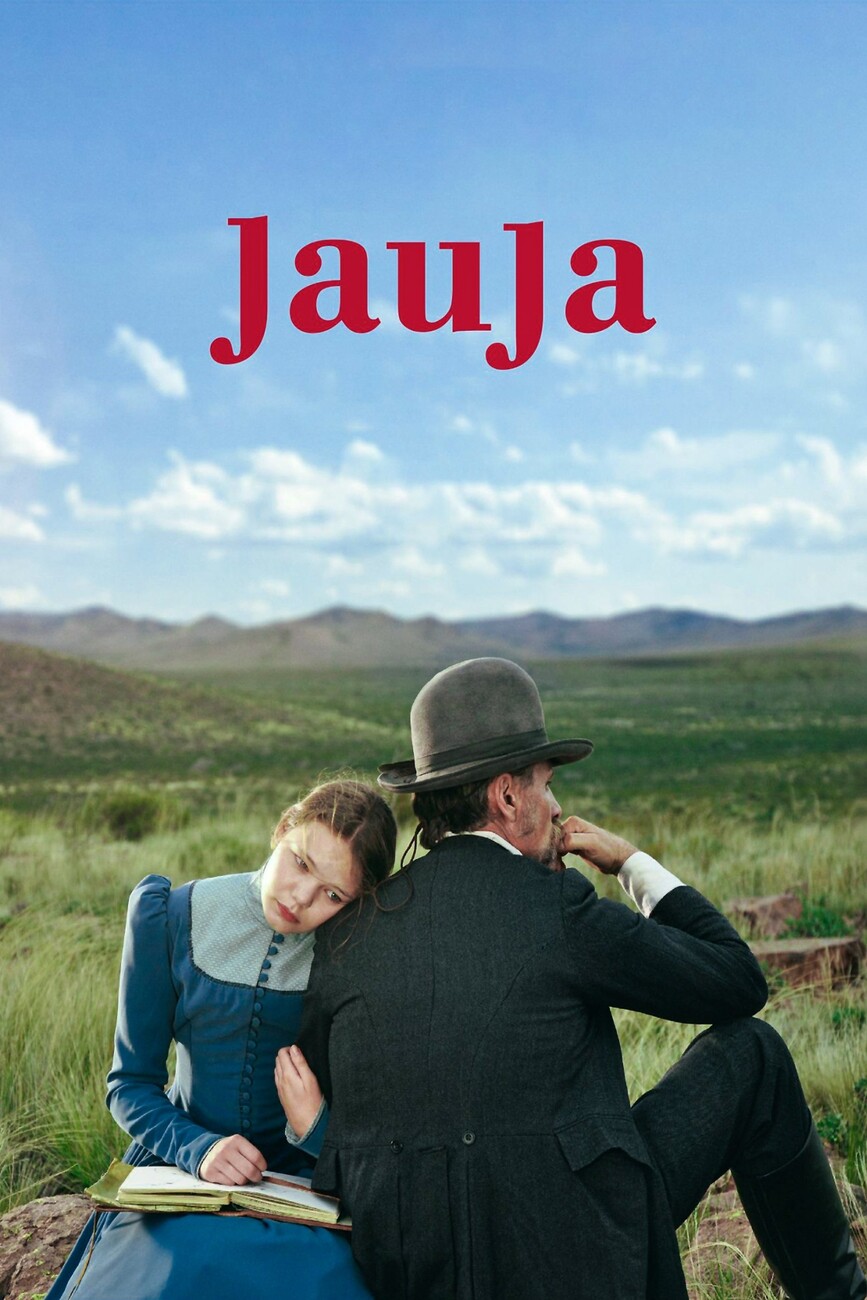
Considered the “poet and master” of his genre, Alonso’s work blurs the lines between fiction and documentary. With a focus on longer scenic takes, casting non-professional actors, using ambient sound, and maintaining infrequent dialogue, Alonso’s work is often described as minimalistic and observational. Through his prolonged observation of solitary characters in isolated settings, he tends to explore themes of loneliness and the passage of time.
Aside from Jauja, some of his most well-known films include "La Libertad", which was his debut film, "Los Muertos", and "Liverpool."
The movie begins in what is assumed to be a remote area on the coast of Patagonia in 1882, with a father and his daughter, Ingeborg, sitting together on a rock, discussing Ingeborg’s plea for a dog. The father was a Danish Captain named Gunnar Dinesen, who was serving with the Argentinian army.
One soldier he worked with was Lieutenant Pittaluga, who was first introduced to us masturbating in a pond. Pittaluga and Dinesen are discussing a famous captain whom they were meant to meet with on their journey when Pittaluga asks to take Dinesen’s teenage daughter to a dance in exchange for a horse. Dinesen rejects the proposal and warns Ingeborg to stay away from him. She snarkily replies, asking why she would ever approach him. All the while, she is already involved with a young soldier named Corto without her father’s knowledge.
Corto is the soldier with information about the mysterious Captain Zuluaga, who was said to have disappeared. Corto tells Pittaluga that Zuluaga was roaming the desert, leading an army in a woman’s dress. Pittaluga tells Corto to bring him evidence of these accusations. That night, Corto and Inge run away from the camp with hopes of eloping. When Dinesen wakes to find his daughter's bed empty, he jumps into a frenzy and immediately sets his sights on going to find her.
After some time in search of Inge, Dinesen comes across a wounded Corto lying on the floor, barely alive. Dinesen demands Corto tell him where Inge is, but Corto only keeps whispering Zuluaga’s name. When Dinesen sets his rifle and hat down next to a dying Corto to explore a suspicious noise, a nearby native takes his things. After investigating the area and finding no sight of his daughter, Dinesen goes back to Corto and, with some hesitation, slits his throat with his sword. Right after, the native who stole his hat and rifle fires a shot at Dinesen and rides off on Dinesen’s horse. Forced to continue on foot in an unbearable desert, Dinesen continues in search of his daughter.
In his continued search, he stumbles upon a dog that leads him to a toy soldier that Corto had given to Inge. The dog continues by leading him to an older woman who lives in a cave and speaks Danish. Dinesen confides in the lady, sharing with her his urgency to find his daughter. As their conversation continues, it is revealed that this older woman is Ingeborg. Dinesen hands her the toy he found and heads back out into the desert.
The film then cuts to modern day. A young Danish girl wakes up in her mansion bedroom, and you hear dogs barking in the background. Worried about one of her dogs, who keeps scratching his fur off, she gets out of bed to check on all her dogs. The dog keeper, who is already outside with the dogs, tells her he believes the dog does so because he’s confused and nervous by the girls' extended absences.
She goes off to take her dog for a walk in the woods that surround her home. On this walk, she stumbles upon the toy soldier. When she picks it up, she hears her dog barking, but as she turns to look for him, he is nowhere to be seen. With no sign of her dog, she tosses the toy soldier into the pond.
Describes the setting of a scene in a play or a film. It refers to everything placed on the stage or in front of the camera—including people. In other words, mise en scène is a catch-all for everything that contributes to the visual presentation and overall “look” of a production. When translated from French, it means “placing on stage.”
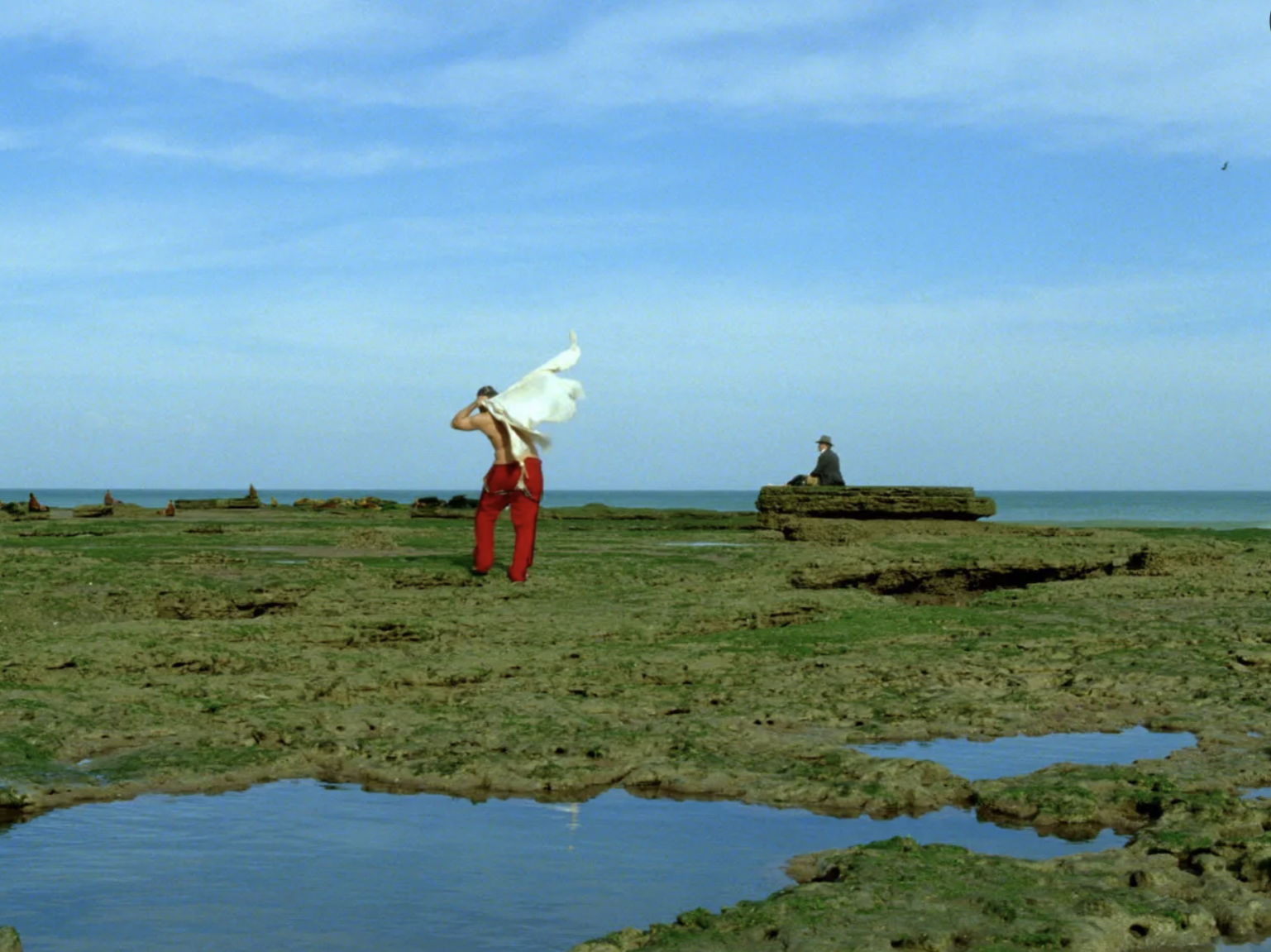
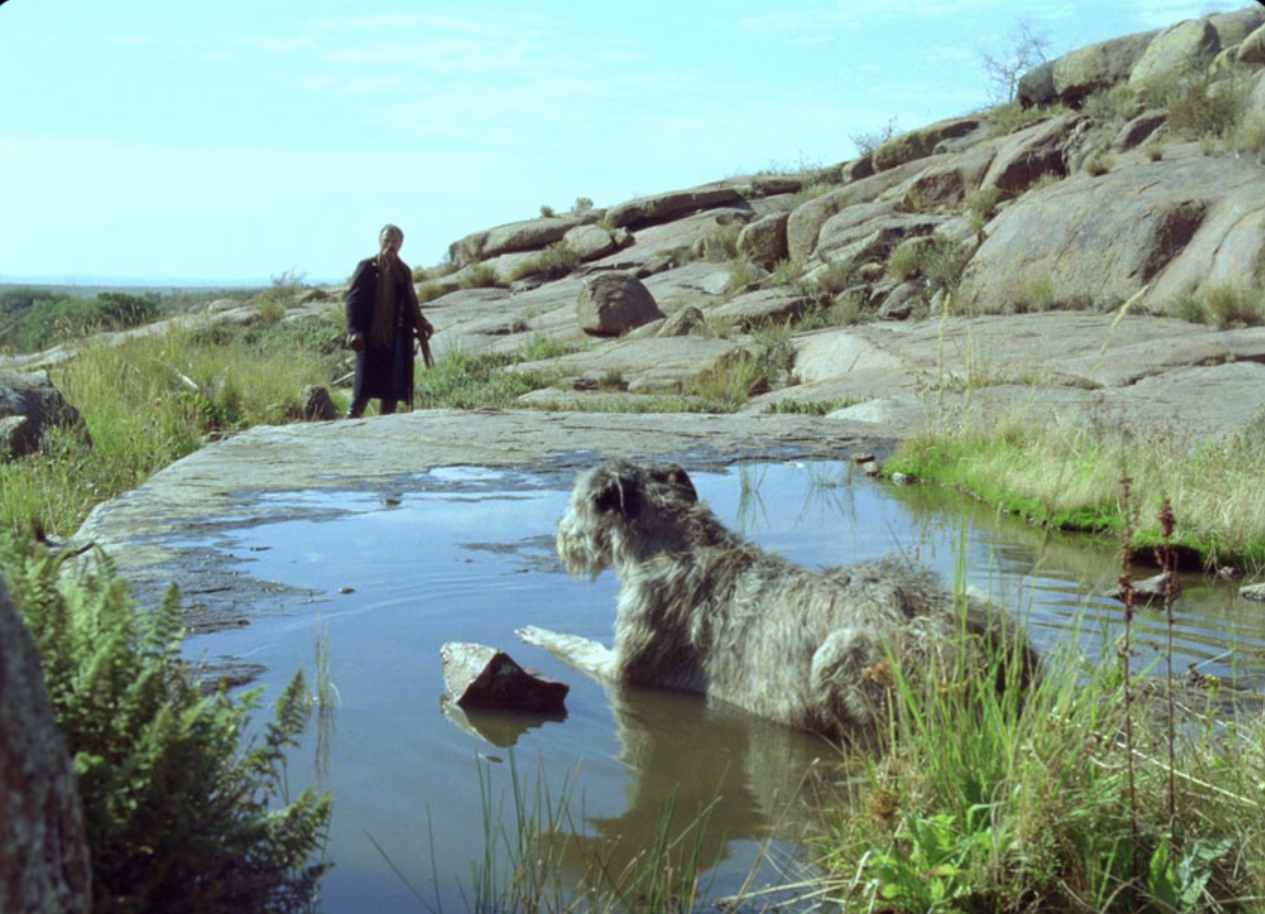
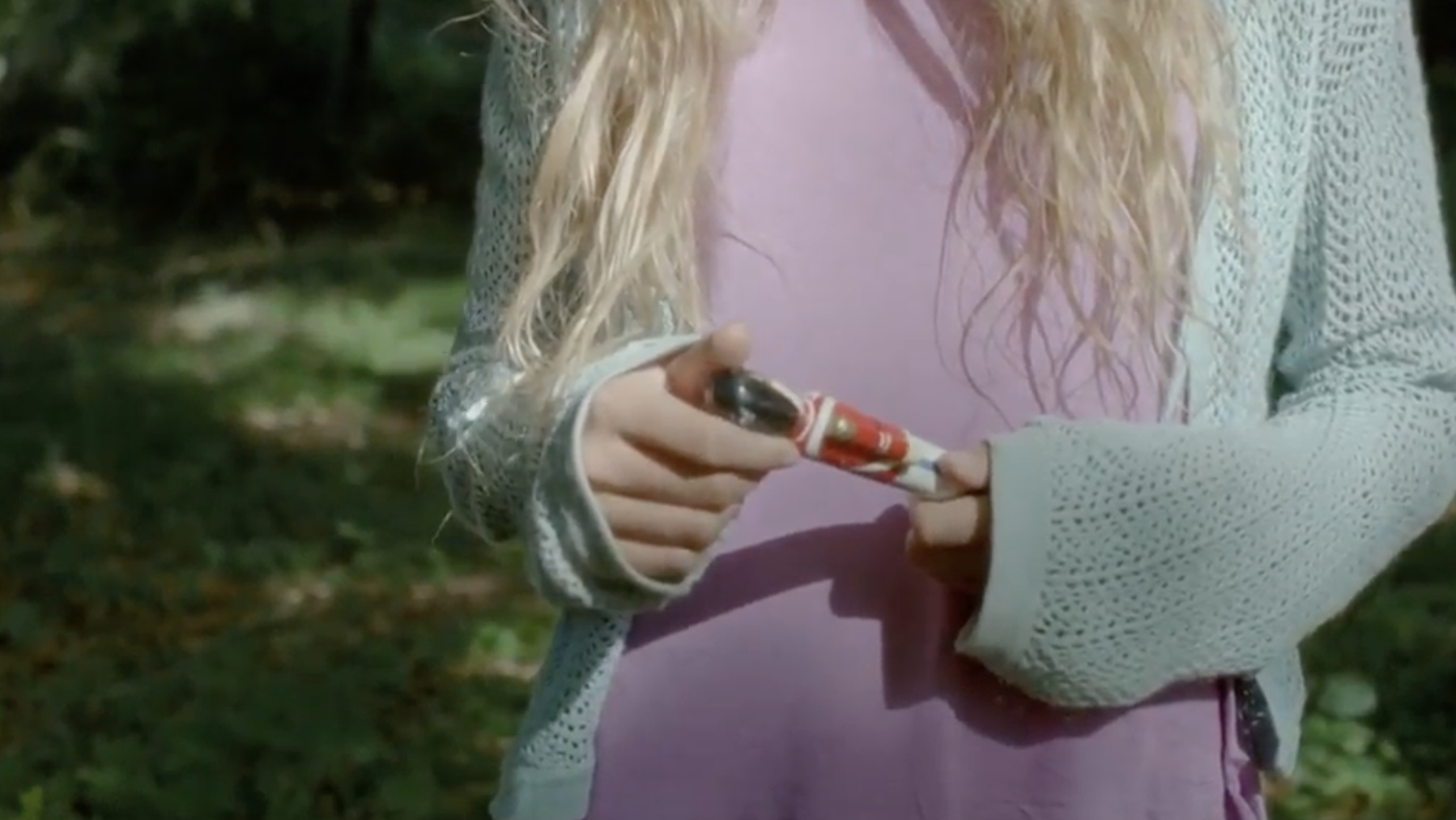
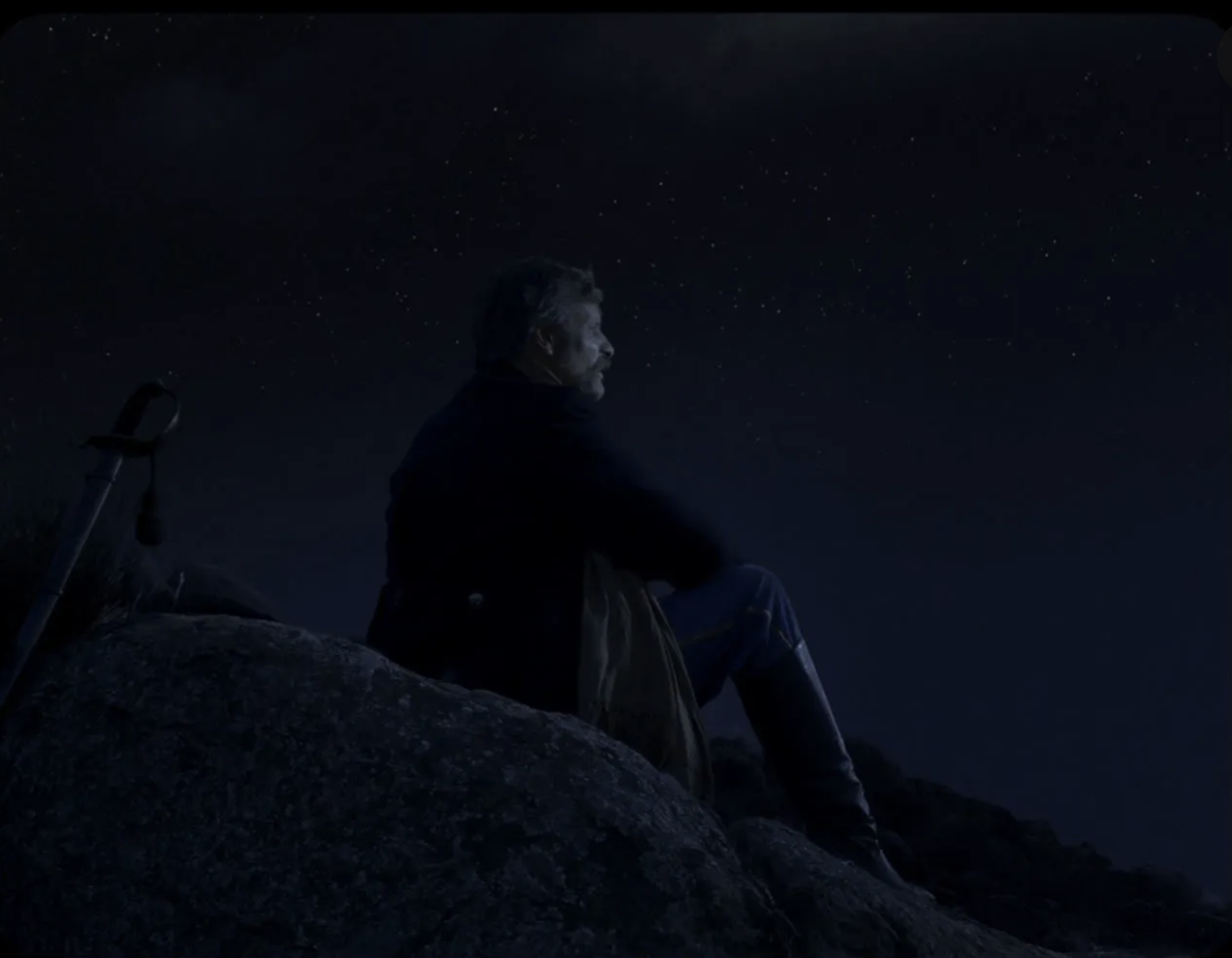
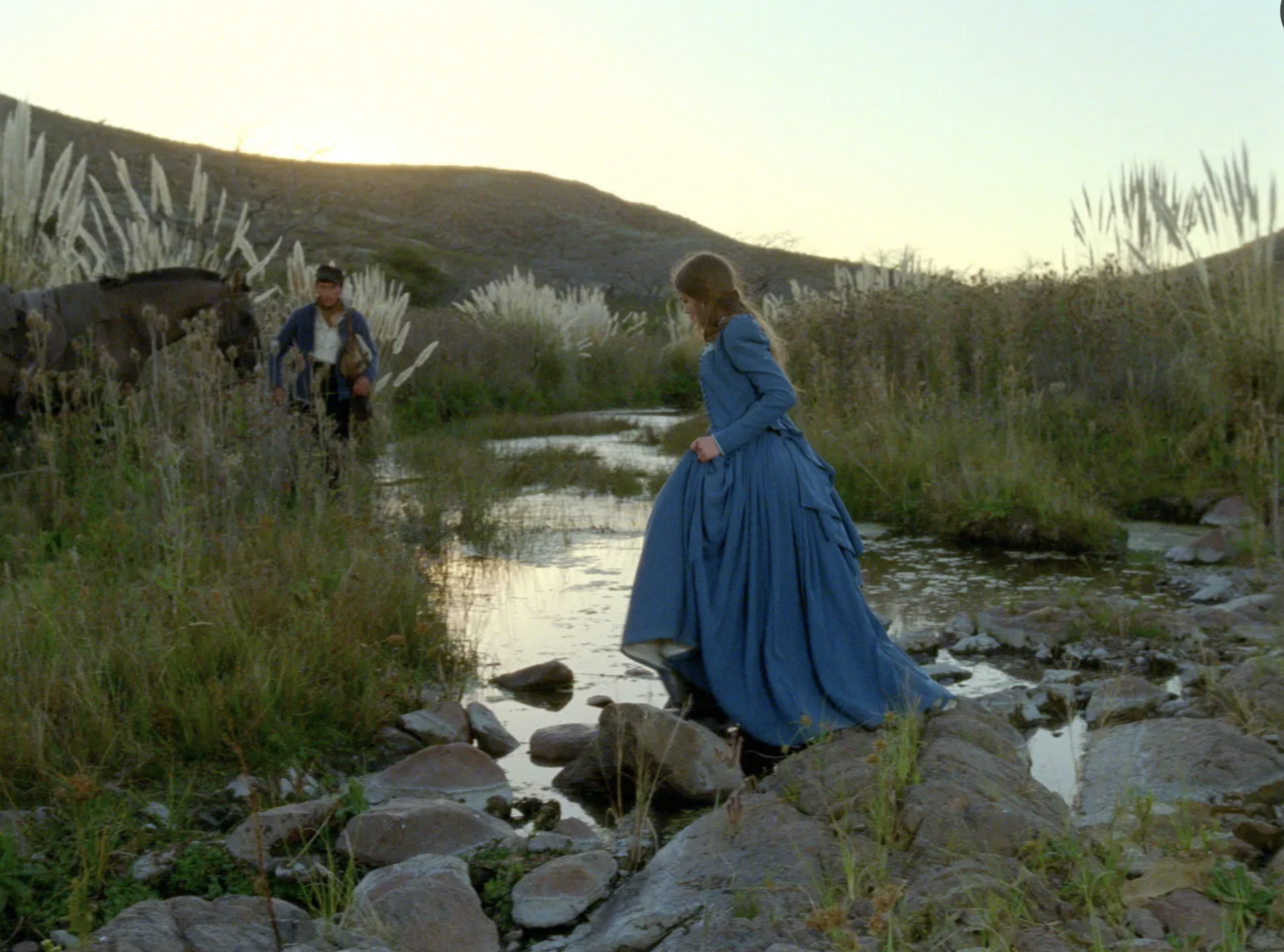
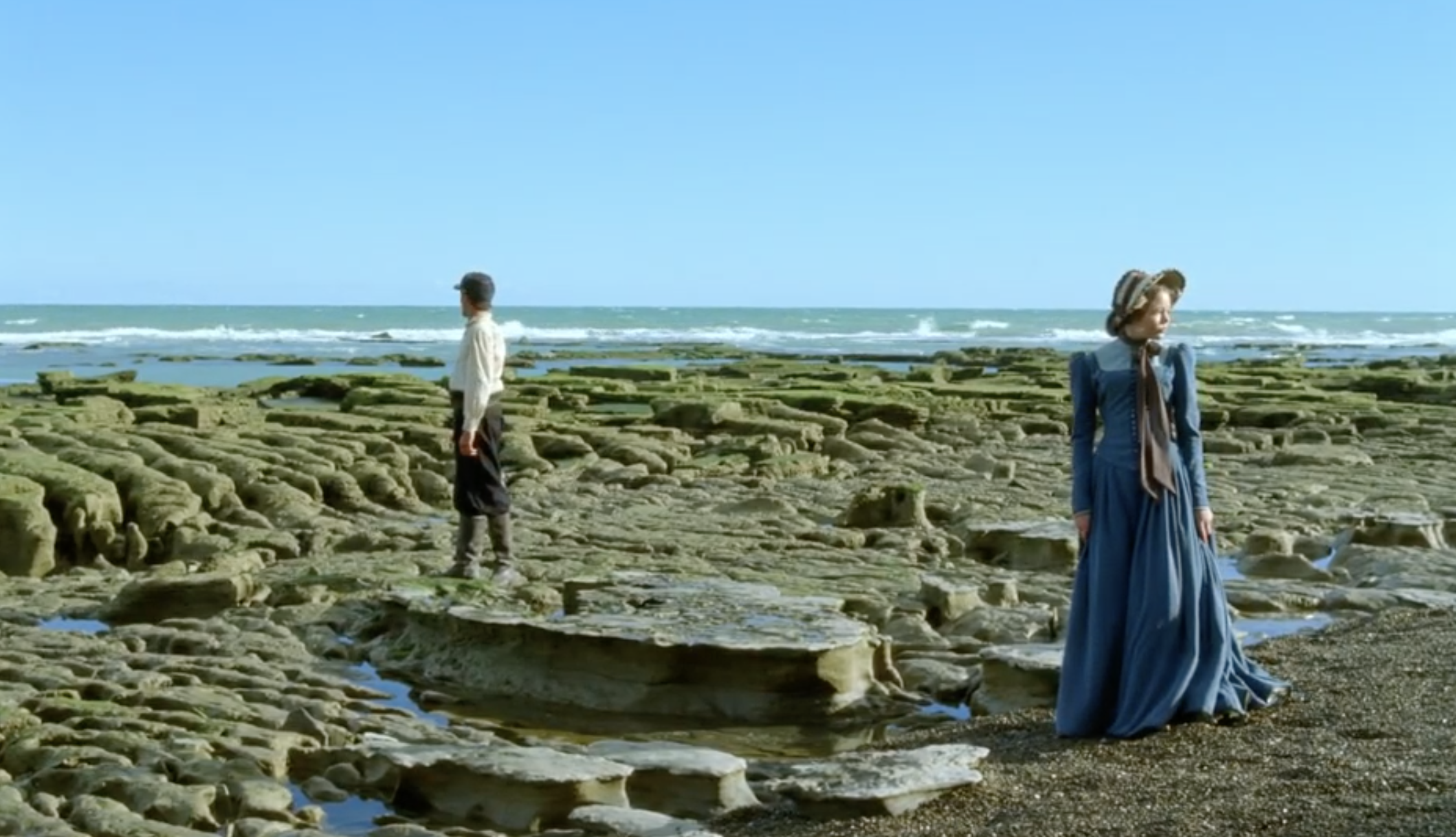
This is the art of photography and visual storytelling in a motion picture or television show. Cinematography comprises all on-screen visual elements, including lighting, framing, composition, camera motion, camera angles, film selection, lens choices, depth of field, zoom, focus, color, exposure, and filtration. Cinematography sets and supports the overall look and mood of a film’s visual narrative. Each visual element that appears on screen, a.k.a. the mise-en-scène of a film, can serve and enhance the story—so it is the cinematographer’s responsibility to ensure that every element is cohesive and support the story. Filmmakers often choose to spend the majority of their budget on high-quality cinematography to guarantee that the film will look incredible on the big screen.
Editing is the process of putting a film together–the selection and arrangement of shots and scenes. Editing can condense space and time, emphasize separate elements and bring them together, and organize material in such a way that patterns of meaning become apparent. In addition, editing can determine how a film is perceived: for instance, quick, rapid cuts can create a feeling of tension, while a long take can create a more dramatic effect. The first photoplays generally had no cutting, owing to the fact that they were single-reel films; once filming began, you could not stop until the film ran out. (https://filmglossary.ccnmtl.columbia.edu/term/editing/)
Sound is an integral part in a film. It refers to everything that the audience hears including sound effects, words and music. Sound is used in films for various purposes, including: providing the information to the viewer about the location of the scene, heightening the mood, telling the audience about the characters and advancing the plot. Every person who watches a film realizes that the choice of voices, soundtrack and music present in a film affect the way that the viewer perceives a particular film. As a result, the sound is an important and integral element of the film, one that determines the way that the viewer experiences and understands a film as a visual experience.
Narrative analysis is an examination of the story elements, including narrative structure, character, and plot. A narrative can be considered to be the chain of events in a cause-effect relationship occurring in time and space. In order to analyze the narrative of a film, we need to first make the distinction between the plot of the film and the story of the film. This is sometimes referred to as the discourse and story of a film. Narrative may also be called the story thought story mainly refers to the events that describe the narrative.
Film genres are various forms or identifiable types, categories, classifications or groups of films. (Genre comes from the French word meaning "kind," "category," or "type"). These provide a convenient way for scriptwriters and film-makers to produce, cast and structure their narratives within a manageable, well-defined framework. Genres also offer the studios an easily 'marketable' product, and give audiences satisfying, expected and predictable choices. Genres refers to recurring, repeating and similar, familiar or instantly-recognizable patterns, styles, themes, syntax, templates, paradigms, motifs, rules or generic conventions.