
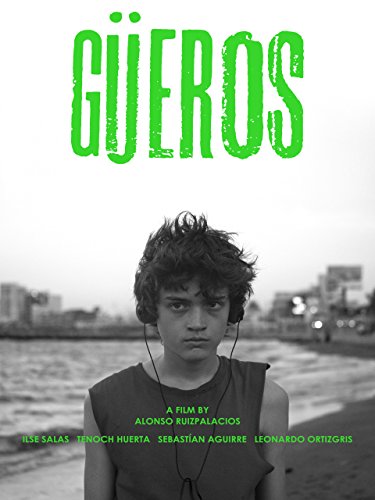
13-year-old troublemaker Tomás (Sebastian Aguirre) is sent to live with his older brother "Sombra" (Tenoch Huerta), a student at the National Autonomous University of Mexico (UNAM). Sombra and his roommate Santos (Leonardo Ortizgris) live in a rundown apartment. They aren't attending classes as the school's student body is currently on strike due to the institution's recent addition of an enrollment fee. The boys have no interest in participating in the strike.
Tomás finally prompts Sombra and Santos to leave the apartment when he learns that his favorite musician, Epigmeneo Cruz (Alfonso Charpener), is near death at a nearby hospital. Tomás is determined to pay his respects.
The remainder of the movie follows the boys on a wild goose chase through the city in search of Epigmeneo Cruz. They have various encounters along the way and are eventually joined by avid student activist Ana (Ilse Salas), Sombra's love interest.
Overall, the movie explores themes of youth, social disparities, and political unrest. I would describe this movie as a coming of age against the backdrop of Mexico's own growing pains.
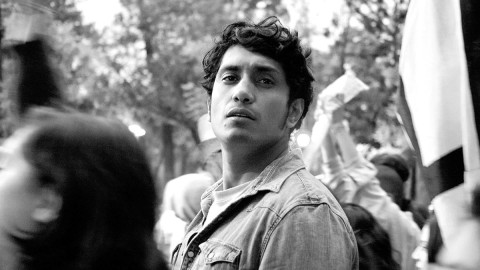
Describes the setting of a scene in a play or a film. It refers to everything placed on the stage or in front of the camera—including people. In other words, mise en scène is a catch-all for everything that contributes to the visual presentation and overall “look” of a production. When translated from French, it means “placing on stage.”
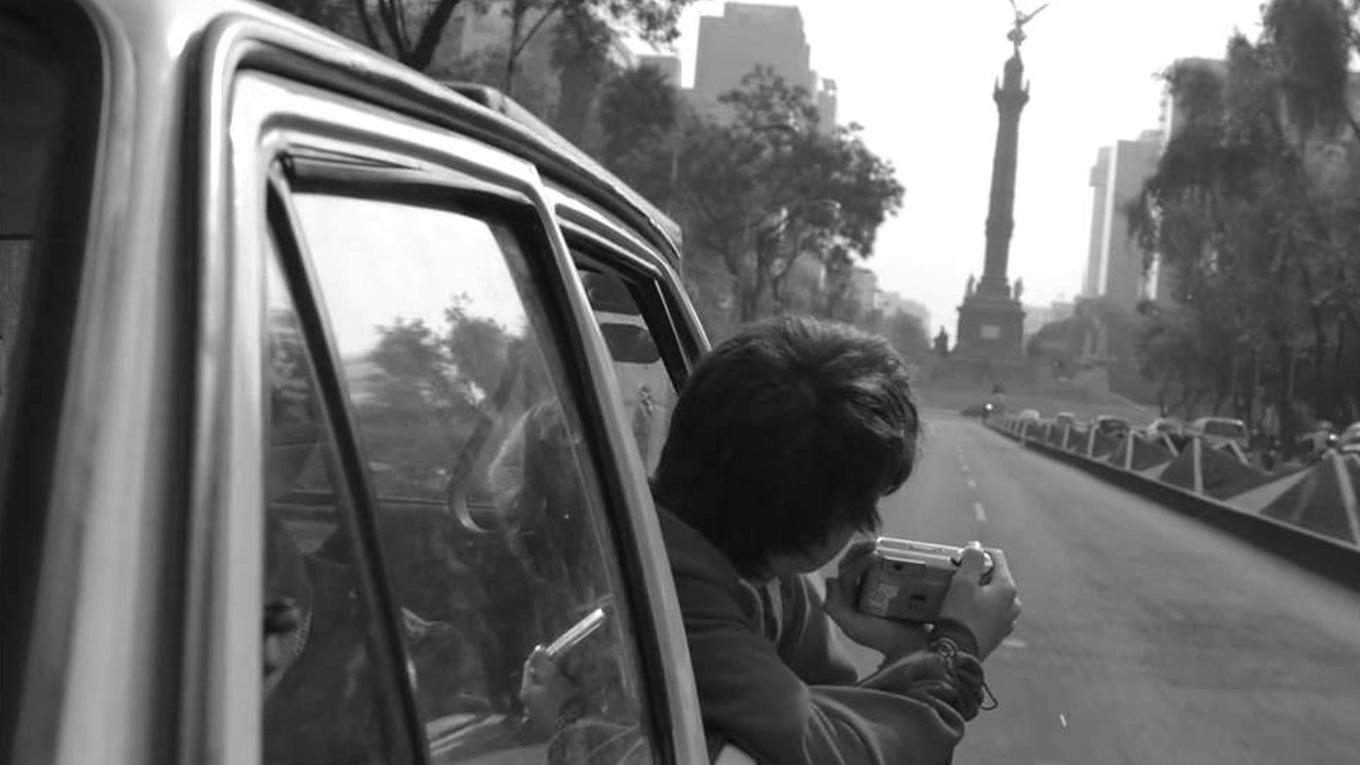
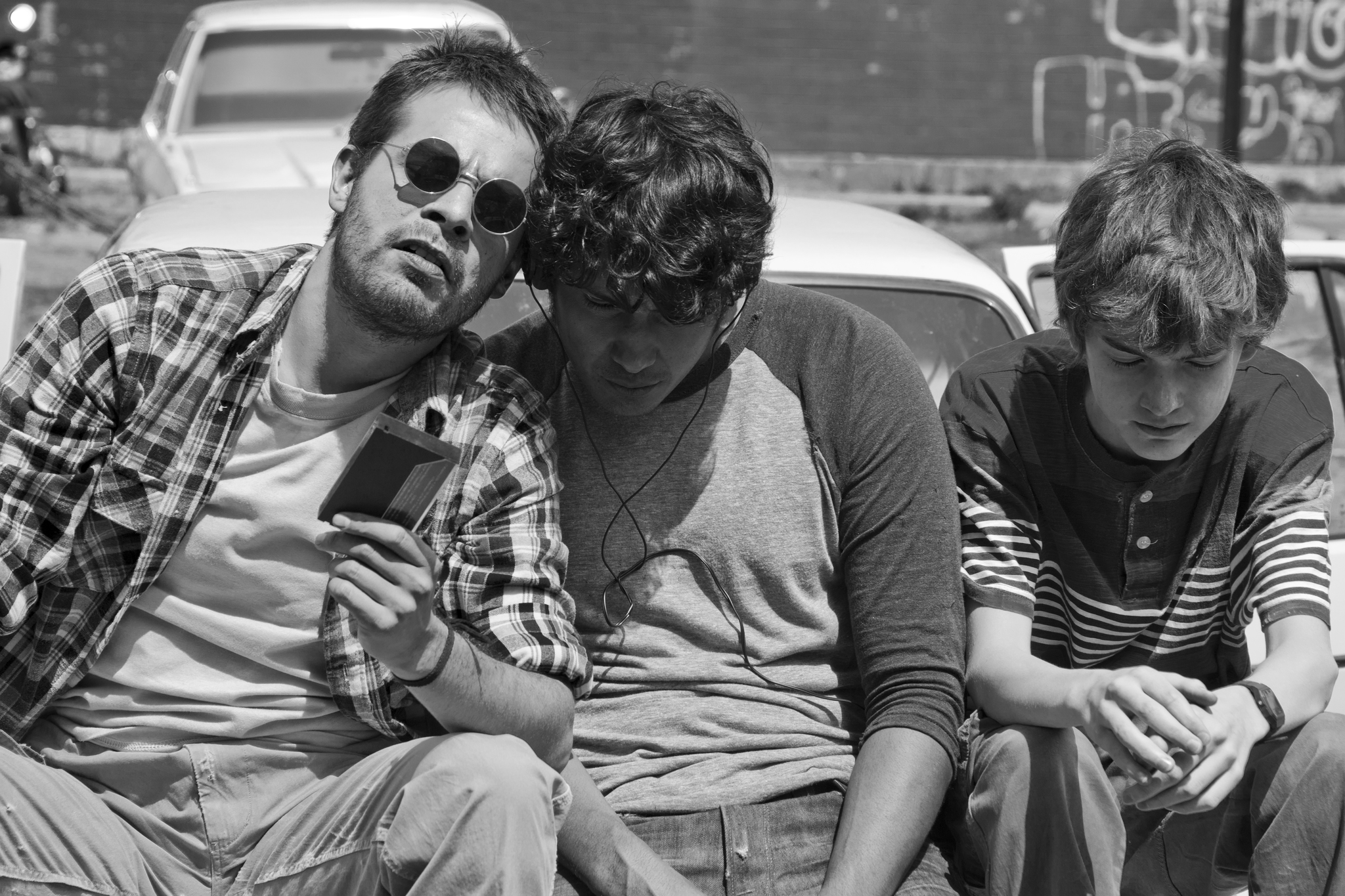
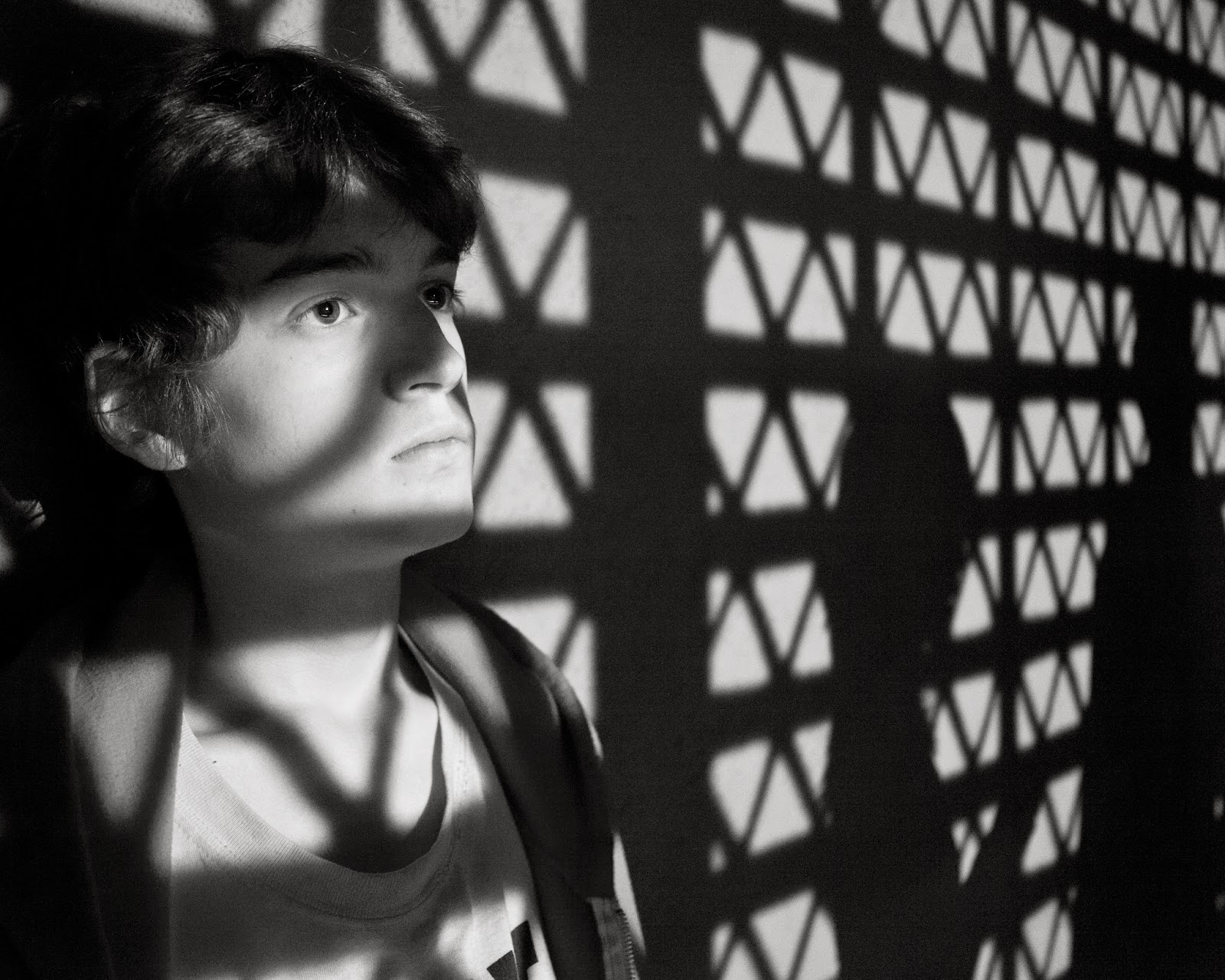
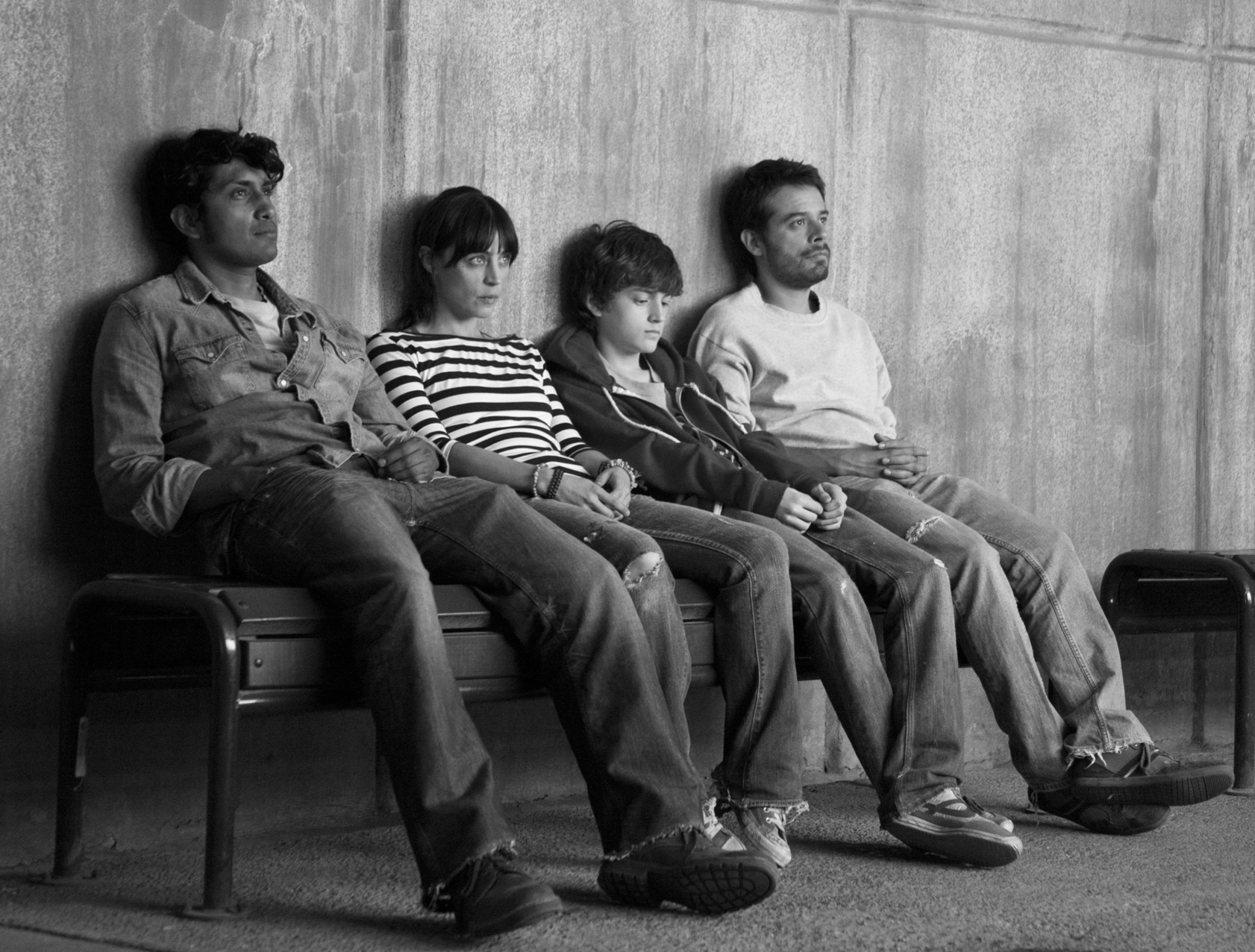
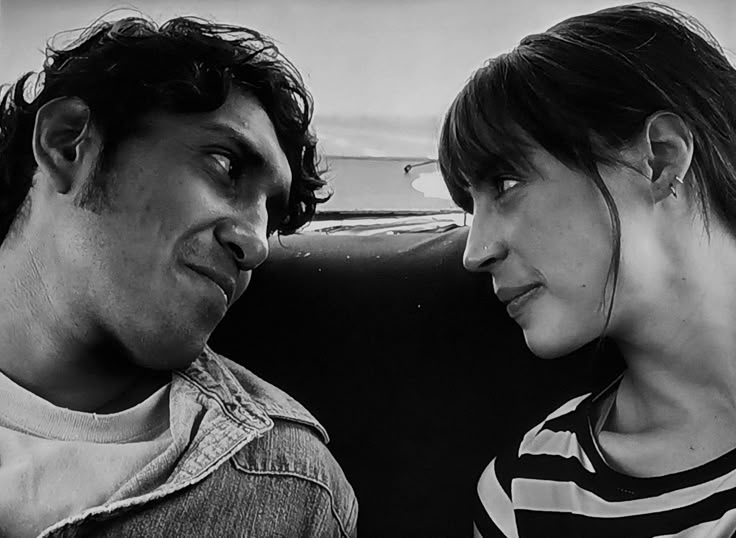
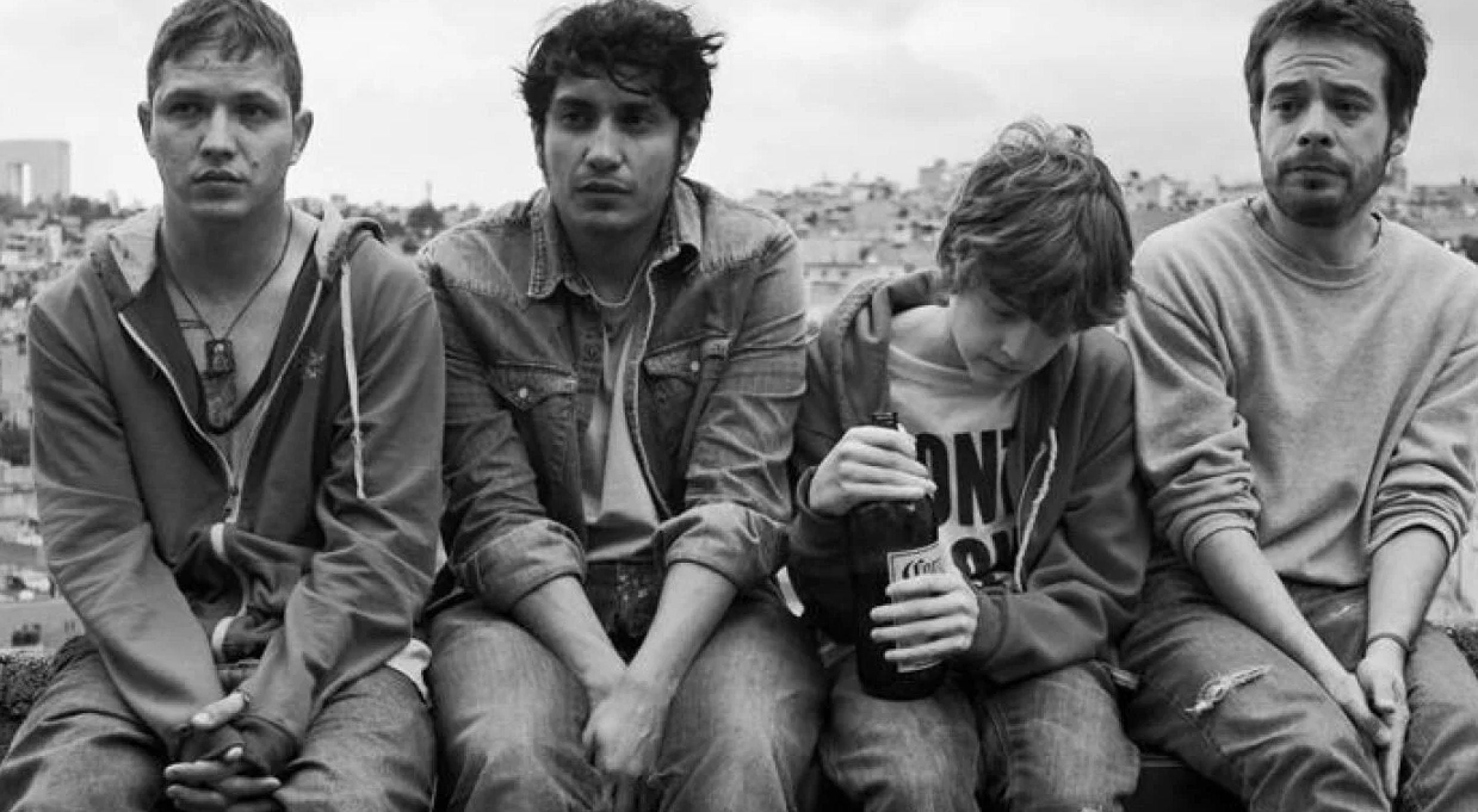
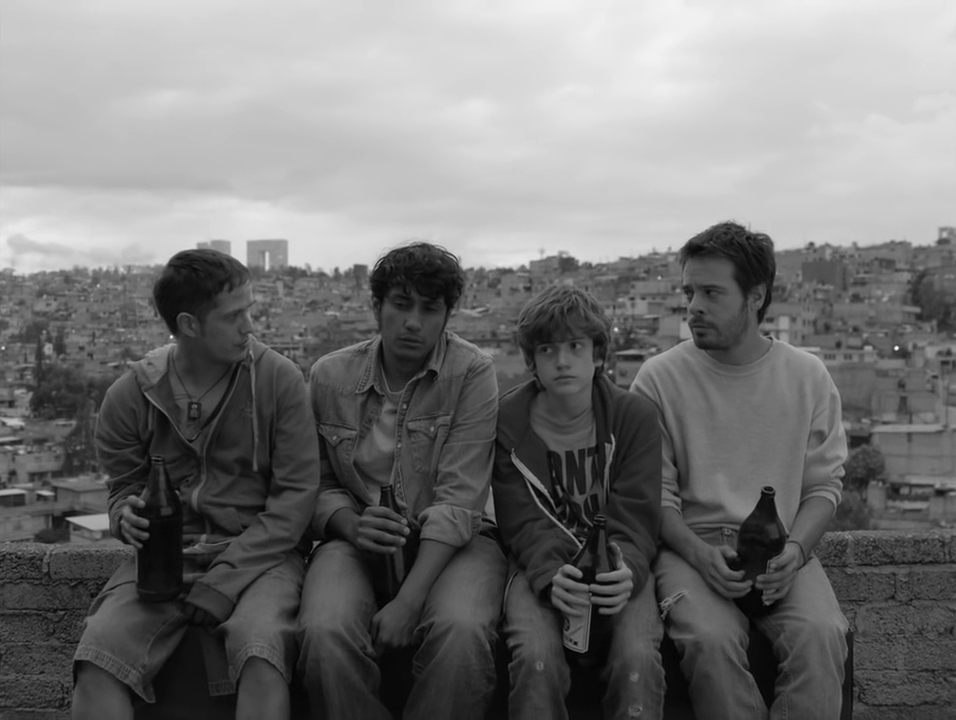
This is the art of photography and visual storytelling in a motion picture or television show. Cinematography comprises all on-screen visual elements, including lighting, framing, composition, camera motion, camera angles, film selection, lens choices, depth of field, zoom, focus, color, exposure, and filtration. Cinematography sets and supports the overall look and mood of a film’s visual narrative. Each visual element that appears on screen, a.k.a. the mise-en-scène of a film, can serve and enhance the story—so it is the cinematographer’s responsibility to ensure that every element is cohesive and support the story. Filmmakers often choose to spend the majority of their budget on high-quality cinematography to guarantee that the film will look incredible on the big screen.
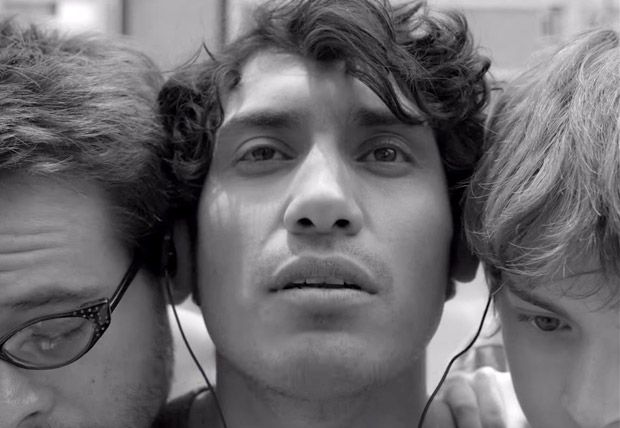
The director also utilizes both deep focus and soft focus in different scenes. For instance, deep focus is utilized to show a startlingly sharp image of a tiger at the zoo, while soft focus is utilized when Sombra is having a panic attack to soften the frame's edges and contribute to the sense of disarray.
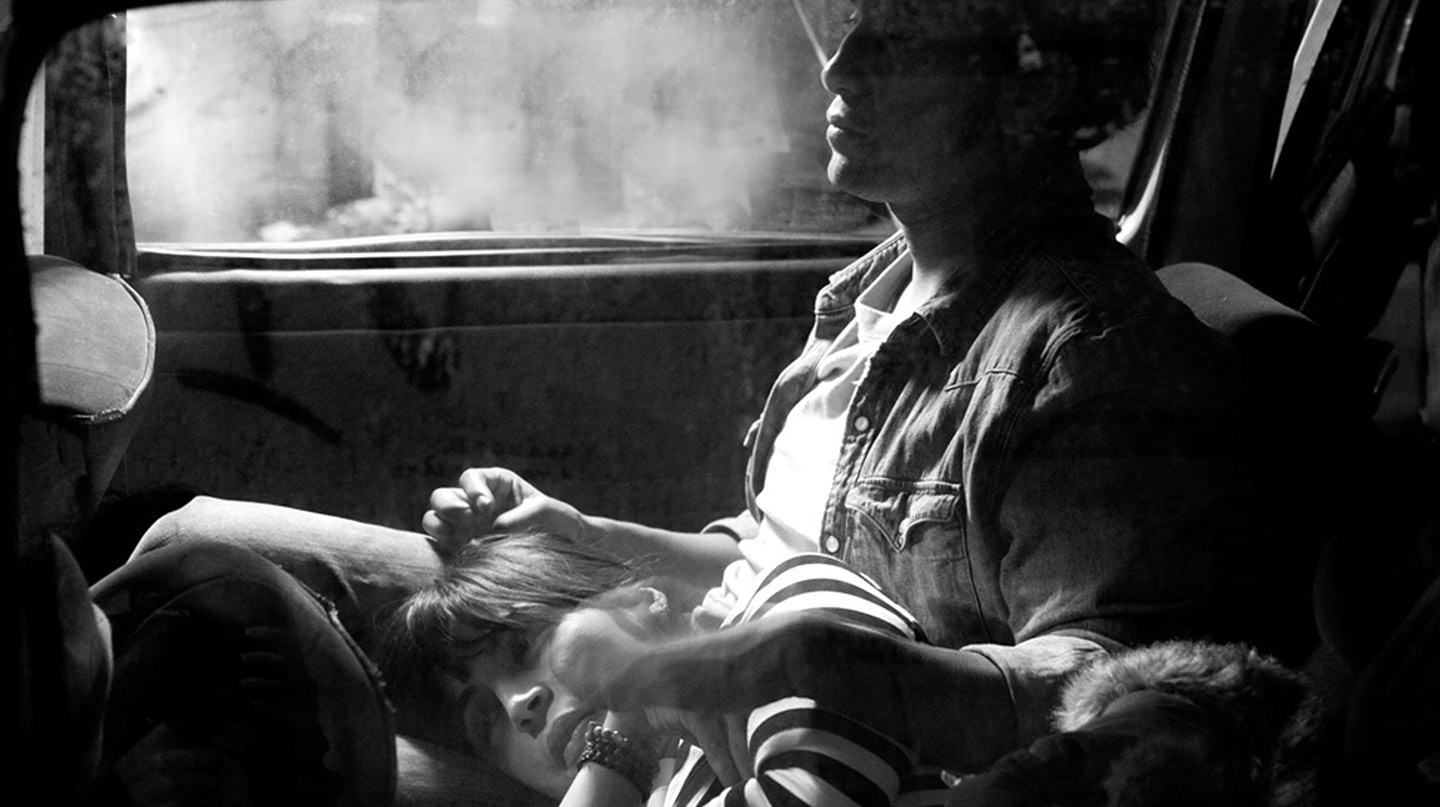

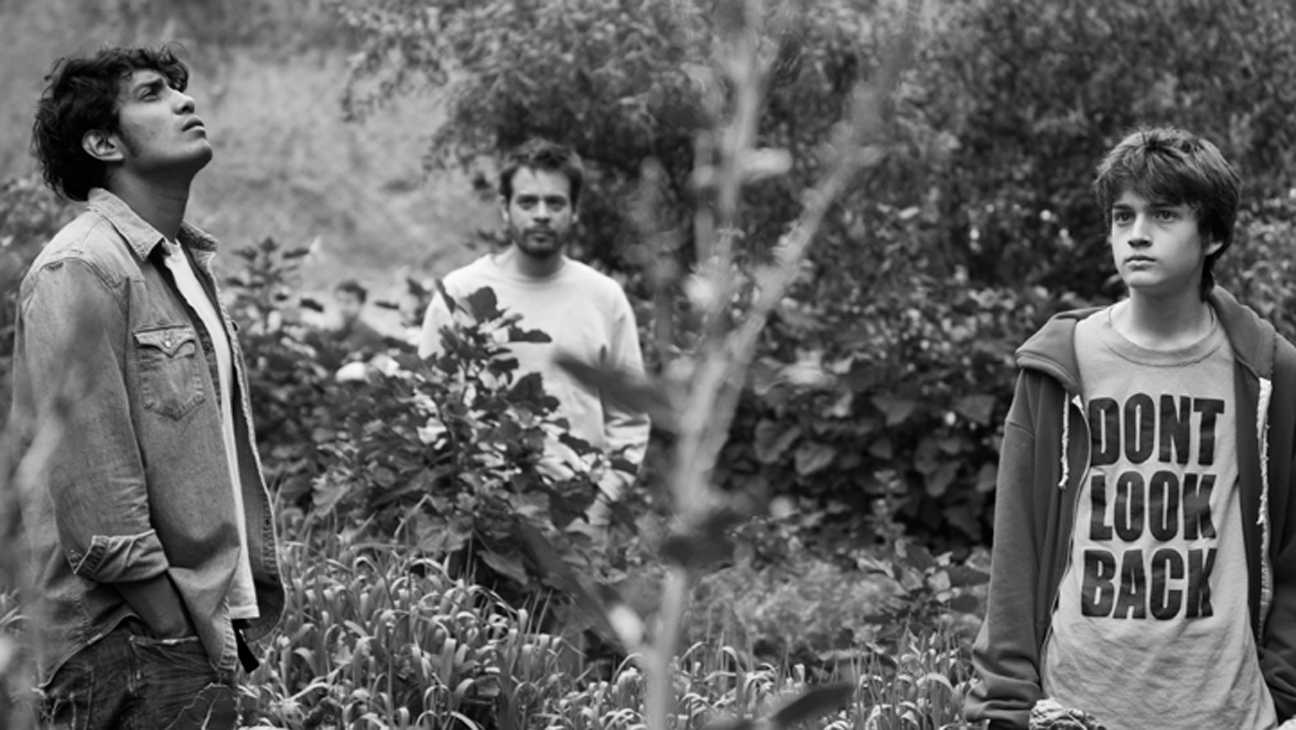
Editing is the process of putting a film together–the selection and arrangement of shots and scenes. Editing can condense space and time, emphasize separate elements and bring them together, and organize material in such a way that patterns of meaning become apparent. In addition, editing can determine how a film is perceived: for instance, quick, rapid cuts can create a feeling of tension, while a long take can create a more dramatic effect. The first photoplays generally had no cutting, owing to the fact that they were single-reel films; once filming began, you could not stop until the film ran out. (https://filmglossary.ccnmtl.columbia.edu/term/editing/)
This clip exemplifies how scenes can feel disconnected from one another, as is the case between the kitchen scene and the car scene. In the transition between the two, the director uses jump cuts for a rough transition. While the dialogue heavy scenes are slow, these cut scenes are fast, giving the movie a volatile pace.
For instance, in the attached clip the director utilizes a montage of fast cut scenes to transition from the kitchen scene to the car scene.
For instance, in the attached clip, the director skips over the travel from the apartment to the car outside, utilizing elliptical editing to compress time. The scene of the characters listing to the radio on the car hood is shot in a long take, immersing the viewer in the casual scene.
Sound is an integral part in a film. It refers to everything that the audience hears including sound effects, words and music. Sound is used in films for various purposes, including: providing the information to the viewer about the location of the scene, heightening the mood, telling the audience about the characters and advancing the plot. Every person who watches a film realizes that the choice of voices, soundtrack and music present in a film affect the way that the viewer perceives a particular film. As a result, the sound is an important and integral element of the film, one that determines the way that the viewer experiences and understands a film as a visual experience.
Narrative analysis is an examination of the story elements, including narrative structure, character, and plot. A narrative can be considered to be the chain of events in a cause-effect relationship occurring in time and space. In order to analyze the narrative of a film, we need to first make the distinction between the plot of the film and the story of the film. This is sometimes referred to as the discourse and story of a film. Narrative may also be called the story thought story mainly refers to the events that describe the narrative.
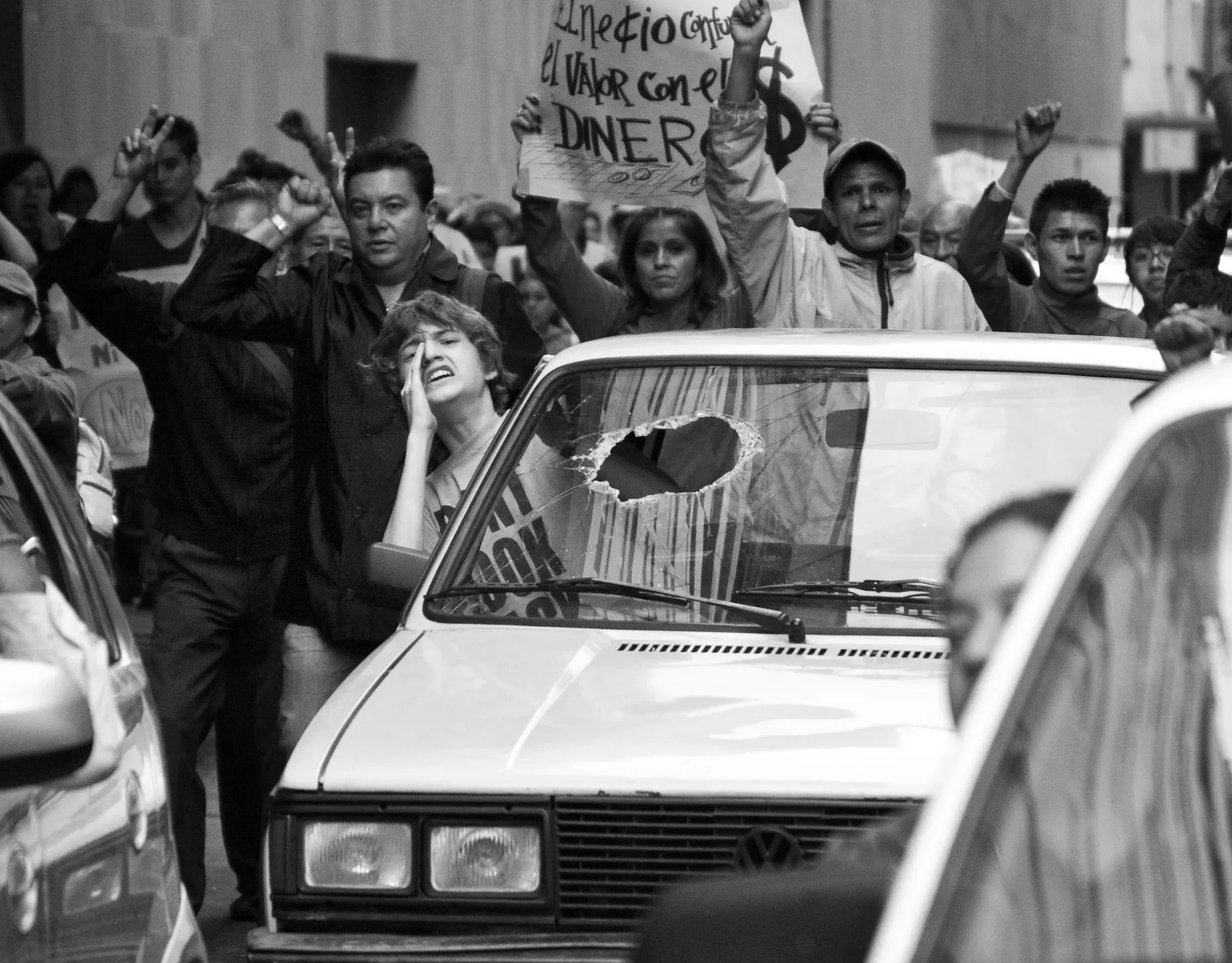
13-year-old troublemaker Tomás is sent to live with his older brother "Sombra", a student at the National Autonomous University of Mexico (UNAM). Sombra and his roommate Santos live in a rundown apartment. They aren't attending classes as the school's student body is currently on strike due to the institution's recent addition of an enrollment fee. The boys have no interest in participating in the strike. Tomás finally prompts Sombra and Santos to leave the apartment when he learns that his favorite musician, Epigmeneo Cruz, is near death at a nearby hospital. Tomás is determined to pay his respects. The remainder of the movie follows the boys on a wild goose chase through the city in search of Epigmeneo Cruz. They have various encounters along the way and are eventually joined by avid student activist Ana, Sombra's love interest.
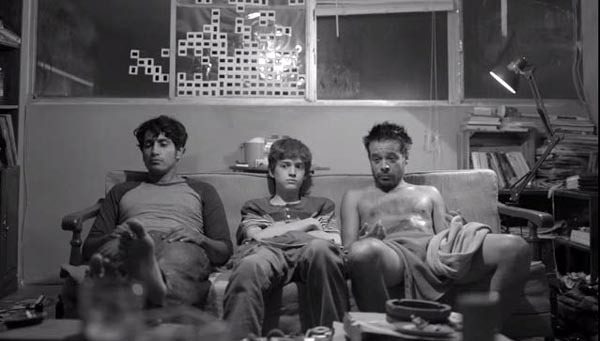
Film genres are various forms or identifiable types, categories, classifications or groups of films. (Genre comes from the French word meaning "kind," "category," or "type"). These provide a convenient way for scriptwriters and film-makers to produce, cast and structure their narratives within a manageable, well-defined framework. Genres also offer the studios an easily 'marketable' product, and give audiences satisfying, expected and predictable choices. Genres refers to recurring, repeating and similar, familiar or instantly-recognizable patterns, styles, themes, syntax, templates, paradigms, motifs, rules or generic conventions.
“Güeros Movie Review & Film Summary (2015) | Roger Ebert.” Roger Ebert, 2015, www.rogerebert.com/reviews/gueros-2015.
Kumar, Arun. “Gueros [2014] Review : A Romantic & Insightful Take on “Slackerdom.”” High on Films, 3 Dec. 2015, www.highonfilms.com/gueros-2014-movie-review/. Accessed 11 Dec. 2025.
Link TV. “Gueros (Clip).” YouTube, 3 Dec. 2020, www.youtube.com/watch?v=_w5HinJ6Z7g. Accessed 5 Nov. 2025.
Nakhnikian, Elise. “Review: “Güeros” - Slant Magazine.” Slant Magazine, 16 Apr. 2014, www.slantmagazine.com/film/gueros/. Accessed 11 Dec. 2025.
yellowmellowfellow. “Güeros(2014) / the Continent Scene.” YouTube, 8 June 2017, www.youtube.com/watch?v=VGle3Yqu6V0. Accessed 11 Dec. 2025.