Guantanamera

    Movie Poster
    Release year
    1995
    Director
    Tomás Gutiérrez Alea
    Juan Carlos Tabío
    Biography of director(s)
    Tomás Gutiérrez Alea nació en Cuba en 1928 y es considerado uno de los cineastas más destacados del país. Muchas de sus películas, de diferentes géneros, exploran la vida en la Cuba postrevolucionaria. Estudió en el Centro Sperimentale di Cinematografia de Roma y se inspiró en el neorrealismo italiano. También rindió homenaje con frecuencia a personajes como Charlie Chaplin y Luis Buñuel en sus películas. En 1959, tras la Revolución Cubana, ayudó a fundar el Instituto Cubano del Arte e Industria Cinematográficos (ICAIC) con el apoyo del régimen de Castro para utilizar el cine como medio de difusión de los ideales revolucionarios entre las masas.

    Juan Carlos Tabío nació en 1943 en Cuba. Se inició en el cine de forma accidental gracias a la invitación de un amigo de la familia. En 1961, comenzó a trabajar en el ICAIC como asistente de producción y más tarde se convirtió en asistente de dirección. Muchas de sus películas son comedias y destacan la cultura cubana, al tiempo que actúan como comentarios sociales sobre los defectos de Cuba.
    Country
    "Guantanamera" está ubicada en Cuba pero la película fue una coproducción entre Cuba, España y Alemania.
    Original synopsis of the film

    Ambientada en Cuba en los años noventa, Guantanamera cuenta la historia de Gina, una mujer atrapada entre frustraciones personales y políticas. Tras la muerte de un familiar, ella y sus acompañantes emprenden un viaje por carretera para trasladar el cuerpo, lo que se convierte en una mezcla de comedia y crítica social. A lo largo del recorrido, el filme retrata con humor y ternura las ineficiencias burocráticas, las dificultades cotidianas y la resiliencia del pueblo cubano.

    Film Awards
    Premios de Círculo de Escritores de Cine, España - Ganador del Premio CEC: Mejor Guión Original (1996)
    Festival Internacional de Cine de Ft. Lauderdale - Ganador del Premio del Jurado: Mejor película extranjera (1996)
    Festival de Cine de Gramado - Ganador de Kikito de oro: Competencia Latina: Mejor Película (1996)
    Festival de Cine de Gramado - Ganador de Kikito de oro: Competencia Latina: Mejor Actor (1996)
    Festival de Cine de Gramado - Ganador del Premio de la Crítica Kikito: Competencia Latina (1996)
    Festival de Cine de La Habana - Ganador del Gran Coral - Segundo Premio (1995)
    Festical de Cine de Sundance - Ganador del Premio de Cine Latinoamericano: Mención Honorífica (1996)
    Festival de Cine de Venecia - Nominado al León de Oro (1995)

    Describes the setting of a scene in a play or a film. It refers to everything placed on the stage or in front of the camera—including people. In other words, mise en scène is a catch-all for everything that contributes to the visual presentation and overall “look” of a production. When translated from French, it means “placing on stage.”

    Setting
    Explanation
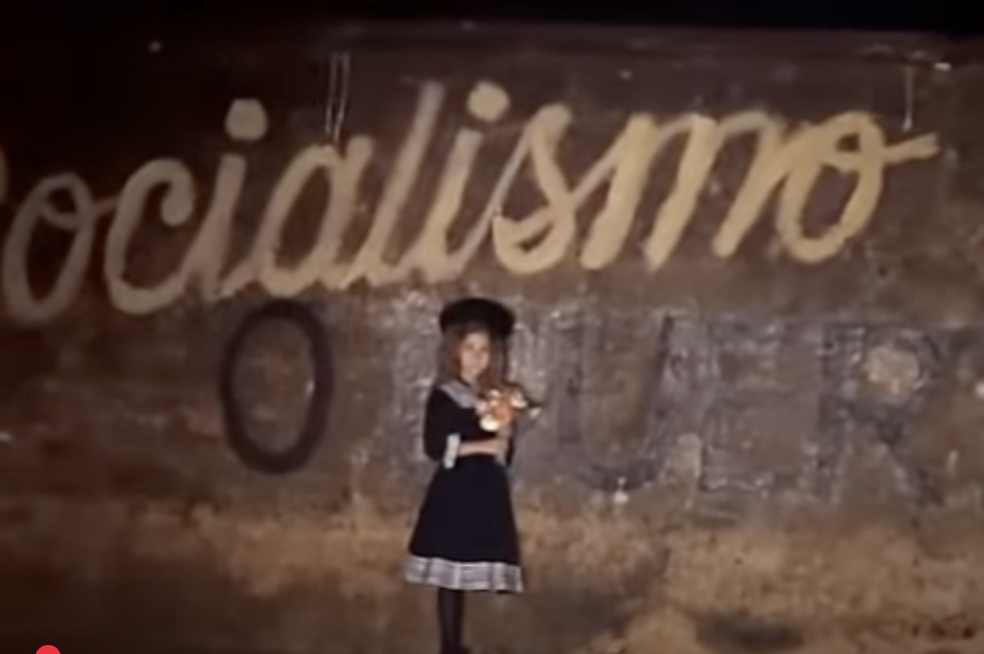
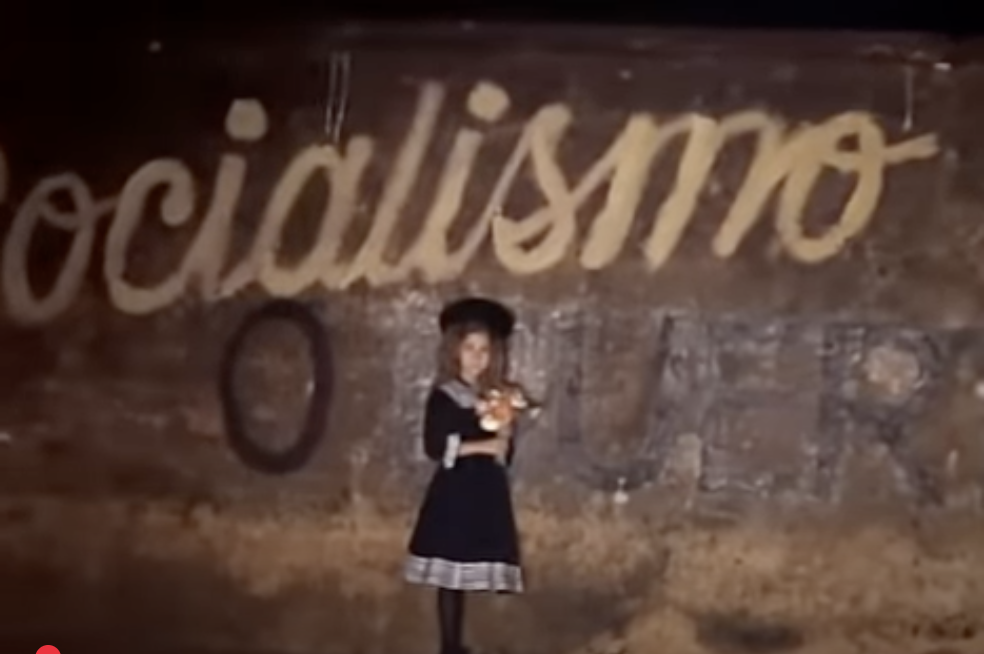
    This frame is set on an exterior street, with the small girl posed in front of a cracked wall that has the words "Socialismo o muerte" ("Socialism or death") painted on it. The flaking paint and rough surface of the wall underscore Cuba's decaying social and political climate, so the context itself becomes a commentary on the troubles and ideaologies prevalent in Cuba. There’s a doll propped into the hands of Iku which reminds Candido of the Cuba of his youth - times that were filled with hope. It symbolizes a pre-stagnation Cuba with so much vitality and potentiality before the politics and bureaucracy's dominated and corrupted it.

    “Socialismo o muerte” serves as an ironic element of the scene and could be an artifact from the revolution. The original grand ideal of socialism has faded and rather than socialismo o muerte, the community may be left with socialism y muerte. Within the post-revolutionary system, the movie highlights political issues and stagnation. The death of Yoyita and the young girl as a manifestation of death remind us of this reality.
    Film Still
    young girl standing in front of wall that reads, "socialismo o muerte"
    Props
    Lighting
    Explanation
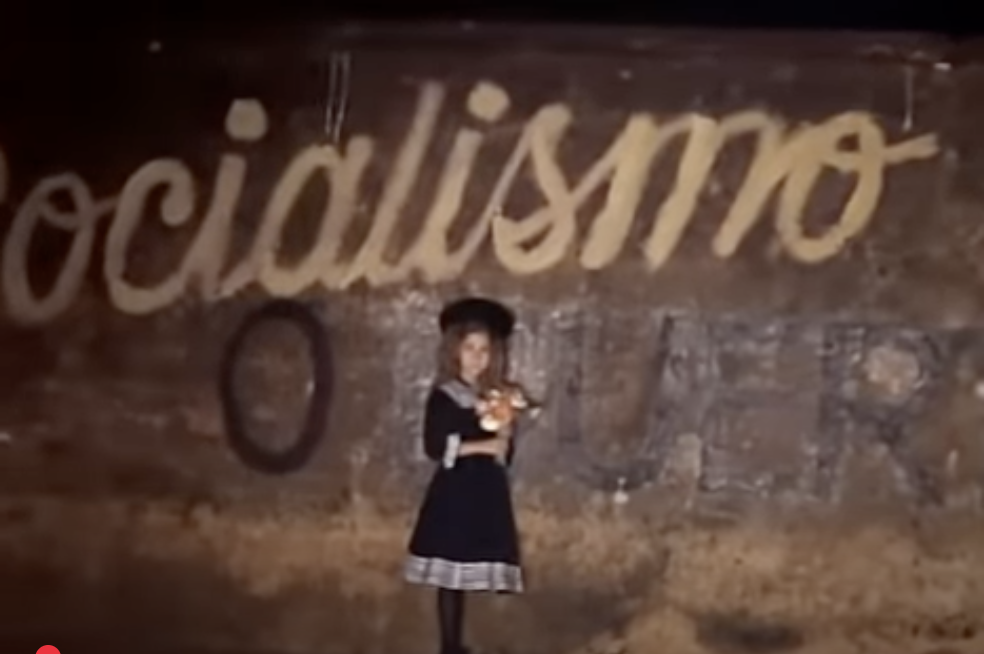
    The young girl is illuminated by the headlights of the hearse at night. The girl is illuminated suddenly and for a moment as the cars drive past the large wall that reads “Socialismo o muerte.” The bright headlights equally illuminate both the girl and the text behind her. Also, the lighting allows the viewer to be in the car with Candido and experience the sight of this young girl with him. The scenes leading up to this shot follow the car in front of Candido until it turns and reveals this striking image. Candido is as equally confused as the viewers, but quickly the car continues on and the movie transitions to an open road and lively music. This ominous sight illuminated by the headlights foreshadows and gives the viewers a quick glimpse into the social commentary to follow throughout the film.
    Film Still
    young girl standing in front of wall that reads, "socialismo o muerte"
    Costume
    Hair and Makeup
    Figure Behavior
    Explanation
    The young girl stares directly at the camera (or at Candido) and follows it as it moves past her. This adds to the overall disturbing nature of the scene. However, the girl is expressionless and motionless. She remains still, holding her pose other than turning her head. This kind of posture makes the sight of this girl appear as more of an omen and figment of Candido’s imagination rather than there actually randomly standing on the side of the road.
    Film Still
    young girl
    Representative Clip

    This is the art of photography and visual storytelling in a motion picture or television show. Cinematography comprises all on-screen visual elements, including lighting, framing, composition, camera motion, camera angles, film selection, lens choices, depth of field, zoom, focus, color, exposure, and filtration. Cinematography sets and supports the overall look and mood of a film’s visual narrative. Each visual element that appears on screen, a.k.a. the mise-en-scène of a film, can serve and enhance the story—so it is the cinematographer’s responsibility to ensure that every element is cohesive and support the story. Filmmakers often choose to spend the majority of their budget on high-quality cinematography to guarantee that the film will look incredible on the big screen.
    Point of View
    Point of View
    Comments
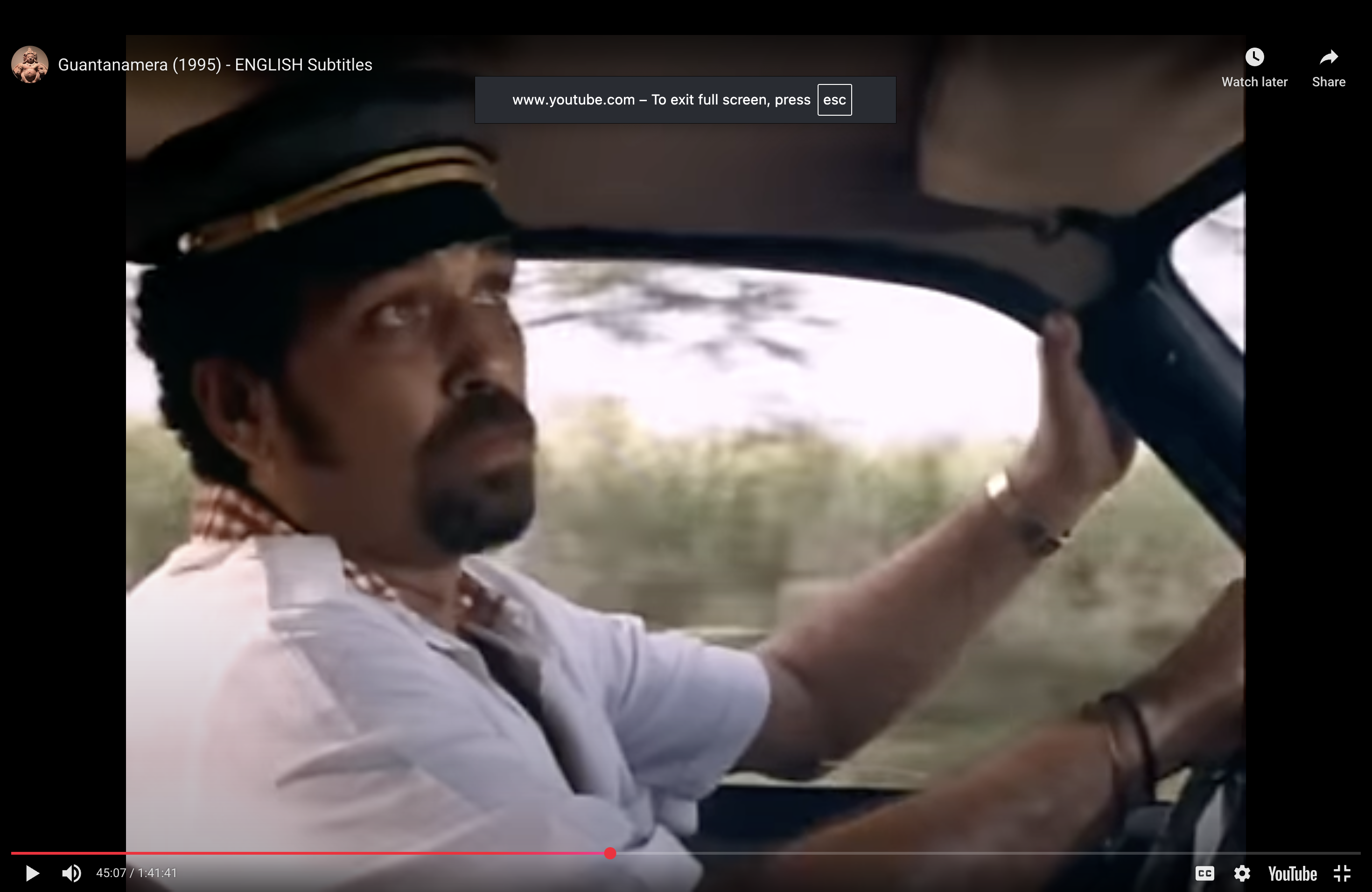
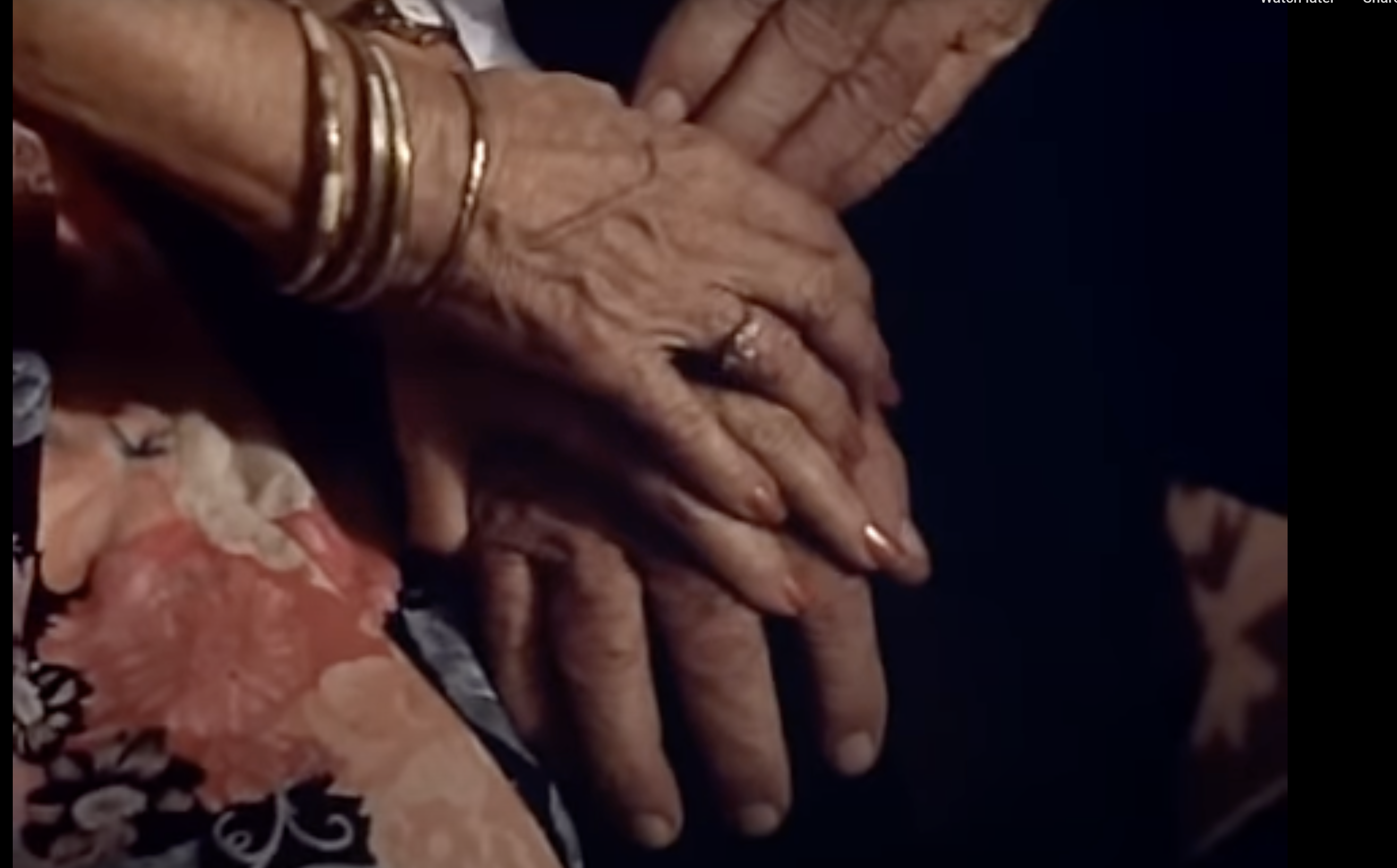
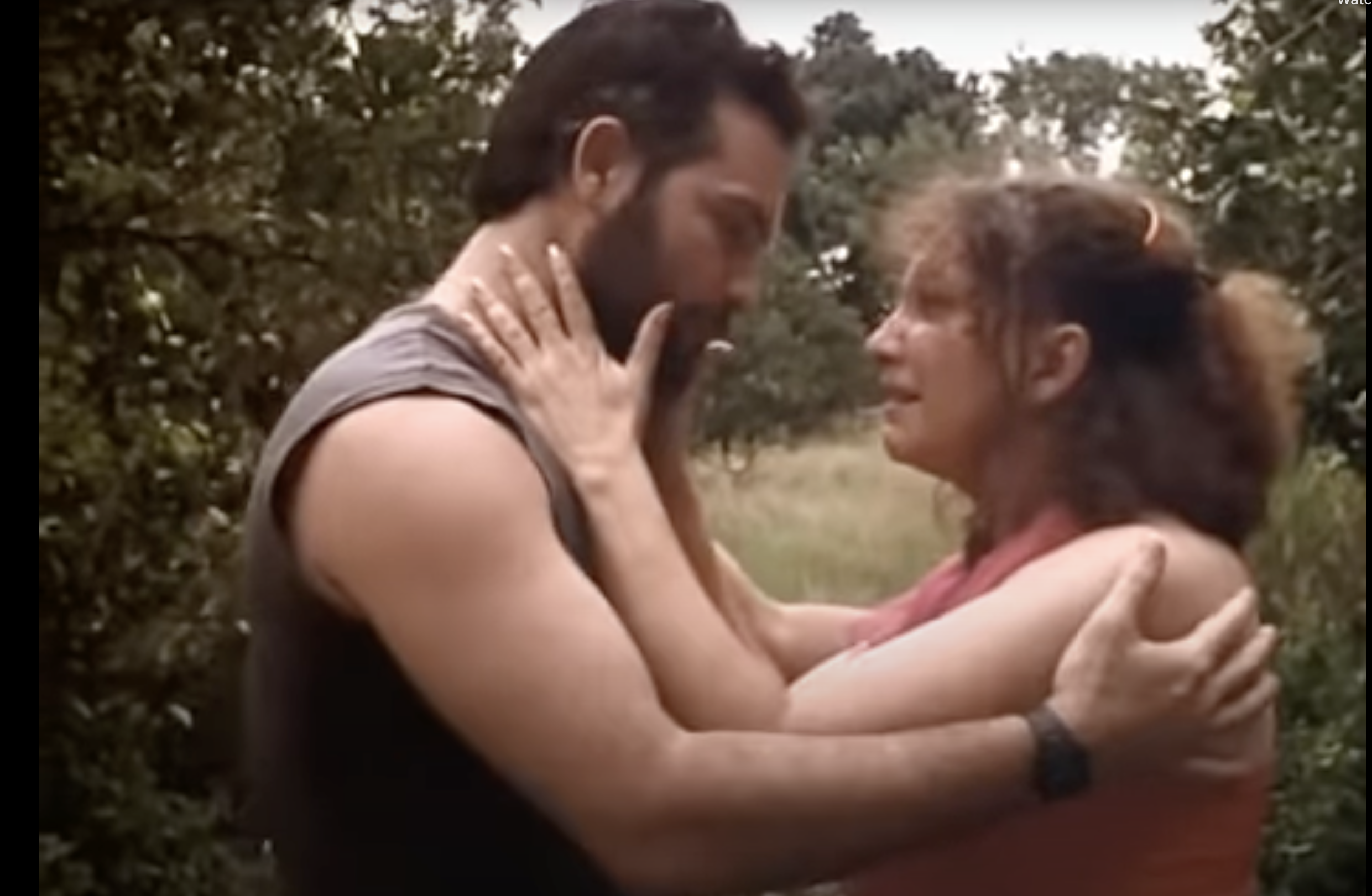
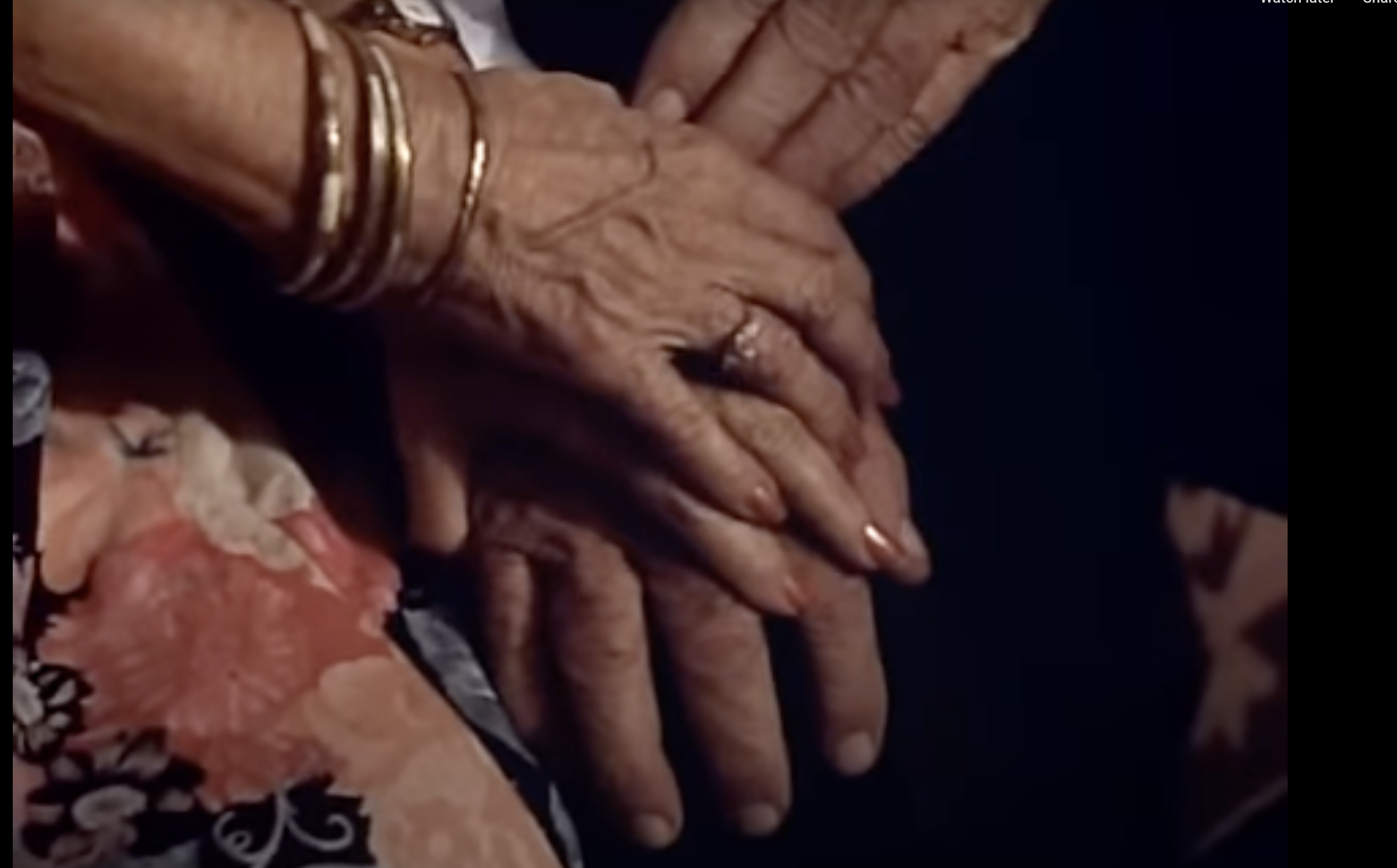
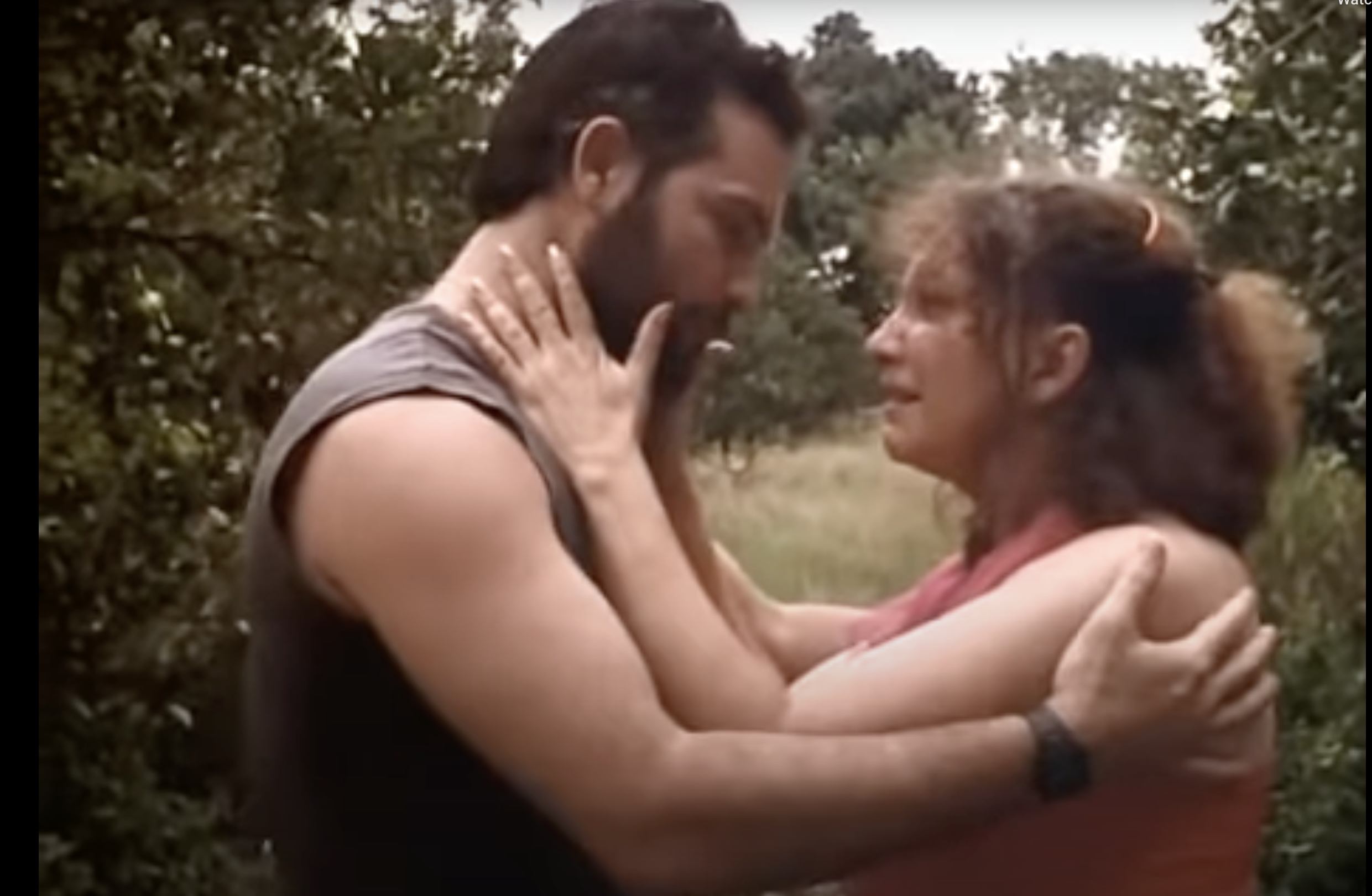
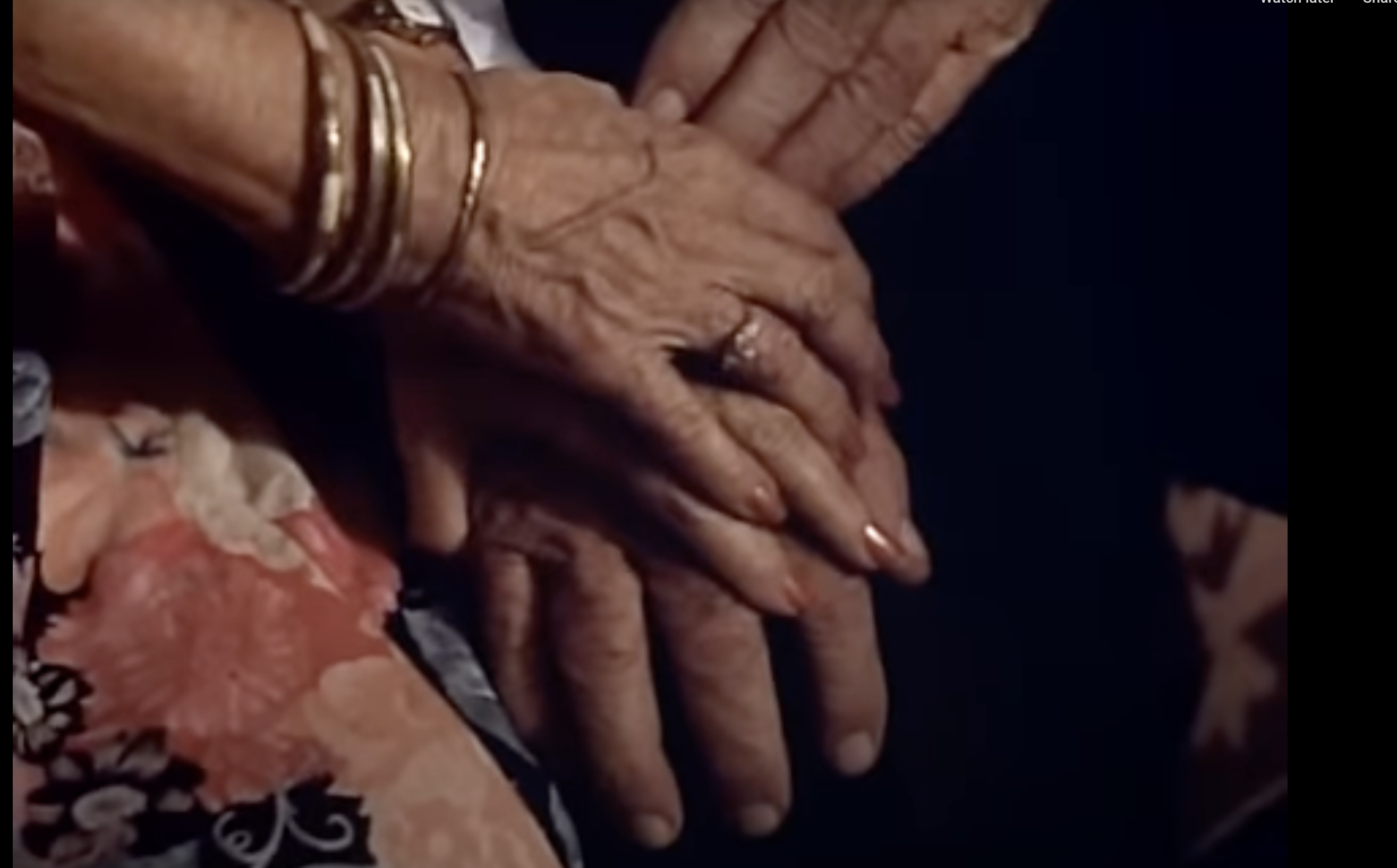
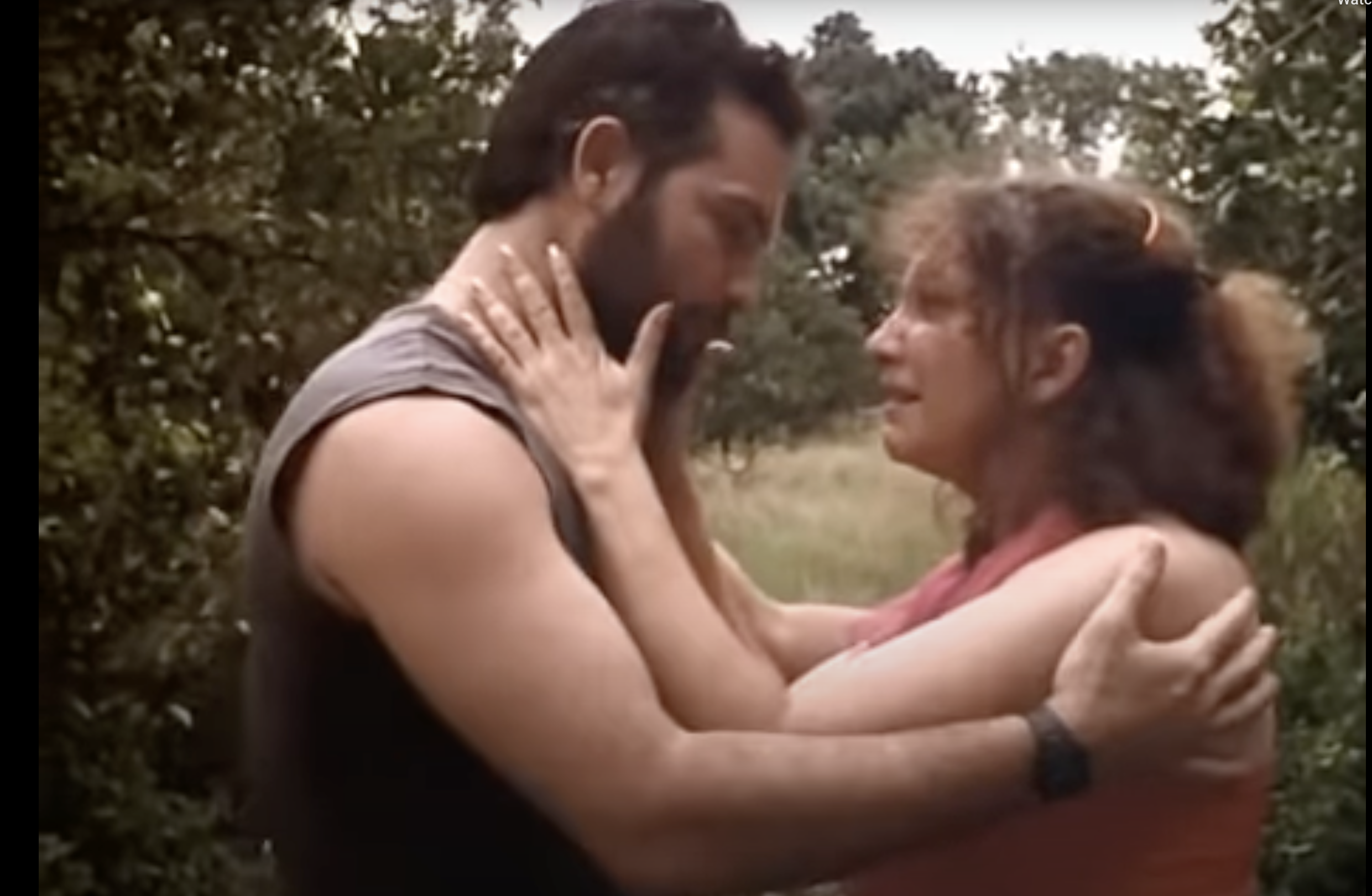
    The camera mostly observes events at eye level and within close proximity to the characters, as can be seen in the intimate shots of hands (12:45), emotional exchanges (19:06), and driving scenes (45:07). This method creates a sense that the viewer is present alongside the characters rather than just watching from afar. It allows the audience to have a more realistic understanding and view of the movie, and they see life unfold naturally, without exaggerated stylization or manipulative camera work.
    Film Still
    objective
    objective
    objective
    Quality
    Quality
    Comments
    In Guantanamera (1995), the film primarily uses a normal lens, giving the audience a natural, human perspective that makes it feel as if the viewer was actually there. This choice grounds the story in realism, helping viewers connect with the characters and their environment without any distortion. The normal lens keeps proportions accurate and maintains a balanced depth of field, allowing both characters and background elements to stay in focus without drawing attention to the camera itself. This reinforces the film’s tone and social realism, emphasizing normal people and situations rather than stylized visuals or exaggerated cinematic techniques.
    Film Still
    yolita and candido
    hand close up
    normal lens
    Framing
    Framing
    Comments
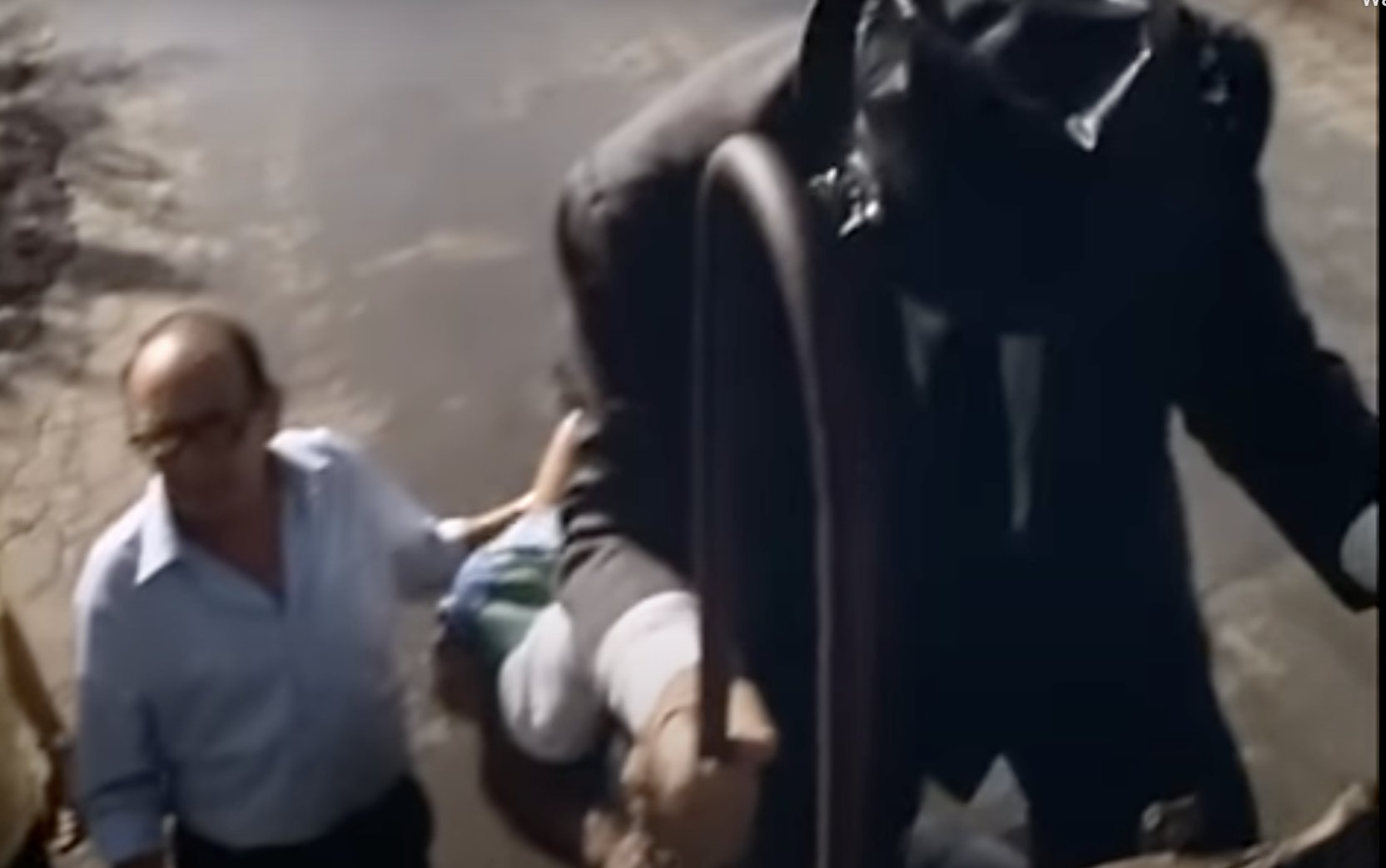
    Throughout Guantanamera (1995), the filmmakers employ a level, eye-level framing to maintain a natural and visually appealing perspective. This approach keeps the viewer aligned with the characters’ world and emotions, emphasizing realism over stylization. The shots at 12:45, 19:06, and 32:08 clearly showcase this consistent use of level angles, capturing both intimate and everyday moments without exaggeration. By maintaining a straightforward, human perspective, the film allows the audience to observe its characters and settings with empathy and authenticity, reinforcing its themes of connection, community, and the shared experiences of ordinary life in Cuba. However, in the last picture at 1:24:42 we can see the camera took a higher plane than the characters to properly show the depth and show that the characters were climbing up a ladder.
    Film Still
    hand close up
    level angle
    level angle
    angled downward
    Scale
    Comments
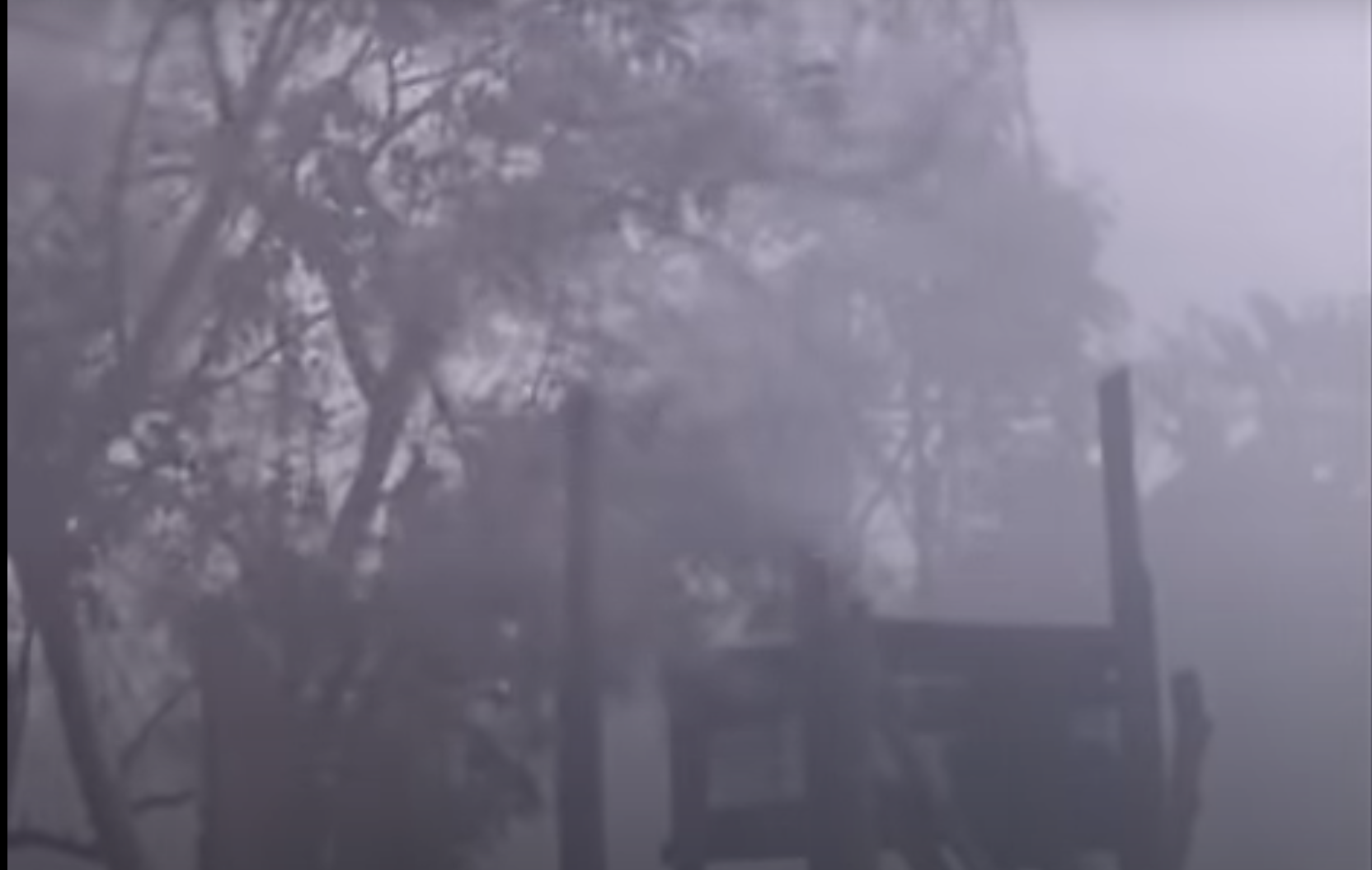
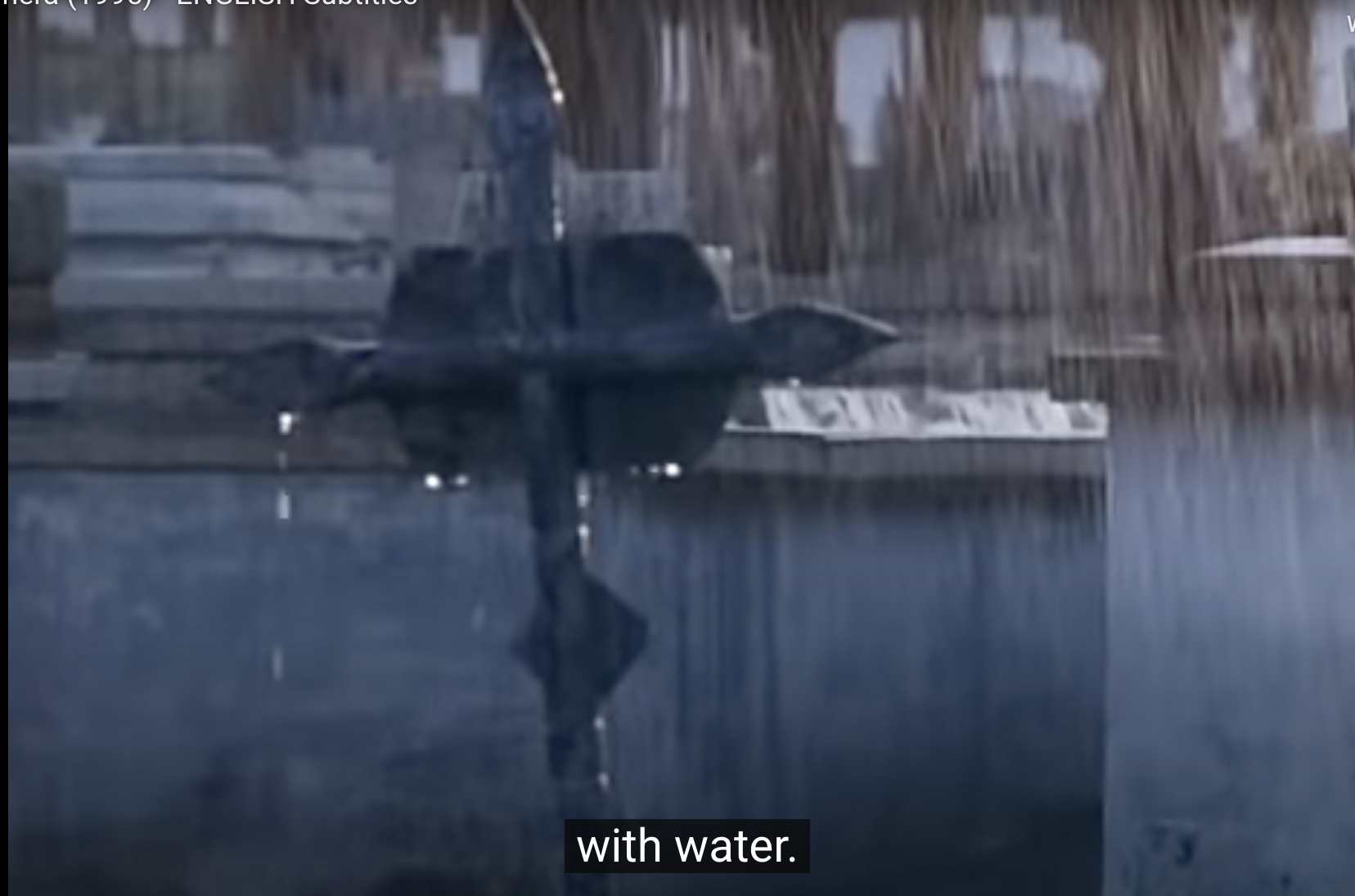
    Most of the scale of the frames relies on medium and close-up shots, which place the audience directly with the characters, creating an intimate and personal tone throughout most of the film. Using this scale helps highlight emotion and human connection by pulling viewers into the daily experience of the characters. Toward the end of the film, however, at 1:21:16, 1:22:58 for example, a voiceover discussing IKU and "how it rained nonstop for thirty days" is complemented by wider, long shots. These more distant frames contrast the earlier ones by enlarging the visual scale and showing the broader effects of this 30-day downpour. The broader perspective invites the audience to step back and consider the story's larger social and spiritual themes.
    Film Still
    long shot
    long shot
    medium close up
    Movement
    Movement
    Comments
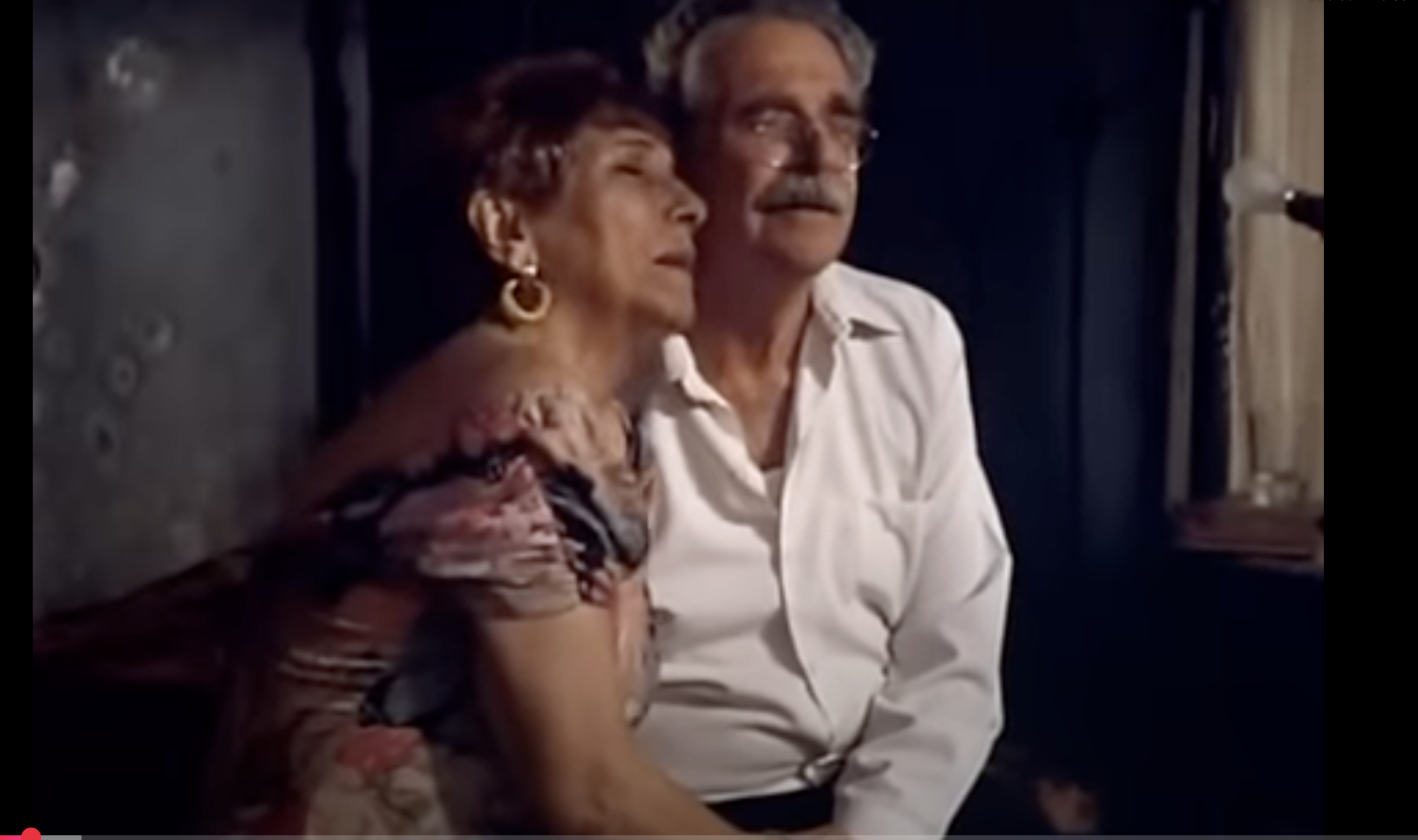
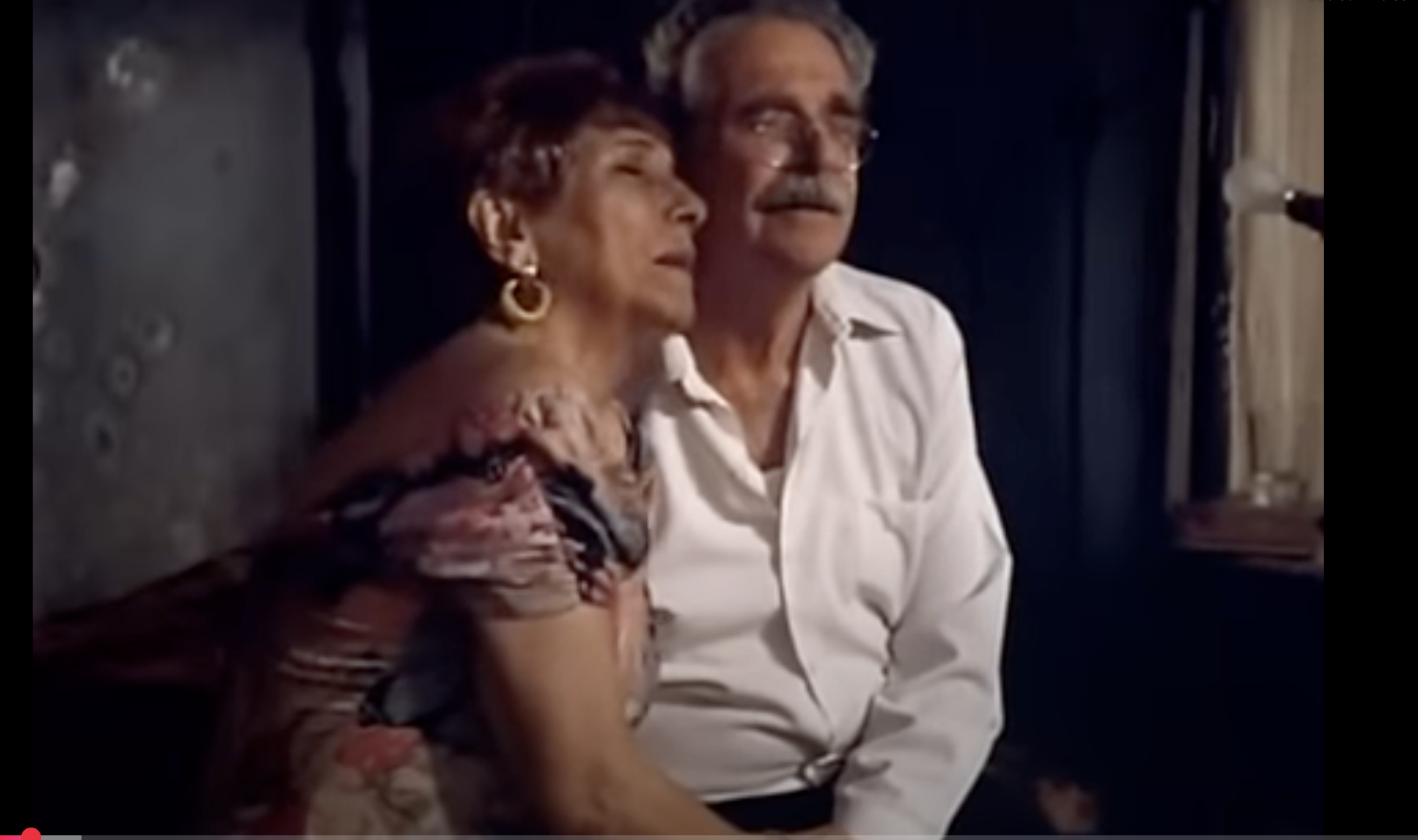
    In this scene (11:30-13:00), the camera movement plays a key role in how the moment unfolds. Rather than cutting between angles, the camera slowly pans across the characters and throughout the room. This continuous motion creates a sense of intimacy, which allows the audience to feel present with the couple in real time. This style of camera movement, where the frame glides rather than cuts, is pretty consistent throughout the movie. It just further reinforces the film’s natural tone and observational perspective, favoring flow and connection over fragmentation. We’ll talk further about the camera movement within the editing section below
    Film Clip
    Video file

    Editing is the process of putting a film together–the selection and arrangement of shots and scenes. Editing can condense space and time, emphasize separate elements and bring them together, and organize material in such a way that patterns of meaning become apparent. In addition, editing can determine how a film is perceived: for instance, quick, rapid cuts can create a feeling of tension, while a long take can create a more dramatic effect. The first photoplays generally had no cutting, owing to the fact that they were single-reel films; once filming began, you could not stop until the film ran out. (https://filmglossary.ccnmtl.columbia.edu/term/editing/)

    Coherence, Continuity, and Rhythym
    Comments
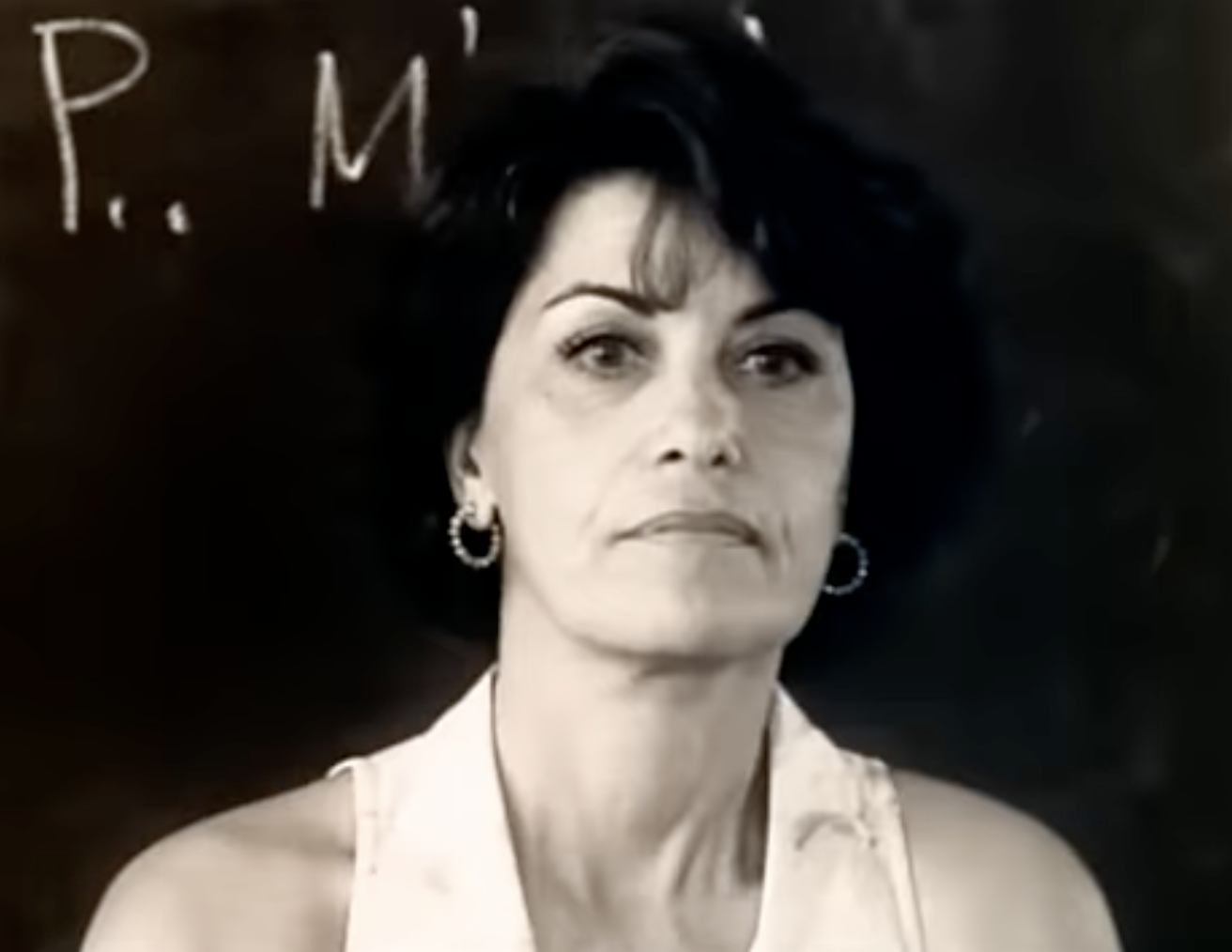
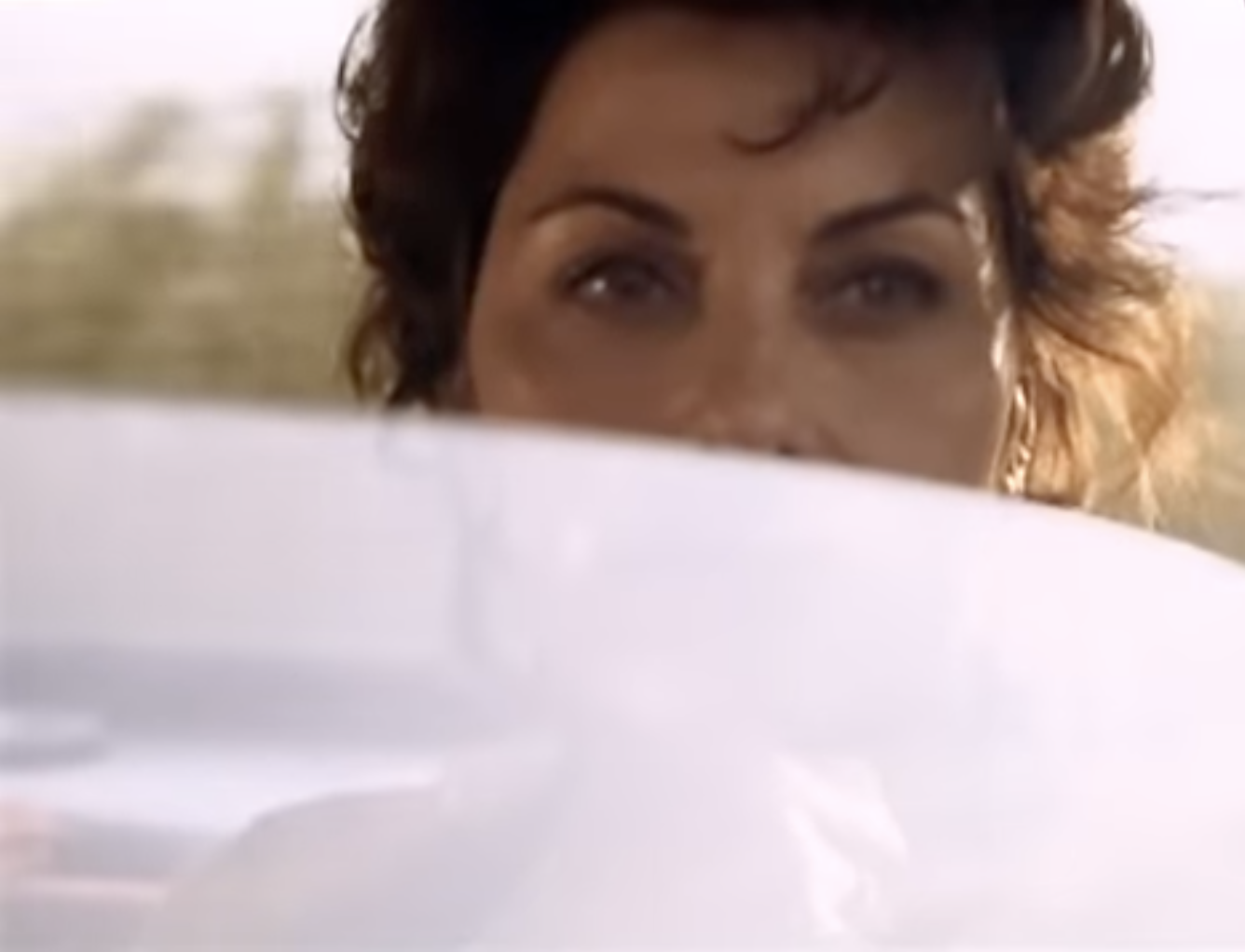
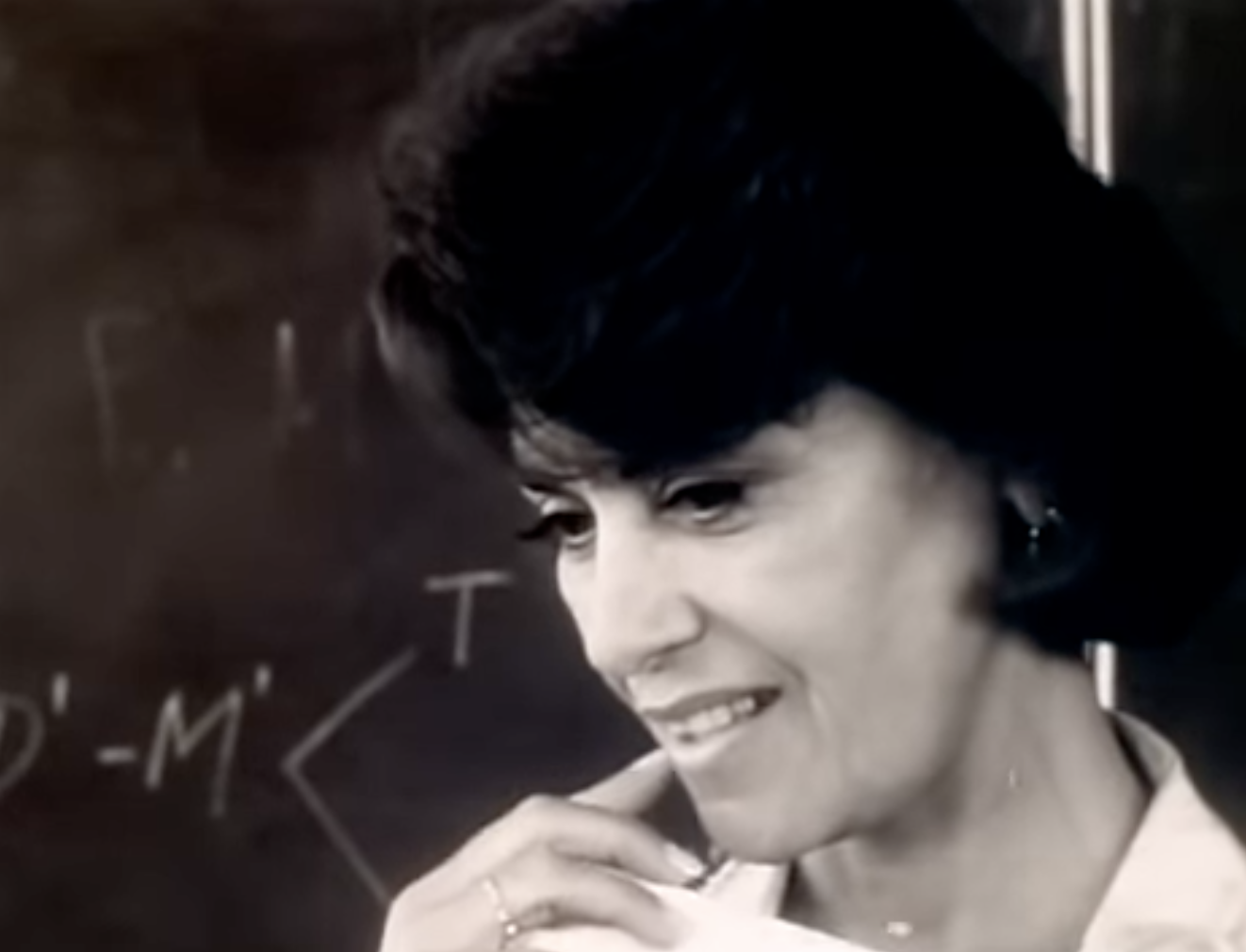
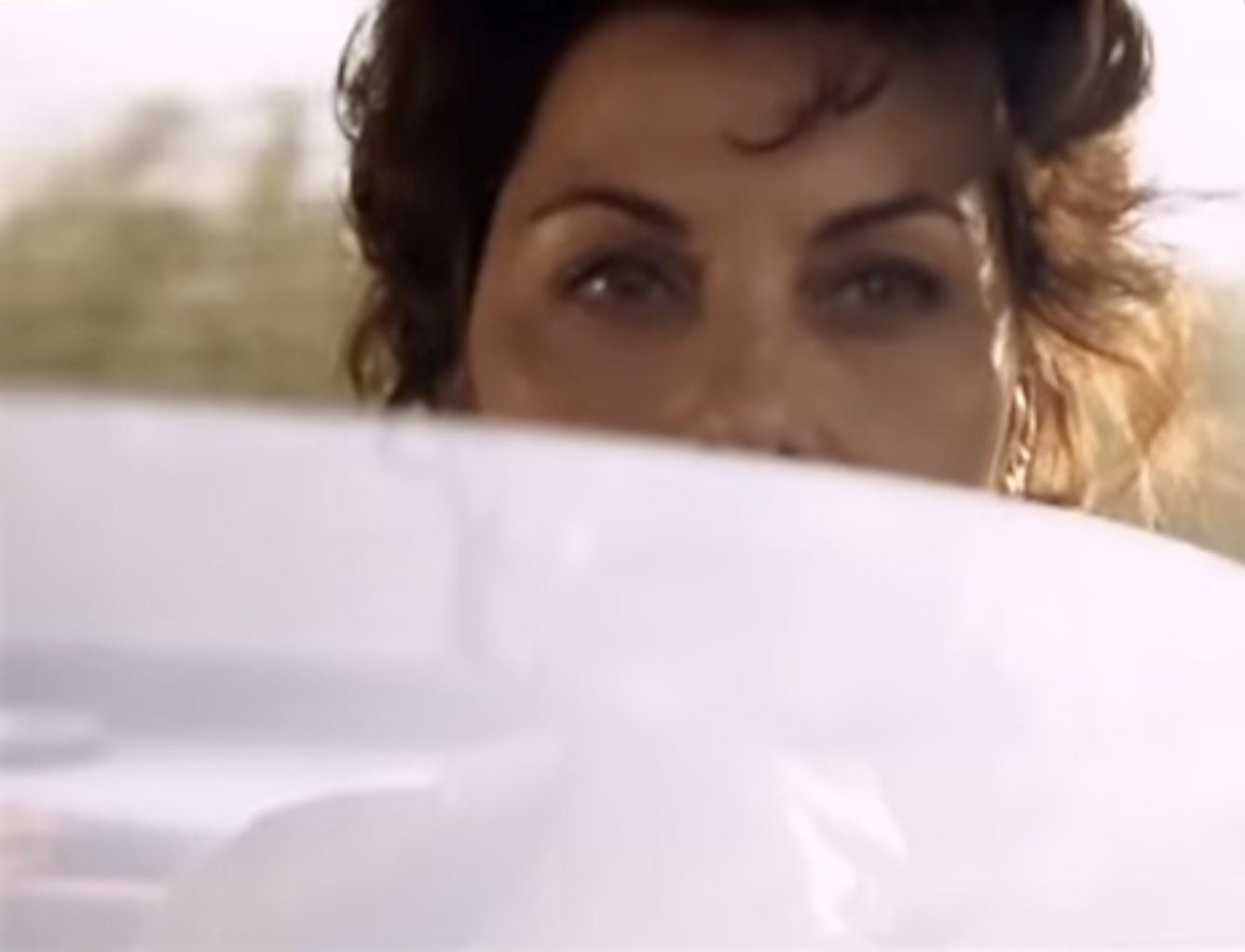
    There is a continuity during this ~3 minute scene between the meaningful stares from Georgina and Marciano. The camera first shows Marciano staring longingly and thoughtfully at Georgina as she leaves after seeing her for the first time in years. The camera then abruptly cuts to Georgina staring out the window with a similar expression. Despite the abrupt cut, the emotional background music remains and it is clear that there is a continuity between their shared thoughts. Despite not being in the same location in these scenes, the characters are clearly thinking of each other and of similar moments in their shared past, shown by their shared expressions and the continuance of the background music.
    Film Still
    Ramón looks pensive at Georgina leaving
    Georgina stares out car window
    Editing Style
    Comments
    From 00:28:54 - 00:32:00, the film utilizes cross-cutting to link the two lovers, Ramón and Georgina. The camera cuts from Ramón looking out as Georgina leaves, then to Georgina in the car staring out the window, then to Ramón getting in his truck and discussing his past with Georgina. The cross-cutting method creates the illusion of these moments happening at the same time. The pensive expressions of Ramón and Georgina serve as parallels across cuts.
    From 00:28:54 - 00:32:00, the film utilizes cross-cutting to link the two lovers, Marciano and Georgina. The camera cuts from Marciano looking out as Georgina leaves, then to Georgina in the car staring out the window, then to Marciano getting in his truck and discussing his past with Georgina. The cross-cutting method creates the illusion of these moments happening at the same time. The pensive expressions of Marciano and Georgina serve as parallels across cuts.
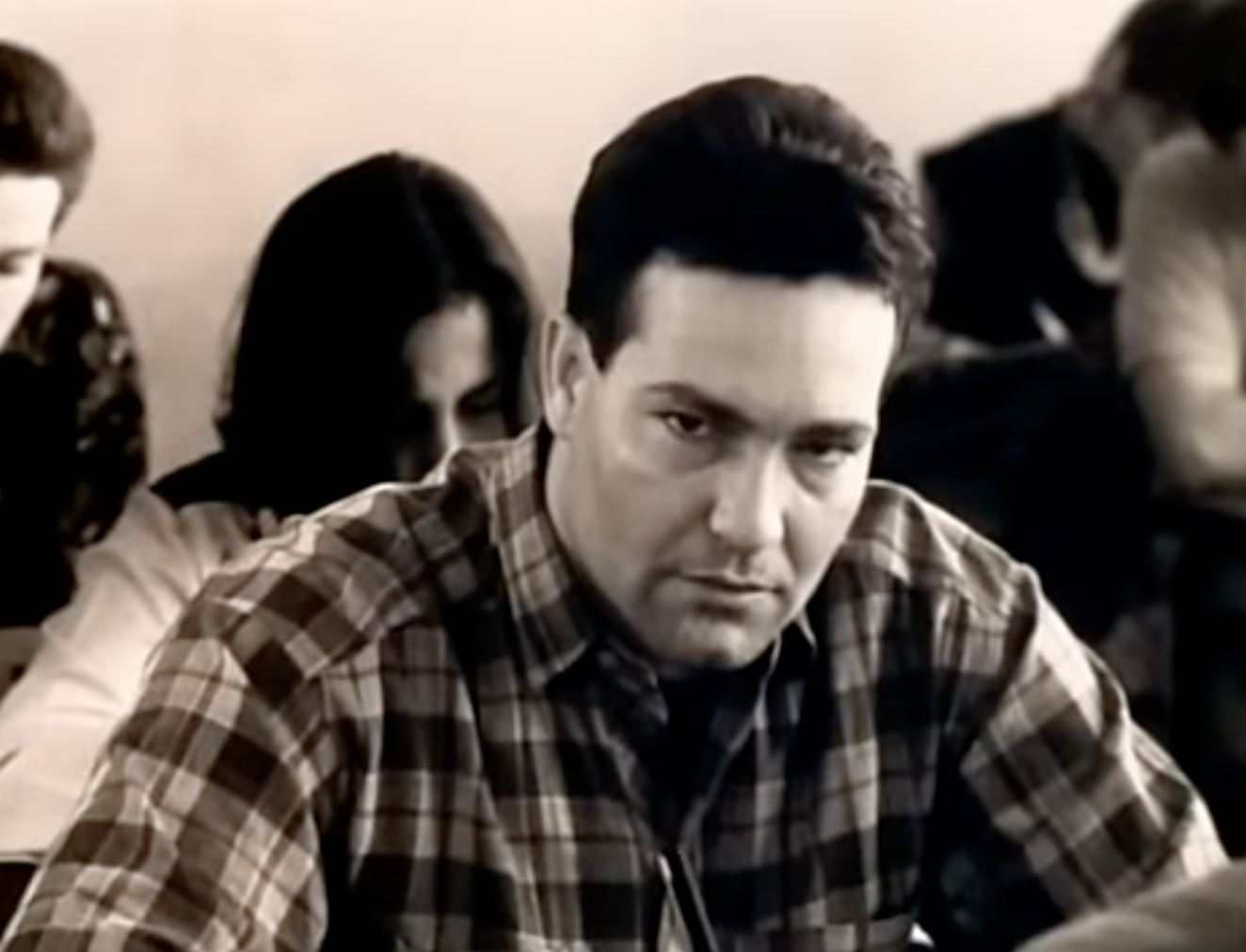
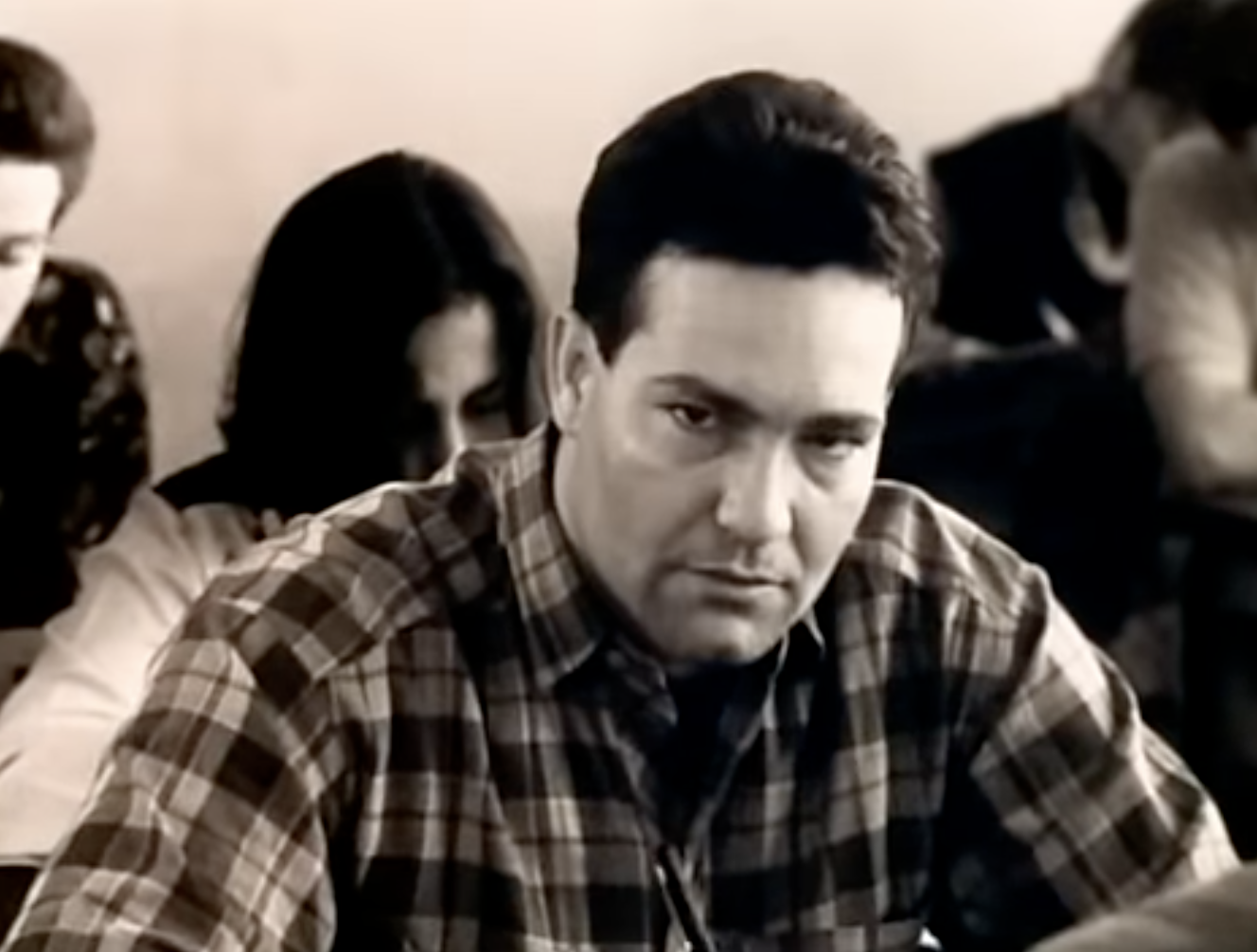
    This scene uses abrupt cutaways as a technique to showcase the past. The film cuts back and forth multiple times between the characters and black-and-white scenes from the past. The abrupt cuts along with the shots of the characters’ longing faces make the past scenes appear like memories. It is clear that Marciano and Georgina’s unexpected encounter suddenly invoked the same memories for both of them. The intense memories flash in their minds just as they flash across the screen.

    Film Still
    Ramón
    Georgina
    Georgina
    Ramón in the past
    Georgina in the past after receiving the letter
    Ramón in the truck
    Transitions
    Comments
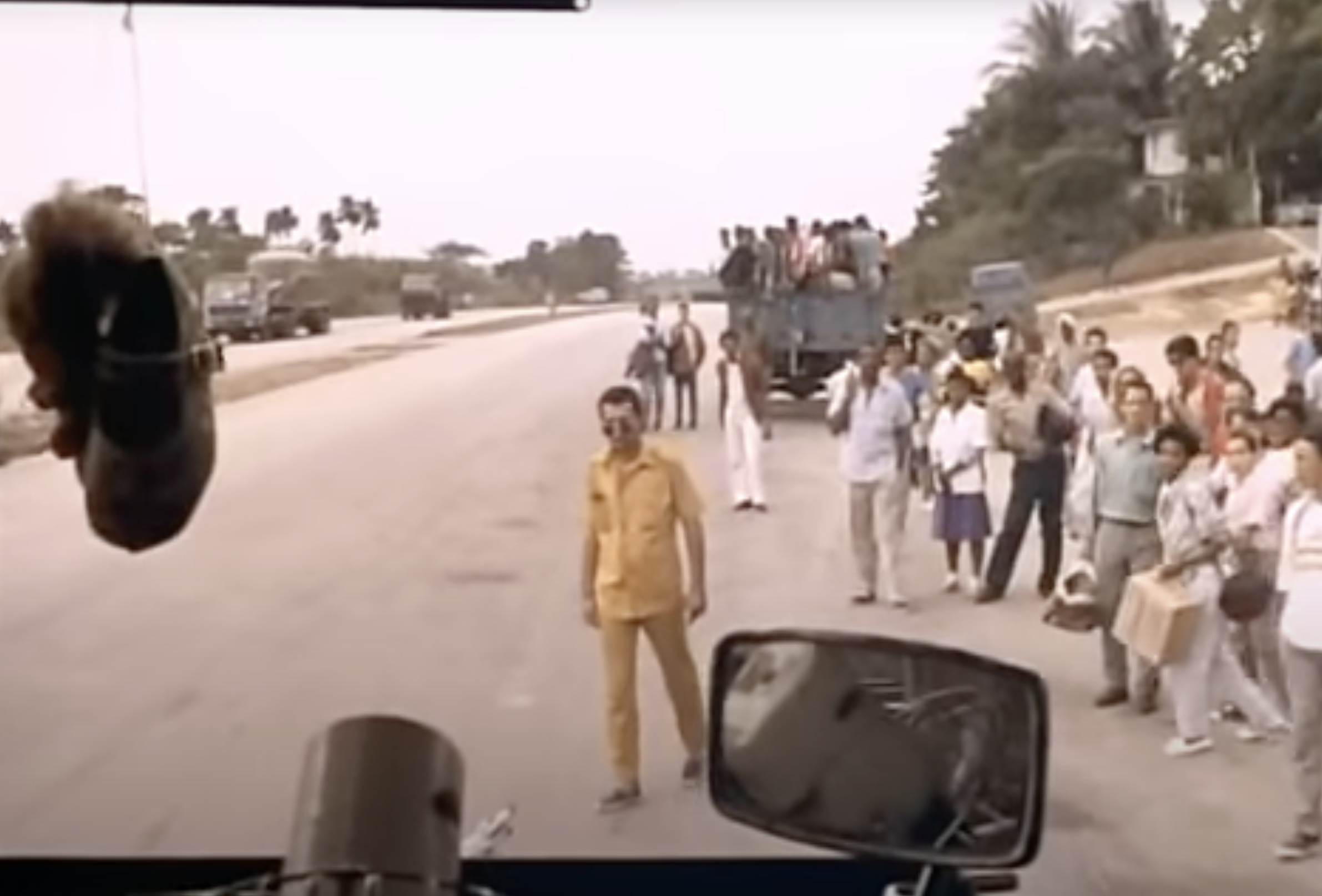
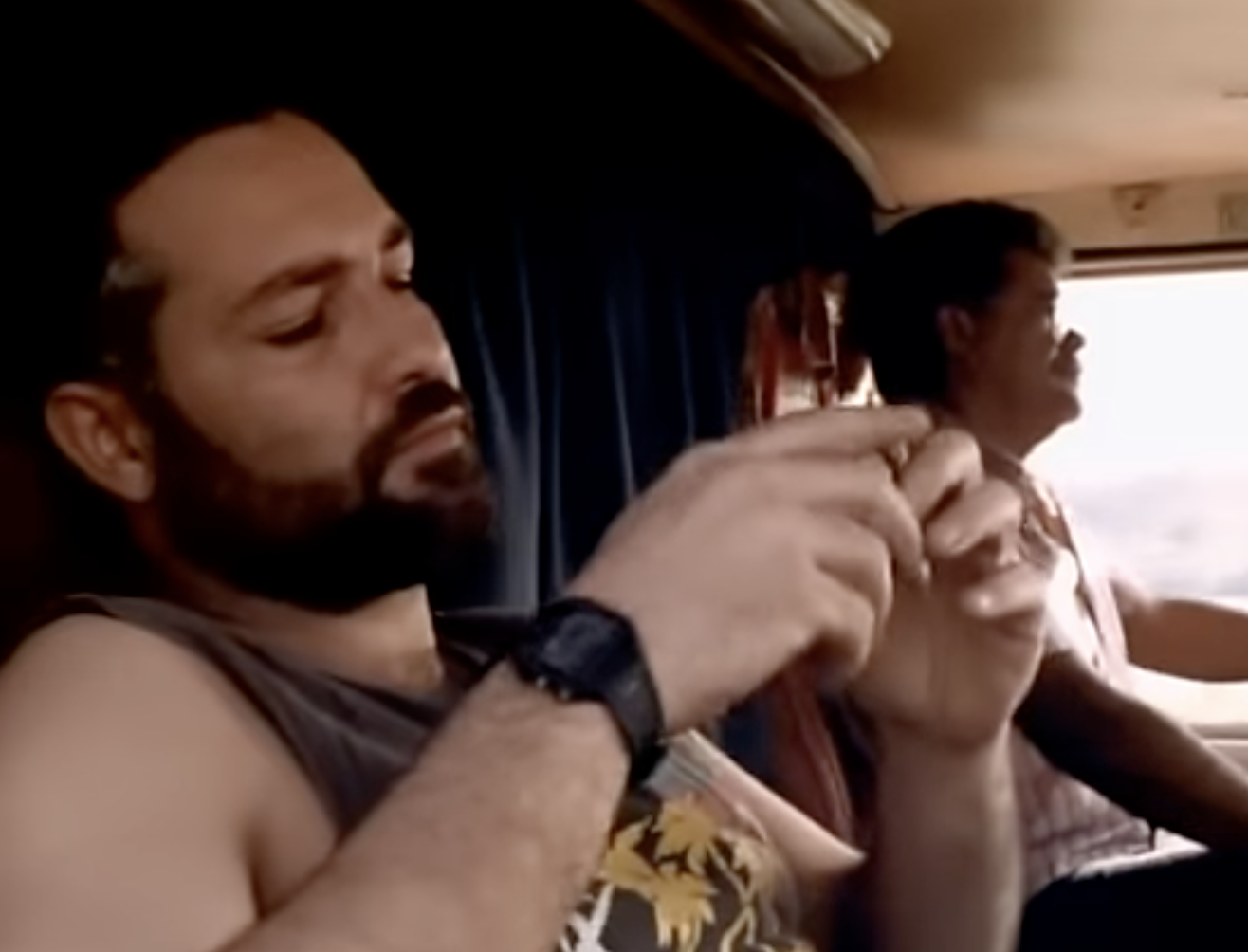
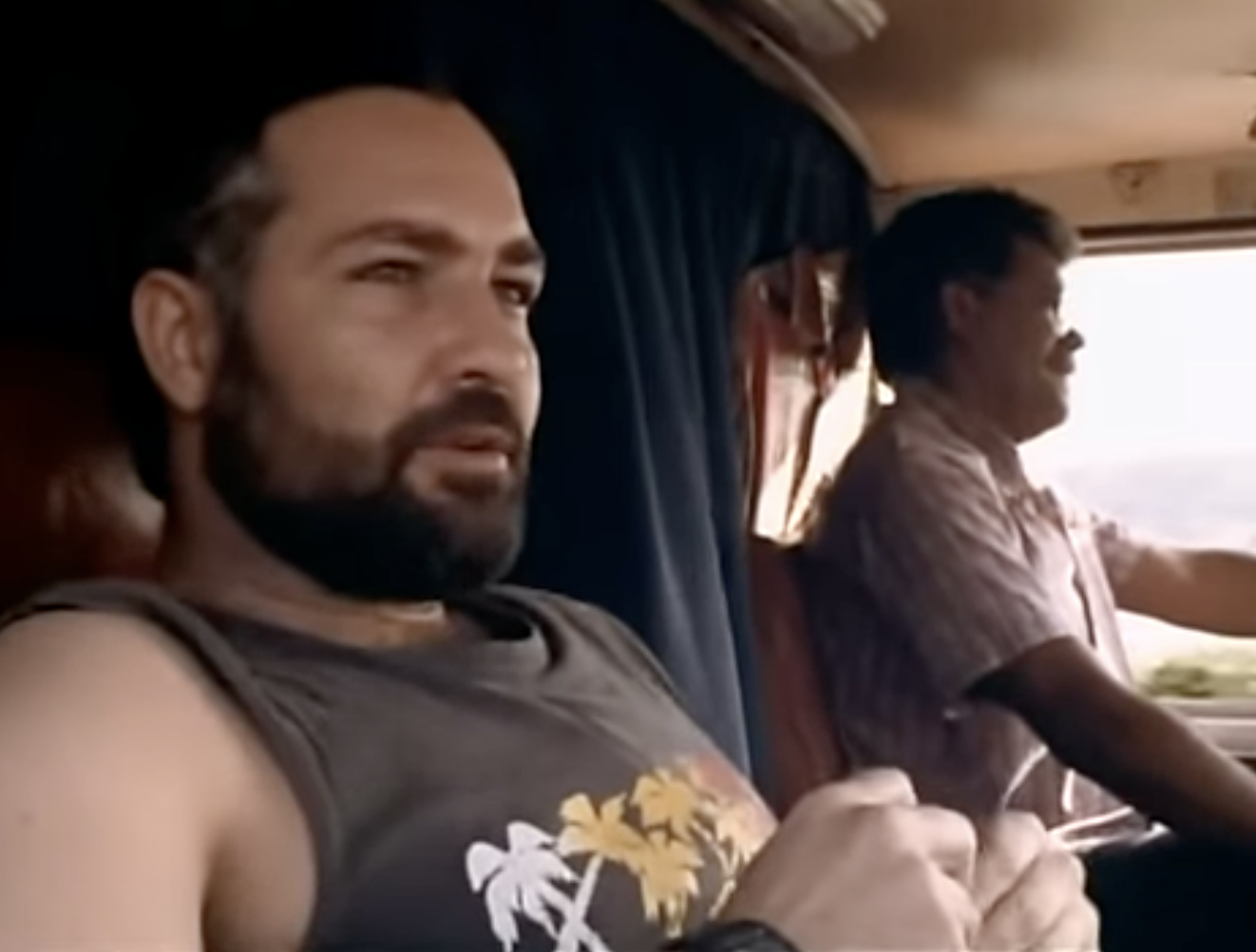
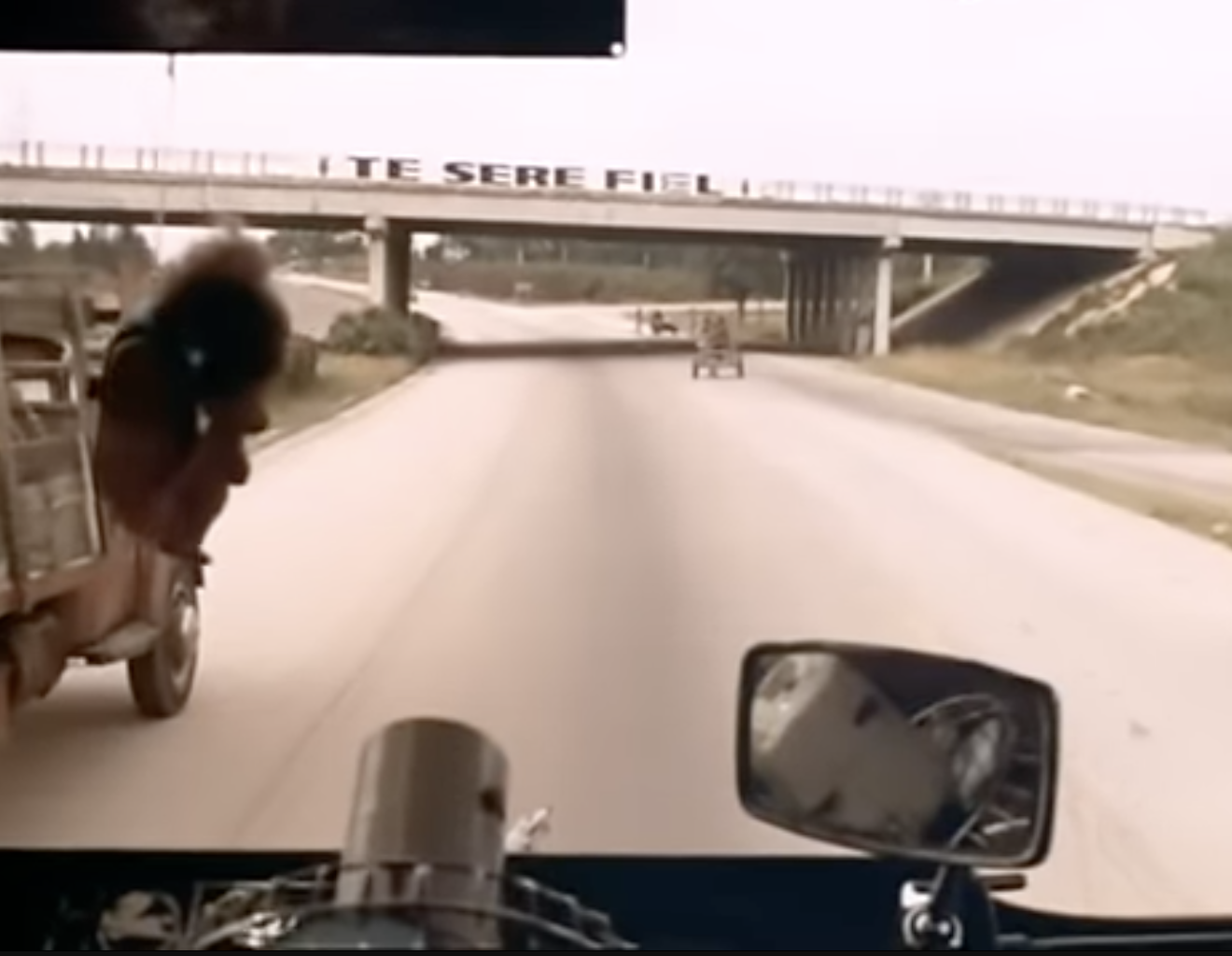
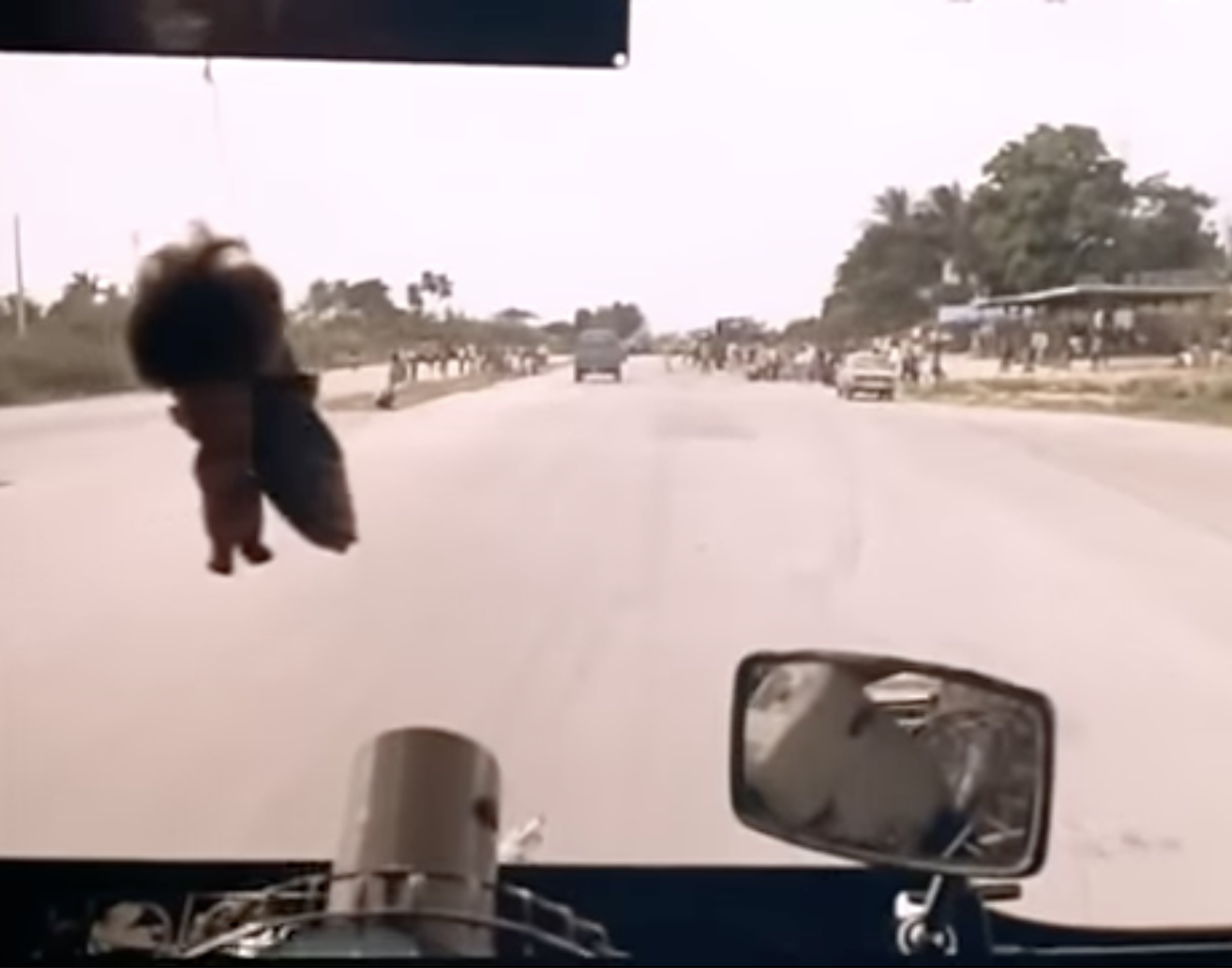
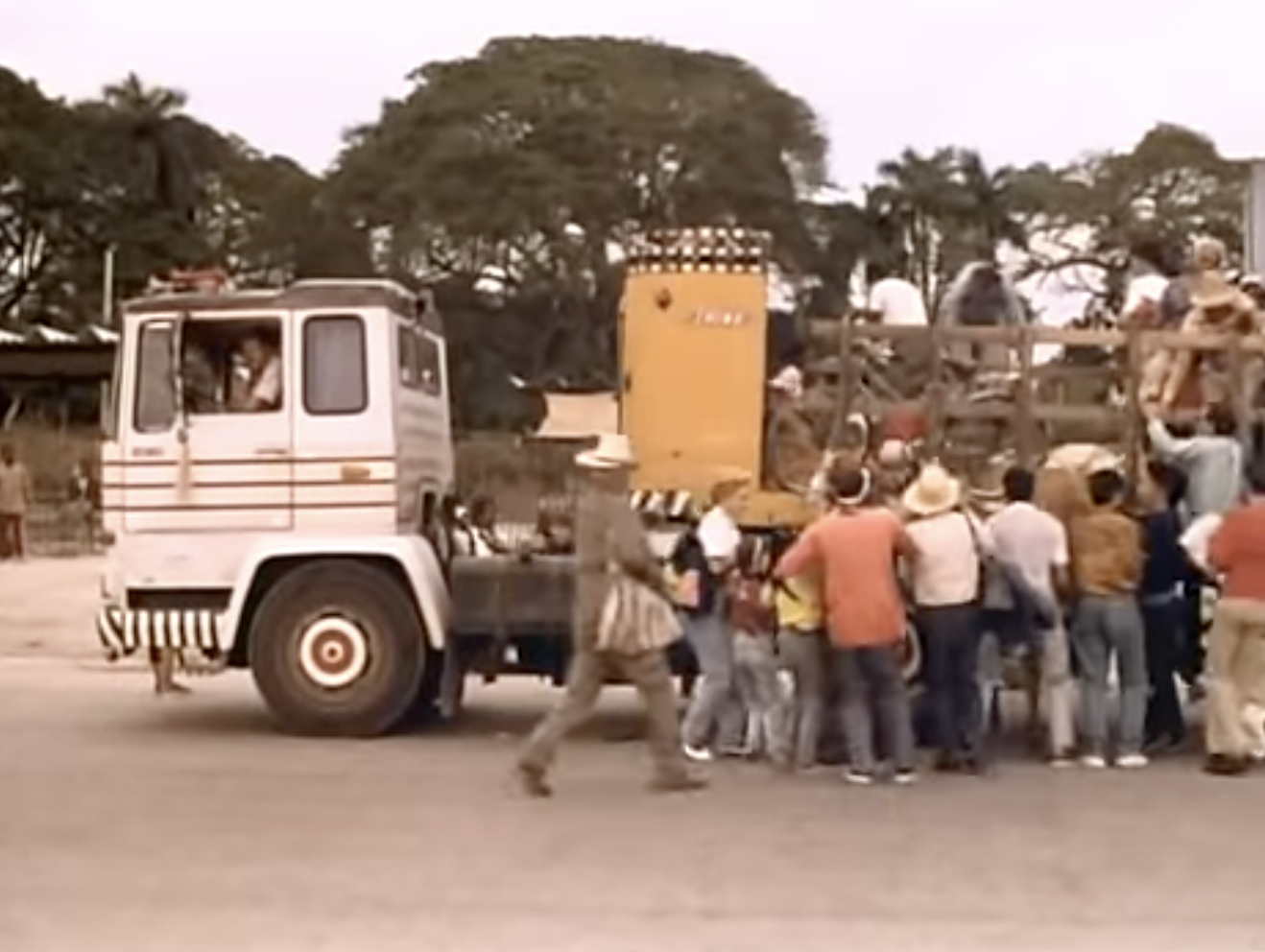
    During this scene, the camera cuts from focusing on Marciano to focusing on the road in front of him for about one minute. This transition takes us into the eyes of Marciano. We become an individual in the car, looking out through the front window having a conversation with the driver. This use of the camera makes the conversation feel realistic. As we watch the road, Marciano and the driver discuss politics and joke about socialism and capitalism. This all-important topic of the time is just a casual car conversation for them. The scene then transitions into individuals trying to jump on their truck to hitch a ride. The characters do not have enough time to get into the details of their political system; they must focus on the realities of their life and their jobs.
    Film Still
    a
    a
    road
    people jumping on truck
    Match
    Comments
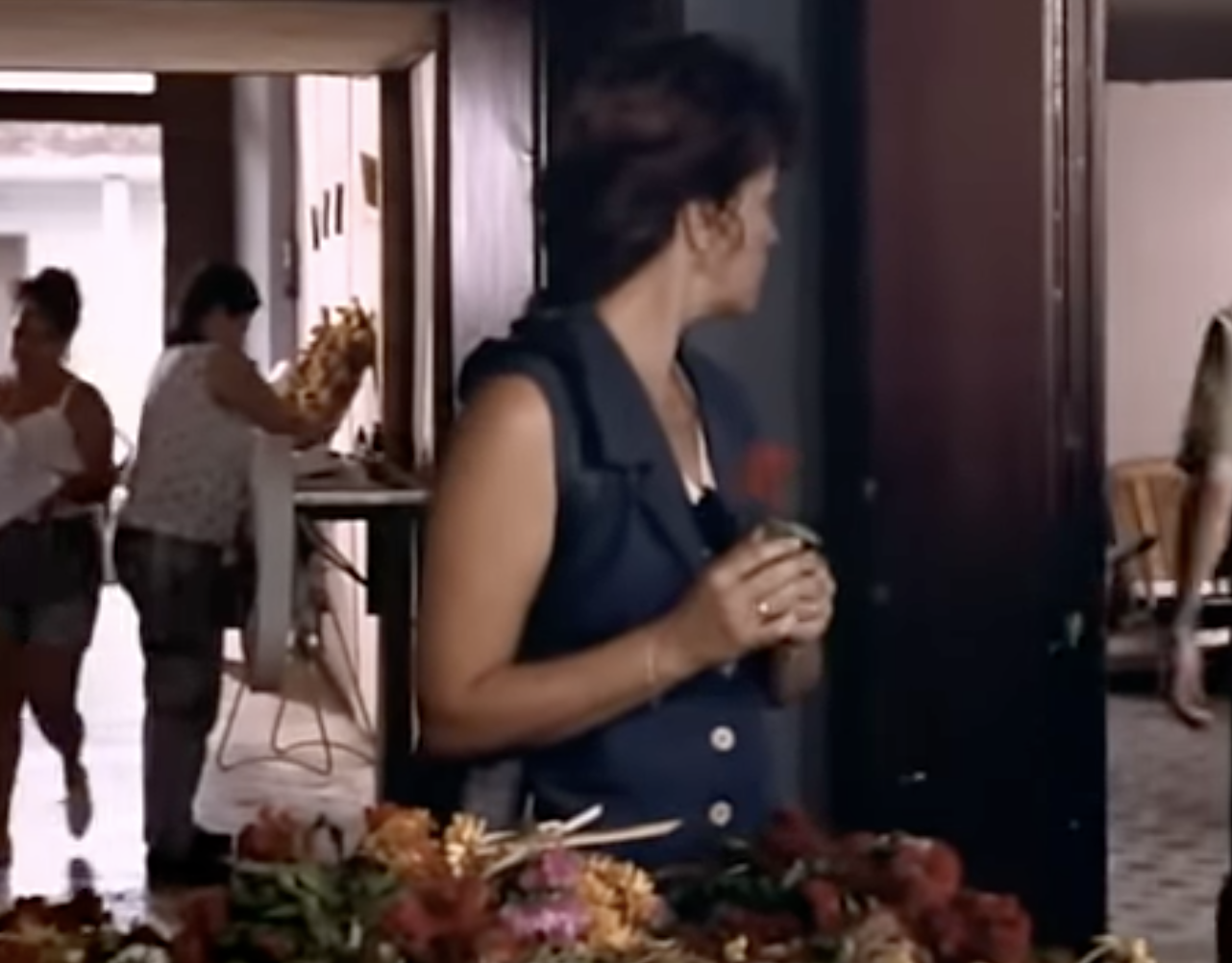
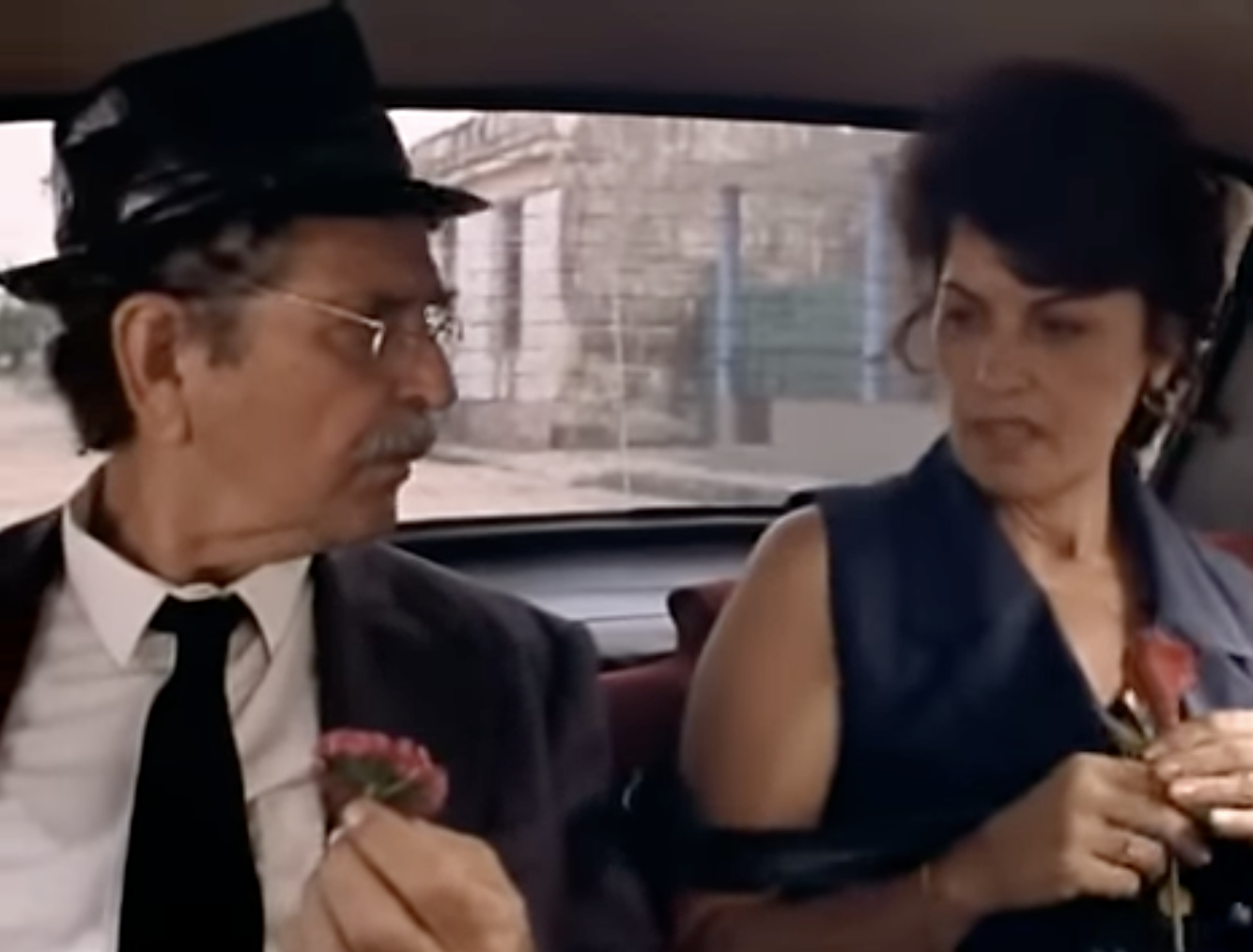
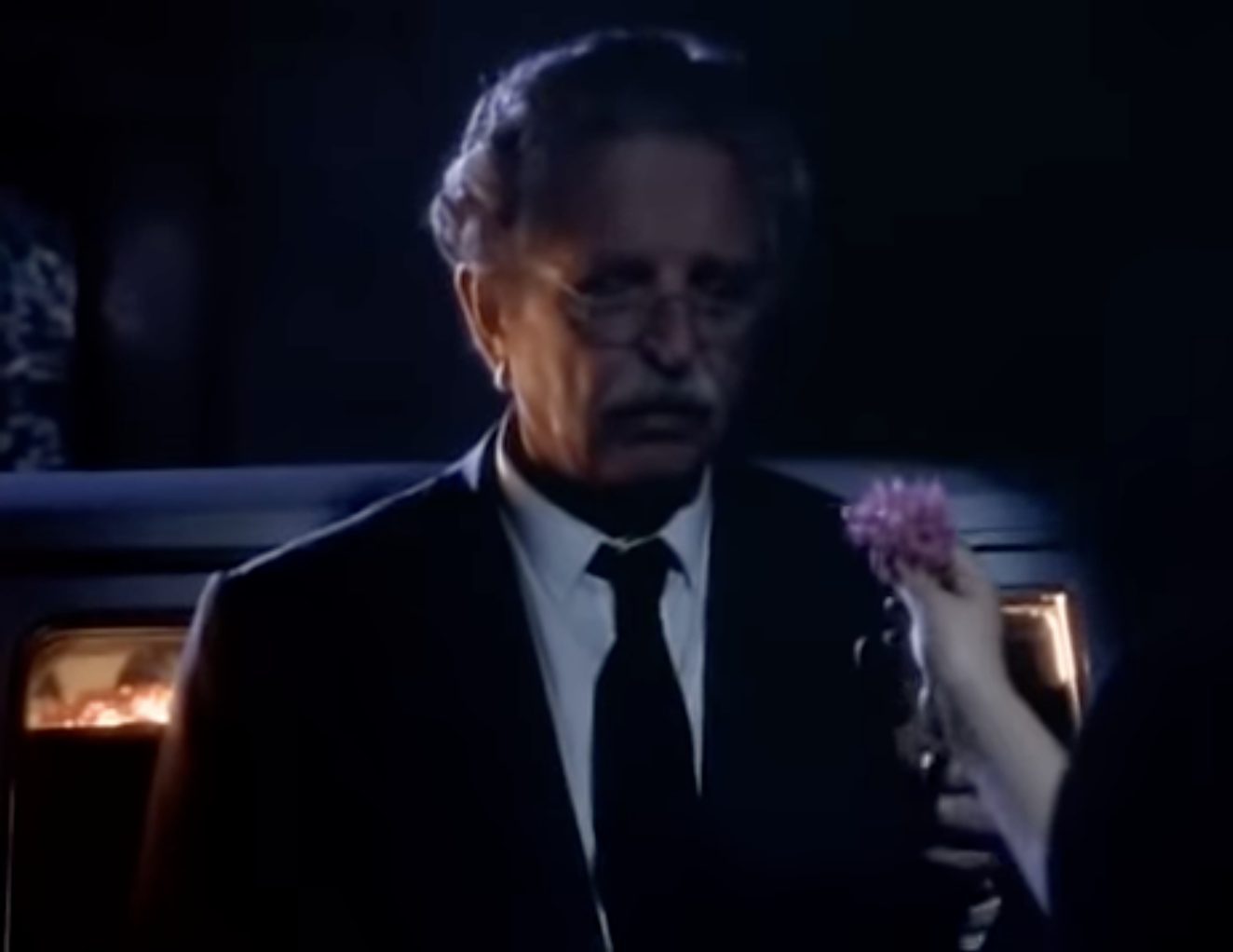
    Around the 52:00 minute mark, Candido receives a small pink flower from the little girl he keeps seeing. In the next scene, Georgina holds a small red flower from the top of a casket. This is a match cut where the new scene carries over elements from the preceding scene. The themes surrounding the two flowers apply to both Georgina and Candido, as well as to the general political commentary of the film.
    When Georgina holds the red flower, music plays in the background that says, “When one flower wilts and dies, another springs up in its place; and if a love is lost, life takes on another love.” The flower signifies hope for the two characters. Candido lost his love, Yoyita, but the flower is a signal of hope for him and for the country of Cuba. For Georgina, the flower is a hopeful reminder that she can break free from her unloving husband and find a new love in Marciano. Despite losing one important aspect of their lives, the two can gain something deeper.
    Film Still
    flower
    flor
    two with flowers
    Expansion and Compression of Time
    Expansion and Compression of Time
    Comments
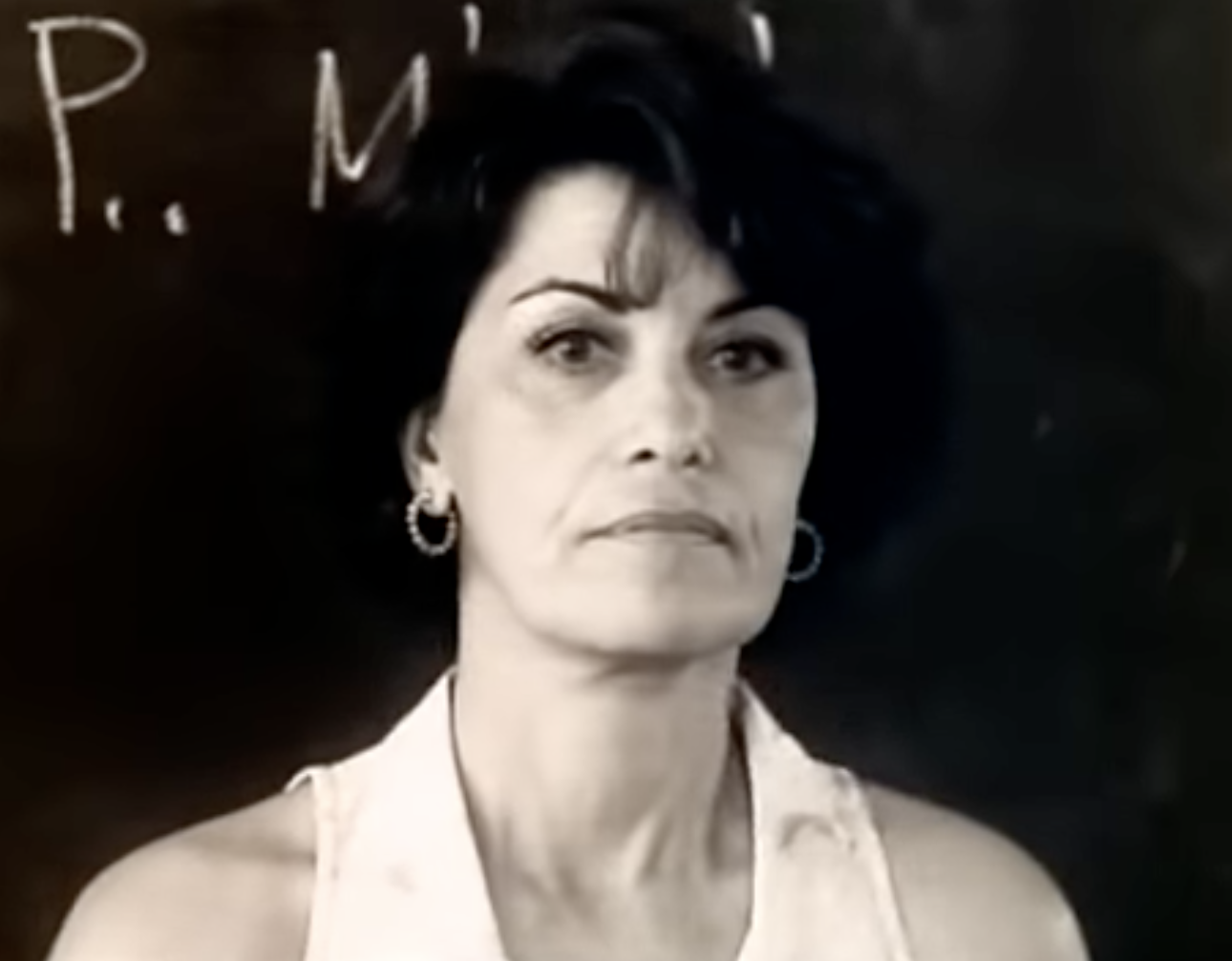
    When Marciano and Georgina see each other, the camera abruptly cuts from their faces to black-and-white images from the past. These abrupt cuts and the coloring make the shots from the past appear as sudden thoughts in the minds of the characters, rather than as separate scenes that are meant for the viewer. This style of mixing the images of the past with the scenes in the present places the viewer in the minds of the characters.
    Film Still
    Marciano looks at Georgina
    remembers profesora
    Georgina looks at Marciano
    remembers Marciano
    Editing General Comments

    Sound is an integral part in a film. It refers to everything that the audience hears including sound effects, words and music. Sound is used in films for various purposes, including: providing the information to the viewer about the location of the scene, heightening the mood, telling the audience about the characters and advancing the plot. Every person who watches a film realizes that the choice of voices, soundtrack and music present in a film affect the way that the viewer perceives a particular film. As a result, the sound is an important and integral element of the film, one that determines the way that the viewer experiences and understands a film as a visual experience.

    Sound Type

    Narrative analysis is an examination of the story elements, including narrative structure, character, and plot. A narrative can be considered to be the chain of events in a cause-effect relationship occurring in time and space. In order to analyze the narrative of a film, we need to first make the distinction between the plot of the film and the story of the film. This is sometimes referred to as the discourse and story of a film. Narrative may also be called the story thought story mainly refers to the events that describe the narrative.

    Plot Comments
    Comments
    The plot of Guantanamera follows the journey of transporting Yoyita’s body across Cuba, which becomes a chain of events showing bureaucracy, roadblocks, and the absurd realities of Cuban life in the 1990s. The funeral route becomes the vehicle for showing different towns, characters, and struggles, while also creating situations that reveal the country’s political, economic, and social conditions. The plot is built around movement, with each stop introducing new obstacles, humor, and commentary on how Cuba functioned at that time.
    Story Comments
    Comments
    The story beneath the plot gives the movie its emotion. Essentially, it’s about true love enduring across time. Yoyita and Cándido represent a love that never faded, even though life separated them. Their story sets the theme that love is what gives life meaning. This idea later shows again when Gina reconnects with Mariano, who is her own past love, showing that people ultimately want to grow old with the person they truly care about.
    It was very cool to see how they used the road trip not just as a means of communicating the plot but as a way to explore Cuba’s culture, scenery, and everyday realities. You don’t just watch characters move across the island, you get to see small glimpses of Cuban life, history, and political limitations, with the addition of nice love stories layered on top of these social realities.
    Narrator Type
    Narrator Type
    Comments
    While the majority of the film does not contain a narrator, towards the end there is a third-person omniscient narrator. There is an external, disembodied voice, which is credited as the “Narrator of the Legend of Iku.” It narrates as Marciano and Georgina reunite and tells the story of an Afro-Cuban creation myth. This narration serves to frame the specific road-movie plot within a much deeper, broader, cultural and spiritual context. By invoking a legend about death (Iku), the all-knowing narrator adds a layer of magical realism and symbolic depth.
    Narrative Structure
    Narrative Structure
    Comments
    Guantanamera (1995) utilizes a parallel narrative structure to tie multiple storylines together which are followed simultaneously. The movie jumps between the journeys of the individuals in the funeral procession and the truckers. Their storylines are tied together by common themes, including reflections on the political realities of Cuba and the memories between Georgina and Marciano. The movie is largely linear with a few flashbacks throughout.

    Film genres are various forms or identifiable types, categories, classifications or groups of films. (Genre comes from the French word meaning "kind," "category," or "type"). These provide a convenient way for scriptwriters and film-makers to produce, cast and structure their narratives within a manageable, well-defined framework. Genres also offer the studios an easily 'marketable' product, and give audiences satisfying, expected and predictable choices. Genres refers to recurring, repeating and similar, familiar or instantly-recognizable patterns, styles, themes, syntax, templates, paradigms, motifs, rules or generic conventions.

    Category