
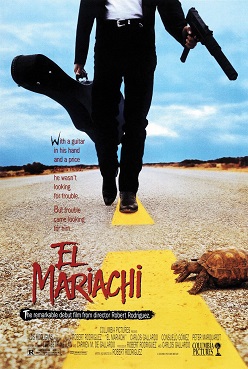
Un traficante de drogas se llama Azul quiere la venganza porque su colega se traicionó por llamar a la policía para llevar a Azul a la prisión. Azul se escapa de la prisión con un caso de una guitarra, pero el caso solo tiene las armas. Al mismo tiempo, El Mariachi entra al cine con su caso de una guitarra también. Cuando Moco envía a sus secuaces para matar a Azul, los secuaces piensan que El Mariachi es Azul. El Mariachi se escapa del ataque y toma el refugio en el apartamento de una mujer se llama Dómino. Dómino tiene una relación romántica con Moco, y cuando ella oye de la descripción de Azul, ella tiene las sospechas de El Mariachi. El Mariachi convence a Domino de su inocencia. El Mariachi continúa vivir con Domino y ellos empiezan una relación romántica. De repente, El Mariachi está capturado y traído a Moco. Azul viene a la cantina donde vive El Mariachi, y pide a Domino a ir a Moco. Azul dice que esto va a salvar al Mariachi pero cuando ellos vienen, Moco mata a Dómino y Azul. También, él dispara la mano izquierda del Mariachi. Esto arruina sus aspiraciones de ponerse un músico grande. El Mariachi agarra la pistola y mata a Moco. Luego, él salga de la puebla, tomando las posesiones de Dómino.
Describes the setting of a scene in a play or a film. It refers to everything placed on the stage or in front of the camera—including people. In other words, mise en scène is a catch-all for everything that contributes to the visual presentation and overall “look” of a production. When translated from French, it means “placing on stage.”
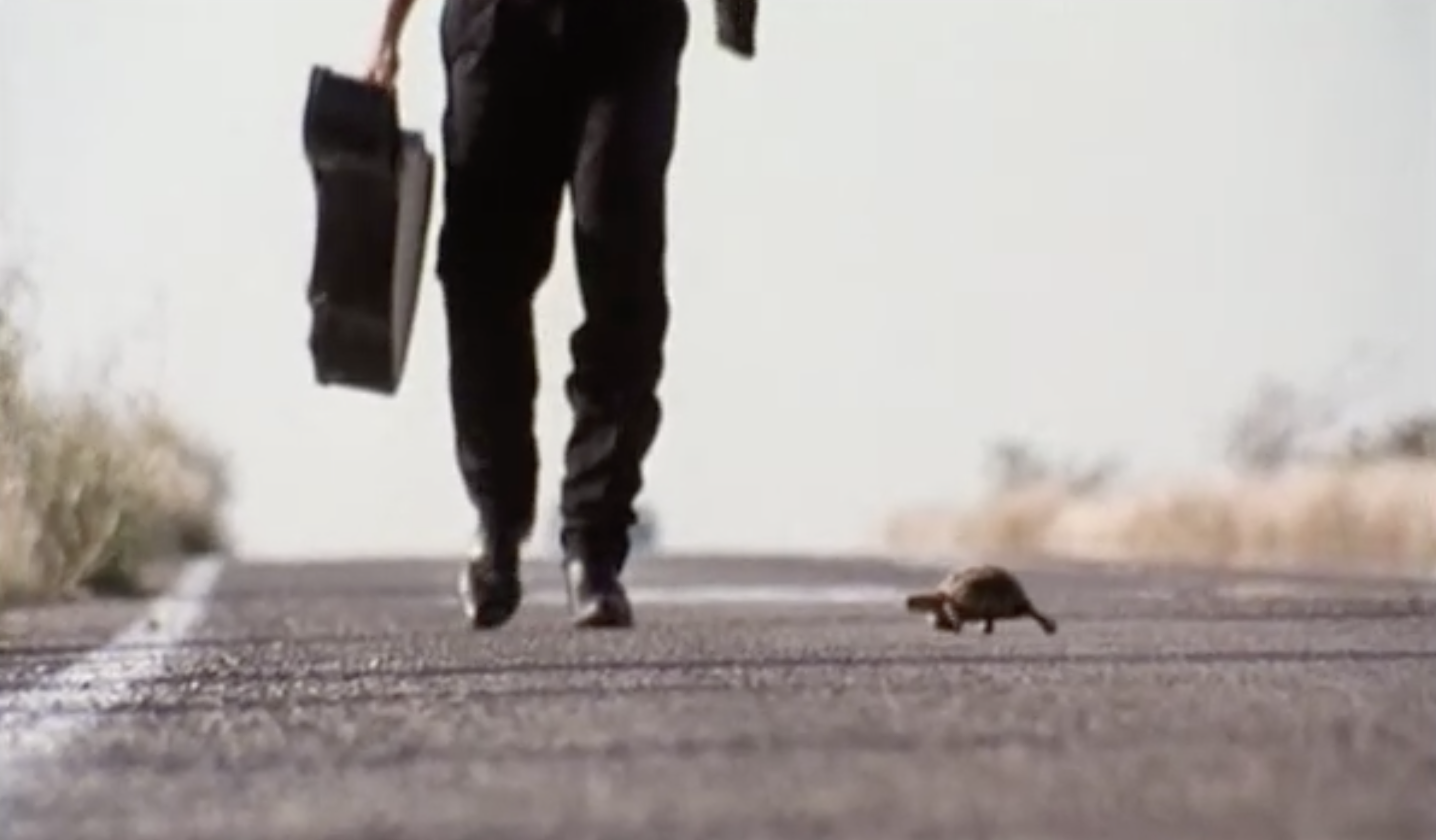
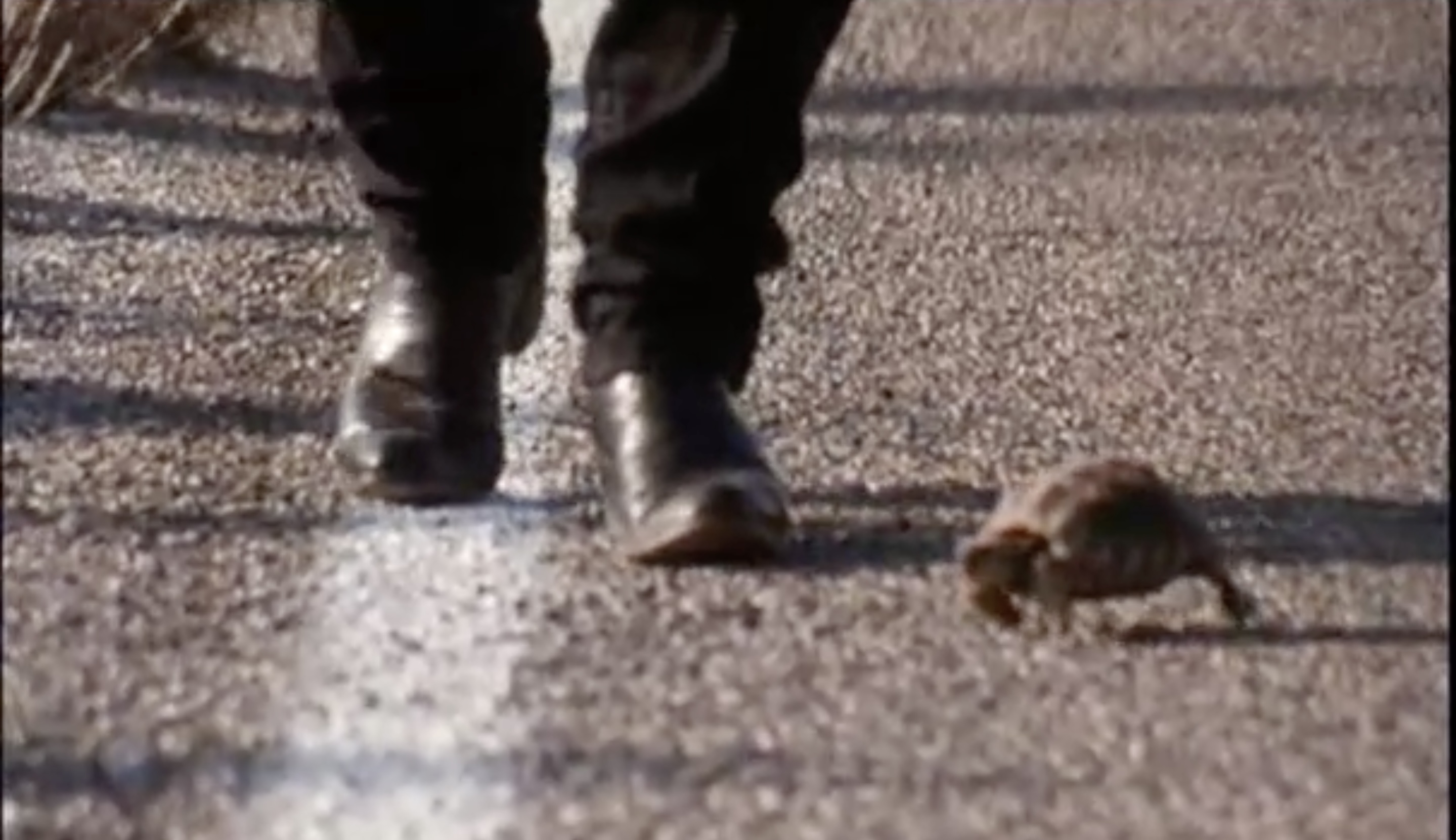
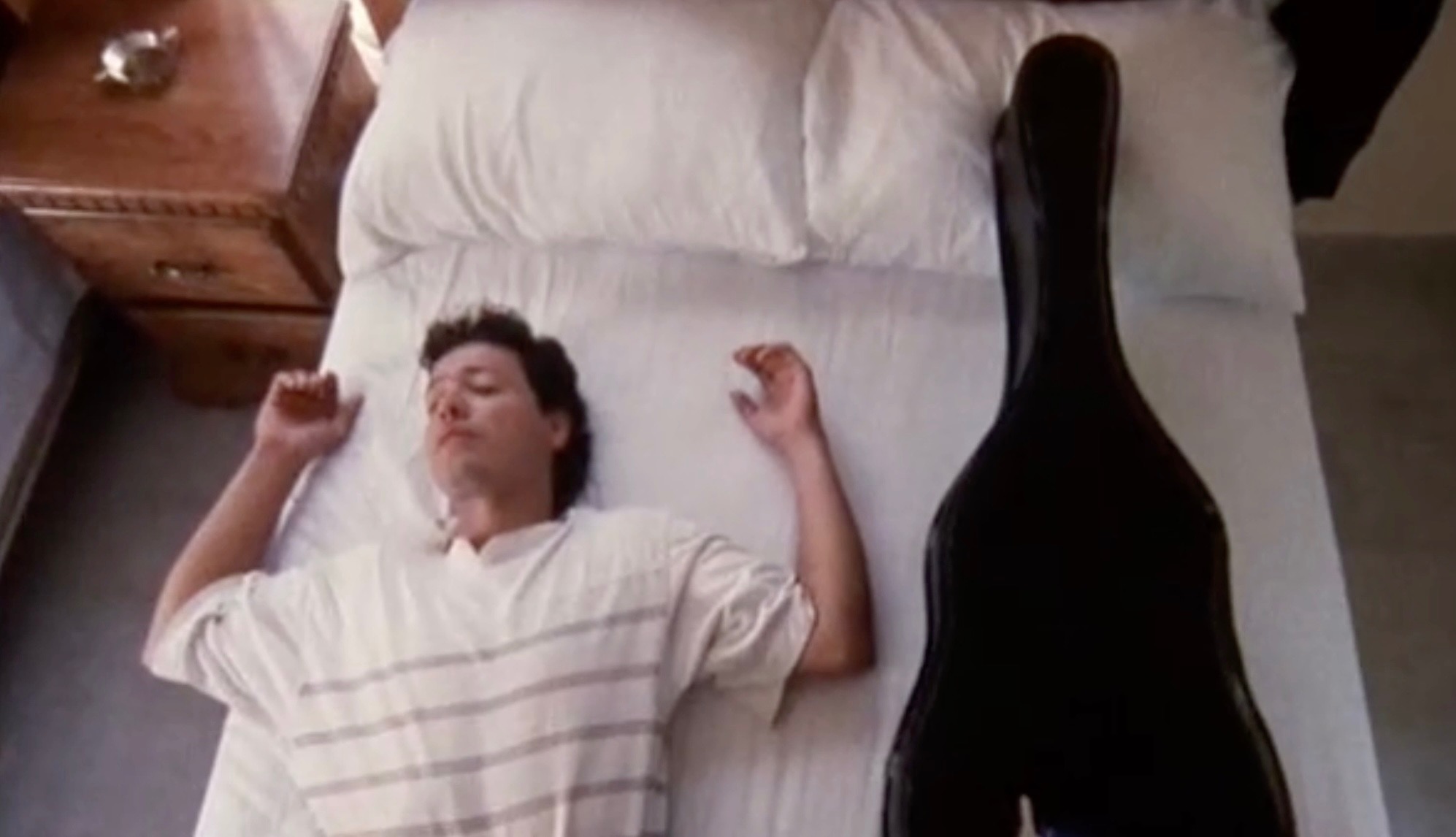
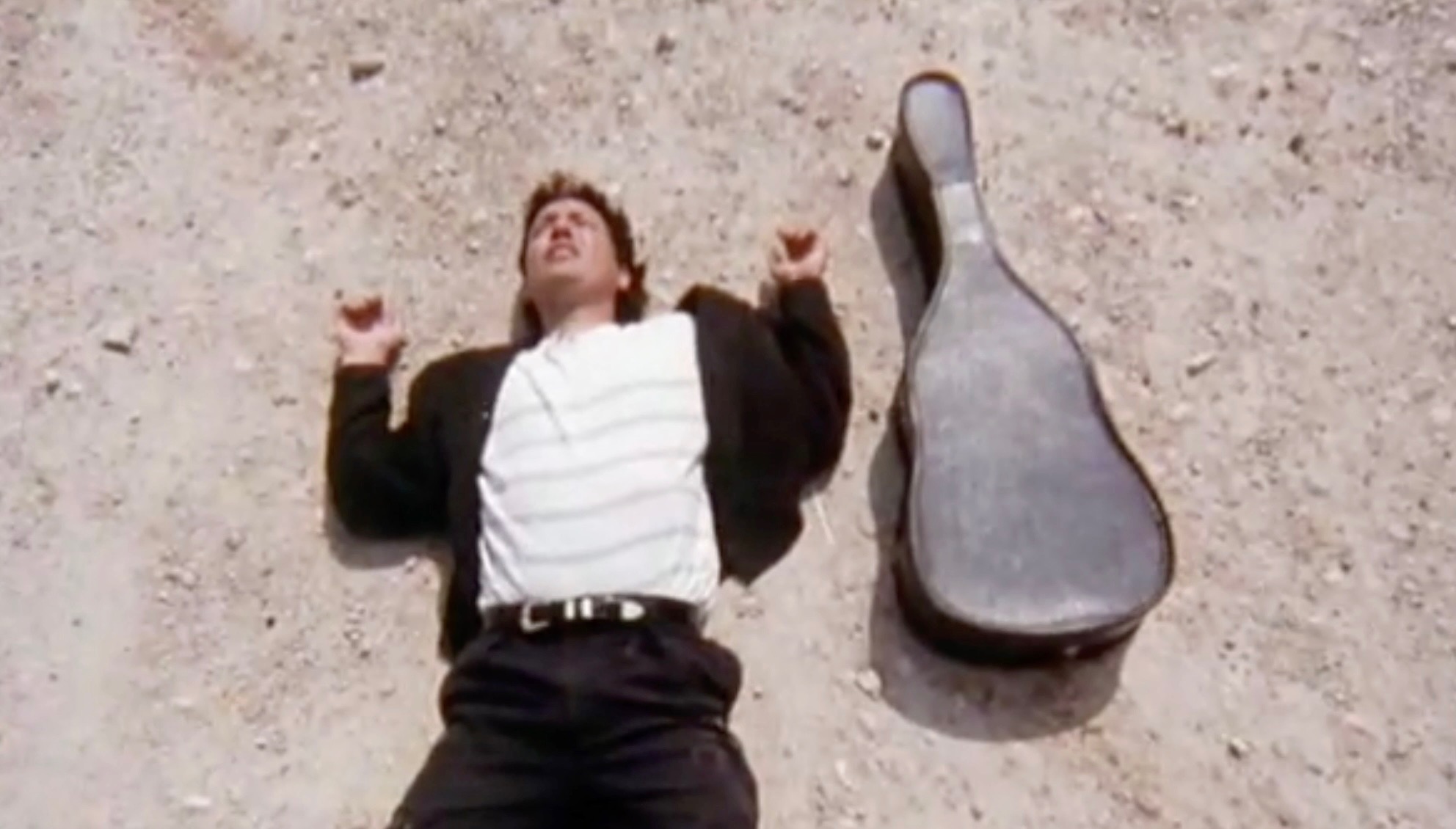
Las fotos del mariachi caminando por el pueblo y parado contra el cielo nos enseñan cómo Rodriguez toma lugares mexicanos normales y los hace ver como algo de una película del oeste. La imagen de él caminando por el camino vacío muestra como camina hacia lo desconocido, sin saber la violencia y el drama que lo van a esperar en este pueblo nuevo y en esta nueva época de su vida. Cuando lo vemos contra las nubes, el lado de su cara mirando hacia adelante y el fondo brillante crea un ambiente positivo en la escena, mostrando la esperanza que tiene el mariachi de establecerse en este pueblo nuevo y hacerse famoso. En todas estas fotos, la caja de la guitarra es el objeto más importante. Representa quien es él como músico, pero también le causa todos sus problemas cuando la gente piensa que tiene armas adentro. Rodriguez usa la forma especial de la caja para conectar diferentes partes de la película y mostrar cómo una cosa simple puede representar cuando el arte y la violencia chocan.
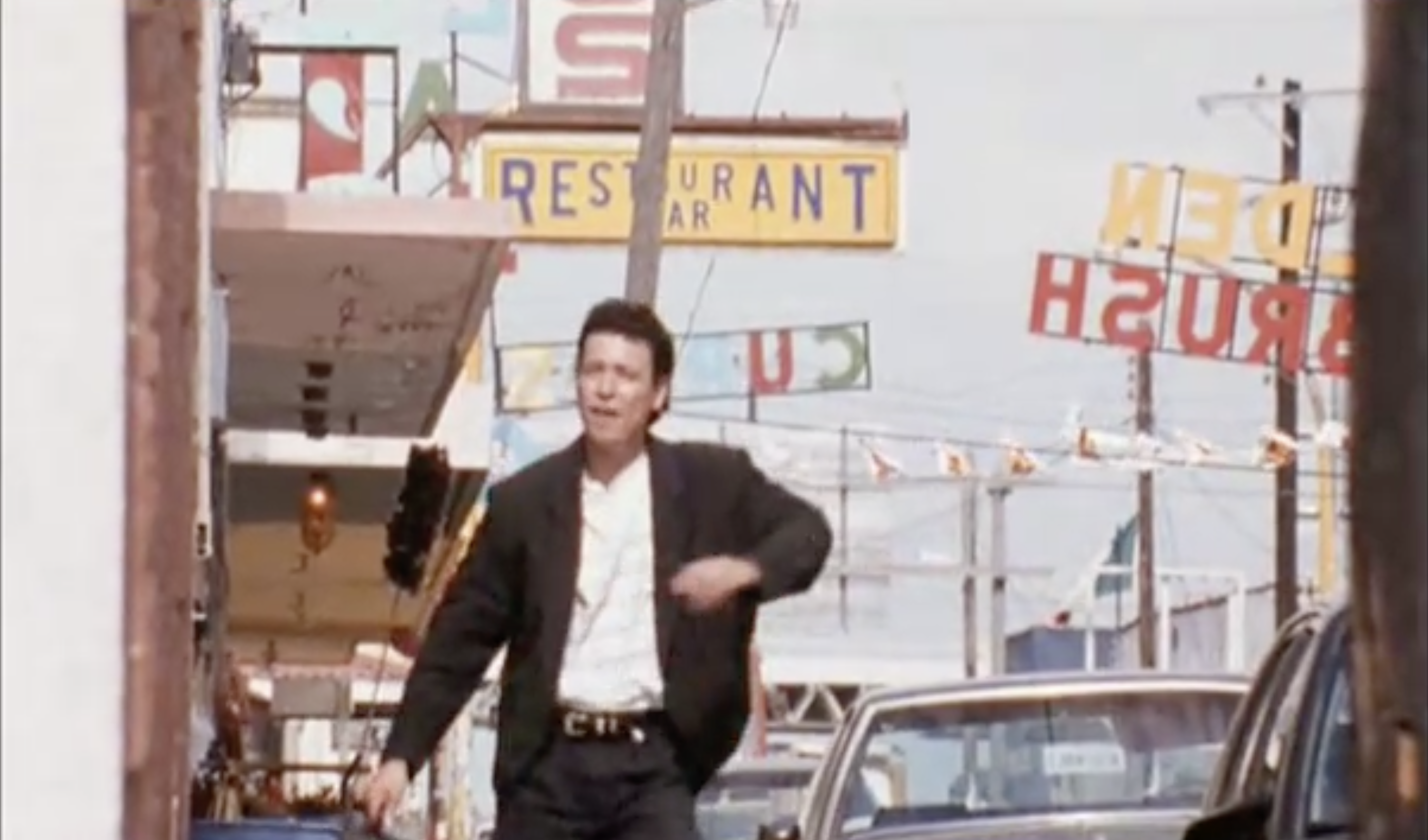
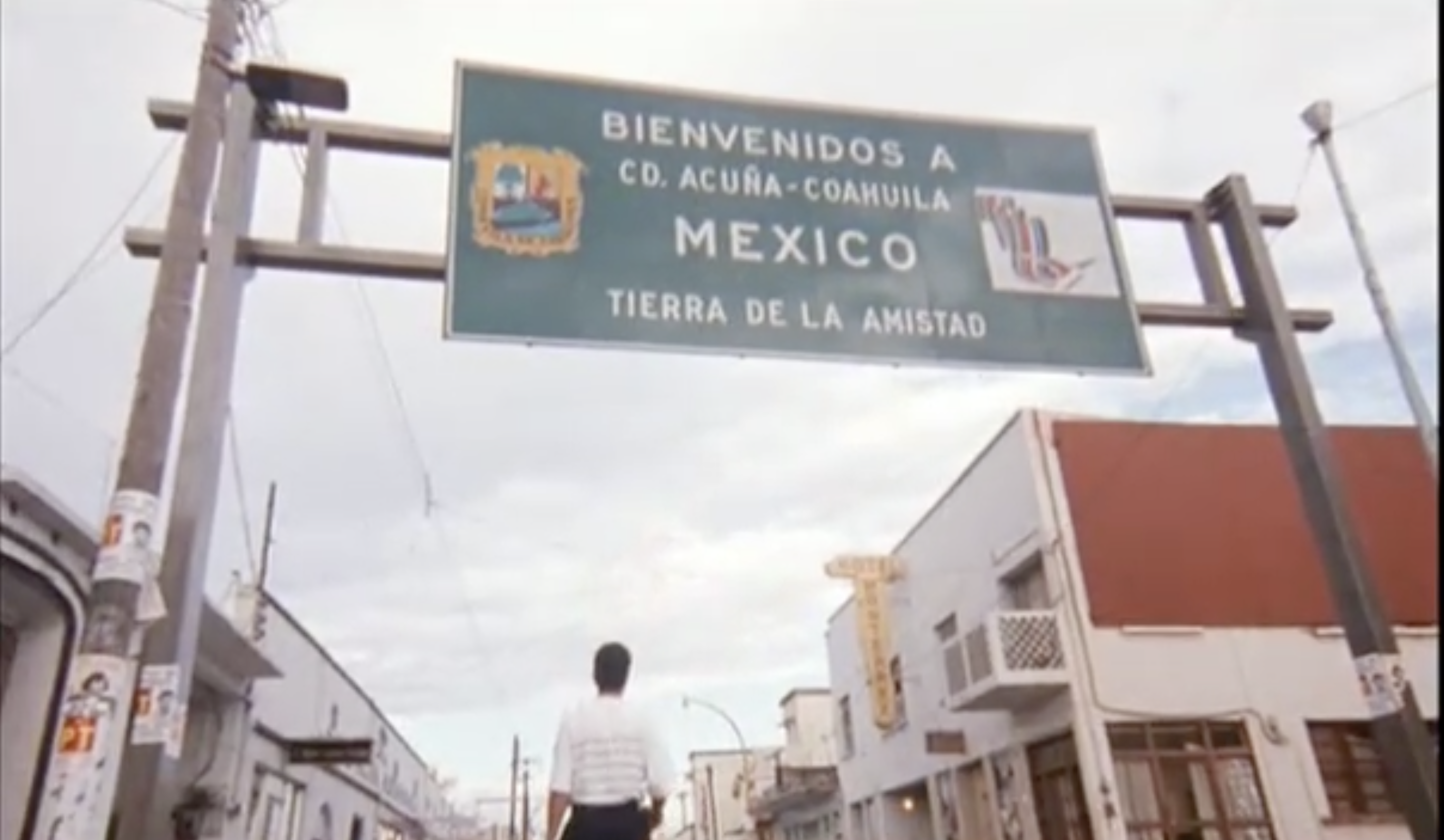
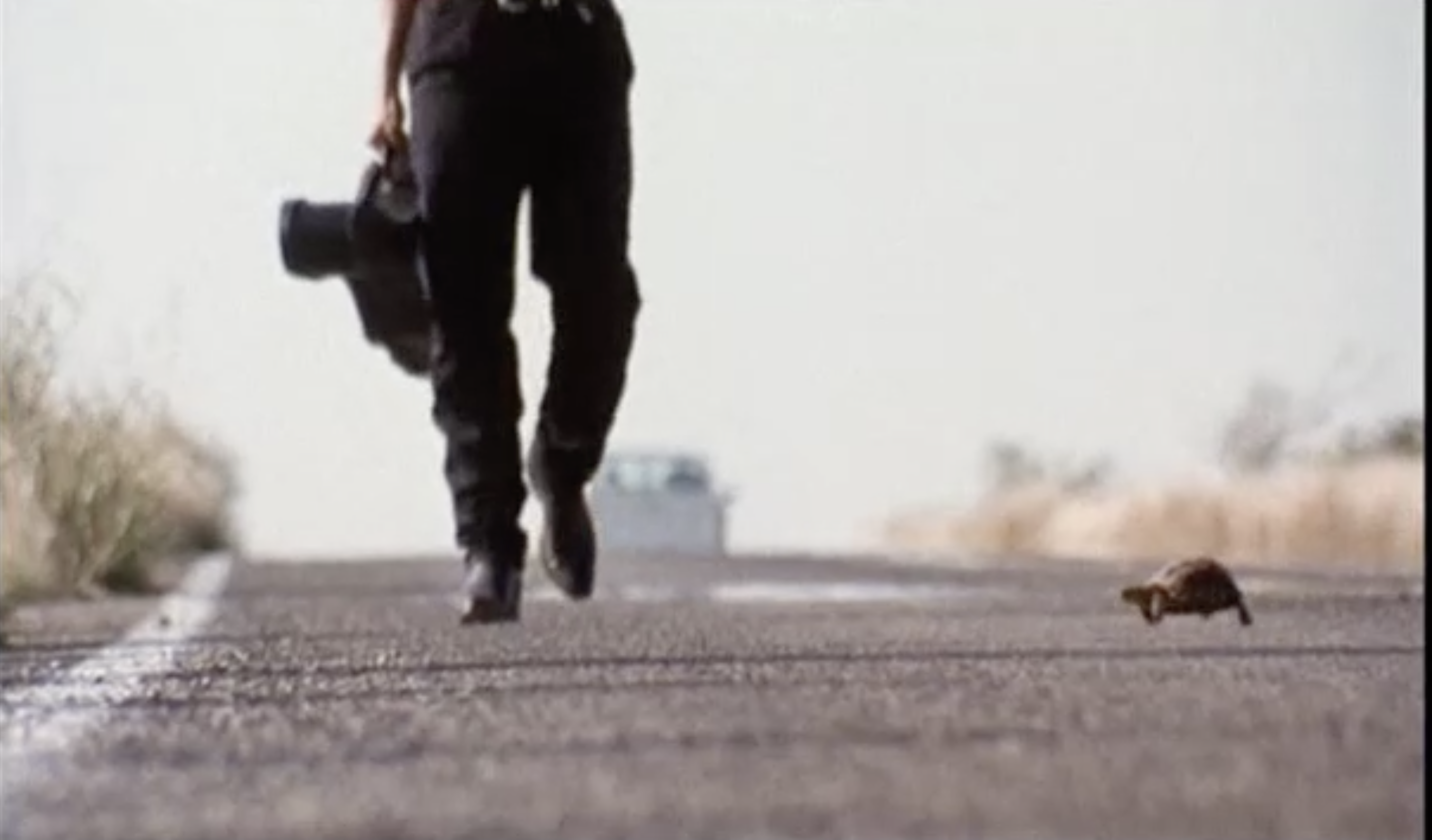
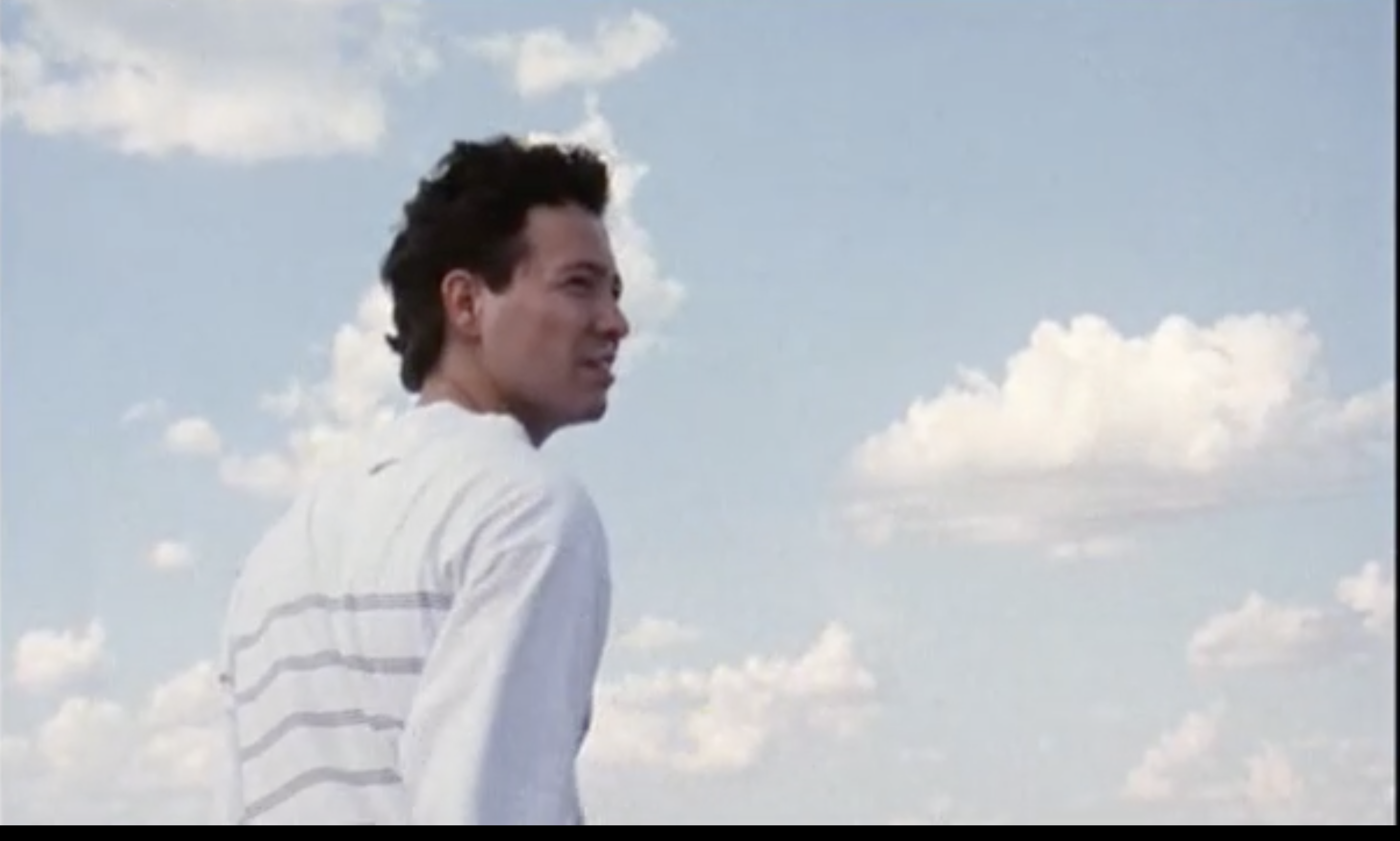
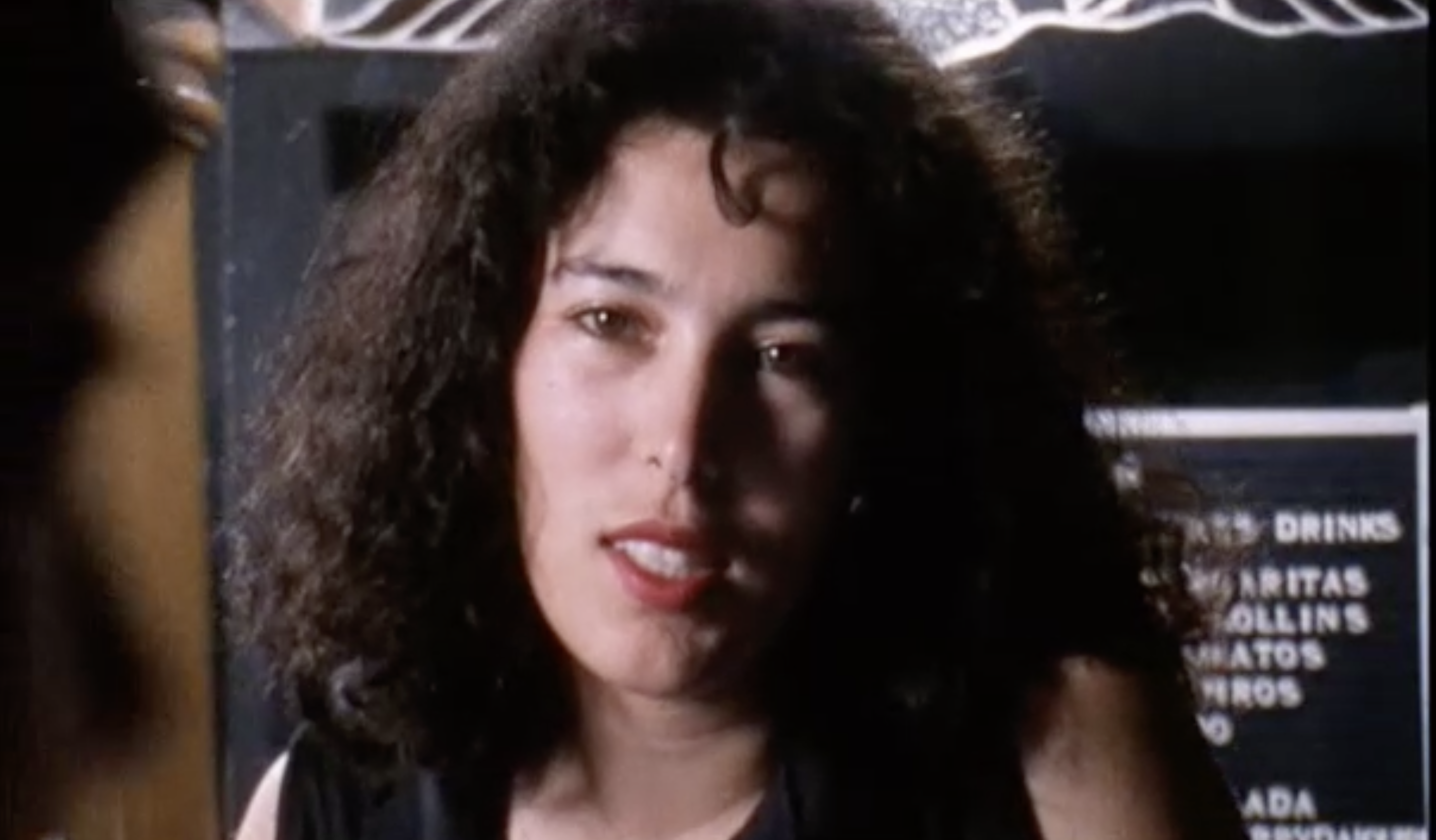
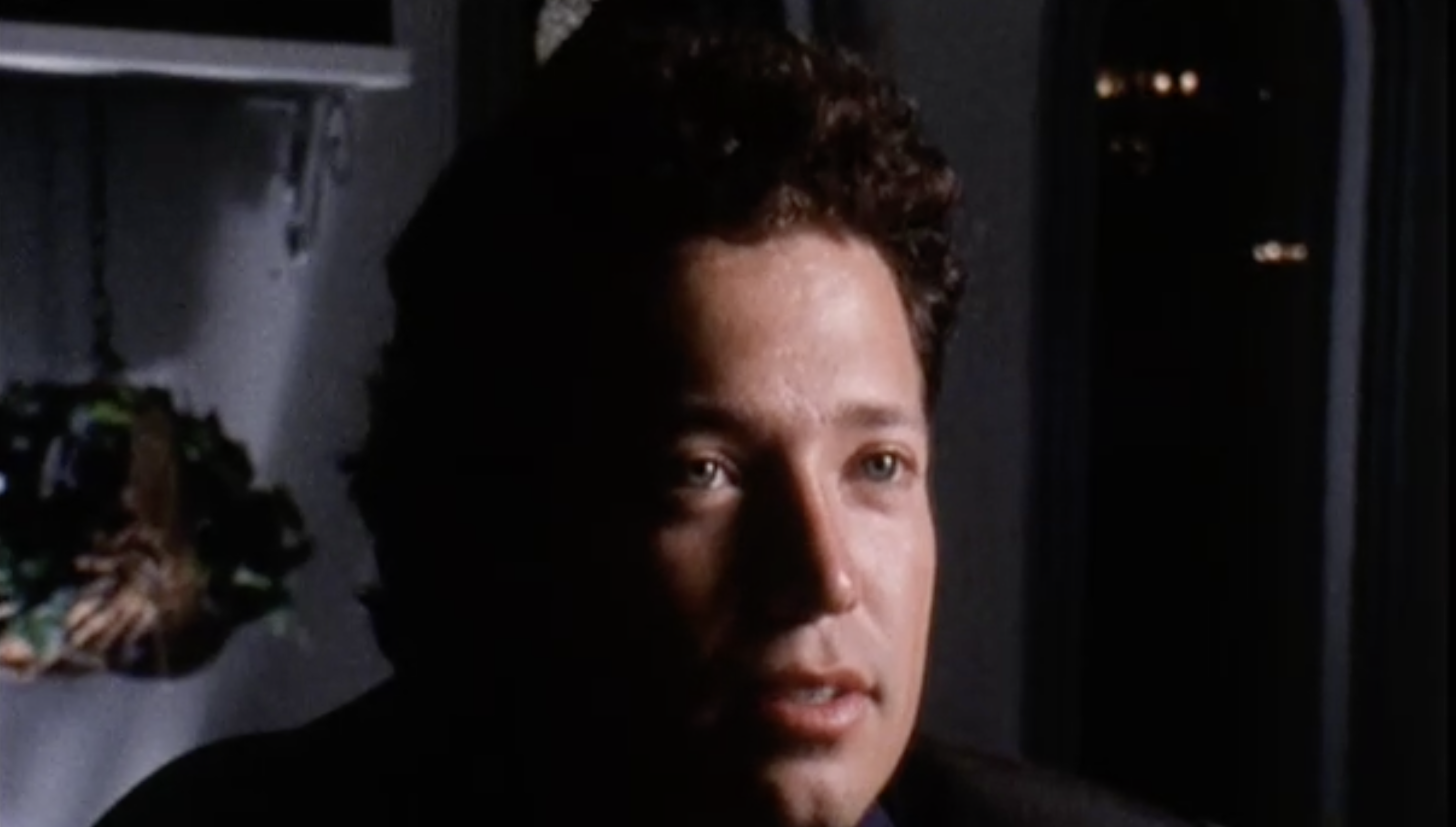
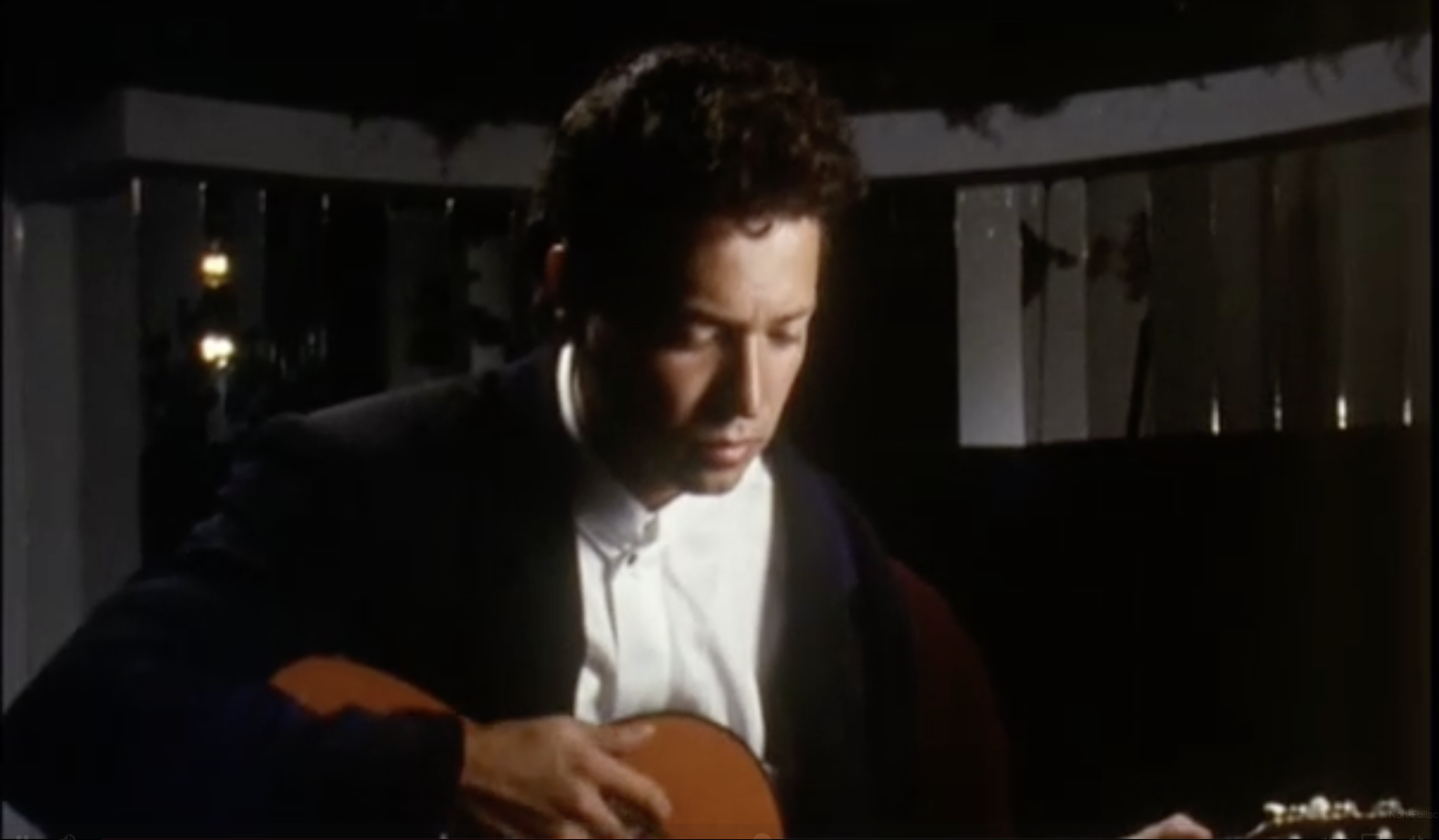
El mariachi viste camisa blanca limpia y chaqueta oscura, un look clásico que lo presenta como un músico serio con dignidad y respeto propio. Aunque no tenga dinero, su ropa bien cuidada muestra que toma en serio su arte y a su audiencia. Su estilo modesto lo aleja de la agresión o el machismo, y lo coloca en un lugar más humano y artístico.
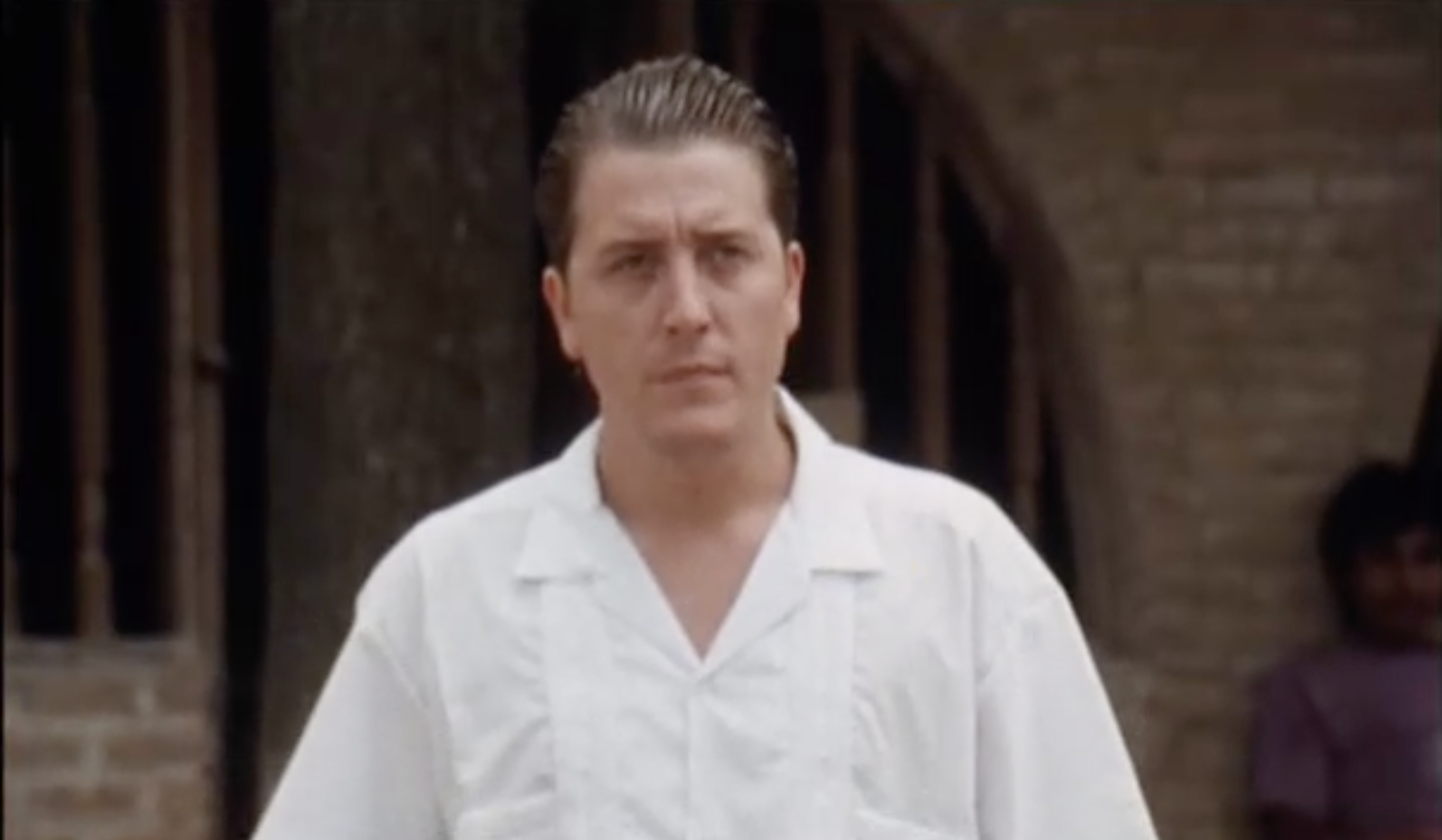
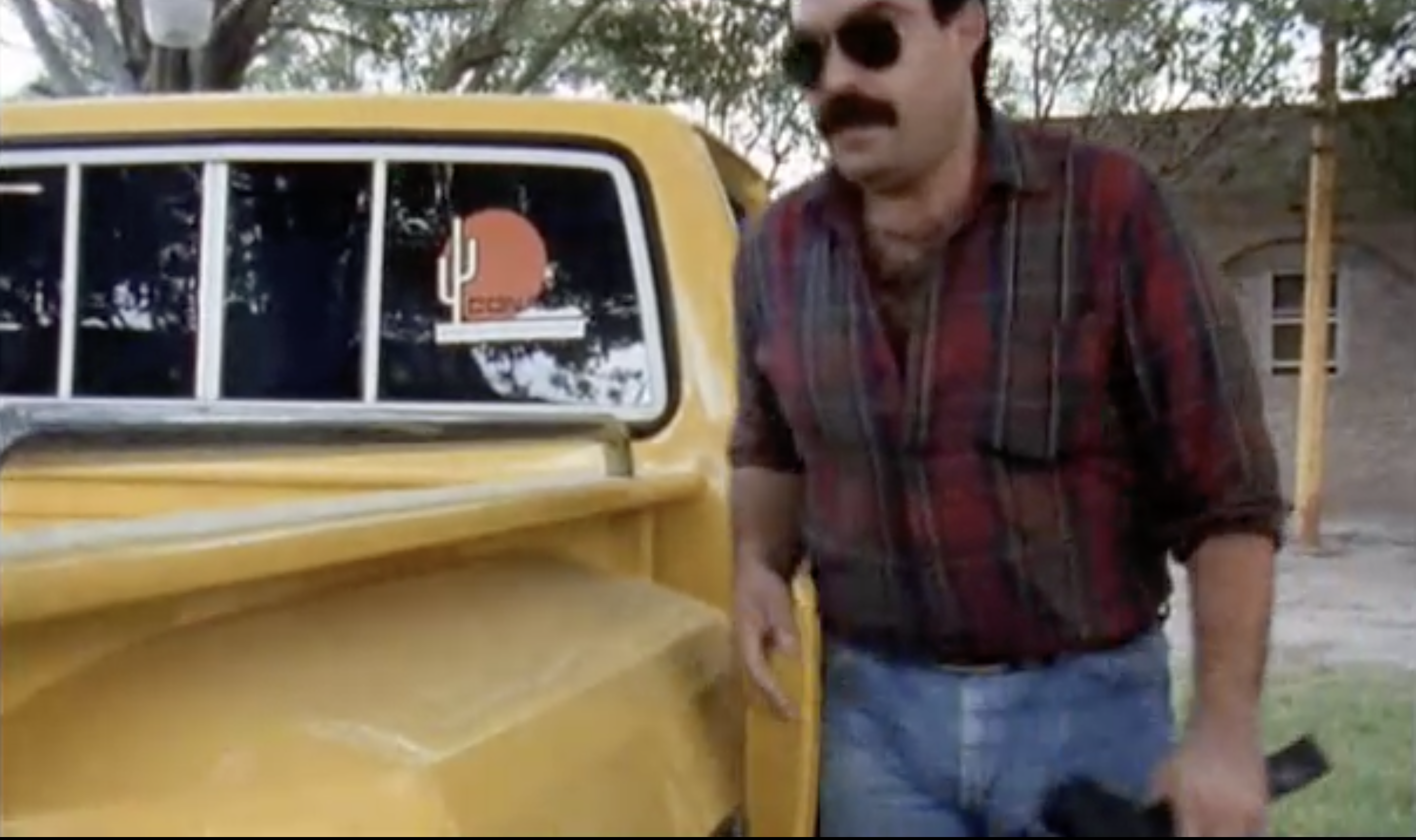
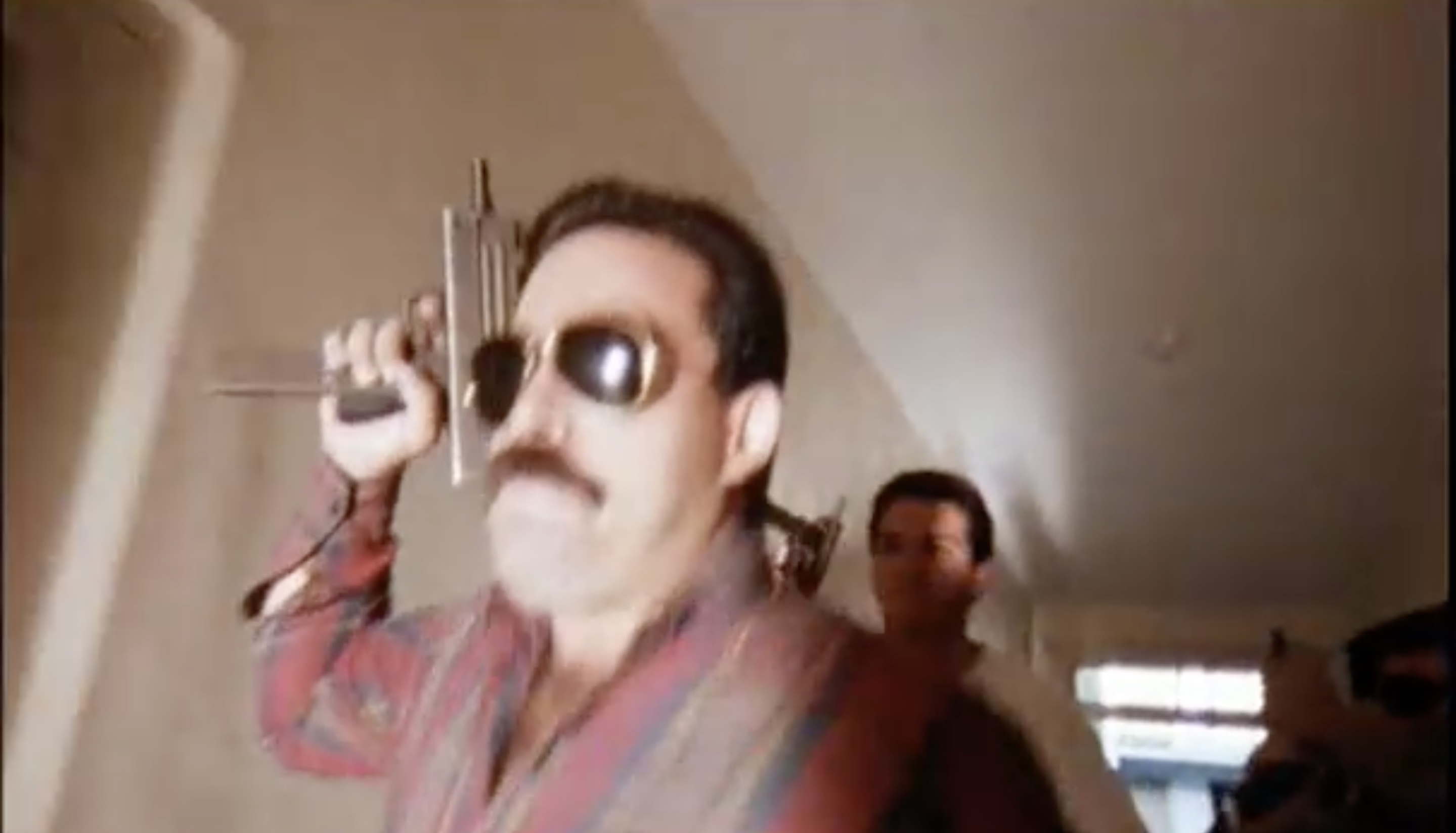
En contraste, Moco lleva camisa impecable y cara, siempre libre del polvo del pueblo. Esa pulcritud lo distingue de los demás y deja claro su poder y distancia de la comunidad. Bigotón, con su camisa a cuadros y bigote, representa un tipo distinto de autoridad: más terrenal, alguien que pertenece al lugar y ha ganado su posición dentro del mismo pueblo.
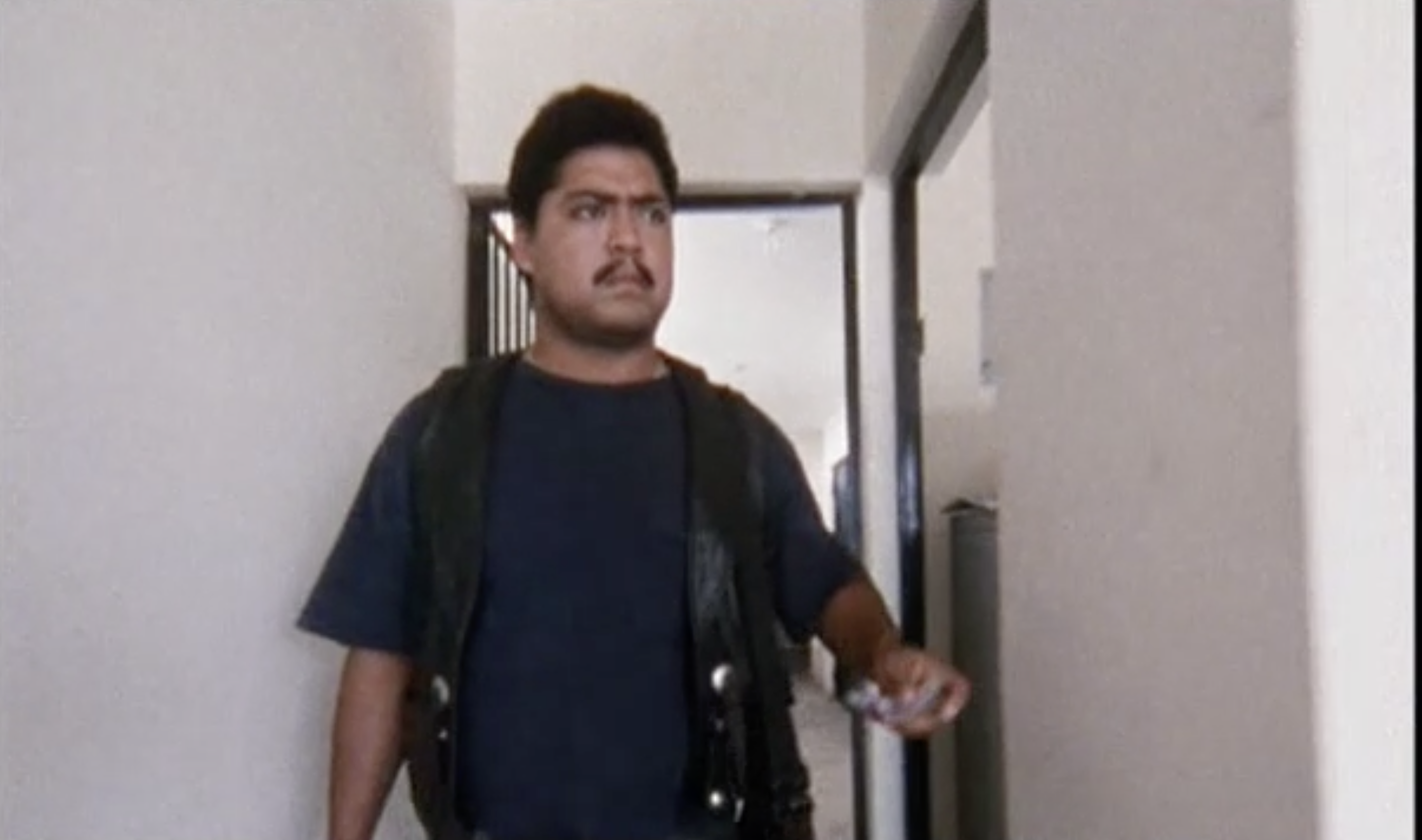
Azul, por su parte, aparece con armas atadas al cuerpo sobre una simple camisa azul de trabajador. Esta mezcla de vestuario cotidiano y violencia extrema refleja cómo las armas se han vuelto parte inseparable de su identidad, no como símbolos heroicos sino como herramientas de supervivencia en un mundo brutal.
Estos detalles de vestuario muestran distintos niveles de poder, corrupción y pertenencia. Y en medio de ellos, la figura sencilla e inocente del mariachi resalta aún más, subrayando que no encaja en este mundo de violencia.
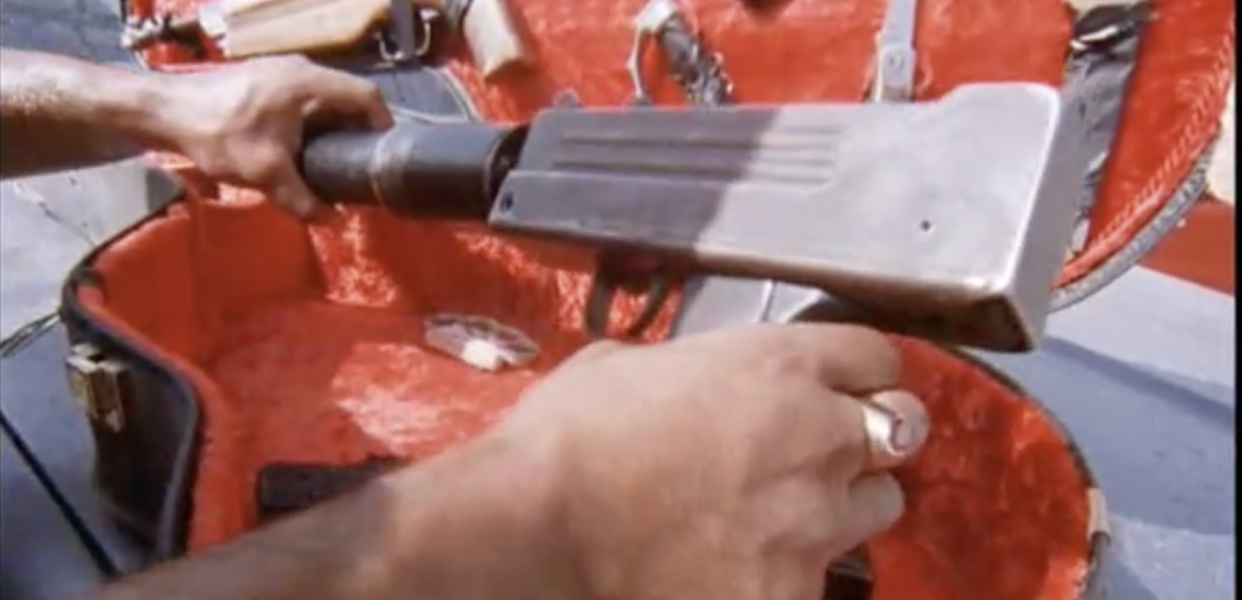
This is the art of photography and visual storytelling in a motion picture or television show. Cinematography comprises all on-screen visual elements, including lighting, framing, composition, camera motion, camera angles, film selection, lens choices, depth of field, zoom, focus, color, exposure, and filtration. Cinematography sets and supports the overall look and mood of a film’s visual narrative. Each visual element that appears on screen, a.k.a. the mise-en-scène of a film, can serve and enhance the story—so it is the cinematographer’s responsibility to ensure that every element is cohesive and support the story. Filmmakers often choose to spend the majority of their budget on high-quality cinematography to guarantee that the film will look incredible on the big screen.
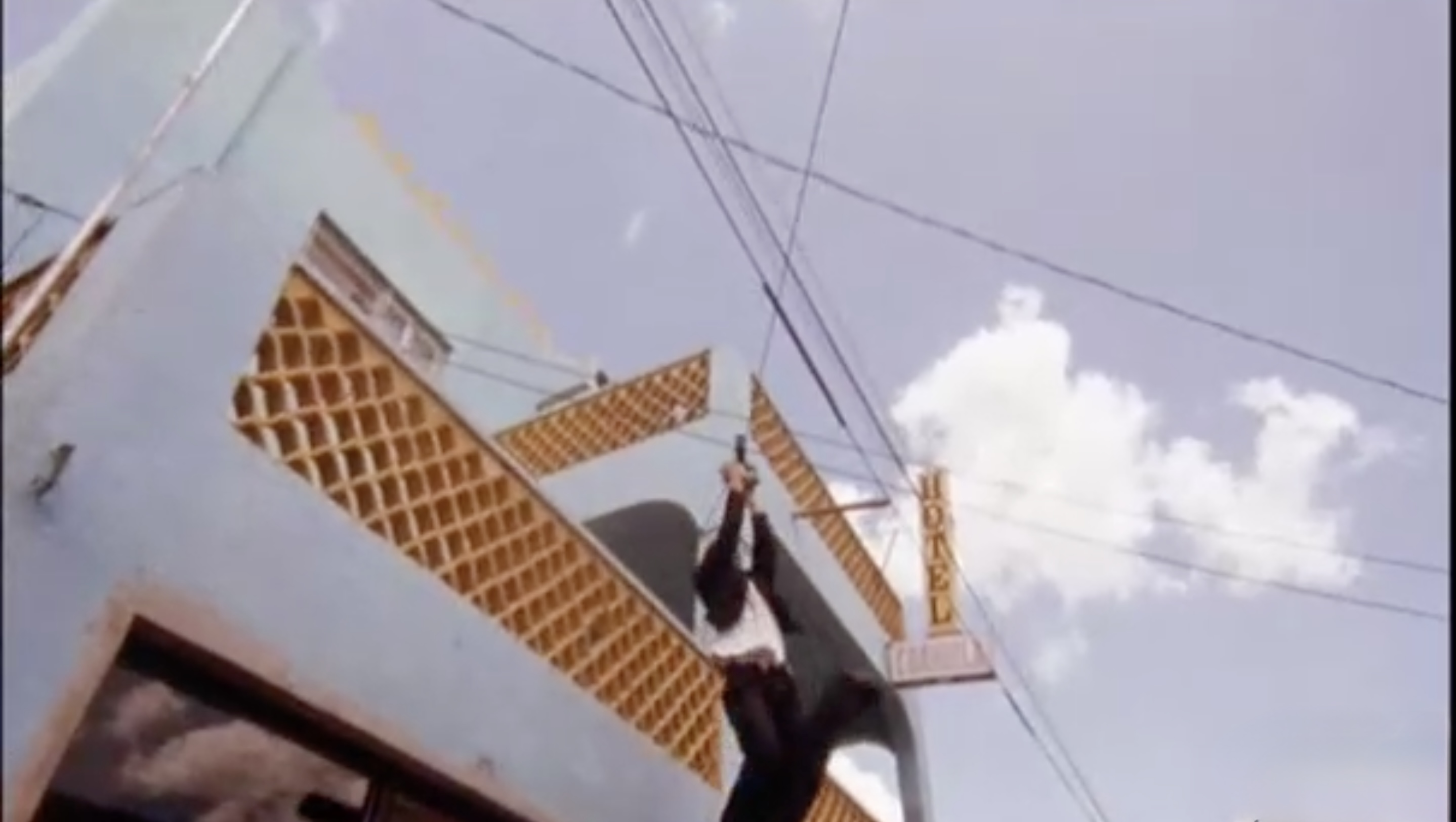
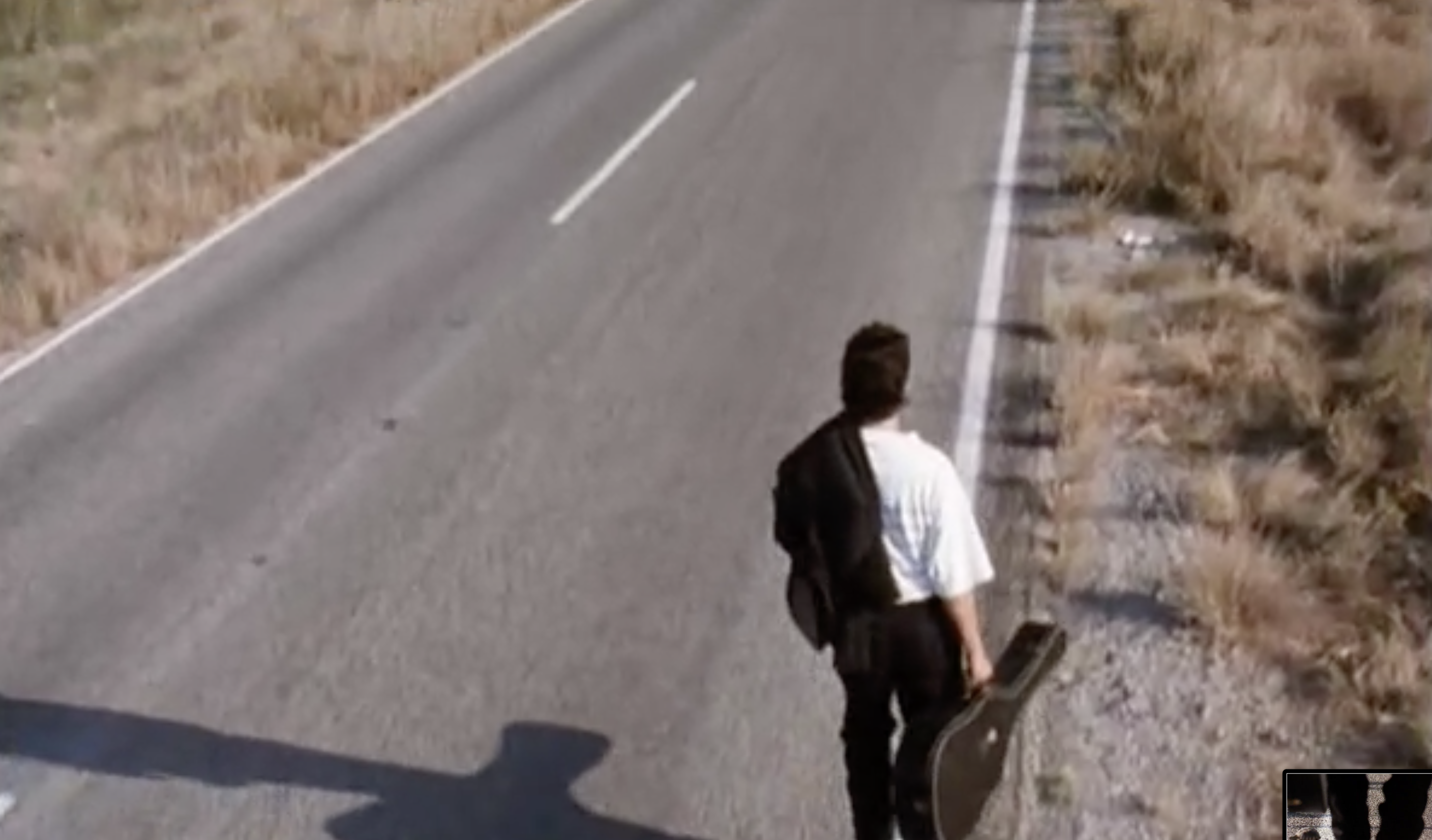
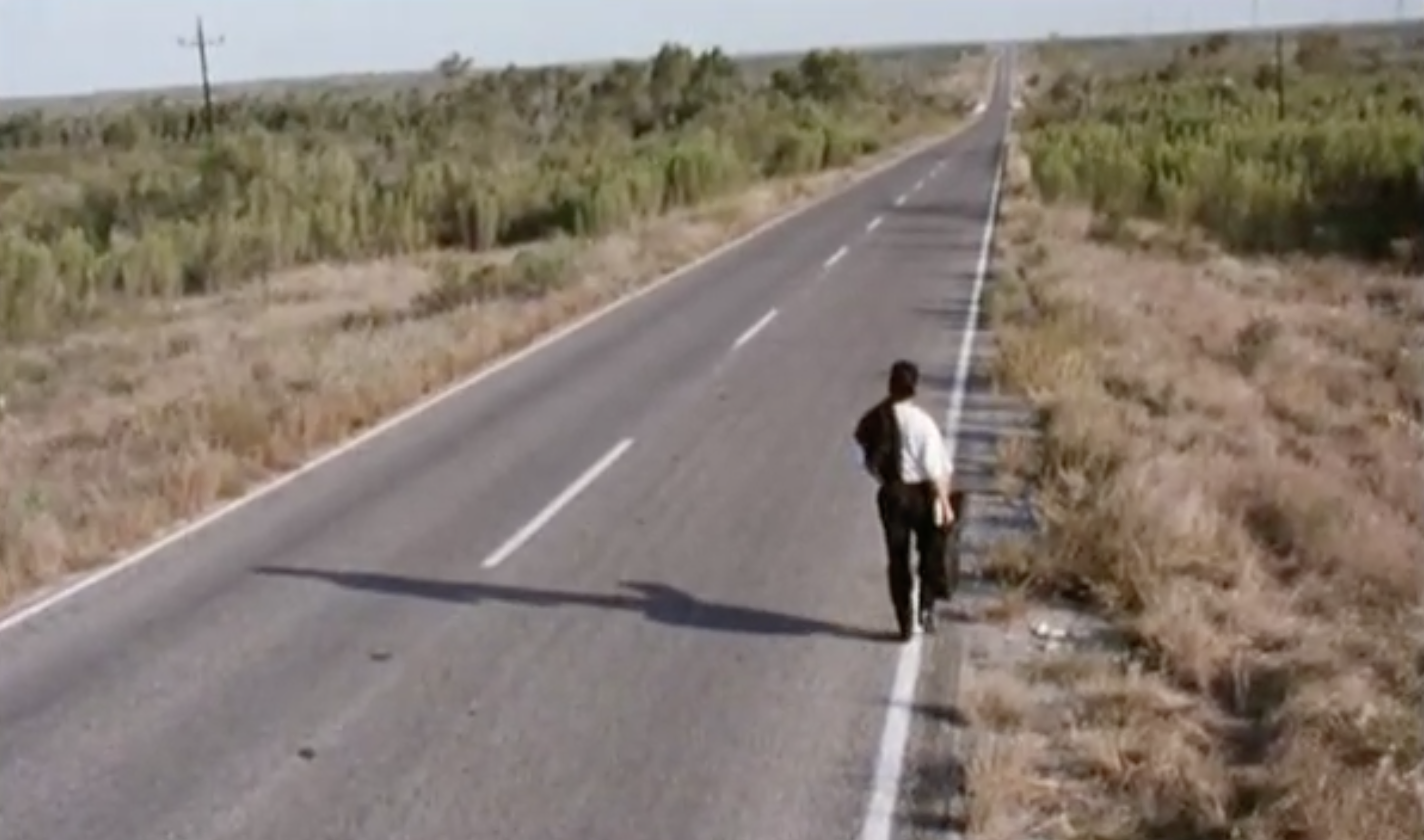
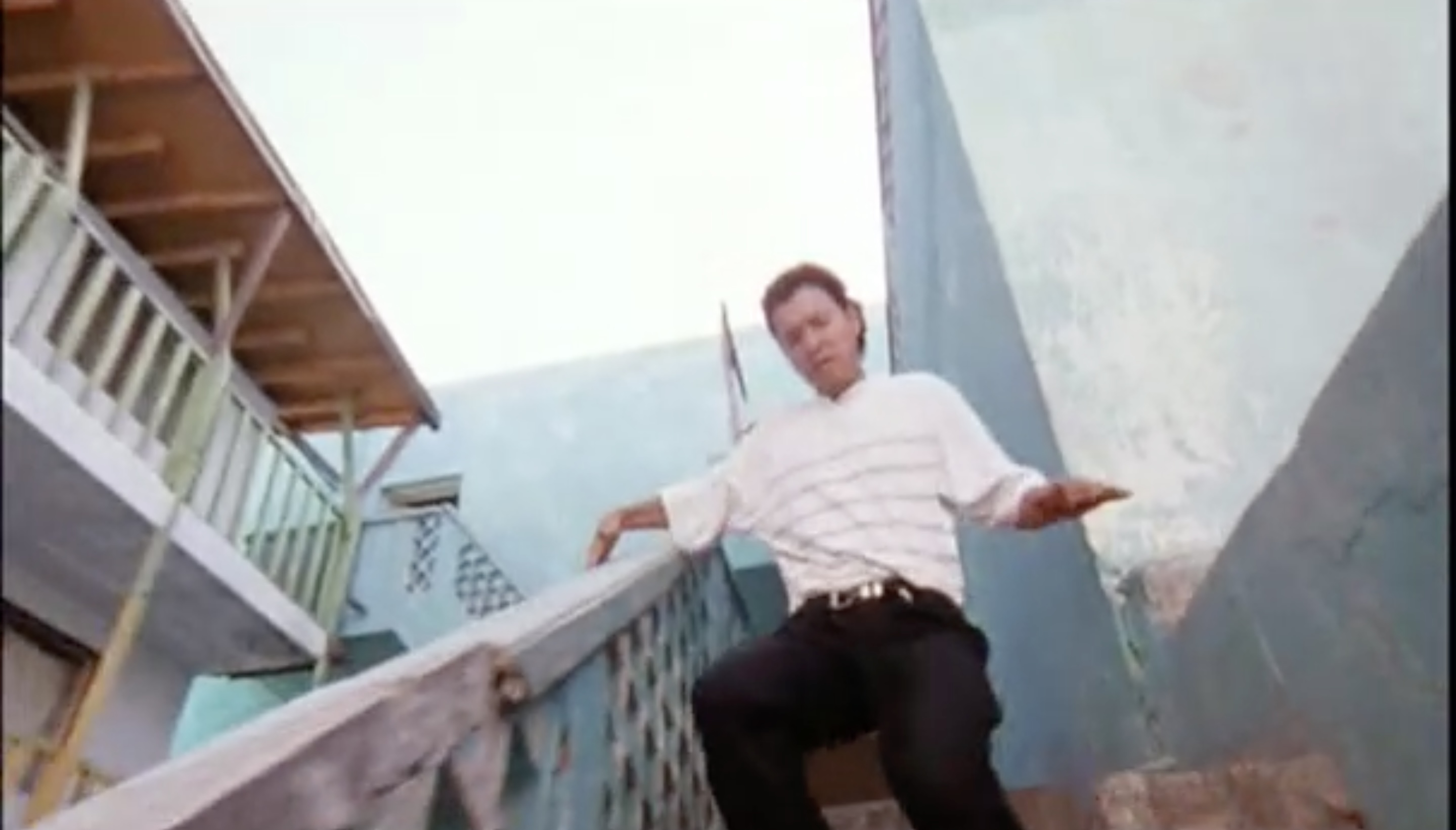
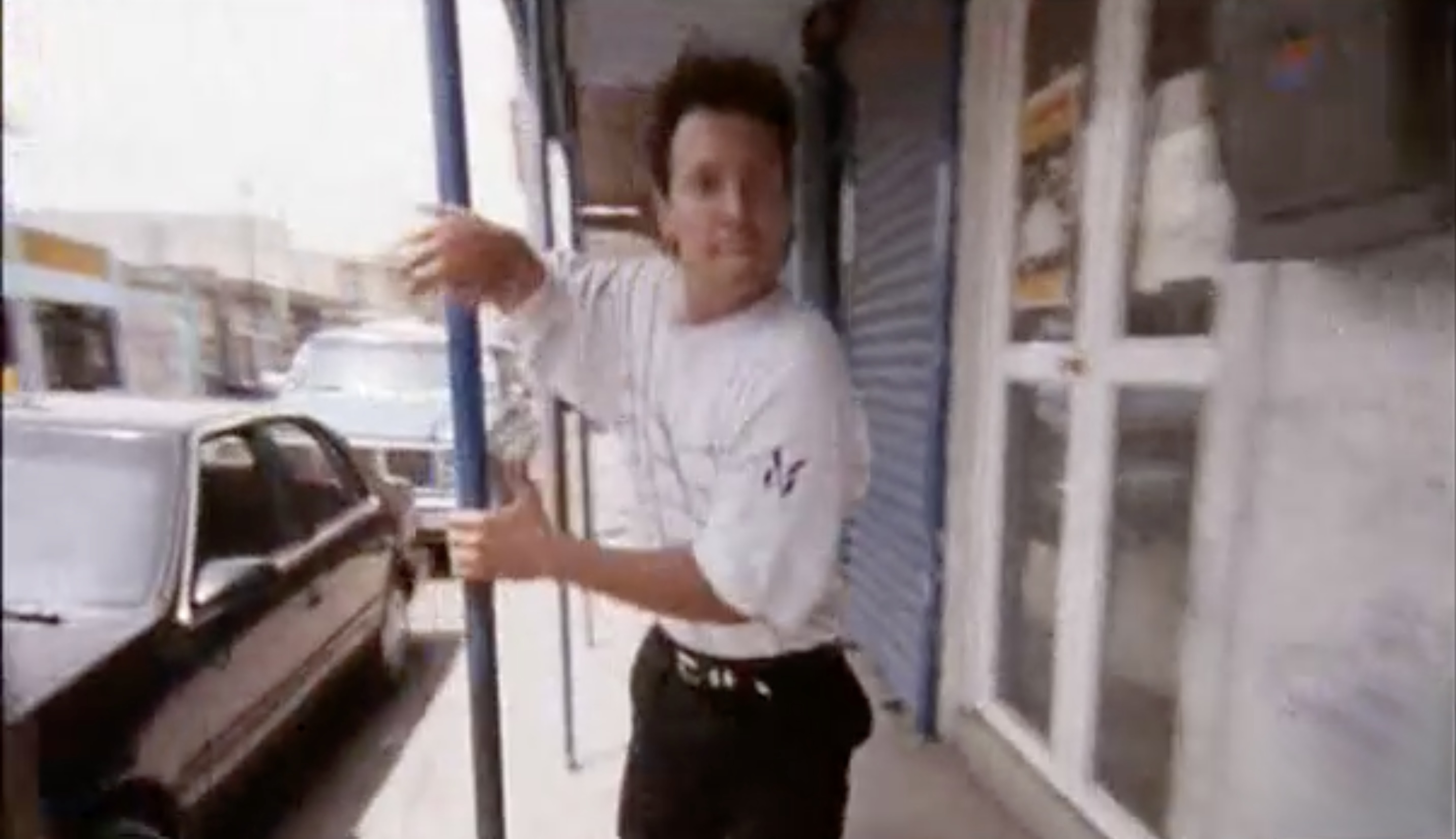
Cuando los hombres de Moco entran al pasillo, la cámara avanza de golpe con ellos, dándole fuerza a su entrada. En la calle, la cámara gira para seguir al Mariachi mientras se mueve, y cuando baja las escaleras, la cámara baja con él con pequeños saltos.Todos estos movimientos rápidos ayudan a que la escena se sienta viva y espontánea, como si estuviéramos dentro del momento junto a él.
Editing is the process of putting a film together–the selection and arrangement of shots and scenes. Editing can condense space and time, emphasize separate elements and bring them together, and organize material in such a way that patterns of meaning become apparent. In addition, editing can determine how a film is perceived: for instance, quick, rapid cuts can create a feeling of tension, while a long take can create a more dramatic effect. The first photoplays generally had no cutting, owing to the fact that they were single-reel films; once filming began, you could not stop until the film ran out. (https://filmglossary.ccnmtl.columbia.edu/term/editing/)
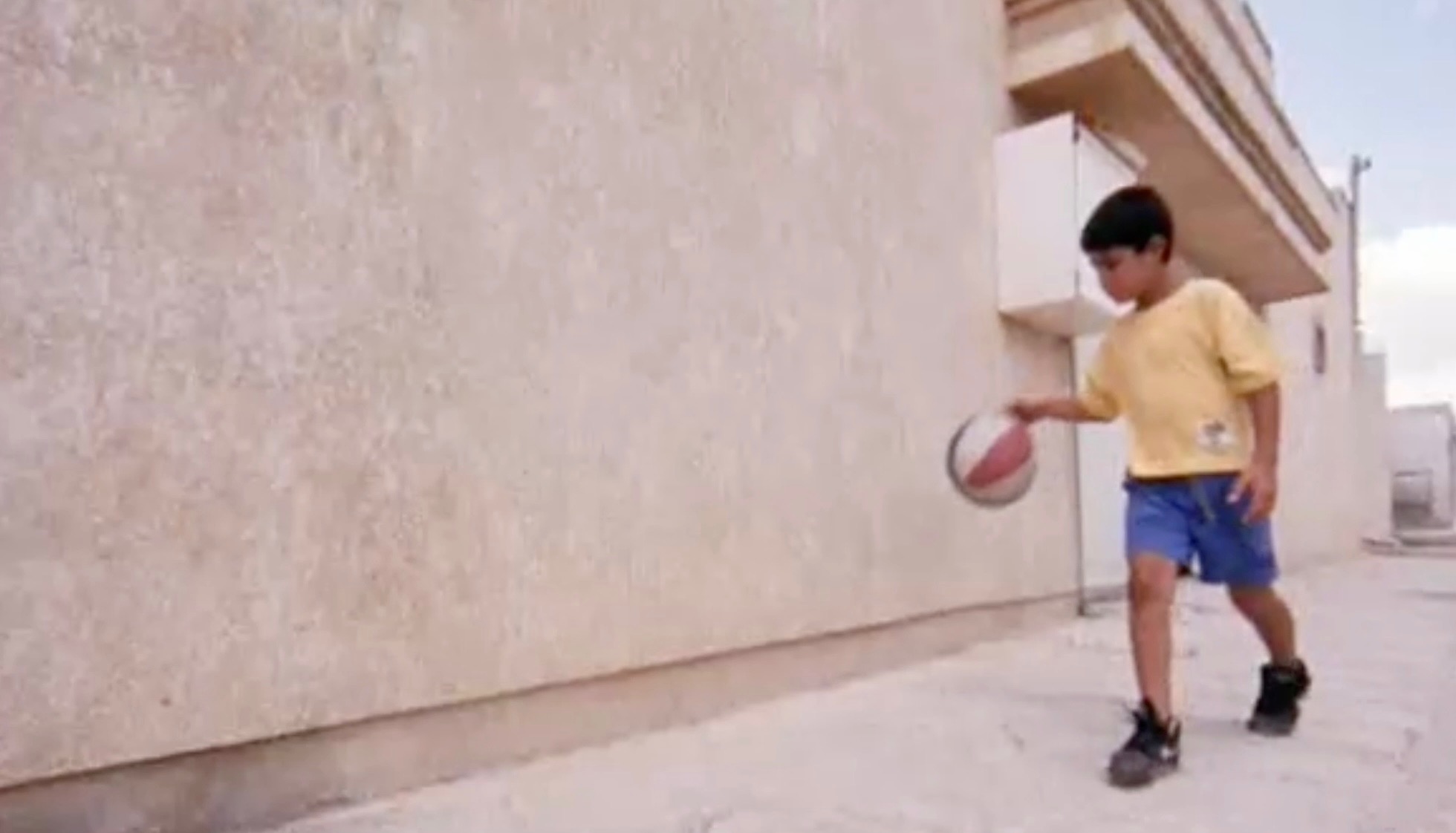
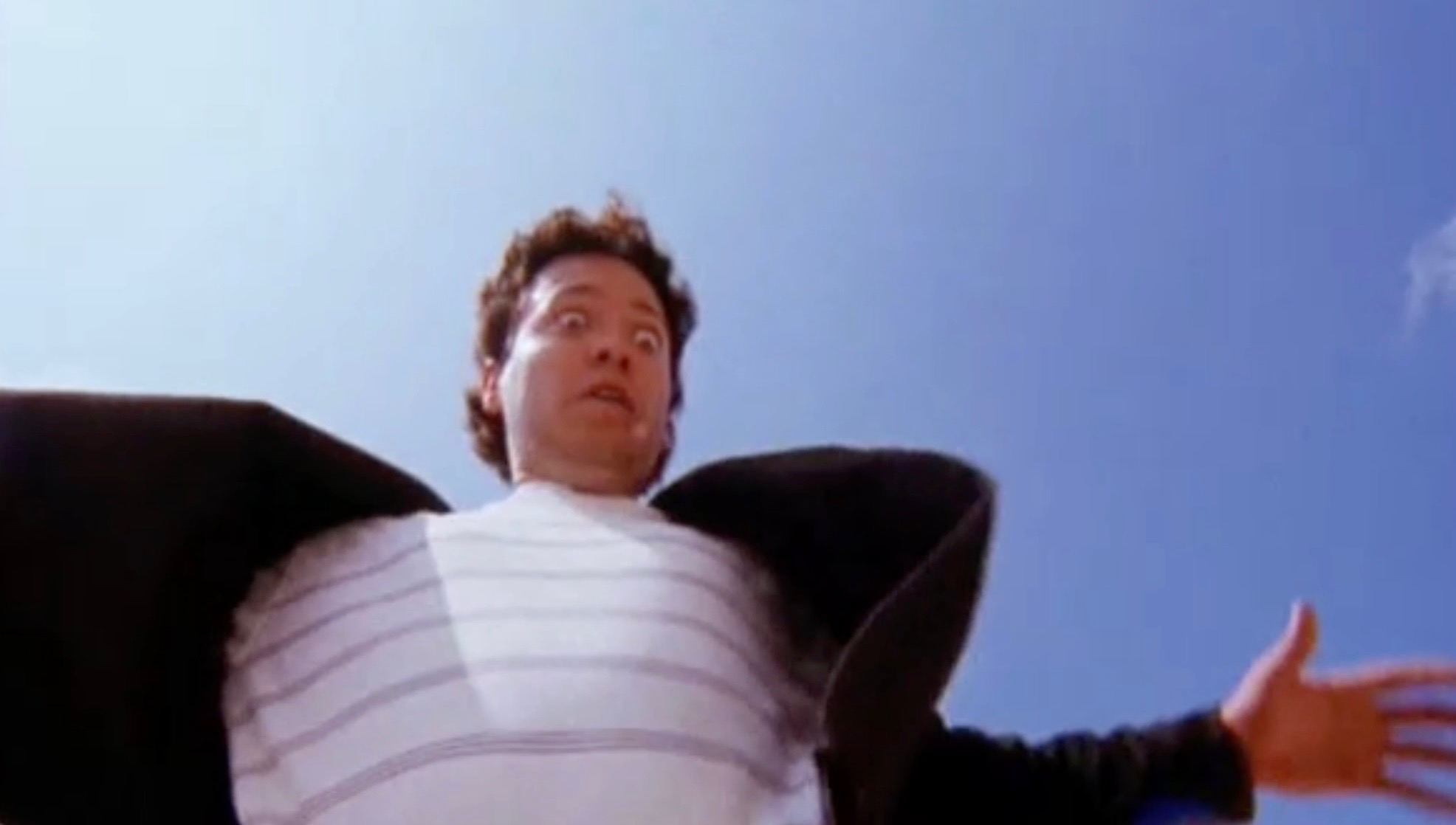
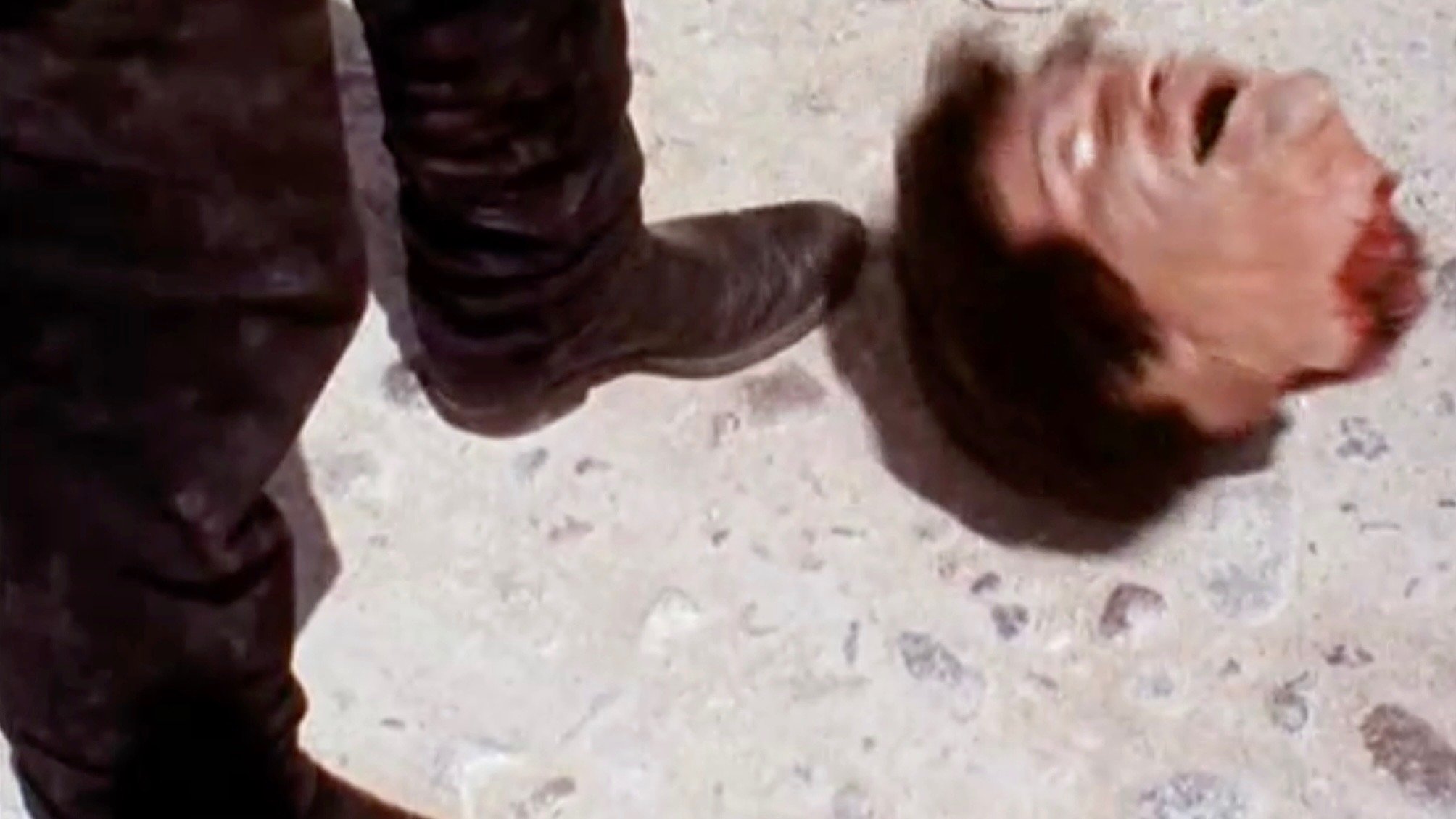
Sound is an integral part in a film. It refers to everything that the audience hears including sound effects, words and music. Sound is used in films for various purposes, including: providing the information to the viewer about the location of the scene, heightening the mood, telling the audience about the characters and advancing the plot. Every person who watches a film realizes that the choice of voices, soundtrack and music present in a film affect the way that the viewer perceives a particular film. As a result, the sound is an important and integral element of the film, one that determines the way that the viewer experiences and understands a film as a visual experience.
Narrative analysis is an examination of the story elements, including narrative structure, character, and plot. A narrative can be considered to be the chain of events in a cause-effect relationship occurring in time and space. In order to analyze the narrative of a film, we need to first make the distinction between the plot of the film and the story of the film. This is sometimes referred to as the discourse and story of a film. Narrative may also be called the story thought story mainly refers to the events that describe the narrative.
Film genres are various forms or identifiable types, categories, classifications or groups of films. (Genre comes from the French word meaning "kind," "category," or "type"). These provide a convenient way for scriptwriters and film-makers to produce, cast and structure their narratives within a manageable, well-defined framework. Genres also offer the studios an easily 'marketable' product, and give audiences satisfying, expected and predictable choices. Genres refers to recurring, repeating and similar, familiar or instantly-recognizable patterns, styles, themes, syntax, templates, paradigms, motifs, rules or generic conventions.
Rodriguez, Robert, director. El Mariachi. Columbia Pictures, 1992.