El Bruto

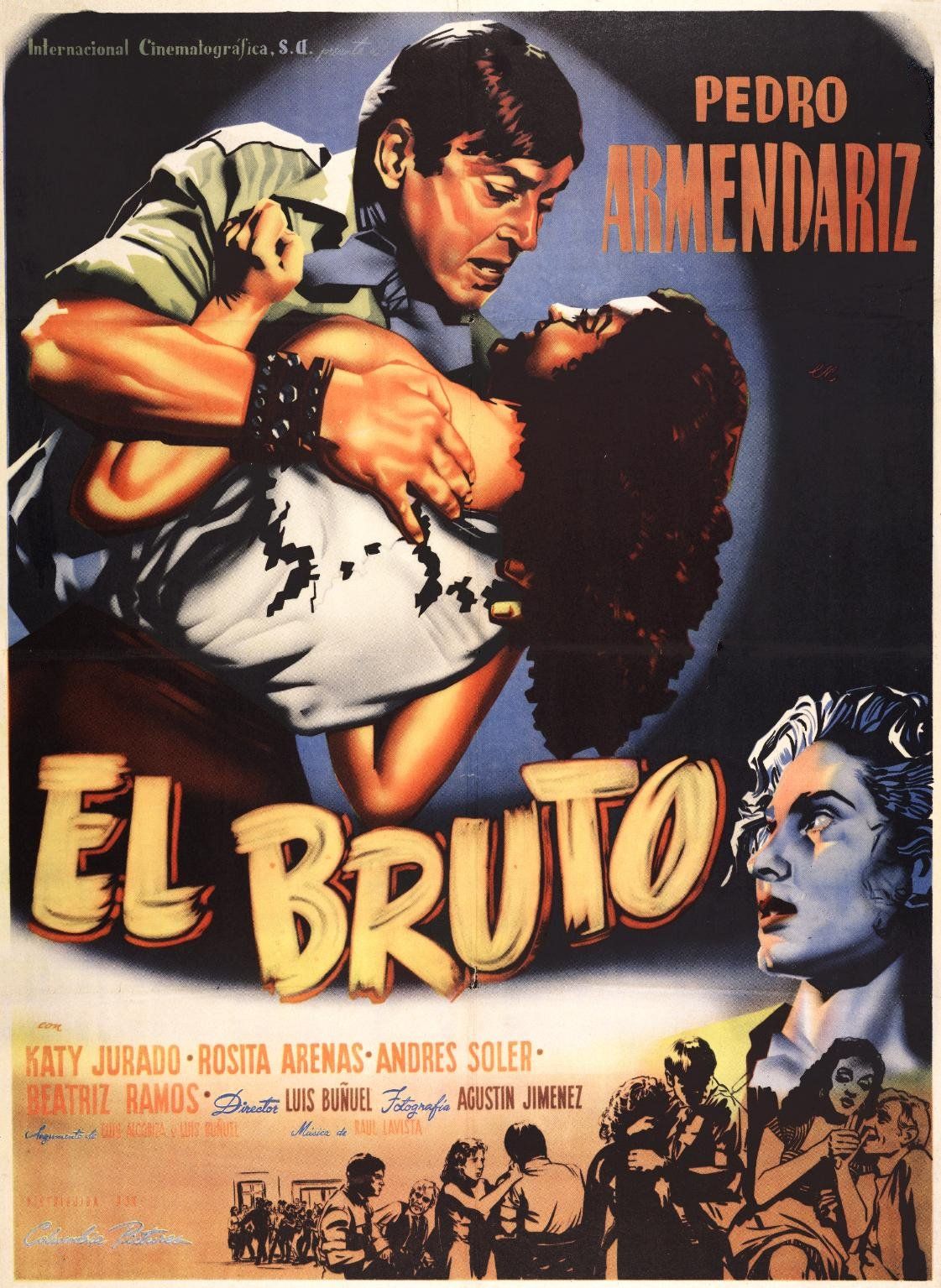
    Movie Poster
    Release year
    1953
    Director
    Luis Buñuel
    Biography of director(s)
    Luis Buñuel Portolés was a Spanish filmmaker whose body of work took place largely in Mexico and France. Buñuel was a prolific filmmaker and his films spanned a wide array of genres, but he is often regarded as the father of surrealism in cinema, especially for his work in his first film “Un Chien Andalou”, but a clear characteristic found throughout his films. He was also a pioneer in the neorealist movement in Latin cinema, openly defying the industry standards derived from Hollywood, as seen in his movie “Los Olvidados”, and exploring themes of classism, exploitation, and the marginalization of people. His style was considered very unique and gained him international acclaim especially during his later career in France.
    Country
    Mexico
    Original synopsis of the film

    Don Andres is a rich landowner who has decided to evict everyone in one of his properties in order to demolish the building and obtain the money he needs to build a new luxurious home for his family and himself. However, the residents protest against his decision and refuse to move out. Faced with this, Don Andres decides to hire the strongest worker at his slaughterhouse, a man known as “El Bruto” (real name Pedro), to intimidate the ringleaders of the protest in the hope that this will dissuade all the other tenants. 

    Pedro confronts one of the ringleaders and accidentally kills him. The remaining leaders seek out Pedro and attack him when he’s alone. Pedro is wounded but manages to run and hide in the house of Meche, who does not know he killed her father, and immediately falls in love with her. Meanwhile, Paloma is having a full on affair with Pedro, going so far as to visit him in his house. 

    The love triangle between El Bruto, Paloma, and Meche culminates with Paloma revealing to Meche that El Bruto killed her father and accusing El Bruto of assaulting her, ultimately leading to the deaths of Don Andres and Pedro.


    Describes the setting of a scene in a play or a film. It refers to everything placed on the stage or in front of the camera—including people. In other words, mise en scène is a catch-all for everything that contributes to the visual presentation and overall “look” of a production. When translated from French, it means “placing on stage.”
    Setting
    Setting
    Explanation
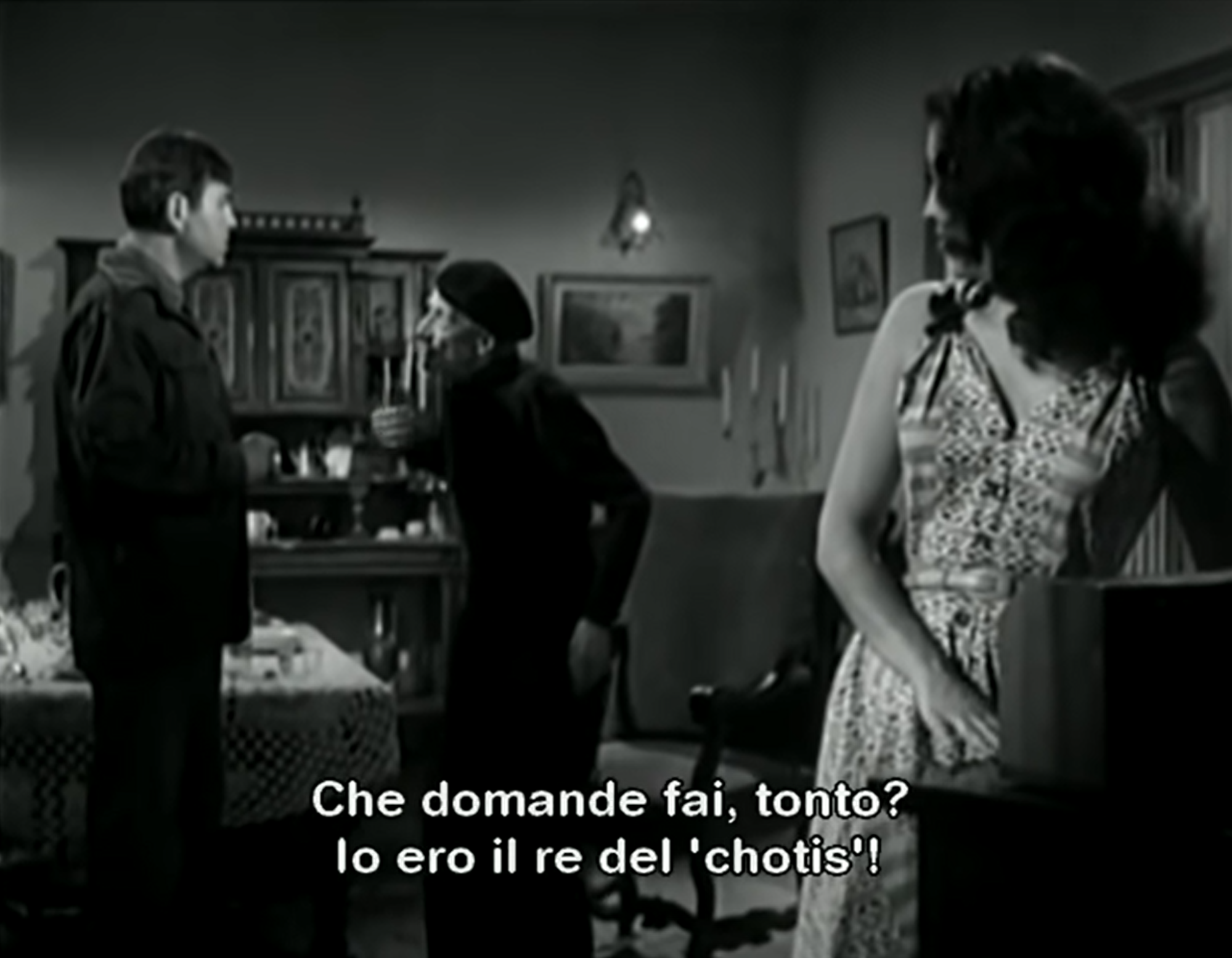
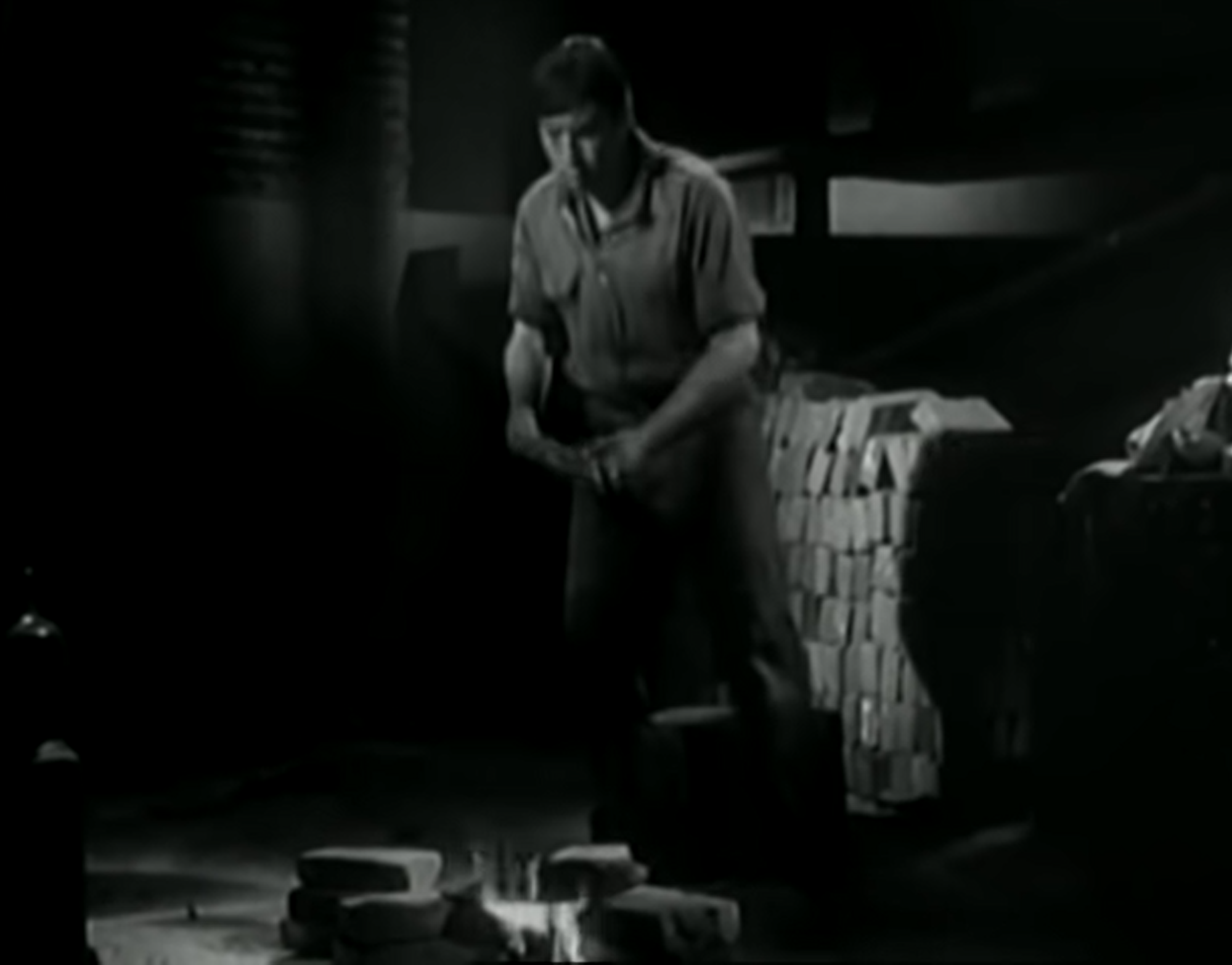
    El Bruto takes place in four main locations: the home of Don Andres, the home of Meche, the home of Pedro, and the neighborhood to be demolished. The design of each one is distinct and grants the viewer a clear sense of the status/class of the people who live there. Don Andres’ house is overly furnished, there are unused candles, expensive chairs, paintings, cabinets full of items. Meanwhile the houses of Pedro and Meche are devoid of all but the most basic furniture, with Pedro’s house in particular looking more like an empty room that happens to have a bed. All this combines communicates information not only about the characters who live there, but also the power dynamic that exists in between them.
    Film Still
    Don Andres’ House 00:49:52
    Pedro’s room 00:58:50
    Props
    Lighting
    Explanation
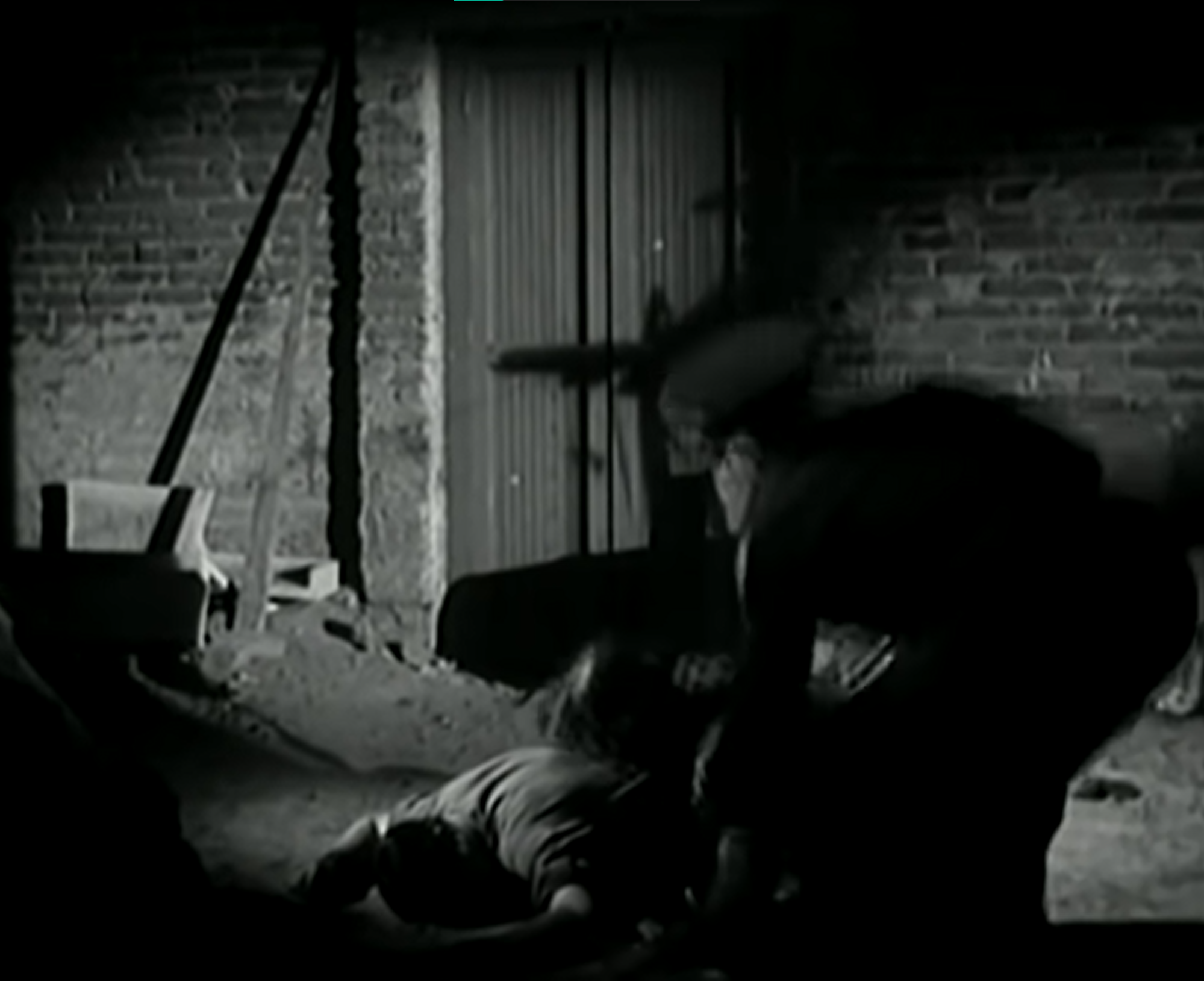
    One might think then that the brightness of day is then reserved for acts of kindness or something of the sort, and yet during the day we witness a different kind of terrible act, the legal kind. In the light we see Don Andres attempting to evict all his tenants with little regard for how they carry on with their lives, we see him planning to get rid of the people opposing him, and we see the demolition of homes. The actions of the wealthy, while just as damaging and in fact the root cause of the issues, are on full display during the day, no shame of hiding, they are legal and accepted.
    Film Still
    Don Andres Dismissing Meches Problems and Threatening her to Make her Leave 01:00:00
    The Death of Pedro 01:18:36
    Costume
    Explanation
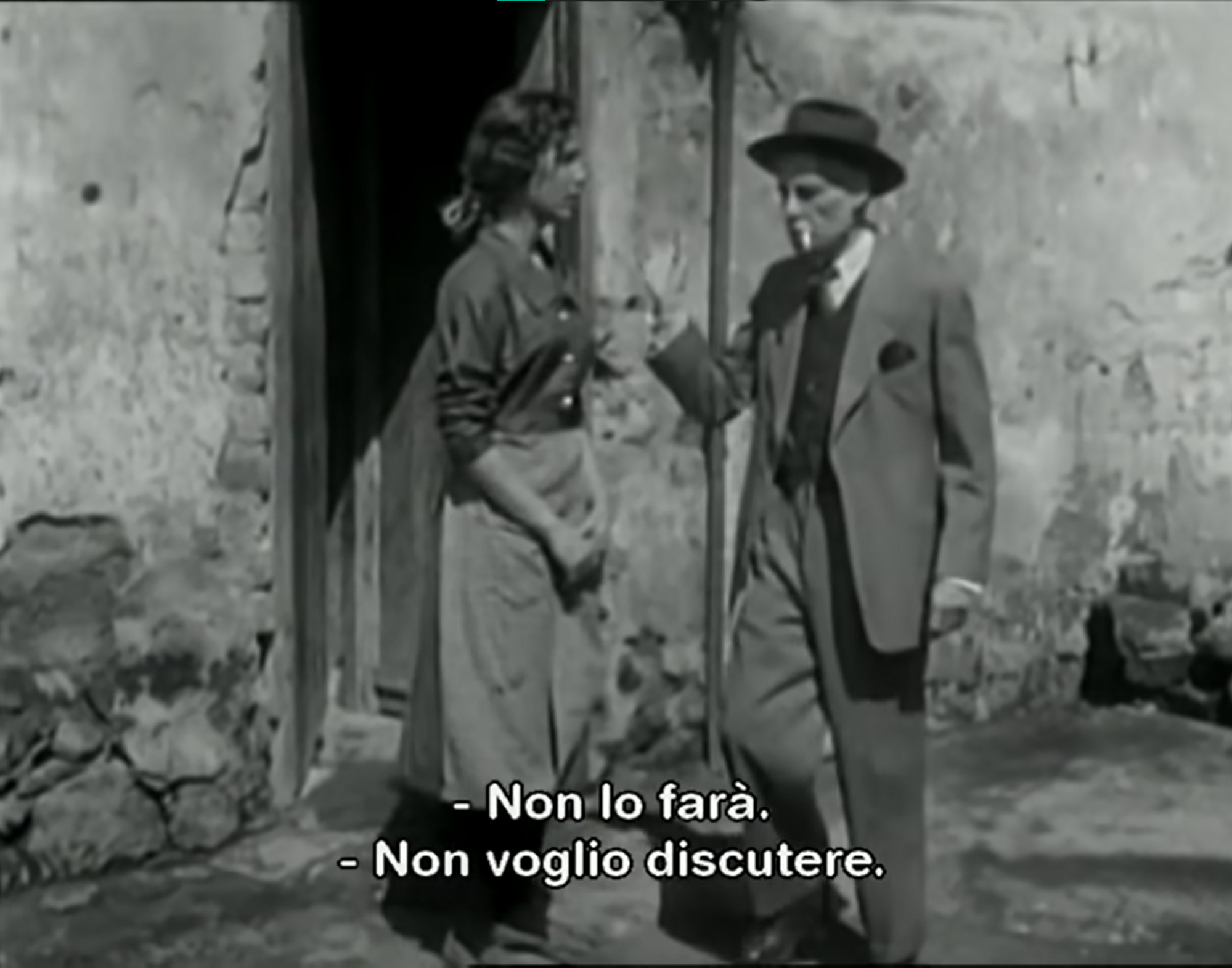
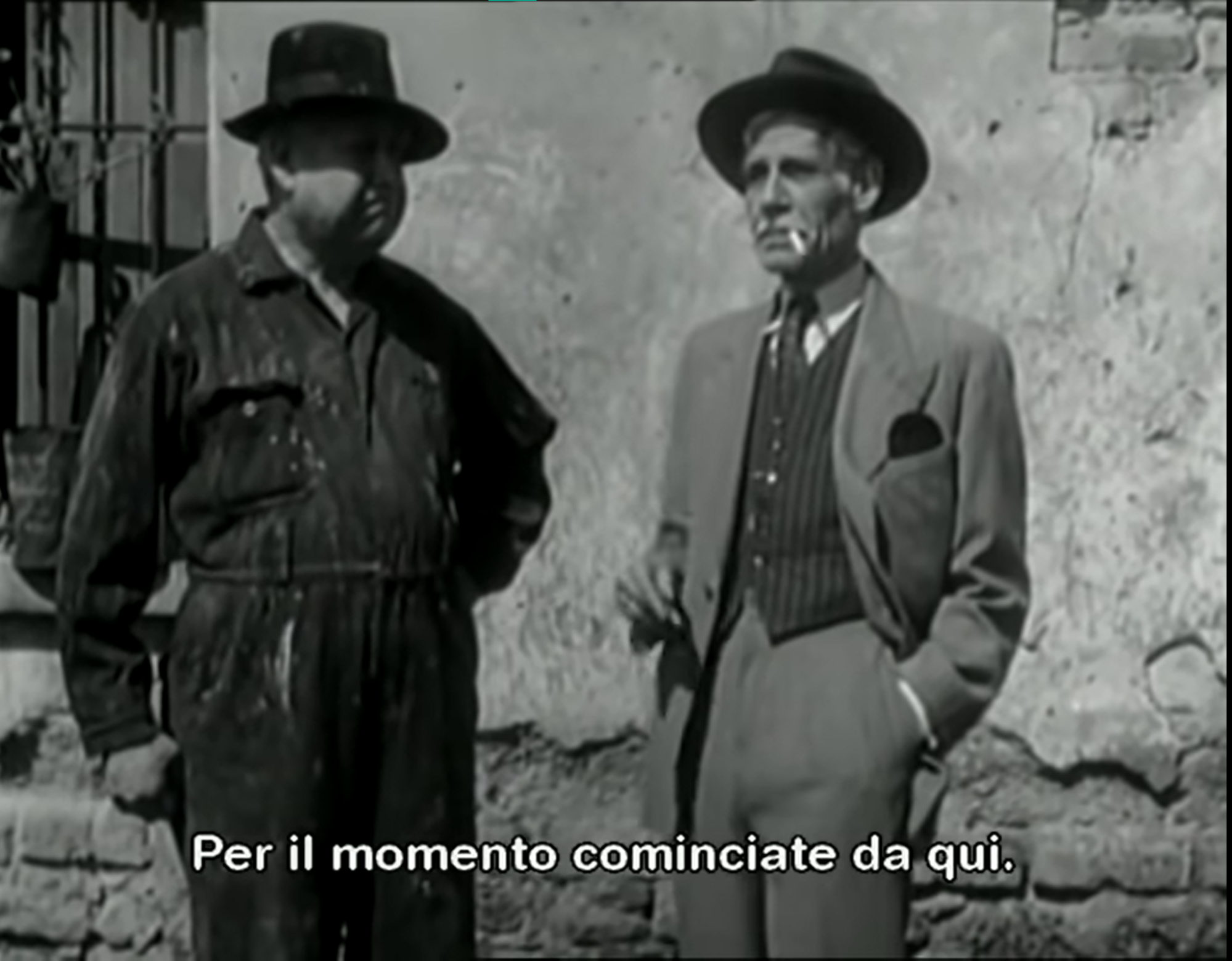
    The costumes and makeup, much like the settings of the film, have a big role in denoting the relative status and perceived power of the main characters. This is particularly noticeable anytime Don Andres walks into his neighborhood in his suit surrounded by his tenants wearing outfits that look dirtier, worn out, etc. El Bruto’s attire is also quite unique compared to other characters. With his distinctive rolled up shirt, bracelets, and bandana around his neck, his outfit is one that accentuates his size and strength when he’s next to someone else.
    Film Still
    Don Andres With One of The Construction Workers 1:00:12
    Hair and Makeup
    Figure Behavior
    Representative Clip

    This is the art of photography and visual storytelling in a motion picture or television show. Cinematography comprises all on-screen visual elements, including lighting, framing, composition, camera motion, camera angles, film selection, lens choices, depth of field, zoom, focus, color, exposure, and filtration. Cinematography sets and supports the overall look and mood of a film’s visual narrative. Each visual element that appears on screen, a.k.a. the mise-en-scène of a film, can serve and enhance the story—so it is the cinematographer’s responsibility to ensure that every element is cohesive and support the story. Filmmakers often choose to spend the majority of their budget on high-quality cinematography to guarantee that the film will look incredible on the big screen.
    Point of View
    Point of View
    Comments
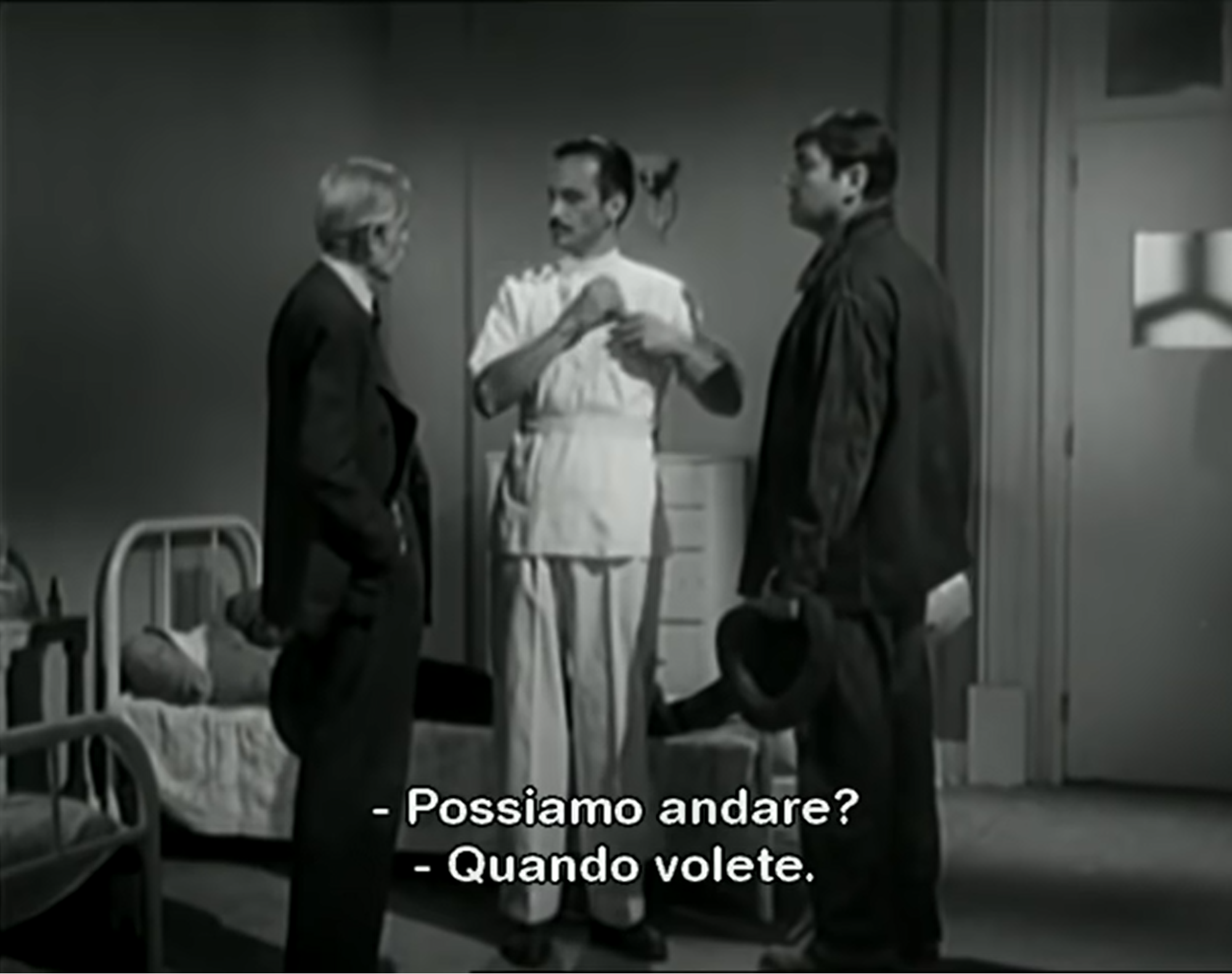
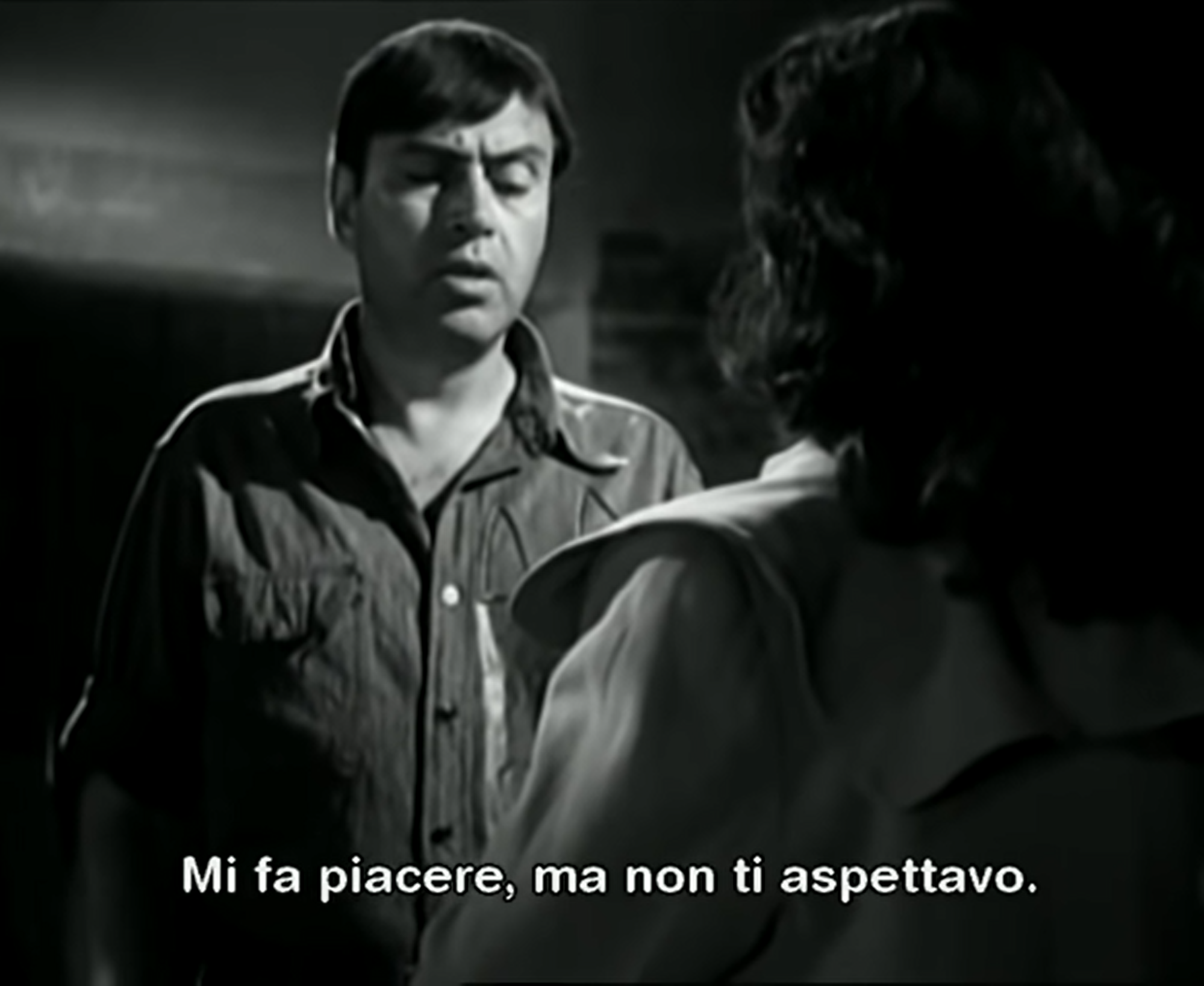
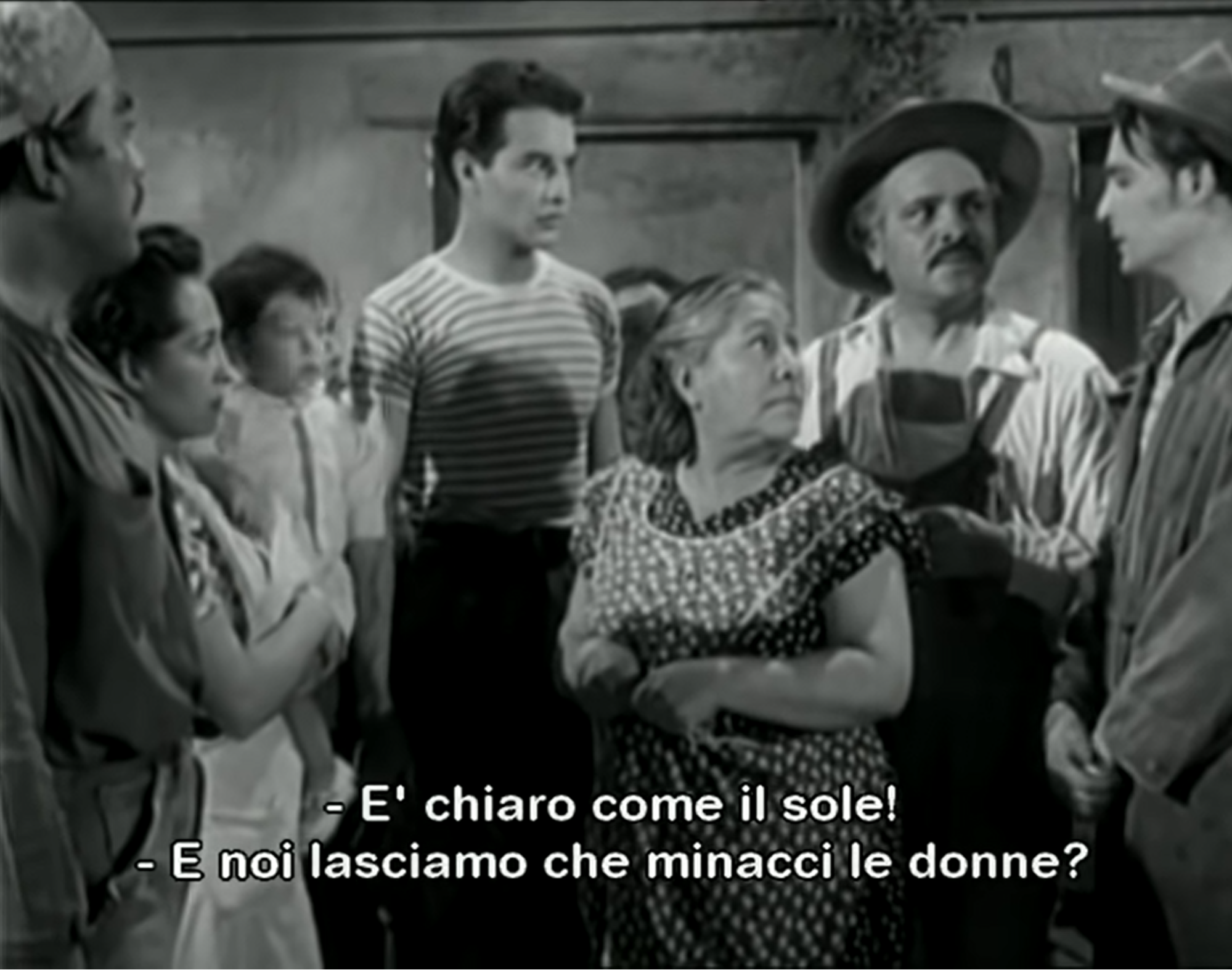
    Throughout the film we always observe through an objective camera using a normal lens. This lens fits the film as the themes of classism are largely conveyed through the mise en scene of the movie as well as through the character interactions, making a normal lens ideal to get a simultaneous view of both. As can be seen in Fig. 1, the normal lens allows for a close enough view of the characters and acting as well as a wide enough view to observe everyone in frame and a bit of the background, clearly establishing the relative class of the people involved.
    Quality
    Quality
    Comments
    Focus: It may be due to the poor reproduction quality of freely accessible reproduction of El Bruto, but it appears the focus throughout the entire movie is that of a deep focus. Once again this focus is essential in clearly establishing power dynamics between characters through usage of nothing but the staging of the background. Fig. 2 shows a clear example of this as being able to observe the detailed furnishing of Don Andres’ house, as well as his clothing establish his level of wealth.
    Framing
    Framing
    Comments
    Angle/Level: There are predominantly two angles in the movie: straight on and low angle. The angle tends to vary depending on whether or not Pedro is within the frame. Interactions without Pedro will have a straight on angle while scenes with Pedro have a slight low angle. Sometimes, when doing over the shoulder shots of characters talking to Pedro, the angle will be high. Both the low and high angles serve as a way to increase the apparent size of Pedro in an attempt to cement him as a huge brute that towers over the other characters.
    Film Still
    Slight Low Angle Looking at Pedro (00:58:03)
    Straight-on Shot When Pedro is not in Frame (00:37:22)
    Scale
    Comments
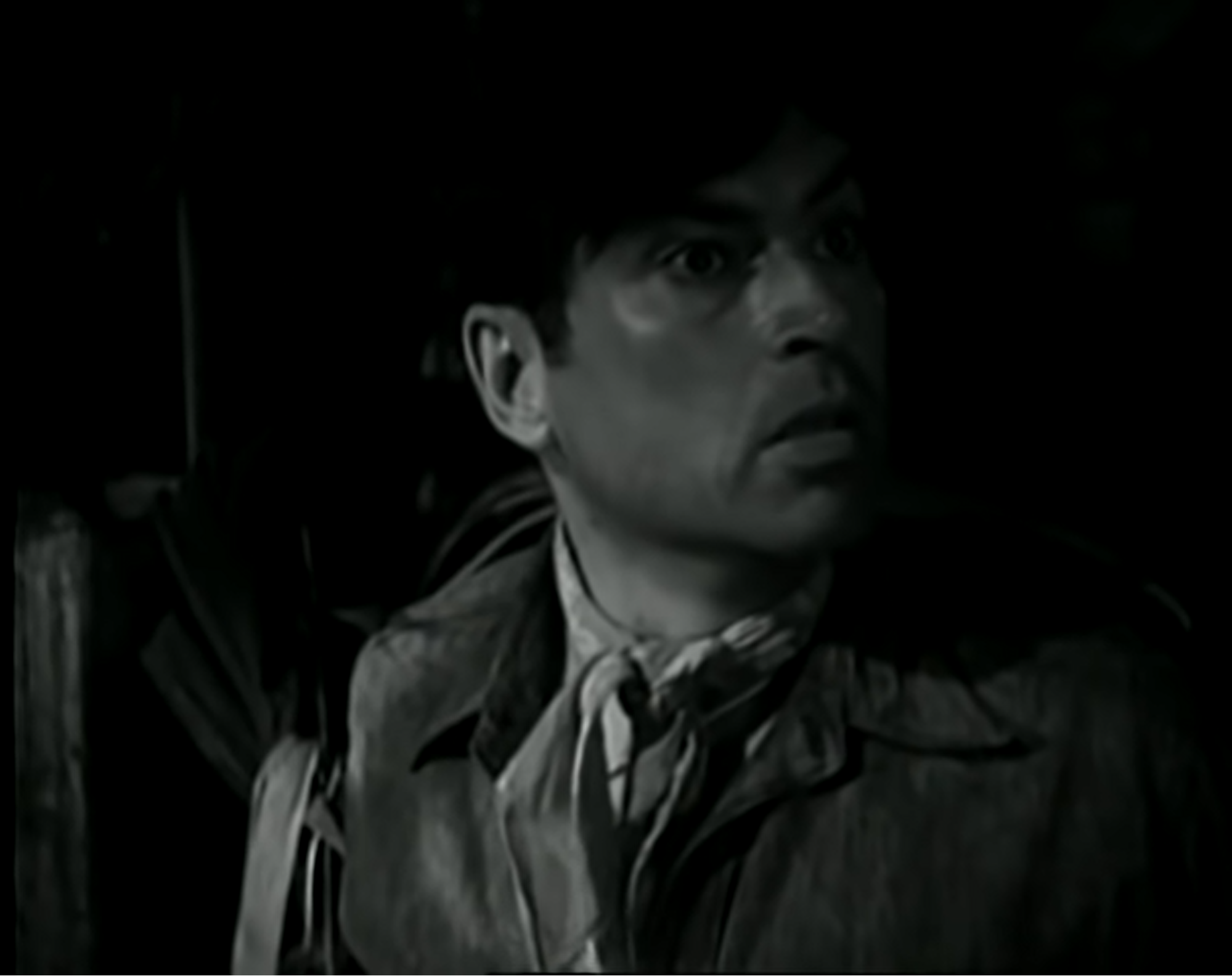
    Distance: most of the film is shot from a medium distance. This allows for the framing of a shot to encompass all the characters interacting within the scene (typically two) while still being close enough to allow the acting to shine through. There are some exceptions, such as close up to focus on a character's reaction to their current circumstances, like Pedro hiding from the mob chasing him.
    Film Still
    Medium Shot for Usual Character Interactions (00:23:40)
    Close up of Pedro Hiding From Mob (00:42:57)
    Movement
    Comments
    Movement: The camera movement of El Bruto shifts between a static shot and one that follows the characters. During conversations, the camera remains static, but allows itself to move as characters move through the stage. This is likely due to two things: the first being to give a better view of the location the scene takes place in, be it a neighborhood, a house, a particular room, etc. The second is likely due to the limitation of framing presented due to the use of medium shots and a normal lens, forcing the camera to move if the director wishes to capture an actor that is not static.
    Film Still
    Dynamic to Static to Dynamic Shot (00:48:00-00:48:15)

    Editing is the process of putting a film together–the selection and arrangement of shots and scenes. Editing can condense space and time, emphasize separate elements and bring them together, and organize material in such a way that patterns of meaning become apparent. In addition, editing can determine how a film is perceived: for instance, quick, rapid cuts can create a feeling of tension, while a long take can create a more dramatic effect. The first photoplays generally had no cutting, owing to the fact that they were single-reel films; once filming began, you could not stop until the film ran out. (https://filmglossary.ccnmtl.columbia.edu/term/editing/)
    Coherence, Continuity, and Rhythym
    Editing Style
    Editing Style
    Comments
    Style of Editing: When it comes to the cuts, they are quite uncommon, with only a few instances of editing used to demonstrate the passage of time, such as the taking down of the neighborhood. There are some cuts used to show actions in locations where filming a continuous shot would have proven difficult, as mentioned in the shot duration section. The passage of time specifically is clearly communicated by superimposing the two images, allowing the viewer to easily determine how things changed and make an estimation in how much time may have been needed for those changes to take place.
    Transitions
    Comments
    Transition techniques: Two transition techniques are present, they serve less as a way to convey information about characters and more about establishing story beats. The most common transition is a dissolve, this transition indicates the conclusion if a scene but that is being followed up by the continuation to the plotline that was being followed in the previous scene, such as following a character that just left the previous scene or going to the location that the previous scene established would be visited. Meanwhile the fade to black transitions are more representative of an end to the plot that took place in the scene, a plotline left to pick up later on. This can be seen in moments such as when Pedro sleeps with Paloma or when he leaves his home.
    Film Still
    Pedro Sleeps with Paloma Fade to Black (00:52:30)
    Don Andres Leaves the Previous Scene (00:15:44)
    Match
    Expansion and Compression of Time
    Comments
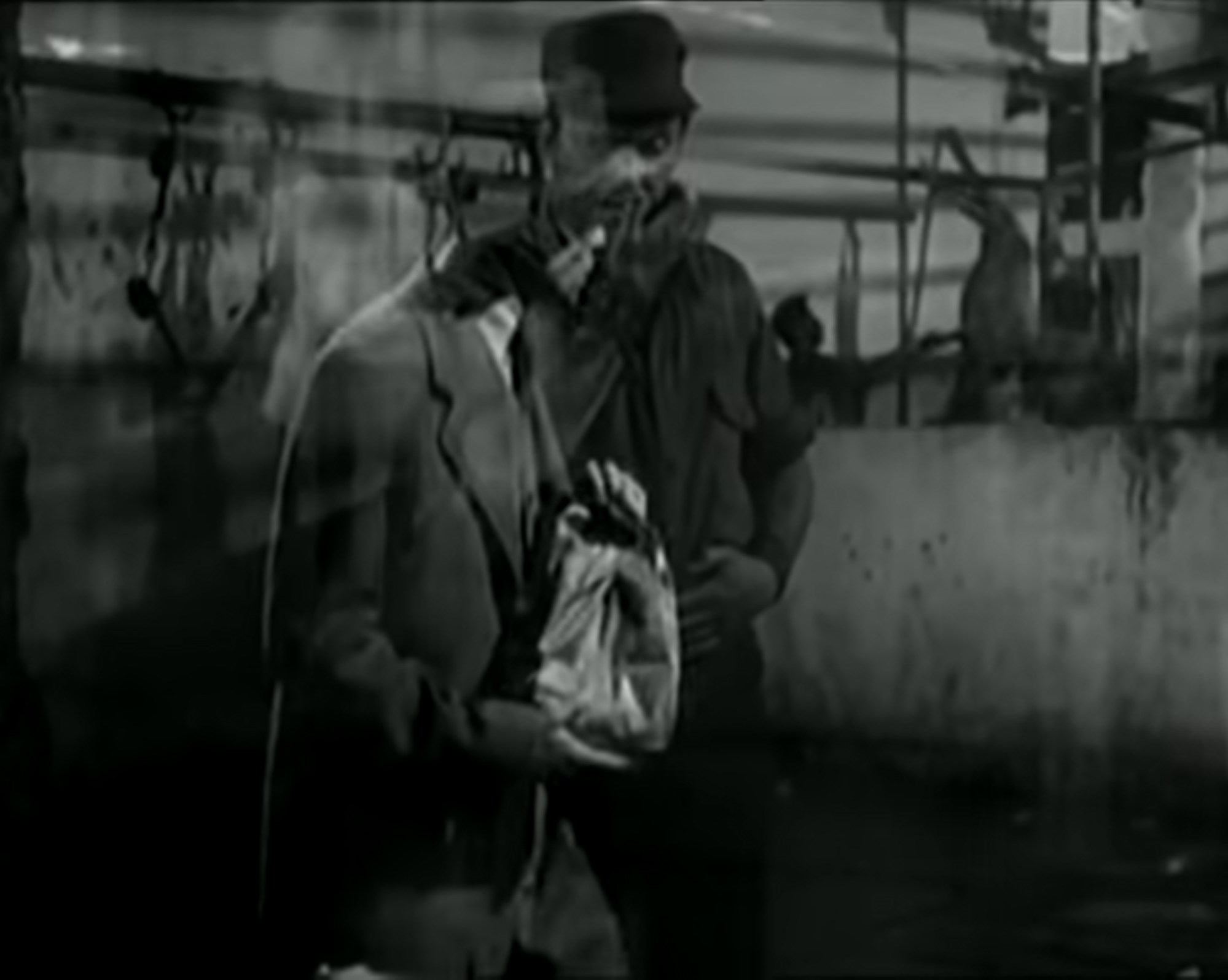
    Duration: There are very few quick shots in the movie, almost every scene plays out in only a couple of shots, specifically conversations. Uses of “shot reverse shot” are sparse, with the film preferring to hold long shots involving all interacting characters. These shots help establish the relations between each character by being able to see how each reacts to new information, how they carry themselves, their clothing in relation to each other, etc. Some quicker cuts are made to show the action of characters when in tighter spaces where longer shots would be difficult to position the camera for, such as Pedro silencing the chicken when hiding.
    Film Still
    Typical Long Shot During Conversations (00:48:55-00:49:37)
     Rare Quick Editing in Tight Space (00:42:44-00:42:48)
    Editing General Comments

    Sound is an integral part in a film. It refers to everything that the audience hears including sound effects, words and music. Sound is used in films for various purposes, including: providing the information to the viewer about the location of the scene, heightening the mood, telling the audience about the characters and advancing the plot. Every person who watches a film realizes that the choice of voices, soundtrack and music present in a film affect the way that the viewer perceives a particular film. As a result, the sound is an important and integral element of the film, one that determines the way that the viewer experiences and understands a film as a visual experience.

    Sound Type

    Narrative analysis is an examination of the story elements, including narrative structure, character, and plot. A narrative can be considered to be the chain of events in a cause-effect relationship occurring in time and space. In order to analyze the narrative of a film, we need to first make the distinction between the plot of the film and the story of the film. This is sometimes referred to as the discourse and story of a film. Narrative may also be called the story thought story mainly refers to the events that describe the narrative.

    Plot Comments
    Story Comments
    Narrator Type
    Narrative Structure

    Film genres are various forms or identifiable types, categories, classifications or groups of films. (Genre comes from the French word meaning "kind," "category," or "type"). These provide a convenient way for scriptwriters and film-makers to produce, cast and structure their narratives within a manageable, well-defined framework. Genres also offer the studios an easily 'marketable' product, and give audiences satisfying, expected and predictable choices. Genres refers to recurring, repeating and similar, familiar or instantly-recognizable patterns, styles, themes, syntax, templates, paradigms, motifs, rules or generic conventions.

    Category