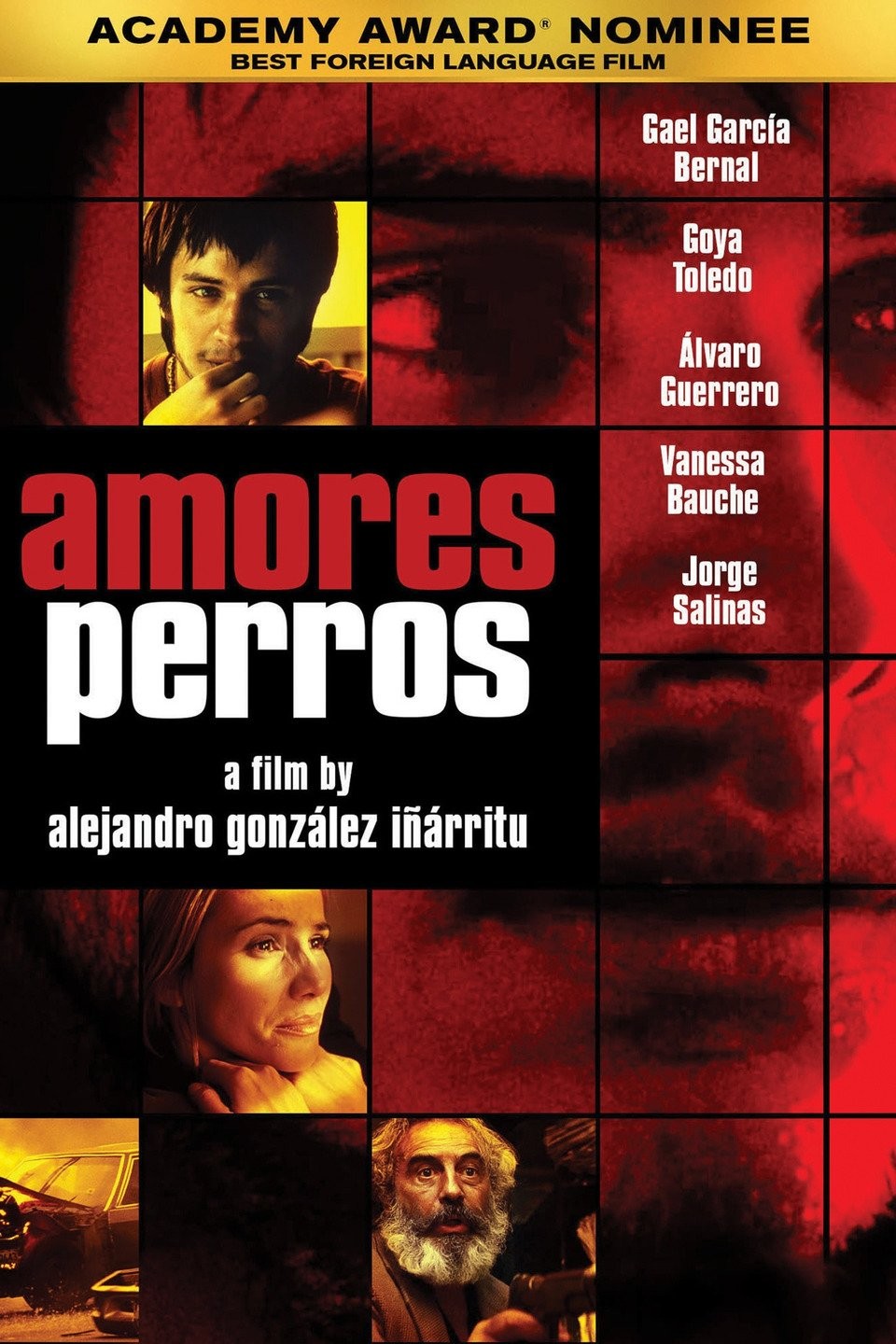
Amores Perros

    Movie Poster
    Release year
    2000
    Director
    Alejandro González Iñárritu
    Biography of director(s)
    Alejandro González Iñárritu nació en Ciudad de México, México en 1963. Sus películas típicamente involucran cuentas interconectadas; por esto, fueron muy populares y reconocidas en el comienzo del siglo 21. Empezó escribiendo música para películas mexicanas; conoció a Guillermo Arriaga, y los dos empezaron a colaborar. Alejandro González Iñárritu viajó a los Estados Unidos para estudiar cine. Tuvo una idea sobre una historia interconectada sobre tres personajes viviendo en Ciudad de México. Quería ilustrar una realidad un poco oscura pero realística. Con estas ideas, dirigió Amores Perros, su debut como director. Esta película ganó premios y fue reconocida a nivel internacional. Continúa a dirigir otras películas más cortas, como Powder Keg y 11′09″01—Septiembre 11. También exploró películas en inglés como 21 Grams y Babel. (https://www.britannica.com/biography/Alejandro-Gonzalez-Inarritu)
    Country
    México
    Original synopsis of the film

    Tres personajes diferentes se conectan en Amores Perros a causa de un accidente automovilístico en Ciudad de México. Octavio es un muchacho pobre que está enamorado de la esposa de su hermano. Susana y Octavio quieren escapar juntos con el dinero que Octavio recibió de las peleas de su perro Cofi. Este plan no funciona, y el escapa solamente con Cofi, causando el accidente. Valeria es una modelo que también está involucrada en el accidente, lo cual daña su pierna. Impacta su carrera y su relación con Daniel, su novio porque pierde su independencia. El Chivo es el último personaje; él ve el accidente y salva a Cofi. Él es un exguerrillero que está forzado a confrontar sus propios pensamientos sobre la lealtad y violencia cuando necesita matar a uno de dos medio hermanos. También necesita resolver su relación con su hija, con quien no interacciona. La película demuestra la Ciudad de México real, donde existe la crueldad y amor, conectando los perros con los humanos.

    Film Awards
    Cannes Film Festival Critics’ Week Prize (2000)

    Describes the setting of a scene in a play or a film. It refers to everything placed on the stage or in front of the camera—including people. In other words, mise en scène is a catch-all for everything that contributes to the visual presentation and overall “look” of a production. When translated from French, it means “placing on stage.”
    Setting
    Setting
    Explanation
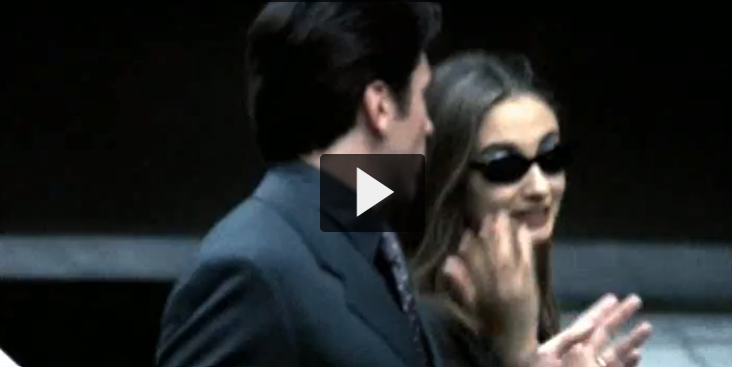
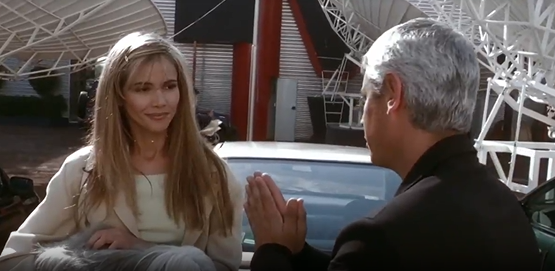
    La escena ocurre en un estacionamiento, revelando que Valeria no tiene mucho interés en su conversación con Andres. Ocurre cuando está saliendo del estudio, ilustrando su prisa. Su actitud es que no quiere pasar mucho tiempo conversando con él, y por esto ocurre en una ubicación insignificante, reflejando la insignificancia de Andres para ella. Su relación es una mentira que es conveniente para la media y el público.
    Timecode
    58:40
    Film Still
    Andrés está hablando con Valeria, tratando de llamar su atención. Pregunta si quiere almorzar con él y dice que tiene una sorpresa para ella.
    Props
    Lighting
    Costume
    Costume
    Valeria en ropa blanca, Andres en ropa oscura
    Explanation
    Valeria es una modelo que simboliza algo ideal; ella es elegante, pura, e inocente. Se viste en ropa blanca, lo que corresponde con su imagen. Después de su accidente, su ropa blanca aparece sucia y arrugada, representa el efecto del accidente en su vida. Ella pierde su elegancia a causa de su pierna herida. Por otro lado, Andres se viste totalmente diferente porque su ropa es negra. Él no es el novio real de Valeria y solamente retrata una imagen pública. El contraste muestra que estos individuos son diferentes y no caben juntos. Su asociación es algo falso y superficial, creando para el público.
    Hair and Makeup
    Figure Behavior
    Explanation
    Las posiciones de Valeria y Andres también tienen significado. Valeria enfrenta la cámara mientras que Andres aparece en la esquina del cuadro con sus manos en un rezo. En este momento específico, ilustra que Valeria controla su relación porque declina su invitación de almuerzo. Andres aparece débil e incapaz de cambiar esta relación mientras que la escena se enfoca en la elegancia y el poder de Valeria. Antes de su accidente, era una modelo muy famosa con mucho control de su vida. Esto es aumentado con los tejados blancos en el fondo que la enmarca, destacando su importancia y puridad.
    Representative Clip

    This is the art of photography and visual storytelling in a motion picture or television show. Cinematography comprises all on-screen visual elements, including lighting, framing, composition, camera motion, camera angles, film selection, lens choices, depth of field, zoom, focus, color, exposure, and filtration. Cinematography sets and supports the overall look and mood of a film’s visual narrative. Each visual element that appears on screen, a.k.a. the mise-en-scène of a film, can serve and enhance the story—so it is the cinematographer’s responsibility to ensure that every element is cohesive and support the story. Filmmakers often choose to spend the majority of their budget on high-quality cinematography to guarantee that the film will look incredible on the big screen.
    Point of View
    Point of View
    Comments
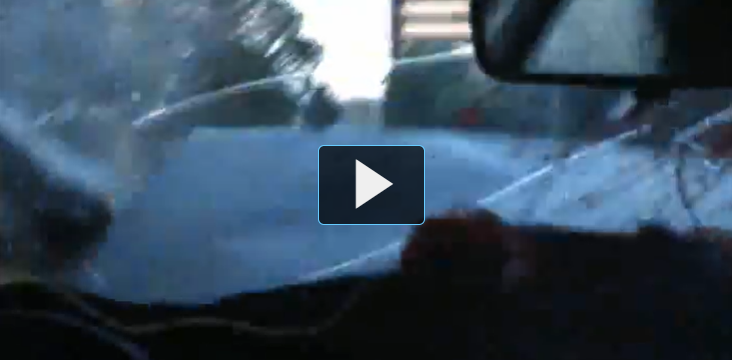
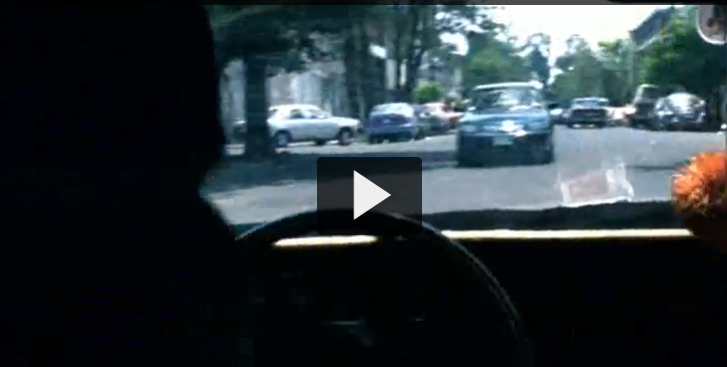
    The movie opens with a very restricted point of view, largely staying in the car with Octavio. This mirrors the restricted information that the viewer has at this point in time, also aligning with the high stress of the situation. This is an example of indirect subjective because the camera is not seeing exactly through Octavio's eyes, but it aligns with his perception and experience of the situation.
    Timecode
    1:17-2:00
    Film Still
    Car Crash Point of View
    Film Clip
    Quality
    Quality
    Comments
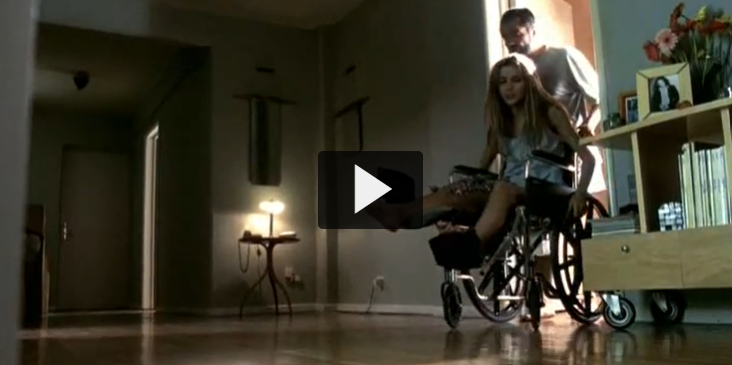
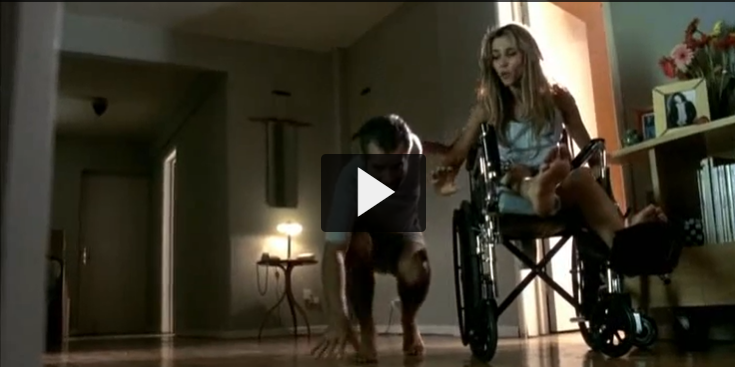
    Scenes from Valeria's apartment following the accident depict a very sterile and confining environment due to quality features of the film. The camera implements shallow focus to emphasize Valeria while blurring the rest of the surroundings. Occasionally, racking focus is used to emphasize physical elements of her apartment and the deterioration that is occurring that mirrors her mental deterioration due to the accident.
    Timecode
    1:10:40-1:20:25
    Film Still
    Valeria Apartment Sterile Environment
    Valeria Apartment Shallow Focus
    Framing
    Comments
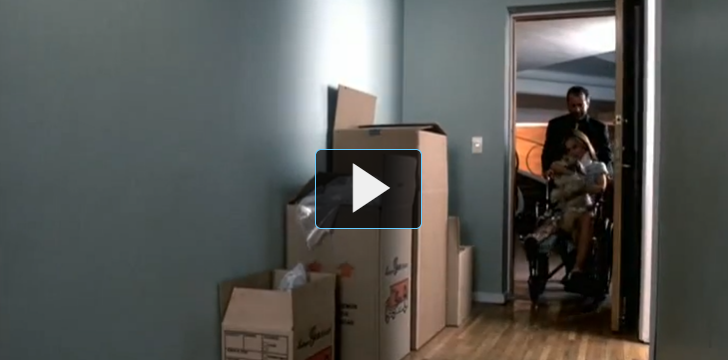
    Valeria is framed by the door in this scene, highlighting her lack of mobility following the accident. It is as if she is trapped in her own apartment, restricted by the doorway because of her inability to move independently. Restrictions in the visual frame mirror her physical restrictions.
    Timecode
    1:06:11-1:06:27
    Film Still
    Valeria Accident Door Frame
    Scale
    Comments
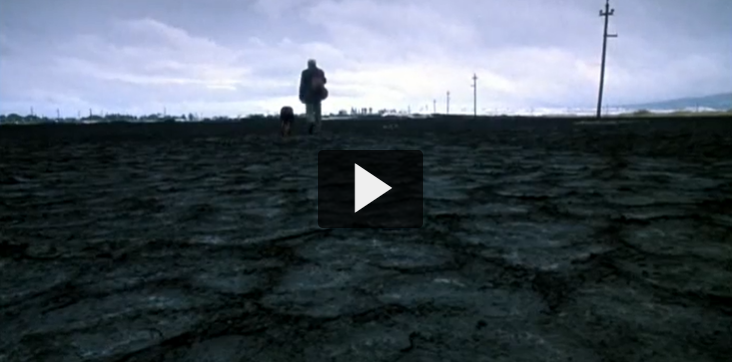
    The very last scene of the movie depicts El Chivo walking away into the distance; the camera stays in the same position as he walks away, making his figure extremely small in comparison with the landscape, especially as the scene nears its end. This parallels the insignificance and isolation that he feels. Additionally, it illustrates that the rest of the world is not there to observe his moral choice to release the dogs; this is a moment of personal revelation for him, and he alone is there to live out this decision with no one to celebrate him.
    Timecode
    2:28:44-2:29:10
    Film Still
    El Chivo Ending
    Movement
    Movement
    Comments
    The movie implements tracking shots whenever El Chivo is tracking his targets. These scenes make it extremely clear who his targets are, creating a sense of doom for the audience. These shots maintain distance, emphasizing that he is an observer until he has to act, carefully watching and waiting for the right movement. Moreover, the use of zoom in these scenes allows for the mirroring of his focus; it is as if the audience is also watching the target, focusing on certain traits and actions when necessary as El Chivo chooses to focus on these aspects as well.
    Timecode
    1:43:37-1:45:55
    Film Still
    El Chivo Targets

    Editing is the process of putting a film together–the selection and arrangement of shots and scenes. Editing can condense space and time, emphasize separate elements and bring them together, and organize material in such a way that patterns of meaning become apparent. In addition, editing can determine how a film is perceived: for instance, quick, rapid cuts can create a feeling of tension, while a long take can create a more dramatic effect. The first photoplays generally had no cutting, owing to the fact that they were single-reel films; once filming began, you could not stop until the film ran out. (https://filmglossary.ccnmtl.columbia.edu/term/editing/)
    Coherence, Continuity, and Rhythym
    Comments
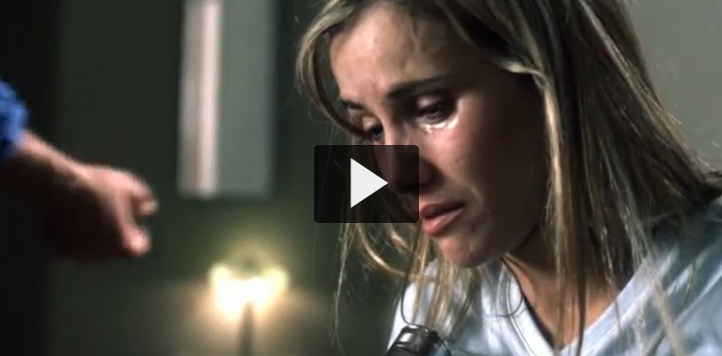
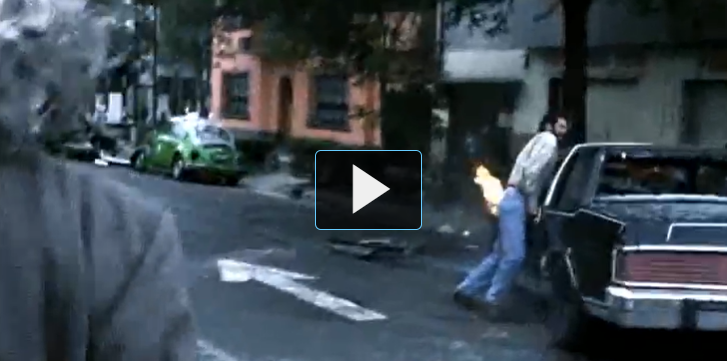
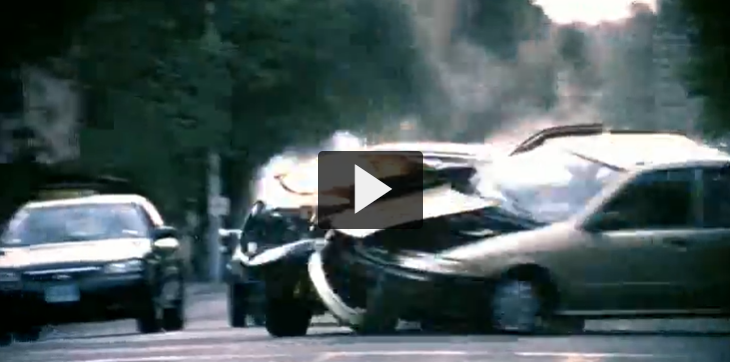
    Even though there are 3 different storylines, the car crash connects all of the characters together. The film is cut to return to the same event from all the different perspectives, creating coherence and even when following multiple stories. During this critical scene, continuity is sacrificed through varying angles and jumping cuts to illustrate the chaos of the event, paralleling the panic that the characters experience.
    Film Still
    Accident El Chivo
    Accident Octavio
    Accident Inside Car
    Editing Style
    Editing Style
    Comments
    The film generally maintains continuity through its editing style, even though there are rapid cuts and jumps in chaotic and violent scenes. It maintains an overall narrative and logic even through multiple storylines. For example, in Valeria's apartment following her discharge from the hospital, the story follows her through space in a very logical manner.
    Film Still
    Valeria Apartment
    Transitions
    Match
    Comments
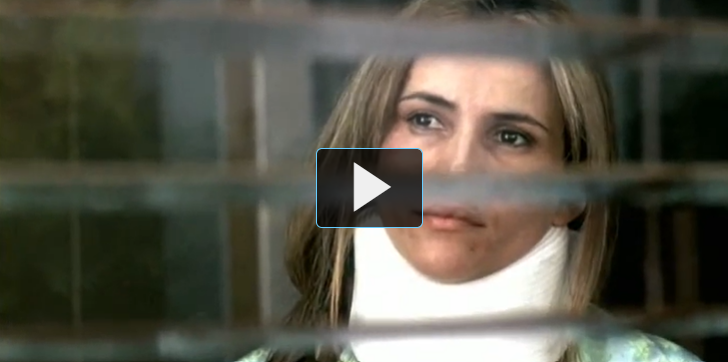
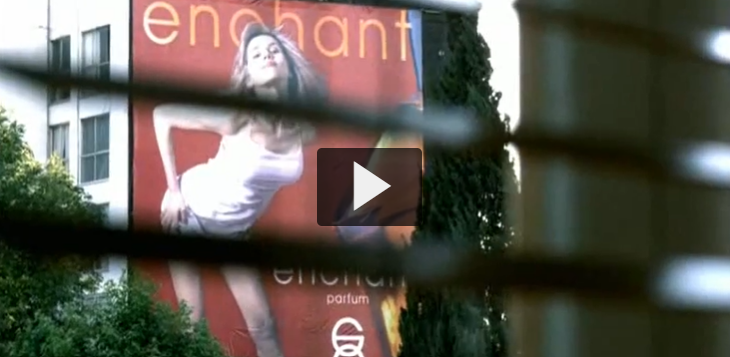
    The film uses eyeline matches throughout the entirety of the film, yet some of the best examples come from Valeria's apartment scene as she grieves for her old life. For instance, as she is looking through the window, the camera switches from showing her looking out the window to her advertisement that she is looking at. There is even a point to include the same blinds in the image, further highlighting how distant she feels from her old reality. By aligning scenes with the characters' points of view, the film brings the audience closer to their perspectives, observing the world through their eyes.
    Film Still
    Valeria Looking in Window
    Valeria Point of View
    Match
    Expansion and Compression of Time
    Expansion and Compression of Time
    Comments
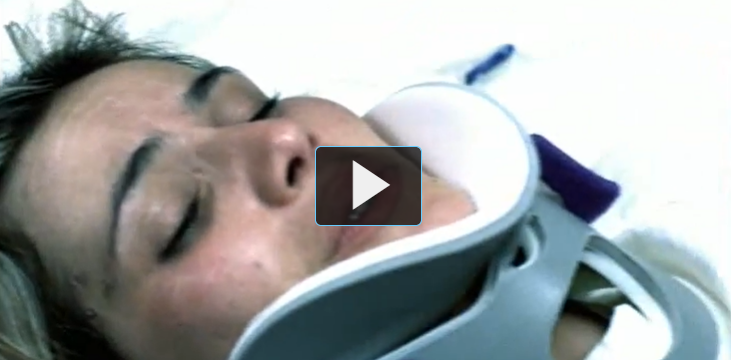
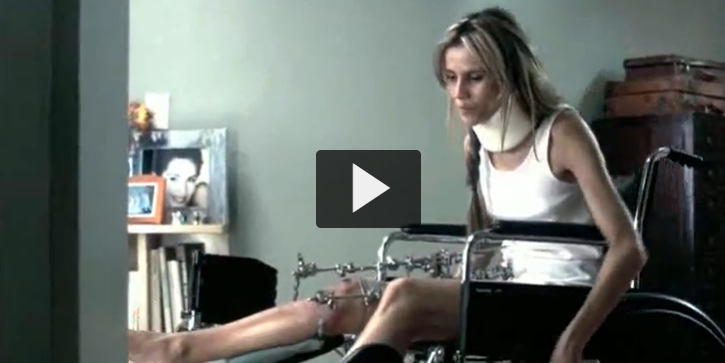
    Elliptical editing allows the movie to omit unnecessary time, highlighting key plot details and getting the point across without showing excessive details that do not add to the story. For instance, the story shifts from Valeria being in the hospital following the accident to her in a wheelchair in her apartment without showing the entire recovery process, as this would add time to the movie without contributing significantly to the overall message. The larger theme is that she is now confined to her apartment; her entire career and freedom completely taken away and ruined.
    Film Still
    Valeria in Hospital
    Valeria in Apartment
    Editing General Comments
    Comments
    Amores Perros is able to create a cohesive narrative by connecting 3 different stories with clear cause and effect relationships. It implements a variety of different editing techniques depending on the scene and overall mood; for example, employing sharp cuts and lots of motion during moments of chaos and violence (car accident, dog fighting scenes). By skipping insignificant points through elliptical editing, the film conveys a larger message without unnecessary detail, illustrating the consequences of characters' actions and important lessons. Moreover, there is a big focus on different perspectives, which are conveyed through techniques such as eyeline, allowing the audience to immerse themselves in the story and better relate to the characters.

    Sound is an integral part in a film. It refers to everything that the audience hears including sound effects, words and music. Sound is used in films for various purposes, including: providing the information to the viewer about the location of the scene, heightening the mood, telling the audience about the characters and advancing the plot. Every person who watches a film realizes that the choice of voices, soundtrack and music present in a film affect the way that the viewer perceives a particular film. As a result, the sound is an important and integral element of the film, one that determines the way that the viewer experiences and understands a film as a visual experience.

    Sound Type

    Narrative analysis is an examination of the story elements, including narrative structure, character, and plot. A narrative can be considered to be the chain of events in a cause-effect relationship occurring in time and space. In order to analyze the narrative of a film, we need to first make the distinction between the plot of the film and the story of the film. This is sometimes referred to as the discourse and story of a film. Narrative may also be called the story thought story mainly refers to the events that describe the narrative.

    Plot Comments
    Story Comments
    Narrator Type
    Narrative Structure

    Film genres are various forms or identifiable types, categories, classifications or groups of films. (Genre comes from the French word meaning "kind," "category," or "type"). These provide a convenient way for scriptwriters and film-makers to produce, cast and structure their narratives within a manageable, well-defined framework. Genres also offer the studios an easily 'marketable' product, and give audiences satisfying, expected and predictable choices. Genres refers to recurring, repeating and similar, familiar or instantly-recognizable patterns, styles, themes, syntax, templates, paradigms, motifs, rules or generic conventions.

    Category
    Bibliography

    González Iñárritu, A., Arriaga Jordán, G., Echevarría, E., García Bernal, G., Toledo, G., Guerrero, A., Bauche, V., & Salinas, J. (2002). Amores perros: Love's a bitch.